We may earn money or products from the companies mentioned in this post. This means if you click on the link and purchase the item, I will receive a small commission at no extra cost to you ... you're just helping re-supply our family's travel fund.
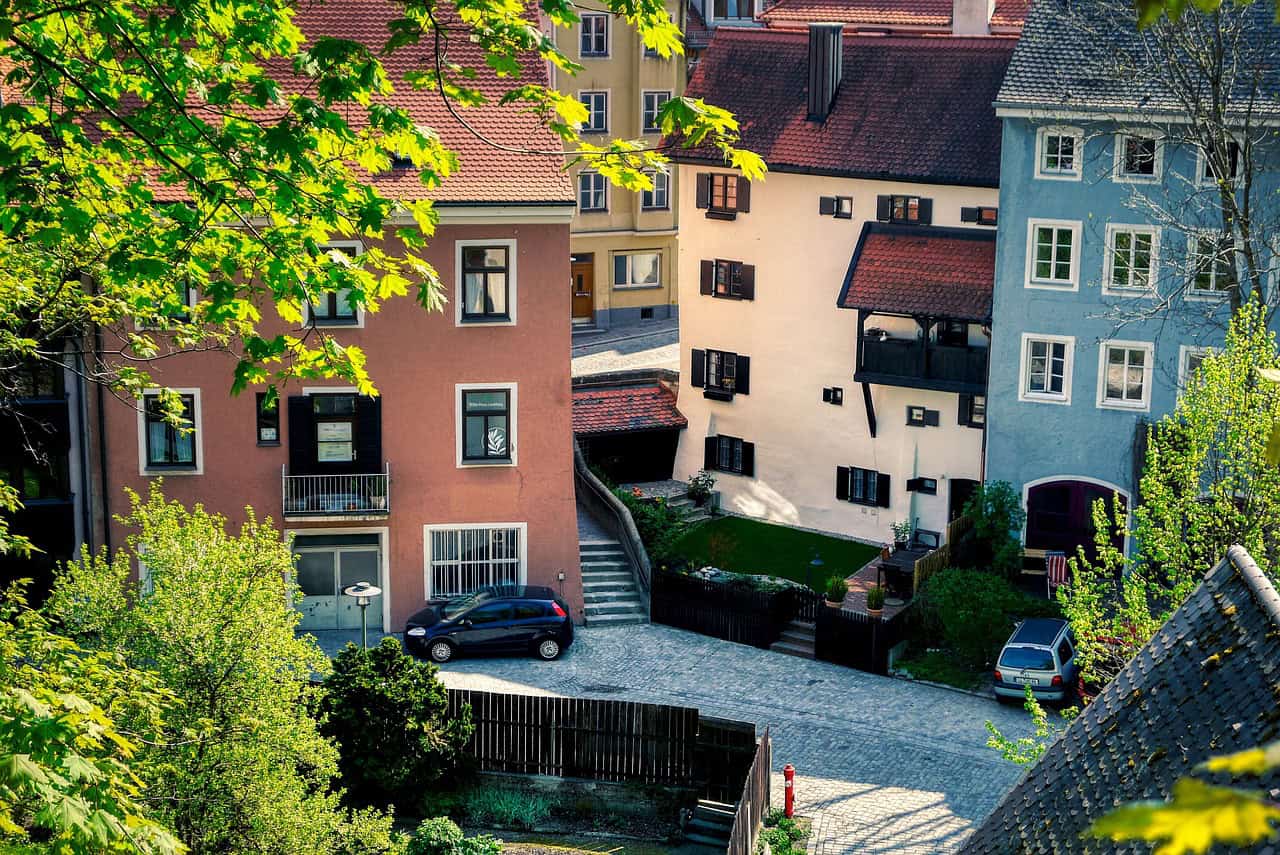
Across the United States, many towns quietly grew from strong Christian beginnings that shaped their streets, traditions, and early communities far more than travelers usually realize. These places were formed by missionaries, faith-driven settlers, disciplined congregations, or organized church societies that built not only houses of worship but also schools, governance systems, cultural traditions, and social harmony. Exploring them reveals how deeply belief once influenced daily American life.
1. Salem, Massachusetts
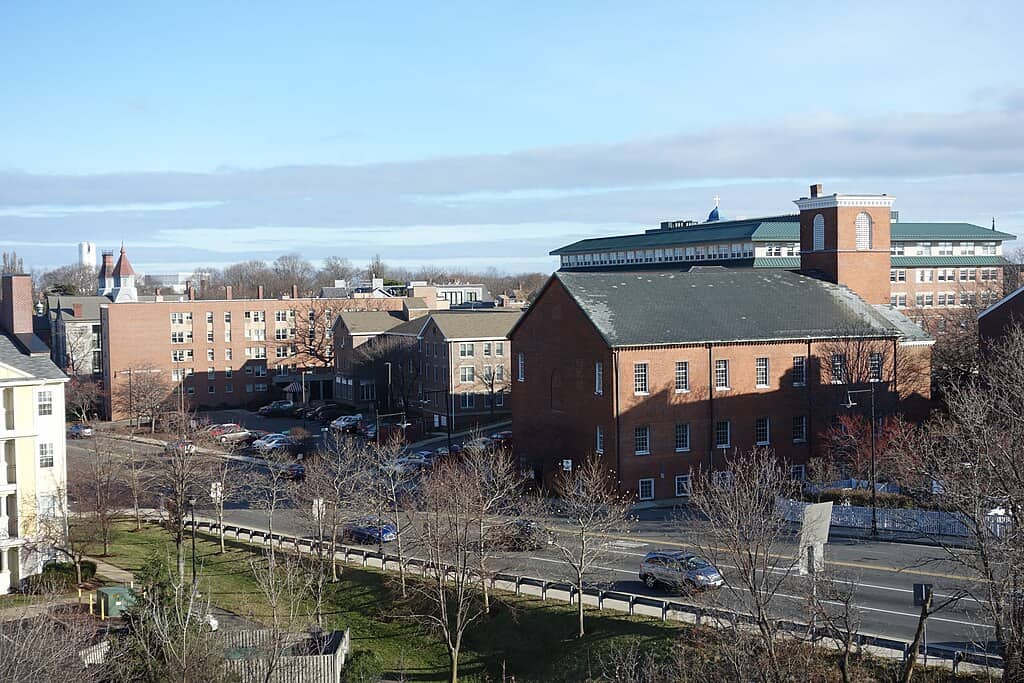
Salem is usually remembered for the 1692 witch trials, yet its earlier identity was firmly tied to strict Christian order shaped by Puritan settlers who arrived in 1629. Churches were among the first major buildings rising here, guiding community discipline, education, and even civic rules for nearly 100 years. Salem later became a major maritime hub with more than 400 ships at its commercial height, but historic congregational meetinghouses, stone churchyards, and preserved wood-frame sanctuaries still remind visitors that religion once anchored daily routine and moral direction throughout this coastal town.
2. St. Augustine, Florida
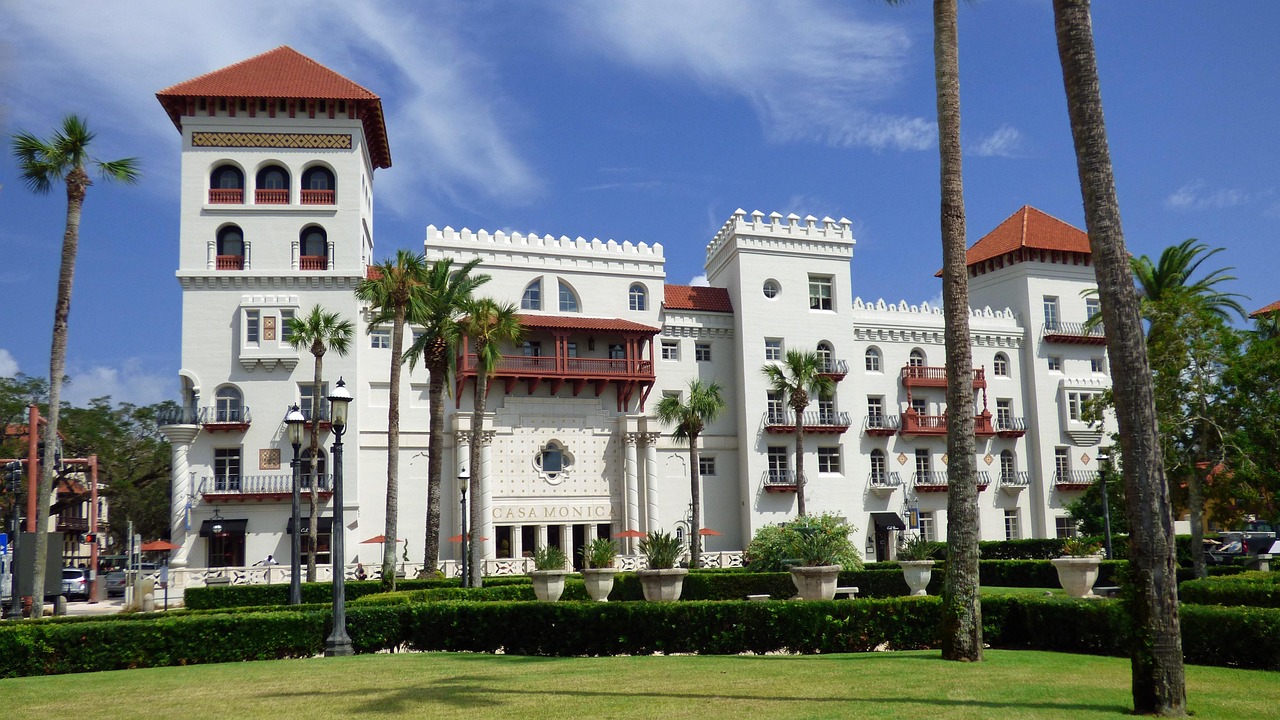
Founded in 1565 by Spanish colonists, St. Augustine stands as the oldest continuously inhabited European-established city in the United States, and Christianity was woven into its foundation from day one. Catholic missionaries built chapels, organized communities, and stood beside military forts as spiritual guardians of settlers struggling to survive. More than 20 historic religious sites now trace this heritage, including the massive Mission Nombre de Dios cross standing over 200 feet high. The blend of stone cathedrals, small shrines, and preserved mission grounds makes faith history feel physically alive in this coastal city.
3. Santa Fe, New Mexico

Santa Fe carries Christian influence that reaches back to the early 1600s, when Spanish missionaries arrived and constructed adobe mission churches to anchor settlement life. Religion shaped government policy, community celebrations, and artistic expression for over 200 years, while interacting with Native cultures in complex ways. The Cathedral Basilica of St. Francis of Assisi and more than 10 historic mission structures still carry this layered heritage. Even today, annual pilgrimages, religious festivals attended by thousands, and preserved adobe chapels show how Santa Fe’s identity was guided strongly by early Catholic presence.
4. Williamsburg, Virginia
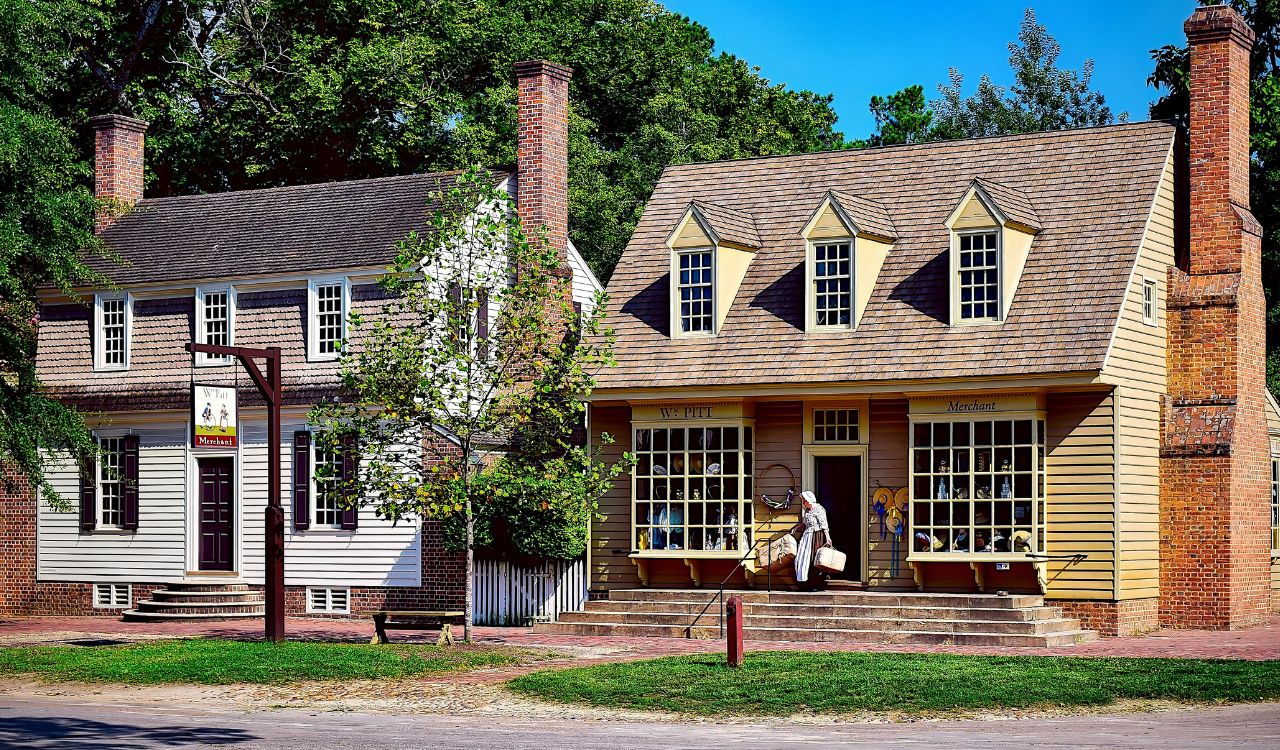
Williamsburg is often remembered for revolution and colonial government, yet its early foundation was deeply shaped by Anglican Christianity that guided civic discipline and daily rhythm. Established in 1632 and later becoming capital of Virginia in 1699, the town revolved around Bruton Parish Church, which has stood for more than 300 years and once gathered hundreds of influential leaders in its pews. Sermons influenced local laws, religious instruction shaped education, and church gatherings strengthened community unity. Even restored streets and preserved brick sanctuaries today echo the strong moral structure that once defined everyday life.
5. Bethlehem, Pennsylvania
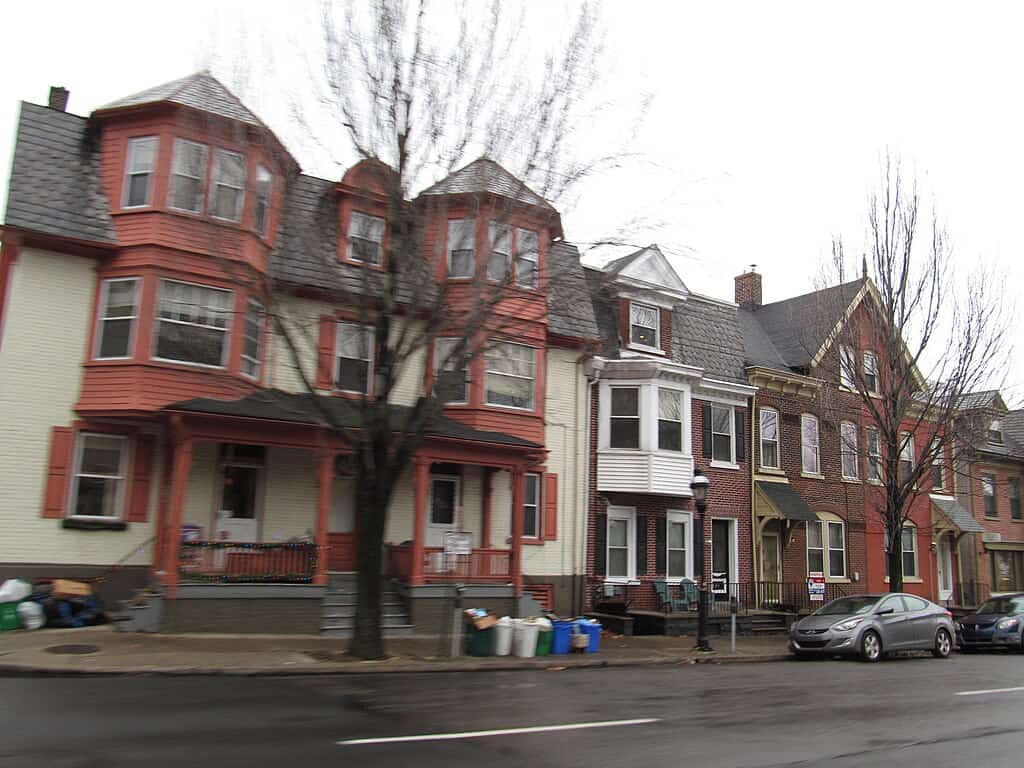
Founded in 1741 by Moravian missionaries, Bethlehem began as a carefully organized faith-based community where religion shaped work schedules, music, education, and social discipline. The town originally operated under communal Christian principles for several decades, with nearly 500 residents sharing labor responsibilities and daily worship life. Stone churches, communal halls, and beautifully preserved 18th-century structures still tell this story with striking clarity. Though Bethlehem later became an industrial force through Bethlehem Steel, drawing tens of thousands of workers, its earliest Christian character remains visible in architecture, historic records, and cultural traditions preserved across the city.
6. Nauvoo, Illinois
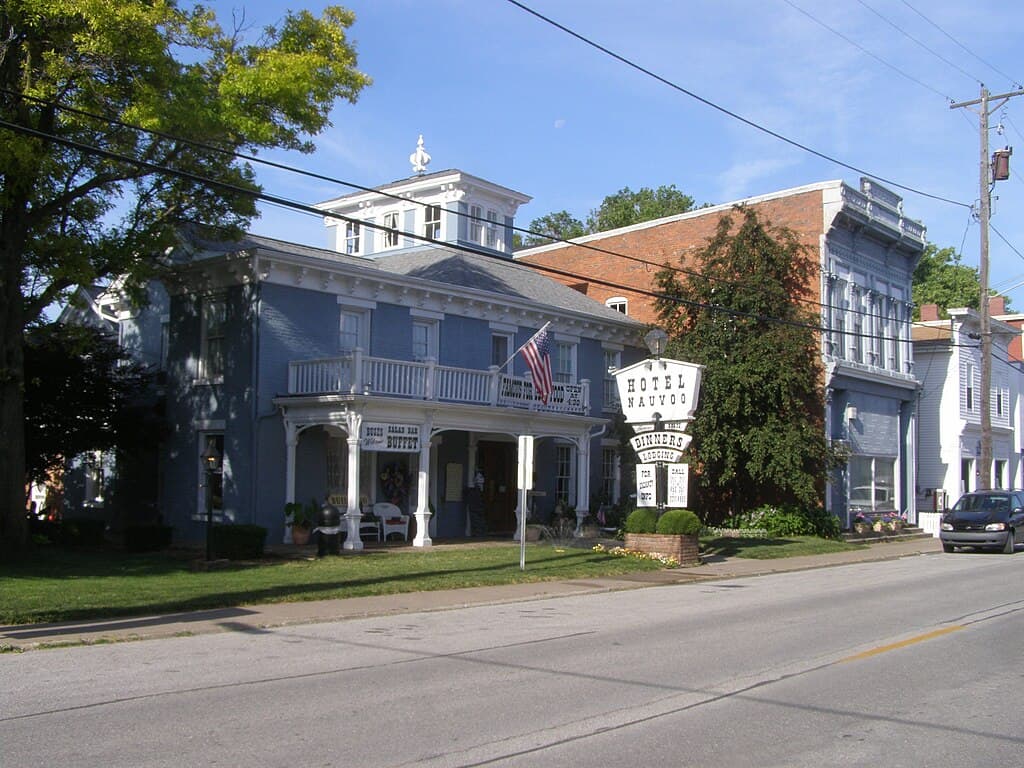
Nauvoo holds one of the most dramatic Christian-rooted histories in America, founded in the 1830s by members of the Church of Jesus Christ of Latter-day Saints who transformed the land into a thriving religious settlement within only a few years. By 1844, its population reached nearly 12,000 residents, making it one of the largest cities in Illinois. Temples, organized church governance, communal cooperation, and strict moral faith guided every corner of life. Though many residents were later forced westward, carefully restored streets, rebuilt temples, and preserved houses now allow thousands of visitors annually to witness its resilient spiritual legacy.
7. Santa Barbara, California
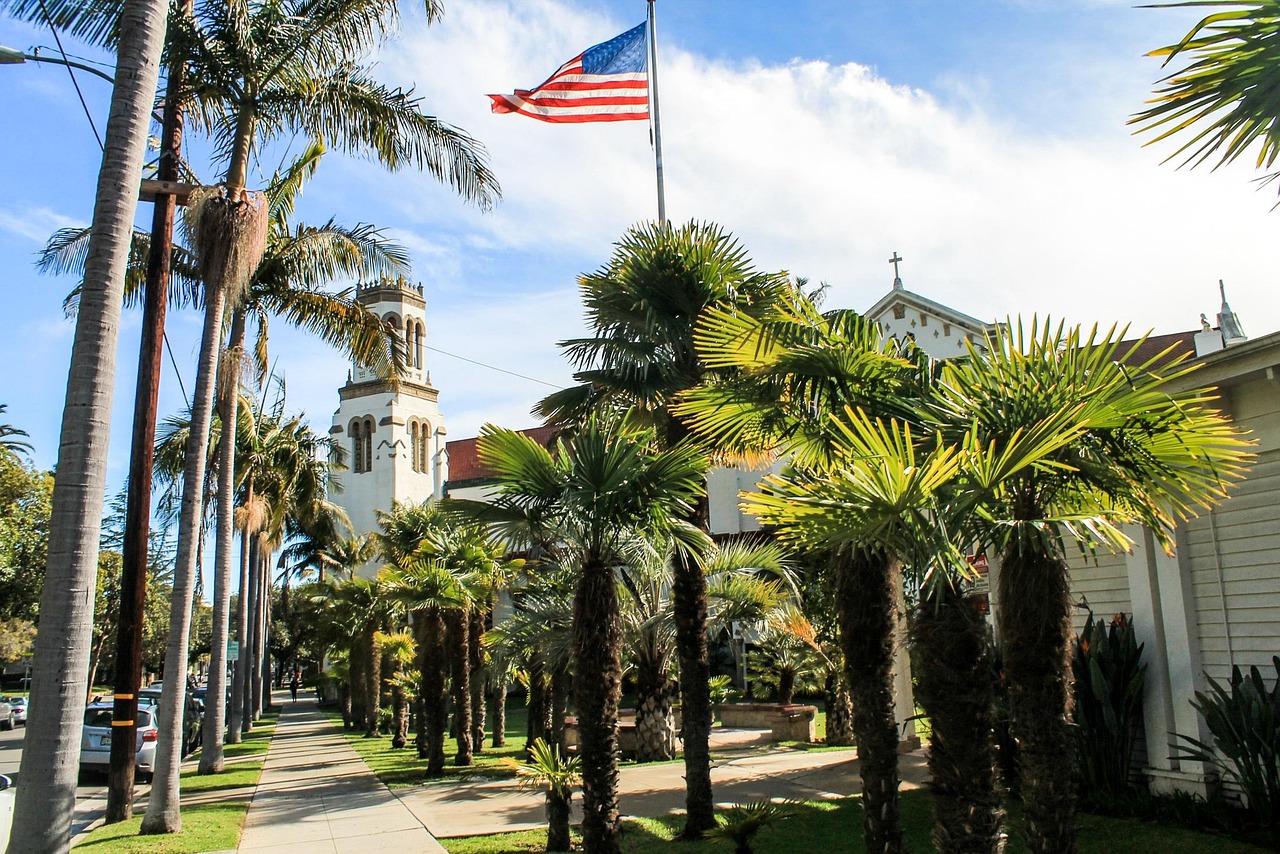
Santa Barbara’s coastal beauty hides a deep Christian foundation tied to Franciscan missionaries who established Mission Santa Barbara in 1786, one of 21 major missions across California. The mission quickly became the spiritual, agricultural, and cultural center for the region, housing over 600 residents at certain times and influencing farming, education, and governance for decades. Its iconic twin-tower church still stands, along with mission gardens, museum collections, and preserved stone corridors. The site receives hundreds of thousands of visitors yearly, reminding modern travelers that this elegant seaside city grew from a powerful early Catholic presence.
8. New Harmony, Indiana
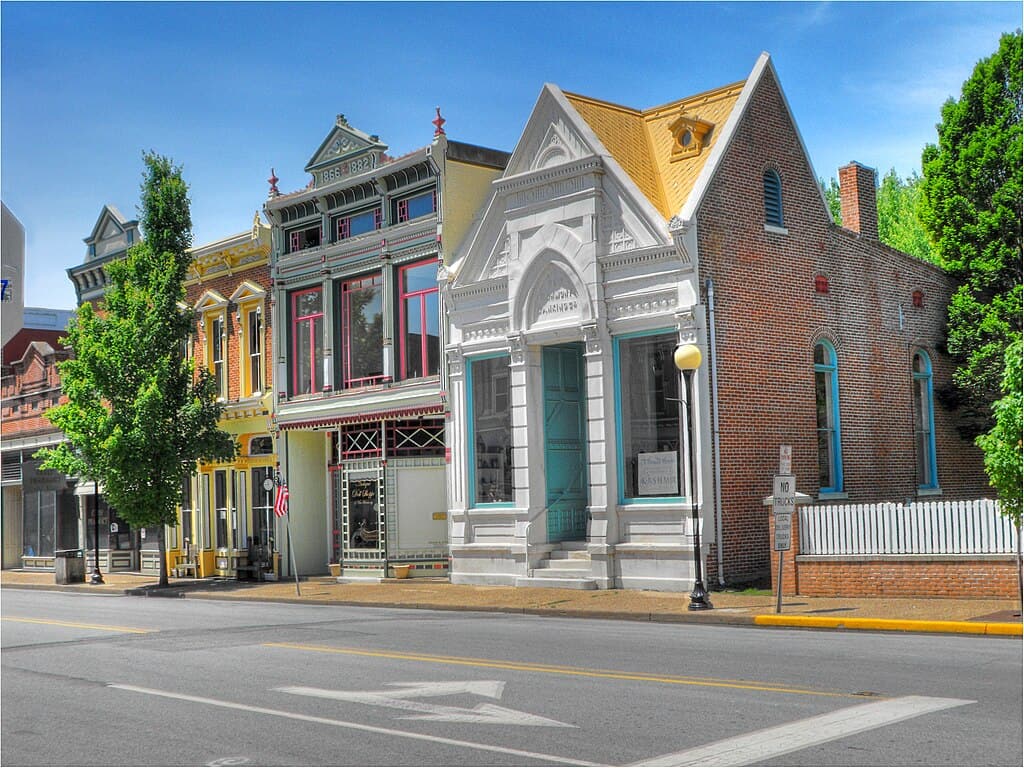
New Harmony began in 1814 as a bold Christian communal experiment created by the Harmony Society, whose members believed disciplined faith, shared labor, and spiritual purity could build an ideal society. At its strongest, the settlement included nearly 800 residents living by structured religious principles, communal ownership, and strict lifestyle rules. They built organized streets, large meeting halls, and productive agricultural systems before eventually relocating. Despite its short life as a faith-centered town, preserved architecture, museums, and community records still reveal how deeply belief shaped its original vision, leaving a lasting cultural and spiritual footprint.