We may earn money or products from the companies mentioned in this post. This means if you click on the link and purchase the item, I will receive a small commission at no extra cost to you ... you're just helping re-supply our family's travel fund.
Happiness rankings can sound abstract, but the best ones measure how people actually rate their lives, not just income or temporary mood. The latest global results keep showing a practical pattern: people report higher well-being where trust is strong, institutions work, and social support is real when trouble hits. Climate, culture, and language differ widely across top-ranked countries, yet their daily foundations often look similar. These 10 nations are not perfect places. They are places where ordinary life tends to feel more stable, more dignified, and less exhausting over time.
Belgium
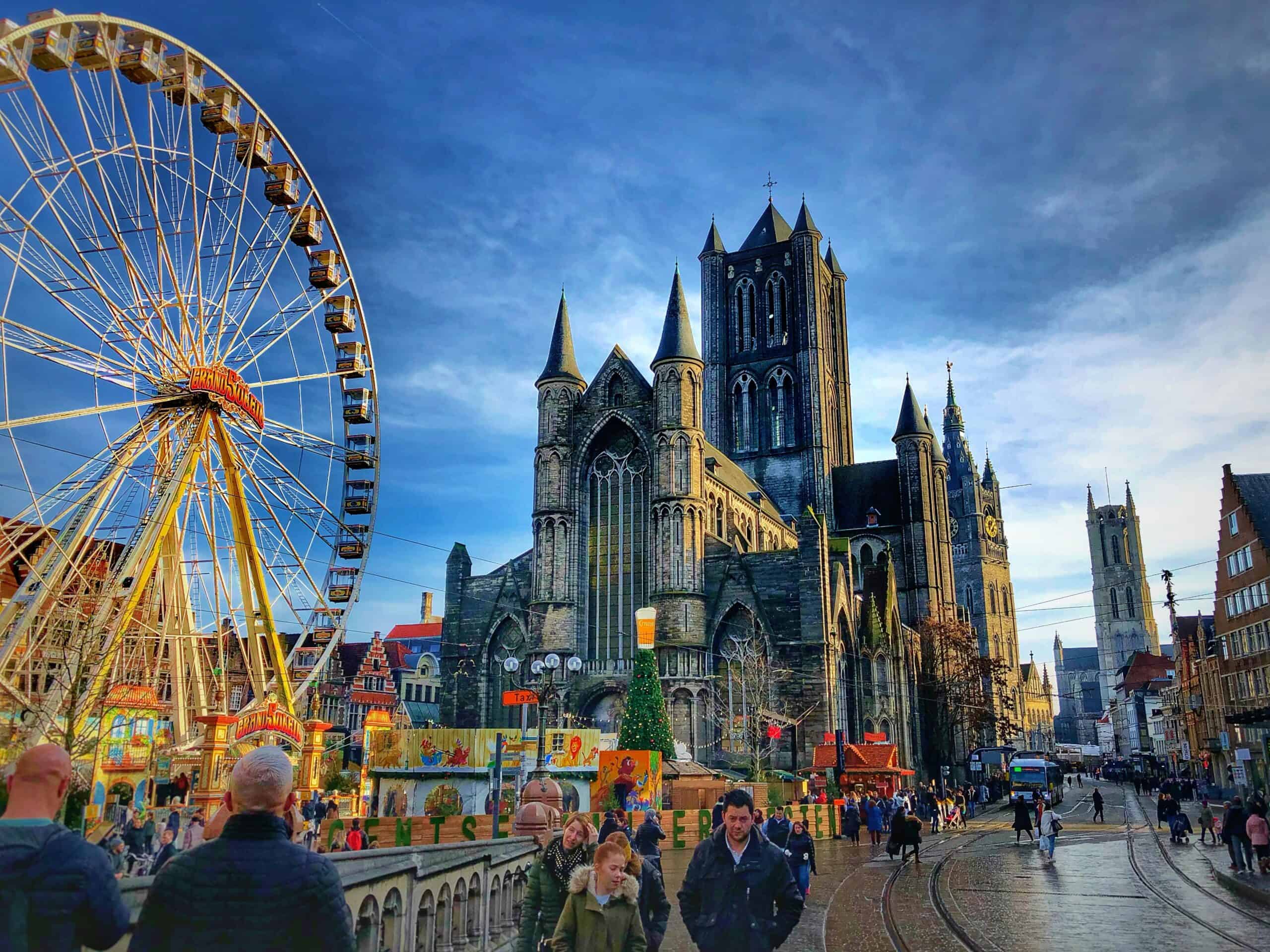
Belgium’s strong ranking is tied to social protections, healthcare access, and urban environments where daily essentials are generally within reach. The country’s multilingual, regionally diverse structure can be complex, yet core services remain dependable, which supports life satisfaction across different communities. Work-life boundaries are also taken seriously in many sectors, helping people protect family time and social ties. Happiness here tends to come from practical stability: public services that work, social networks that hold, and a routine that feels manageable rather than constantly reactive.
Ireland
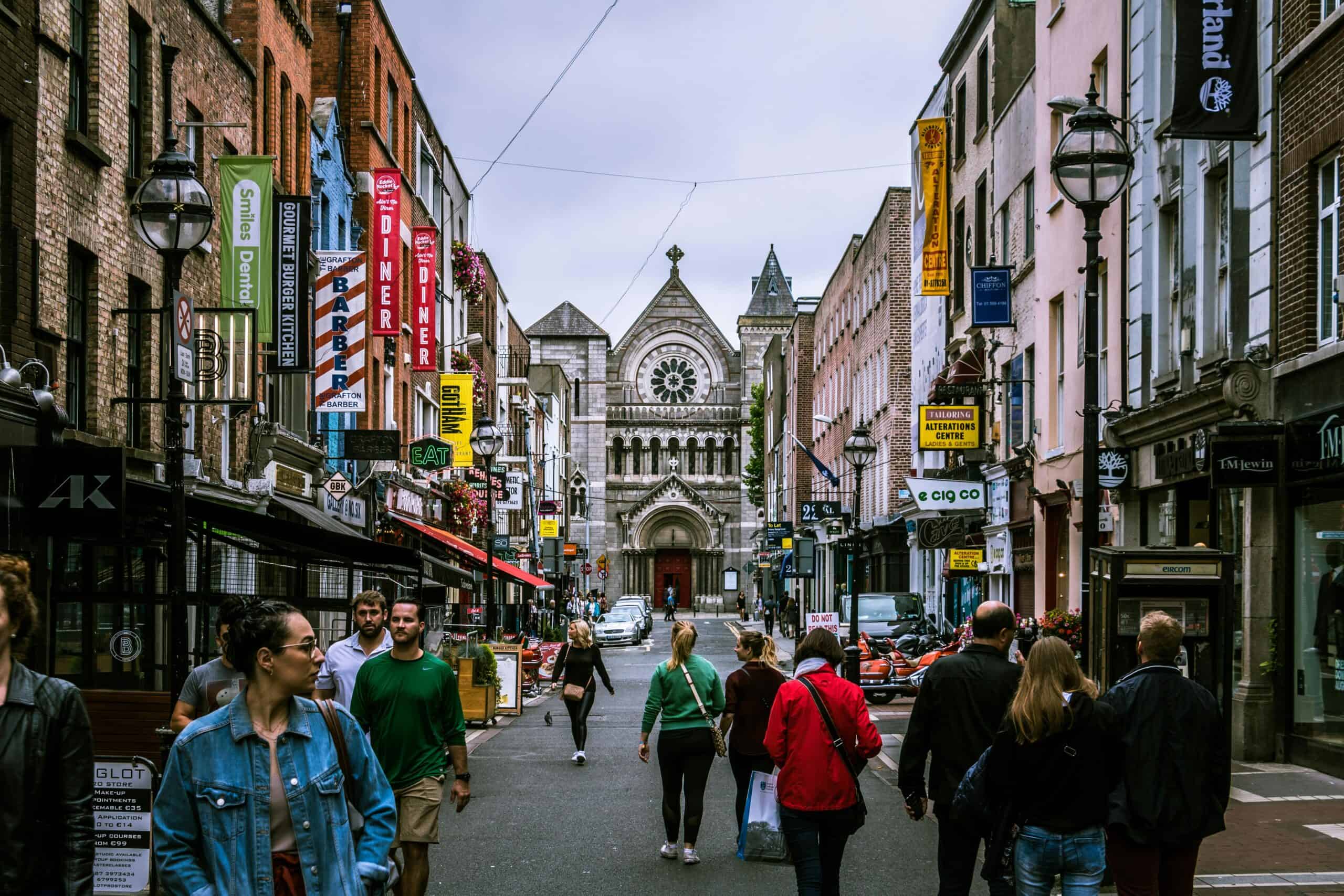
Ireland pairs strong community culture with high modern living standards, and that mix helps explain its position among the happiest countries. Social connection remains a meaningful part of daily life, from family networks to neighborhood-level support, while economic growth has expanded access to services and opportunity. The emotional tone is often warm and relational, which can buffer stress during difficult periods. Happiness here is shaped by belonging as much as by income, with trust, humor, and social closeness carrying real weight in life evaluation.
Lithuania
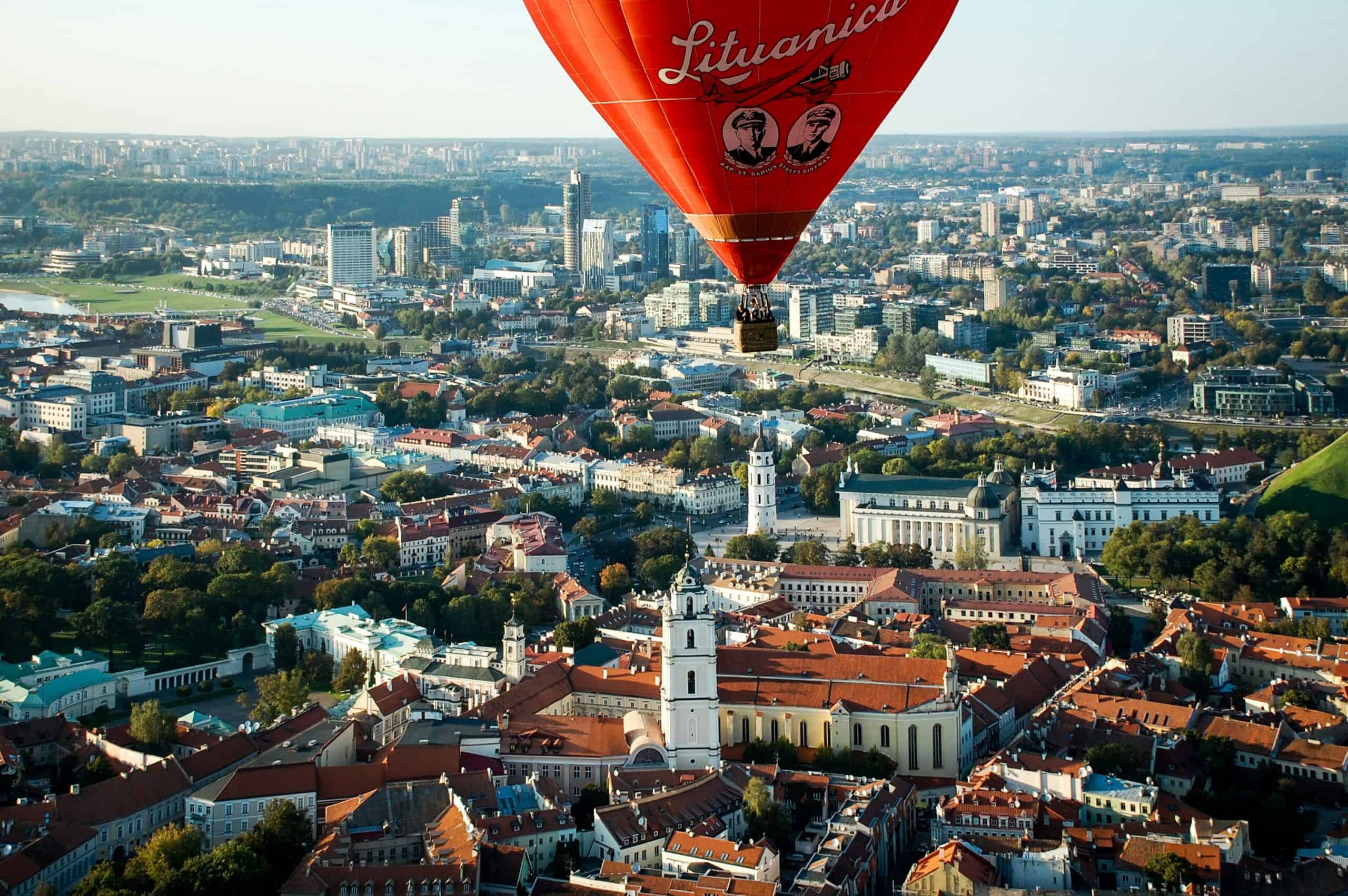
Lithuania’s presence in this tier signals how quickly well-being outcomes can improve when economic progress, public trust, and social stability rise together. Over recent years, the country has strengthened key systems while maintaining cultural cohesion, and that shift is reflected in stronger life evaluations. People report greater confidence in day-to-day predictability, which matters more than headline growth alone. Lithuania’s case is important because it shows happiness rankings are dynamic, and societies can move upward through sustained institutional improvement and social resilience.
Austria
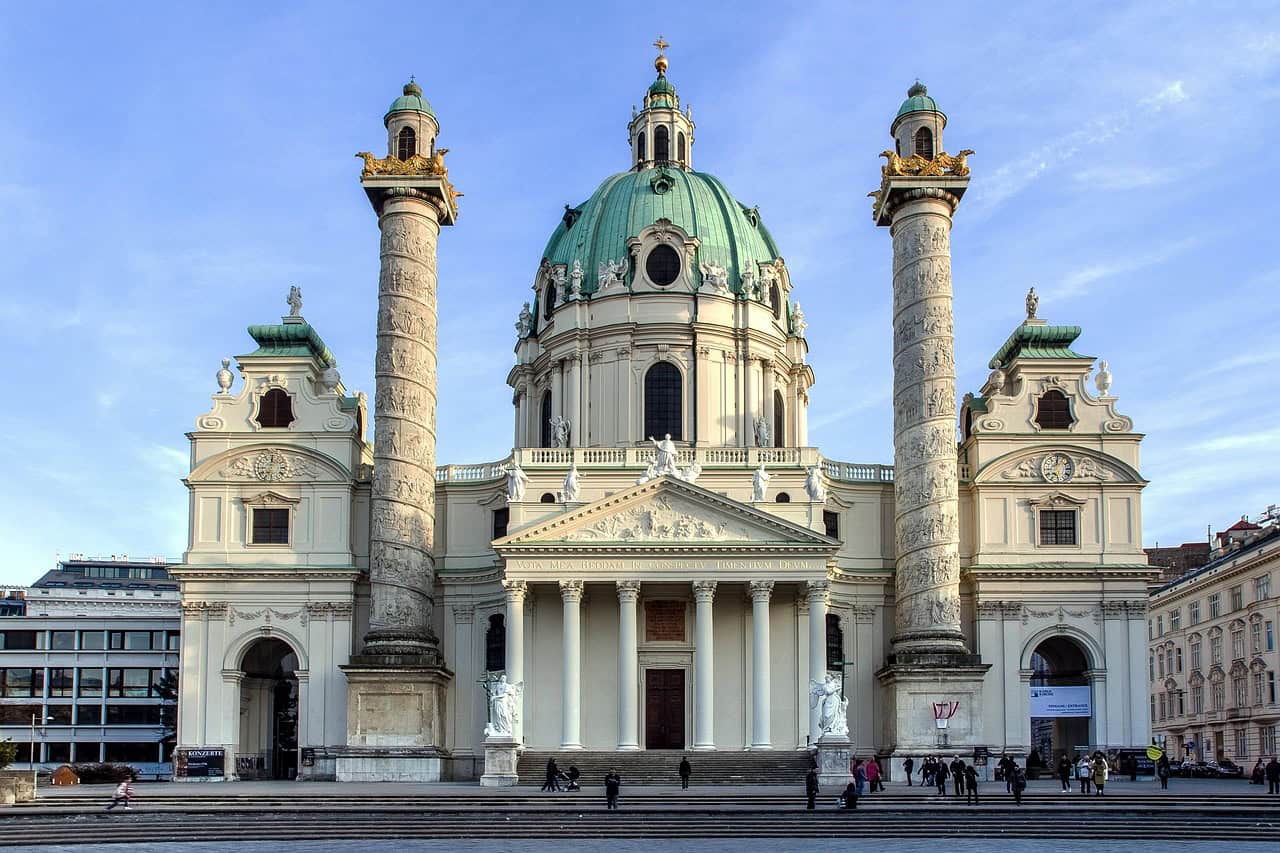
Austria benefits from a strong social market model, high service quality, and cities built around livability rather than pure speed. Public transport is efficient, healthcare is accessible, and public spaces are maintained in ways that support both safety and cultural life. These conditions reduce daily strain and make routine life feel more coherent. Happiness here often appears in quiet forms: low-friction mobility, stable family infrastructure, and confidence that institutions will respond competently when problems arise, rather than pushing burdens fully onto individuals.
Canada
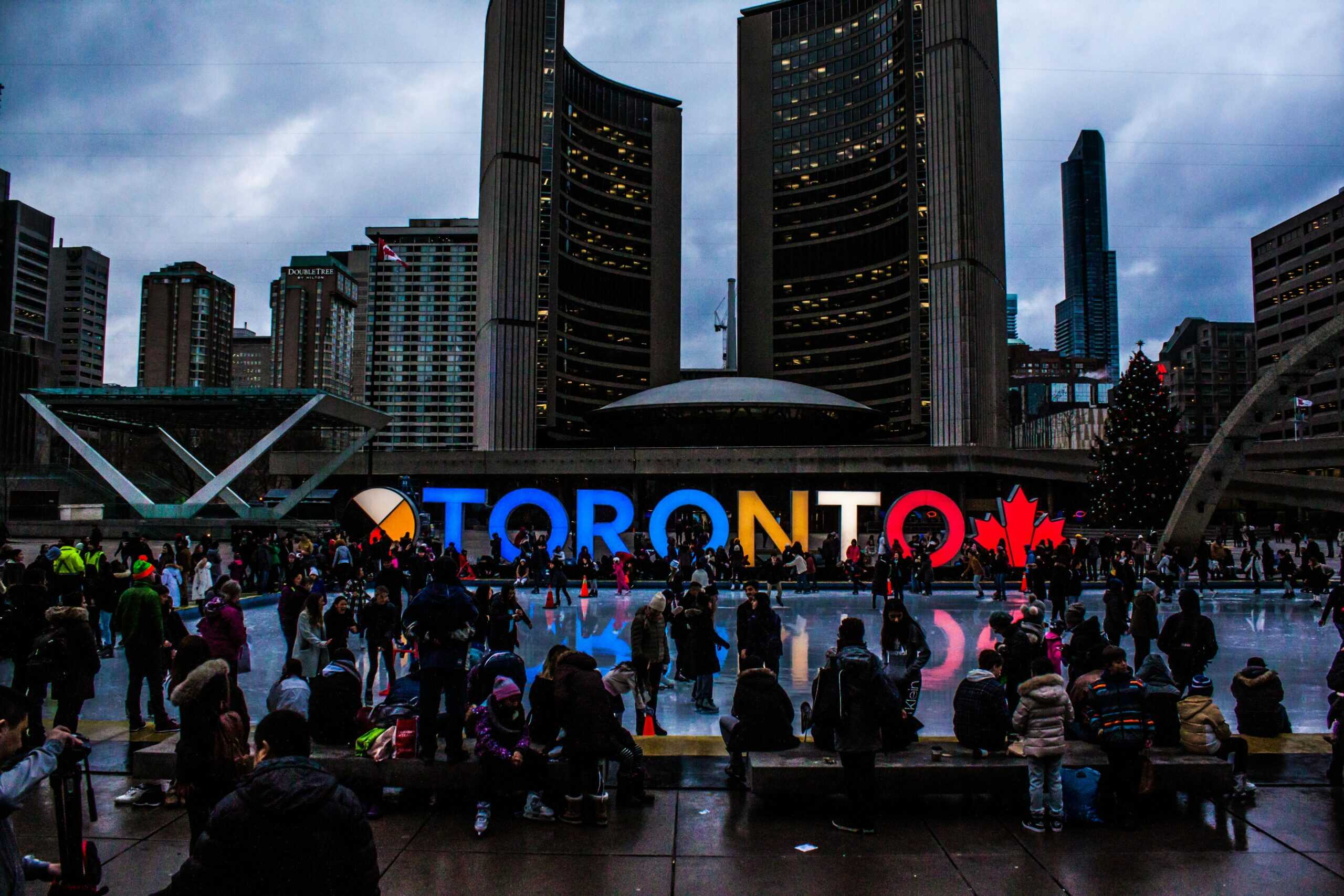
Canada’s ranking reflects broad institutional trust, social protections, and a public culture that generally values inclusion and civic cooperation. Quality of life remains closely tied to healthcare access, education, and neighborhood safety, though cost pressures in major cities continue to challenge affordability for many households. Even so, national well-being stays comparatively high because social and institutional buffers are still substantial. Happiness in Canada is often less about exuberance and more about security: people feeling that support exists when circumstances become uncertain.
Slovenia

Slovenia stands out for combining natural access, manageable urban scale, and social cohesion in a way that supports day-to-day satisfaction. Public systems are comparatively reliable, and many communities maintain a strong sense of local connectedness that counters isolation. The country’s size can also help policy responsiveness, with fewer layers between citizens and institutions. Happiness here tends to grow from continuity: stable routines, supportive social circles, and environments where outdoor activity, family life, and public services fit together without constant trade-offs.
Czechia
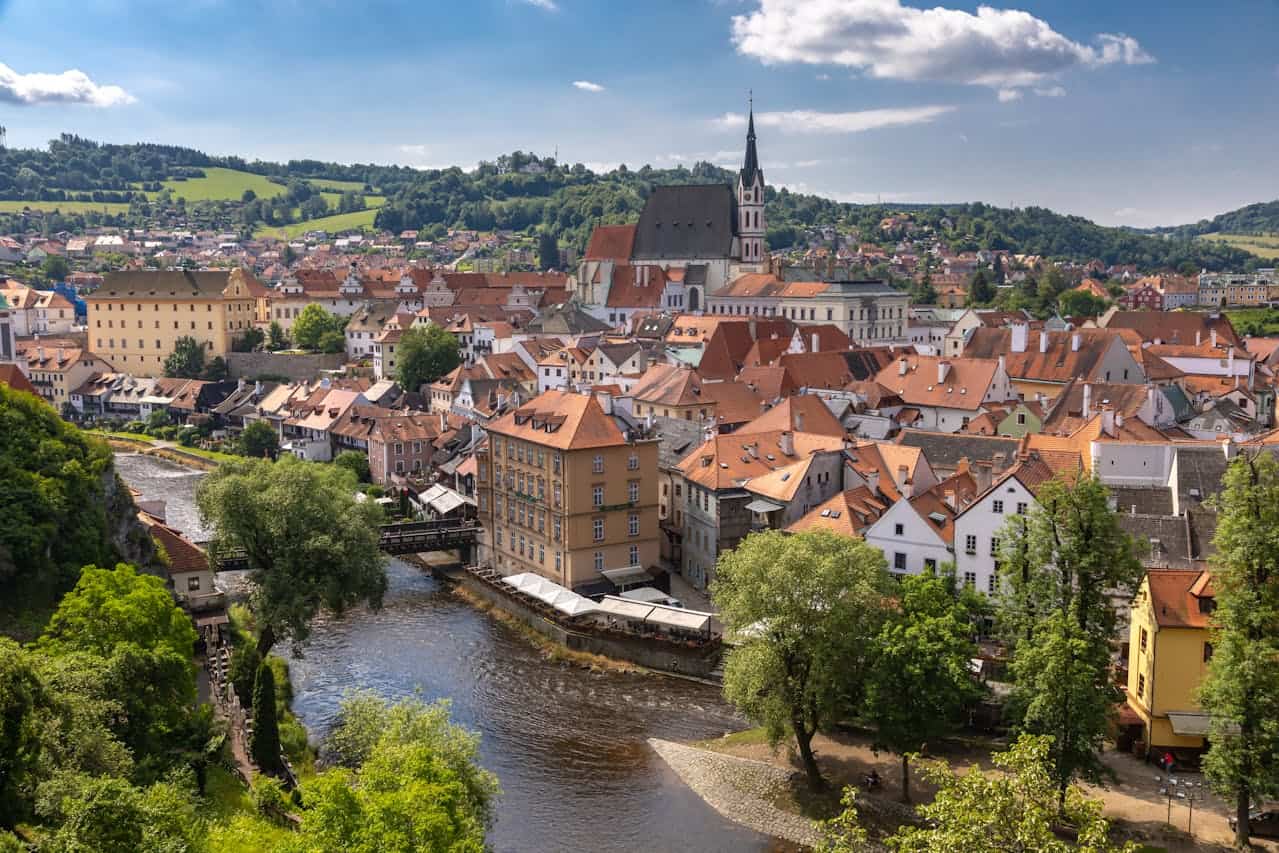
Czechia’s place in the top 20 reflects steady gains in living standards and institutional function, alongside social structures that still support community life. Major cities offer strong cultural and economic opportunities, while smaller towns preserve affordability and local cohesion for many residents. The broader well-being pattern points to practical confidence: healthcare and public systems are not perfect, but they are sufficiently reliable to reduce persistent anxiety. Happiness here is often grounded in realism, with people valuing stability, competence, and social continuity over spectacle.