We may earn money or products from the companies mentioned in this post. This means if you click on the link and purchase the item, I will receive a small commission at no extra cost to you ... you're just helping re-supply our family's travel fund.

Long-haul trips used to feel simple: buy a ticket, flash a passport, chase a dream photo. Now, safety maps and State Department alerts sit beside hotel confirmations on the kitchen table. Many countries still welcome US citizens without a visa, yet carry security stories that do not always make the brochure. Crime, unrest, and strained infrastructure can sit just beyond the resort gate. Visa-free access still helps with spontaneity, but it no longer guarantees an easy, low-risk experience.
Mexico
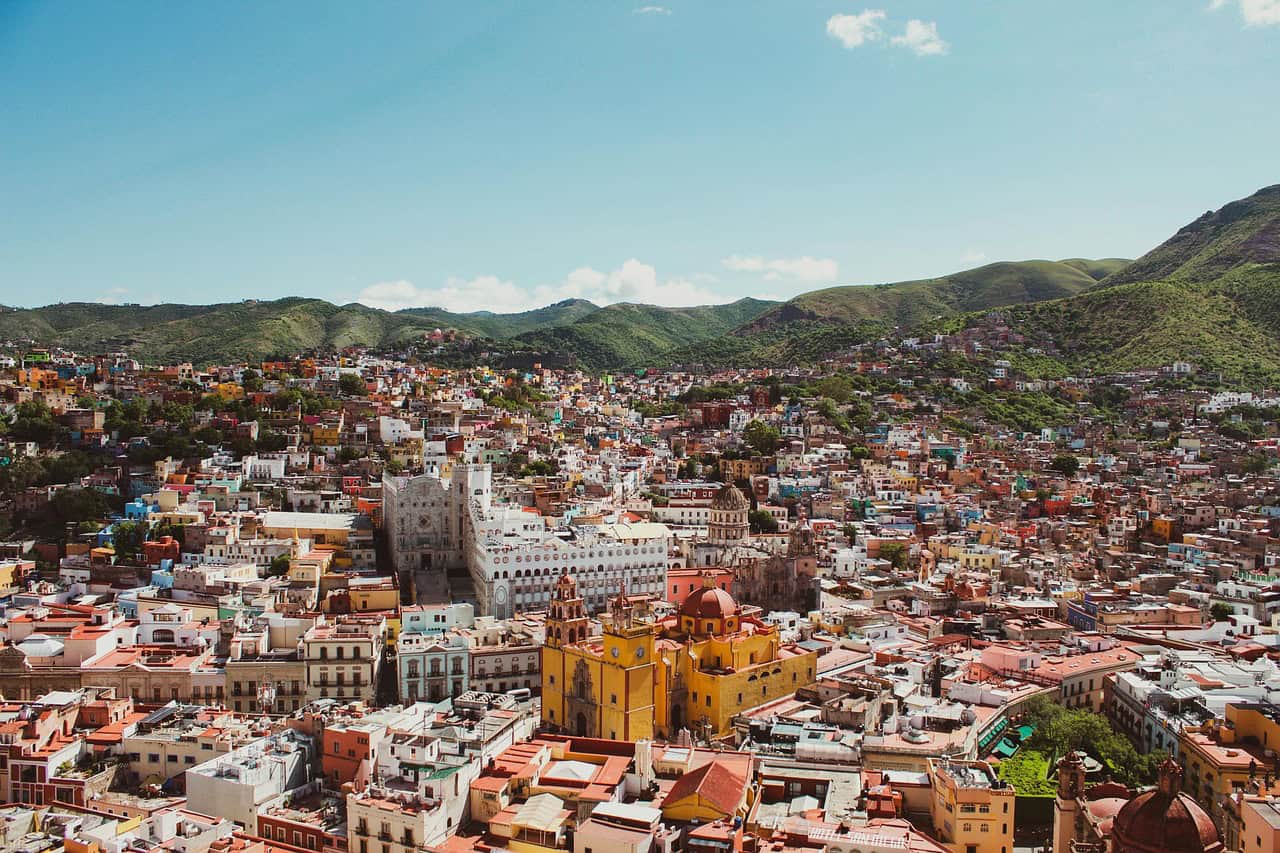
Mexico keeps its place as a top US getaway, with most tourists entering visa-free for up to about six months and heading straight for beaches or colonial plazas. At the same time, multiple states face serious cartel violence, kidnappings, and carjackings, and some regions are flagged as no-go zones while nearby resort strips stay busy. Travelers who stick to managed corridors often feel relaxed, but the gap between those bubbles and surrounding realities has grown harder to ignore.
Colombia
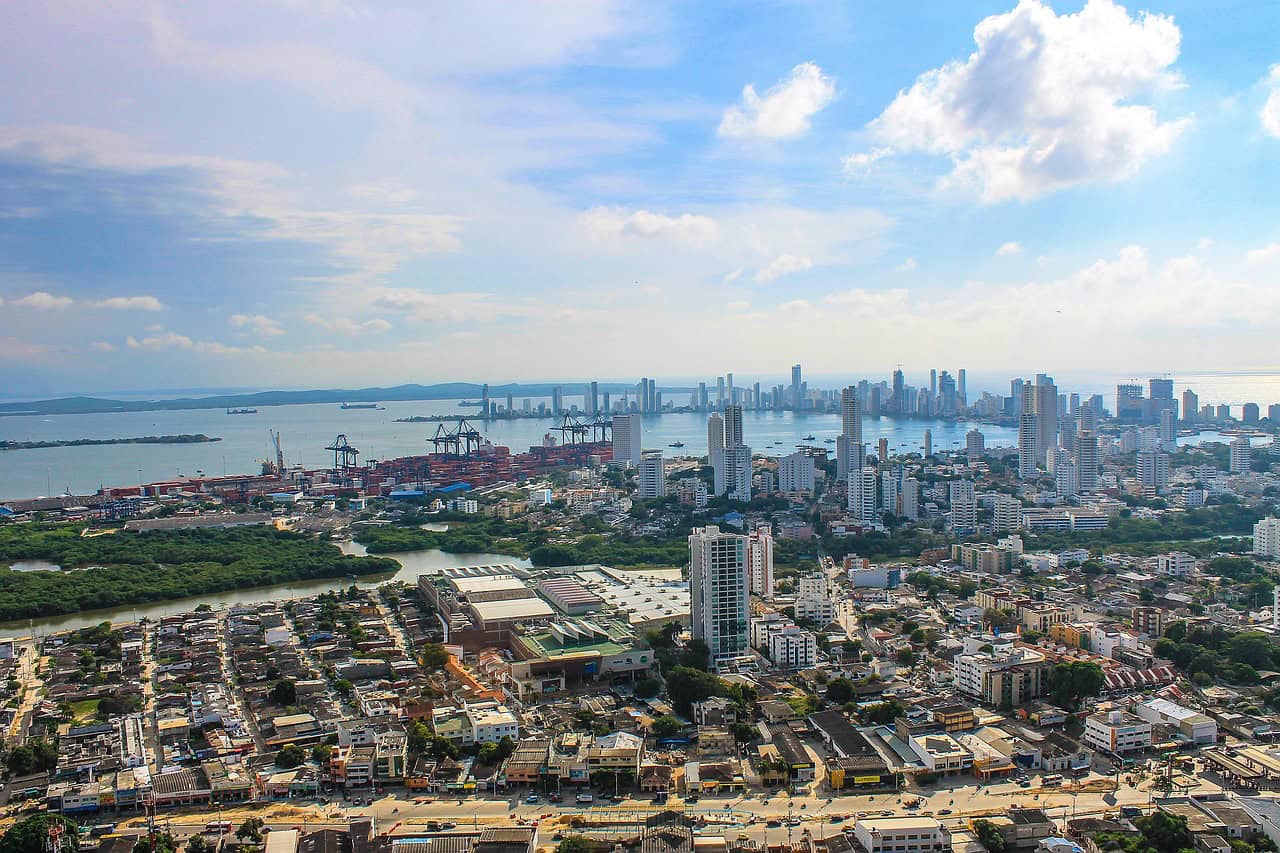
Colombia now sells itself as a country of reborn cities, coffee fincas, and Caribbean islands, and US citizens can usually enter without a visa for shorter stays. Security, though, still varies sharply between polished neighborhoods and rural or border regions touched by armed groups and criminal networks. Big urban areas report robberies, express kidnappings, and scams that hit both locals and visitors. The country’s progress is real, but the margin for carelessness remains thinner than glossy ads suggest.
Trinidad And Tobago
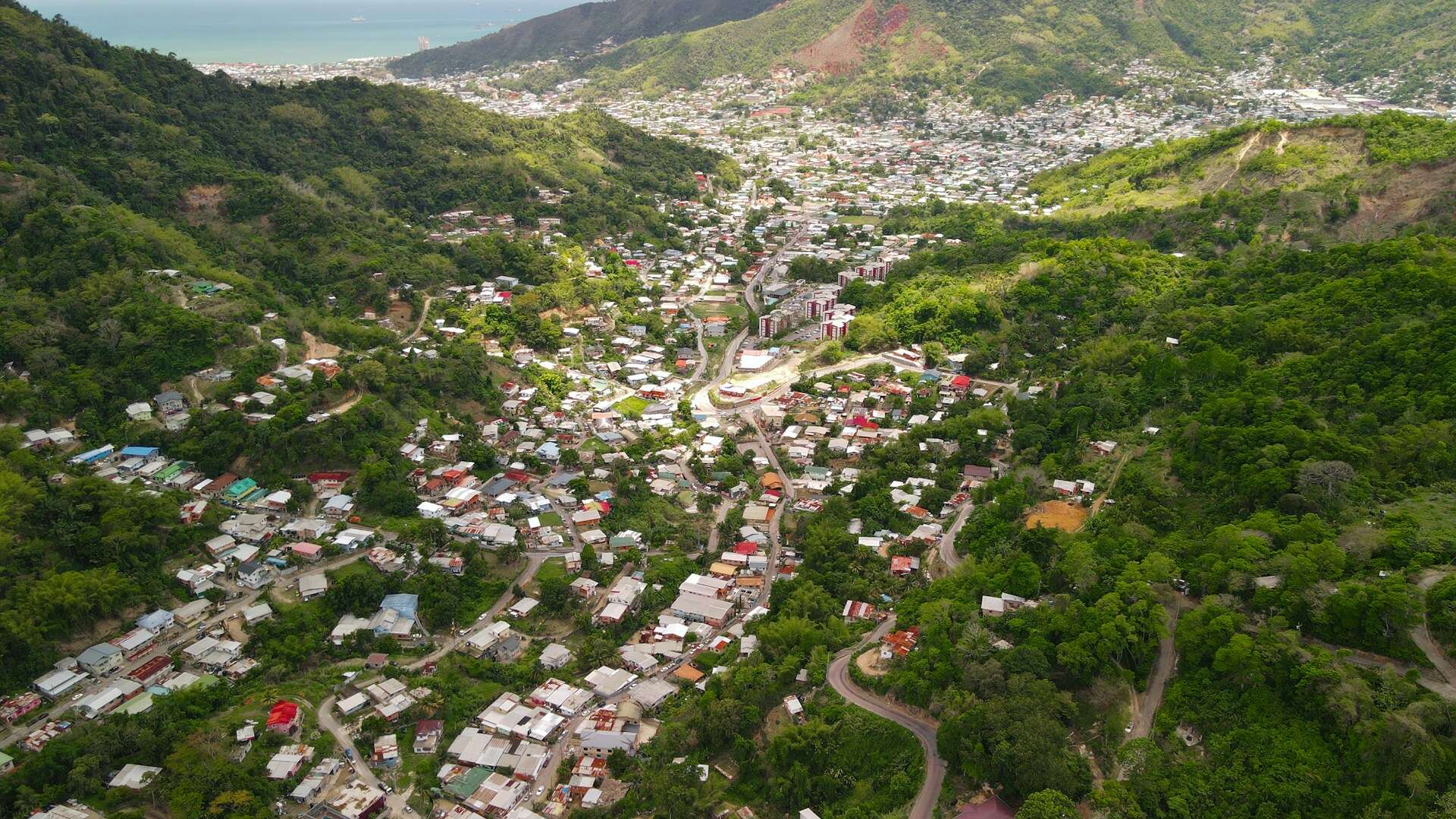
Trinidad and Tobago offers US visitors visa-free entry, Carnival energy, and a mix of industrial skylines and emerald bays. Recent years, though, have brought spikes in gang violence, gun crime, and kidnappings, pushing parts of the country into higher alert categories. Port of Spain and some residential districts see shootings that rarely reach cruise brochures. The islands still deliver music, food, and culture in abundance, but local headlines paint a sharper picture than sun-and-rum marketing admits.
The Bahamas

The Bahamas sits close, straightforward, and visa-free for US passport holders, which keeps flights full and cruise docks busy almost year-round. Serious crime, including armed robberies and sexual assaults, remains concentrated in certain neighborhoods of New Providence and Grand Bahama, sometimes brushing against areas used by tourists and foreign workers. Police resources can be stretched, and investigation follow-through is uneven. Inside resorts, life often feels polished and controlled; just beyond, the security picture looks more complicated and fragile.
Jamaica

Jamaica still welcomes US citizens without a visa for typical vacations built around all-inclusive resorts, coastal drives, and music pilgrimages. Outside managed compounds, though, the country wrestles with high murder rates, gang turf battles, and long-standing trust gaps between residents and law enforcement. Infrastructure strains can slow emergency response in some areas, and smaller clinics may lack capacity. Many visitors never glimpse these pressures, yet families and local advocates keep raising questions about who actually bears the risks behind the island’s global brand.
Costa Rica
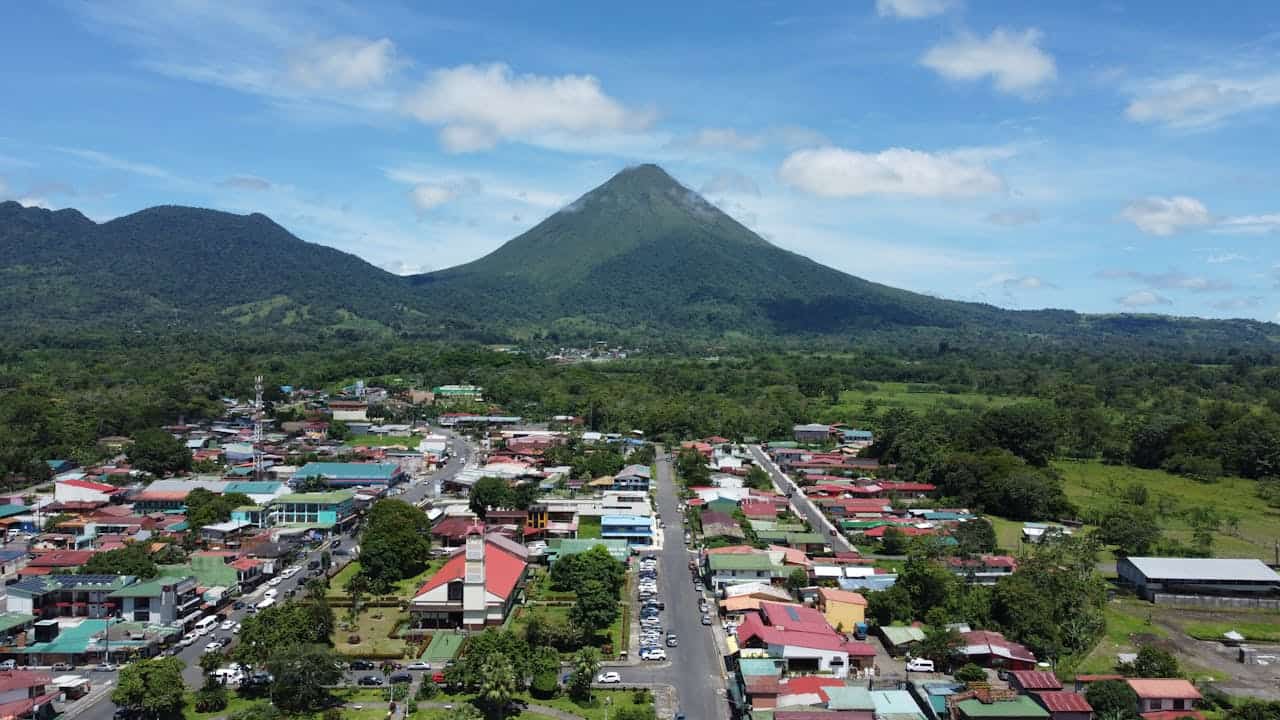
Costa Rica’s visa-free access for US citizens, strong conservation story, and “pura vida” marketing have long framed it as an easy first international trip. In recent years, embassies and local media have tracked increases in robberies, home invasions targeting vacation rentals, and organized crime tied to drug routes. Coastal areas with winding roads and limited street lighting can feel especially vulnerable after dark. The country still offers rich wildlife and thoughtful eco-lodges, but security planning now sits closer to the center of the conversation.
Türkiye (Turkey)
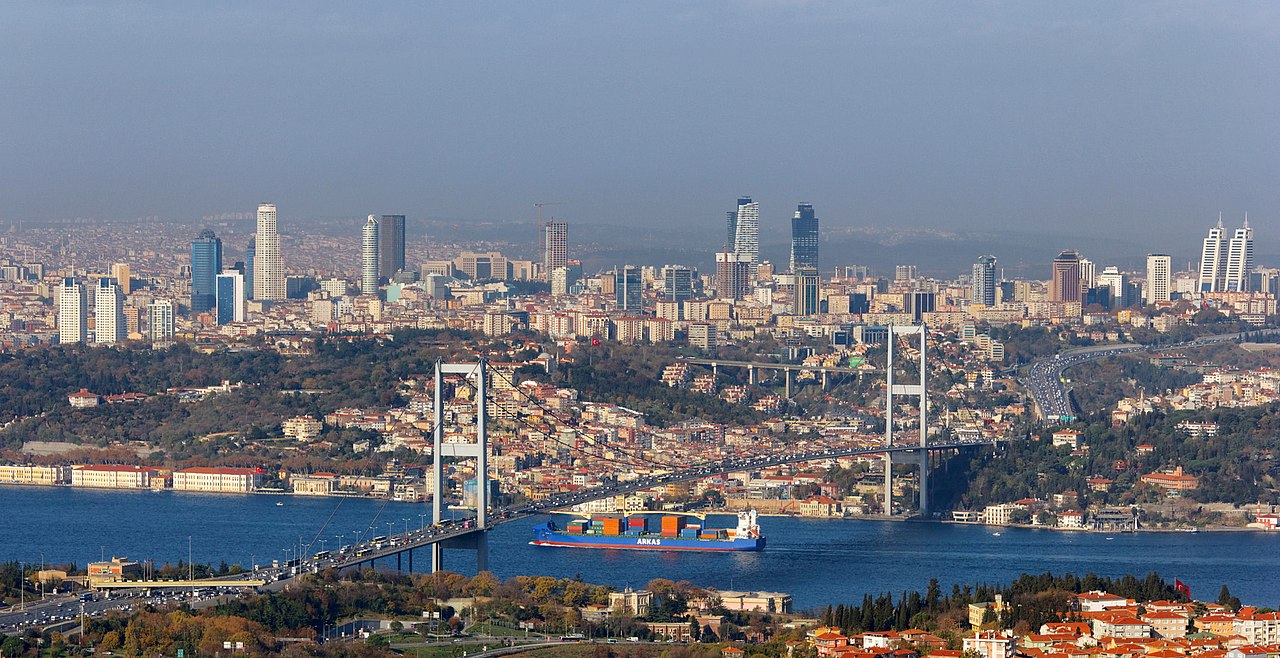
Türkiye allows US citizens to visit visa-free for short tourism and business stays, opening an easy door to Istanbul’s skyline, Cappadocia’s valleys, and Aegean beach towns. The same map includes border regions affected by conflict spillover, past terrorist attacks in major cities, and protests that occasionally draw heavy-handed responses. Crime levels are moderate but uneven, and regional tensions sometimes flare into sudden advisories. Millions of trips finish uneventfully each year, yet diplomats and locals alike describe a safety picture that rewards close, current attention.