We may earn money or products from the companies mentioned in this post. This means if you click on the link and purchase the item, I will receive a small commission at no extra cost to you ... you're just helping re-supply our family's travel fund.
Beautiful travel content can flatten reality. A beach reel, a skyline shot, and a glowing review can make any destination feel effortless, as if risk belongs somewhere else. On the ground, most problems are ordinary: theft in crowds, late-night transport disputes, tour scams, and poor safety choices around water. None of this means a place should be avoided. It means expectations should be honest. These seven destinations are still worth visiting, but they tend to reward travelers who plan with clear eyes, steady routines, and a little more caution than social media suggests.
Riviera Maya, Mexico
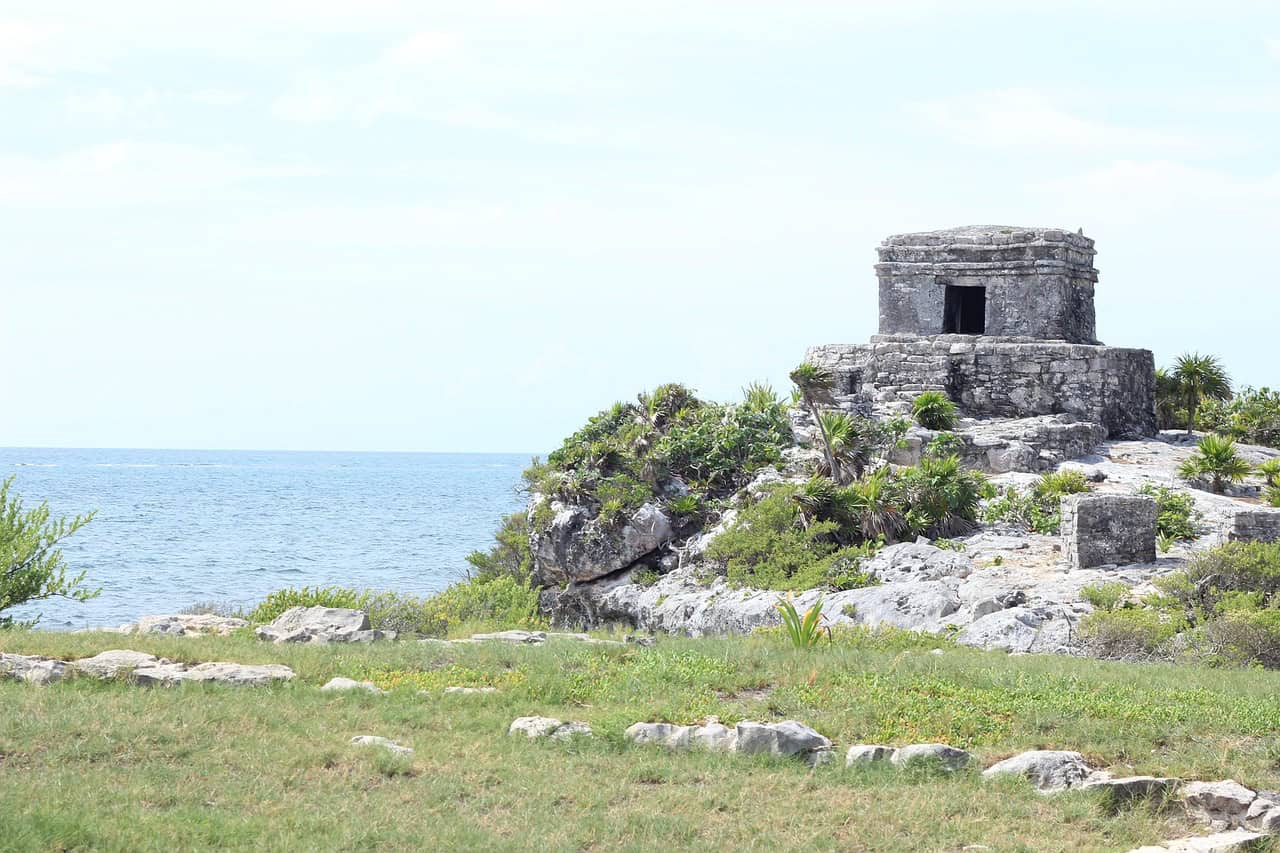
Riviera Maya often appears online as pure ease: white sand, calm resorts, and polished nightlife. The reality is more mixed once visitors leave controlled hotel spaces. Petty theft, ride disputes, and occasional violent incidents can occur in tourist corridors, especially after dark or around alcohol-heavy venues. Problems often begin with rushed decisions, unofficial transport, or cash handling in crowded areas. The destination remains popular for good reason, but safer trips usually involve vetted drivers, trusted tour operators, and clear limits on late-night movement between nightlife zones.
Rio de Janeiro, Brazil

Rio looks cinematic from every angle, and that visual beauty can hide practical risk. Street crime and opportunistic theft remain concerns in parts of the city, and nightlife can introduce additional vulnerabilities when drinks, unfamiliar companions, or unplanned routes are involved. Even in busy districts, risk can shift block by block after dark. Most visits go well, but smooth trips usually rely on daytime sightseeing rhythms, registered transport, and reduced phone exposure in public. In Rio, good judgment is less about fear and more about timing, location, and keeping routines predictable.
Barcelona, Spain

Barcelona feels relaxed on screen, but on the street it can be intensely fast-moving, especially near transit hubs and headline landmarks. Pickpocket teams often work crowded zones with practiced distraction techniques, targeting bags, phones, and open pockets during busy hours. The losses are usually nonviolent, yet deeply disruptive when IDs, cards, or travel documents disappear at once. The city is still one of Europe’s great urban experiences, but safer days come from simple habits: zipped bags worn front-facing, low-profile phone use on transit, and extra attention in stations, escalators, and dense tourist lines.
Rome, Italy
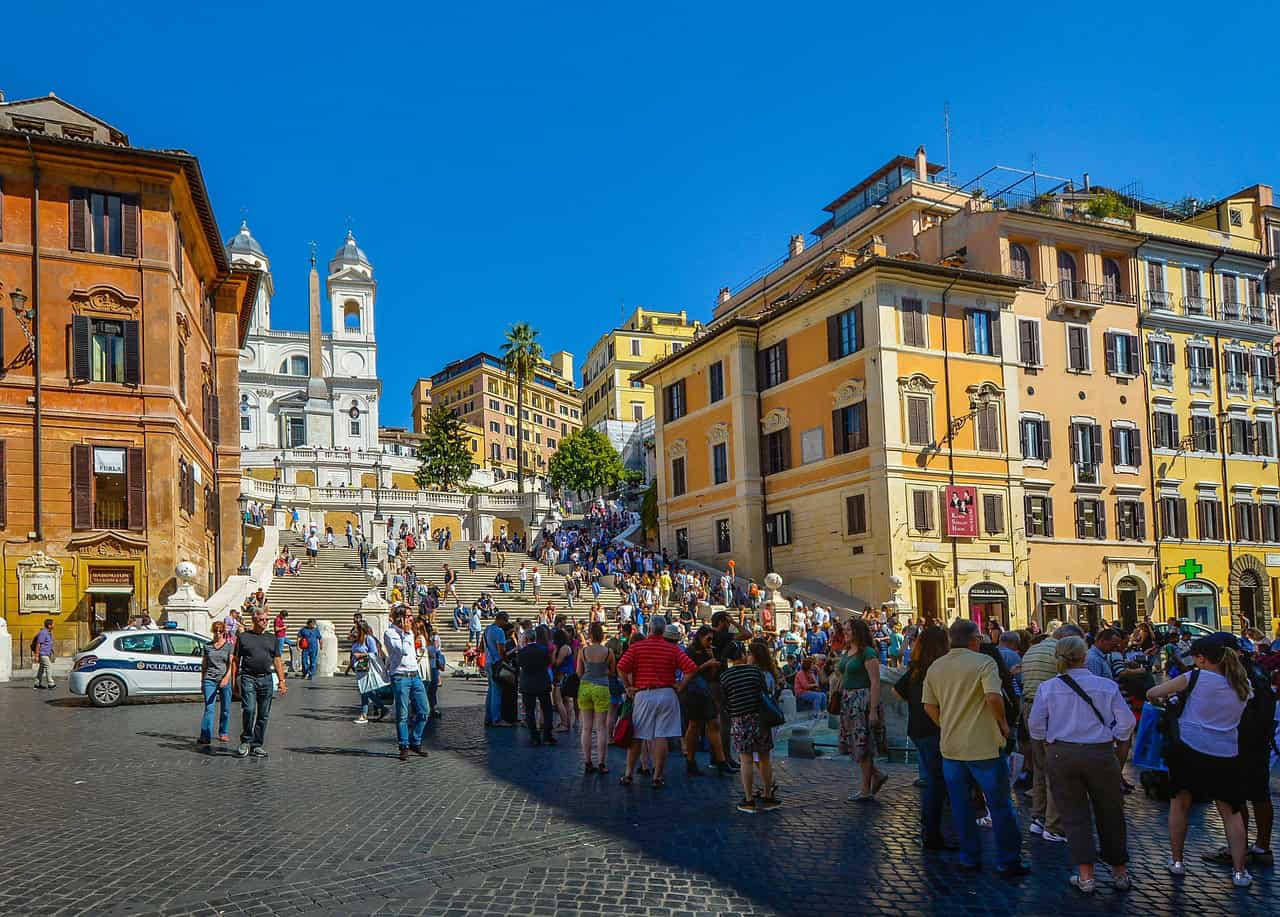
Rome delivers history at full scale, but crowded sightseeing routes create ideal conditions for theft. Near major attractions and transit interchanges, pickpockets often operate with speed and precision, using crowd pressure and brief confusion rather than confrontation. Many incidents happen in ordinary moments: boarding a bus, buying a ticket, pausing for a photo, or navigating a station with luggage. None of this diminishes Rome’s appeal, yet it does change the best travel rhythm. Safer visits usually mean carrying less, securing documents in separate places, and treating high-density tourist zones as active risk environments.
Paris, France

Paris can feel graceful and intuitive online, but major stations and transit lines demand sharper awareness than the postcard version suggests. Theft risk rises in crowded rail connections, airport links, and tourist-heavy corridors where attention is split between signs, maps, and movement. The pattern is often quick and quiet: a bump, a question, a door closing, then a missing wallet or phone. Paris remains deeply rewarding, yet comfortable travel usually depends on disciplined habits: no loose valuables, limited device use while in motion, and deliberate pauses before entering crowded platforms or exits.
Nassau, The Bahamas
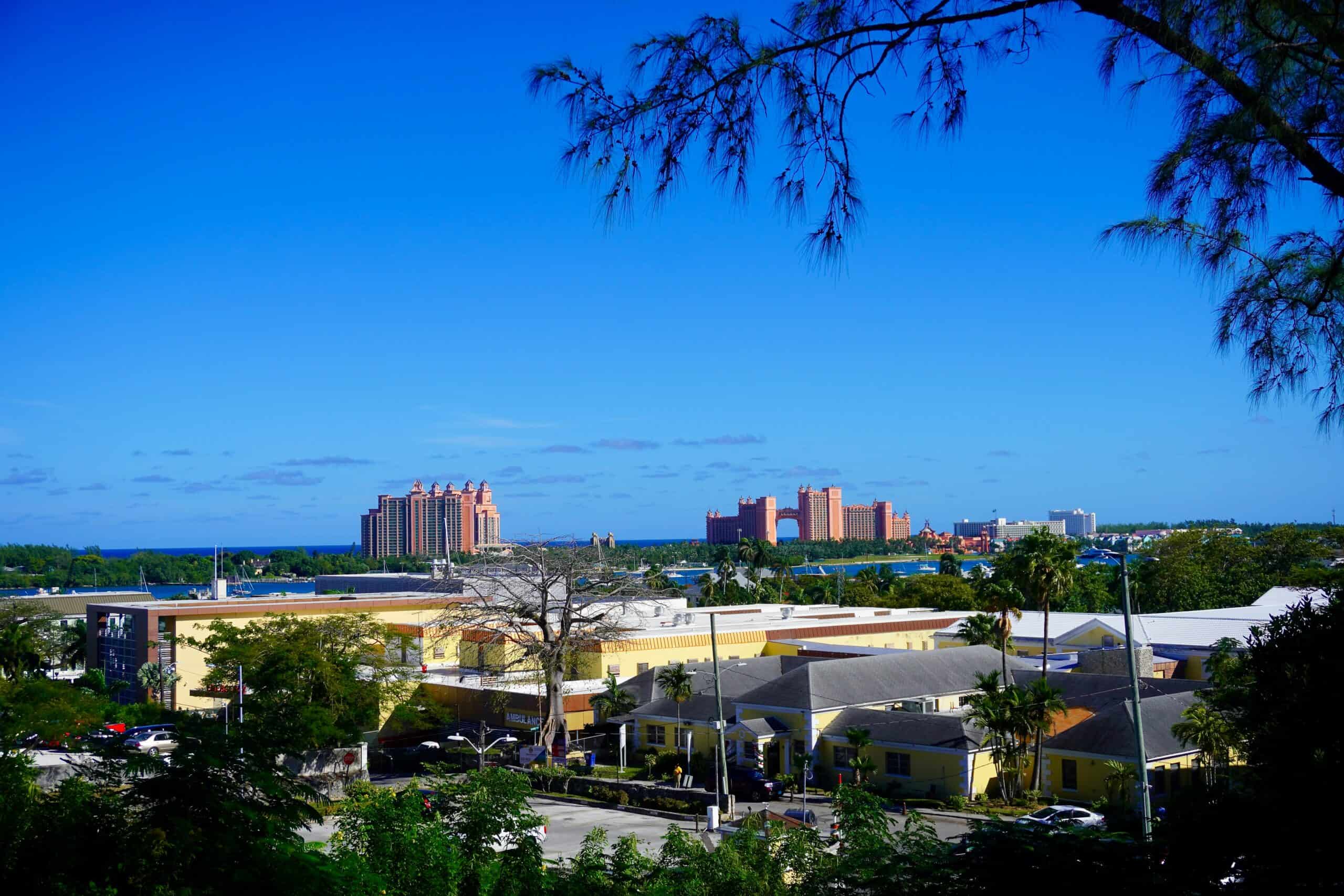
Nassau is marketed as easy tropical escape, but local conditions can change quickly outside resort-managed spaces. Crime risk is not constant, yet visitors may face theft, assault, or aggressive hustling in certain areas, particularly late at night or after heavy drinking. Water safety is another blind spot, with uneven operator standards and occasional boating incidents that are easy to underestimate during vacation mode. The island remains a strong destination, though safer stays usually come from choosing reputable excursions, limiting unplanned nightlife movement, and treating post-sunset transport decisions with extra care.
Cape Town, South Africa
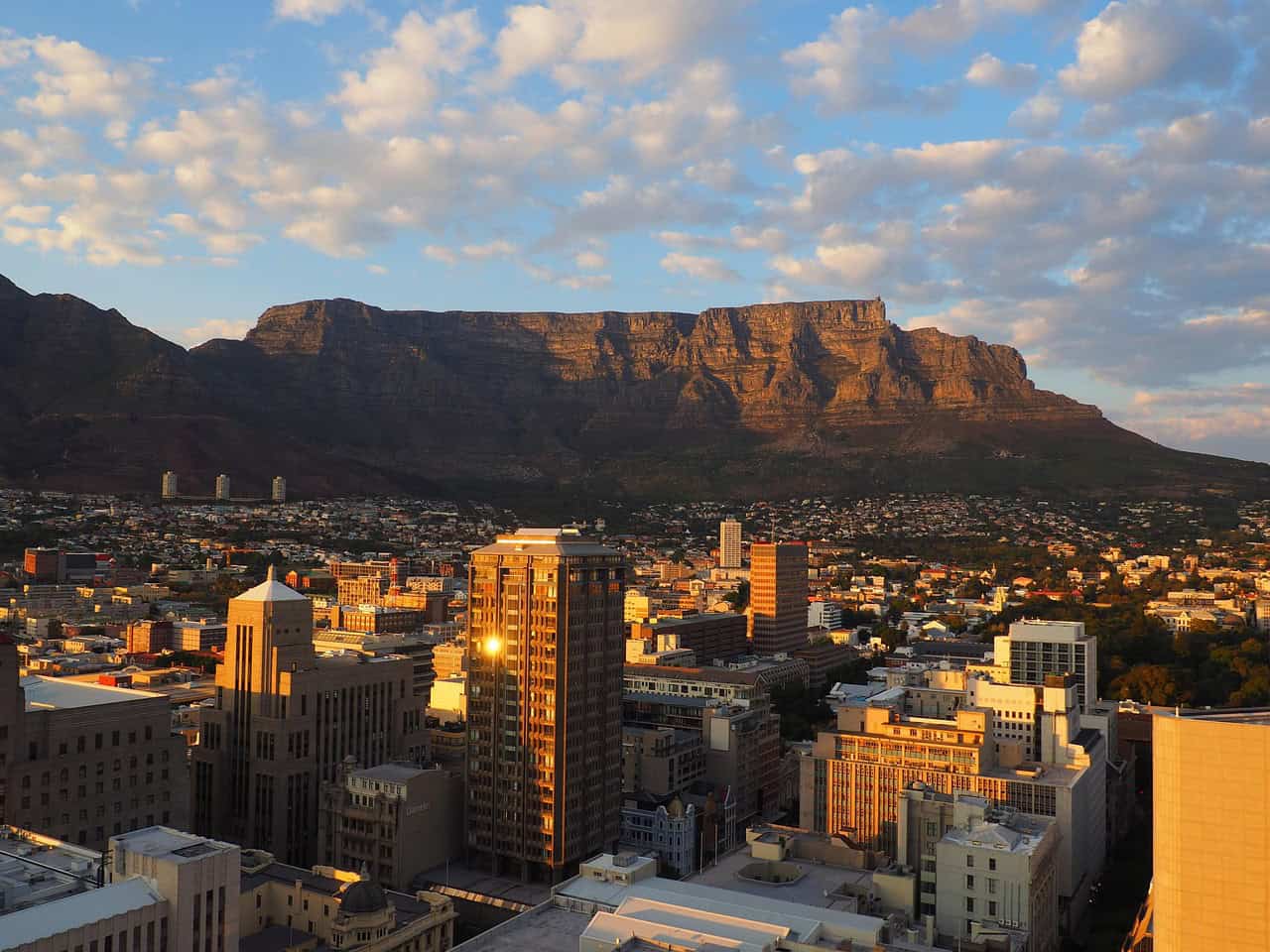
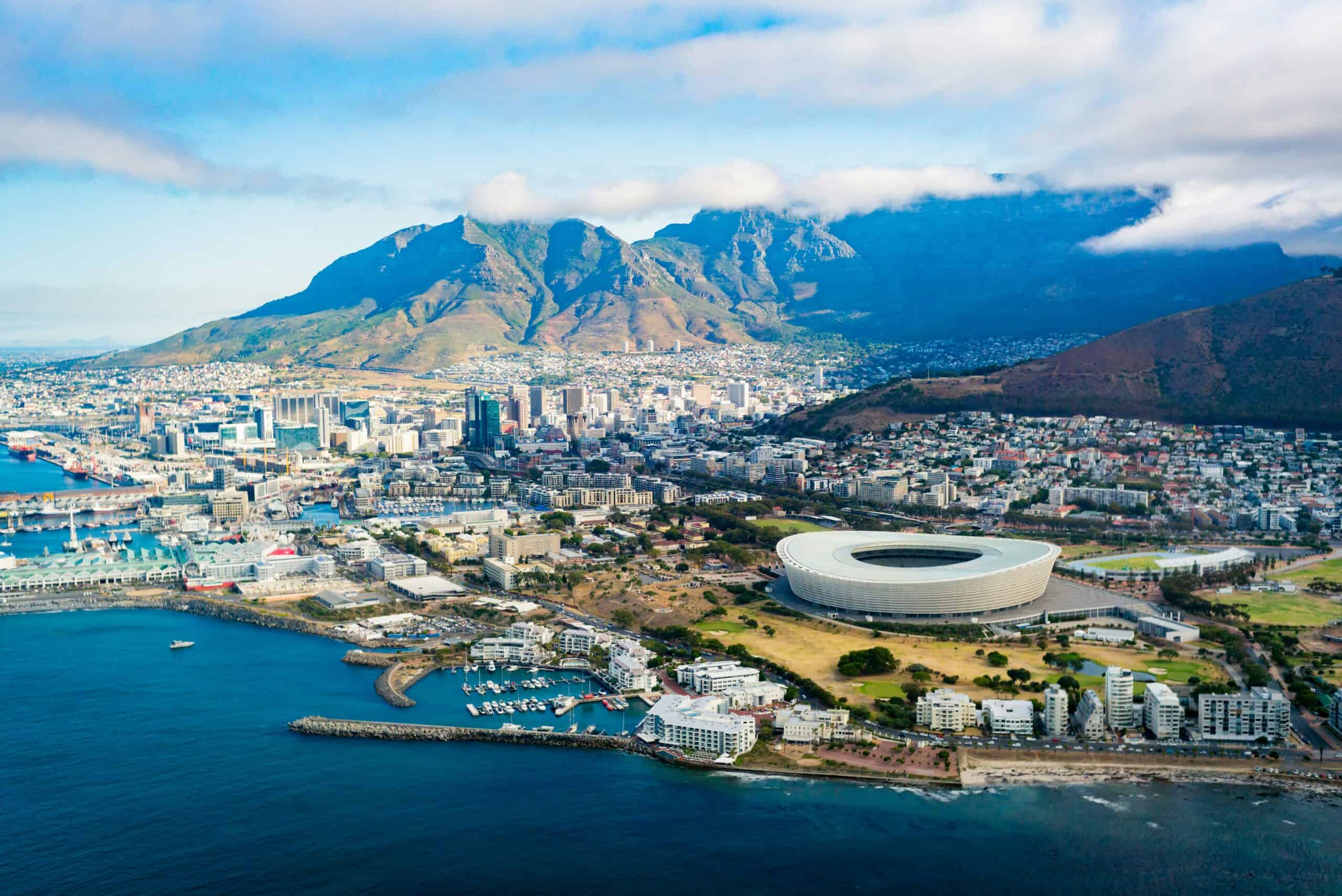
Cape Town’s natural beauty can create a false sense of security, especially for first-time visitors moving between scenic districts. In practice, crime risk can be uneven and location-specific, with theft, muggings, and vehicle-related incidents reported in some areas. Many problems are opportunistic and tied to visible valuables, isolated routes, or poor timing after dark. The city is still extraordinary and widely loved, but safer travel tends to come from structure: trusted transport, daylight-focused itineraries, minimal display of phones or jewelry, and local advice followed closely when choosing where and when to move.