We may earn money or products from the companies mentioned in this post. This means if you click on the link and purchase the item, I will receive a small commission at no extra cost to you ... you're just helping re-supply our family's travel fund.
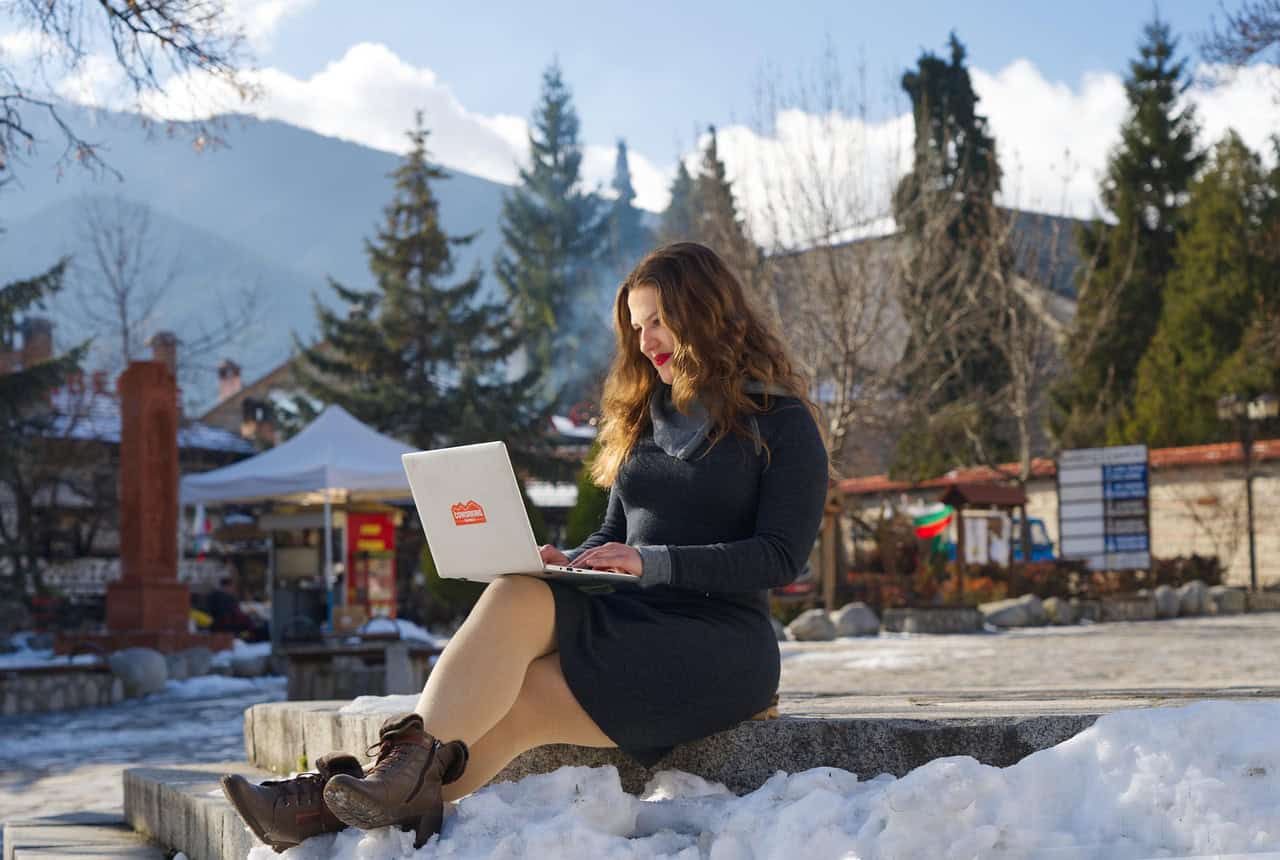
Remote work flipped an old equation. Instead of workers chasing offices, some cities now chase workers, offering cash, housing help, and built-in communities to anyone willing to bring a stable income and stay awhile. These programs are not just about headlines or trendy nomad talk. They are about tax bases, school enrollments, and keeping main streets lit after dark. For digital workers who can log in from almost anywhere, they create a rare chance to test a new home with a financial cushion and real local support.
Tulsa, Oklahoma

Tulsa has turned remote worker recruitment into a full strategy instead of a side experiment. Through Tulsa Remote, eligible workers receive a relocation grant, shared workspace, and structured ways to meet neighbors and collaborators, all in exchange for putting down roots for at least a year. The pitch blends practical help with a clear social promise: no one has to arrive cold. Murals, music, and a quietly strong food scene give the city texture, while the program makes it easier for newcomers to feel useful instead of lost.
Bentonville And Northwest Arkansas, Arkansas
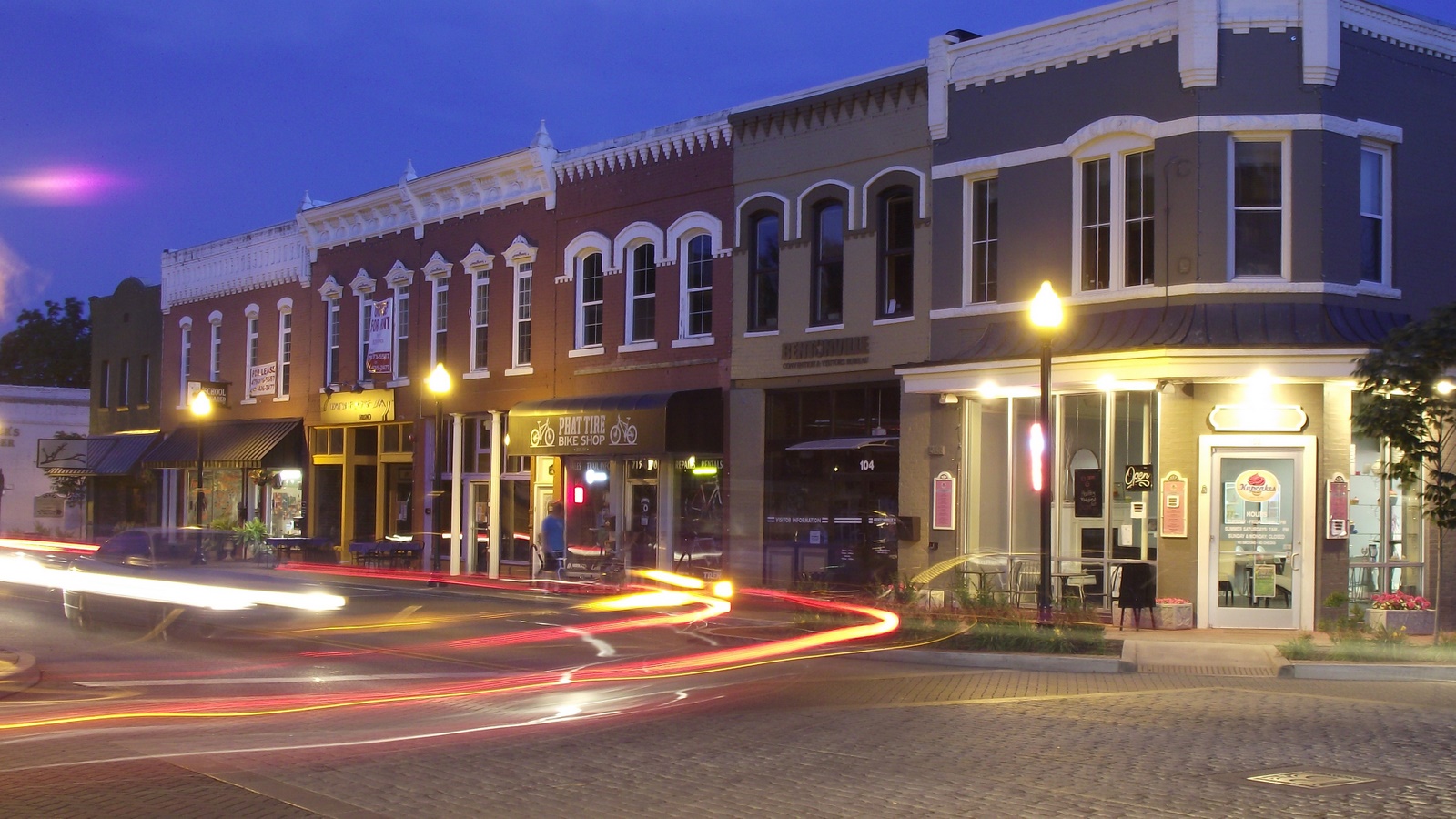
Northwest Arkansas presents itself as a package: Bentonville’s growing corporate scene, miles of bike trails, and nearby towns that function as one web. The Life Works Here incentive backs that up with cash, a bike or cultural membership, and curated introductions that ease the awkward first months. Remote workers are invited to treat the region as both office and playground, with serious art museums, walkable cores, and quick access to wooded hills. Local leaders see every newcomer as another vote that a smaller metro can still feel ambitious and connected.
Charleston, West Virginia
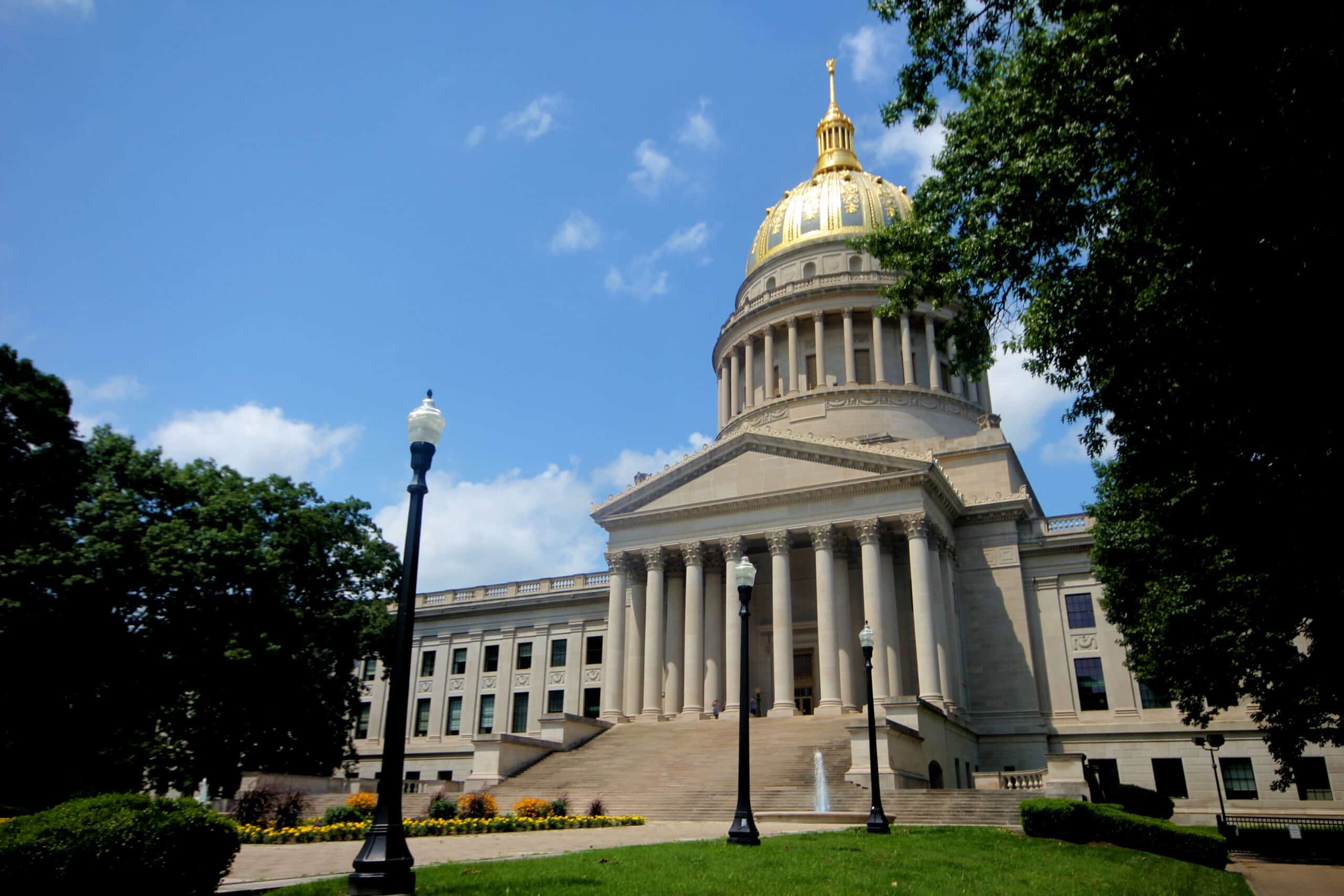
Charleston offers a different side of the same statewide experiment. Here, the Ascend package lands in a capital city with a modest skyline, river views, and a growing arts calendar instead of a purely campus-focused vibe. Remote workers who relocate get financial support plus a structured path into local networks, from outdoor groups to civic projects. The city hopes that by lowering the risk of trying a smaller capital, it can convert curious visitors into long-term residents. In return, it gains fresh skills, new volunteers, and more people investing in its future.
Topeka, Kansas
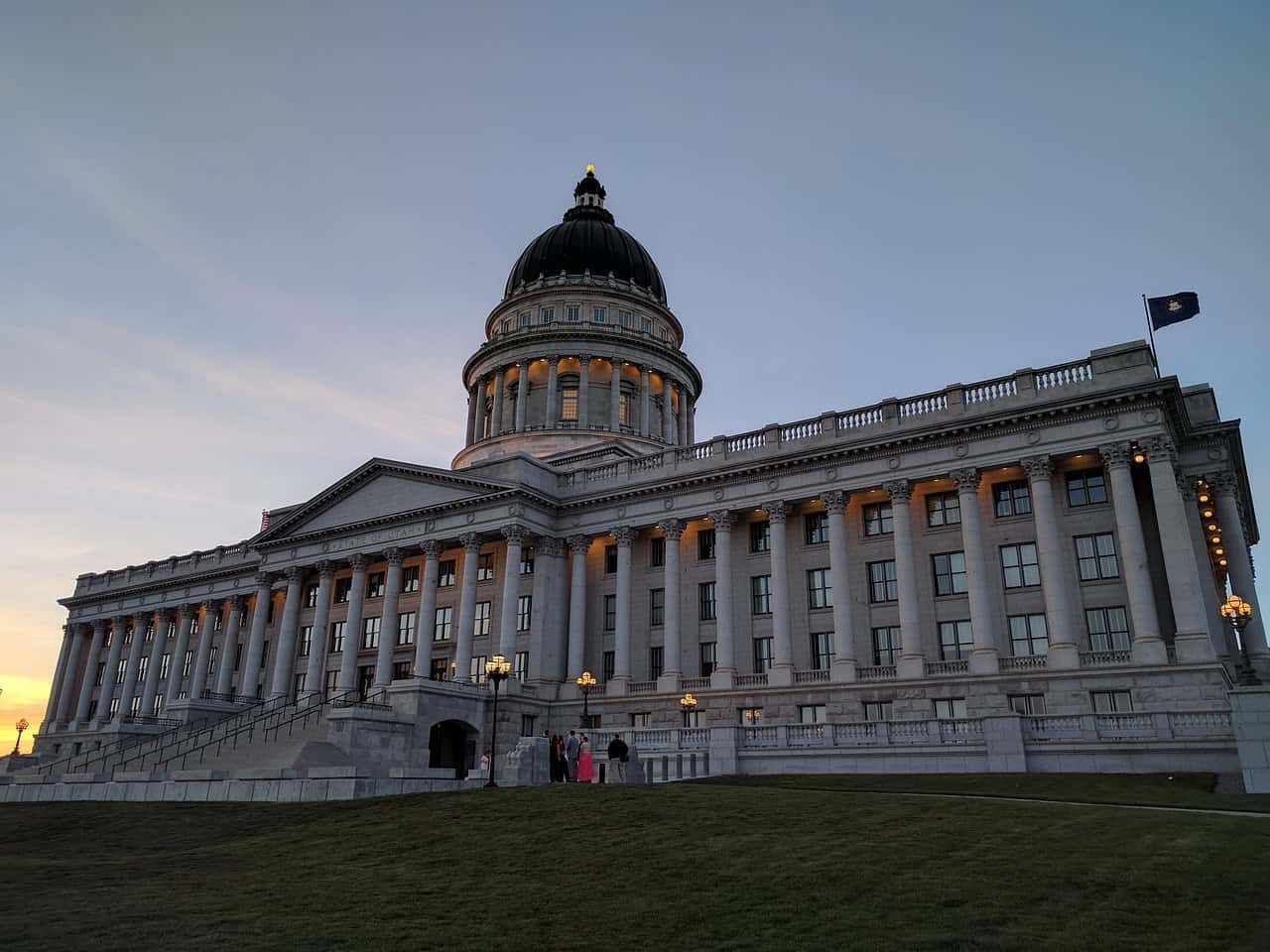
Topeka approaches remote worker attraction with a clear focus on housing and long-term commitment. Choose Topeka offsets relocation costs for qualifying workers who agree to live in the county, with higher amounts available for those who buy instead of rent. The city frames this as a partnership rather than a giveaway: bring an external job, put down roots, and help strengthen the local economy from the outside in. For digital nomads considering a slower base with a manageable cost of living, Topeka’s offer makes the experiment less financially risky and more grounded.
Noblesville, Indiana
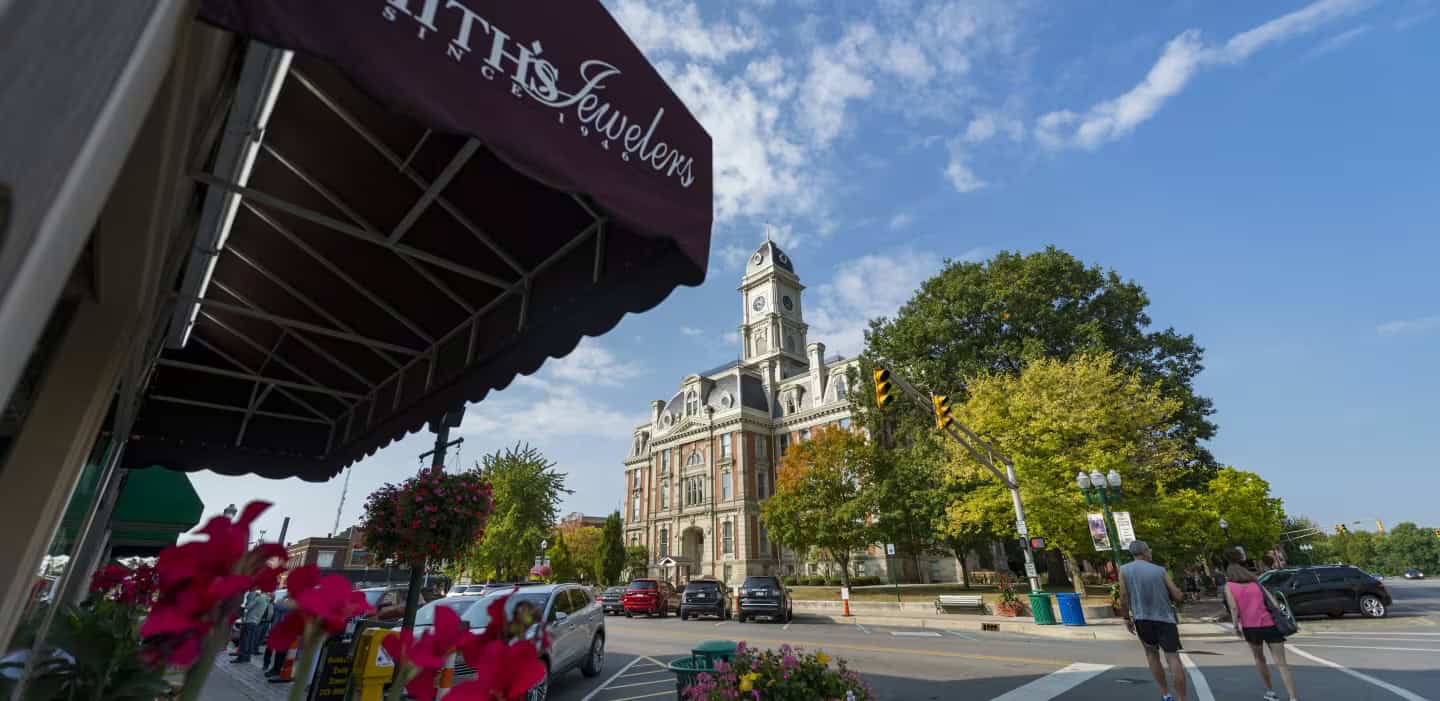
Noblesville sells itself as a quieter counterpart to nearby Indianapolis, with riverfront paths, an old courthouse square, and easy access to a major metro when needed. Its incentive package for remote workers pairs relocation funds with coworking access, local experiences, and introductions to civic and business groups. The message is subtle but clear: there is room here for new people to matter. Laptop workers who are tired of feeling anonymous in bigger cities can plug into a place where showing up repeatedly is noticed, and where everyday routines still run at a human scale.
Rochester, New York
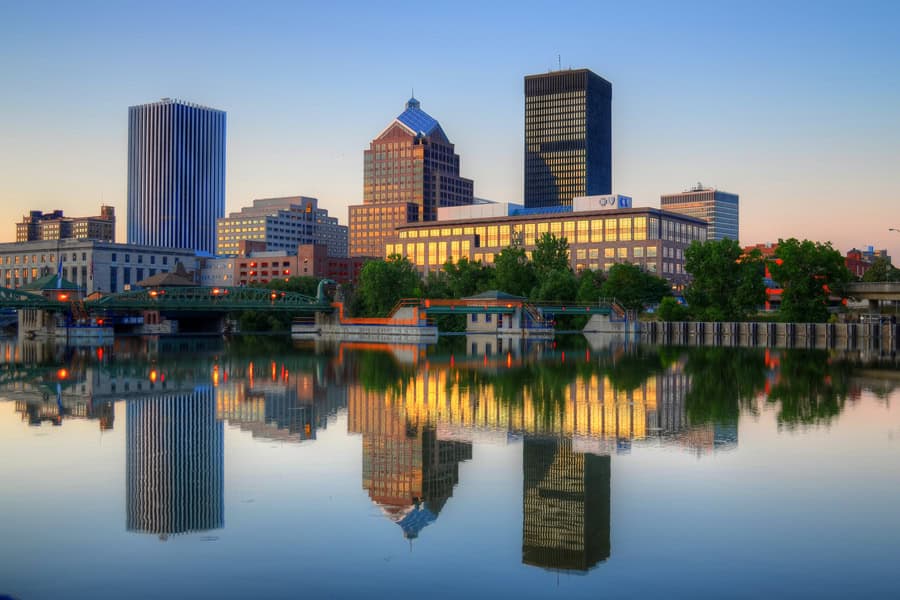
Rochester leans on serious cultural infrastructure and a lower cost of living to attract remote talent. Programs aimed at digital workers pair financial incentives with help finding housing and community, nudging newcomers toward neighborhoods that can absorb new energy without losing their character. The city’s story runs through photography, music, and tech, but also through snowstorms, strong coffee, and lake winds. Remote workers who relocate bring outside income into that mix, helping stabilize older housing stock and supporting independent venues that give Rochester its particular rhythm.
Montpelier, Vermont
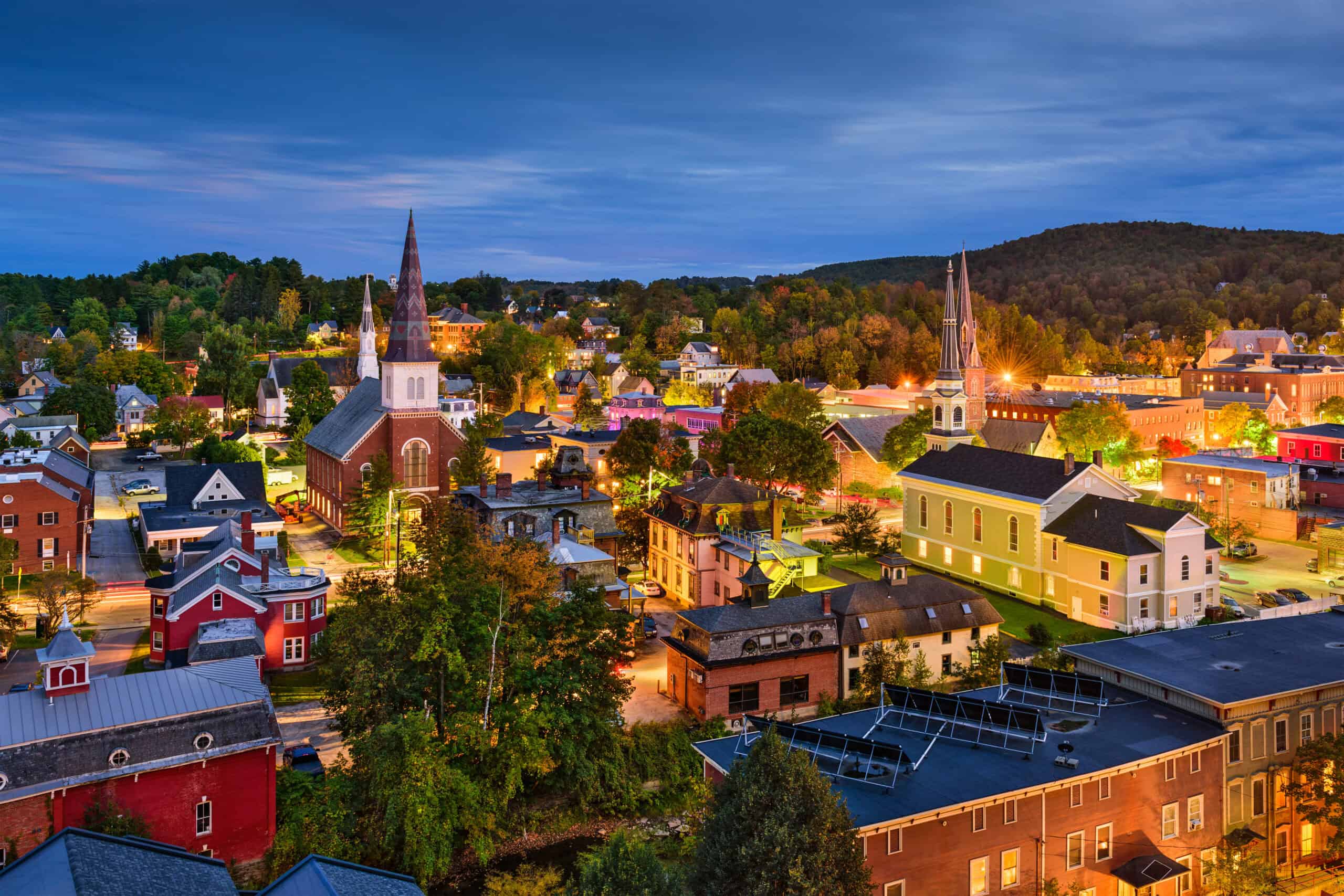
Montpelier feels almost improbably small for a capital, and that intimacy is part of its quiet pitch to remote workers. Incentives here support people who want a walkable base with bookshops, cafés, and policy talk woven into daily life, plus quick access to forests and ski hills. Rather than promise endless events, the city offers something more grounded: a place where it is easy to recognize faces, attend public meetings, and see the direct impact of new ideas. Remote workers who land here are invited to become neighbors, not just names on a registry.