We may earn money or products from the companies mentioned in this post. This means if you click on the link and purchase the item, I will receive a small commission at no extra cost to you ... you're just helping re-supply our family's travel fund.

American tourists rarely stand out in Europe because of one dramatic mistake. More often, what locals notice first are small rhythms: how a conversation begins, how loudly a laugh lands in a café, how dinner is approached, or how a suitcase moves through a station. Across Europe, customs shift from country to country, but travel etiquette guides keep circling back to the same idea: visitors are remembered less for where they came from than for how well they read the room. That is where American habits, warm and practical as they often are, become especially visible.
Their Voices Fill The Space

One of the first things Europeans often notice is not what American tourists say, but how far the sound carries. In many older European cafés, trains, and compact public spaces, conversation tends to stay more contained, so an upbeat American storytelling voice can feel bigger than the room itself. Paris etiquette guidance even warns that maintaining a moderate speaking volume matters in tight social spaces, because what feels lively in the United States can read as intrusive in places built around a quieter public rhythm.
They Skip The Ritual Greeting

American tourists are often direct in a way that feels efficient at home but abrupt abroad. In parts of Europe, especially France, a simple greeting before asking a question is not decorative politeness but the entry point to the whole interaction, whether the setting is a shop, a hotel desk, or a bakery. When an American visitor leads with a request instead of a hello, locals may notice it immediately, not as hostility, but as a small sign that the social choreography of the place has not been fully picked up yet.
English Often Arrives Before Curiosity

Europeans are used to hearing English from visitors, but what often leaves an impression is whether American tourists try even a few words in the local language first. Travel etiquette guidance for the Schengen Area stresses that basic phrases of greeting and thanks signal respect, and even destination-specific advice like phrase guides for Berlin frames a few local words as part of moving through a place more thoughtfully. The difference is subtle, but Europeans often notice whether a traveler sounds like a guest or like someone expecting the world to meet them halfway.
Their Clothes Lean Athletic And Practical

American tourists often dress for movement first, and Europeans notice that practicality right away. Sneakers, baseball caps, logo-heavy layers, and athleisure make perfect sense for long sightseeing days, but in many European cities, appearance still signals attentiveness to place, especially at dinner or in design-conscious capitals. Paris guidance points to the city’s strong visual culture, while older etiquette advice for the Mediterranean notes that even casual evenings often lean away from T-shirts and shorts. The American instinct to dress for comfort can therefore read as unmistakably tourist-coded before a single word is spoken.
Their Luggage Looks Built For Every Scenario

Europeans often clock American tourists by the luggage before they notice anything else. Rick Steves has long argued that travelers in Europe walk with their bags more than they expect, especially through train stations, stairs, cobblestones, and quick platform changes, which is why he pushes one carry-on and a small day pack. Large checked suitcases are not wrong, but they visibly clash with the lighter, more mobile style many Europeans and seasoned rail travelers rely on. A giant bag rolling over old stones announces anxiety, preparation, and distance from local habits all at once.
They Underestimate Transit Rules

American tourists also stand out when they treat transit like a casual convenience rather than a system with its own logic. In many European cities, subways, buses, and trams operate partly on an honor system, but that does not mean the rules are relaxed; Rick Steves notes that ticket inspectors can appear without warning and fines can be immediate, even for the wrong ticket. Europeans notice when visitors rush aboard without validating, double-checking zones, or reading the machine carefully, because locals know those details are not optional footnotes.
They Wander Into Bike Territory
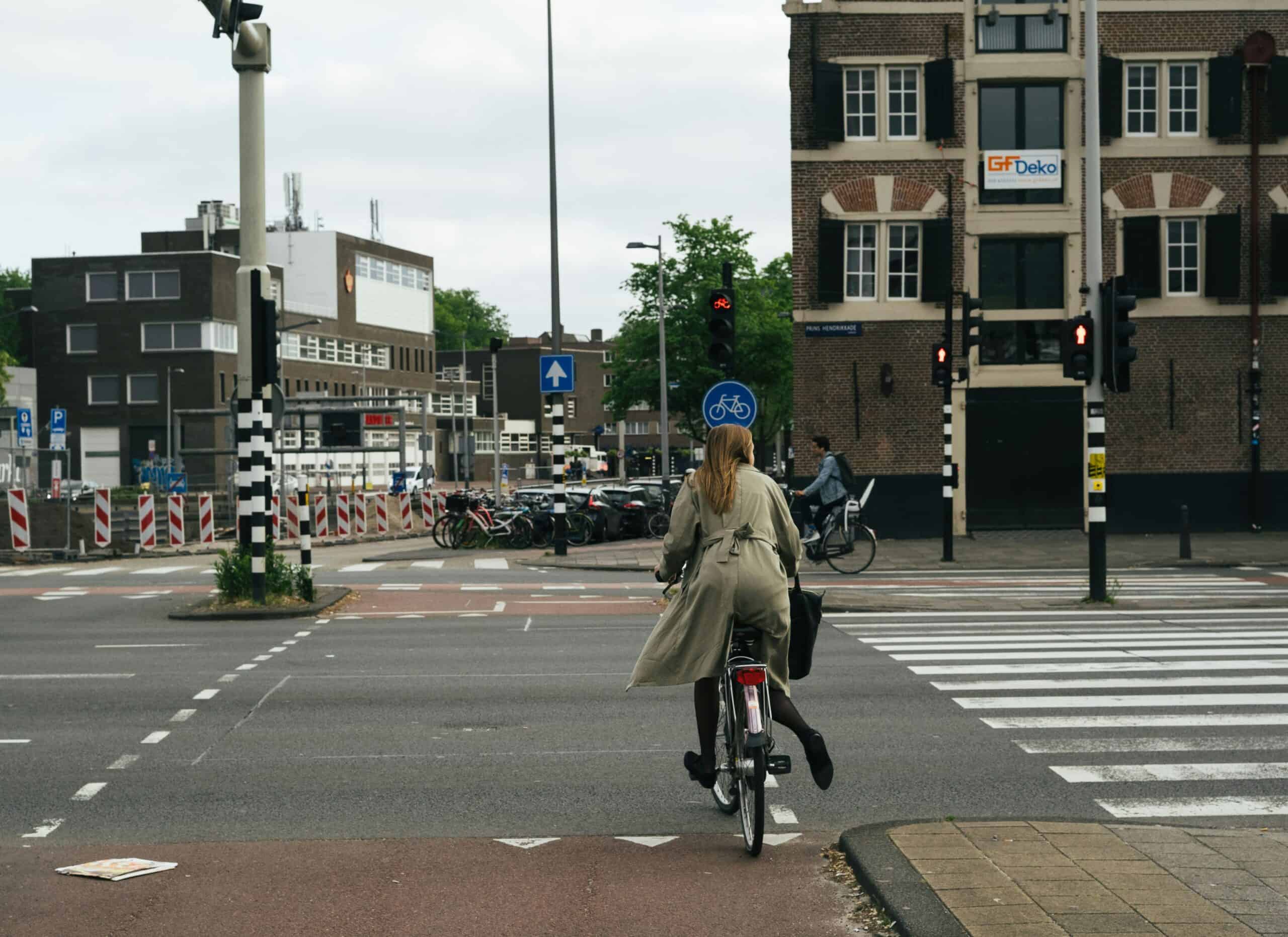
In some European cities, especially Amsterdam, bike culture is not a lifestyle flourish but a serious transportation system, and visitors who do not grasp that become obvious very quickly. Travel guidance for Amsterdam stresses that the city is built around clearly marked bike lanes and that newcomers need to learn the rules of the road, while broader city guides warn that those lanes can intimidate even prepared visitors. Europeans often spot American tourists by the hesitation, the drift, or the startled jump when a space that looked like extra sidewalk suddenly turns out to belong to cyclists.