We may earn money or products from the companies mentioned in this post. This means if you click on the link and purchase the item, I will receive a small commission at no extra cost to you ... you're just helping re-supply our family's travel fund.
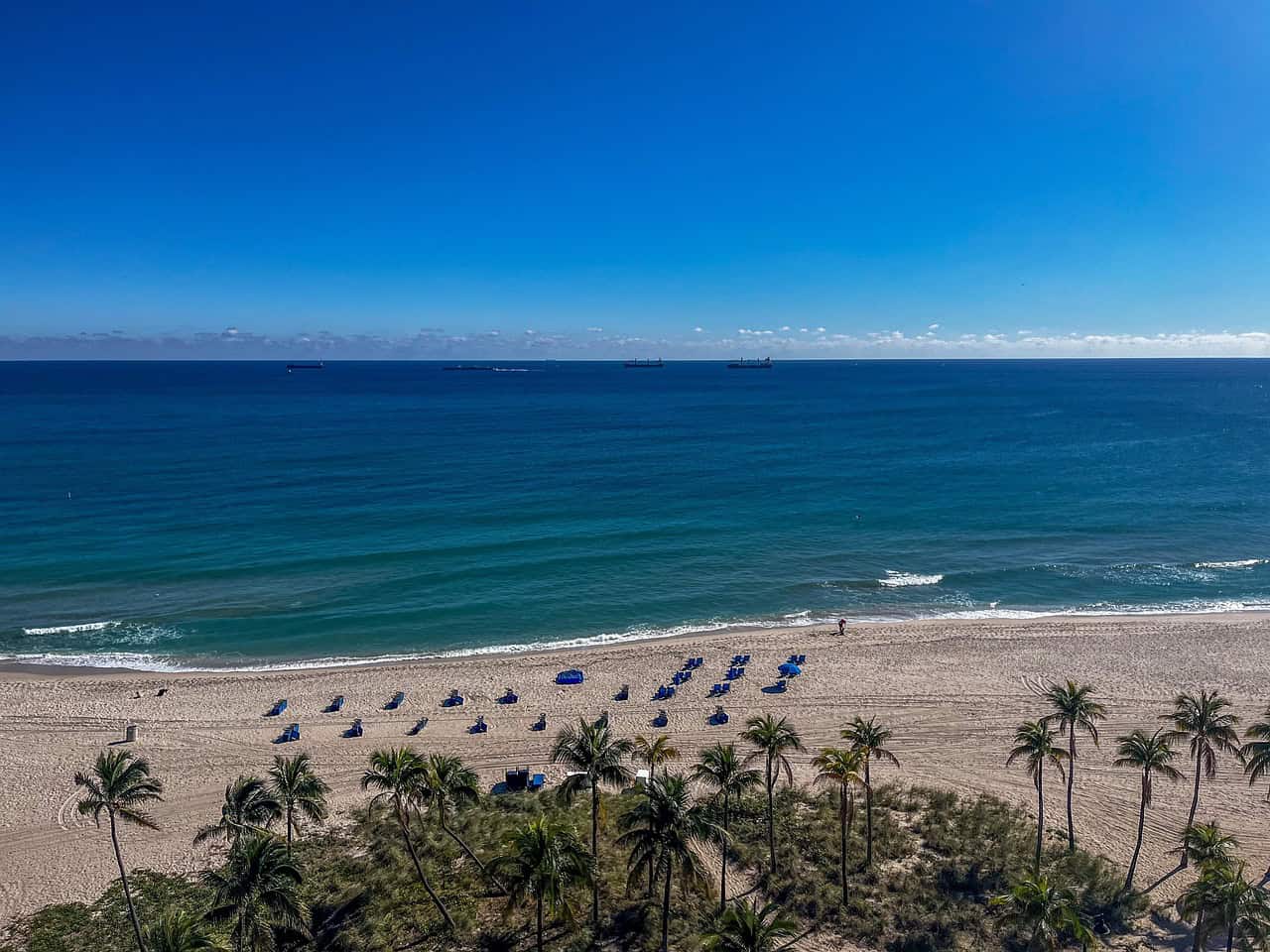
Florida is often reduced to theme parks, Miami nightlife, and crowded beaches. Yet beyond the usual headlines lies a quieter, more textured side of the Sunshine State. After years of exploring its backroads, barrier islands, and spring-fed rivers, I’ve found places that feel deeply local and refreshingly uncrowded. These seven destinations blend history, nature, and culture with room to breathe. If you’re planning your next escape, consider going where fewer visitors think to look.
1. Cedar Key
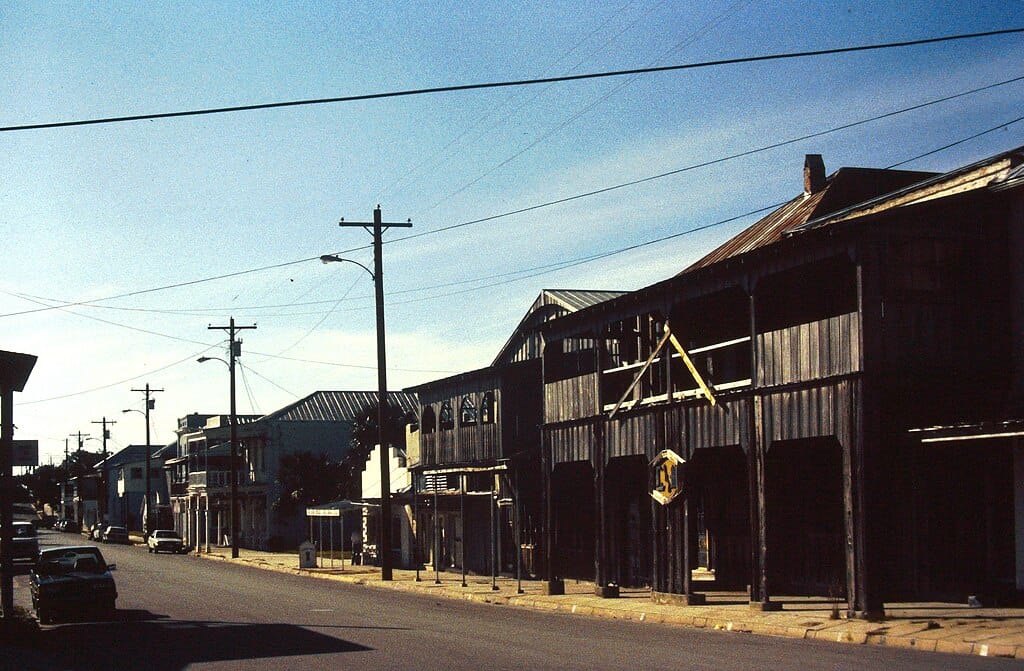
With a population of roughly 700 residents, Cedar Key feels worlds away from Florida’s high-rise coastlines. Located about 50 miles southwest of Gainesville, this Gulf town is built on a cluster of small islands connected by bridges and surrounded by marshland. The absence of chain hotels gives the harbor a timeless character, especially at sunset when fishing boats silhouette the horizon.
The town is known for its farm-raised clams, producing millions annually, and local seafood restaurants highlight that heritage. Kayaking through the Cedar Keys National Wildlife Refuge reveals quiet estuaries and birdlife. Even on weekends, traffic remains light, making it ideal for travelers seeking calm over crowds.
2. Dry Tortugas National Park
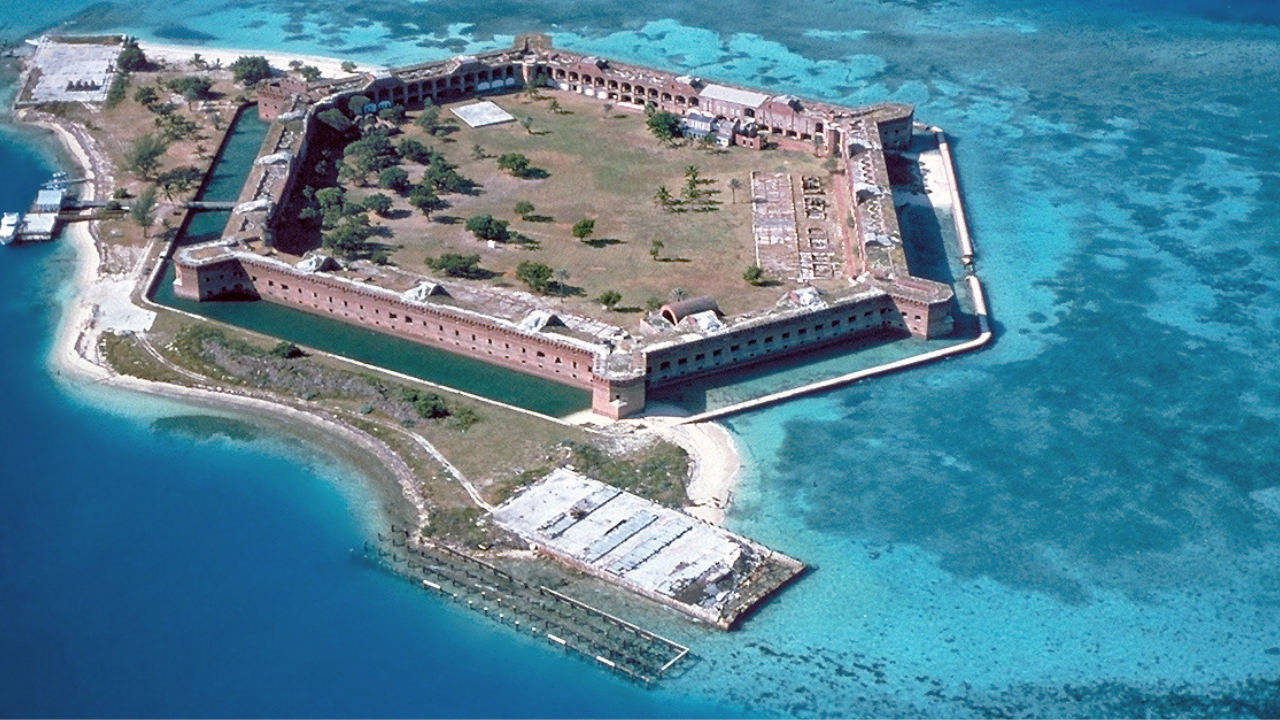
Seventy miles west of Key West lies Dry Tortugas National Park, one of the most remote national parks in the continental United States. Spread across 100 square miles, most of it open water, the park limits daily visitors, preserving its pristine atmosphere. Access is typically by ferry or seaplane, which naturally keeps numbers manageable.
The centerpiece is Fort Jefferson, a 19th-century coastal fortress built with over 16 million bricks. Surrounding reefs offer exceptional snorkeling, with visibility often exceeding 20 feet. Sea turtles and tropical fish are common sights. Because nearly 99 percent of the park is marine habitat, it feels more Caribbean than mainland Florida.
3. Mount Dora
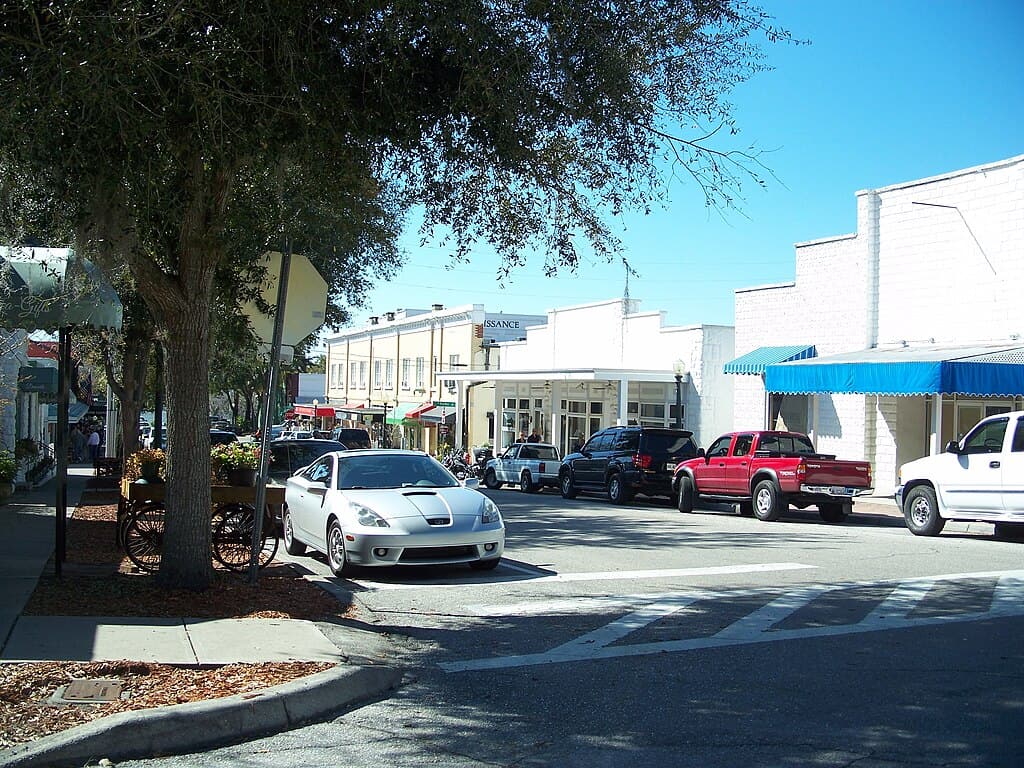
About 30 miles northwest of Orlando, Mount Dora delivers historic charm without theme park chaos. The downtown district overlooks Lake Dora, part of a 4,500-acre lake system popular for boating and sunset cruises. Streets lined with oak trees and brick storefronts create an inviting, walkable core filled with galleries and independent cafés.
The town hosts more than 30 annual festivals, including nationally ranked art events that draw thousands without overwhelming its 16,000 residents. Antique shops and bed-and-breakfast inns give the area a nostalgic feel. For travelers wanting culture and calm within an hour of Orlando International Airport, Mount Dora is a welcome surprise.
4. Ichetucknee Springs State Park
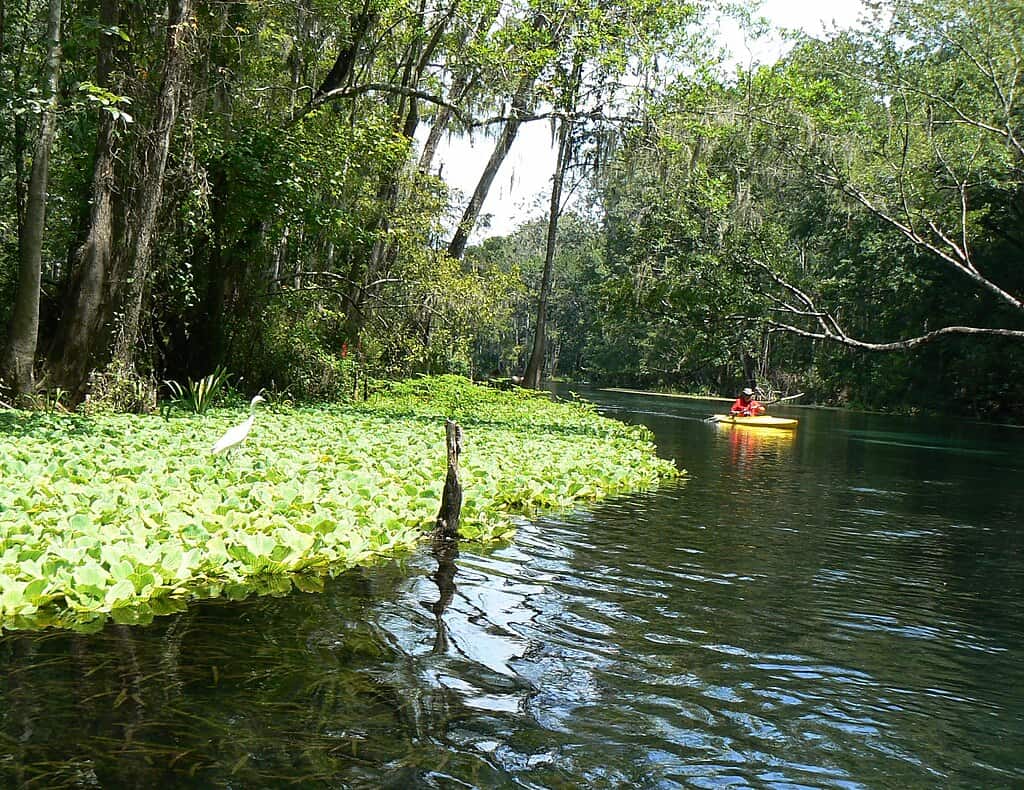
Ichetucknee Springs State Park protects eight major springs that feed the six-mile Ichetucknee River. The water remains a steady 72°F year-round, offering relief during Florida’s humid summers. Tubing down the river typically takes two to three hours, drifting past cypress trees and sandy banks in remarkably clear water.
The park covers over 2,600 acres and caps daily tube rentals to manage environmental impact. Snorkelers can spot gar, mullet, and freshwater turtles in water with visibility often exceeding 15 feet. Unlike crowded beaches, this inland escape emphasizes preservation, making it one of North Florida’s most refreshing natural experiences.
5. Apalachicola
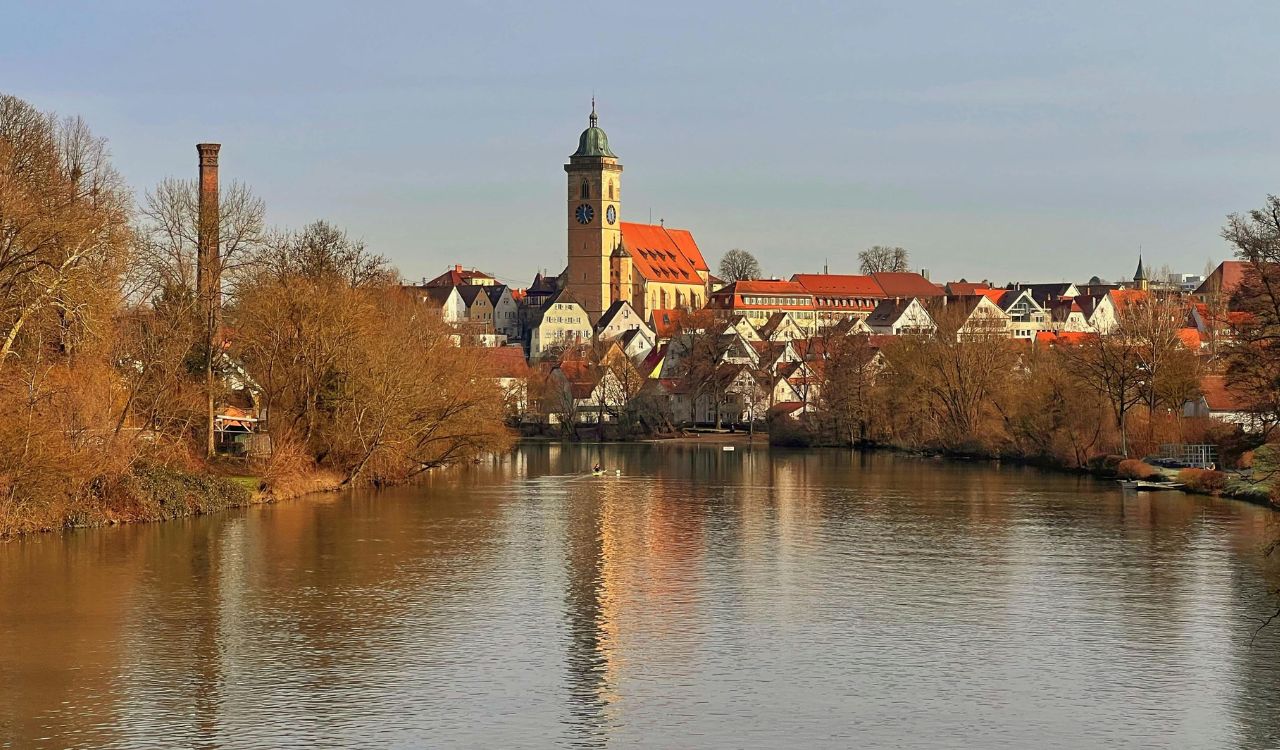
Home to just over 2,300 residents, Apalachicola anchors Florida’s quieter Forgotten Coast. The town once ranked among the nation’s busiest cotton ports in the 1800s, and more than 900 historic structures still stand today. Brick warehouses and restored homes now house seafood markets, bookstores, and intimate inns.
Apalachicola Bay historically supplied up to 90 percent of Florida’s oysters, shaping its culinary identity. Visitors often pair downtown exploration with a short drive to St. George Island’s uncrowded beaches. Without high-rise resorts, sunsets feel uninterrupted. For travelers craving authenticity, maritime history, and Gulf breezes, Apalachicola delivers understated depth.
6. Bok Tower Gardens
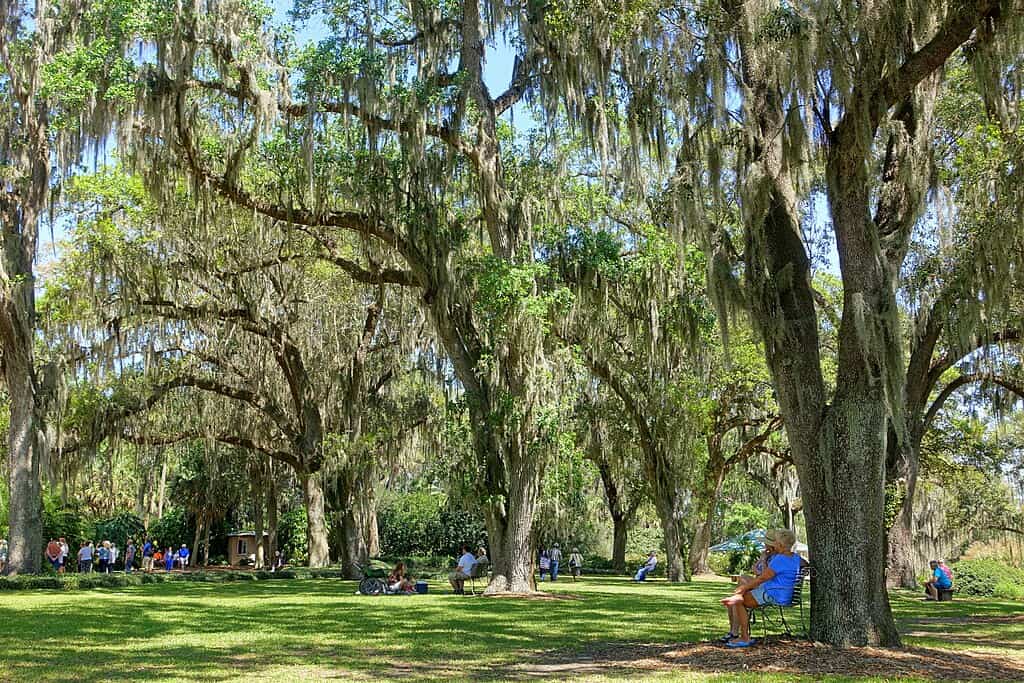
Rising 205 feet above the rolling hills of Lake Wales, Bok Tower is one of Florida’s most unexpected landmarks. The tower houses a 60-bell carillon, and daily concerts drift across 250 acres of landscaped gardens. Founded in 1929, the site blends architecture, horticulture, and quiet reflection in equal measure.
More than 100 bird species have been recorded here, adding to the sanctuary-like feel. Walking trails weave through citrus groves and seasonal blooms, with gentle elevation changes rare in much of the state. Located about 60 miles from Orlando, it offers a peaceful cultural retreat far removed from theme park crowds.
7. Fernandina Beach
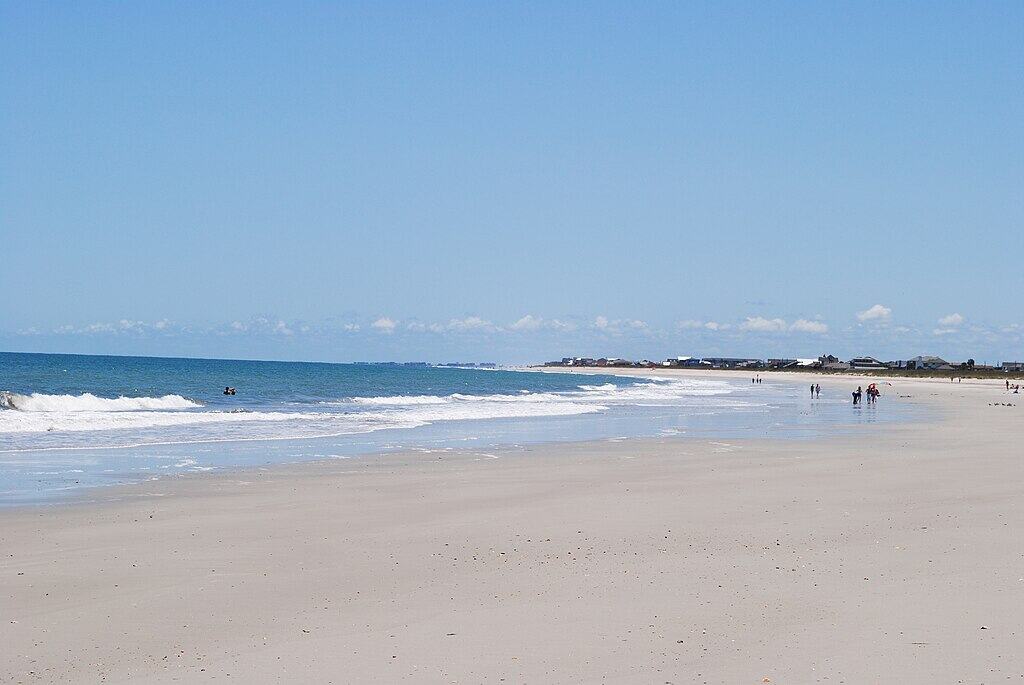
Situated on Amelia Island near the Georgia border, Fernandina Beach balances history and shoreline with ease. The town traces roots to the 1500s and claims influence from eight different flags over its past. Today, fewer than 14,000 residents share 13 miles of Atlantic coastline that rarely feels packed.
Centre Street forms the heart of downtown, lined with Victorian-era buildings now home to boutiques and seafood restaurants. Fort Clinch State Park, covering 1,400 acres, offers hiking trails and a preserved Civil War–era fort. For travelers wanting heritage, wide beaches, and space to breathe, Fernandina feels refreshingly genuine.