We may earn money or products from the companies mentioned in this post. This means if you click on the link and purchase the item, I will receive a small commission at no extra cost to you ... you're just helping re-supply our family's travel fund.

Travelers in the United States should brace for higher accommodation costs in 2026, as several states and local jurisdictions have announced significant hikes to hotel and lodging taxes. These changes will impact hotels, vacation rentals, and short-term stays, with increases ranging from modest adjustments to substantial percentage jumps. Understanding where and by how much taxes are rising can help travelers budget effectively for their next trip and avoid surprises at checkout.
1. Hawaii : Transient Accommodations Tax Rises to 11%

Starting January 1, 2026, Hawaii will increase its Transient Accommodations Tax (TAT) by 0.75 percentage points, lifting the rate from 10.25% to 11%. This tax applies to all hotels, resorts, vacation rentals, and even cruise ship stays in state waters. The additional revenue is earmarked for environmental protection, sustainable tourism projects, and local infrastructure upgrades. For example, a $250 hotel room will now carry an extra $1.88 in tax. This adjustment reflects Hawaii’s goal to balance growing visitor numbers with conservation efforts.
2. California : Local Lodging Taxes See Significant Adjustments

In 2026, several California cities are adjusting their transient occupancy taxes (TOT). Menlo Park will increase its rate to 15.5%, while San Diego will maintain a tiered rate ranging from 11.75% to 13.75% depending on hotel location. Other counties, including San Mateo, are implementing modest hikes to support tourism promotion and infrastructure. On a $300 per night stay, Menlo Park travelers could see an additional $7.50–$10 added to their bill. These changes reflect California’s focus on generating revenue to support hospitality-driven growth.
3. New York : County and Local Hotel Tax Increases

New York State is seeing multiple localized hotel tax increases. Saratoga County will see its occupancy tax double from 1% to 3%, while the Town of Fishkill will implement a new 2.5% room tax. These measures are intended to fund tourism promotion, local amenities, and public safety improvements. For a $200 nightly stay in Saratoga, guests will pay an extra $4, whereas in Fishkill, the same stay adds $5. These incremental hikes highlight New York’s strategy to leverage tourism as a revenue source while investing in community services.
4. Colorado : Eagle County Lodging Tax Doubles

Eagle County in Colorado will implement a major lodging tax increase, doubling the existing 2% rate to 4% beginning January 1, 2026. The hike is part of a voter-approved plan to enhance local tourism infrastructure, including trail maintenance, public transportation, and cultural programs. For a $250 hotel stay, visitors will pay an additional $5 in taxes. This change is notable because it directly reflects community engagement, with voters choosing to invest in tourism sustainability while ensuring that visitors contribute fairly to local development.
5. Ohio : Lorain County Lodging Tax Hike

Lorain County will more than double its lodging tax from 3% to 6%, effective April 1, 2026. The increase is intended to boost tourism funding and economic development in local communities, supporting marketing campaigns, event planning, and infrastructure upgrades. On a $180 nightly stay, travelers will now pay an extra $5.40 in taxes. Ohio’s move represents a growing trend of counties taking advantage of visitor-generated revenue to maintain vibrant tourism sectors while minimizing the financial burden on permanent residents.
6. Michigan : Potential Local Accommodations Tax
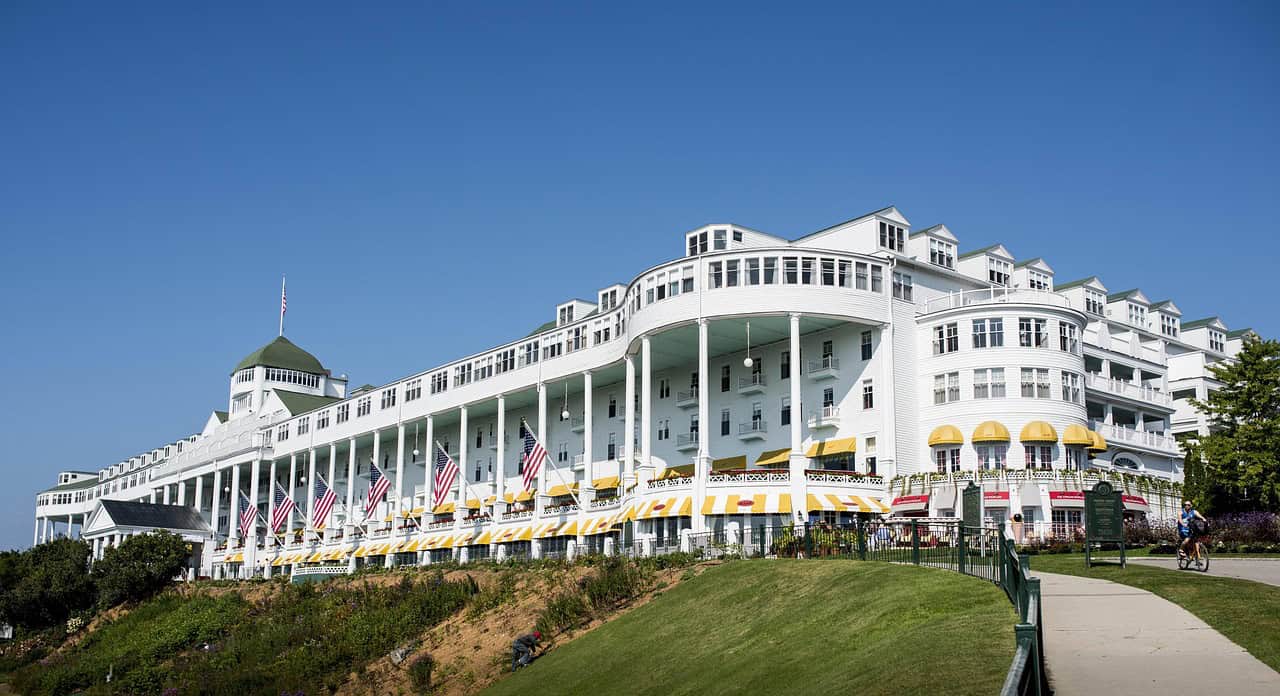
Michigan has proposed legislation that allows cities and counties to levy an accommodations tax of up to 3% on short-term rentals and hotels, pending local voter approval. If implemented in 2026, a $220 hotel room could see an additional $6.60 in taxes. The initiative aims to fund regional tourism boards, public infrastructure, and hospitality promotion. While not yet universally adopted, this framework signals Michigan’s intention to give municipalities flexibility in generating revenue from visitors, ensuring tourism growth benefits the wider community.
7. Washington : Temporary Lodging Tax for 2026 Events

Washington State is introducing a temporary 2% lodging tax from April 1 through September 30, 2026, to fund the infrastructure and services for major events, including the FIFA World Cup. Applied to all hotels and short-term rentals, the increase means a $250 stay would incur an extra $5 in taxes. This targeted, time-limited tax ensures visitors contribute to the cost of hosting large-scale events, helping to maintain public safety, transportation, and tourism amenities without permanently raising state lodging taxes.