We may earn money or products from the companies mentioned in this post. This means if you click on the link and purchase the item, I will receive a small commission at no extra cost to you ... you're just helping re-supply our family's travel fund.
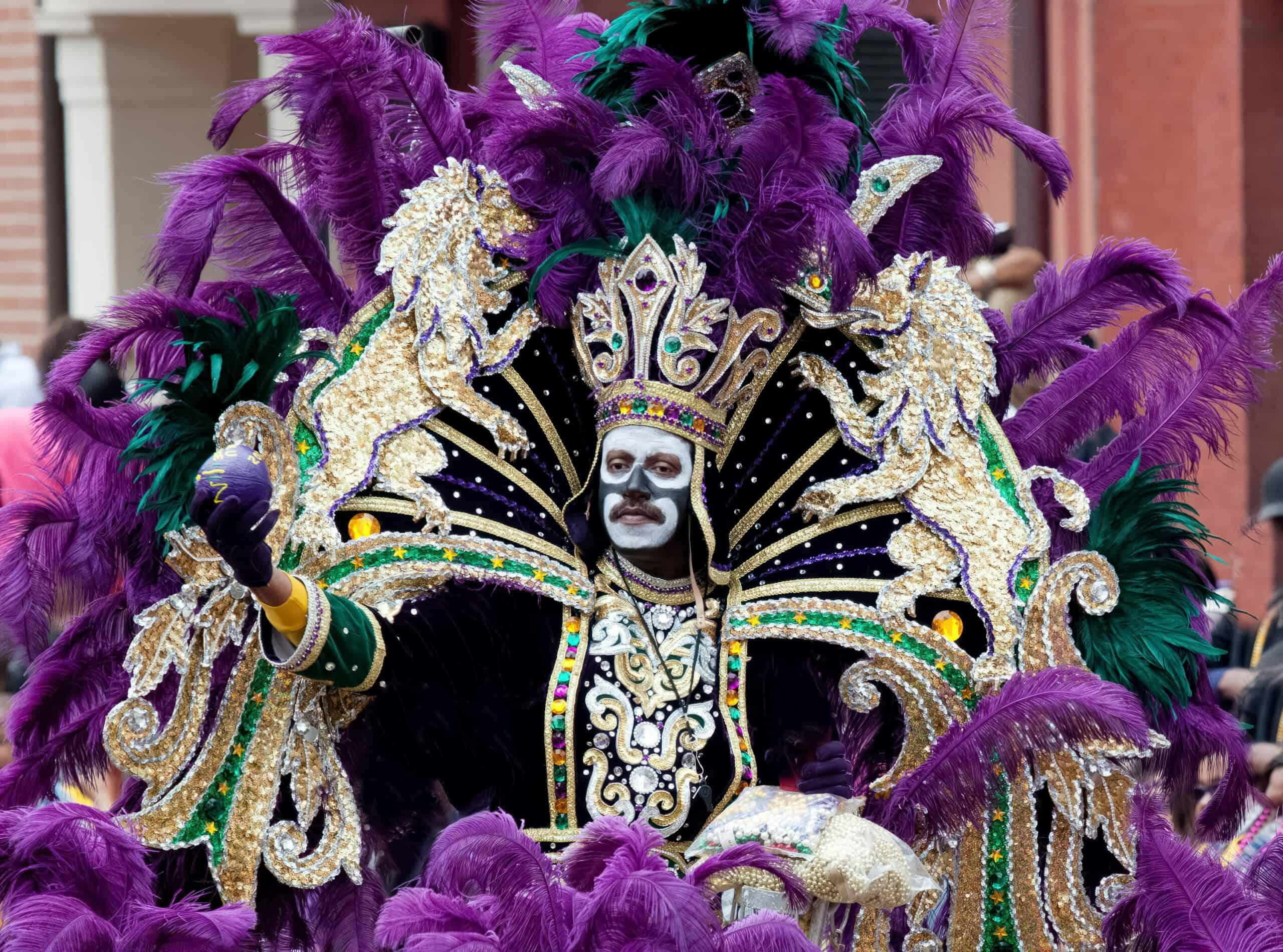
Across the United States, devotion takes many shapes: candles carried through town squares, choirs rising inside sanctuaries, or long tables where strangers share food. Festivals rooted in faith can feel both intimate and expansive, bridging cultural lines without asking anyone to convert. Travelers often arrive curious and leave grounded by community rather than doctrine. In 2026, these gatherings remind the country that spiritual practice is not only private. It is lived out in parks, streets, and kitchens, where welcome is often the first ritual.
Feast of San Gennaro, New York City, New York
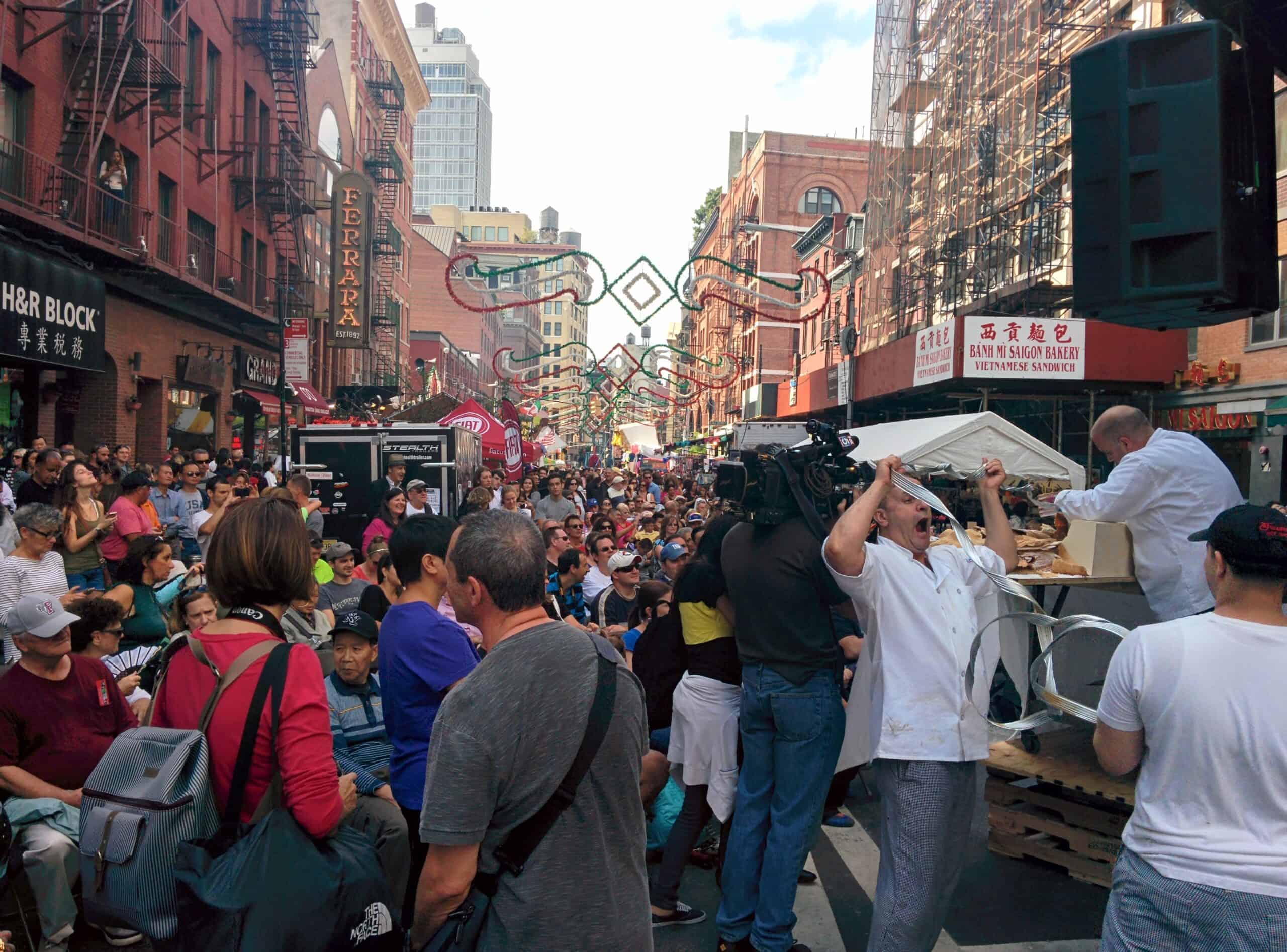
In Little Italy, Sept. nights bring sausage grills, procession banners, and crowds thick with anticipation. The festival honors San Gennaro through Mass at the parish, but its real heartbeat is street life: bands, neighborhood stories, and families returning to the same corners year after year. Travelers end up shoulder to shoulder with locals, tasting heritage more than spectacle. The mood is communal and surprisingly tender, especially when the procession moves through familiar streets and the crowd’s noise softens into something like gratitude.
Shrine Pilgrimage at Chimayó, New Mexico
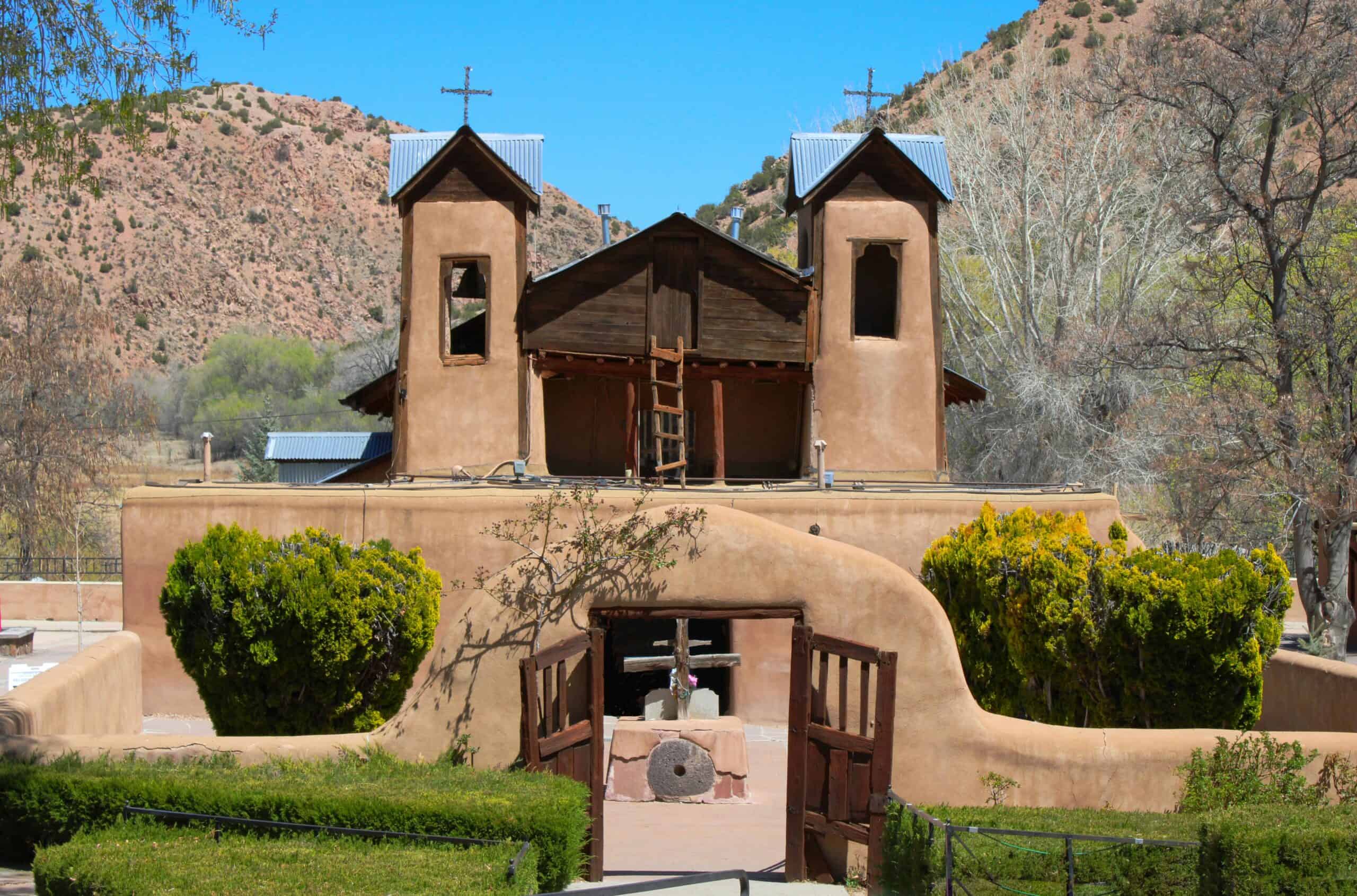
On Good Friday, thousands walk toward El Santuario de Chimayó, some starting before dawn and covering miles of high-desert road in silence. The pilgrimage is public, yet it feels personal, because the landscape does not let anyone rush. Visitors who come to observe often find themselves pulled into the shared pace, watching how endurance becomes devotion without needing explanation. By the time the shrine appears, the atmosphere is less about arrival than about what happened along the way: quiet conversations, offered water, and a kind of collective steadiness that holds people up.
Mardi Gras Indian Super Sunday, New Orleans, Louisiana
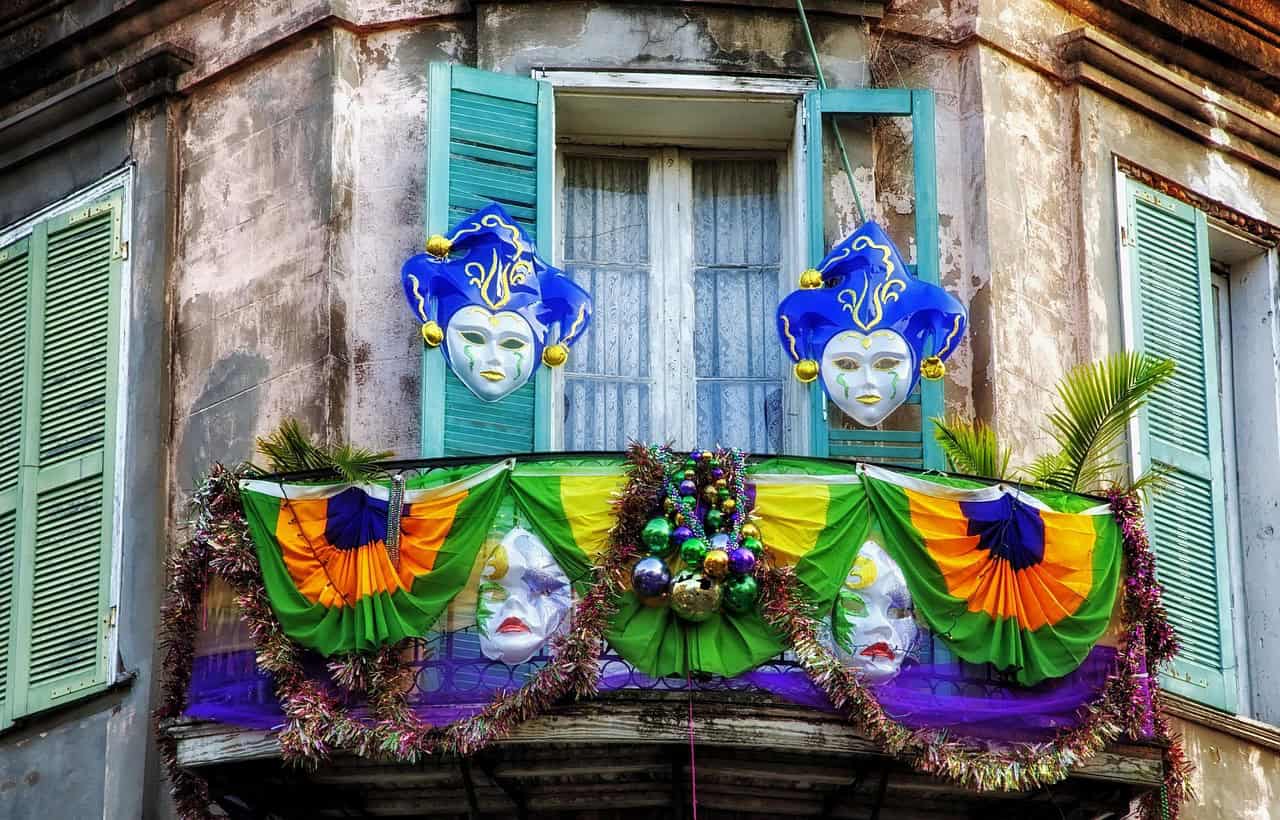
Away from Bourbon Street, Mardi Gras Indians step out in hand-sewn suits dense with feathers, beads, and hours of work that borders on prayer. Super Sunday carries a spiritual thread tied to protection, memory, and neighborhood pride, shaped by African American history and the discipline of craft. Visitors watch call-and-response chants and respectful face-offs that feel closer to ceremony than parade. The day has joy, but it also has gravity. It honors the idea that celebration can be a form of survival, carried forward by community rather than commerce.
Hindu Festival of Lights, Artesia, California

Artesia’s Diwali celebrations along Pioneer Boulevard turn storefronts into rivers of gold light, where music, sweets, and prayer move together without friction. Temples open their doors, families exchange boxes of mithai, and shop owners greet neighbors as if the street itself is a living room. Travelers who arrive for the spectacle often remember the warmth instead: the way people explain meaning without pressure, the way food travels hand to hand, and the way the night feels stitched together by gratitude. Diwali here reads as joy with roots, not a performance for outsiders.
Greek Orthodox Easter, Tarpon Springs, Florida
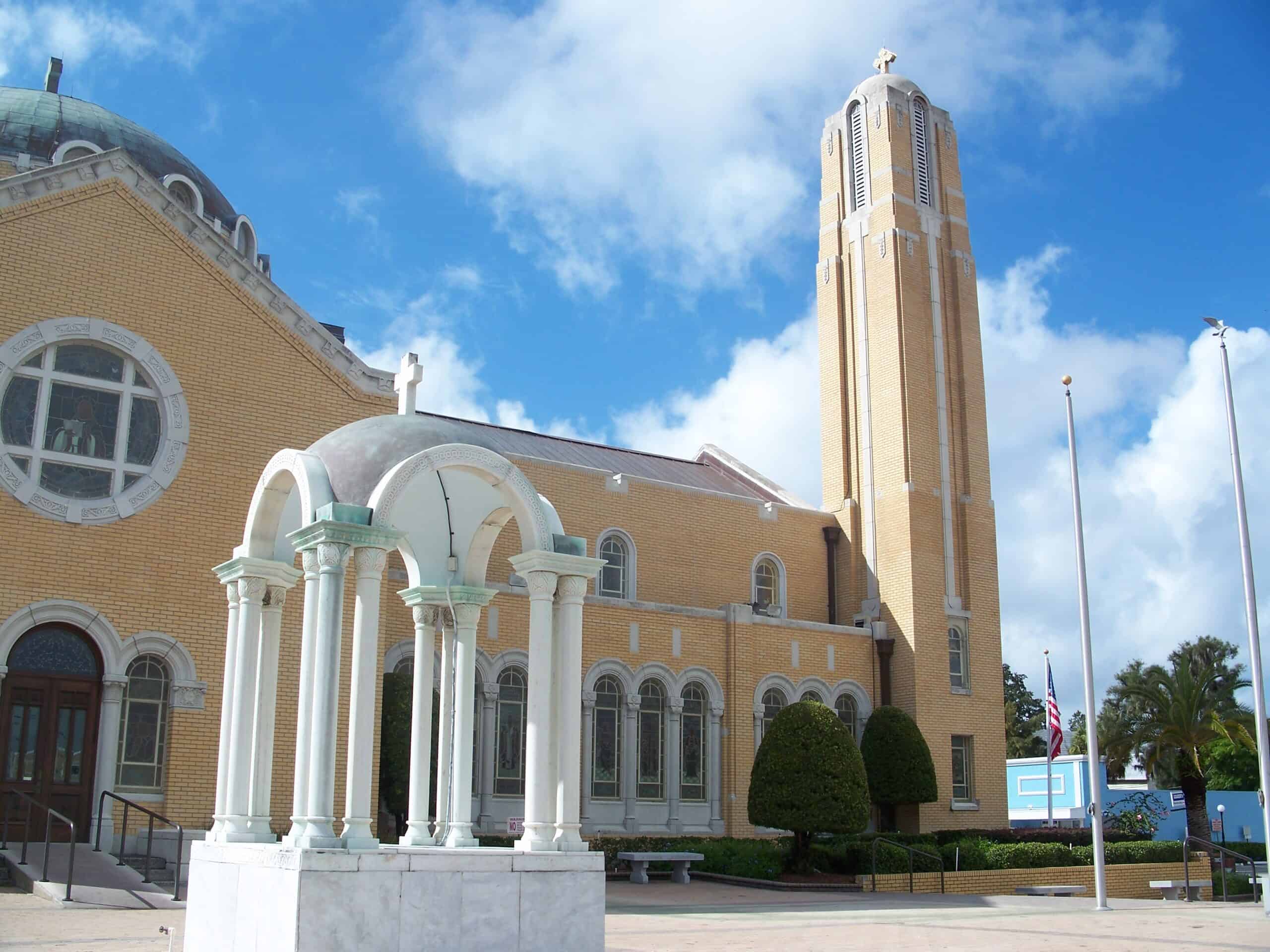
Tarpon Springs blends sponge-diving heritage with the drama of Holy Week, creating a weekend where faith feels tied to water and family. The cross dive in Spring Bayou anchors the celebration, with boys plunging in as the crowd watches in a hush that turns cheers into prayer. Around it, churches fill, candles glow, and bakeries turn out tsoureki and other sweets that move through hands like blessings. Visitors sense a tight-knit rhythm, where belief is carried by generations, and the town’s waterfront becomes a stage for devotion that still feels local.
The Mormon Tabernacle Christmas ConcerT, Salt Lake City, Utah
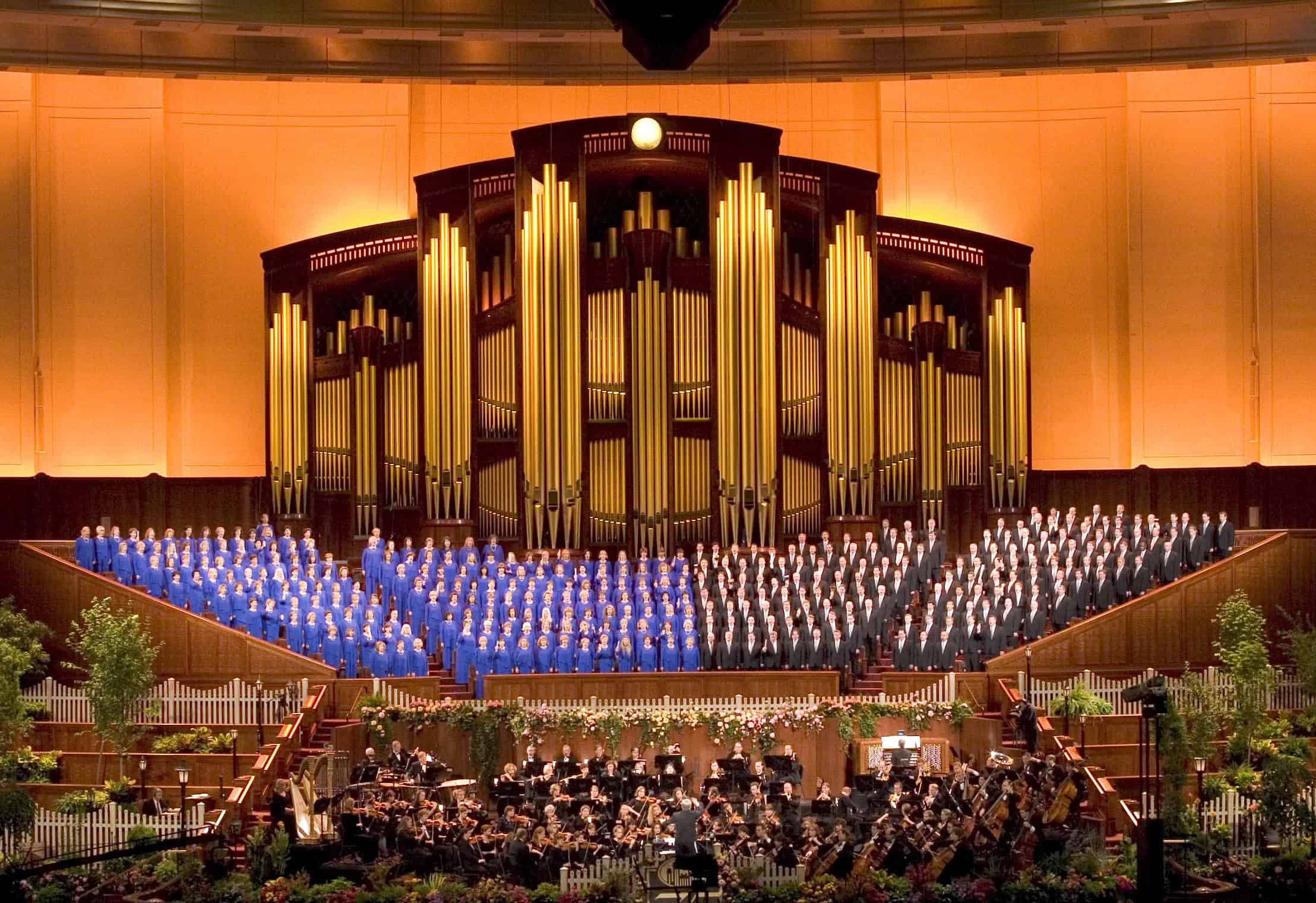
December in Salt Lake City can feel like a winter pilgrimage for people drawn more by music than theology. The Tabernacle’s acoustics and the choir’s precision create an atmosphere where sound does the spiritual work, even for those who do not share the faith. Travelers sit among locals who treat the concert as tradition, not entertainment, and the room’s quiet focus changes how the season feels. In a month that often becomes frantic, the performance offers a slower kind of awe. It turns winter into an auditorium of light, breath, and harmonies that linger long after the final note.
Passover Community Seders, Chicago, Illinois
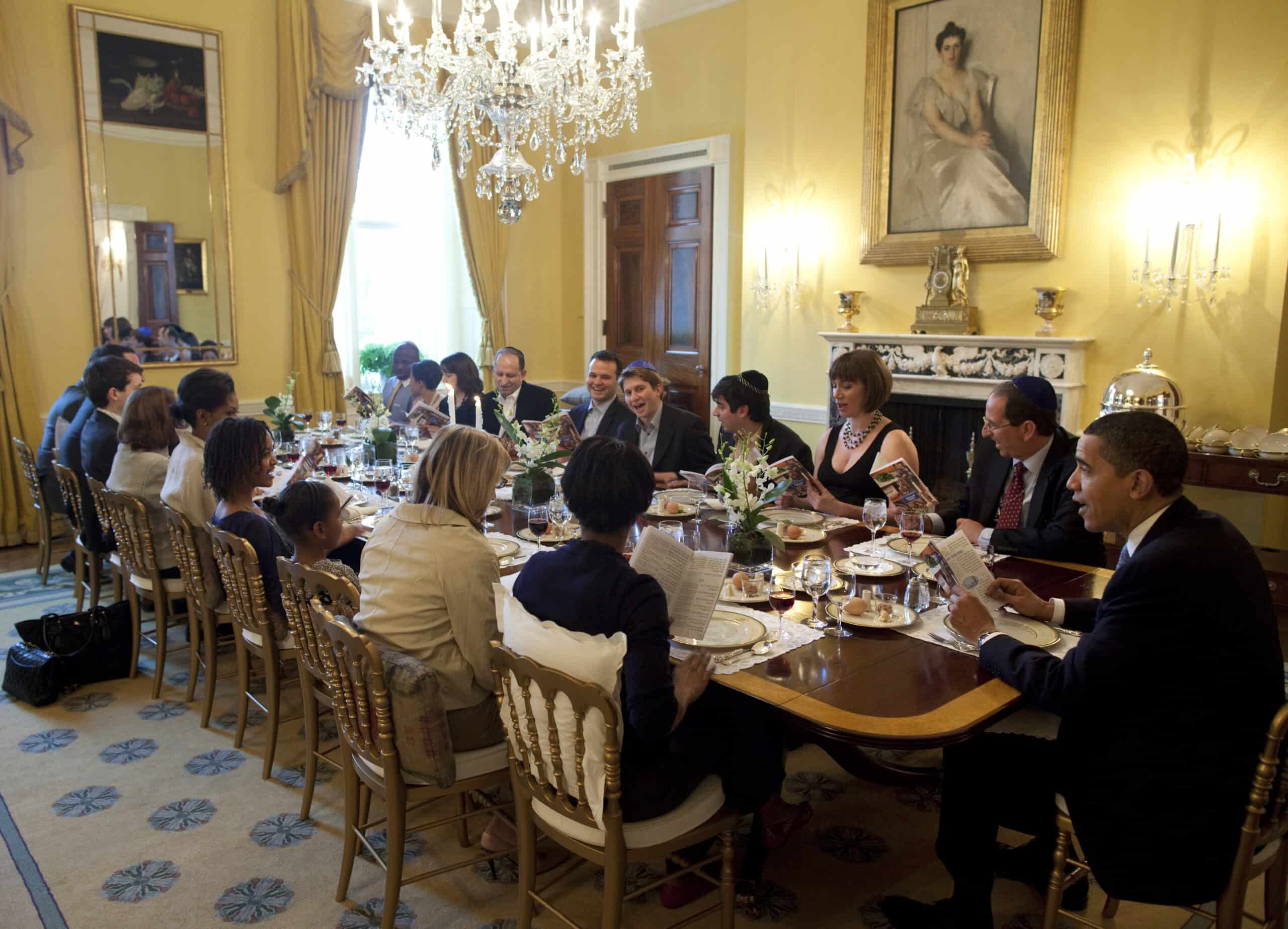
In Chicago, synagogues and community centers host open seders that welcome newcomers into a ritual built on storytelling, questions, and shared plates. The night is structured, yet it feels conversational, because the script invites participation rather than perfection. Visitors encounter history through taste, from matzo to bitter herbs, and through discussion that moves between ancient memory and modern responsibility. What makes the experience travel-worthy is the pace. The table insists on slowing down, listening, and noticing who is present. In a city that moves fast, the seder creates a pocket of time where remembrance becomes a living act.