We may earn money or products from the companies mentioned in this post. This means if you click on the link and purchase the item, I will receive a small commission at no extra cost to you ... you're just helping re-supply our family's travel fund.
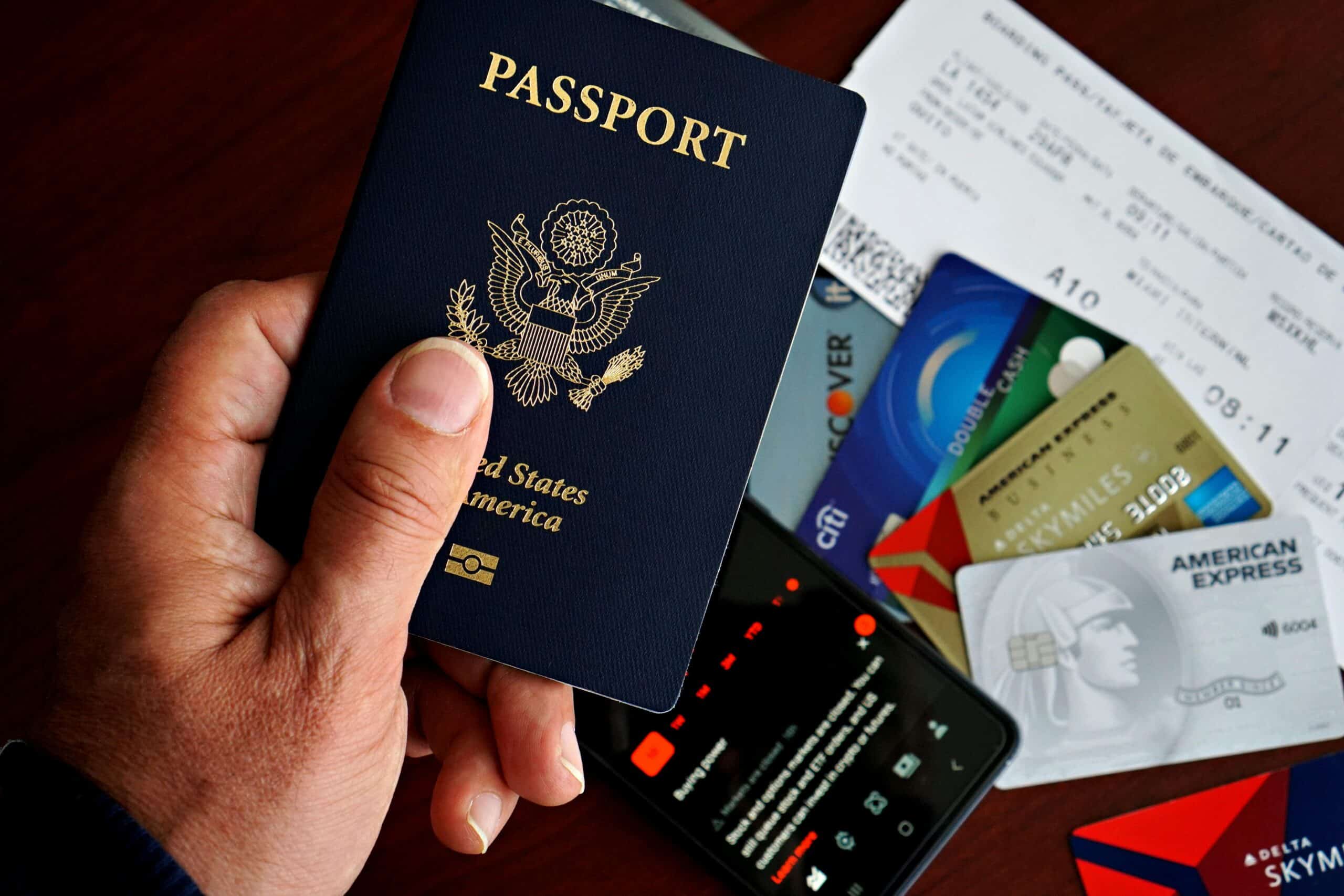
Passport trouble rarely comes from wild decisions. It usually comes from reasonable assumptions that have not been updated in years, then collide with airline rules and State Department policy at the worst possible moment. In 2026, the same myths keep resurfacing: confusing a passport card with a book, guessing at validity rules, underestimating timelines, and assuming small details like name formatting do not matter. The fix is not stress. It is precision, done early, while there is still room to correct course.
The Passport Card Works for International Flights
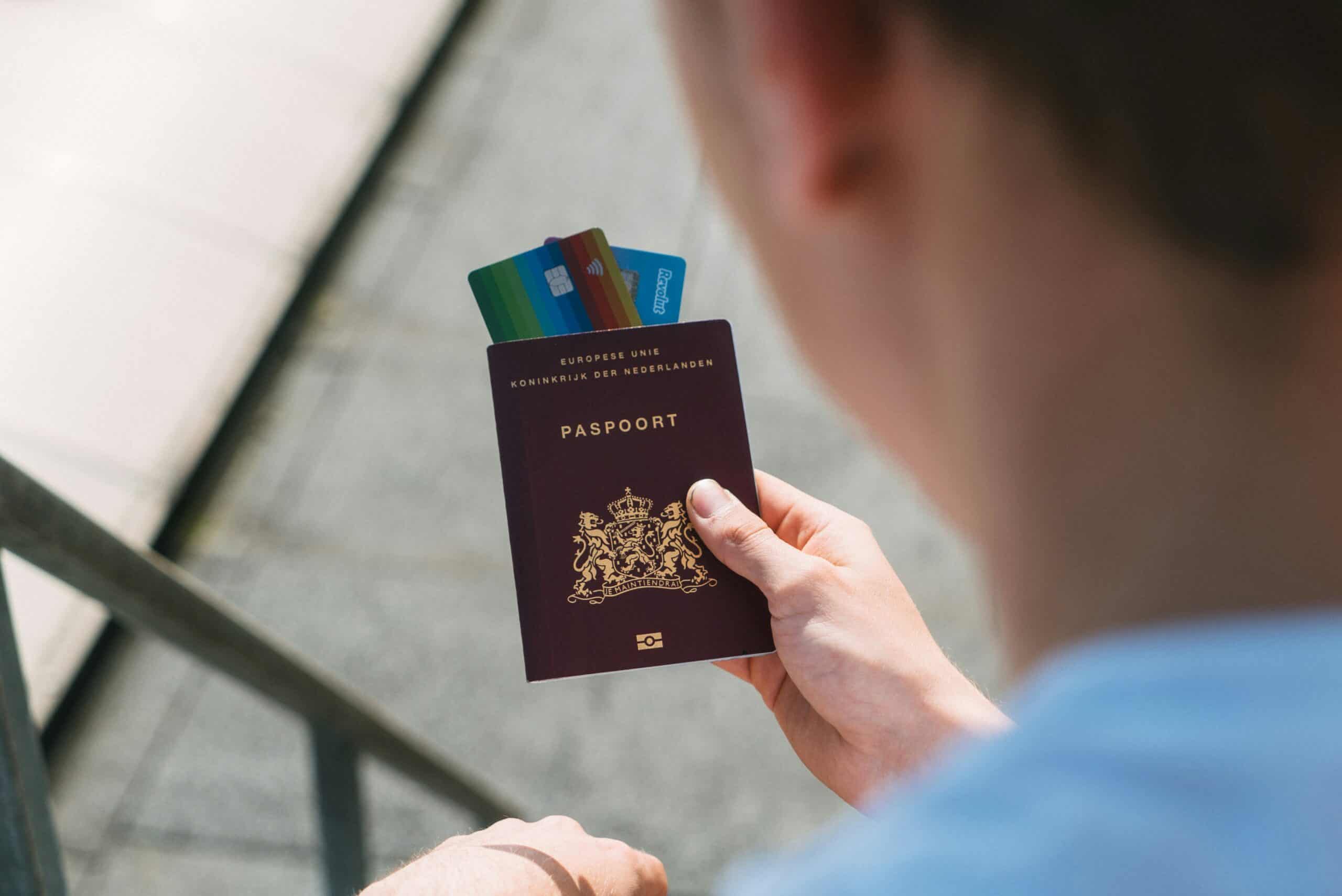
The passport card looks official and fits in a wallet, so many travelers assume it works like the book. State Department guidance is blunt: the card is for land and sea travel from Canada, Mexico, Bermuda, and some Caribbean countries, and it is not valid for international air travel. Showing up at the airport with only the card can mean a hard stop at check-in, not a debate, and buying a new ticket at the counter is a painful way to learn the rule. For international flights, the book is the default, and the card is a niche tool for specific crossings.
Every Country Requires Six Months of Passport Validity
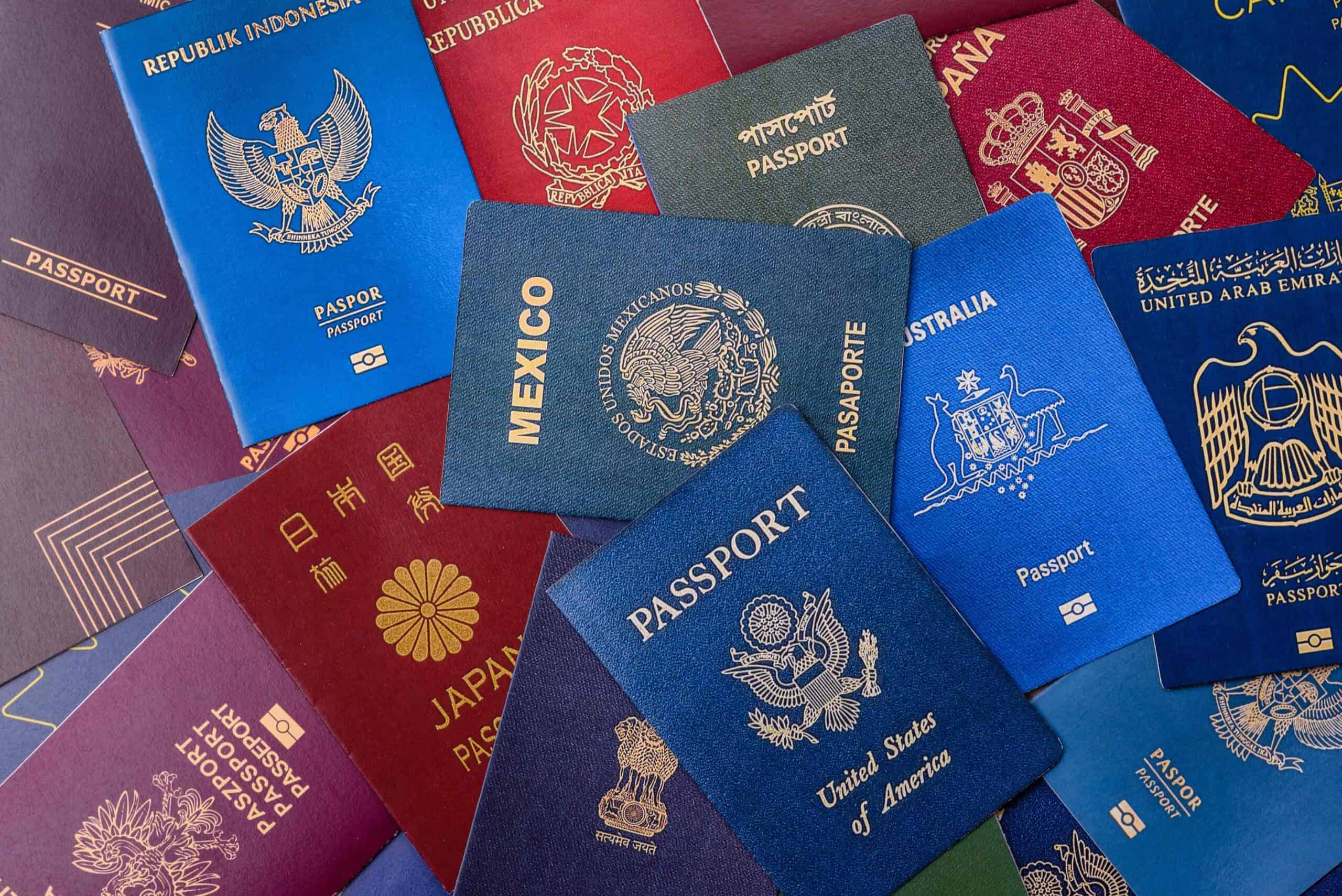
The six-month rule is real in many places, but it is not universal, and that is where travelers get burned. State Department FAQs note that some countries require at least six months of validity beyond the dates of the trip, and some airlines will not allow boarding if the rule is not met. The myth is treating the rule as either always true or never true, then discovering the airline enforces the stricter standard at the counter. The steady move is to check the destination’s entry rules early and aim for extra buffer, because validity is easy to fix at home and hard to fix at a gate.
Children’s Passports Last 10 Years Like Adult Passports

Families often plan renewals using the adult timeline, then get surprised by a child’s expiration date. The State Department notes that passports for children under 16 are valid for five years, not 10, and when that book expires the child must apply again in person. That shorter window collides with school breaks and summer travel, when acceptance appointments and processing queues fill fast. A simple habit prevents panic: check every traveler’s expiration date at the same time, then start the child application months ahead, because a missing passport is the quickest way to turn a family trip into a refund request.
A Slightly Damaged Passport Is Still Fine
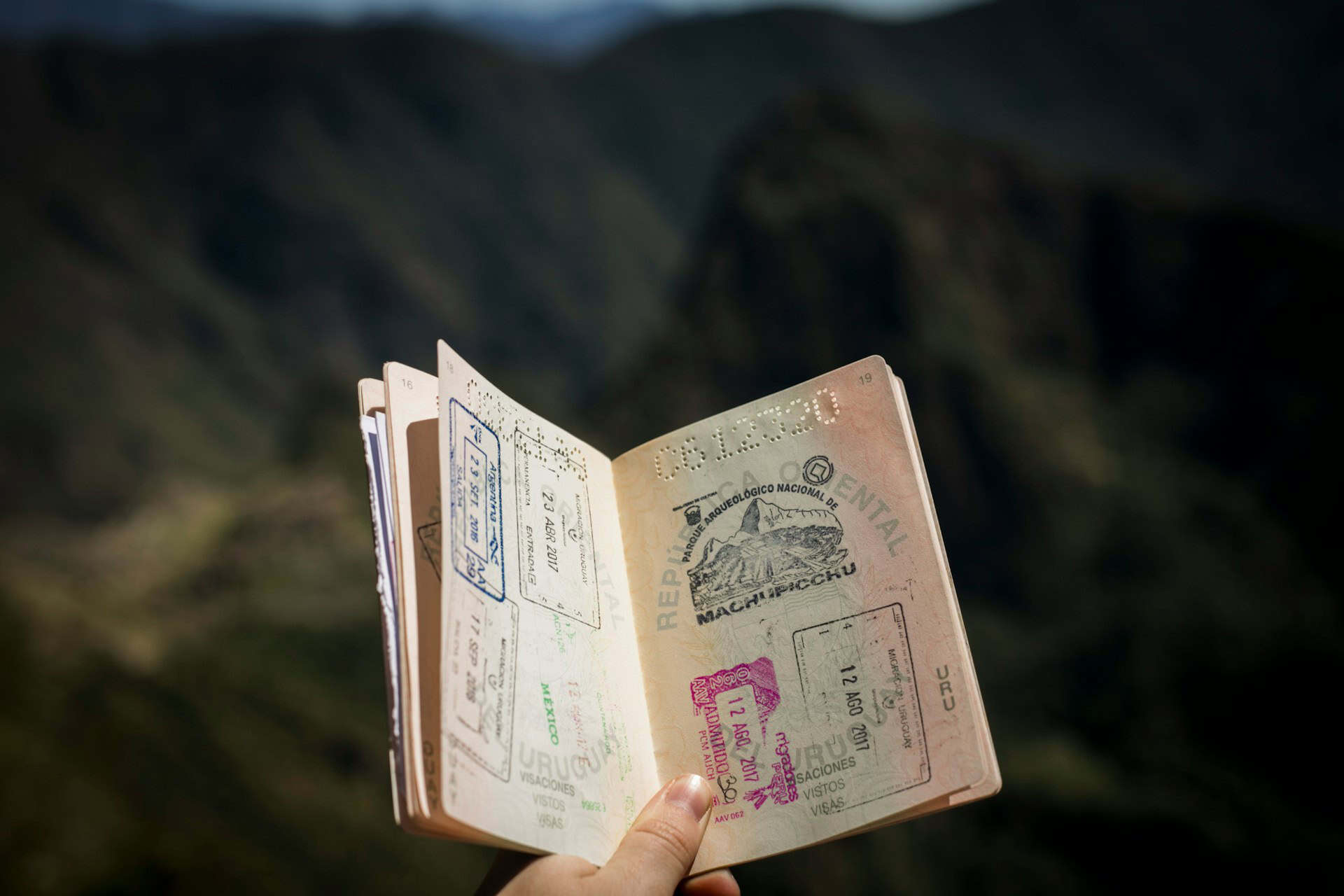
A bent corner is one thing. Damage that changes the passport’s integrity is another, and airlines do not like guessing games at the counter. The State Department lists examples such as liquid stains, a significant tear, unofficial markings on the data page, missing visa pages, or a hole punch, and says damaged passports should be replaced. The myth is trusting that it worked last time means it will work again. If the photo page is compromised or pages are coming loose, replace the book before travel day, and keep a secure photo of the data page to speed up reporting if needed.
Online Renewal Means a New Passport Arrives Fast
Online renewal feels like it should be fast because the form is digital. But the State Department says online renewal is offered for routine service, and official processing times are still measured in weeks, with mailing time on both ends part of the total clock. The myth is booking travel too close because online sounds instant, then hoping customer service can bend time. A calmer approach is counting the full timeline, processing plus shipping, then renewing before tickets are bought, not after, and keeping planned international travel several weeks out while the application is in motion.
Expedited Service Guarantees a Passport by Any Deadline
Expedited service helps, but it is not a personal deadline guarantee. The State Department’s processing page lists expedited service in weeks, and it notes passport agencies serve urgent travelers by appointment only when international travel is within 14 calendar days, with no promise that an appointment will be available. The myth is assuming a looming flight automatically unlocks a quick fix, when the real constraint is appointment inventory. In practice, the safest strategy is early renewal plus a backup plan, like flexible tickets or shifting departure a few days, because once the clock is inside two weeks, options shrink fast.
Ticket Names Can Be Close Enough
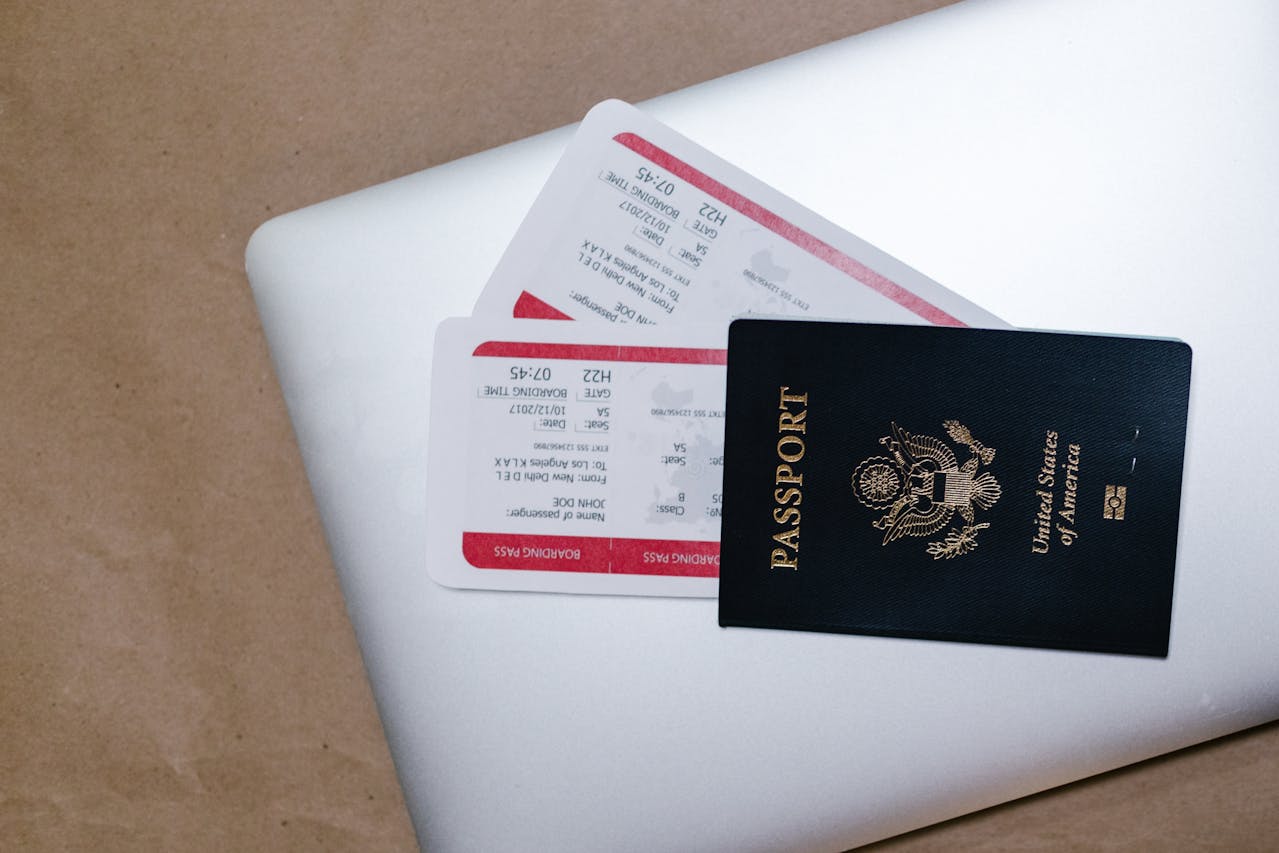
Ticket names are not a close enough situation when travel crosses borders or security checkpoints. TSA says the name on an airline reservation must be an exact match to the name provided on the application, and airlines generally expect the booking name to match the government ID presented for travel. The myth is trusting nicknames, swapped letters, or missing parts will slide, then learning that a small typo can block online check-in or trigger a long counter line. The clean habit is boring: book with the passport name exactly, fix mistakes immediately, and keep name-change documents with the passport until every segment is complete.