We may earn money or products from the companies mentioned in this post. This means if you click on the link and purchase the item, I will receive a small commission at no extra cost to you ... you're just helping re-supply our family's travel fund.
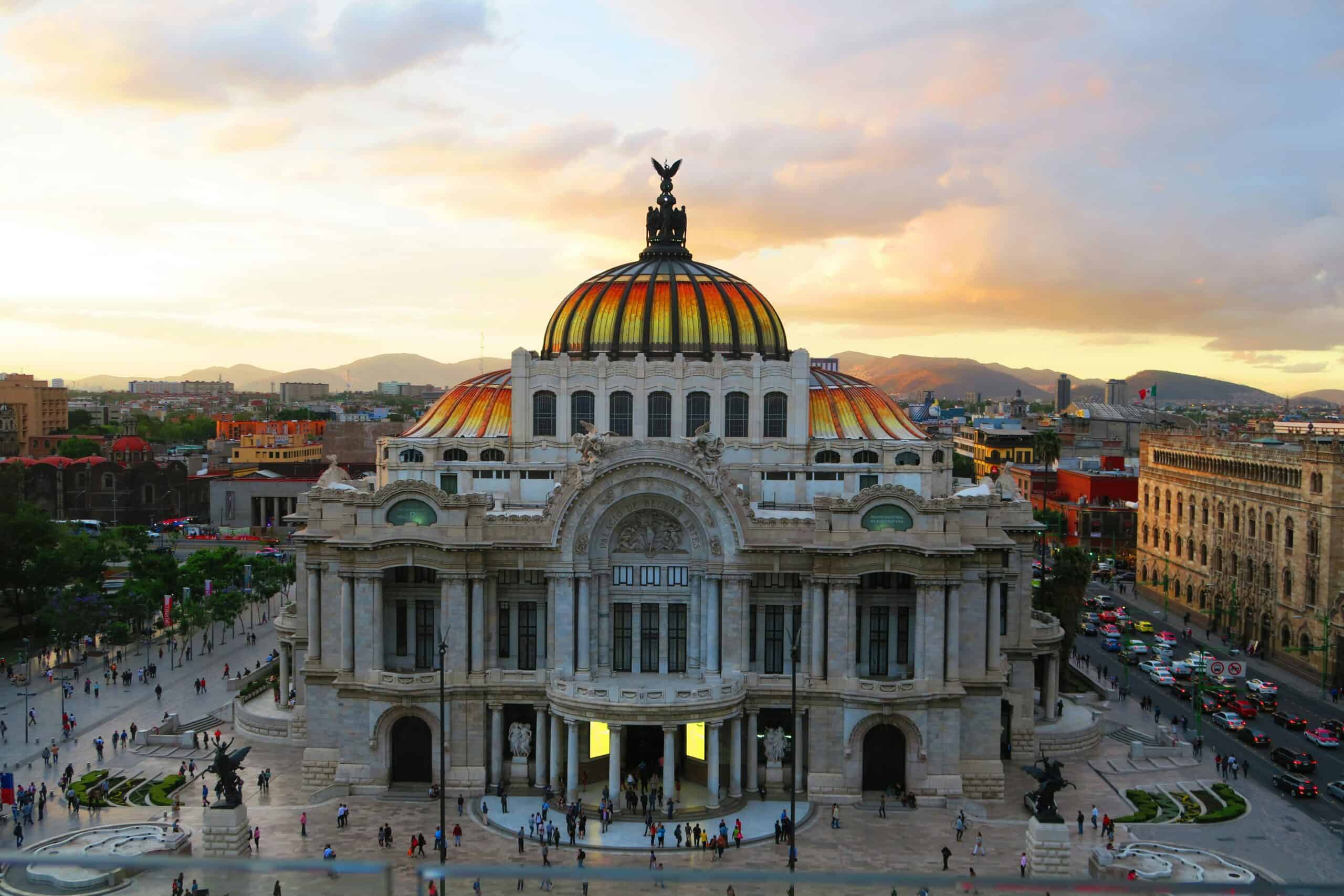
Leaving the United States for Mexico often looks simple from a distance: lower costs, warmer weather, slower days, and a fresh start. What catches many people off guard is how quickly the move becomes less about escape and more about adjustment. Mexico rewards attention, patience, and humility. It is vast, layered, regional, and deeply social. The biggest surprises are rarely postcard scenes; they are the everyday truths that reshape how a person shops, rests, travels, speaks, and decides where home really is.
Mexico Is Not One Place in Practice
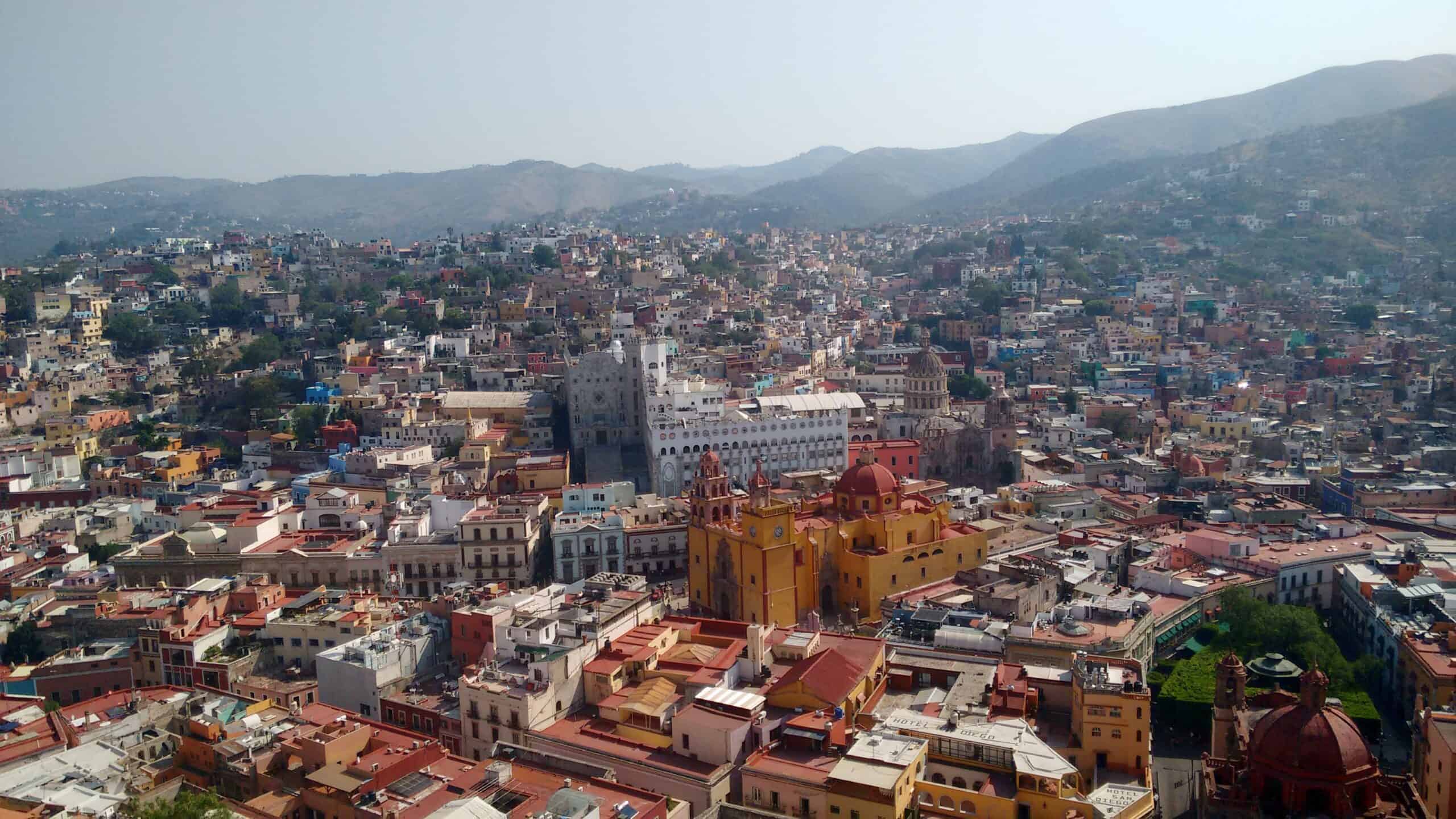
Mexico does not behave like a single, neat idea: it is a federation of 32 entities, the third-largest country in Latin America, and home to the world’s largest population of Spanish speakers. It also carries strong regional identities, major economic contrasts, and a wide range of Indigenous languages and customs, so a move that works beautifully in Mérida may feel completely different in Tijuana, Oaxaca, or Mexico City, even in the basics of pace, pricing, and daily convenience. Treating the country like one interchangeable backdrop is often the first mistake Americans make, because choosing Mexico really means choosing a particular Mexico and learning its local rules.
The Climate Story Is Really an Elevation Story
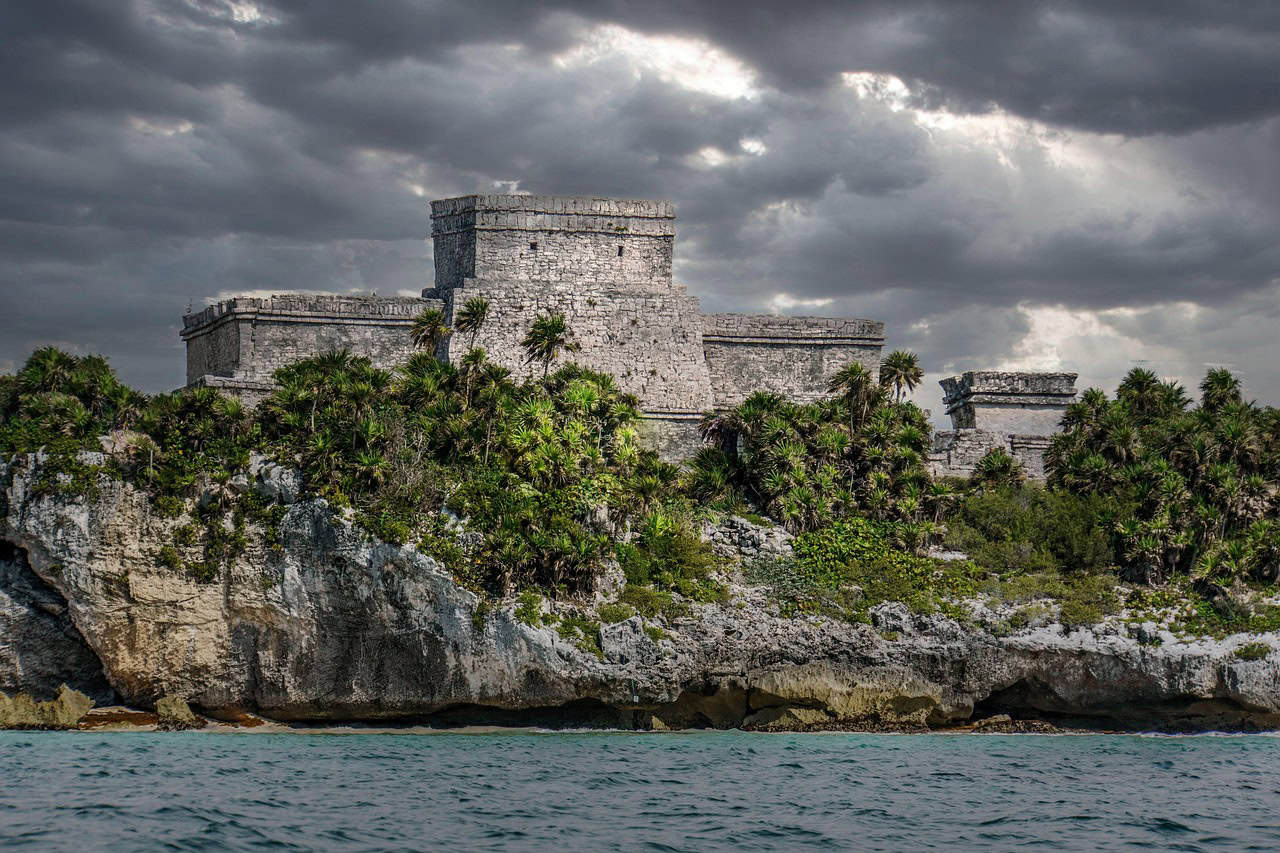
The weather myth falls apart fast, because Mexico’s climate is shaped as much by elevation as latitude, allowing cool mornings in the highlands to exist alongside tropical heat on the coasts. Mexico City sits more than a mile above sea level, and newcomers from lower elevations may need time to acclimate, which means the move is not simply a trade from winter coats to linen shirts and sandals every day of the year. In many places, altitude, rainy seasons, and sharp daily temperature swings shape comfort far more than any beach fantasy does, and those details quickly become part of the body’s routine, energy, and mood.
Safety Depends on the Exact Place, Not the General Headline

Safety in Mexico is real, but it is not uniform, and that distinction matters more than broad headlines because official U.S. guidance varies by state, reflecting the basic truth that risk is hyperlocal. One neighborhood can feel settled and routine, while another area in the same city calls for a very different level of caution, which is why long-term residents build their lives around local knowledge, trusted routes, daylight habits, and practical routines. Settling well depends less on dramatic assumptions about the whole country and more on learning the block, the rhythm, and the habits that make daily life feel steady.
Paperwork Shapes the Move More Than Romance Does
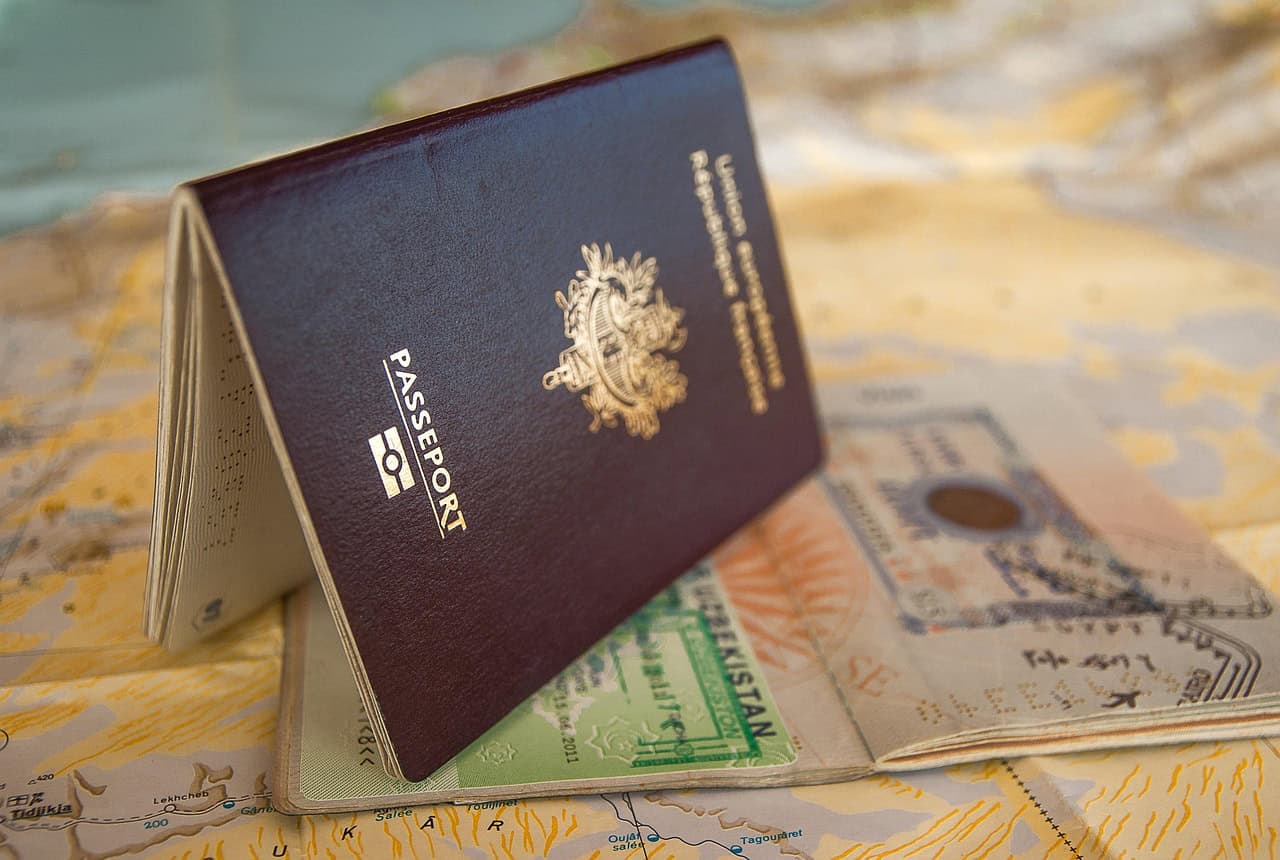
The paperwork is not a side quest, because residency, visa appointments, in-country immigration steps, and even moving household goods can hinge on timing, sequence, and documentation. Mexican consulates spell out income, identity, and application requirements for temporary residence, while migration authorities handle the follow-up procedures once the person arrives, so the logistics begin before the flight, not after unpacking the boxes or hanging curtains. In Mexico, administrative details are often what separate a romantic plan from a durable one, and one missed requirement can turn a clean move into a frustrating and costly delay.
Water Rules Change Daily Life Immediately
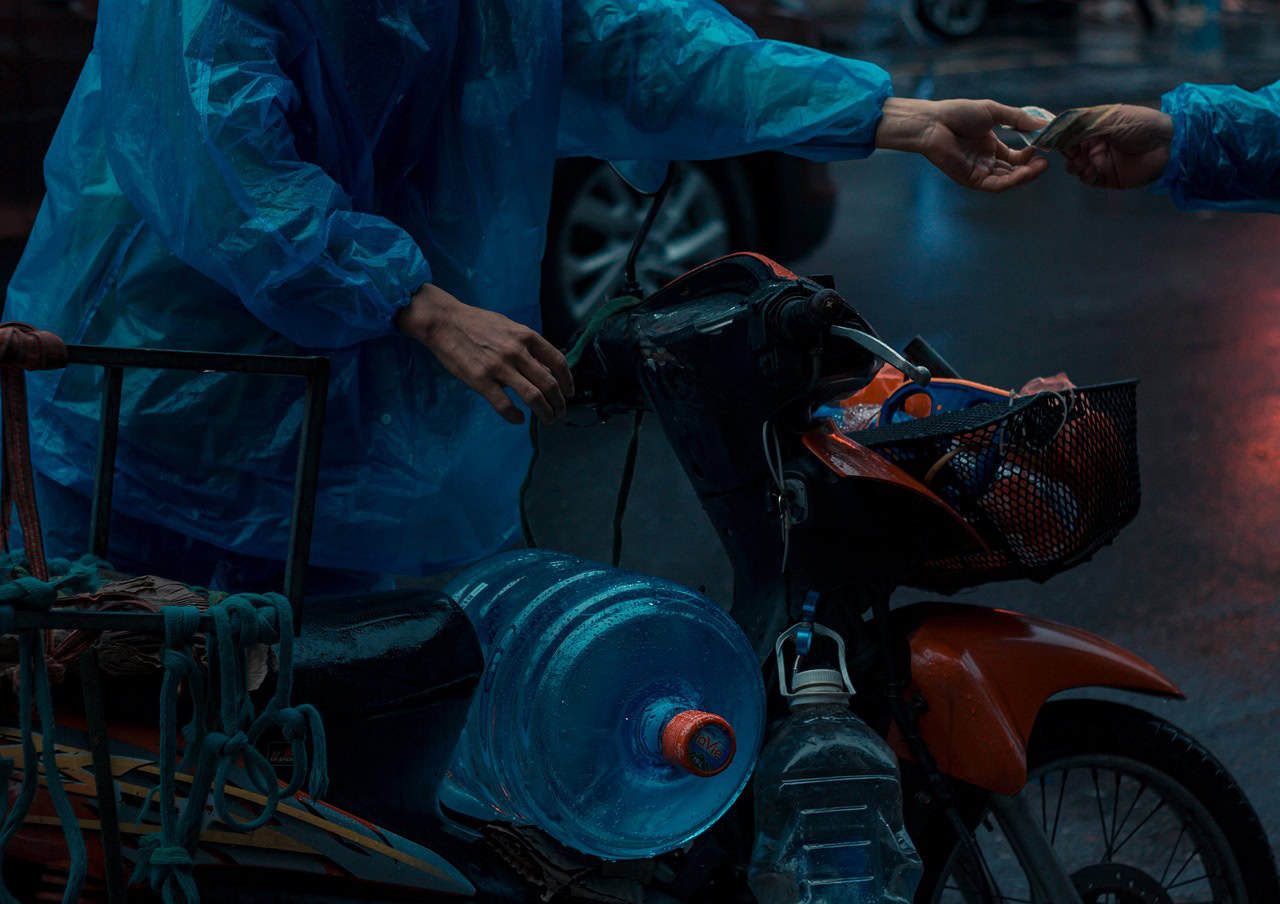
Water becomes a daily habit, not a background utility, because the CDC advises travelers that tap water in Mexico is not safe to consume and that warning reaches far beyond what goes into a glass. It changes how a person brushes teeth, washes produce, fills ice trays, and thinks about kitchens in short-term rentals or newly leased homes, making the move feel newly real in a matter of hours rather than weeks. Many longtime residents barely notice the adjustment after a while, but at first it is one of the clearest reminders that relocation lives in routines, not just in scenery, optimism, or hopeful budgets.
Good Healthcare Exists, but Location Still Decides Everything

Healthcare can be one of the move’s most welcome surprises, but only when expectations are regional and realistic, because U.S. trade guidance says major Mexican cities offer a high standard of care through principal private hospitals and doctors. The same guidance notes that many private physicians have U.S. training and speak English, yet the deeper truth is that quality clusters, which makes hospitals, specialists, pharmacies, labs, and emergency access just as important as rent or walkability. Geography matters here, too, because peace of mind often depends on what can be reached quickly when something stops being routine.
Spanish Matters More Than Many Americans Expect
English can smooth a first arrival, but it rarely carries a permanent life, and Mexico’s own linguistic landscape is broader than outsiders often assume, with dozens of Indigenous languages recognized nationally alongside Spanish. Trade guidance for Mexico stresses language and cultural considerations for a reason: even basic Spanish makes leases clearer, errands easier, humor warmer, and misunderstandings fewer, especially once daily life moves beyond tourist-facing spaces. The deeper truth is not just practical, because in a country with strong local identity, language signals respect, and respect opens more doors than confidence ever will.