We may earn money or products from the companies mentioned in this post. This means if you click on the link and purchase the item, I will receive a small commission at no extra cost to you ... you're just helping re-supply our family's travel fund.

Travel often lowers our guard. New cities encourage quick payments, unfamiliar ATMs, and reliance on cards over cash. In certain destinations, outdated payment systems, high tourist density, and organized skimming networks quietly raise financial risk. This list isn’t about fear, it’s about awareness. These seven travel spots are popular, vibrant, and unforgettable, but they also demand sharper payment habits if you want your card details to return home as safely as you do.
1. Barcelona, Spain

Barcelona processes an estimated €22 billion in tourist spending annually, and with that volume comes opportunity for fraud. Police reports indicate card-related scams rise by nearly 30% during peak tourist months. Skimming devices have been found on ATMs in busy areas like El Raval and near transit hubs. Many small bars still use portable card machines, increasing exposure. Contactless theft is also a concern, with RFID scans reported within 5–8 cm. Travelers are advised to avoid standalone ATMs and monitor transactions daily.
2. Bangkok, Thailand
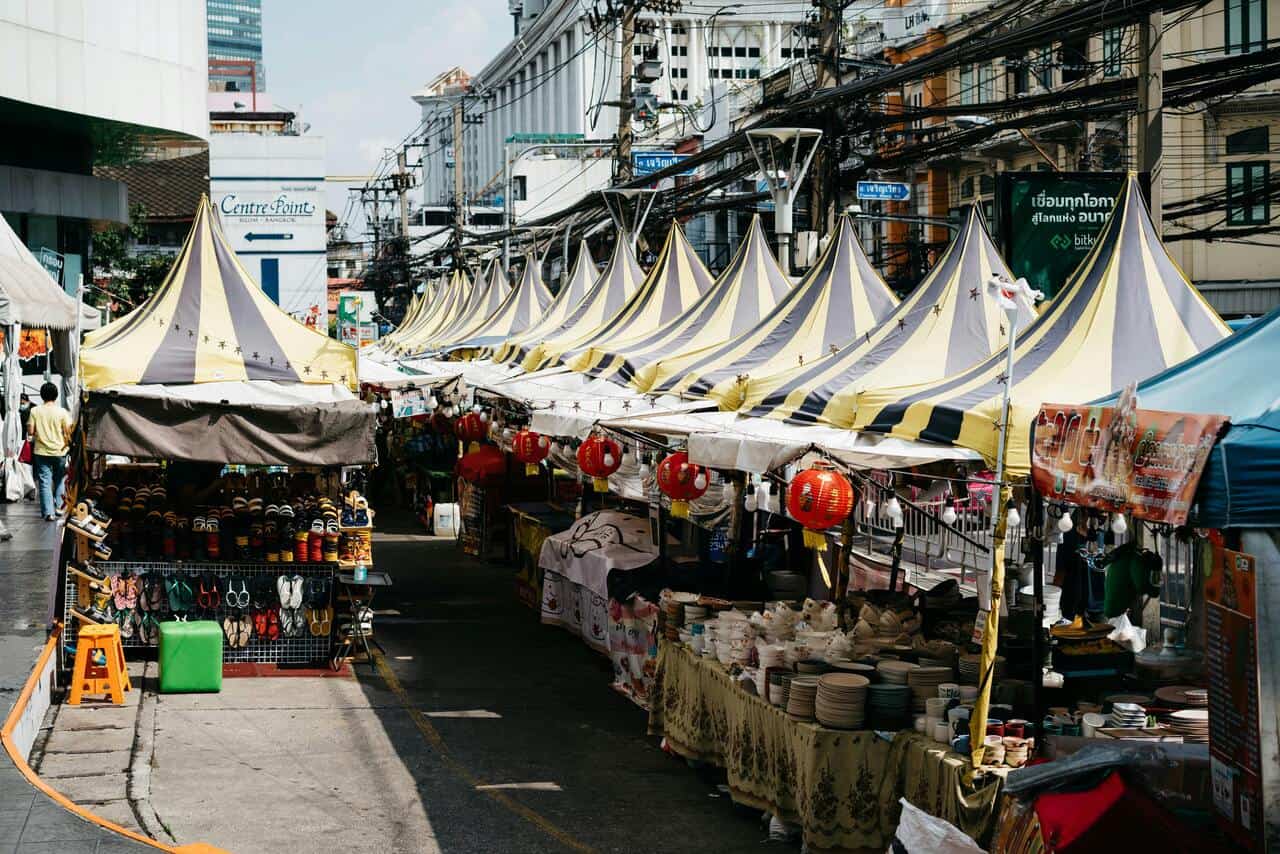
Bangkok welcomes over 22 million international visitors each year, and cashless payments have surged by 40% since 2022. However, tourist districts like Sukhumvit and Khao San Road report higher card compromise rates. Unauthorized charges often appear within 24–72 hours of use. Skimming rings target night markets and informal vendors using cloned terminals. Thai banks flag thousands of foreign card disputes monthly, many under $100 to avoid detection. Using hotel ATMs and disabling magnetic stripe payments significantly reduces risk.
3. Rome, Italy

Rome’s historic charm hides a modern payment vulnerability. Italy records over 1.2 million card fraud cases annually, with Rome accounting for a disproportionate share. Tourist-heavy zones see fraud attempts rise by 25% in summer. Older POS machines remain common in cafés near landmarks, some lacking chip-only enforcement. Pickpocketing often pairs with card misuse, with stolen cards used within 15 minutes. Experts recommend mobile wallets, which cut fraud exposure by nearly 60% compared to physical cards.
4. Cancun, Mexico

Cancun handles roughly $15 billion in tourist transactions yearly, and card fraud complaints spike by 35% during holiday seasons. Resort towns report “double-swipe” scams, where cards are run through hidden readers before legitimate payment. Unauthorized charges frequently surface days later, averaging $200–$400 per incident. Independent tour operators and beach clubs pose higher risk than large hotels. Travelers using credit instead of debit cards recover funds 3x faster on average, making card choice a critical defense.
5. Istanbul, Turkey
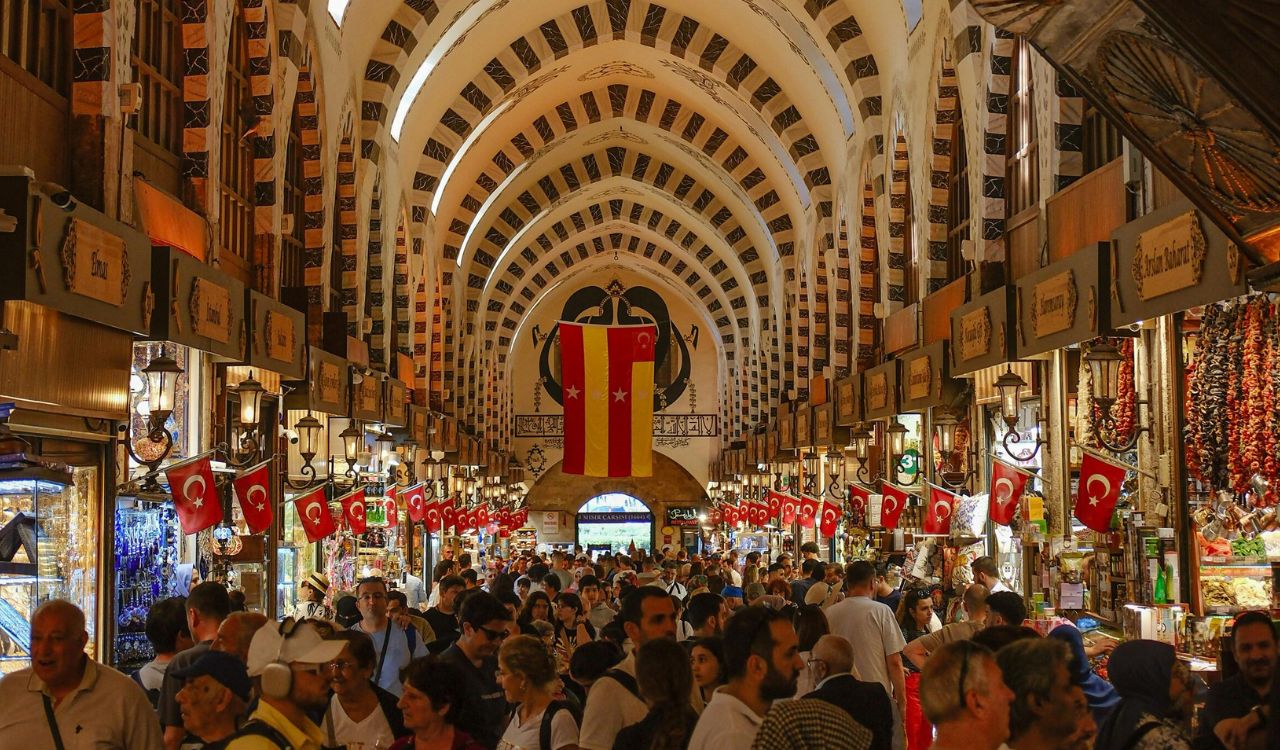
Istanbul bridges continents and unfortunately, payment risks. Turkey reported a 27% year-on-year increase in card fraud cases, with tourist areas leading. Skimming has been documented at currency exchange-adjacent ATMs, especially those open 24/7. Fraudulent transactions often occur internationally within 48 hours, indicating data resale. Contactless limits of ₺750 can be exploited repeatedly. Visitors using cards with dynamic CVV saw fraud attempts drop by nearly 50%, highlighting the importance of modern card features.
6. New York City, USA

Despite advanced banking systems, New York sees over 300,000 card fraud reports annually. High foot traffic and rapid transactions create ideal conditions for digital theft. Subway-area ATMs and convenience stores account for a notable share of skimming cases. “Shimming,” a chip-level attack, has increased by 20% since 2023. Tourists often miss small fraudulent charges under $20. Banks note travelers who enable instant transaction alerts identify fraud 70% faster than those who don’t.
7. Paris, France

Paris attracts nearly 40 million visitors a year, processing immense card volumes daily. French authorities report card fraud losses exceeding €500 million annually, with tourist zones most affected. Contactless abuse is common in crowded metros, where scanners can read cards through thin wallets. Fraudulent charges often appear as small luxury purchases under €50. Using RFID-blocking wallets reduces scan success rates by over 90%, while PIN-only transactions remain the safest option in busy districts.