We may earn money or products from the companies mentioned in this post. This means if you click on the link and purchase the item, I will receive a small commission at no extra cost to you ... you're just helping re-supply our family's travel fund.

Travel advice circulates quickly, especially online, where half-truths often become accepted wisdom. Over time, repetition turns assumption into certainty. Yet modern travel is shaped by dynamic pricing systems, shifting safety standards, and constantly evolving technology. Many popular “rules” are outdated or oversimplified. Below are seven commonly believed travel facts that fall apart under closer inspection along with the real numbers and practical details every traveler should know.
1. Tuesday Is the Cheapest Day to Book Flights
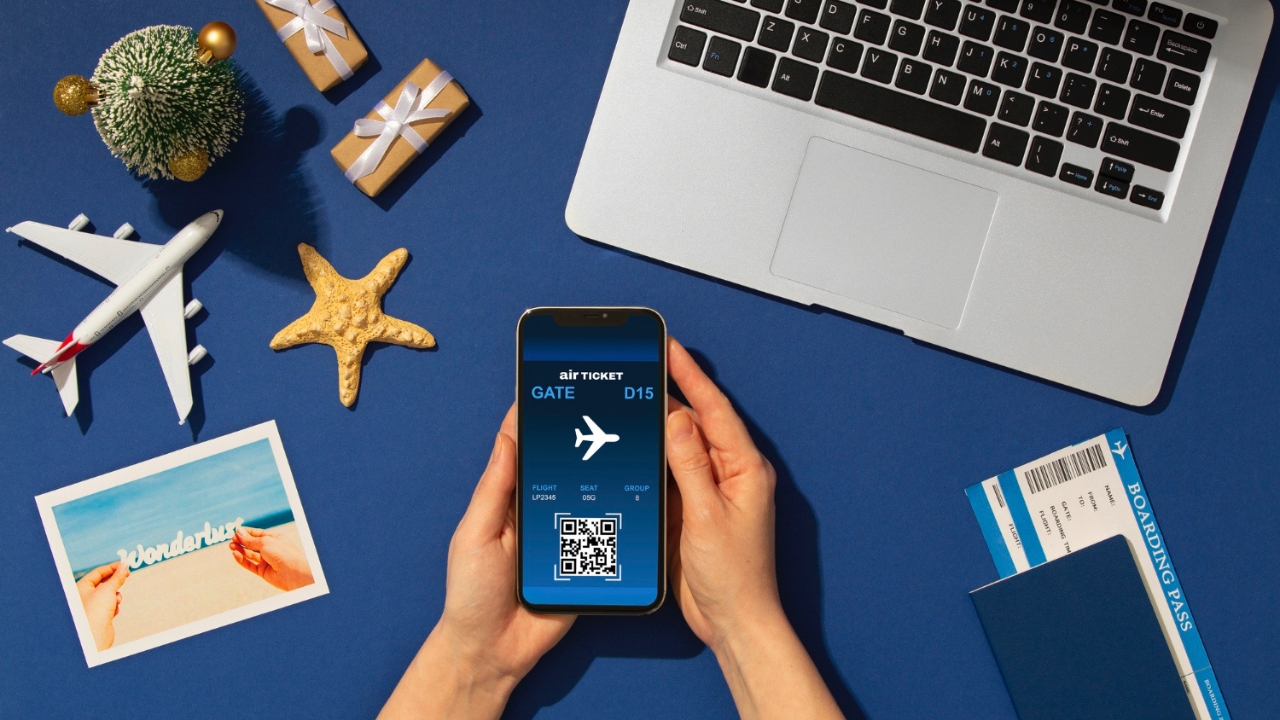
For years, travelers believed booking on Tuesday could save them money. That may have worked decades ago, but today airfare pricing is controlled by automated revenue systems that update fares thousands of times per day. Airlines adjust prices based on demand, seat inventory, competitor fares, and browsing trends. Studies analyzing millions of bookings show no consistent cheapest weekday. Instead, savings of 10–25% usually come from flexible departure dates or flying midweek. Booking 1–3 months in advance for domestic trips often matters more than the specific day you click “buy.”
2. Airport Currency Exchange Is the Smartest First Step

Airport exchange counters look convenient, but they often come with markups ranging from 5% to 15% above interbank rates. Some kiosks also charge service fees that quietly reduce your value further. Withdrawing local currency from an ATM typically offers rates within 1–3% of the real market rate, depending on your bank. Many travel credit cards also charge 0% foreign transaction fees. Exchanging a small emergency amount at the airport is reasonable, but converting large sums there can cost significantly more than waiting until you reach the city center.
3. Budget Airlines Always Offer the Lowest Price

Low-cost carriers advertise base fares that can be 30–50% cheaper than traditional airlines. However, that headline price rarely reflects the final total. Add-ons such as carry-on bags, checked luggage, seat selection, and priority boarding can raise the final cost by 20–70%. Some airlines even charge for airport check-in. On short-haul routes, a “cheap” ticket can end up matching or exceeding a full-service airline’s fare once everything is included. The real comparison should factor baggage rules, airport location, and cancellation flexibility before assuming savings.
4. Travel Insurance Is Just an Extra Expense

Skipping travel insurance might save 4–8% of your trip cost upfront, but a single disruption can multiply expenses quickly. International medical emergencies can cost thousands of dollars, with hospital stays sometimes exceeding $1,000 per day in certain countries. Trip cancellations, weather delays, and lost baggage claims also add unexpected costs. According to industry data, a noticeable percentage of travelers experience at least one disruption during multi-leg trips. Insurance does not guarantee perfection, but it reduces financial risk significantly when plans unravel unexpectedly.
5. Street Food Is Unsafe and Should Be Avoided
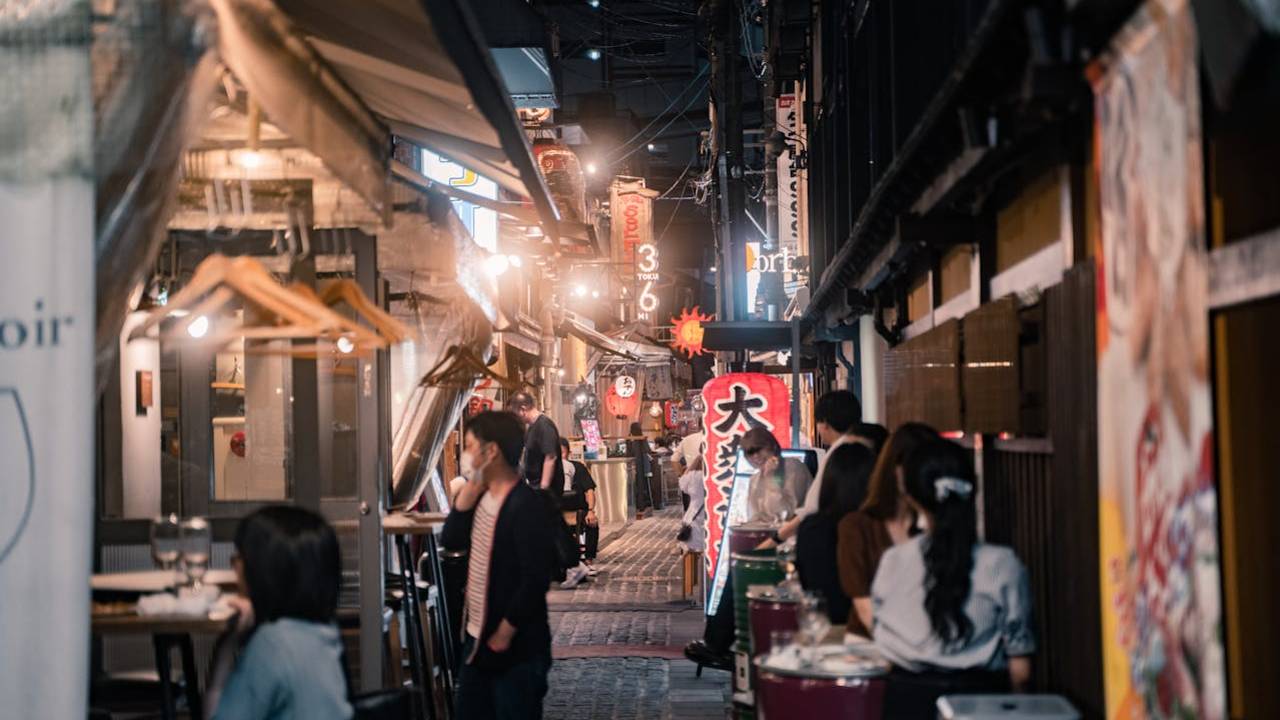
Street food often carries an unfair reputation. In reality, busy vendors frequently prepare dishes fresh and serve them immediately, which reduces storage time and spoilage risk. Food safety depends more on turnover and hygiene than on whether the meal comes from a stall or a restaurant. Choosing vendors with steady customer lines and visible cooking practices lowers risk considerably. In many regions, street meals cost 40–70% less than restaurant alternatives while offering authentic local flavors. Observing cleanliness and eating freshly cooked items makes all the difference.
6. Planning Every Hour Makes a Trip Better

Overplanning feels efficient, yet tightly packed itineraries can increase stress and reduce flexibility. Research on travel satisfaction shows that downtime and spontaneity contribute strongly to positive memories. Scheduling major reservations such as accommodations and high-demand attractions is wise, especially during peak season when occupancy can exceed 80–90%. However, leaving open blocks of time allows for unexpected discoveries and local recommendations. A balanced structure, rather than minute-by-minute planning, often leads to richer and more relaxed travel experiences.
7. Solo Travel Is Inherently Dangerous

The belief that traveling alone is unsafe everywhere oversimplifies reality. Millions of people take solo trips each year without incident. Safety depends largely on destination research, situational awareness, and common-sense precautions. Crime statistics vary widely by region, and many cities rank highly for solo-friendly infrastructure and public safety. Staying in well-reviewed accommodations, using registered transport, and sharing itineraries with trusted contacts greatly reduces risk. Solo travel can even encourage stronger awareness and smarter decision-making compared to group dependence.