We may earn money or products from the companies mentioned in this post. This means if you click on the link and purchase the item, I will receive a small commission at no extra cost to you ... you're just helping re-supply our family's travel fund.
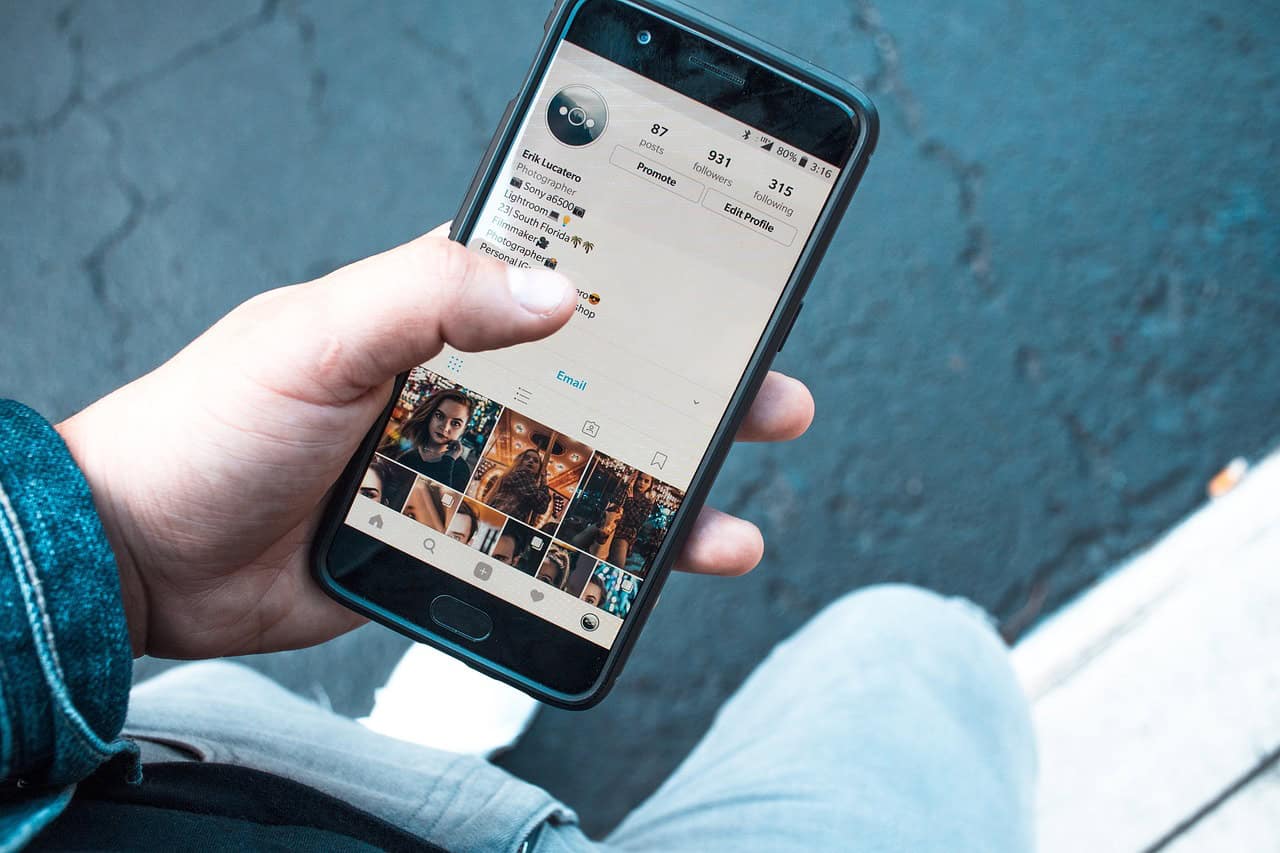
In today’s hyper-connected world, posting a travel selfie seems harmless, until it lands you in legal trouble. Certain countries strictly monitor social media, and content that seems innocent to tourists can lead to fines, detainment, or even imprisonment. From cultural sensitivities to political restrictions, understanding what’s allowed online is crucial. Here’s a list of seven destinations where a single post could have serious consequences, along with detailed insights to keep your travels safe.
1. North Korea
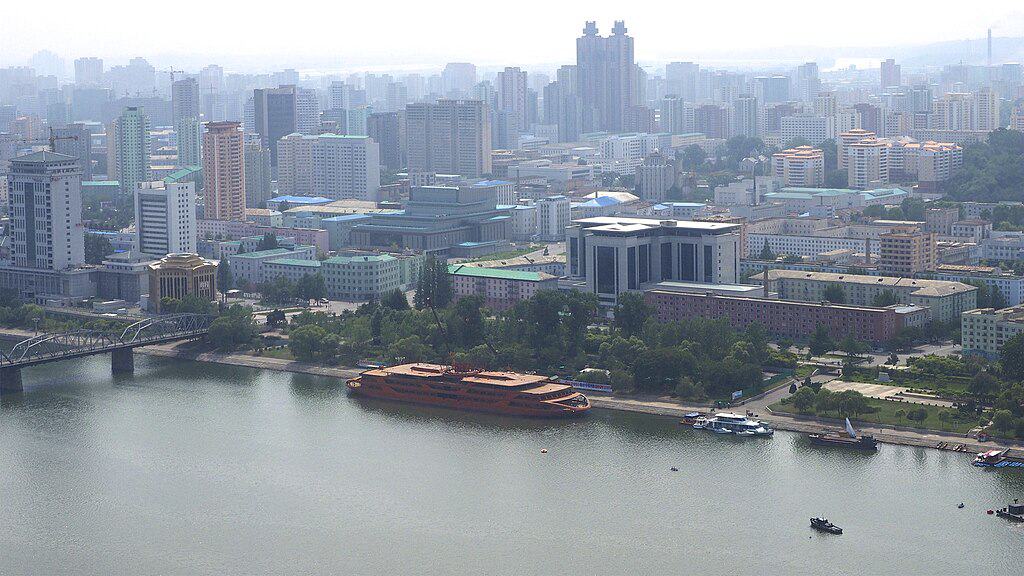
In North Korea, sharing photos or videos without government approval is considered a severe offense. Tourists are often assigned guides who monitor behavior closely, and taking pictures of military personnel, government buildings, or local citizens without permission can result in arrest. Even casual selfies in public spaces can be questioned. According to reports, over 200 tourists have faced detainment in the past decade for violating these rules. Visitors are strongly advised to keep devices offline and follow all instructions to the letter.
2. Iran
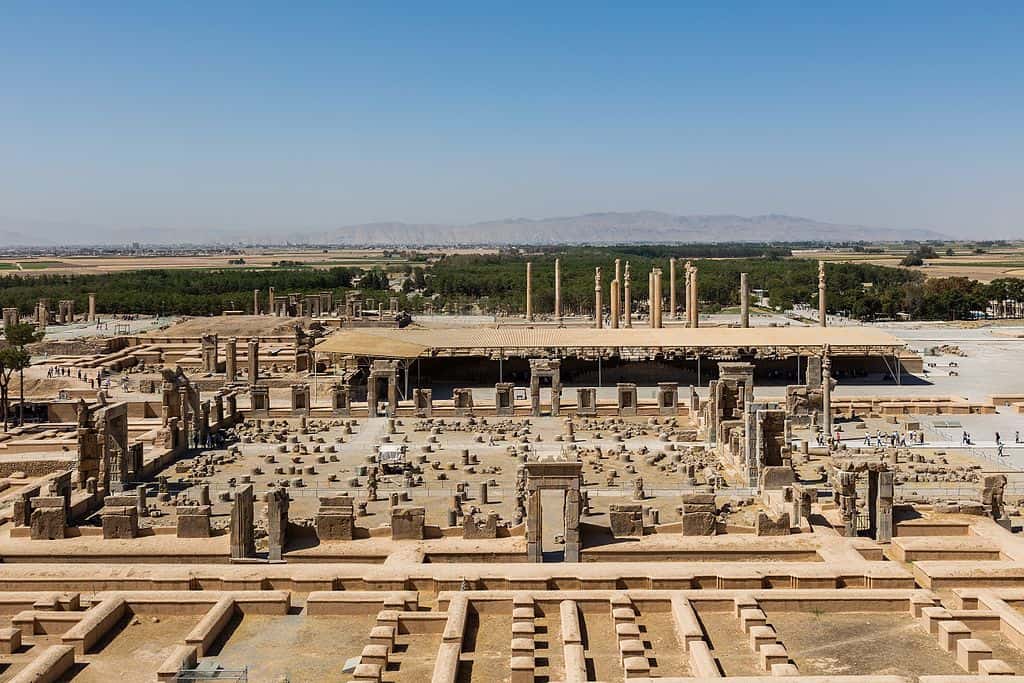
Iran enforces strict social media monitoring and online censorship, particularly around political, religious, or cultural content. Posting images of women without hijabs, criticizing the government, or highlighting prohibited public behavior can result in detainment. The country reportedly monitors over 50 million active social media accounts. Tourists have been fined or temporarily arrested for sharing content deemed offensive. Using VPNs may help but carries its own legal risks, so caution is essential for visitors seeking to document their travels.
3. United Arab Emirates (UAE)
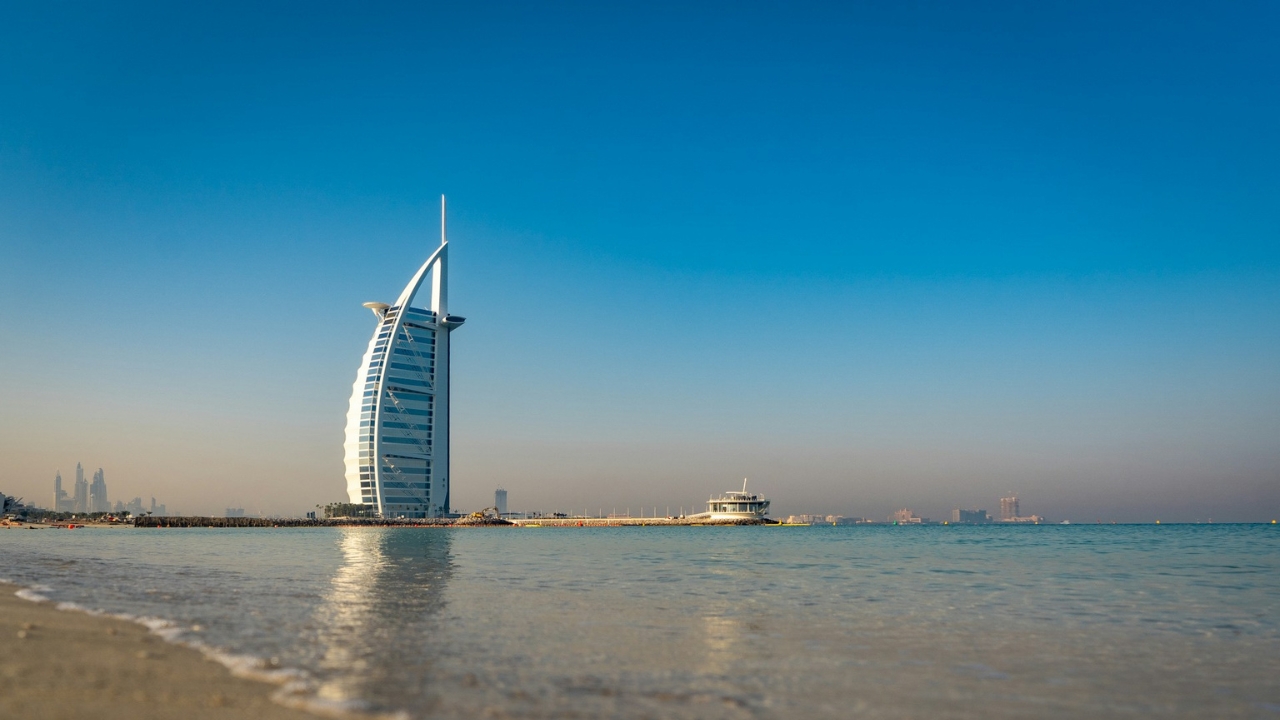
The UAE treats online content as legally binding, with penalties for posts insulting religion, the royal family, or national symbols. Tourists have faced fines exceeding $5,000 or jail time for sharing photos of private property, culturally sensitive scenes, or content considered immoral. Social media activity is monitored by the Telecommunications Regulatory Authority, making it easy for authorities to trace posts. Even tagging locations or posting seemingly harmless travel selfies can have consequences if perceived as disrespectful, so discretion is key.
4. Saudi Arabia
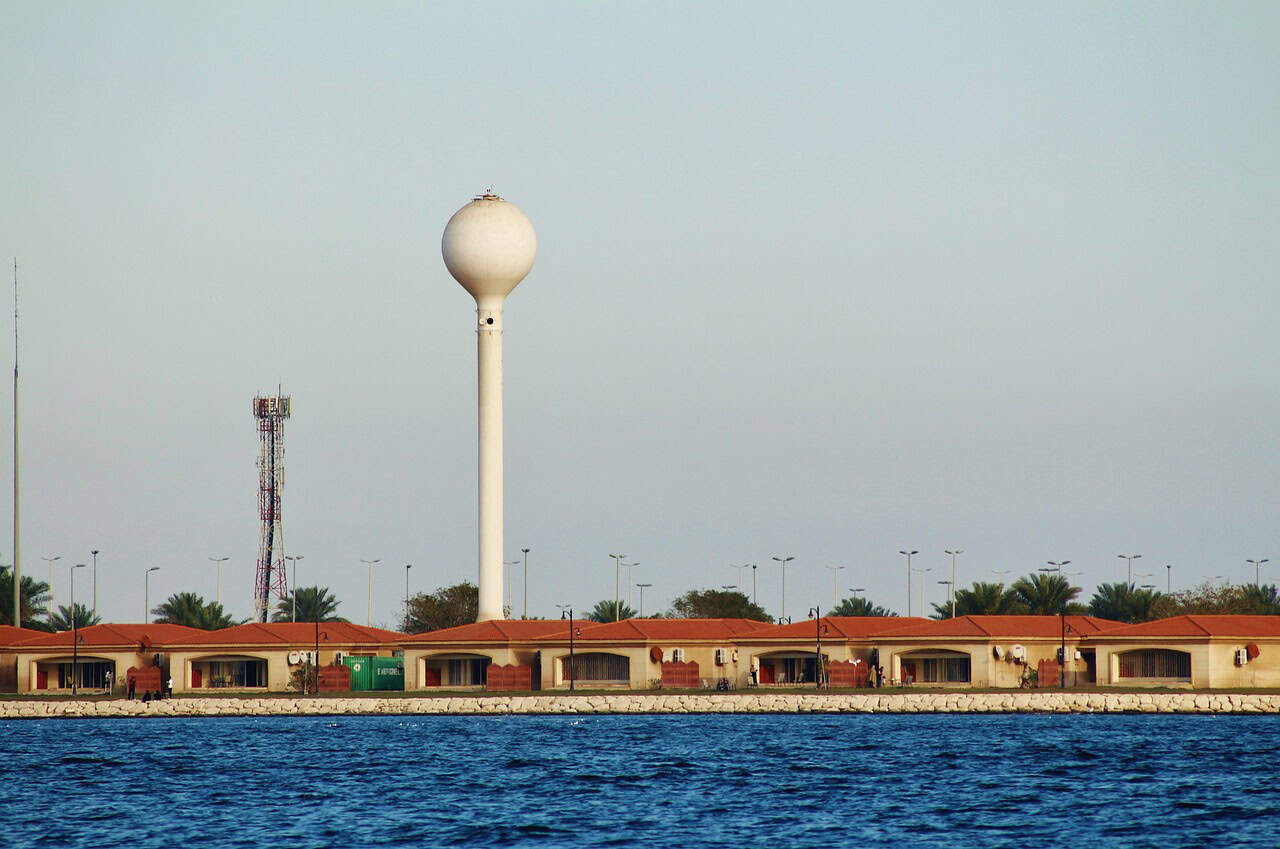
Saudi Arabia’s online laws are some of the strictest globally, particularly around morality and politics. Sharing content showing women without proper attire, alcohol consumption, or unauthorized gatherings can trigger arrest. Social media platforms including Twitter, Snapchat, and Instagram are under active government surveillance, and tourists have been fined thousands of dollars for violating regulations. In recent years, over 1,500 online offenses have reportedly led to detainment, emphasizing the need for vigilance when posting digital content within the kingdom.
5. Turkey
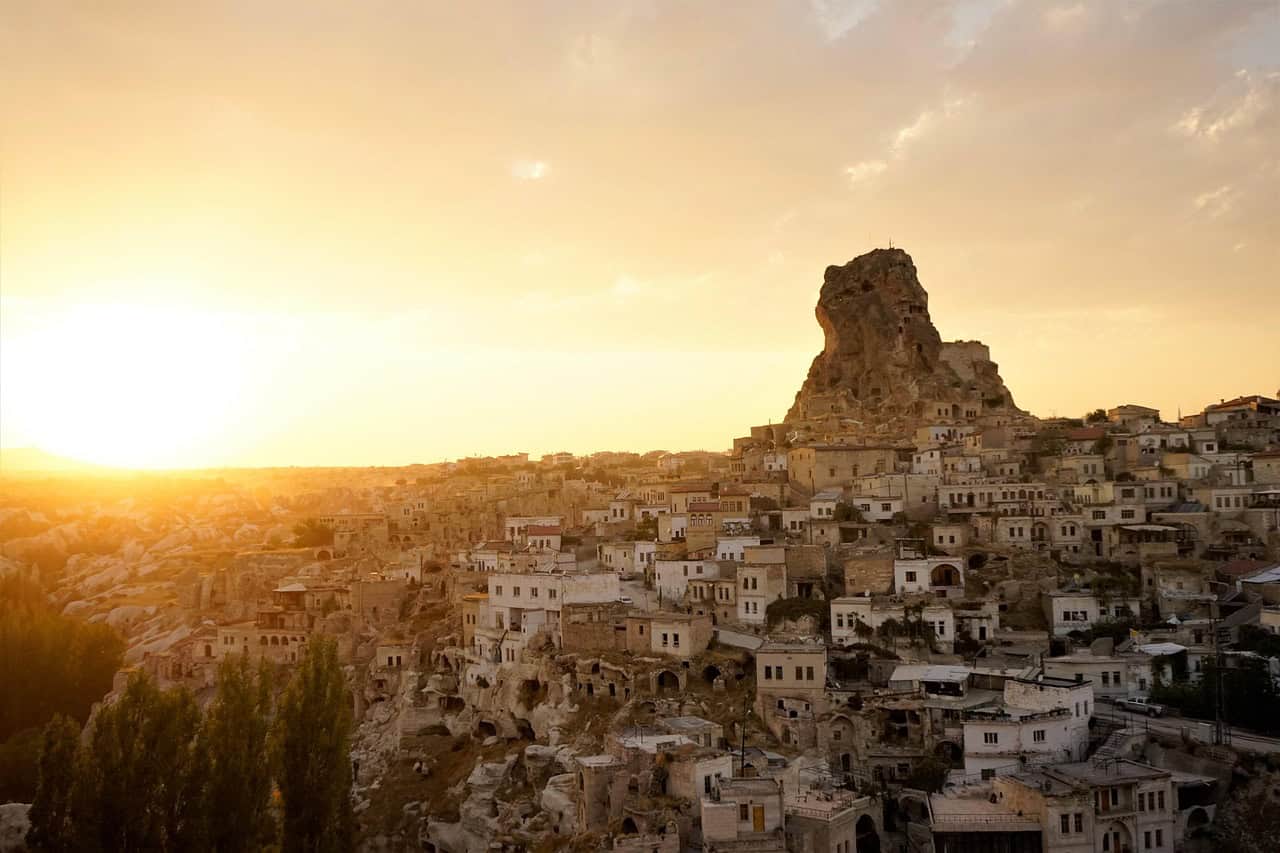
Turkey has increasingly cracked down on online speech in recent years. Posting political criticism, images of protests, or content perceived as insulting to government officials can result in fines up to $10,000 or short-term detainment. Tourists have occasionally faced questioning simply for posting geotagged photos near sensitive sites. Authorities monitor hashtags and trending content to detect violations, making it essential for travelers to avoid politically charged posts. Staying informed and avoiding controversial topics helps prevent legal complications during visits.
6. China
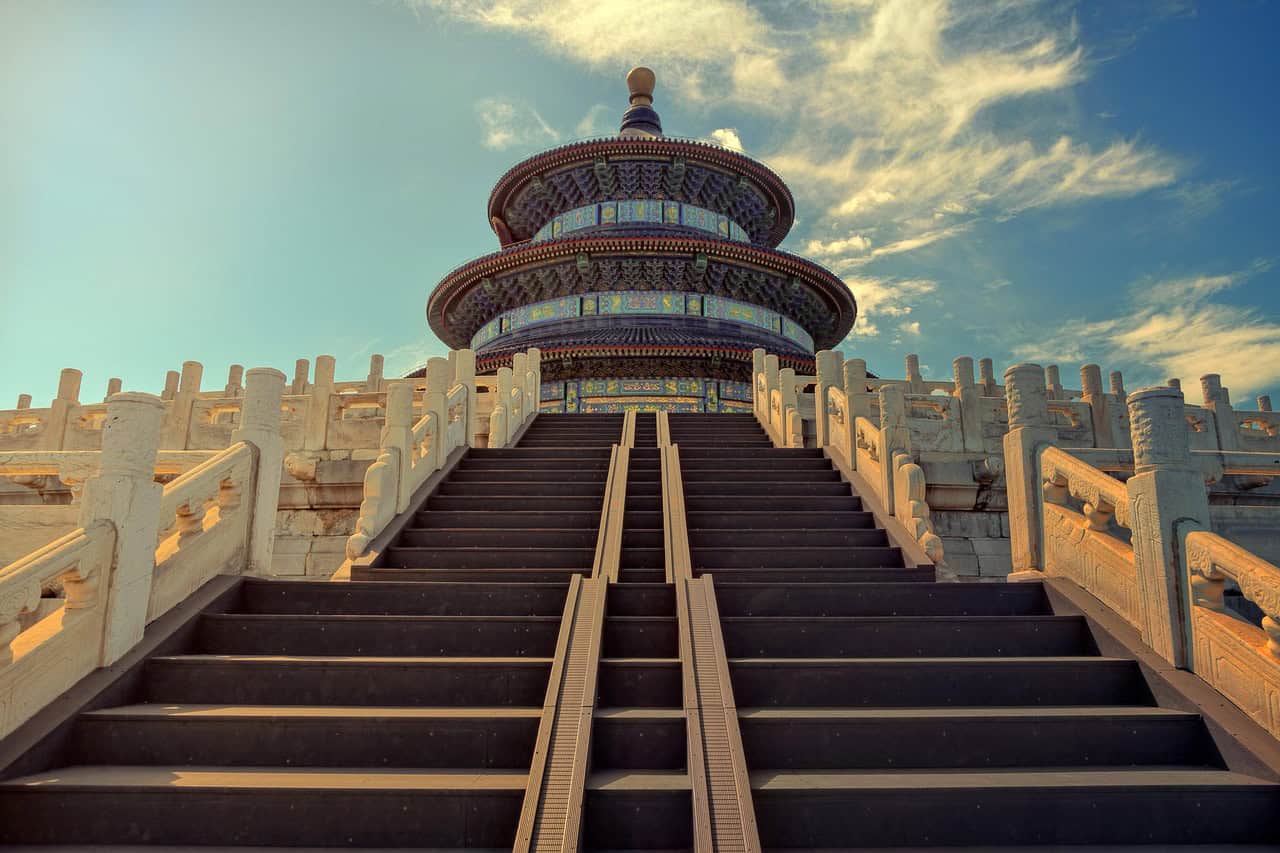
China’s Great Firewall and strict cyber laws make social media posting a high-risk activity for tourists. Uploading content about protests, government policies, or historical events can result in questioning, fines, or even detainment. Platforms like Facebook, Instagram, and Twitter are blocked, and using a VPN is legally grey, detection can carry consequences. Authorities reportedly review millions of posts daily for sensitive content. Travelers are advised to avoid political commentary, controversial imagery, or any content that could be interpreted as anti-government.
7. Russia
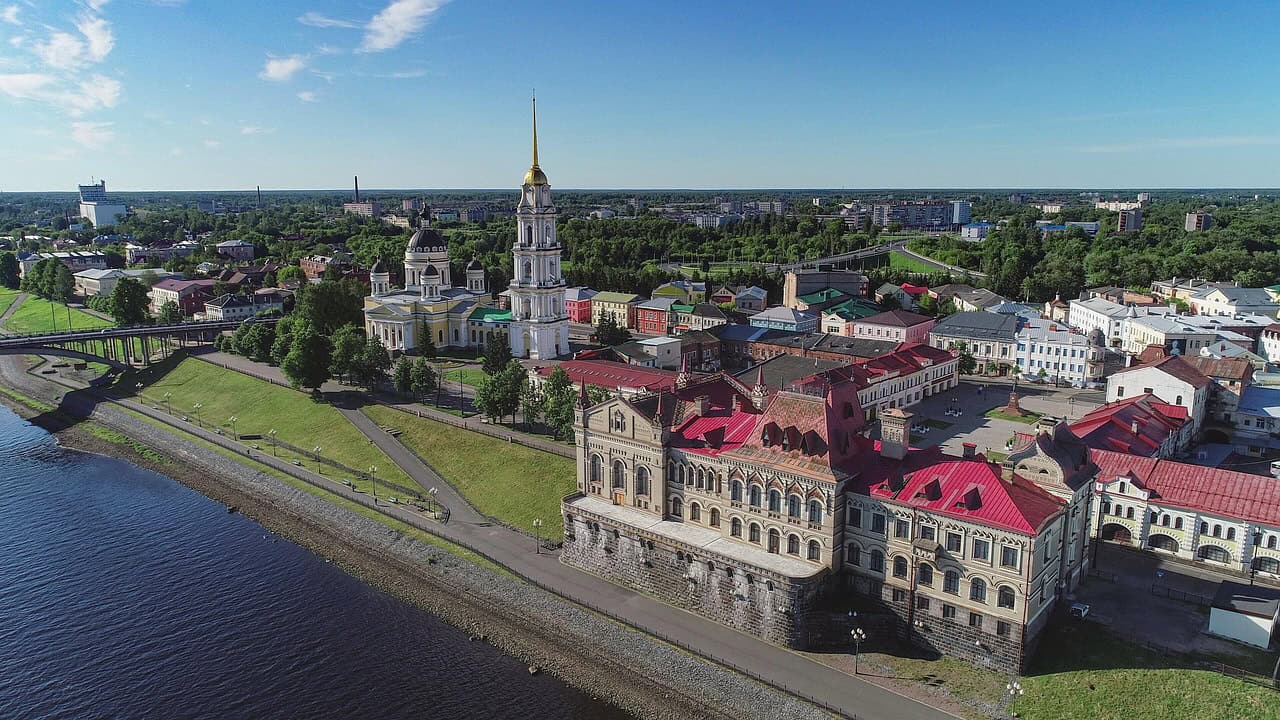
Russia actively monitors online content, particularly regarding political and military matters. Tourists have been detained for sharing posts critical of government actions, military operations, or even official symbols. Fines can reach $7,500 for content deemed illegal, and questioning at airports has occurred for seemingly innocuous images. Hashtags, geotags, and photos of public demonstrations are especially sensitive. Visitors are strongly encouraged to avoid posting politically charged material, controversial imagery, or commentary on national issues while in the country.