We may earn money or products from the companies mentioned in this post. This means if you click on the link and purchase the item, I will receive a small commission at no extra cost to you ... you're just helping re-supply our family's travel fund.

Europe’s cities are used to visitors, and most locals are generous when they feel respected. Trouble starts when a tired traveler reaches for a familiar phrase that sounds harmless at home but lands as entitlement abroad. Small lines can imply that English is owed, that local life is a backdrop, or that culture is being graded. The result is not dramatic confrontation so much as closed faces, shorter answers, and service that becomes strictly functional. These seven phrases are common, easy to avoid, and worth swapping for calmer language that keeps the mood warm.
“Everyone Speaks English Here, Right?”

In Europe, “Everyone speaks English here, right?” can land like a demand, not a request, especially in busy cafés, pharmacies, or ticket lines where staff are already moving rapidly. Many locals do speak English, but switching all day is mental work, and the phrase implies that work is owed while erasing the pride people have in their own language. A calmer opener is a greeting, a quick attempt at the local words, then “Is English ok?” plus slower, simpler sentences and a clear thanks that signals respect even when the answer is no; if not, a translation app or a written note keeps things moving, without turning it into a showdown for anyone.
“This Would Be Better Back Home”

Saying “This would be better back home” turns a living place into a scorecard, and it usually lands as contempt, not honesty. Food, service pace, prices, and even street design reflect local history, wages, and taste, so “better” often means familiar, not truly improved. In cities already strained by tourism, that comparison signals that locals are failing a visitor’s expectations; curiosity travels better than critique, so asking what locals love about a dish or neighborhood invites real recommendations instead of defensive silence, and preferences can be named without ranking, like “spicier than expected” or “hoping for something lighter.”.
“How Much Is That in Dollars?”

Asking “How much is that in dollars?” out loud can make a cashier or server feel like a price is being challenged, and it slows down what should be a quick exchange in a busy line. It can also sound like refusing to enter the local reality, which is awkward in places where pride in currency and craft runs high. Constant conversion distorts judgment, because rough math in a hurry makes fair prices seem shocking, especially with transit, tips, and small fees. A steadier approach is learning a few local anchors, like a coffee, a metro ride, and a simple meal, then trusting the range and saving deep calculations for later, not at the counter now.
“Can It Be Done the American Way?”
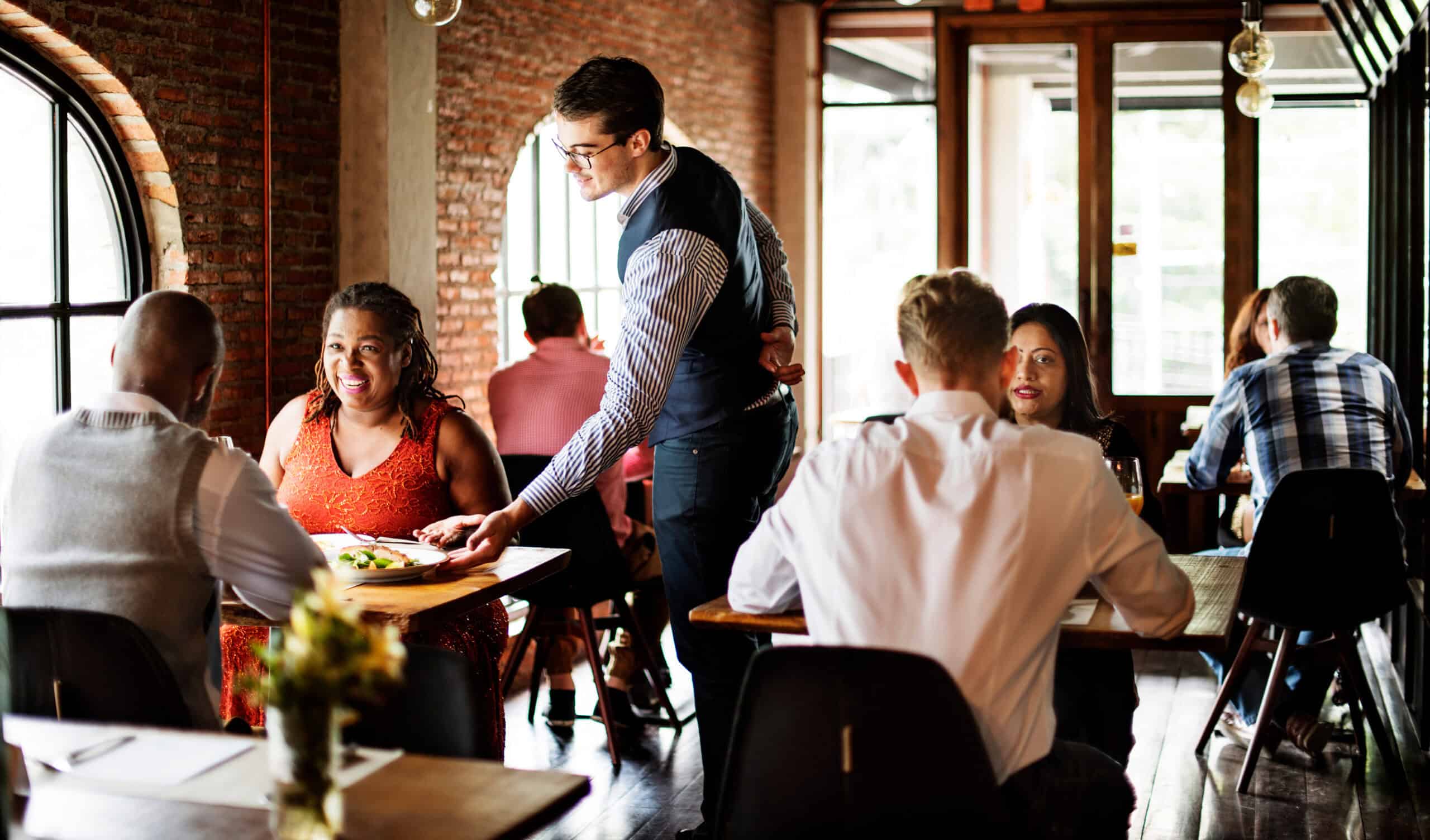
In much of Europe, service is meant to be efficient and discreet, not endlessly customized, so “Can you do it the American way?” can sound like a request for special treatment. The phrase often implies refills, substitutions, or rushing the pace, and staff may comply while warmth drops because the interaction feels like a correction of local customs, not a preference. Local policies can also be tied to labor rules, so pushing hard puts a worker in a bind. A better frame is simple and specific, like asking what options exist, whether tap water is offered, or if a dish can be adjusted, then accepting no as normal rather than a problem to solve.
“Is It Safe Here?”
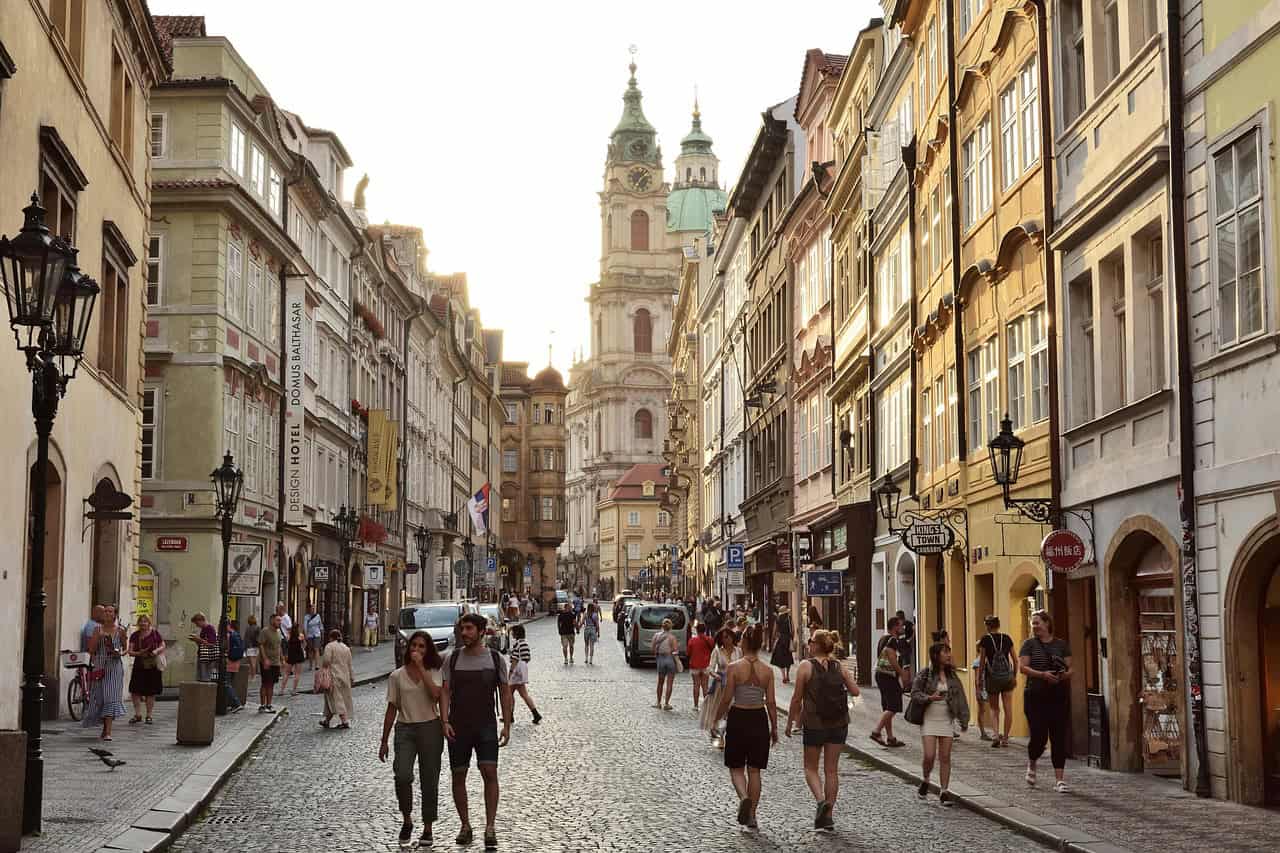
“Is it safe here?” is a fair worry, but it can sound like a place is dangerous by default, or that locals simply live with chaos and should explain it. The question also forces a stranger to defend home rather than help, which can shut down a conversation fast especially in cities that feel judged by outsiders. Better questions are specific and practical, like which pickpocket zones to watch, whether late night transit feels reliable, or which streets are quiet after 10 p.m., and it helps to ask the people who deal in facts, like hotel desks, pharmacists, and transit staff. Specificity reduces stigma and usually earns clearer, kinder answers.
“That’s Not Real [Country] Food”
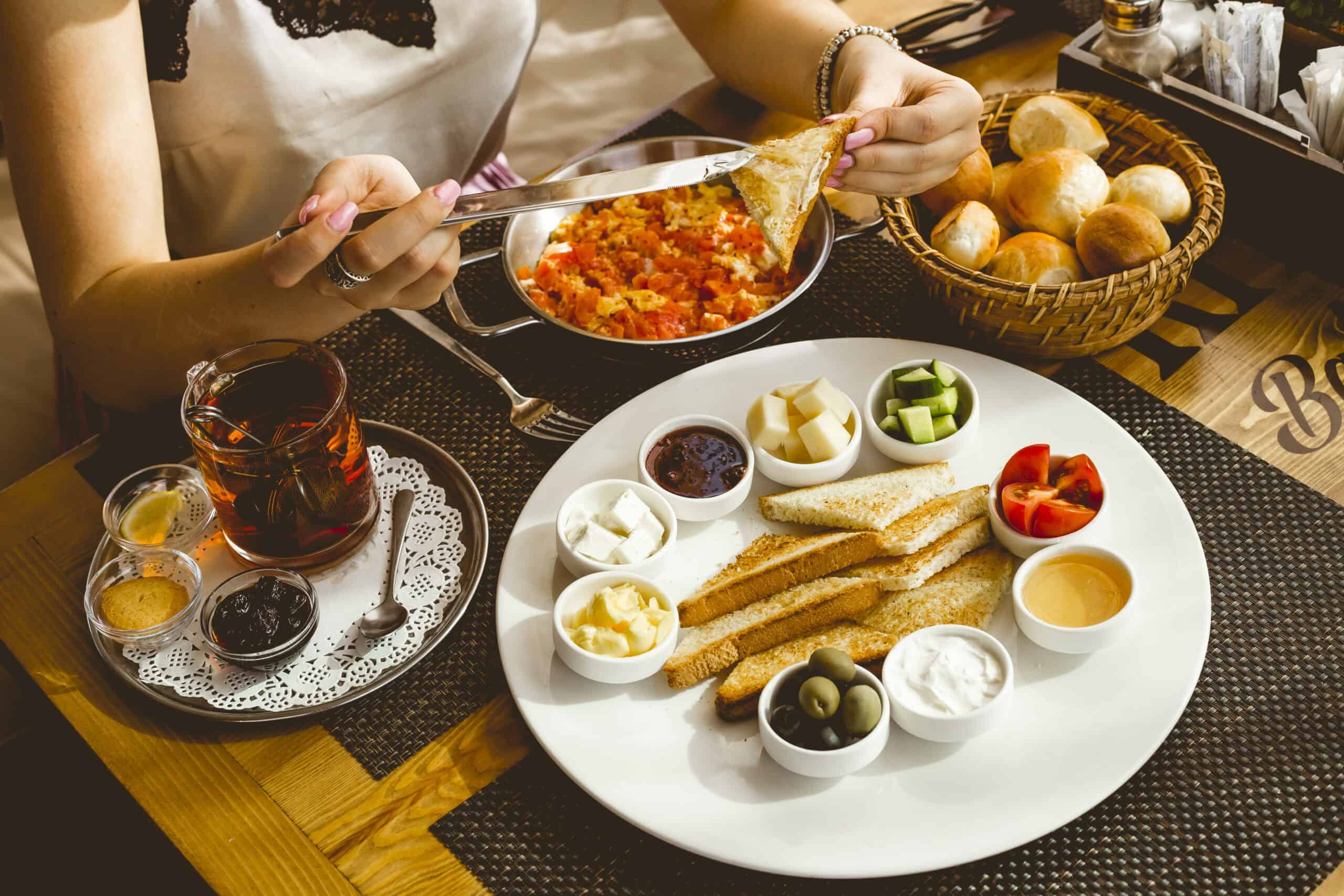
Saying “That’s not real Italian food” or “real French food” turns a living cuisine into a stereotype, and it can land as an insult in places where recipes shift by region, city, even family. It also frames a meal as a test the cook is failing, rather than a tradition being shared, which closes people off fast. If a dish feels unexpected, describing taste or texture works better than declaring it wrong, and asking what makes the local version distinctive opens a story about history, migration, and pride; it also helps to remember that tourist menus and home cooking are not the same thing. Local advice points to simpler spots, for good flavors.
“Only Here for the Photo”
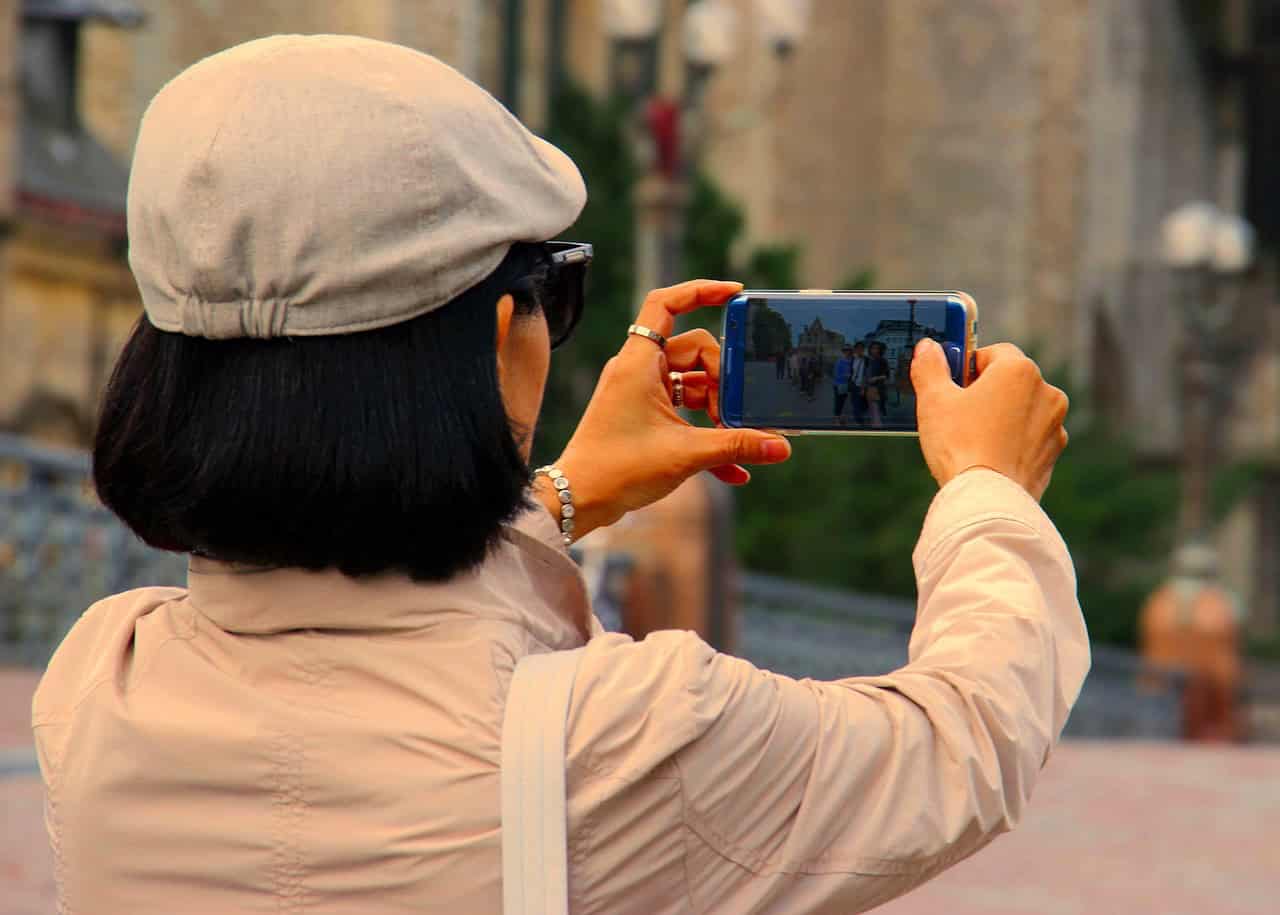
Saying “Only here for the photo” tells locals that streets, churches, markets, and transit are just a backdrop, not a place where people live, work, and rest. In European neighborhoods dealing with overtourism, that attitude is gasoline, especially when it comes with blocking doorways, climbing monuments, or filming strangers. Photos are fine, but respect shows in small choices: stepping aside, asking before filming, keeping voices down, and spending money at local businesses rather than treating the area like a stage to consume; a quiet thanks, a quick apology, and following posted signs often change the overall mood within minutes, in line.