We may earn money or products from the companies mentioned in this post. This means if you click on the link and purchase the item, I will receive a small commission at no extra cost to you ... you're just helping re-supply our family's travel fund.
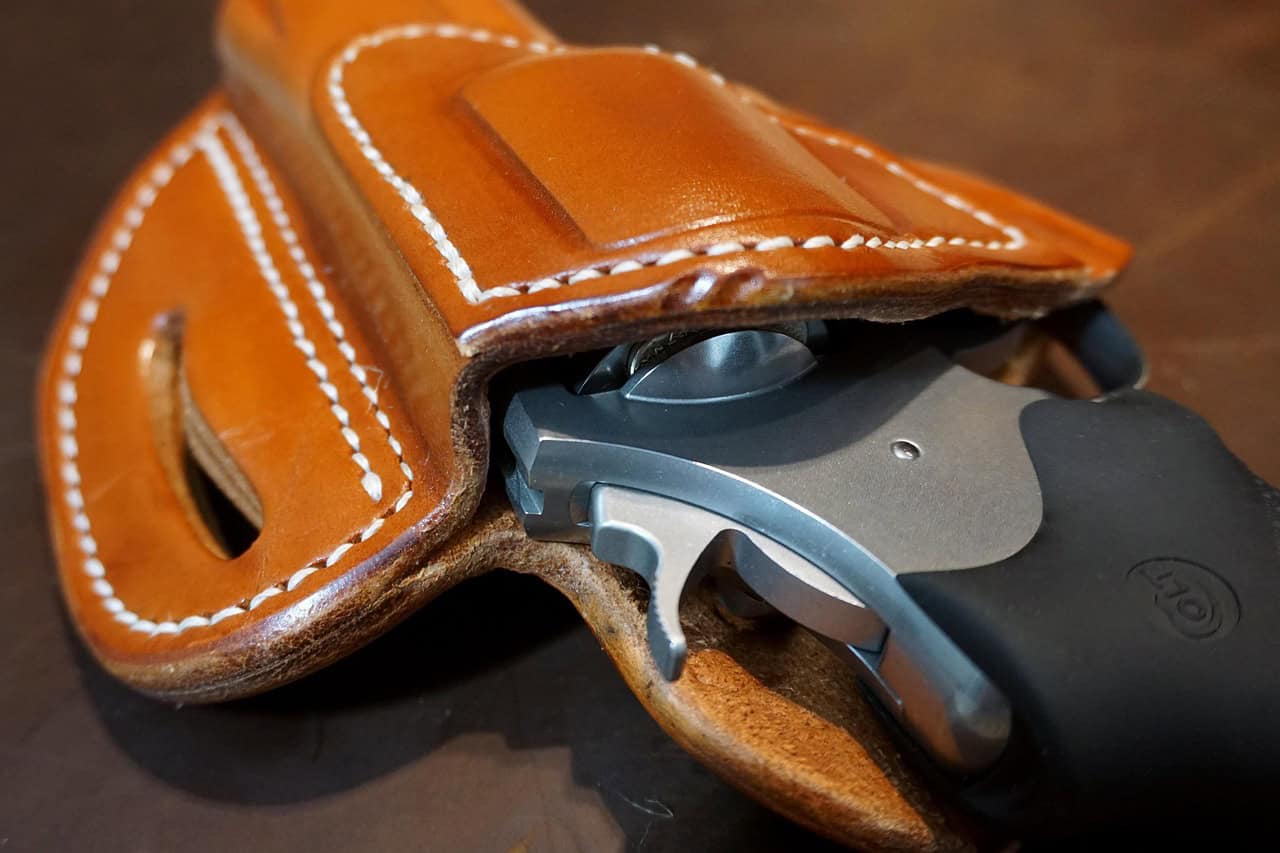
Traveling with firearms across multiple U.S. states requires more than just locking your guns in a case — it demands knowing specific laws, permit recognition, magazine/ammo limits, and restrictions in each state. According to the 2025 national concealed carry report, there are 20.88 million active permit holders in the U.S., with 29 states allowing permitless carry. Crossing state lines means laws can shift at every border, and federal protections only apply under certain conditions. Proper planning keeps your travel lawful and stress-free.
1) Federal “Safe Passage” Rules: What They Require (926A)
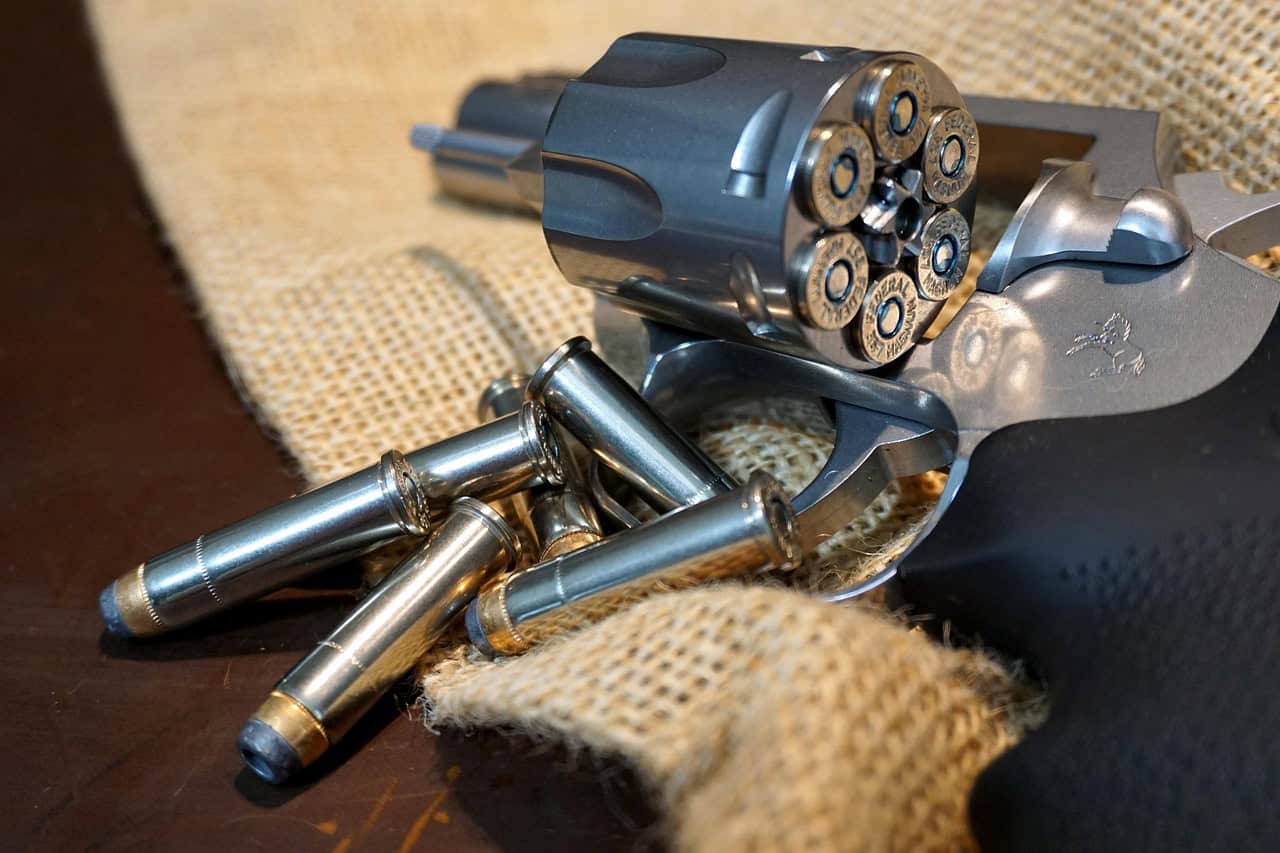
Federal law (18 U.S.C. § 926A) allows lawful gun owners to transport firearms across state lines if guns and ammunition are unloaded, not readily accessible, and secured in a locked container other than a glove box or console. This protection applies only during continuous travel. Overnight stops or stays in states where the guns are otherwise illegal void federal protection. Compliance means no chambered rounds, no easy access, and continuous movement toward a lawful endpoint.
2) Concealed Carry Permits & Reciprocity: Know the Numbers
While federal law covers transport, carrying a loaded firearm is governed by state law. Not all states recognize out-of-state permits. As of 2025, 7.8% of U.S. adults hold a concealed carry permit, with Indiana at ~22.7% permit rate. Without recognized reciprocity, carrying a loaded weapon could be illegal, even if transport is lawful. Always check each state’s recognition status before travel, plan your route, and adjust stops to avoid legal violations.
3) How to Pack: Security & Legal Requirements
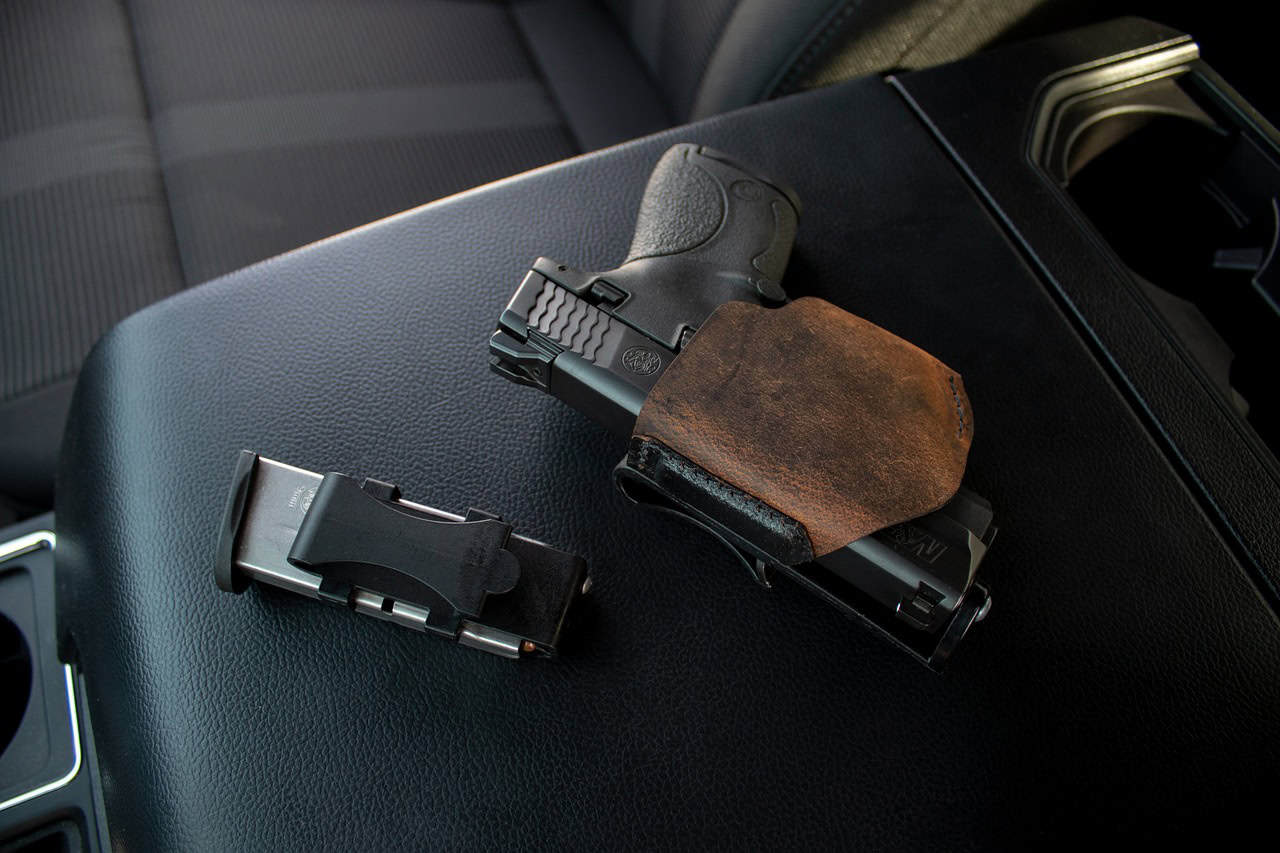
For legal transport under FOPA, firearms must be completely unloaded with no ammo in the chamber or magazine. Guns must be stored in a locked, hard-sided case or trunk not reachable from the passenger area. Ammunition is safer in a separate locked container. In vehicles without a trunk, use a bolted lockbox behind the rear seats. This arrangement ensures compliance with federal law and reduces confusion or escalation during traffic stops or checkpoints.
4) Magazine, Ammo & Firearm Type Restrictions Vary
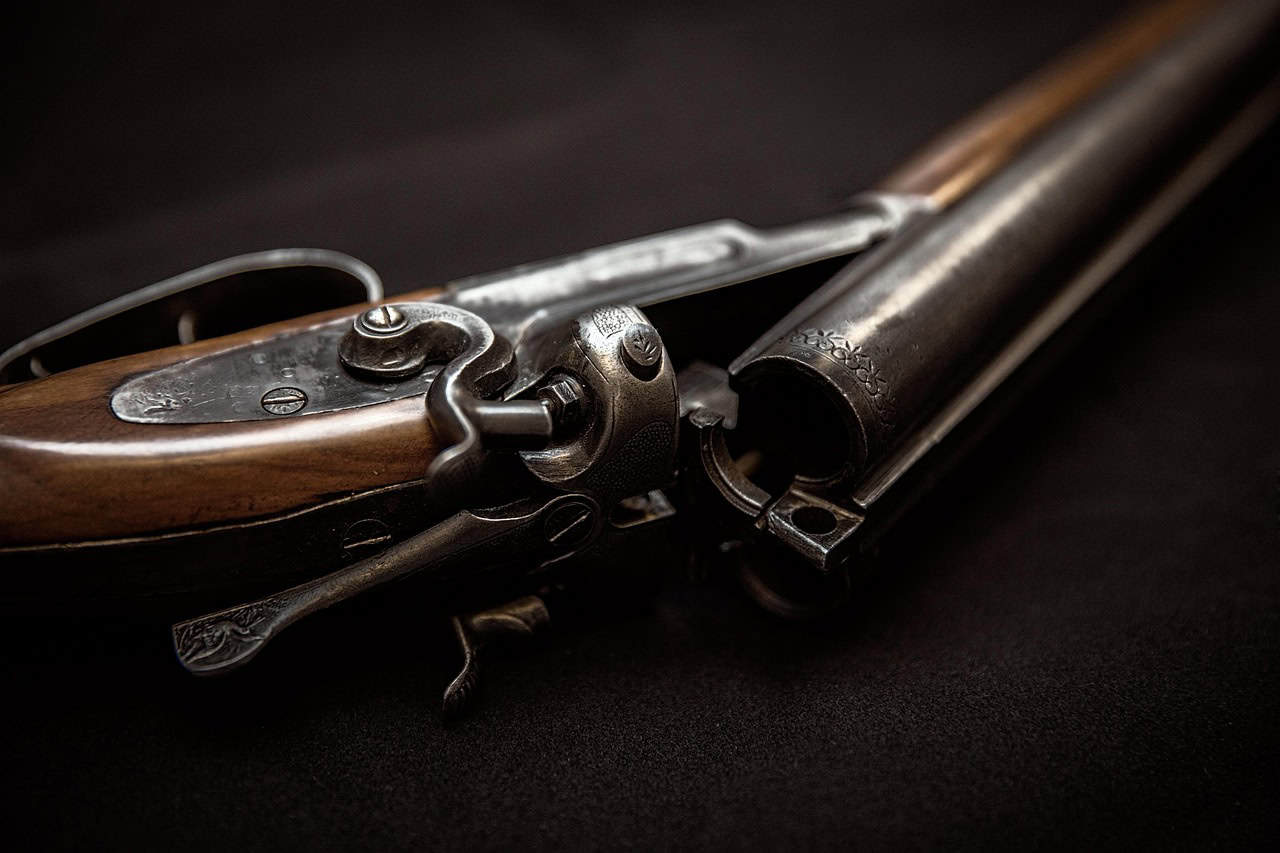
Even when unloaded, local laws apply once you exit federal safe passage. Many states limit magazines to 10 or 15 rounds, and some ban hollow-point or expanding ammunition. Certain rifles or firearms may be restricted in specific cities. A magazine legal in one state might be illegal in another. Research each state’s numeric limits for magazines, ammo, and gun types before traveling to avoid felony charges and ensure full compliance with state laws.
5) Air Travel Adds Airline & TSA Rules

If flying, the TSA requires firearms to be declared at check-in, unloaded, and placed in a TSA-approved hard case with a lock. Ammunition has numeric limits, usually no more than 11 pounds (5 kg) per traveler. Failure to follow TSA and airline procedures can lead to confiscation, fines, or travel bans. Arrive early, carry documentation of ownership and permits, and verify airline-specific rules for a smooth, compliant trip.
6) Restricted Areas & Local Rules Matter Too
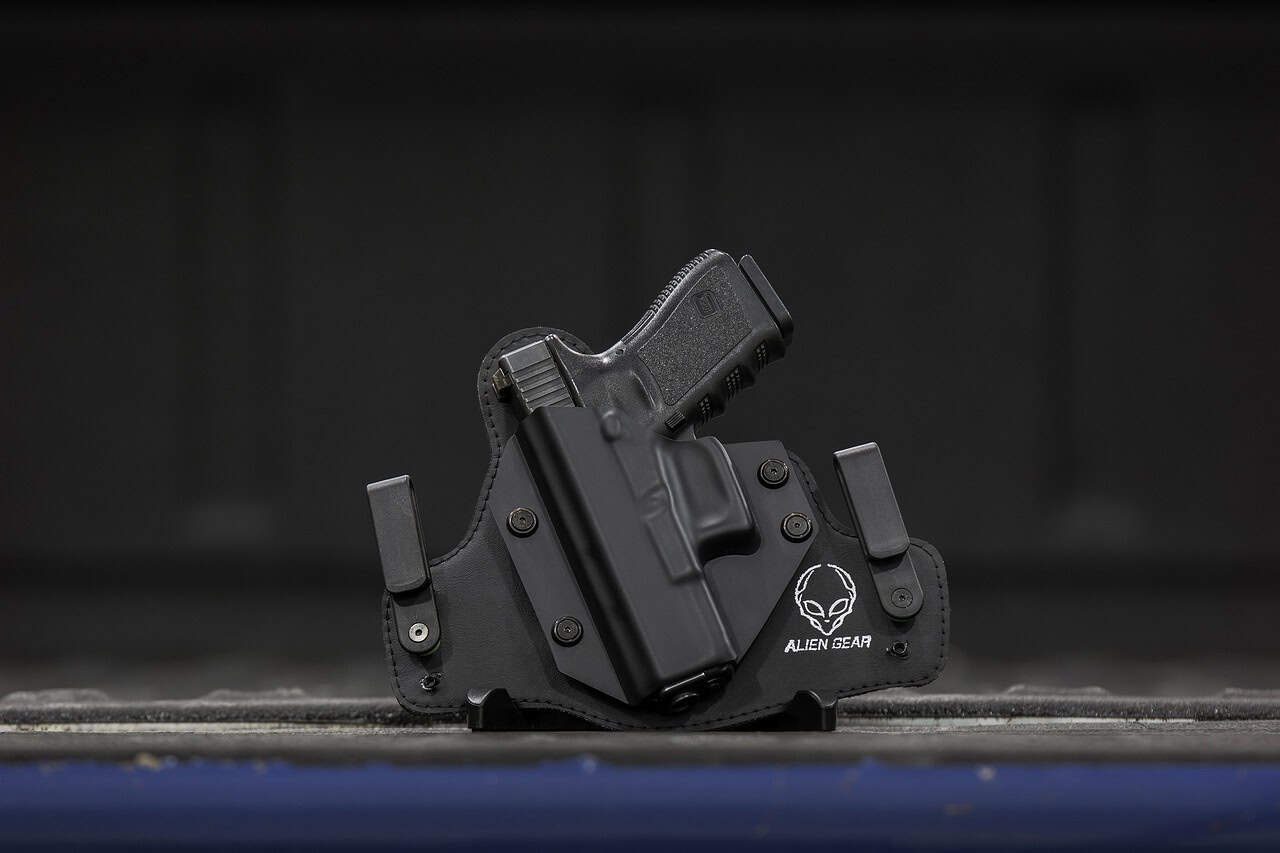
State and local laws create restricted areas — schools, courthouses, government buildings, and some parks are firearm-free zones. Many jurisdictions enforce “duty to inform” laws, requiring disclosure if stopped by law enforcement. Violating these rules can result in separate offenses for each restricted area. Plan your stops, know local ordinances, and carry a printed summary of state-specific restrictions to avoid unexpected legal consequences during travel.
7) Documentation & Law Enforcement Interactions
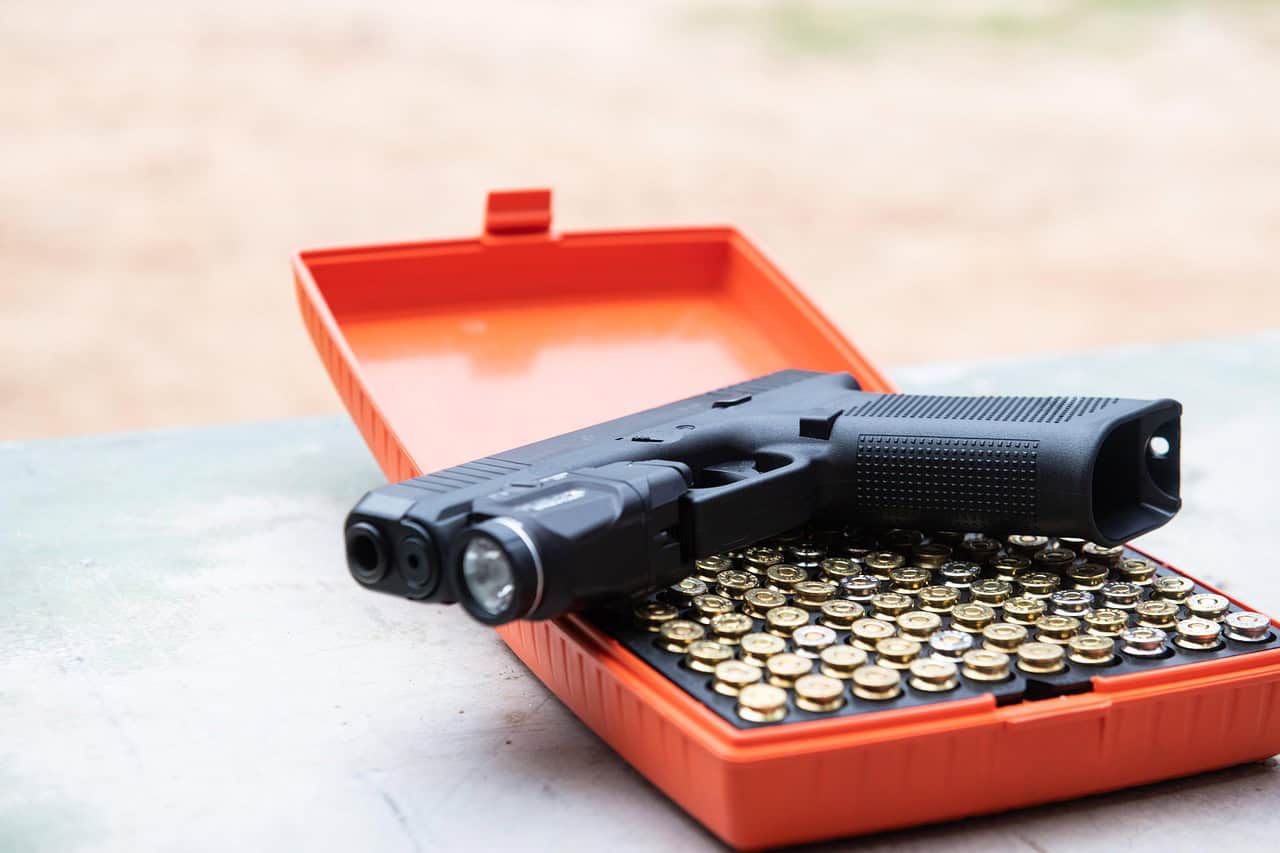
Carry proof of ownership, registration, permits, and relevant state statutes for every state you travel through. Federal protections like 18 U.S.C. § 926A are defenses after the fact, so documentation is essential. If stopped, remain calm, keep hands visible, and present papers respectfully. Proper preparation and transparent communication reduce legal risk, prevent escalation, and help ensure your journey remains safe and fully compliant with federal and state firearm laws.