We may earn money or products from the companies mentioned in this post. This means if you click on the link and purchase the item, I will receive a small commission at no extra cost to you ... you're just helping re-supply our family's travel fund.
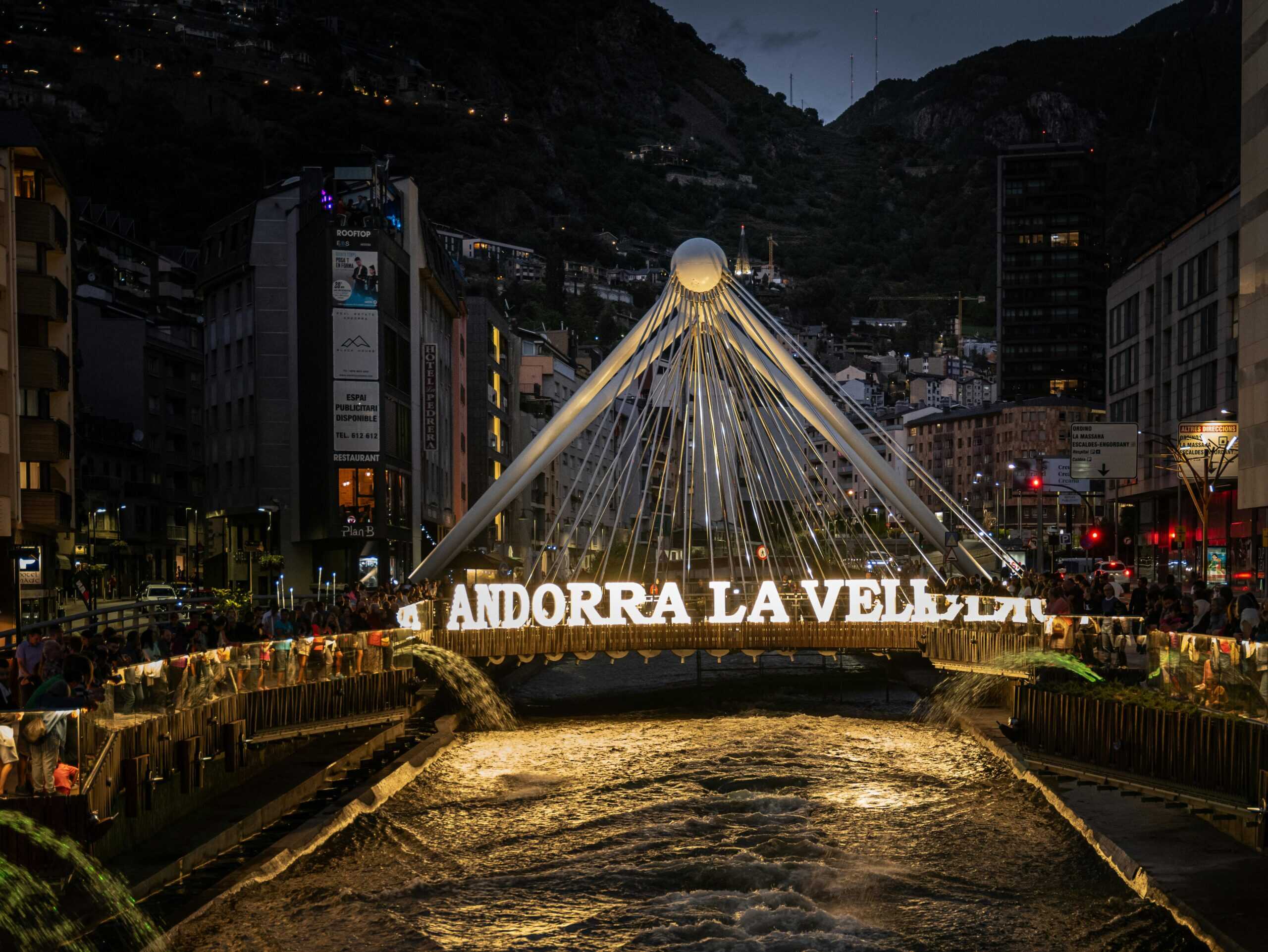
Europe’s smallest nations rarely behave like footnotes. They feel like carefully kept secrets, where a quick border crossing changes the language, the pace of dinner, and the shape of the skyline. In 2026, these compact countries reward travelers who value texture over checklists: mountain valleys with ancient trail systems, fortified ridgelines that still guard old republics, and harbor cities where a museum visit can end with sea air on a terrace. Their size makes logistics easy, but the experiences land big: art within walking distance, stone streets polished by centuries, and landscapes that reset the mind.
Andorra
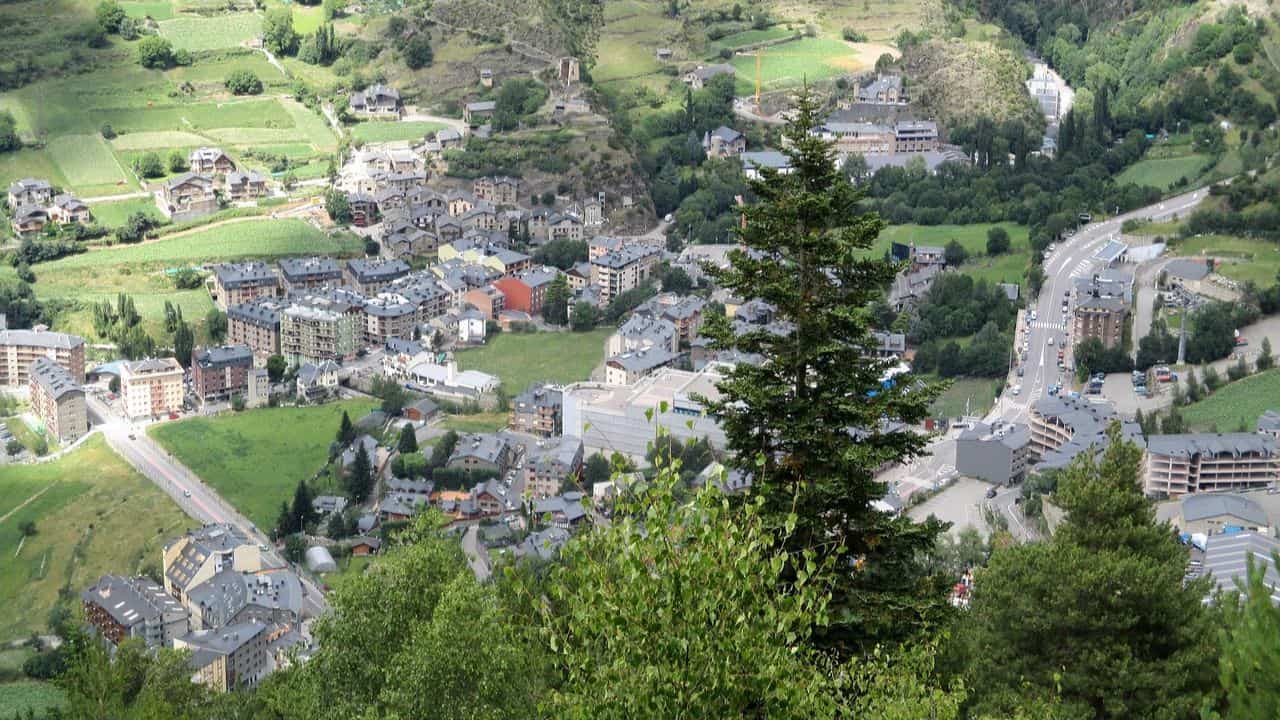
Andorra tucks into the Pyrenees between France and Spain, where Catalan culture meets high-country calm. Hiking feels intimate in the Madriu-Perafita-Claror Valley, a UNESCO landscape that covers a little over 9% of the country and stays refreshingly wild. Evenings drift toward stone villages and Romanesque churches, with mountain air that makes simple food taste earned. In winter, lifts in Grandvalira and Vallnord turn the ridgelines into playgrounds; in summer, the same slopes become quiet paths. Parts of the Madriu valley are reachable only on foot, so the silence feels protected rather than marketed. It is small but it never feels skimpy.
Liechtenstein
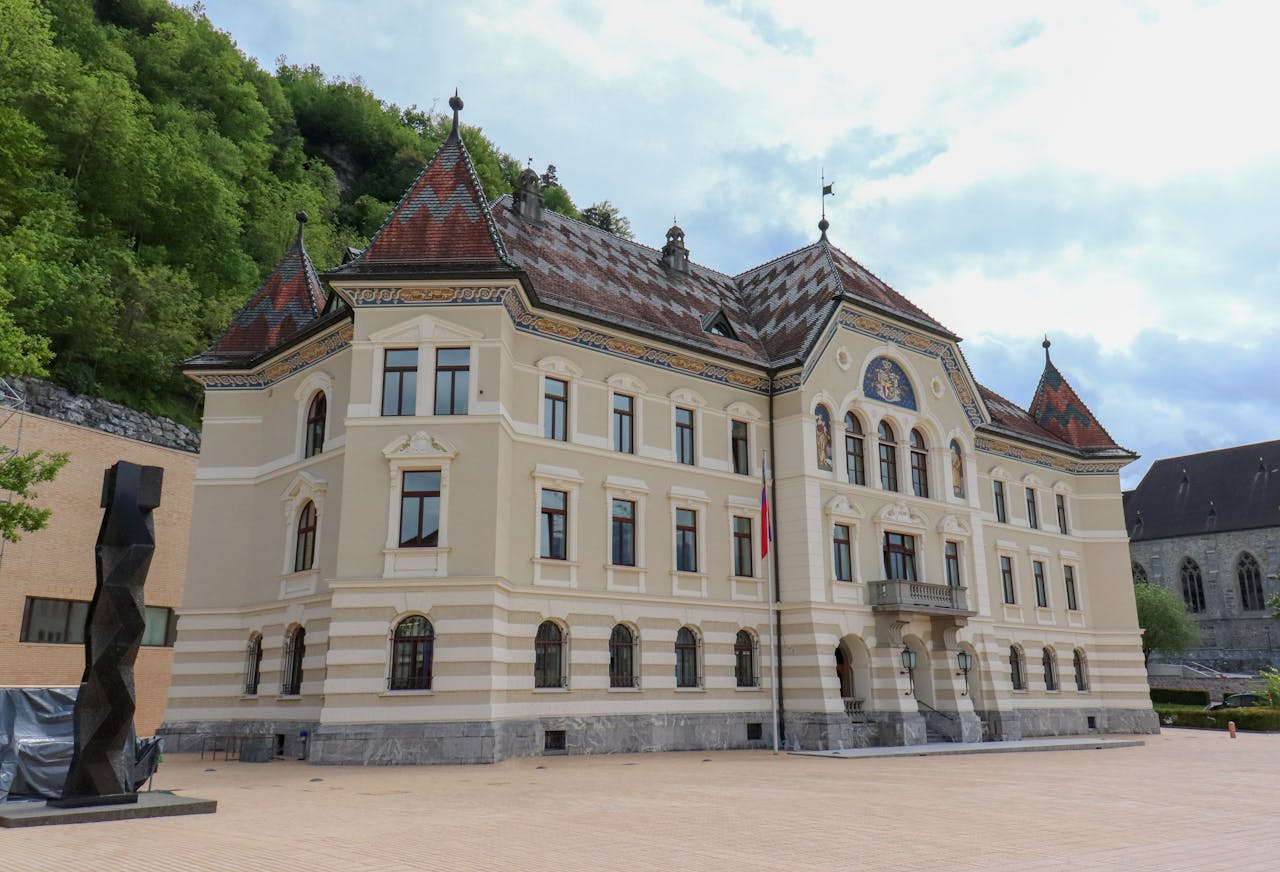
Liechtenstein is a ribbon of vineyards and Alps, with a capital that stays pleasantly unhurried. Vaduz is crowned by Vaduz Castle, home to the princely family since 1938, and the best views come from simple uphill walks rather than grand boulevards. Down in town, the museums punch above their weight, and cycling paths trace the Rhine with scenery that changes by the minute. A short ride south reaches Gutenberg Castle in Balzers, a storybook silhouette above the valley. When clouds roll in, galleries on Vaduz’s Museum Mile keep the day moving, pairing contemporary art with local history without the crowds that usually follow Alpine scenery. So.
San Marino
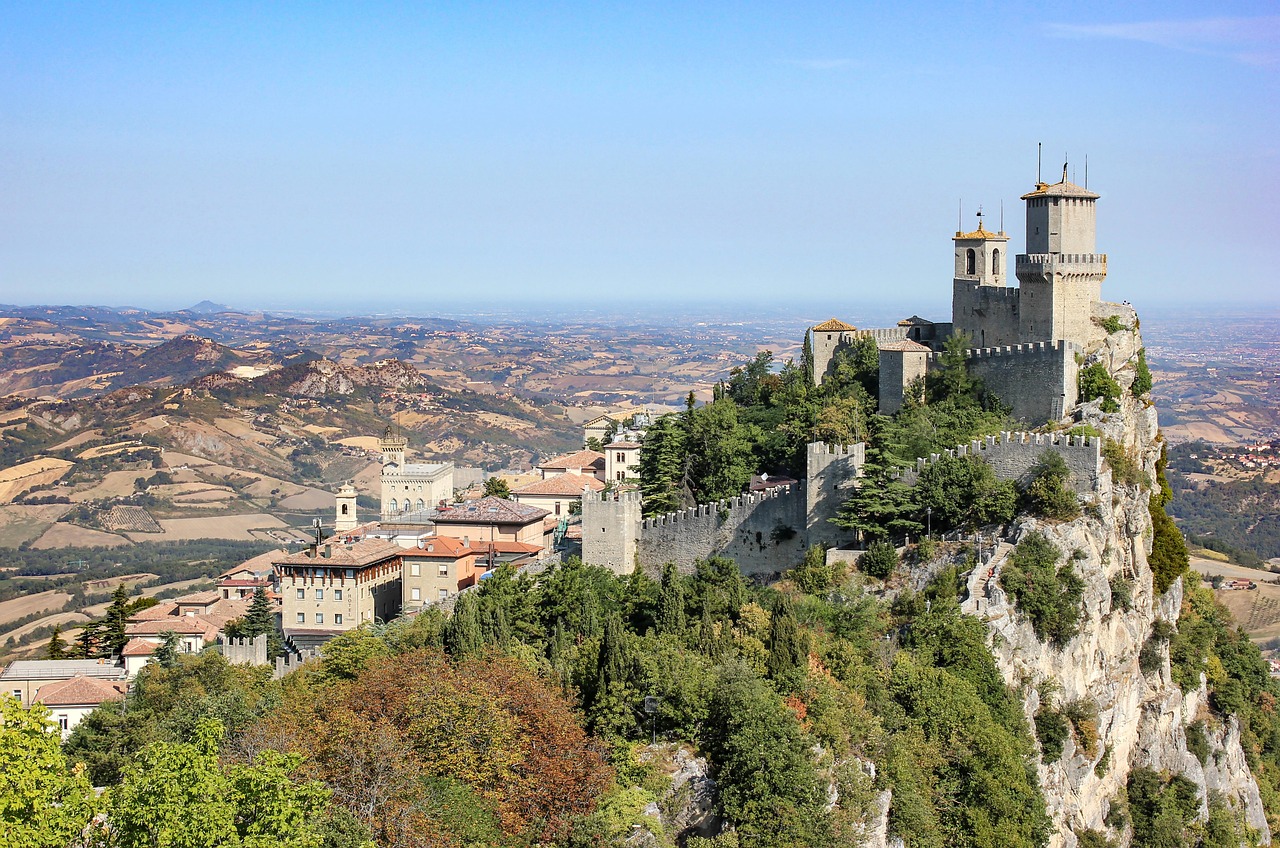
San Marino rises from Mount Titano like a stone ship, its towers visible long before the streets appear. The historic center and mountain are UNESCO-listed; the site covers 55 hectares, but its sense of independence feels vast. Walking the ridge between the Three Towers brings cliffside paths, ramparts, and cafés that treat sunsets as a civic event. After dark, the lit walls turn the whole crest into a lantern over the plains. UNESCO frames it as a republic since the Middle Ages, and that pride shows in small details, from flags, to stamps. Museums, the basilica, and lookout terraces sit minutes apart, so the day never dissolves into transit.
Monaco
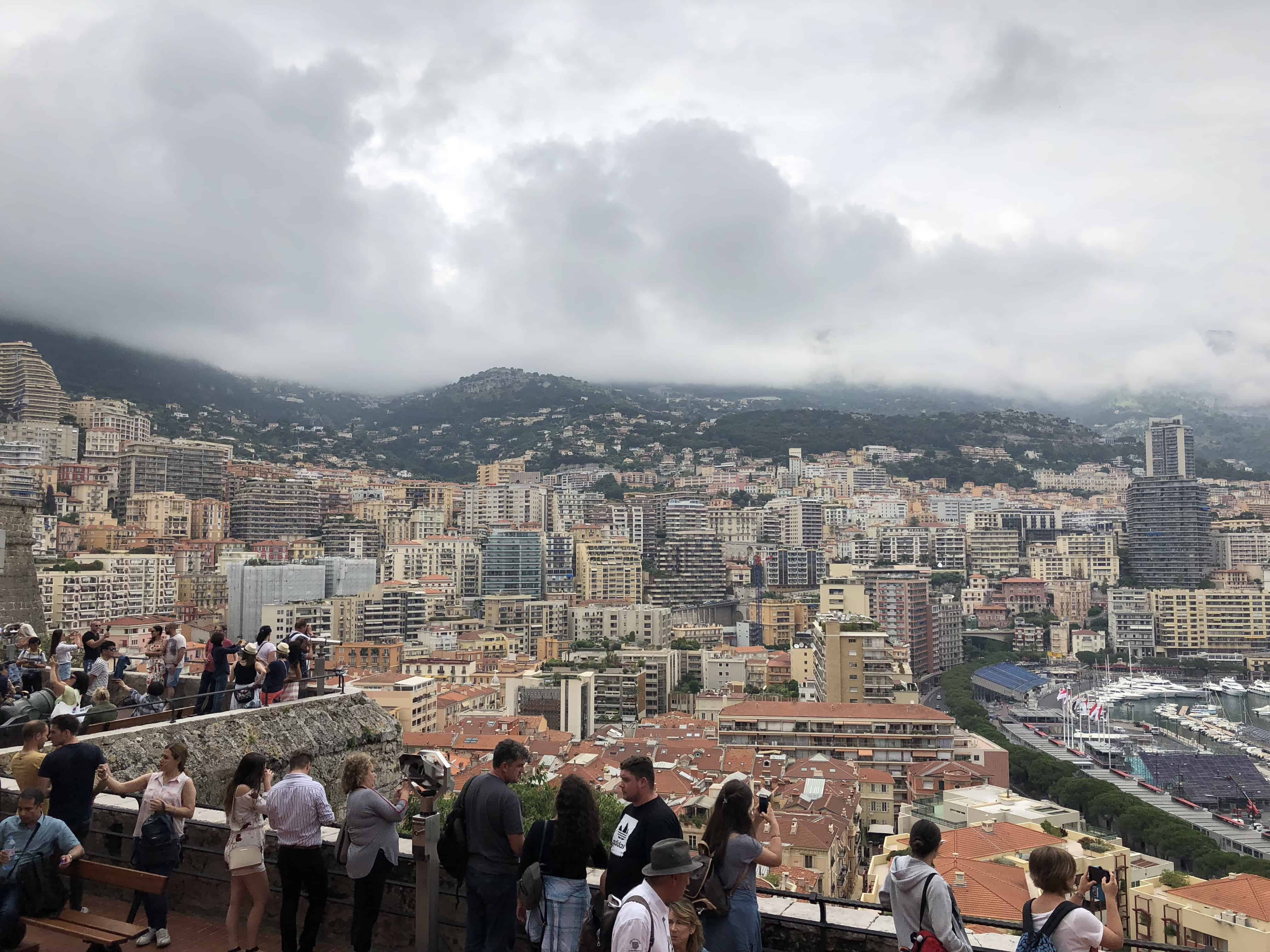
Monaco compresses glamour into a walkable slope, where gardens, marinas, and belle époque façades share the same sunlight. The Oceanographic Museum clings to the cliff like a ship’s bow and is known for aquariums, exhibitions, and a rooftop terrace above the sea. A stroll links the Prince’s Palace area to Port Hercule and the Place du Casino, with every turn reminding visitors that scenery can be curated without feeling fake. The museum closes on Dec. 25 and during the Formula 1 Grand Prix weekend, so timing matters. Between the Japanese Garden and Larvotto’s shoreline, Monaco’s calmer side shows up behind the shine. It feels bright not loud.
Malta
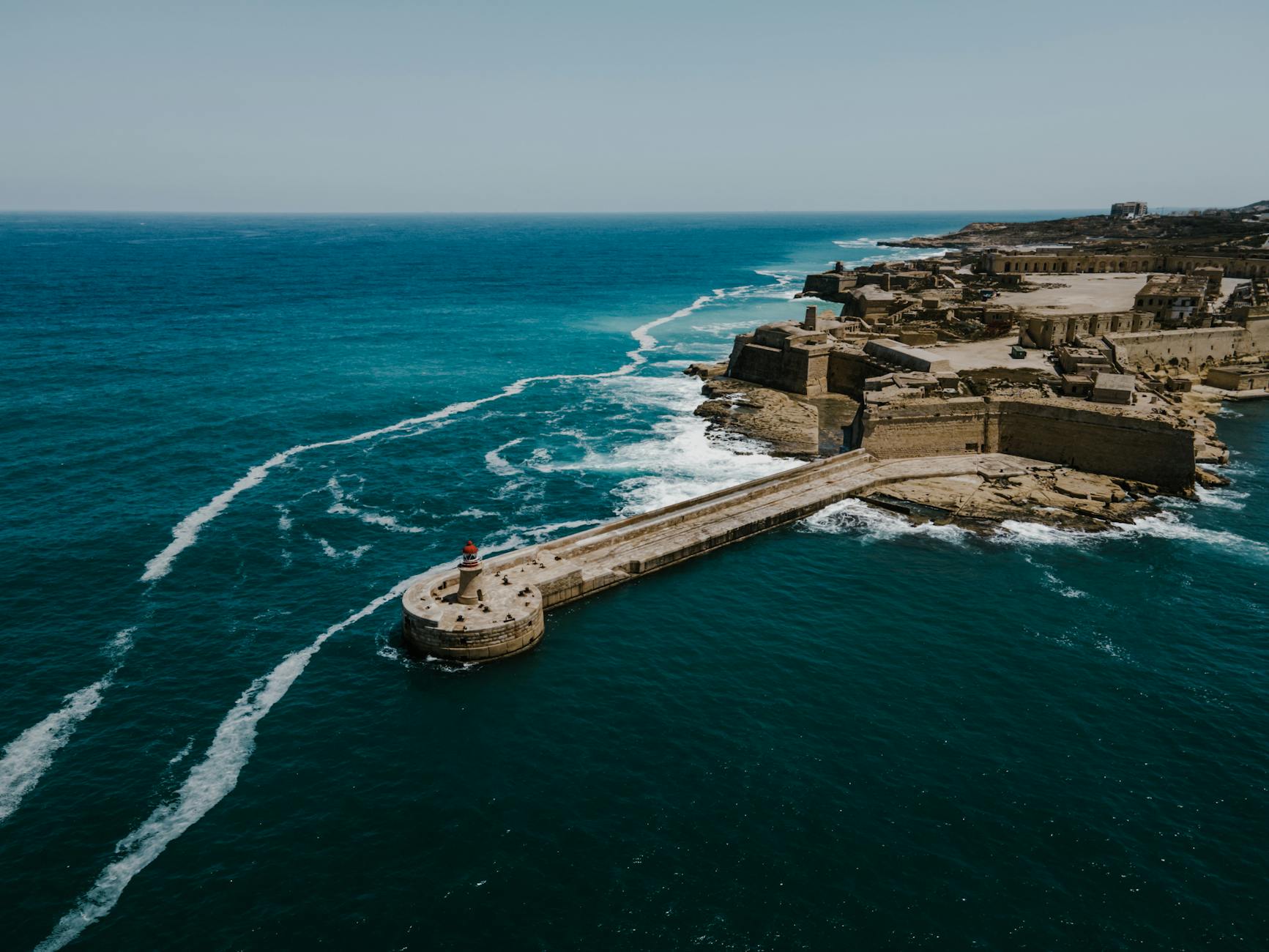
Malta’s small size hides a dense timeline, where honey-colored fortifications stand above water that shifts from ink to turquoise. Valletta keeps baroque streets and harbor views close together, and day trips land quickly on cliffs, coves, and fishing villages. For pure awe, the Ħal Saflieni Hypogeum descends underground, a UNESCO site covering about 500 square meters and dating to prehistory, with access carefully limited to protect it. That scarcity adds a hush. Then the island swings back to everyday life pastizzi and ferry wakes. Malta’s UNESCO story continues at megalithic temples, where stone curves feel older than language. It lingers.
Vatican City
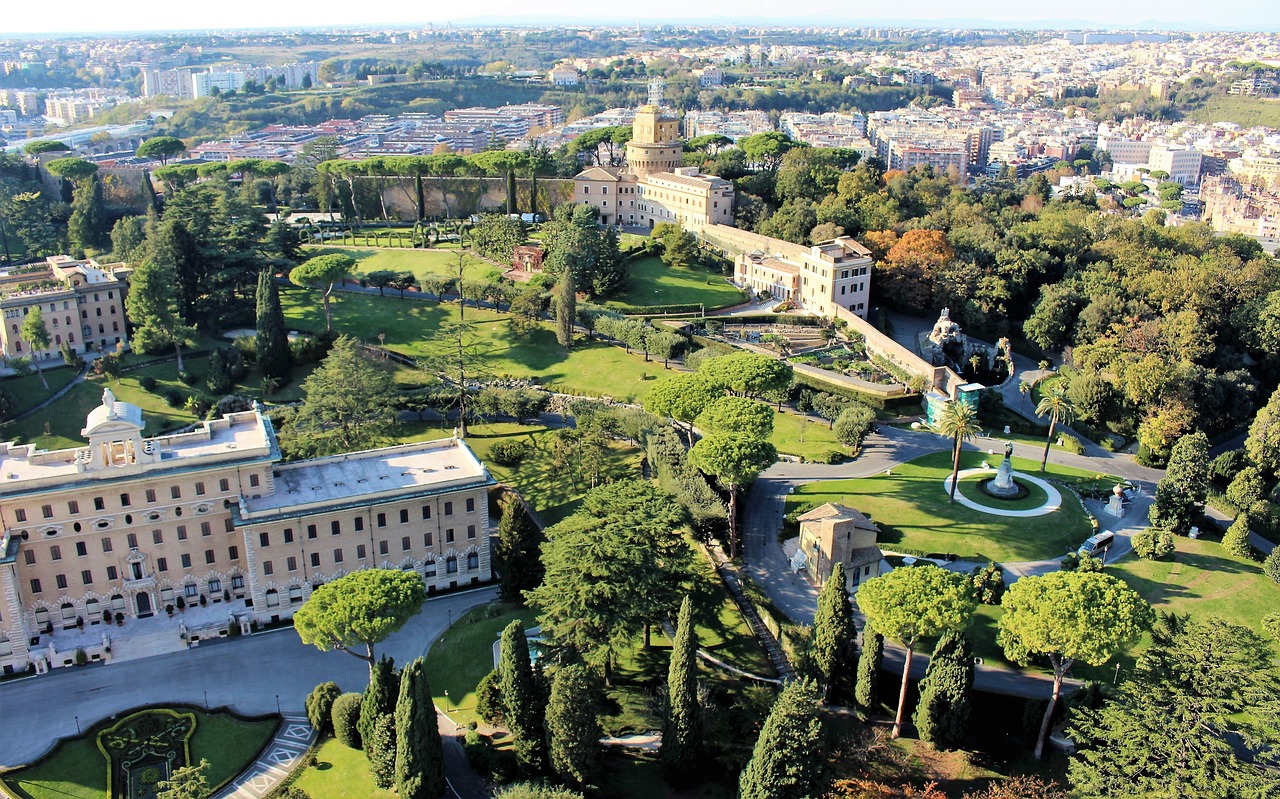
Vatican City is tiny enough to cross in minutes yet it holds art that has shaped centuries of imagination. The Vatican Museums funnel visitors toward the Sistine Chapel, and St. Peter’s Basilica anchors the skyline with quiet authority. The best moments often arrive outside the galleries when the light settles on Bernini’s colonnade and Rome’s noise softens into a distant hum. The museums preserve an immense collection amassed by popes from the 17th century onward. Early time slots stay calmer; later hours can turn corridors into currents. Even then, the city-state’s scale keeps things grounded, and a short walk returns to Roman streets, too.
Luxembourg
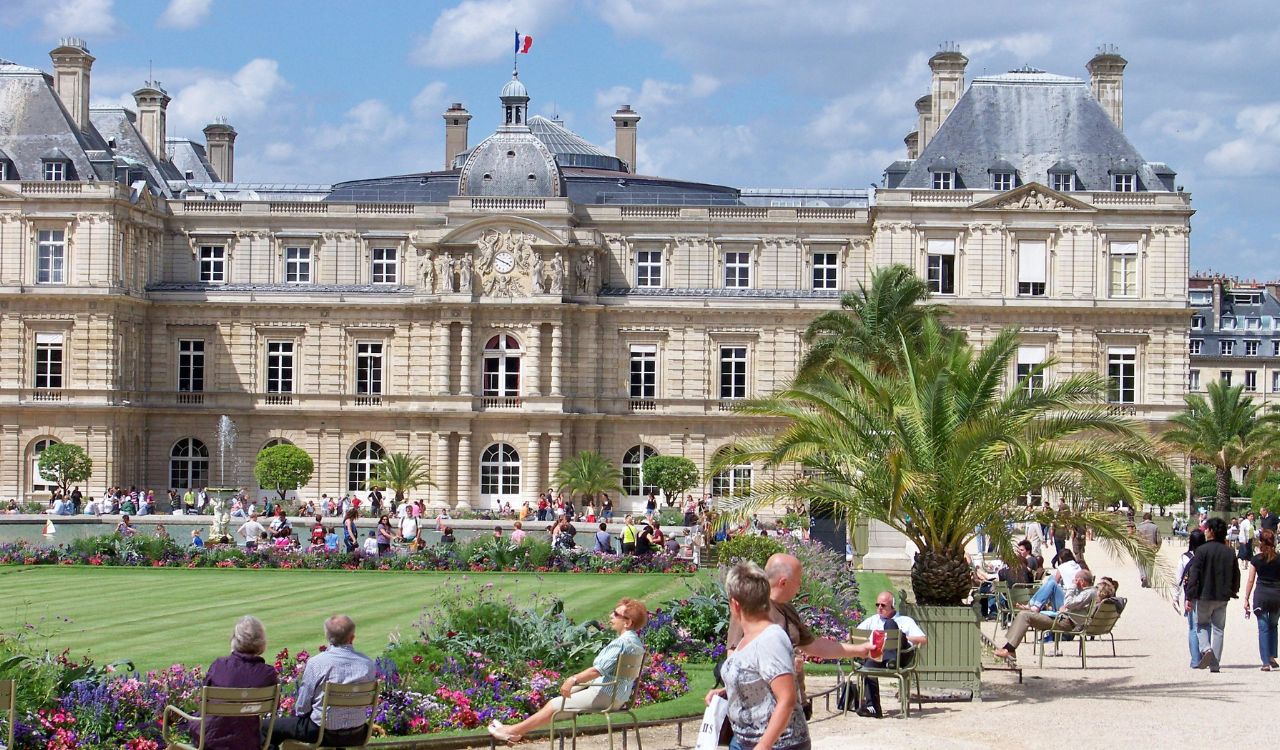
Luxembourg often surprises first-timers: it is a capital city that feels like a forested canyon with neighborhoods perched on stone. The old quarters and fortifications earned UNESCO status, and the Bock casemates still run underground like a hidden spine. Above them, the Chemin de la Corniche follows ramparts over the Alzette valley, offering views that locals call the most beautiful balcony of Europe. In 1994, the city’s fortress works and old town were listed, and the contrast is the charm: medieval angles beside modern offices. Coffee stops land quickly after stairways, and compact transit, makes a late afternoon feel like a full weekend.
Leave a Reply