We may earn money or products from the companies mentioned in this post. This means if you click on the link and purchase the item, I will receive a small commission at no extra cost to you ... you're just helping re-supply our family's travel fund.
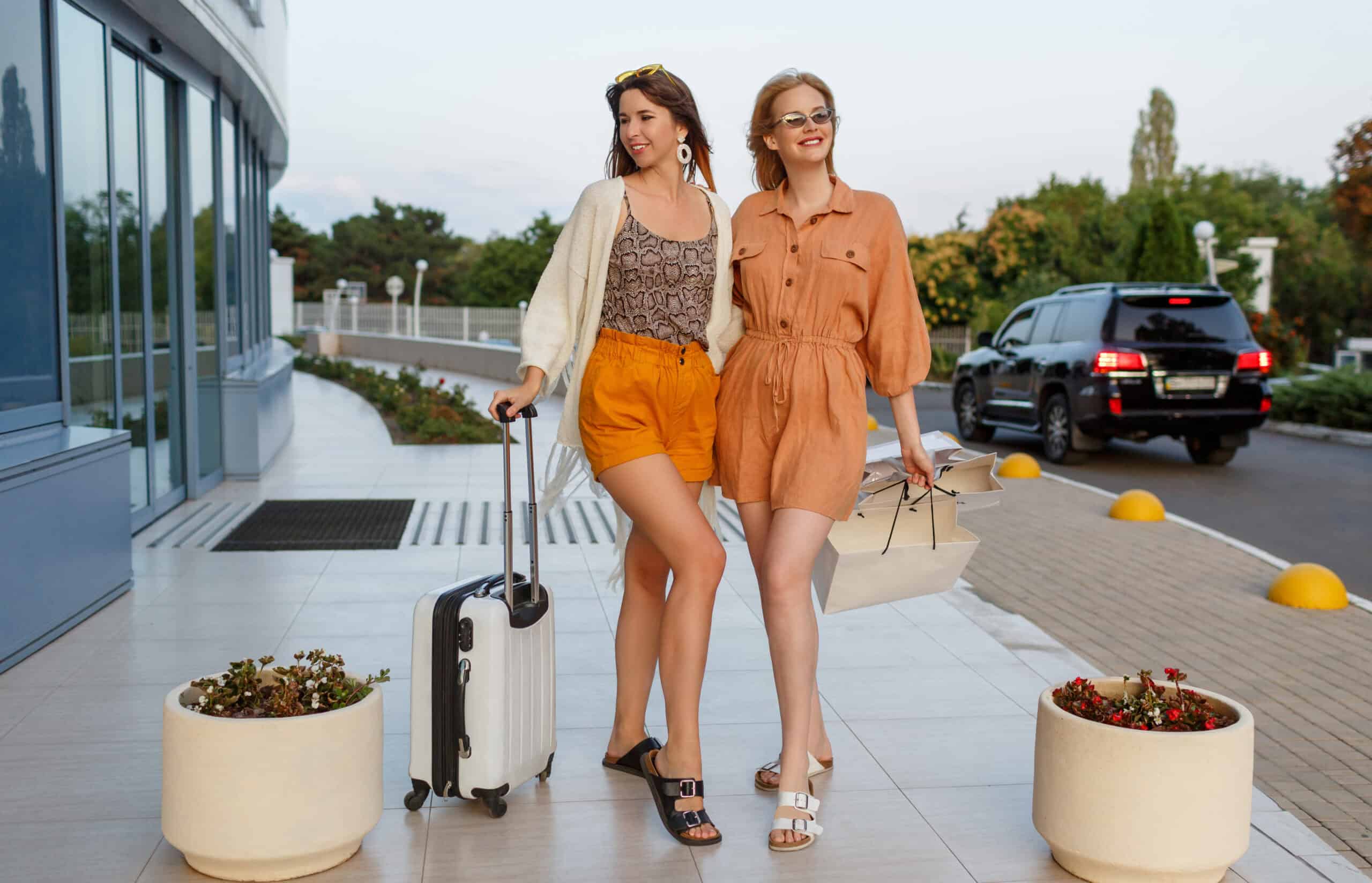
Most flight discomfort starts before takeoff, and clothing is usually the first mistake. A plane cabin is dry, shared, and unpredictable in temperature, while airports demand long walks, security checks, and sudden gate changes. Travel experts keep giving the same practical advice: wear items that support circulation, movement, hygiene, and quick adjustment. The goal is not to dress formally or casually. The goal is to remove friction from a long day. These seven clothing choices often create avoidable problems once the trip is underway.
Tight Jeans or Rigid Waistbands
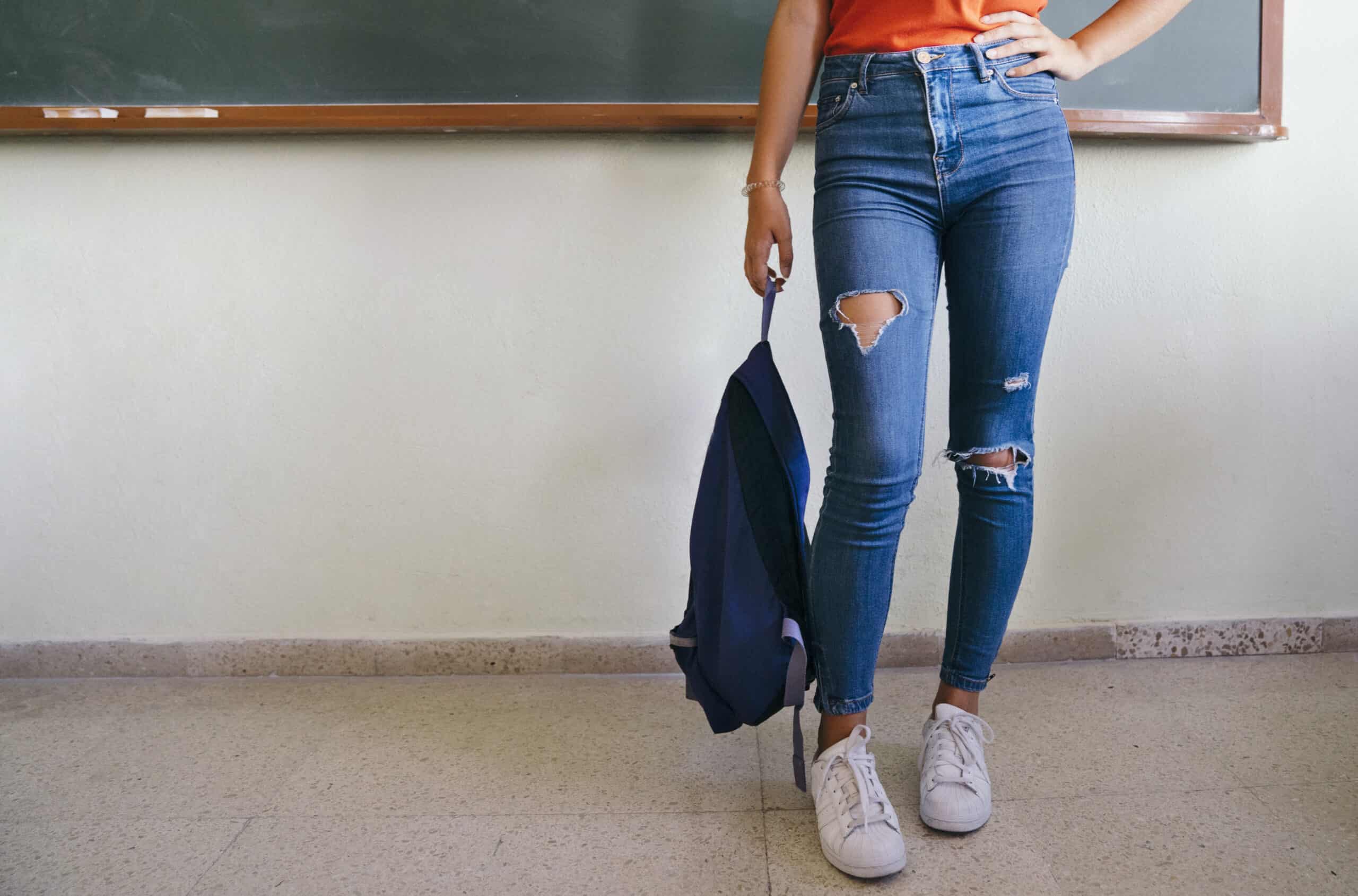
Tight, non-stretch pants may look sharp at the terminal, but they often become uncomfortable within the first hours of a flight. Sitting for long stretches already reduces movement, and restrictive waistbands make it harder to shift posture, flex knees, or take short aisle walks when needed. That can leave legs feeling heavy and swollen by landing. Soft fabrics with light stretch hold shape while allowing circulation-friendly movement. The best in-flight clothing supports comfort over time, not just the first 20 minutes after boarding.
High Heels or Unstable Platform Shoes

Heels and unstable platforms can turn routine airport movement into a balance challenge. Long concourses, escalators, jet bridges, and rushed boarding calls all reward stable shoes with grip. On board, footwear should also allow confident movement in narrow aisles, especially when turbulence or crowded service carts reduce space. High heels are not automatically unsafe, but they add risk and fatigue where practical footwear performs better. A secure, closed shoe with support usually makes the entire travel day easier from security to baggage claim.
Flip-Flops and Backless Sandals
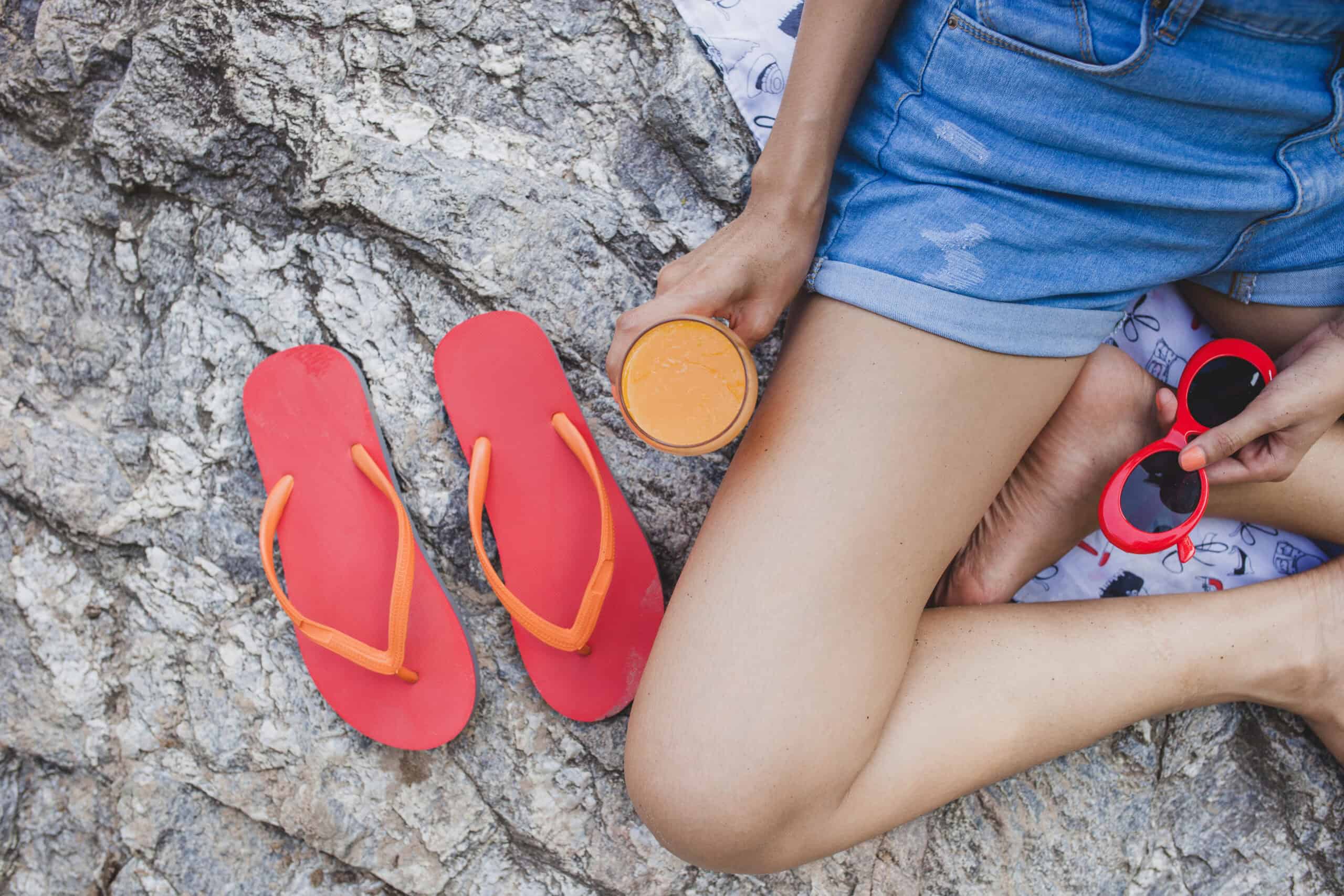
Backless sandals often fail in airports and aircraft for one simple reason: they do not stay put. They slip during quick turns, offer little support on long walks, and expose feet in spaces where cleanliness is inconsistent. Cabin floors and lavatories are not places where open footwear feels great after several hours in transit. Even during warm-weather travel, lightweight closed shoes are usually the smarter option. They protect better, walk better, and still feel comfortable when paired with breathable socks.
Shorts or Bare-Leg Outfits on Long Flights
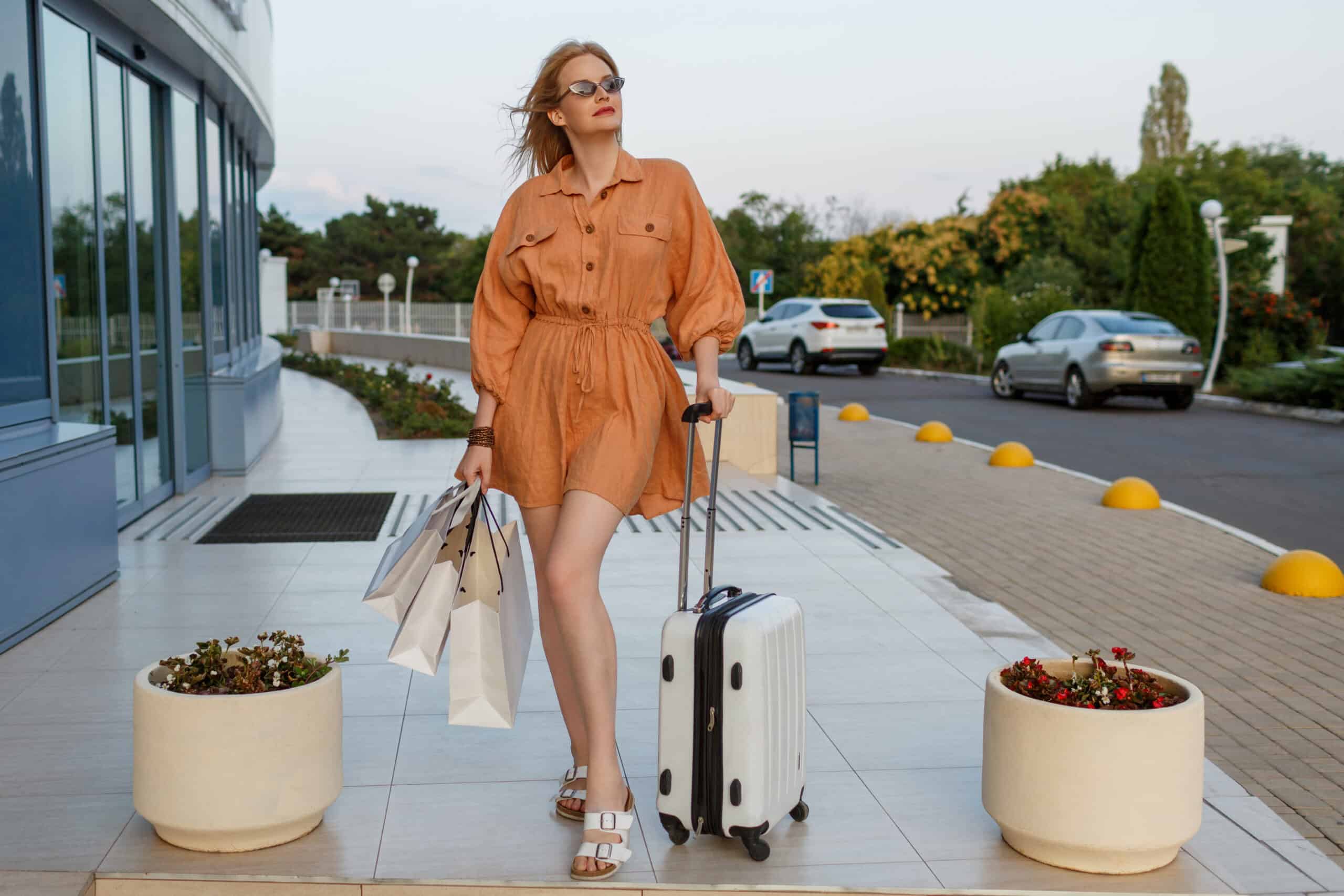
Bare legs can feel fine at boarding, then uncomfortable once cabin temperature drops. On long flights, exposed skin also contacts shared seats more directly, which many travelers prefer to avoid for hygiene reasons. The issue is not modesty or style policing. It is practical comfort over six, eight, or 12 hours in mixed conditions. Light trousers, knit pants, or longer skirts in breathable fabric offer better temperature control and less irritation. A small fabric barrier can make a surprisingly large difference by hour five.
Strong Perfume or Heavy Fragrance
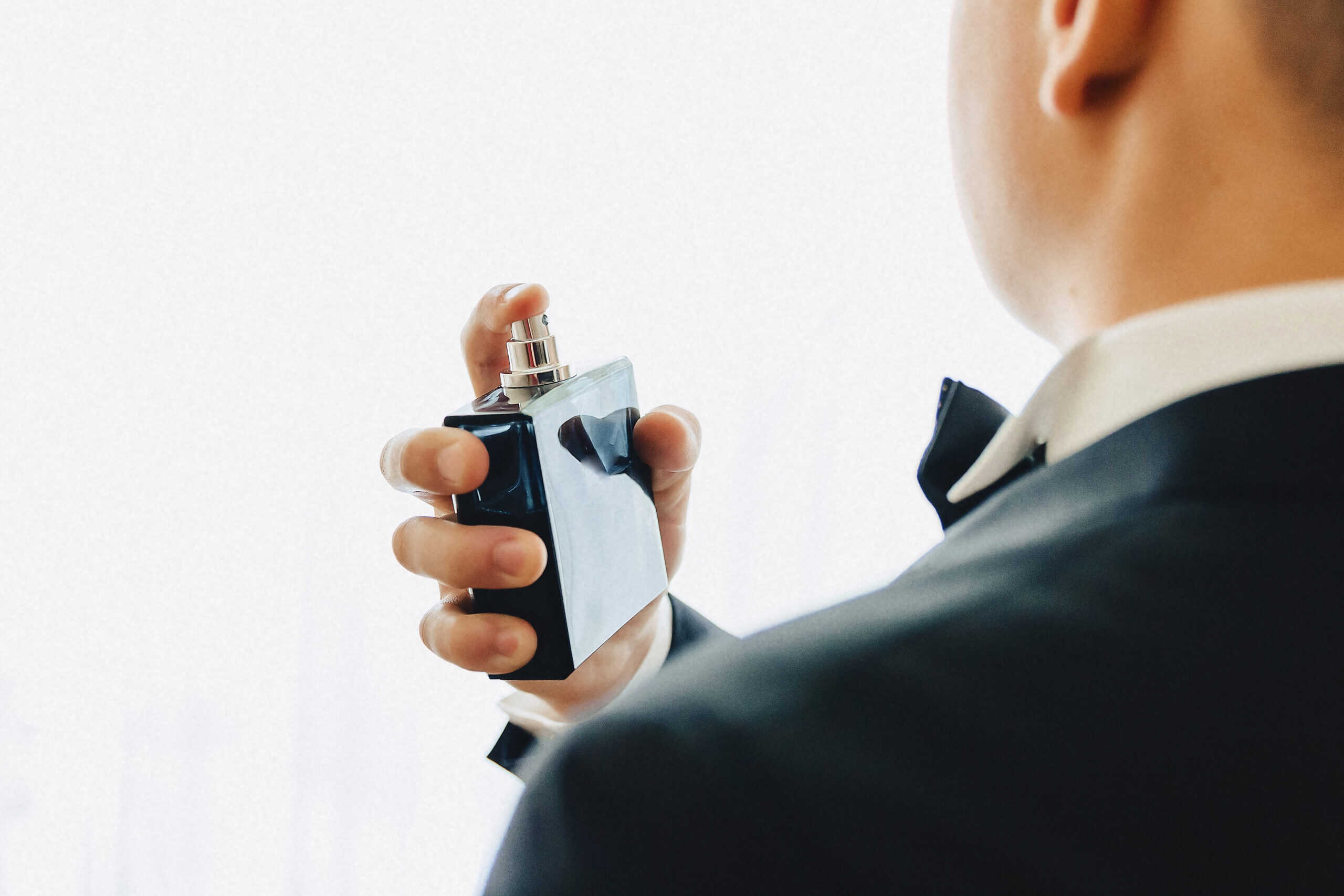
Fragrance behaves differently in enclosed cabins. What seems subtle before boarding can become overpowering in recycled air, especially for nearby passengers sensitive to scent. Strong perfume can trigger headaches, nausea, or irritation for people already tired, dehydrated, or motion-sensitive. Travel experts typically recommend a low-scent approach for flights, not as a style rule, but as basic social awareness. Clean clothing and minimal fragrance keep shared space more comfortable for everyone, including children, older travelers, and people with allergies.
Single-Layer Outfits With No Backup
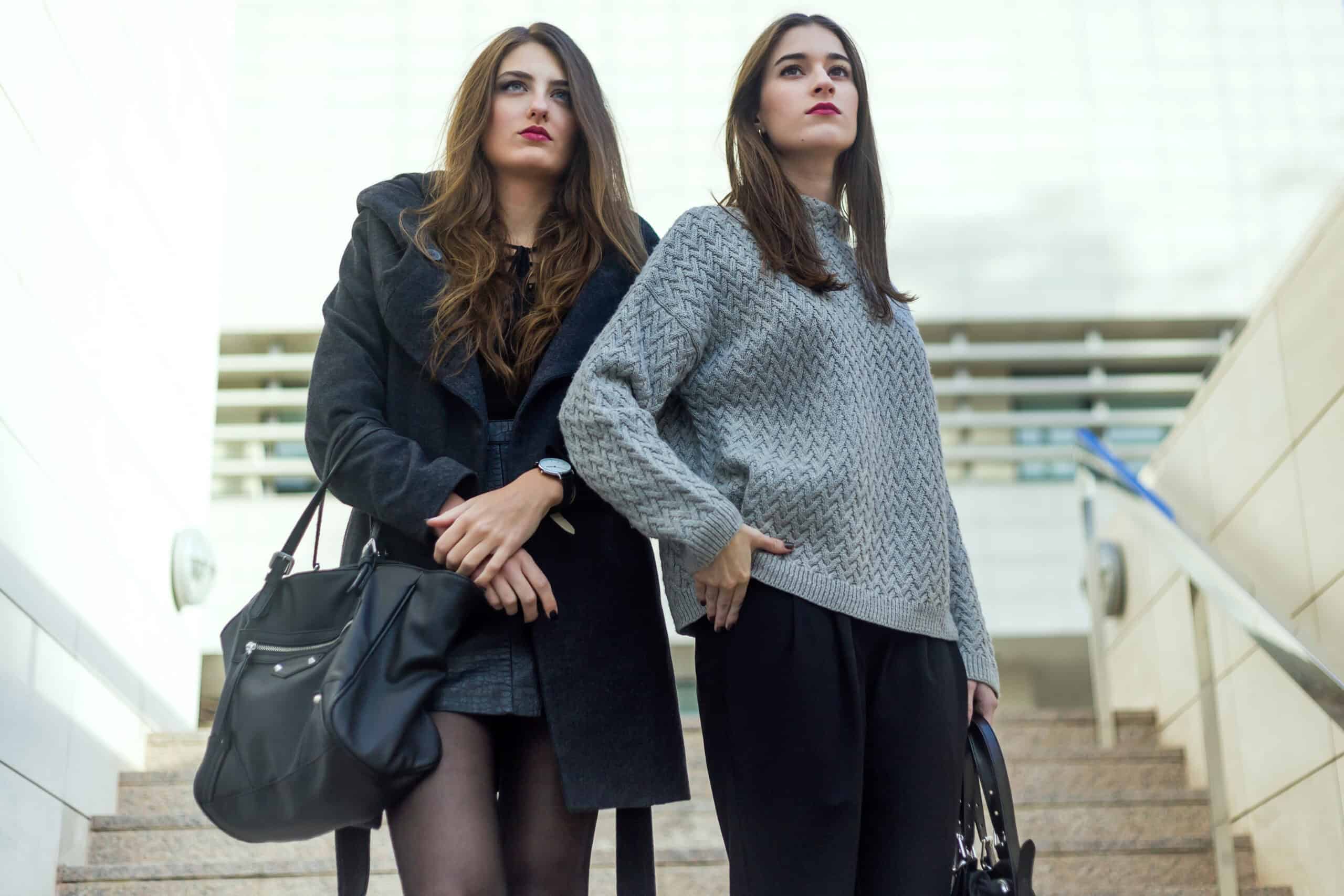
A one-layer outfit sounds simple until the temperature shifts three times in one trip segment. Airports can be warm, aircraft cabins can be cold, and overnight flights add another comfort layer around sleep. Travelers who wear only one fixed outfit often spend the flight too cold, too warm, or constantly uncomfortable. A better strategy is easy layering: breathable base, soft mid-layer, and light outer layer. This keeps body temperature stable, reduces fatigue, and avoids the irritation of being stuck in the wrong outfit for hours.
Jumpsuits or Complicated One-Piece Clothing

One-piece outfits can look great and still be frustrating in transit. Security checks, cramped lavatories, and turbulence delays all make difficult closures more annoying than expected. If a garment is hard to remove or adjust quickly, it adds stress at exactly the wrong time. Travel clothing works best when it is simple, fast, and flexible. Two-piece outfits with easy waist access and practical closures save time, reduce hassle, and make long travel days feel less draining without sacrificing personal style.