We may earn money or products from the companies mentioned in this post. This means if you click on the link and purchase the item, I will receive a small commission at no extra cost to you ... you're just helping re-supply our family's travel fund.
Cheap flights feel like a win until the extras arrive: a bag fee, a seat charge, then a timetable that turns one delay into a missed connection. Airlines know most people compare the first number, so the bargain is built to look simple while behaving complicated. The real trick is not secret websites or magic Tuesdays. It is understanding how fares are packaged, when flexibility gets removed, and which clicks quietly move a ticket from cheap to costly. Treat the base fare as the entry price to a menu, total the meal before you order, and assume the day will include at least one surprise, every time.
Basic Economy Is Not Just a Cheaper Seat
Basic Economy is designed to win the price race, then strip out what used to be standard: advance seat choice, easy changes, upgrades, and sometimes a full carry on expectation. The limits are spelled out, but they are easy to miss when checkout is moving fast and the fare looks identical to the next option. It can be fine for a simple nonstop with no bags and no schedule risk. It becomes punishing the moment a family wants to sit together, a connection tightens, or work forces a change and the fare offers no clean escape. If the day is tight, pay for the fare that lets you fix problems. That is the real cost.
Fees Are Supposed to Be Clear, but the Rules Are in Limbo
Fee transparency should be simple, but the rules are still in limbo. The U.S. Transportation Department finalized a rule that would require upfront disclosure of common fees, including baggage and change or cancellation costs, whenever fares are shown to shoppers. Airlines challenged it, and court actions have blocked or sent parts back on procedural grounds, so visibility remains uneven across airline sites, search tools, and third party sellers. That is why a fare can look cheap until late screens reveal bag charges, seat fees, or strict change terms. Treat the first price as a headline, not the full story.
Dynamic Pricing Moves Faster Than Human Intuition
Airline pricing changes fast because it responds to demand signals, remaining seat inventory, seasonality, and what competitors do on the same route. Revenue systems decide how many seats to sell at each level, and the cheapest buckets disappear when booking pace spikes, a rival raises prices, or a big event fills hotel rooms. What looks random is usually rapid recalculation: time to departure, how many seats remain in each fare class, and how quickly people are buying. In peak months, waiting for a better number can mean paying more for the same seat. The safest bet is to buy when the price fits your budget and the schedule fits your life.
Incognito Mode Rarely Saves Money, but Timing Still Matters
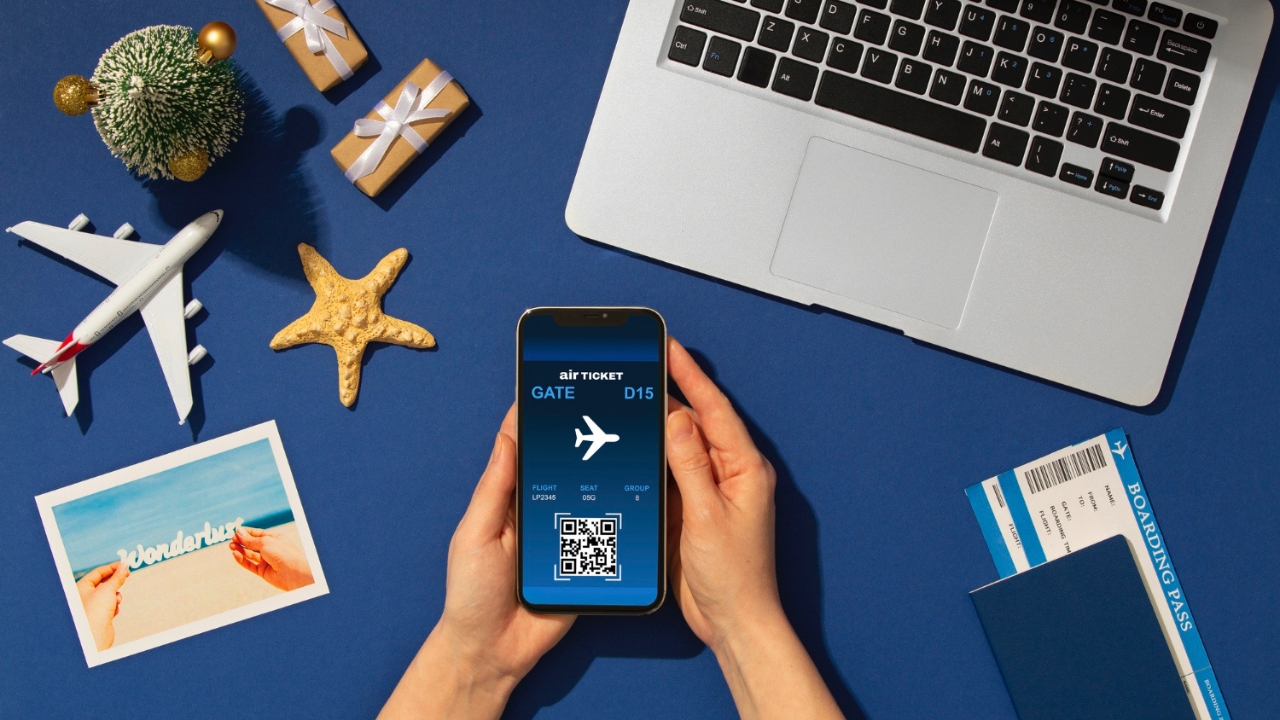
Incognito mode rarely saves money because fare movement is driven mostly by market demand, not by your browsing history. Repeated searches usually do not create a targeted price hike; the price is shifting because seats are selling, competitors are being matched, or a cheap fare bucket just sold out. Incognito may reduce anxiety, but it is not a pricing hack. Timing still matters in a practical way: drops appear when inventory is adjusted or a sale loads, and they vanish when a fare class empties, especially on weekends, holidays, and school break routes. When you see a solid price, do not assume it will hold.
Cheap Tickets Often Lock Travelers Into the Worst Connections

Low fares are often built on inconvenient connections, short layovers, or airports where one delay cascades into a missed flight and a long service line. A tight connection can work on a perfect day, but it becomes fragile when weather, deicing, a gate change, or a long terminal walk steals 20 minutes at once. Because shoppers sort by price, some itineraries are priced to win the click, not to maximize arrival odds. The cheapest option can carry the highest stress cost and the highest chance of losing a full day. Look at the layover like a buffer, not a suggestion, and value the airport layout as much as the minutes.
Seats Are Sold Like Upgrades Because They Are Profitable
Unbundling makes money, so airlines lead with a low base fare, then price seat selection, extra legroom, and early boarding as add ons. For families and groups, the fear of being split up pushes paid assignments on both legs, turning savings into a drip of charges across checkout and later manage trip menus. Even when a seat is included, the best spots become retail inventory and prices rise as the cabin fills, so waiting can mean paying more for worse options. On a round trip, those fees can hit twice. If sitting together matters, price that in before you click buy, and compare the total to the next fare tier.
Baggage Is Where a Cheap Fare Commonly Breaks
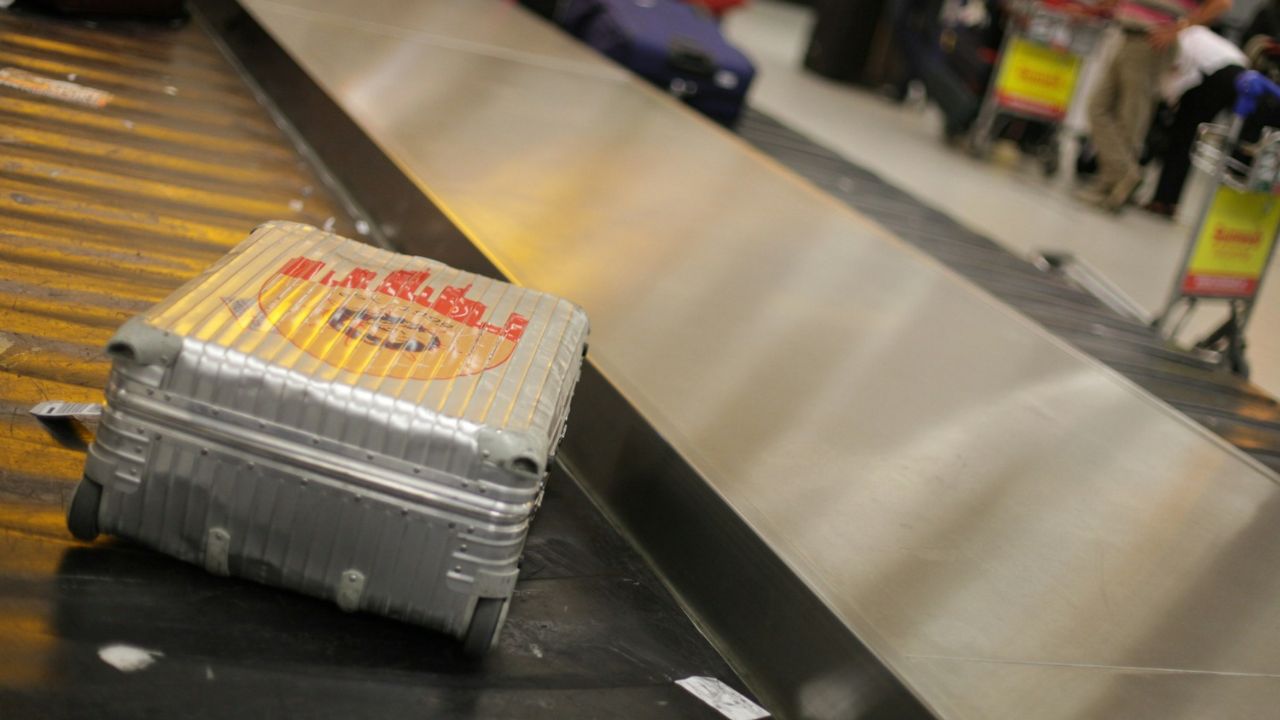
A low fare can be real until baggage enters the math. Checked bag prices and carry on policies vary by airline and by fare type, and one suitcase can erase the savings immediately. Baggage is also a major revenue stream for airlines, so the pricing is not an afterthought and it changes by route, season, and status. That is why comparisons should treat bags as part of the ticket, not as a late surprise. Check size limits too, since an oversized bag can turn into an expensive gate problem. The true cheapest fare is the one that matches the trip’s luggage needs and boarding rules, even if it is not the first number in the results list.