7 Things to Check Before You Rent a Mountain Cabin for a Winter Weekend
We may earn money or products from the companies mentioned in this post. This means if you click on the link and purchase the item, I will receive a small commission at no extra cost to you ... you're just helping re-supply our family's travel fund.
A mountain cabin in winter sounds perfect: a fire, a view, and a quiet weekend in the woods. But a winter cabin rental comes with risks that summer stays do not. A steep driveway can ice over, the heat can struggle in a cold snap, and a storm can trap you or keep you from arriving at all.
Most of these problems can be avoided with a few questions before you book. Here are seven things to check with the host or rental company, why each one matters, and what a good answer sounds like.
7 Things to Check Before a Winter Cabin Rental
1. Driveway and Road Access
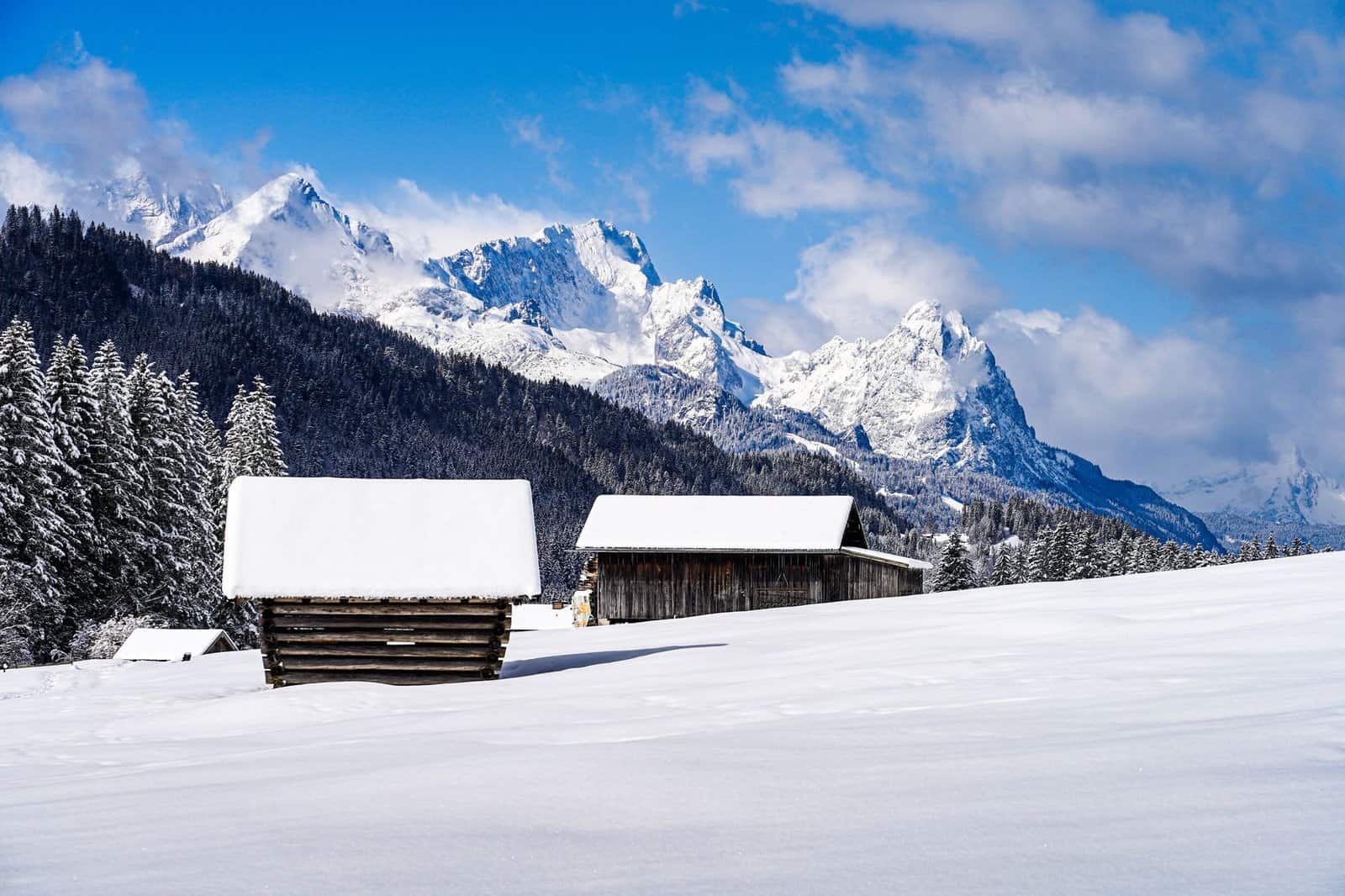
Mountain cabins often sit at the end of steep, winding roads and gravel driveways. In summer, that is part of the charm. In winter, it can be the biggest problem of the trip. Ice and snow can make a steep driveway impossible to climb, especially in a two-wheel-drive car.
Ask the host:
- How steep is the driveway, and is it paved or gravel?
- Is four-wheel drive or all-wheel drive recommended or required in winter?
- Are the roads to the cabin maintained by the county, a homeowners association, or no one?
- Where can guests park if the driveway is icy?
A good host will be honest about access. Some listings say plainly that four-wheel drive is required in winter. Take that seriously. If you do not have the right vehicle, choose a cabin on a flatter, maintained road.
2. Heat Source and Backup
Find out exactly how the cabin is heated. Common options include heat pumps, propane or gas furnaces, electric baseboard heat, and wood stoves. Each has trade-offs. Heat pumps can lose efficiency in very cold weather. Propane systems depend on the tank being filled. Wood stoves need firewood and attention.
Ask whether the cabin has a backup heat source in case the main system fails or the power goes out. A fireplace or wood stove can be a lifesaver in an outage. Also ask how the host handles heating problems. A good host has a local maintenance contact who can respond quickly.
3. Pipes and Water Rules
Frozen pipes are a real risk in mountain cabins, especially in older buildings or those with crawl spaces. Many hosts have specific rules to prevent freezing, like keeping the heat above a certain temperature, leaving cabinet doors open, or letting faucets drip on very cold nights.
Ask what the rules are and follow them. If a pipe freezes during your stay, you could lose running water or cause damage. Also ask whether the cabin uses a well or municipal water. Wells depend on electric pumps, so a power outage can mean no water.
4. Cell Signal, Wi-Fi, and Landline
Many mountain areas have weak or no cell signal. That can be a problem if you need to call for help, check weather, or coordinate with others. Ask the host which carriers work at the cabin and how strong the signal is.
Check whether the cabin has Wi-Fi and how reliable it is. Some cabins have satellite internet, which can be slow or affected by weather. A few still have landlines, which work even when cell service does not. If you need to work remotely, confirm the internet speed before you book.
5. Who Handles Snow Removal
Ask who clears snow from the driveway, walkways, and steps. Some hosts hire plow services that come after a storm. Others leave it to guests, sometimes with a shovel and ice melt provided. In some cases, no one clears the driveway, and guests wait for the snow to melt.
Knowing the plan helps you prepare. If guests are responsible, bring good boots and gloves, and ask whether ice melt and shovels are on site. If a plow service is used, ask how quickly they usually arrive after a storm.
6. Fireplace and Firewood Rules
A fire is one of the best parts of a winter cabin stay. But fireplace rules vary. Some cabins have wood-burning fireplaces or stoves, while others have gas fireplaces that turn on with a switch. Some hosts provide firewood, while others ask guests to bring or buy their own.
Ask whether firewood is included, and if not, where to buy it locally. Many areas discourage bringing firewood from far away because it can spread invasive insects. Also ask about safety rules, like using a screen, never leaving a fire unattended, and how to dispose of ashes. Confirm that the cabin has working smoke and carbon monoxide detectors.
7. Cancellation Policy for Bad Weather
Winter storms can make travel dangerous or impossible. Before you book, read the cancellation policy carefully. Some hosts offer refunds or credits if roads are closed or a major storm hits. Others follow a strict policy no matter the weather.
Ask the host directly how they handle weather cancellations. Some rental platforms have their own policies for extenuating circumstances, but those may not cover ordinary winter weather. Travel insurance can help for expensive trips. A flexible cancellation policy is worth paying a little more for in winter.
Questions to Ask Before You Book
Bundle these into one message to the host before booking. A short list keeps it easy:
- Is four-wheel drive needed, and is the driveway paved or gravel?
- How is the cabin heated, and is there a backup heat source?
- What are your rules for preventing frozen pipes?
- Which cell carriers work here, and how reliable is the Wi-Fi?
- Who clears snow, and how fast?
- Is firewood provided, and are smoke and carbon monoxide detectors installed?
- What happens if a storm closes the roads?
A host who answers clearly and quickly is usually a host who manages the property well.
What to Pack for a Winter Cabin Weekend
Even with a good host, packing for winter conditions helps:
- Extra layers, warm socks, and slippers for cold floors.
- Flashlights or headlamps, plus spare batteries.
- A phone power bank in case of outages.
- Basic groceries for an extra day, in case you get snowed in.
- Ice scraper and snow brush for your car.
- Traction devices for shoes if you plan to walk on icy paths.
- Tire chains if they are recommended for local roads and you know how to use them.
Bring a small first-aid kit and any medications you need, since pharmacies may be far away.
Driving to a Mountain Cabin in Winter
Plan to arrive in daylight. Mountain roads are harder to navigate in the dark, especially in snow or ice. Check road conditions before you leave and again as you get closer.
Fill your gas tank before heading into the mountains, since stations can be far apart. If conditions turn bad, it is better to stop and wait than to push through. Let someone know your route and expected arrival time.
Red Flags in a Winter Cabin Listing
Some warning signs suggest a cabin may not be ready for winter:
- No mention of heating or winter access in the listing.
- Reviews that mention cold rooms, frozen pipes, or icy driveways.
- Hosts who do not respond to questions about winter conditions.
- Listings that only show summer photos and no winter details.
Reading recent winter reviews is one of the best ways to see how a cabin performs in cold weather. Look for comments about heat, access, and how the host handled problems.
Where Winter Cabin Rental Demand Is Highest in the South
In the Southern mountains, winter cabin demand clusters in a few areas. The Smoky Mountains around Gatlinburg, Pigeon Forge, and Bryson City draw big holiday crowds. The north Georgia mountains near Blue Ridge, Ellijay, and Helen fill on weekends. The North Carolina High Country around Boone and Blowing Rock is busy during ski season. West Virginia’s Snowshoe and Canaan Valley areas draw skiers.
Each region has its own winter quirks. The Smokies and north Georgia see occasional snow and ice that can make steep roads tricky, even if the storm is light. The High Country and West Virginia ski areas get more regular snow, so hosts there are often better prepared, with plow contracts and chains on hand. Knowing the area helps you ask the right questions.
Reading Photos and Maps Before You Commit
Listing photos can tell you a lot about winter access if you know where to look. Look for photos of the driveway and parking area, not just the view. A steep driveway that looks dramatic in summer can be impassable after an ice storm.
Use a map’s satellite view to check the road leading to the cabin. Long gravel roads, switchbacks, and steep grades are worth noting. If the cabin sits high on a ridge, the views may be great, but the drive may be hard in winter. A cabin lower on the mountain may be more practical when snow is in the forecast.
Booking Dates Wisely
Holiday weeks, like the week between Christmas and New Year’s, are the most expensive and most likely to sell out. Weekends in January and February are often cheaper and quieter, though they carry more weather risk. Midweek stays can offer the best value.
Ask about minimum-night stays, which are common on holidays. Some hosts require two or three nights on weekends. If you are flexible, consider arriving on a Thursday or leaving on a Monday to avoid the busiest days.
Why a Little Checking Pays Off
A winter cabin weekend can be one of the most relaxing trips of the year. The key is preparation. By checking access, heat, water, communication, snow removal, fire rules, and cancellation policies before you book, you reduce the chance of surprises.
That way, you can focus on the fire, the view, and the quiet, rather than worrying about whether you can get up the driveway.