We may earn money or products from the companies mentioned in this post. This means if you click on the link and purchase the item, I will receive a small commission at no extra cost to you ... you're just helping re-supply our family's travel fund.

Driving in the United States has always reflected a mix of freedom and responsibility, but recent legal shifts are quietly changing how that balance works. In 2026, new rules across several states are reshaping expectations behind the wheel, often in ways that catch drivers off guard. These changes are not just technical updates, they reflect deeper concerns around safety, technology, and accountability. What once felt routine now requires more attention, as everyday habits are being reexamined through a stricter and more modern lens.
Stricter Laws on Phone Use While Driving

Phone use laws have moved beyond simple texting bans, with many states now enforcing hands-free rules more aggressively. Holding a device for navigation, scrolling at a stoplight, or even brief glances can result in fines. Enforcement has increased through better roadside monitoring and, in some areas, camera systems. These changes reflect growing evidence that even short distractions raise accident risk. What once felt minor now carries real consequences, pushing drivers to rethink how and when they interact with their devices.
Expanded Speed Camera Enforcement
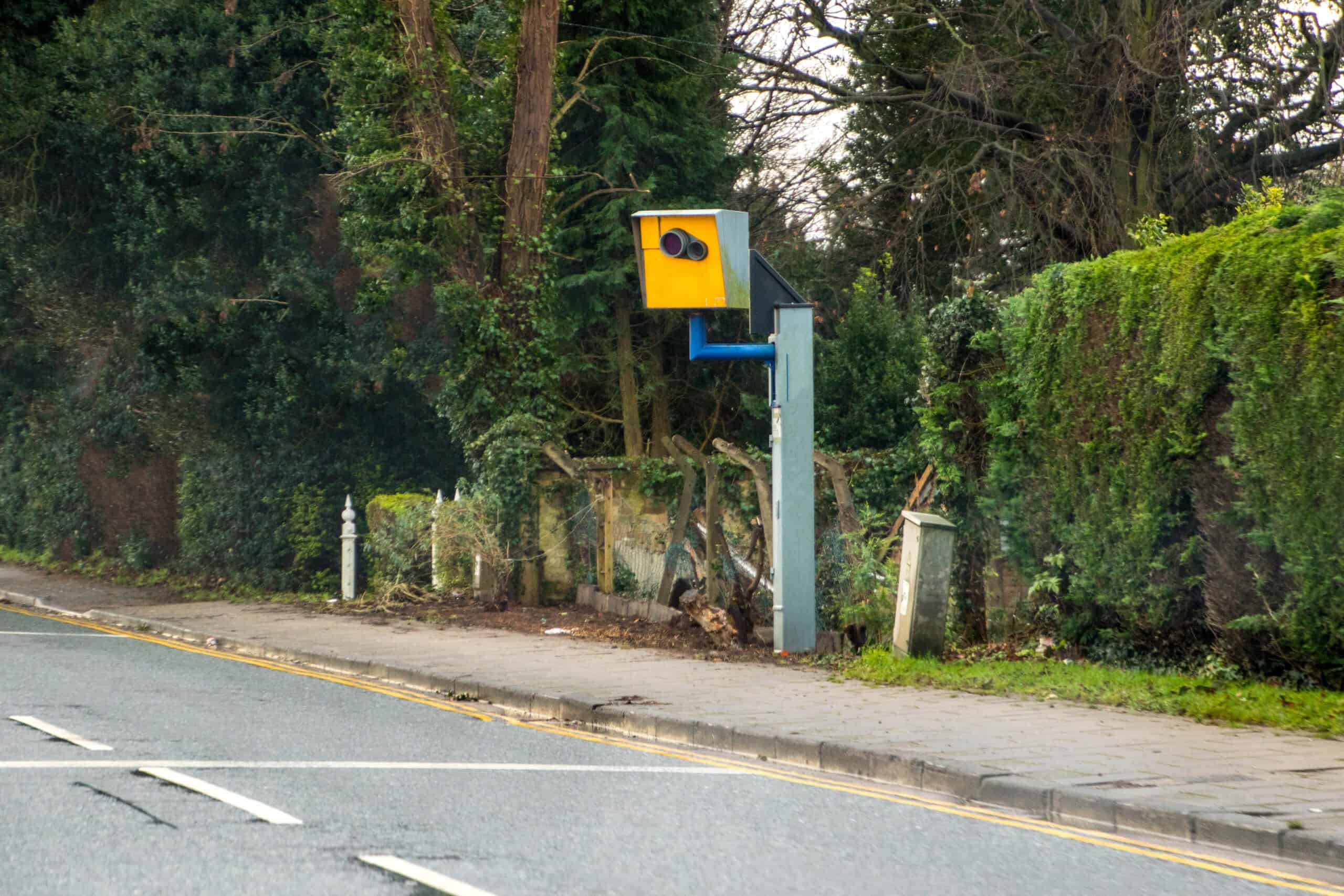
Speed cameras are becoming more common, especially in urban zones, school areas, and construction corridors. Unlike traditional traffic stops, these systems operate continuously, capturing violations without direct interaction. Drivers may not even realize they have been recorded until a notice arrives later. The shift removes the margin of warning that officers once provided. It creates a more consistent system, but also one that demands constant attention to speed, even in places that previously felt loosely monitored.
Lower Blood Alcohol Limits in Select States

/123rf
Some states are moving toward stricter blood alcohol concentration limits, lowering the threshold below the long-standing 0.08 percent standard. The change reflects a broader push to reduce impaired driving incidents by narrowing what qualifies as legal. Even small amounts of alcohol can now place drivers over the limit in certain areas. This shift challenges long-held assumptions about what is considered safe. It encourages a more cautious approach, where the safest option often becomes avoiding alcohol entirely before driving.
New Rules for Electric and Autonomous Vehicles
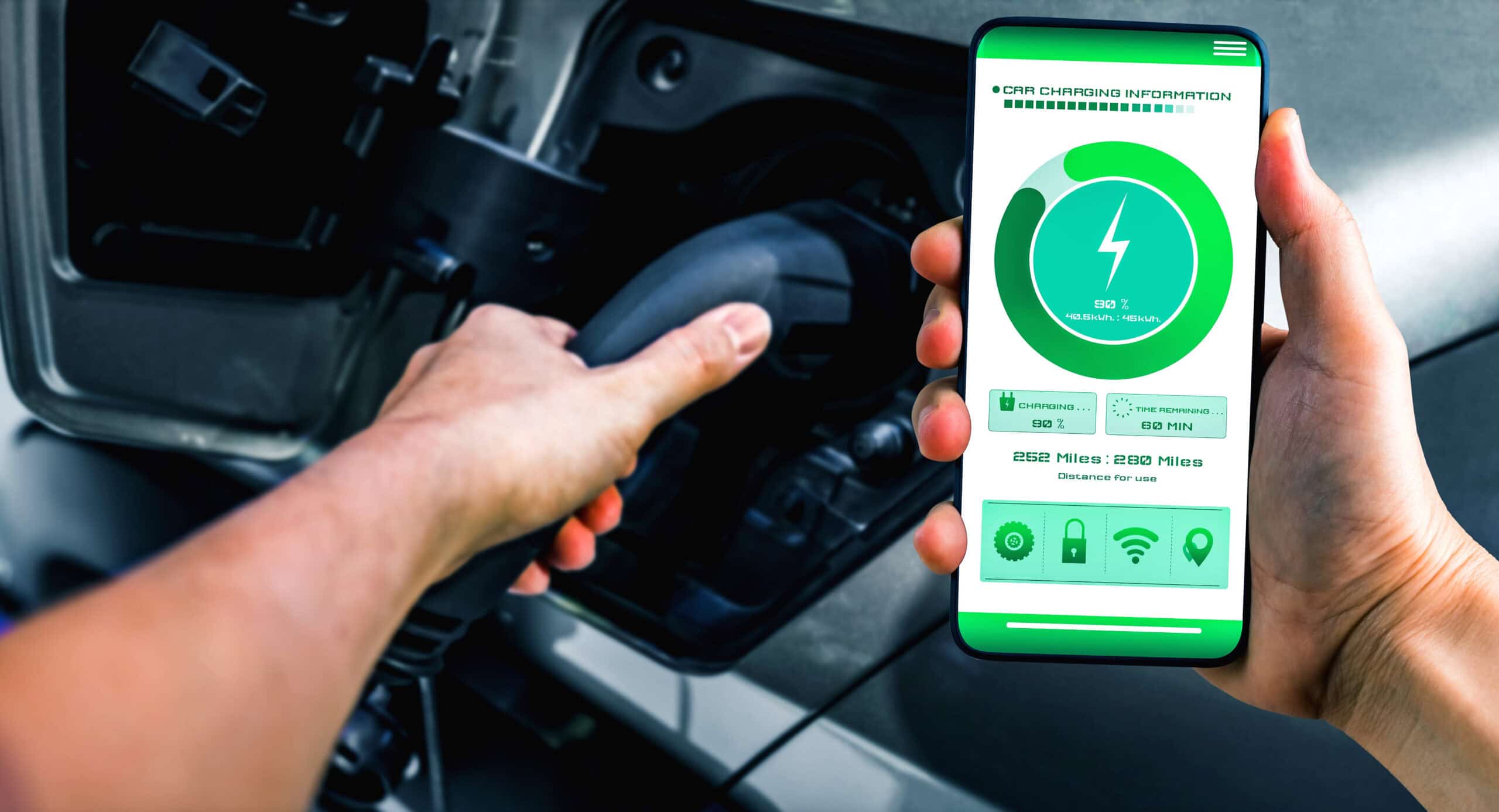
As electric and semi-autonomous vehicles become more common, laws are evolving to address how they are used. Drivers are still expected to remain attentive, even when assistance systems are active. Misuse of autonomous features, such as treating them as fully self-driving, can lead to penalties. Some states are also introducing specific guidelines for charging station use and road positioning. These updates reflect the gap between advancing technology and human behavior, requiring drivers to stay engaged despite automation.
Increased Penalties for Reckless Driving

Reckless driving definitions are expanding, and penalties are becoming more severe in response. Actions like excessive speeding, aggressive lane changes, or street racing now carry higher fines and, in some cases, potential jail time. Repeat offenses are treated more seriously, with stricter consequences that can include license suspension. The goal is not just punishment, but deterrence. These changes signal a stronger stance against behavior that puts others at risk, even if it was once dismissed as momentary impatience.
Updated Right-of-Way Laws for Pedestrians and Cyclists
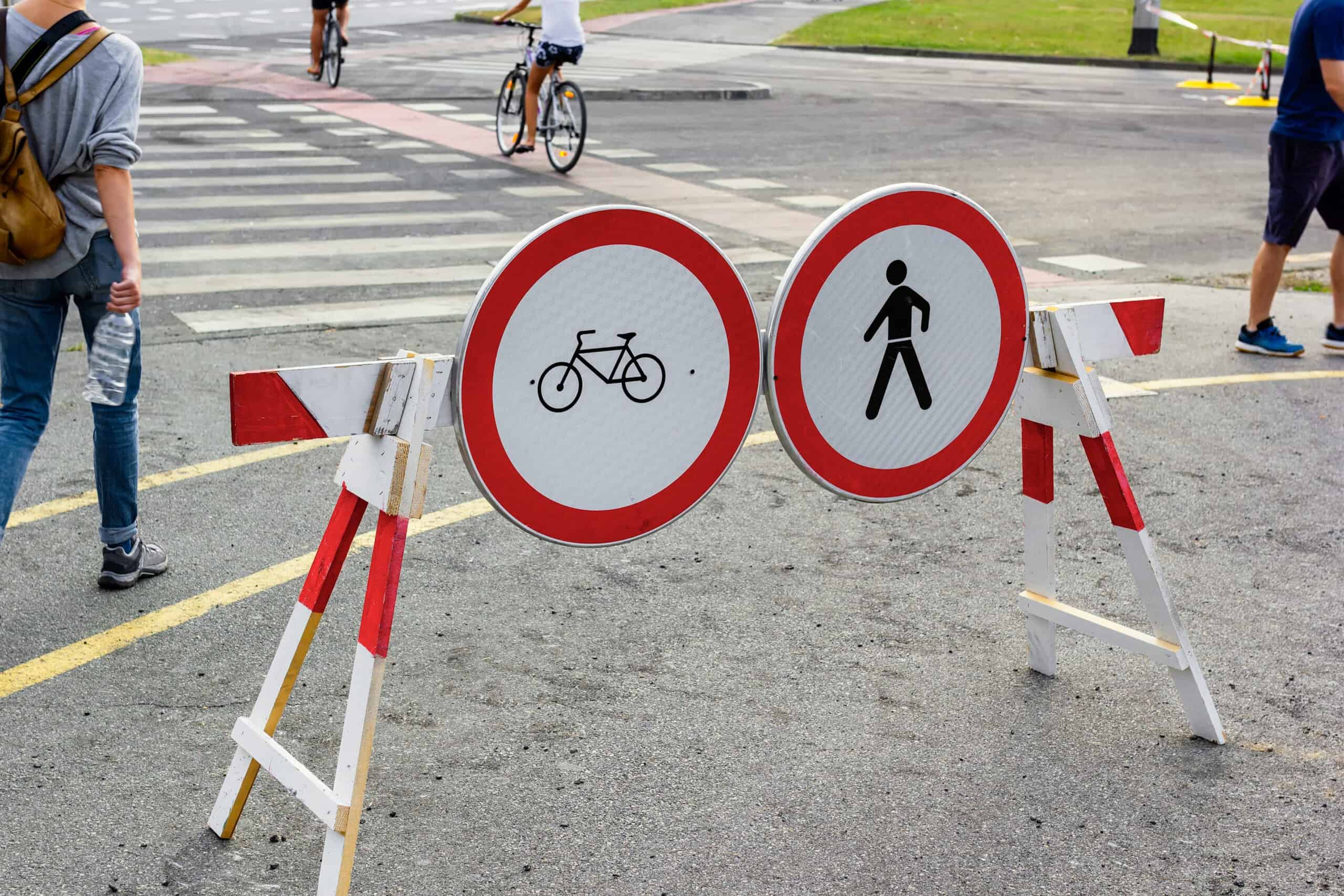
Pedestrian and cyclist protections are being strengthened, particularly in urban areas. Drivers are now required to give more space when passing cyclists and to yield more consistently at crossings, even when signals are less defined. Failing to do so can result in fines or points on a license. These updates reflect changing transportation habits, with more people sharing the road in different ways. The responsibility shifts slightly toward drivers to anticipate and respect that shared space.
Mandatory Driver Monitoring Systems in New Vehicles
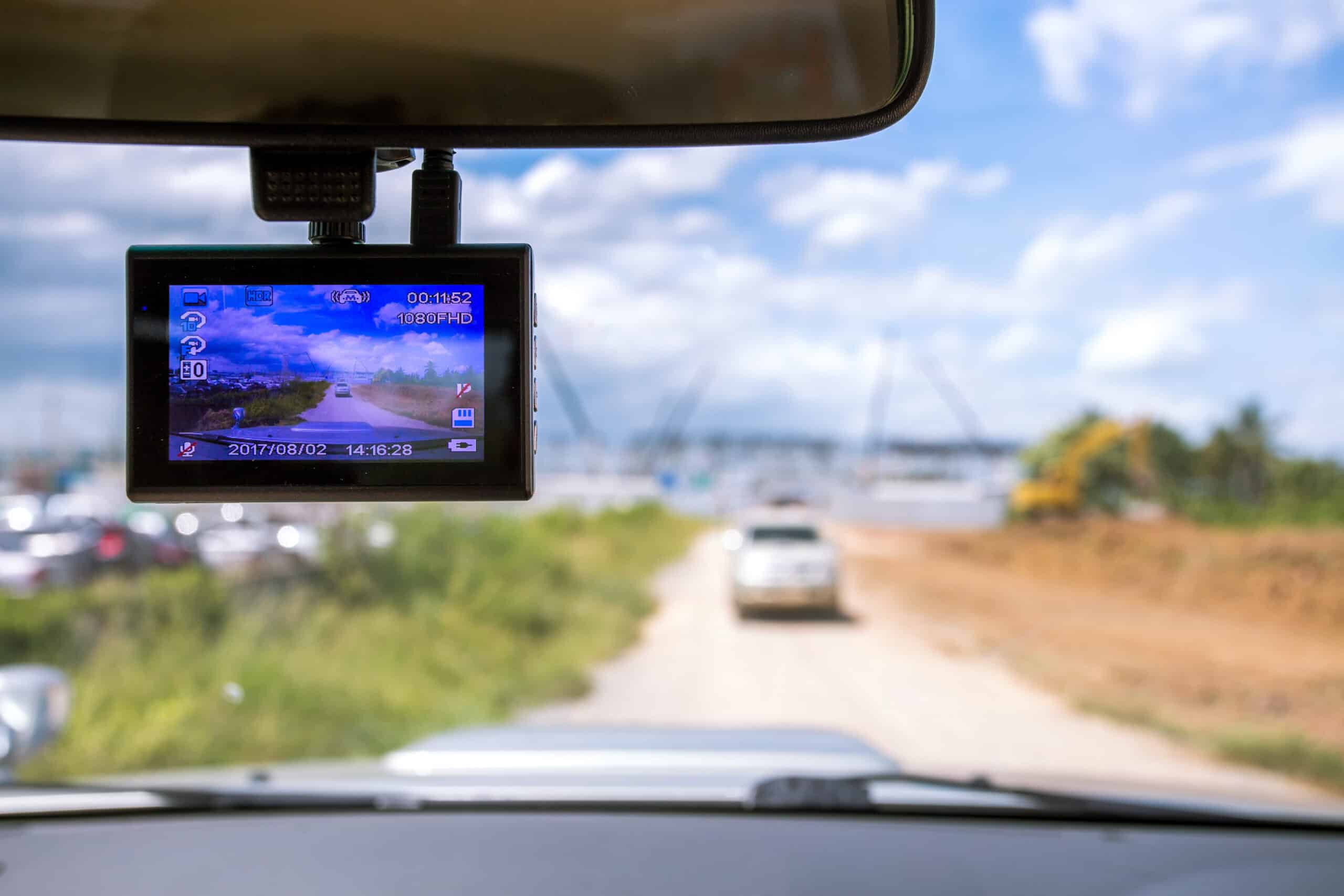
Some newer vehicles are being equipped with driver monitoring systems that track attention through cameras or sensors. In certain states, tampering with or disabling these systems can lead to penalties. These features are designed to detect distraction or fatigue and prompt drivers to refocus. While they are still evolving, their presence signals a shift toward accountability built directly into the vehicle. Driving is becoming not just a personal responsibility, but something increasingly observed and measured.