We may earn money or products from the companies mentioned in this post. This means if you click on the link and purchase the item, I will receive a small commission at no extra cost to you ... you're just helping re-supply our family's travel fund.
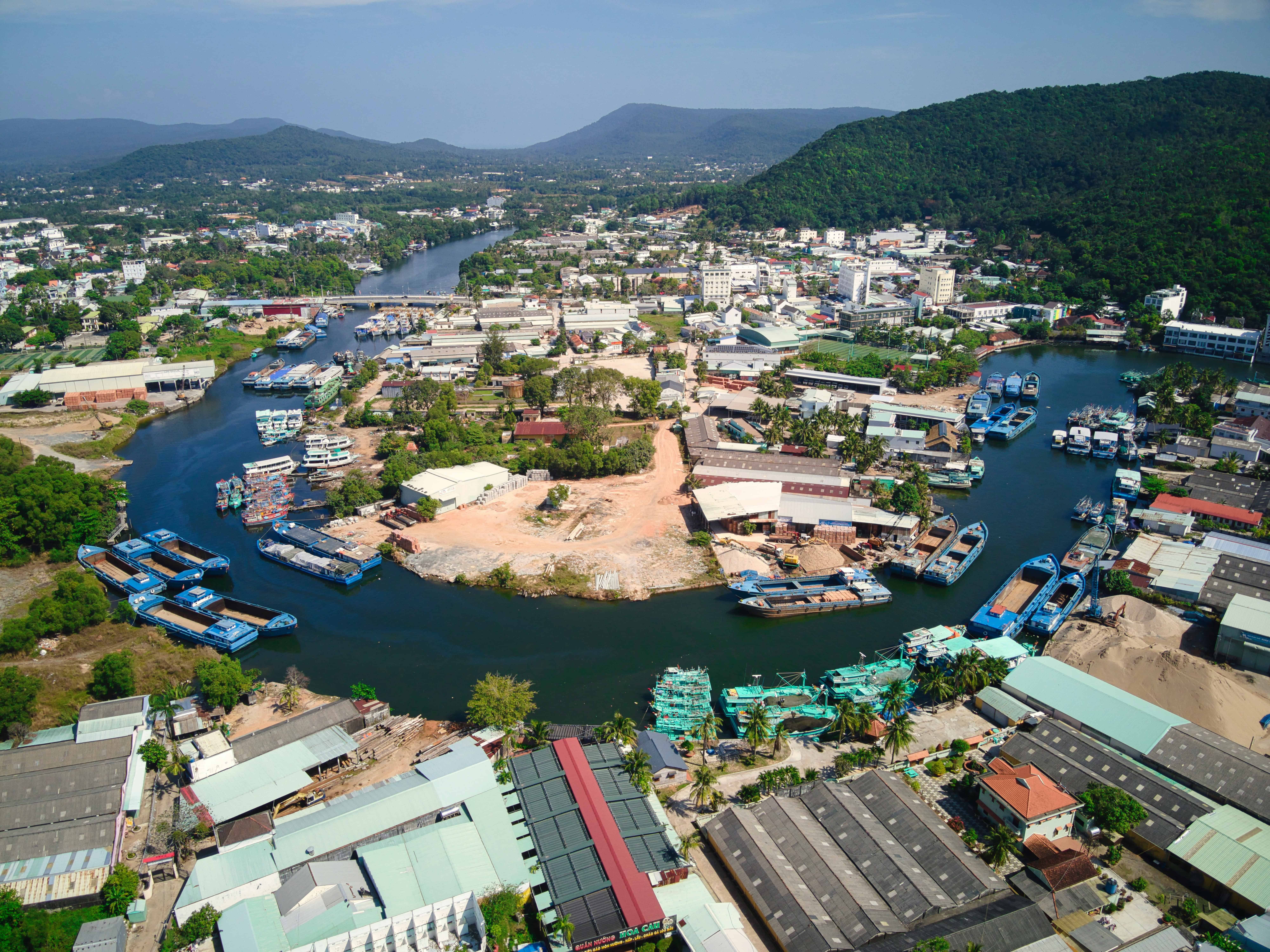
Asia’s most memorable trips rarely come from chasing the loudest headline city. They come from places that feel ready to meet travelers halfway, with better connections, clearer rhythms, and enough depth to reward a longer stay. In 2026, the strongest picks balance beauty with practicality: transit that works, food that feels personal, and neighborhoods built for wandering rather than rushing. Each destination below offers a distinct mood, from island mornings to tiled Silk Road evenings, and each one leaves room for surprise.
Tohoku, Japan
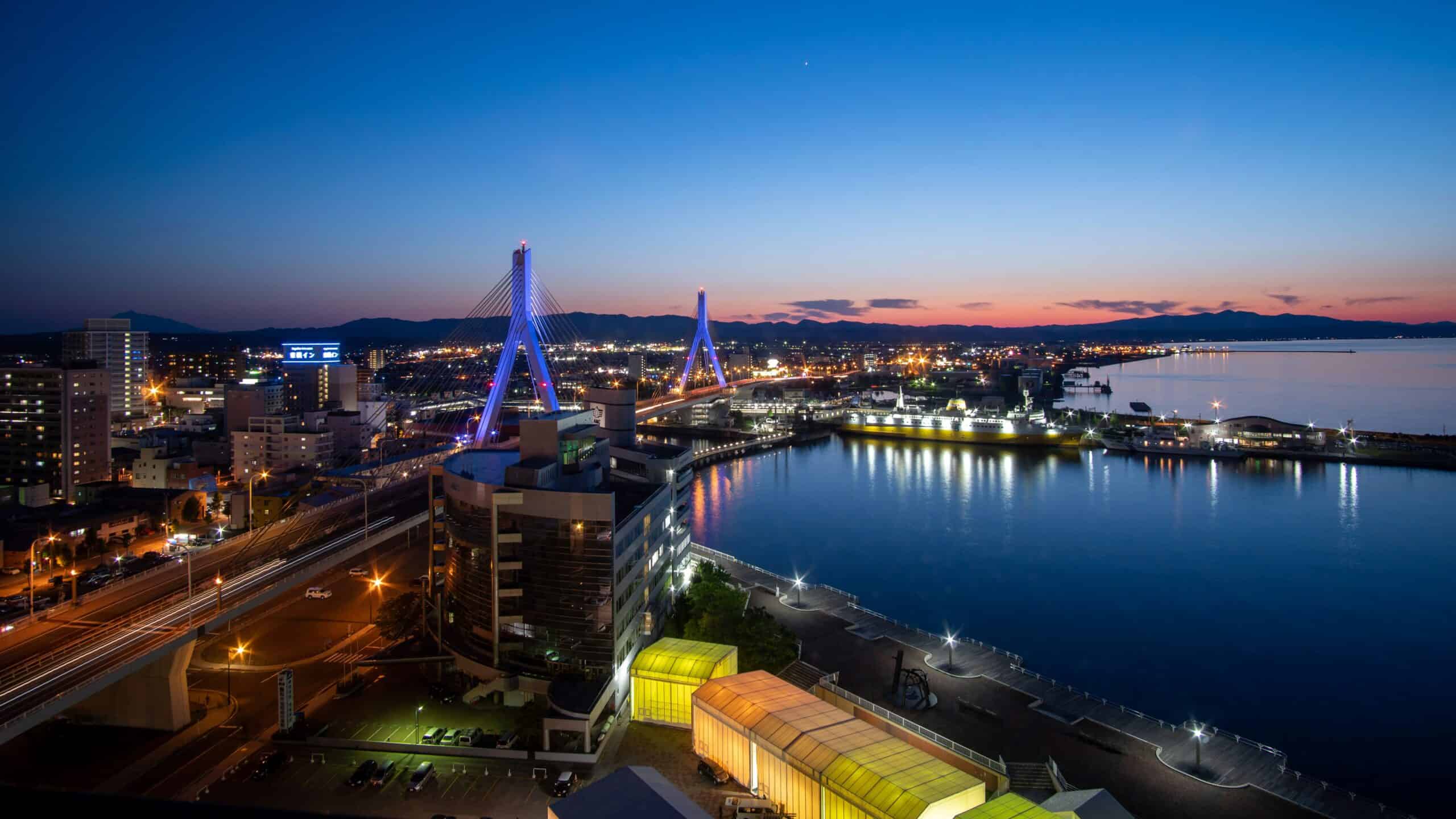
Tohoku is where Japan exhales a northern sweep of small cities and onsen towns tucked between cedar forests, rice fields, and snowfed rivers. As places like Kyoto raise accommodation taxes and encourage visits beyond the busiest corridors, this region offers a calmer answer: quiet trains, unrushed temple walks, local matsuri, art museums, and ryokan dinners that taste of miso, mountain vegetables, and careful hands, followed by hikes that end in steaming outdoor baths. In autumn the maples flare, in summer the air runs cooler, and an evening in Sendai or Aomori, lanterns glowing outside a tiny izakaya, can make the detour feel like the point.
Phu Quoc, Vietnam
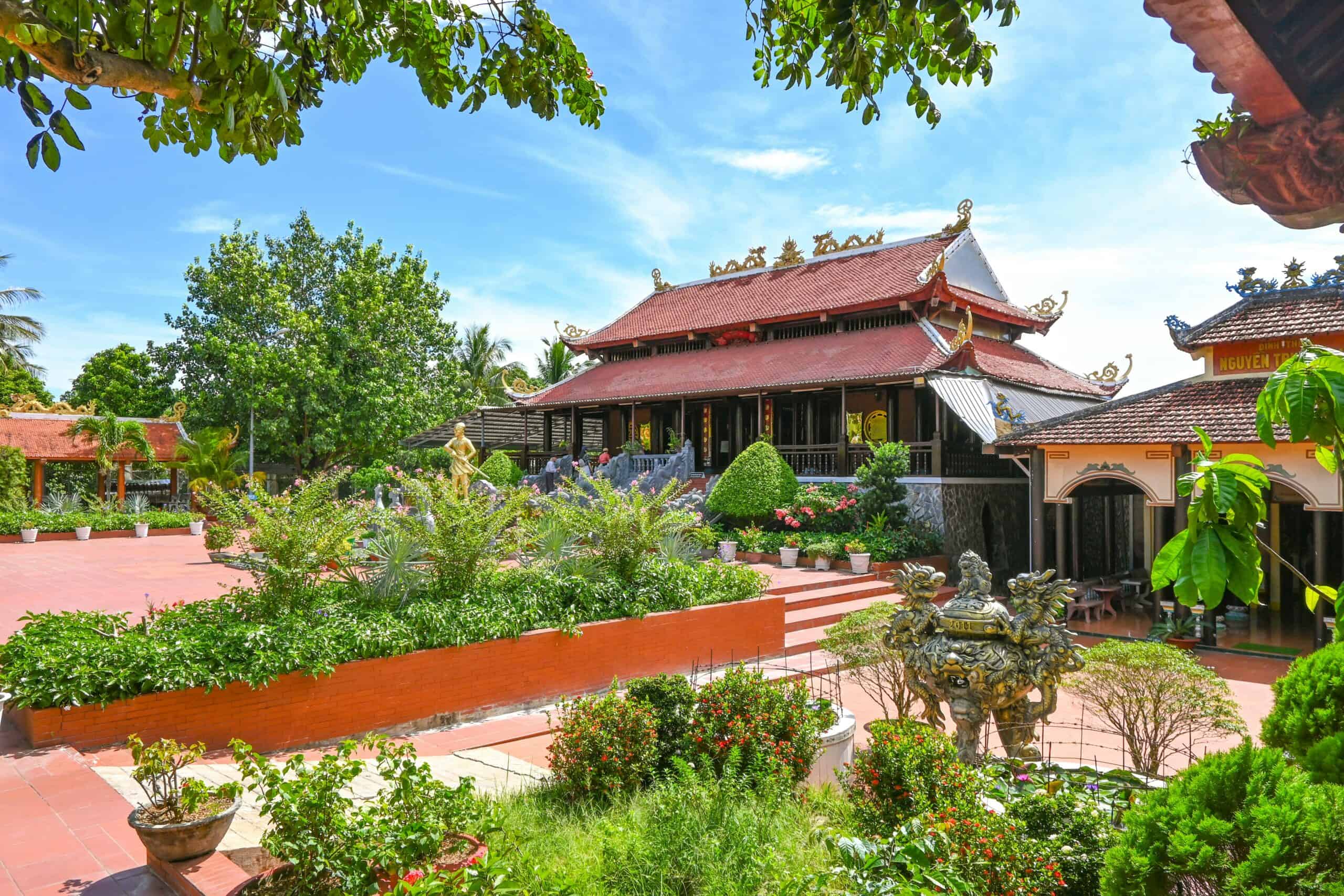
Phu Quoc pairs warm Gulf of Thailand water with a surprisingly varied inland from pepper farms and fishing villages to night markets that smell of charcoal and lime, with sand that shifts from white to honeygold. Vietnam’s tourism authorities have promoted the island, and travel platforms have flagged it for 2026, which explains the wave of new resorts, smoother roads, and boat trips that now run like clockwork, plus easy access to snorkeling coves and sunrise beaches. Even with that polish, the best hour stays simple: late light on the harbor, a plastic stool, and grilled squid served fast while the horizon turns copper and the breeze cools.
Labuan Bajo, Indonesia
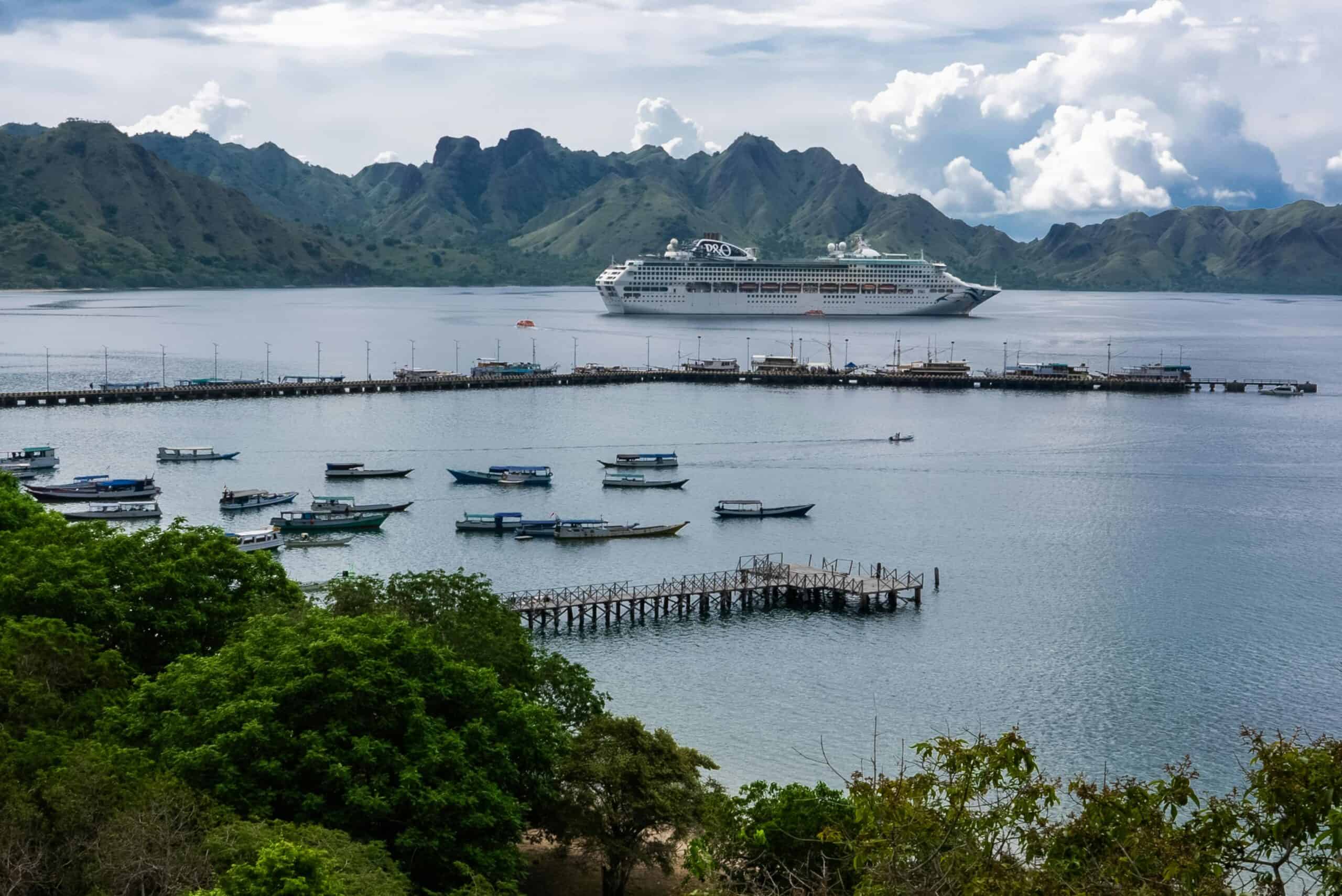
Labuan Bajo is the casual harbor town on Flores that opens the door to Komodo National Park, where ridgelines drop into water so clear it can look unreal. Days are built around boats, coves, and short hikes to viewpoints, with chances to spot manta rays and reef life without elite diving skills, just a good guide, a patient tide, and a willingness to wake early for calmer seas and fewer crowds, plus flexibility for park rules and fees. Between sails, cafes and simple hotels keep logistics easy, while evenings stay low-key, which is part of the appeal: grilled fish in dock-side air, and stars bright enough to make tomorrow feel close out here.
Patan, Nepal
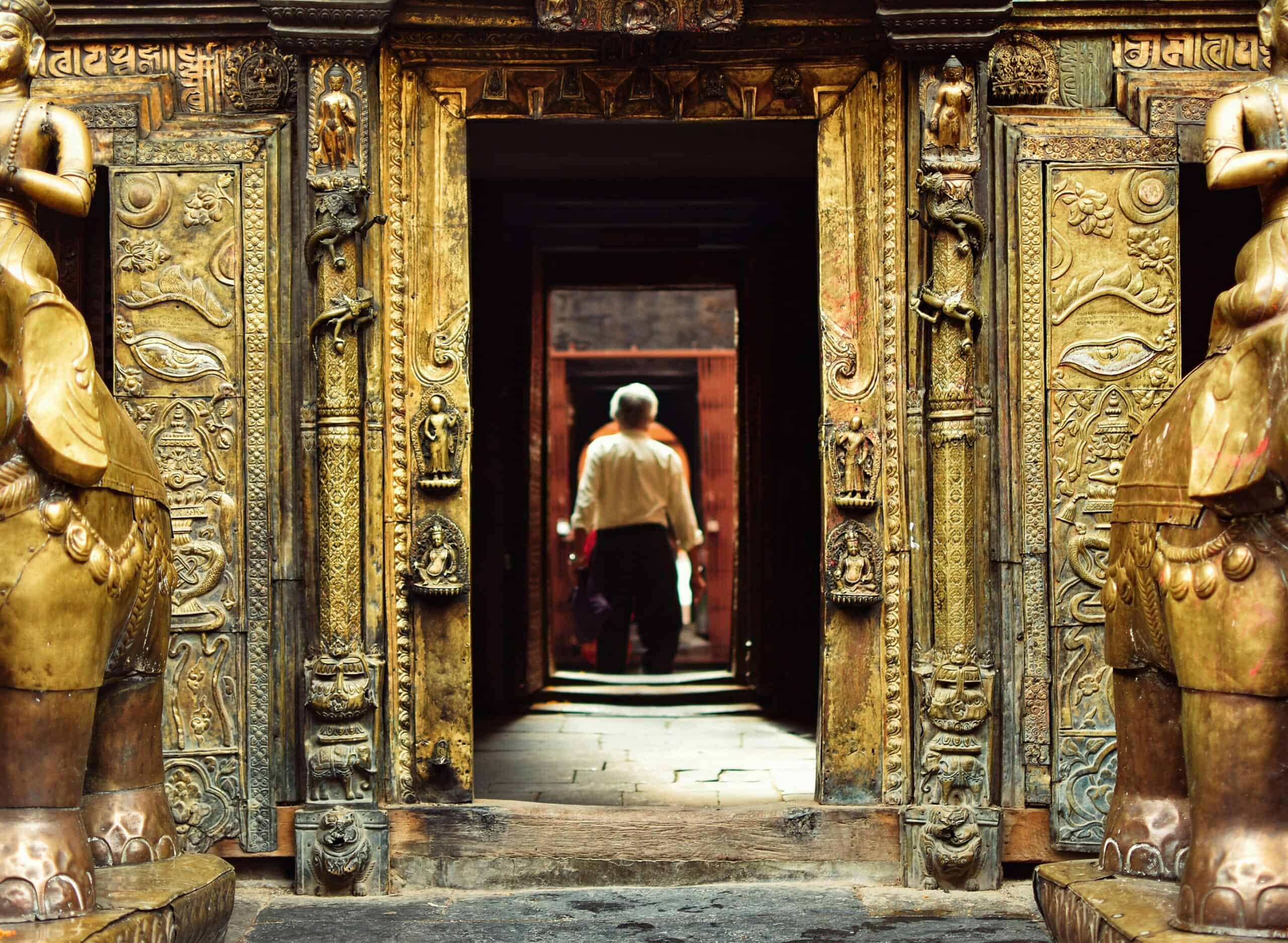
Patan, also called Lalitpur, offers a deep cultural stay without the sensory overload of a bigger capital, even though it sits just across the river from Kathmandu. Its courtyards, carved windows, and temple squares feel lived in, and artisan workshops keep metalwork, woodcraft, and thangka painting visible, so a walk becomes a quiet lesson in patience and skill, with art museums and cafés for a slow reset. Days move gently from morning tea to gallery stops and long lunches, and the light at dusk when bells ring and incense drifts through Durbar Square, makes the city feel like a sanctuary built for attention, then night comes soft and early.
Bentota, Sri Lanka
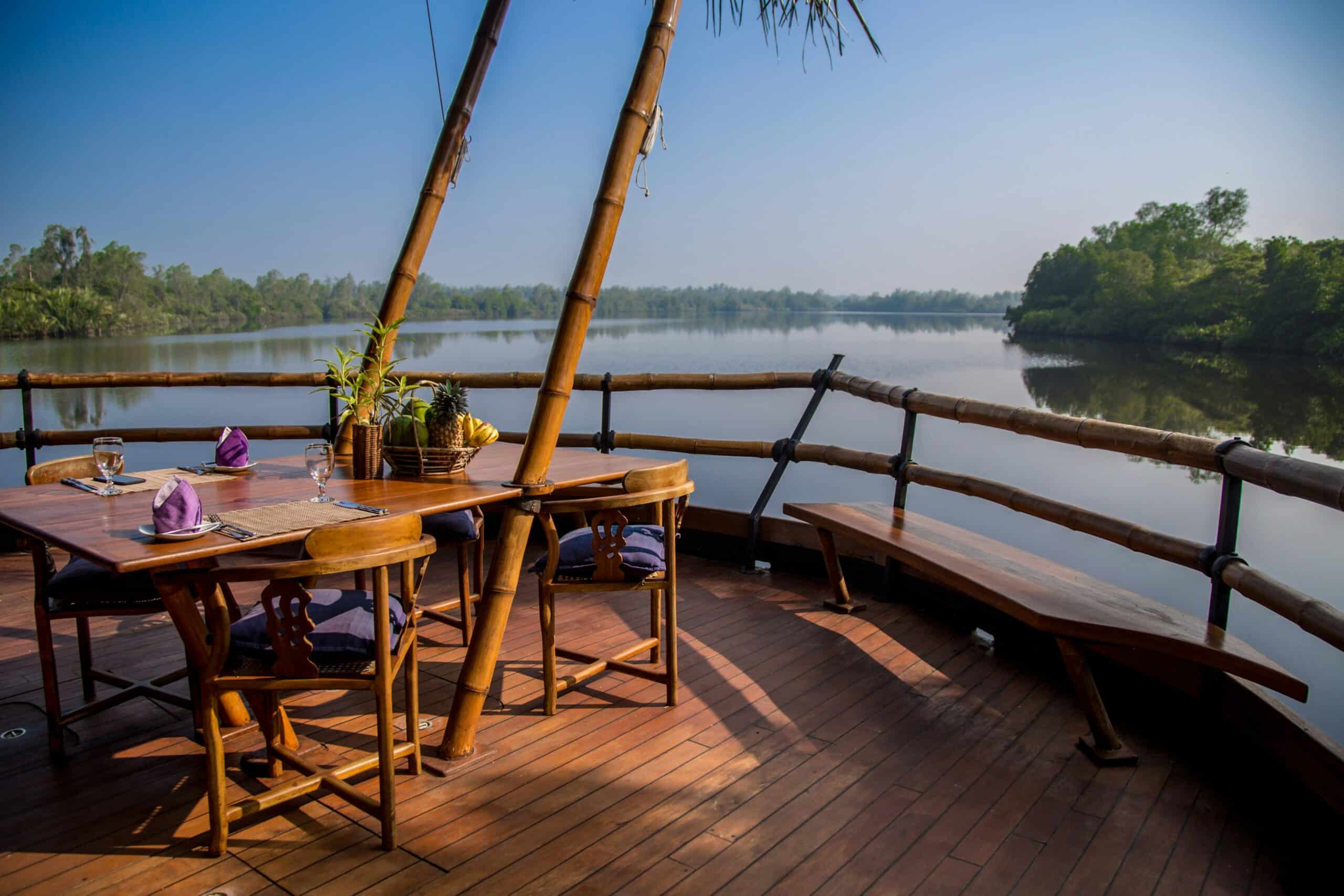
Bentota carries Sri Lanka’s softer coastal mood, where lagoon boat rides, palm-lined beaches, and cinnamon-scented breezes replace the pace of city travel, plus mangrove channels to explore. Travel trend watchers have highlighted the area as one of Asia’s spots to notice in 2026, and the appeal is practical as much as pretty: calm water for swimming, easy day trips to Galle and temples, seafood and hoppers for lunch, and hotels that still feel good value compared with louder resort strips. When the sun drops, riverbanks turn quiet, fishermen drift past and a slow walk back from the beach, salt on the skin, can make the trip feel newly simple.
Samarkand, Uzbekistan
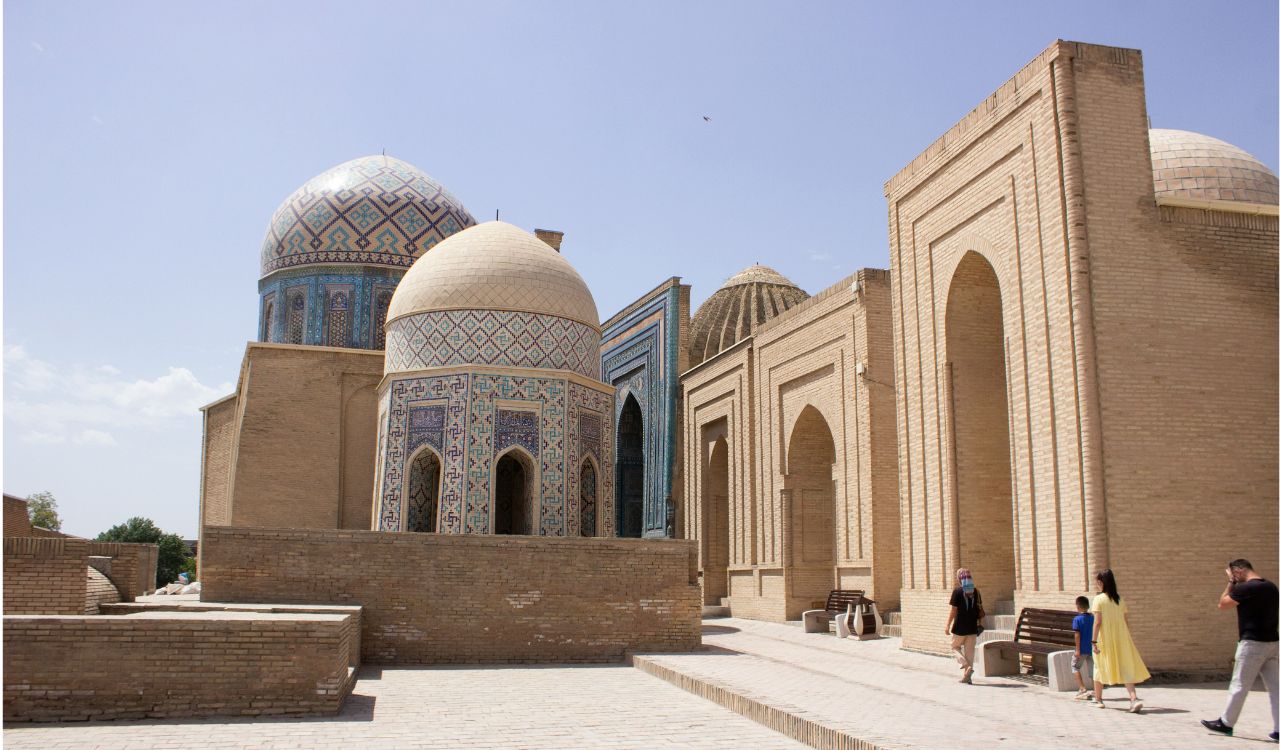
Samarkand is a Silk Road city that still looks impossible, as if someone decided blue tile should hold up the sky and then proved it could. The Registan shifts color through the day, and Uzbekistan’s rail network makes it easier to pair Samarkand with Tashkent and Bukhara without exhausting transfers, so a Central Asia journey can feel smooth rather than intimidating, even for travelers who have never crossed this part of the map. Shah-i-Zinda’s mosaic corridor, Gur-e-Amir’s dome, and the evening call to prayer add gravity, then daily life pulls it back down to earth in bread ovens, teahouses, and markets scented with dried apricot and cumin.
Seoul, South Korea

Seoul is one of the few megacities that can satisfy almost any travel mood in a single day, from palace courtyards and museums to a mountain hike before dinner, followed by barbecue smoke and bars after dark. Neighborhoods carry distinct personalities, so the city never blurs into one big skyline: hanok lanes, design cafés, night markets, and quiet riverside paths all feel like separate chapters that connect by subway in minutes. For 2026 travelers, the appeal is clarity, with easy transit, strong Wi-Fi, jjimjilbang saunas for recovery, and day trips to coastal towns or national parks that add air to the itinerary without breaking the rhythm.