We may earn money or products from the companies mentioned in this post. This means if you click on the link and purchase the item, I will receive a small commission at no extra cost to you ... you're just helping re-supply our family's travel fund.

Americans move far less than they once did. In the mid-20th century, relocation was common; today, annual mobility hovers below 10%. Yet some states stand out for another reason: once people are born there, they tend to stay. Whether driven by economic opportunity, cultural identity, affordability, or geography, these places create lasting attachment. Below are seven states where residents are statistically more likely to remain and the reasons their roots hold firm.
1. Hawaii

Roughly two-thirds of Hawaii’s residents were born in the state, a remarkably high share compared with national averages. Family ties stretch across generations, and multigenerational households are common, reinforcing community bonds that discourage relocation.
Geography adds another layer. Moving to the mainland can cost several thousand dollars more than a typical interstate move. With average temperatures between 75°F and 85°F year-round and over 270 sunny days annually, daily life feels consistently inviting. Cultural traditions, tight-knit neighborhoods, and island identity often outweigh economic pressures, keeping many residents anchored for life.
2. Texas
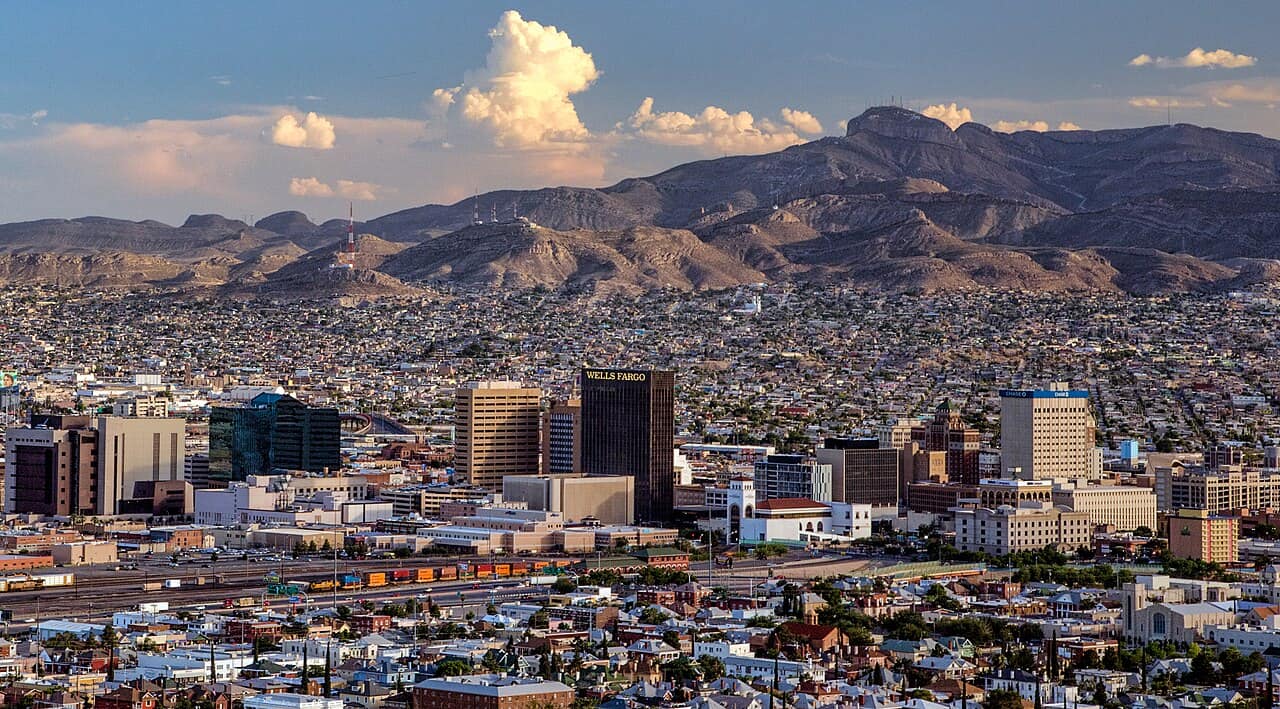
More than 60% of Texans live in the state where they were born, reflecting strong long-term retention. Texas also boasts one of the largest state economies in the country, generating over $2 trillion in annual output.
The absence of a state income tax allows households to keep more of their earnings, which can translate into thousands saved each year. Major cities continue posting steady job growth, often near or above 3% annually. With median home prices still below many coastal markets, families frequently build stable careers without feeling compelled to move elsewhere.
3. California

Around 55–60% of Californians are native-born, a substantial figure for such a populous state. Its economy exceeds $3 trillion, ranking among the largest in the world if compared independently. That scale creates opportunity across technology, agriculture, film, and global trade.
While median home values can surpass $700,000, wages in key industries remain competitive. Many regions receive more than 250 sunny days per year, and residents can access beaches, mountains, and deserts within hours. Deep professional networks and cultural diversity encourage long-term settlement despite high living costs.
4. Ohio
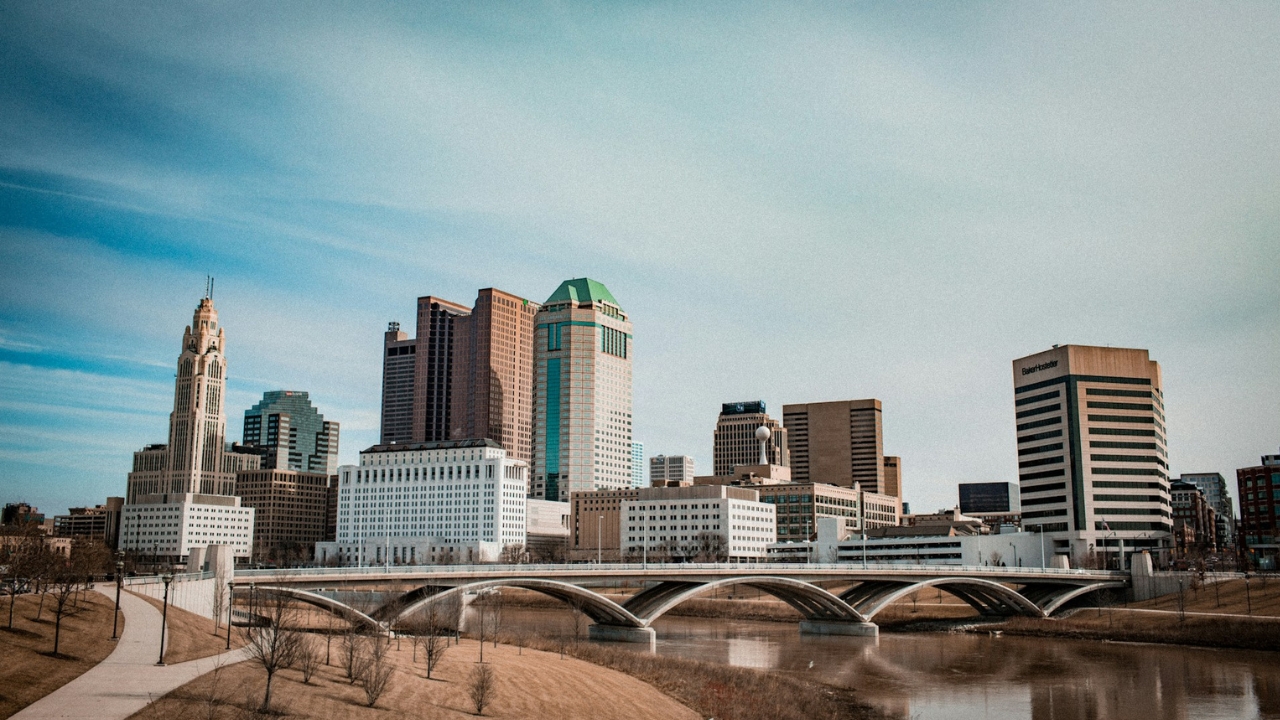
Approximately 70% or more of Ohio’s residents were born in the state, placing it among the nation’s highest retention rates. The cost of living typically runs below the national average, often by 8–10%, making long-term stability achievable.
Major cities such as Columbus and Cincinnati offer expanding sectors in healthcare, logistics, and finance. Median home prices frequently remain under $300,000, allowing families to purchase property earlier in life. Central geography also means nearly half of the U.S. population is within a day’s drive, reducing the need to relocate for opportunity.
5. Wisconsin
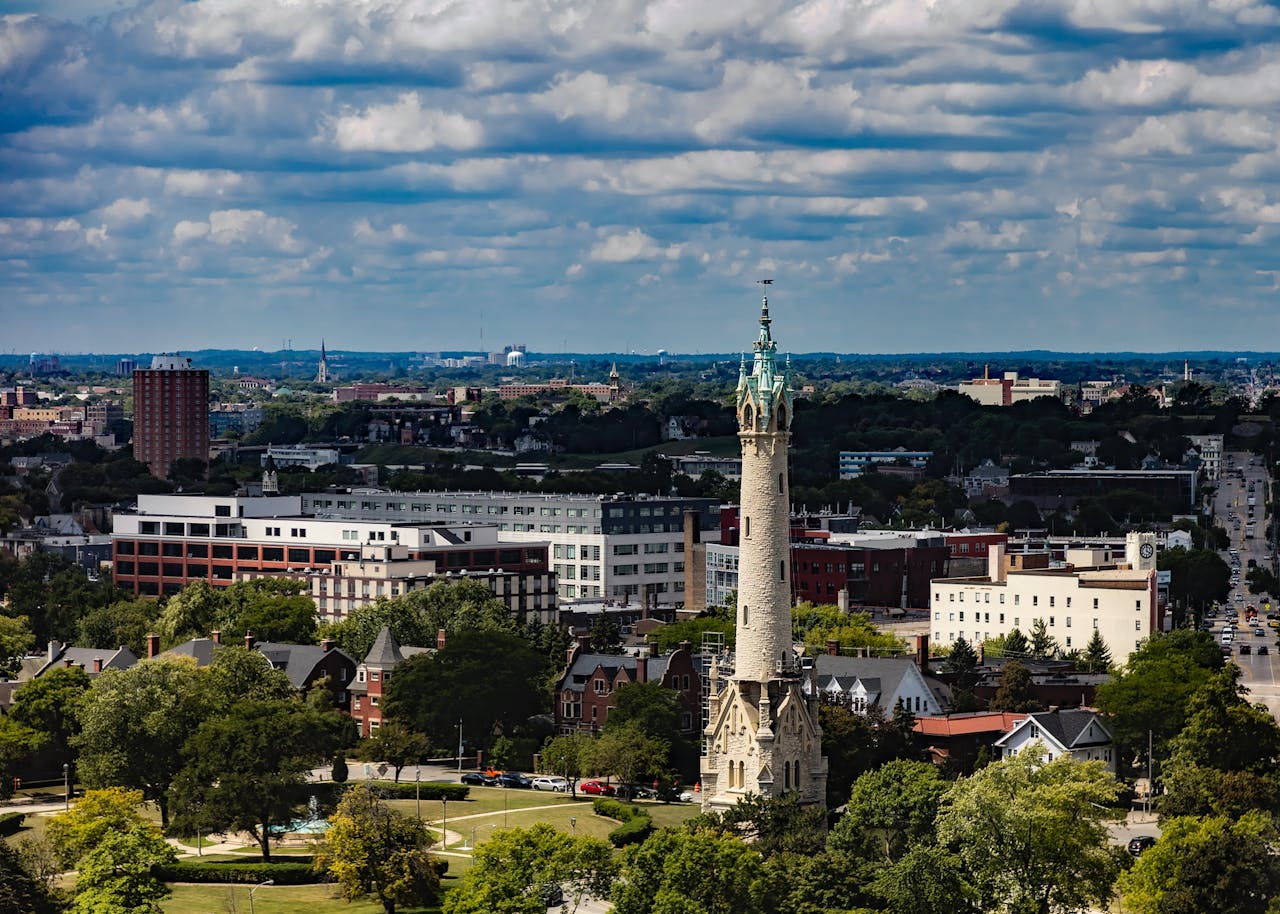
About 70% of Wisconsin residents still live in their birth state, reflecting strong generational continuity. Community traditions, local industries, and small-town networks create durable social ties that extend beyond employment.
Housing affordability plays a key role; median home prices often stay below $300,000, while living costs remain modest compared to national figures. Even with winter temperatures that regularly dip below freezing, shared cultural experiences from local sports enthusiasm to neighborhood festivals, strengthen belonging and reduce outward migration.
6. North Carolina
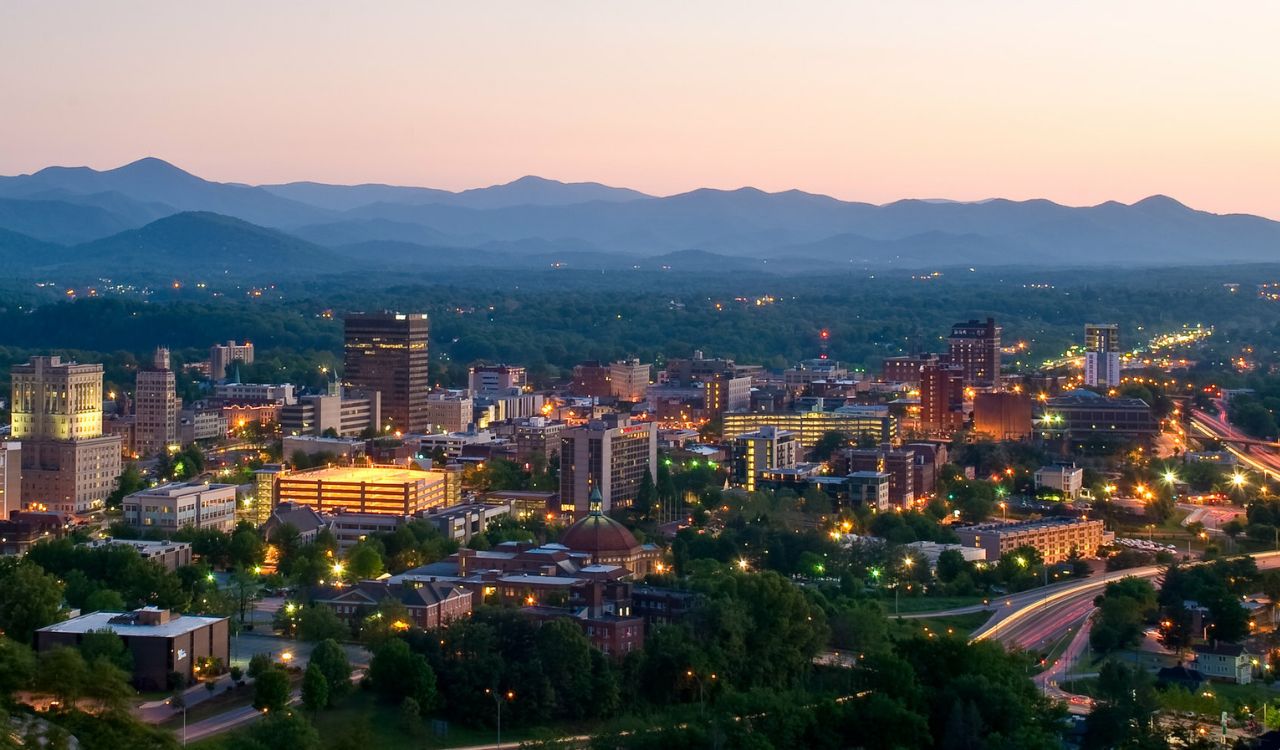
More than half of North Carolina’s population was born there, and many who leave for college or military service eventually return. The Research Triangle region alone supports hundreds of thousands of jobs in education, biotech, and technology.
Median home prices hover near or below $350,000 in many areas, offering a balance between growth and affordability. Residents can reach mountains or Atlantic beaches within a few hours, adding lifestyle variety without crossing state lines. Economic momentum paired with geographic diversity gives families little incentive to seek opportunity elsewhere.
7. Minnesota

Close to 65–70% of Minnesotans were born in the state, demonstrating lasting attachment despite famously cold winters. Median household incomes often exceed $80,000, supported by stable sectors such as healthcare, manufacturing, and retail headquarters.
Education levels are high, with more than one-third of adults holding bachelor’s degrees or higher. Even when temperatures drop below 0°F in winter months, strong civic engagement and community infrastructure sustain quality of life. For many residents, predictable opportunity and trusted institutions outweigh the appeal of warmer climates.