We may earn money or products from the companies mentioned in this post. This means if you click on the link and purchase the item, I will receive a small commission at no extra cost to you ... you're just helping re-supply our family's travel fund.
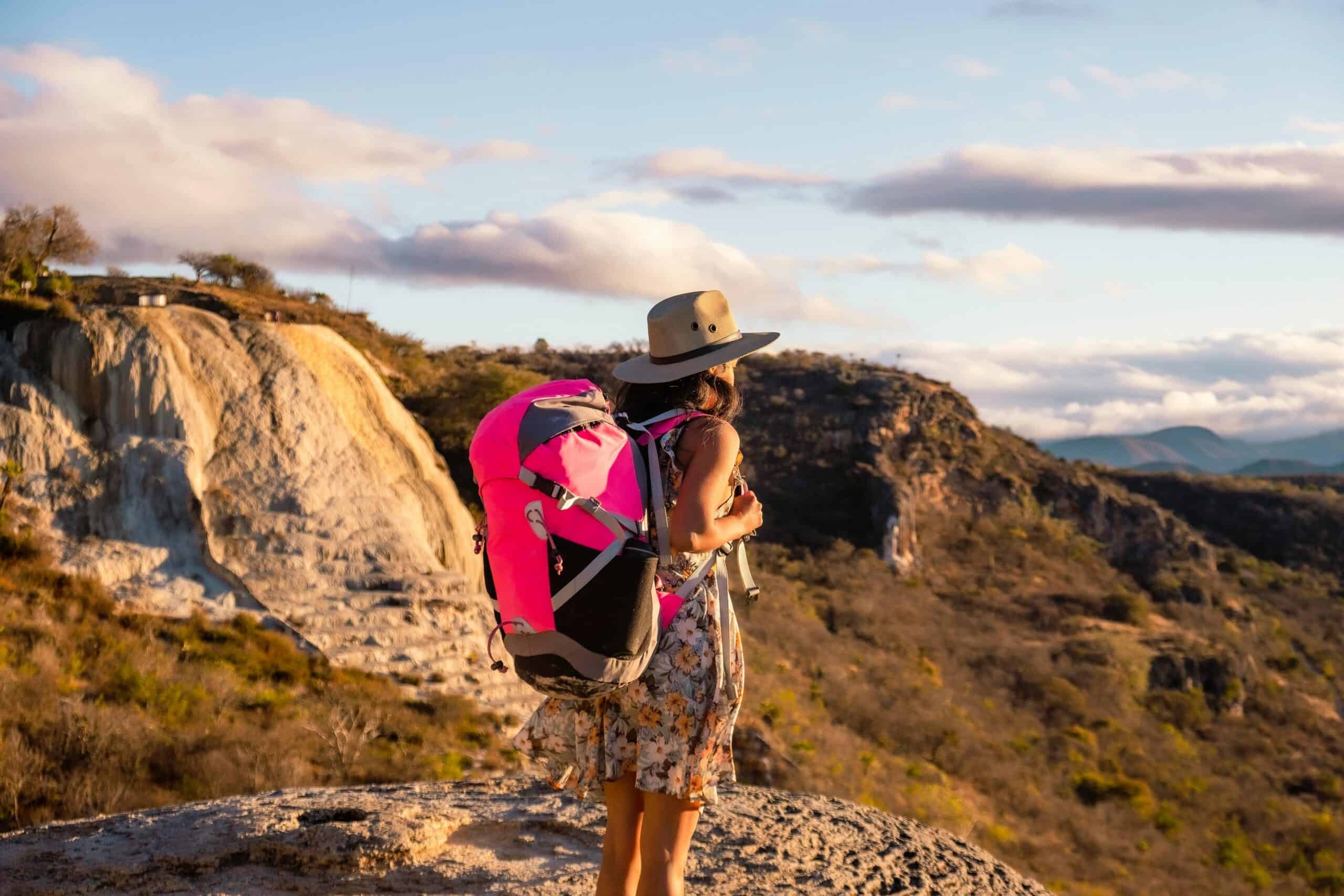
Solo travel often gets boxed into extremes, either painted as lonely and risky or romanticized as endlessly freeing. The reality sits somewhere in the middle, shaped by everyday choices rather than big ideas. It is not about escaping life or proving independence. It is about moving through unfamiliar places with attention and responsibility. What begins as uncertainty usually settles into rhythm. When common assumptions fall away, solo travel becomes less dramatic and more grounded, built on awareness, flexibility, and a clearer sense of how someone experiences the world.
Solo Travel Is Always Lonely
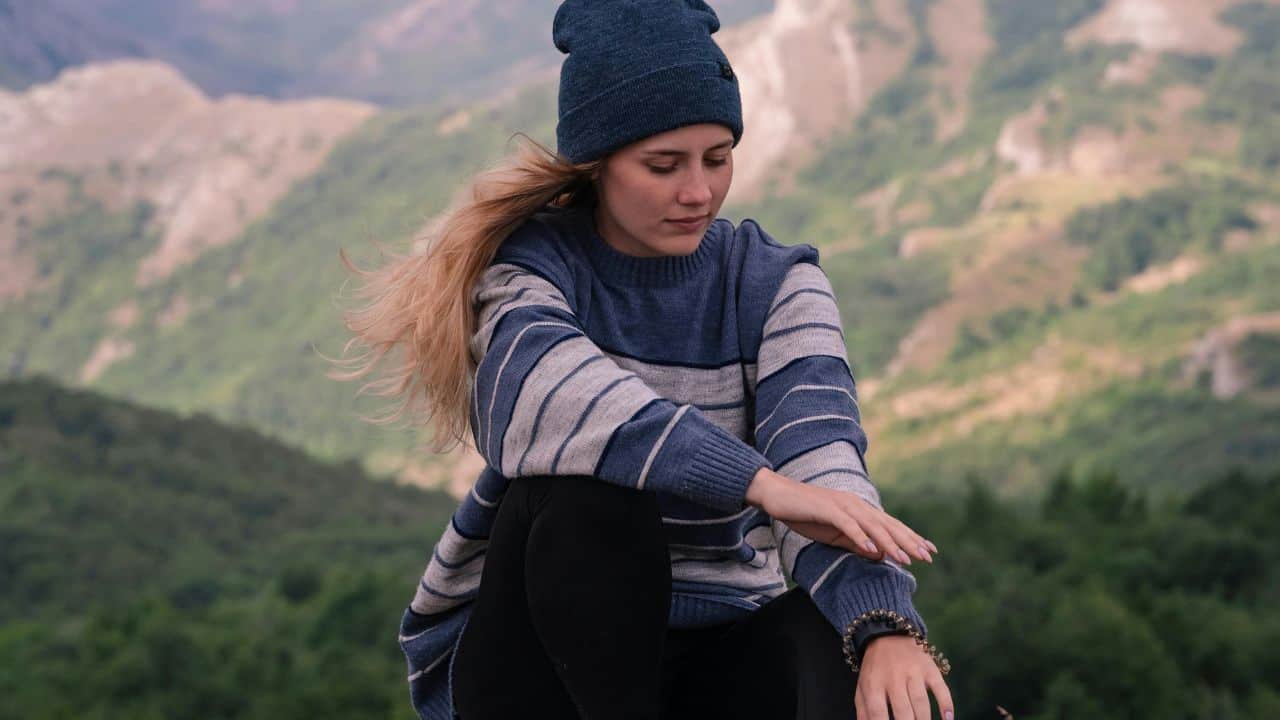
The idea of constant loneliness rarely holds up in real situations. Time spent alone tends to sharpen awareness rather than isolate. Streets, cafés, and shared spaces become more noticeable, and small interactions carry more weight. Conversations happen naturally, often because there is no distraction from companions. Even quiet moments feel purposeful instead of empty. Solitude shifts from something to avoid into something that adds depth, creating space to observe, think, and engage with surroundings in a more direct and personal way.
Solo Travel Is Inherently Unsafe
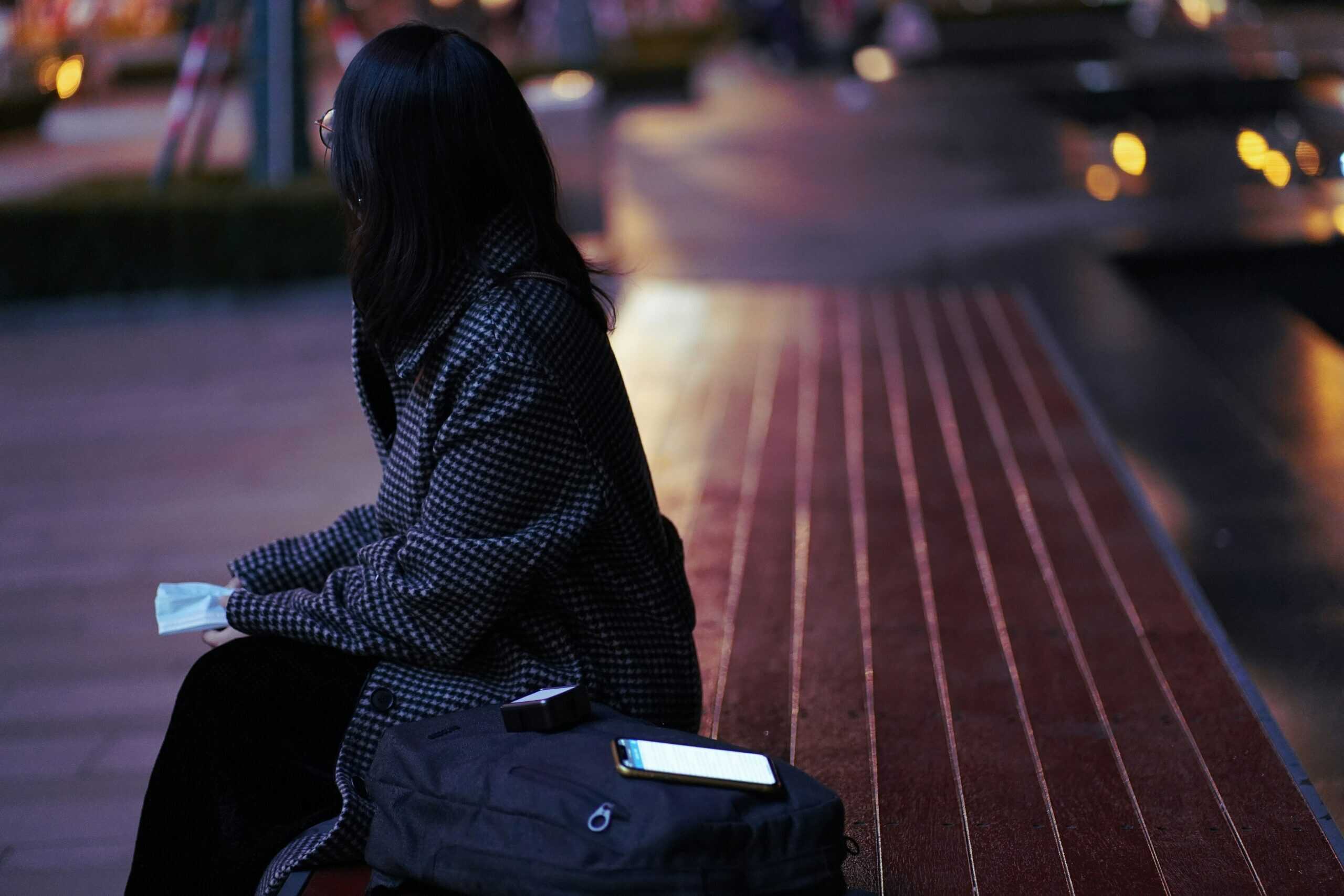
Safety is often the first concern, but traveling alone does not automatically increase risk. In many cases, solo travelers stay more alert and make more deliberate choices. They pay closer attention to their environment, timing, and movement between places. Most destinations that welcome tourism have systems in place that support independent visitors. Risk exists, but it is shaped more by behavior than by whether someone is alone. Awareness, preparation, and simple judgment tend to matter far more than numbers.
It Is Only for the Young
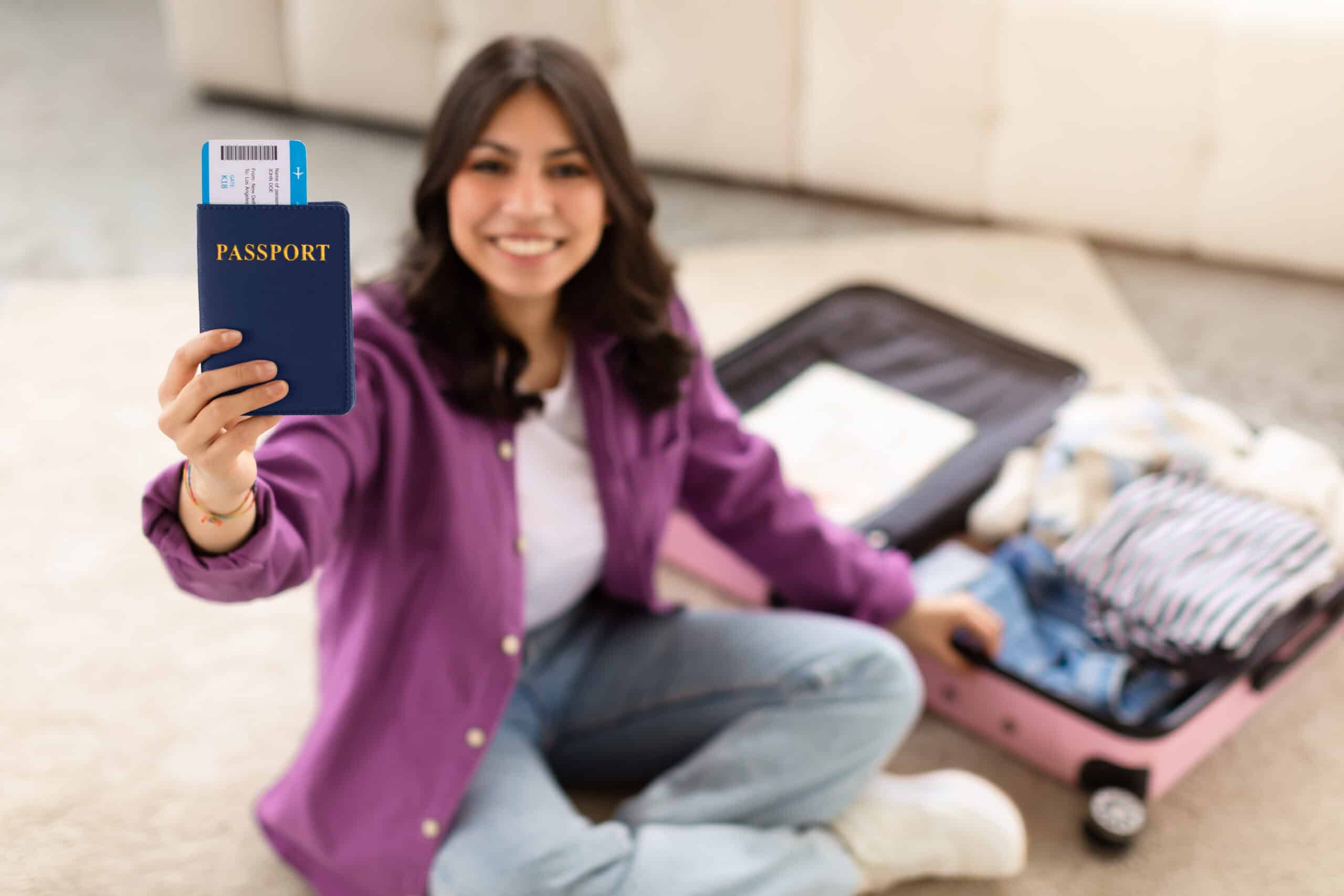
Solo travel is often framed as something for people in their 20s, but that view is narrow. Travelers in their 30s, 40s, and beyond often approach it with more clarity and intention. Priorities shift toward comfort, cultural depth, or slower exploration, which can make the experience more meaningful. Experience brings confidence in decision-making, not limitation. Age changes the pace, not the possibility. Solo travel adapts easily to different stages of life, often becoming richer as perspective grows.
Solo Travelers Eat Alone All the Time

Eating alone is often imagined as awkward, but it settles quickly into something normal. A table for one becomes a place to slow down and notice details, from flavors to atmosphere. Without conversation to fill the space, attention sharpens. In many settings, it even opens the door to brief exchanges with staff or other diners. Meals become less about social expectation and more about presence. Over time, the discomfort fades, replaced by a sense of ease that feels natural rather than forced.
It Is More Expensive Than Group Travel
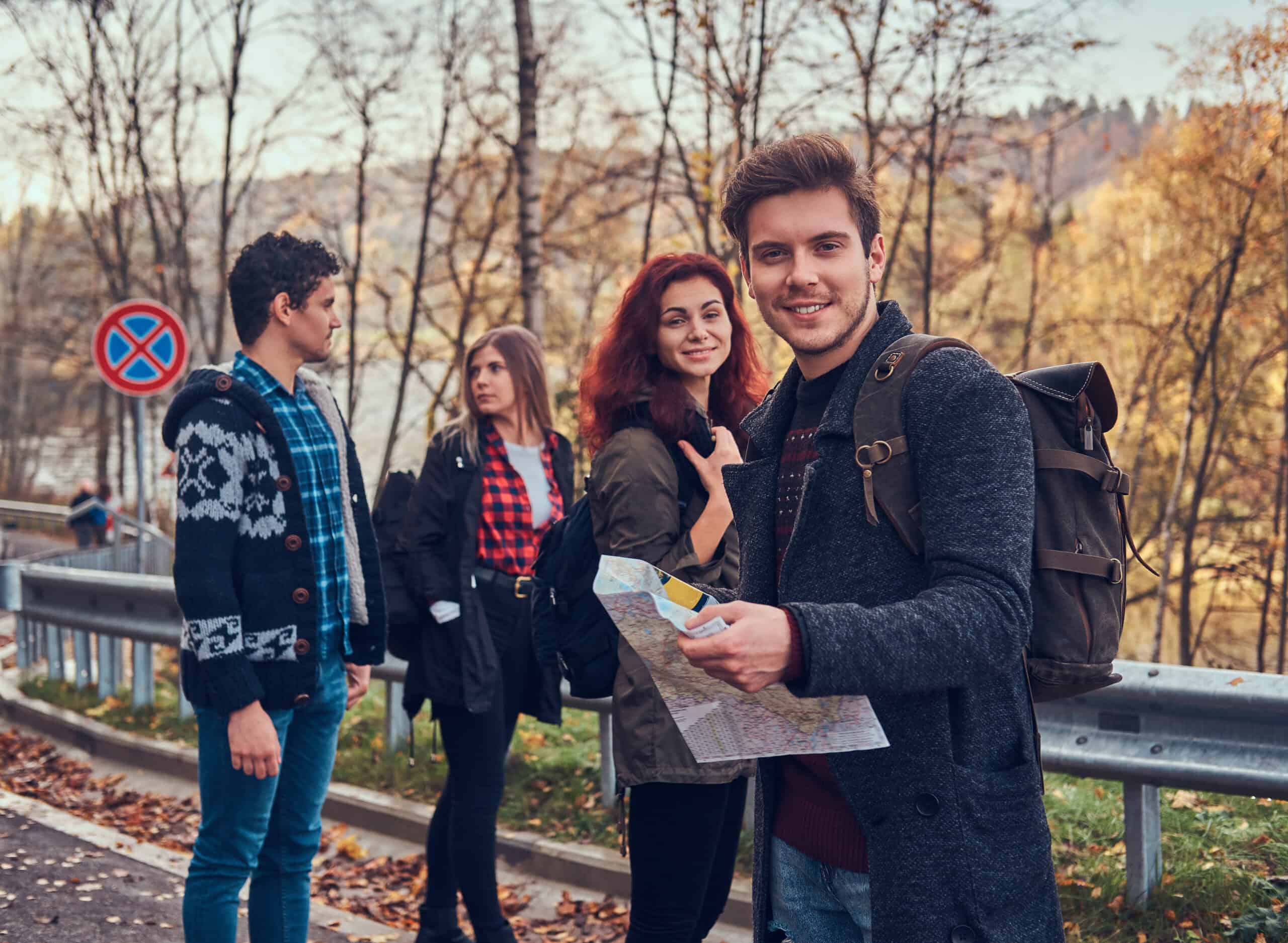
Solo travel can look expensive at first glance, but it offers full control over spending. Without needing to match others’ preferences, choices around lodging, food, and activities become more flexible. Budget options are often easier to navigate alone, from smaller accommodations to local transport. Costs can be adjusted day by day based on priorities. What seems limiting at first often becomes freeing, allowing decisions to reflect personal value rather than compromise or group expectations.
Planning Has to Be Perfect
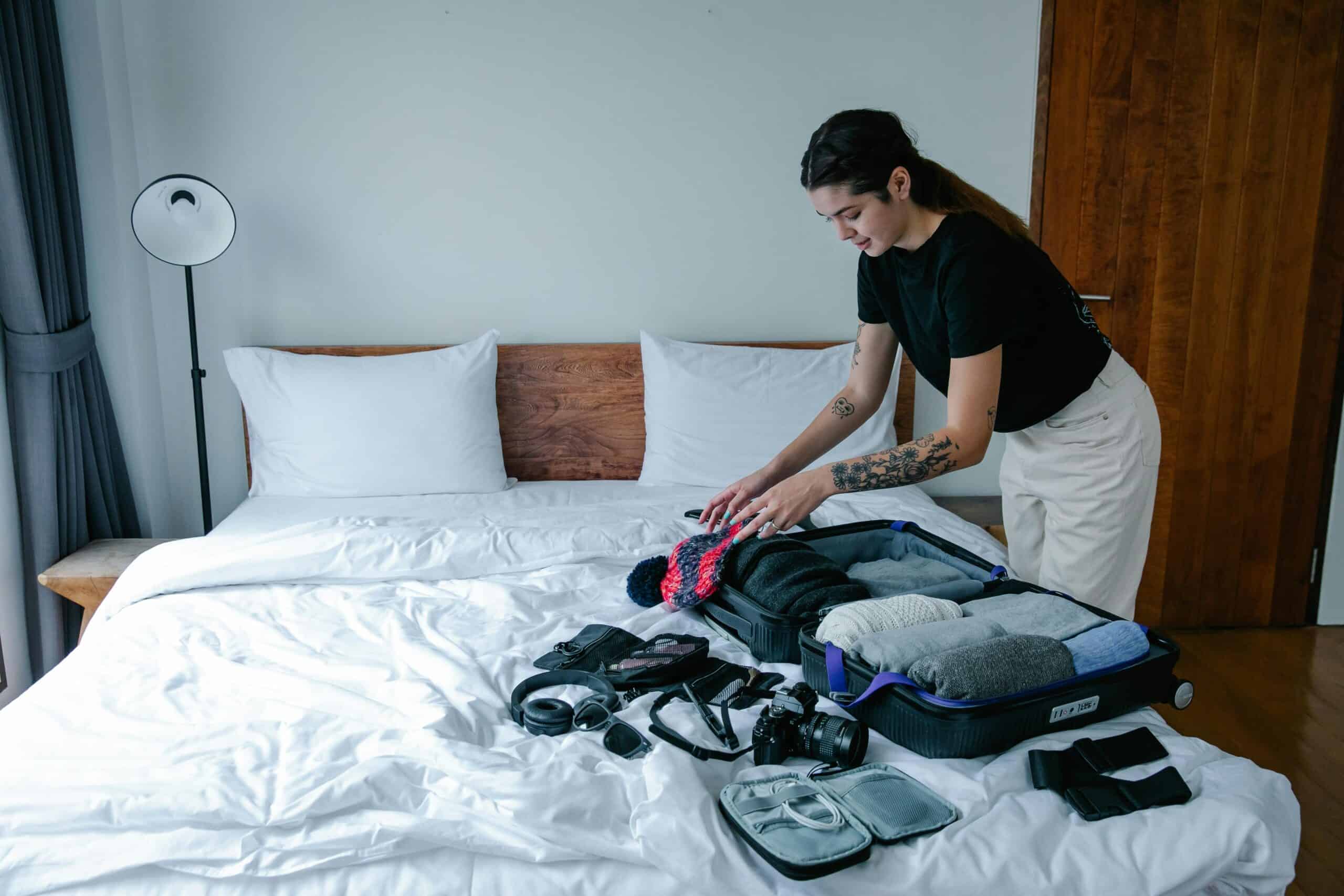
There is a belief that solo travel requires detailed, fixed planning, but too much structure can get in the way. Basic preparation matters, but flexibility shapes the experience. Plans change, routes shift, and unexpected opportunities appear without warning. Being alone makes it easier to adapt quickly, without negotiation or delay. That freedom allows the journey to evolve in real time. Instead of following a rigid schedule, solo travel often works best when there is space to adjust and respond.
It Requires Constant Confidence
Confidence is often seen as a starting point, but it usually develops through experience. Moments of uncertainty are part of the process, not something to avoid. Navigating unfamiliar places, solving small problems, and making independent decisions build trust over time. That growth happens gradually, often without notice. Solo travel is less about feeling confident at every step and more about becoming steady through repetition. What begins as hesitation often settles into quiet assurance.