We may earn money or products from the companies mentioned in this post. This means if you click on the link and purchase the item, I will receive a small commission at no extra cost to you ... you're just helping re-supply our family's travel fund.
Tripods used to be harmless signs of patience and craft, but many venues now see them as commercial markers that change how people move through a space. A single set of metal legs can block paths, slow foot traffic, or turn a quiet corner into a portrait bay with clients waiting behind the lens. By 2026, more sites tie tripods to permits, insurance, and usage fees, reshaping how photographers plan sessions in places that once felt like open canvases.
Grand Central Terminal, New York
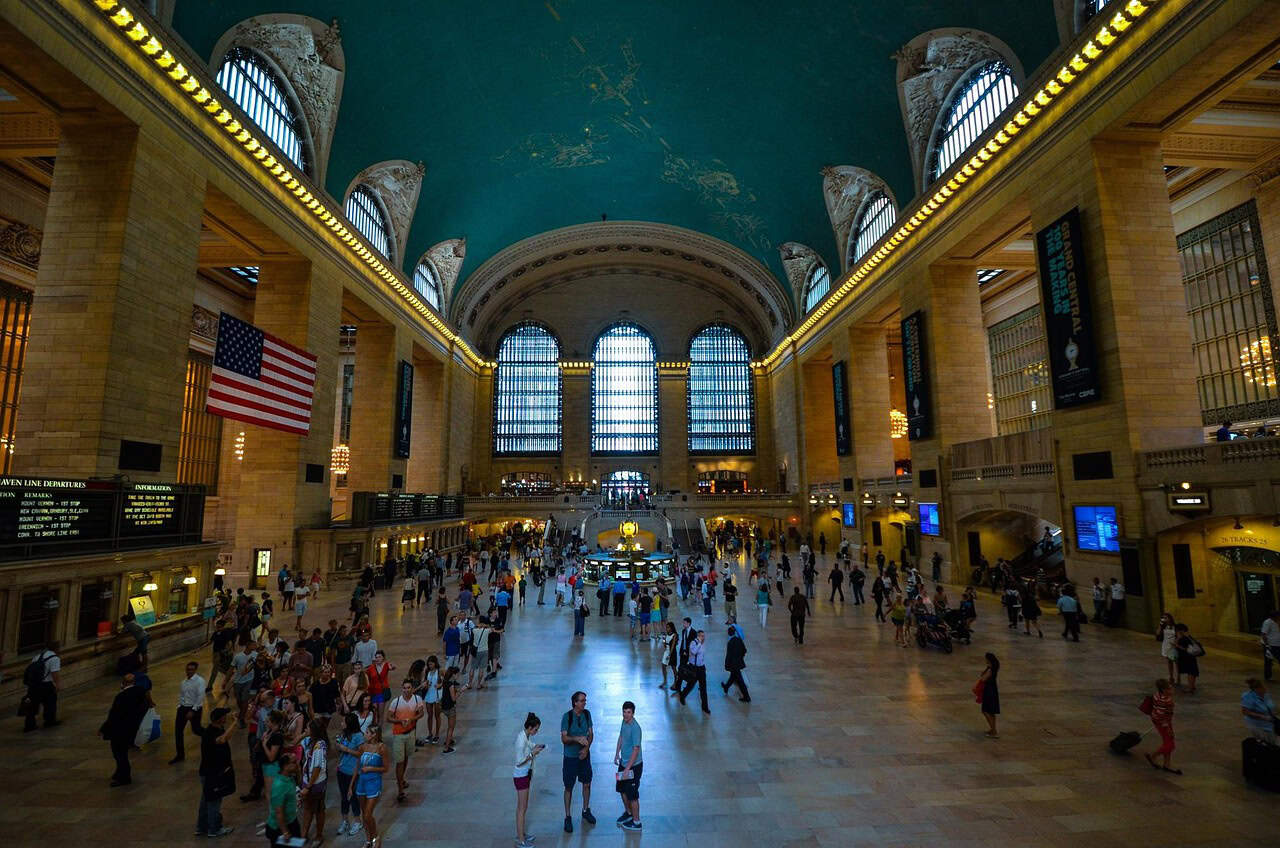
Grand Central welcomes handheld cameras all day, but staff grow alert the moment a tripod touches the marble. Management classifies it as professional equipment, which shifts the shoot into permit territory handled through corporate affairs. The reasoning blends security concerns, crowd control, and strict oversight of images tied to the terminal’s identity. Once a tripod appears, even a solo photographer is treated like a production, expected to follow rules designed for larger crews and commercial brands that use the space as a visual asset.
Central Park Iconic Spots, New York
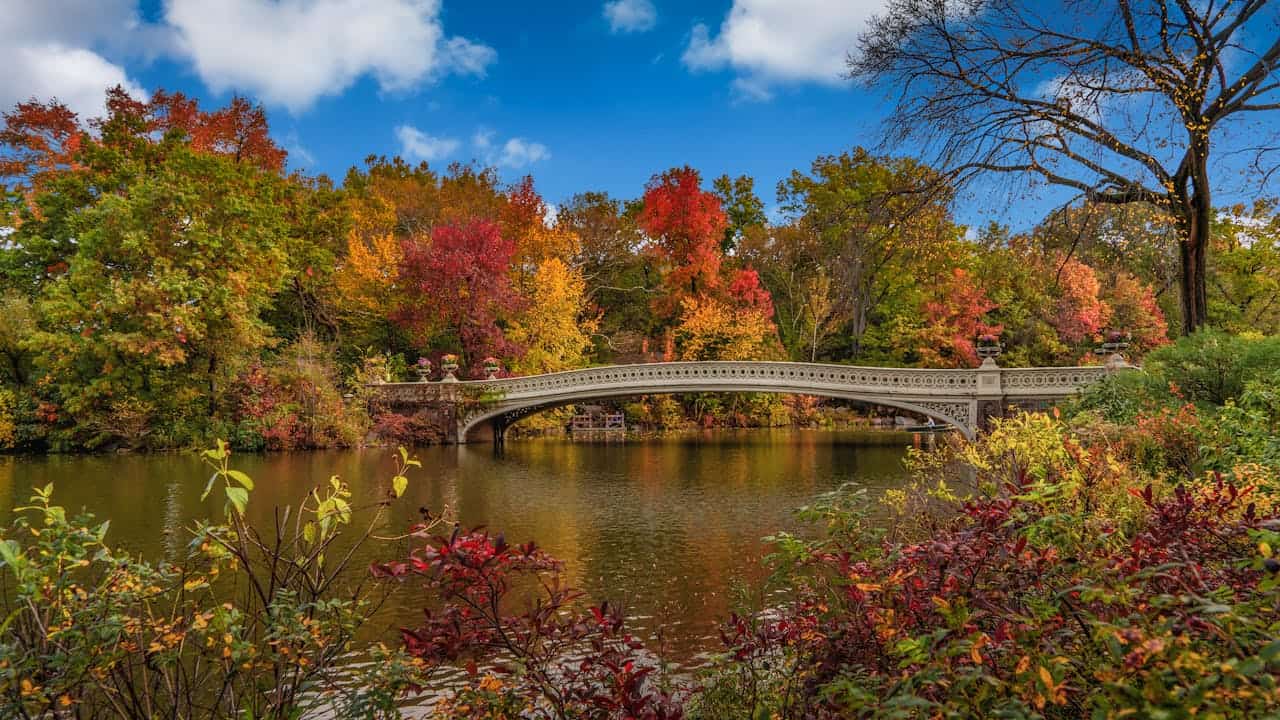
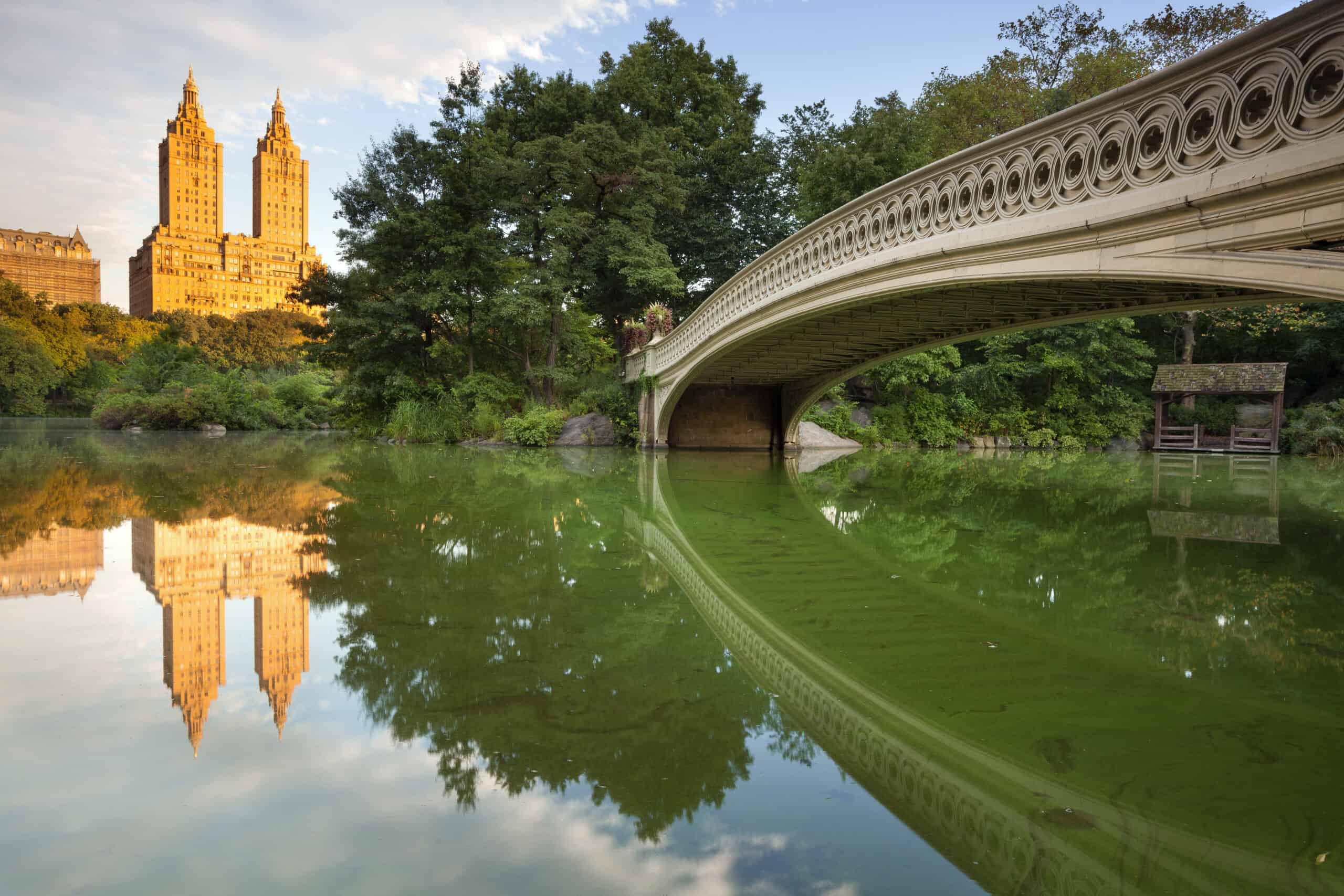
Central Park still feels casual at first glance, yet rangers read gear as intent. A tripod near Bethesda Terrace might pass as personal use, but once styled outfits, props, or multiple angles appear, the session is treated as organized work. That can trigger the city’s official permit system run through the film office, which comes with fees and conditions. Popular arches and bridges see heavy traffic, so managers rely on these rules to prevent congestion. In 2026, a tripod often becomes the quiet dividing line between hobby and business.
National Mall Memorials, Washington, D.C.
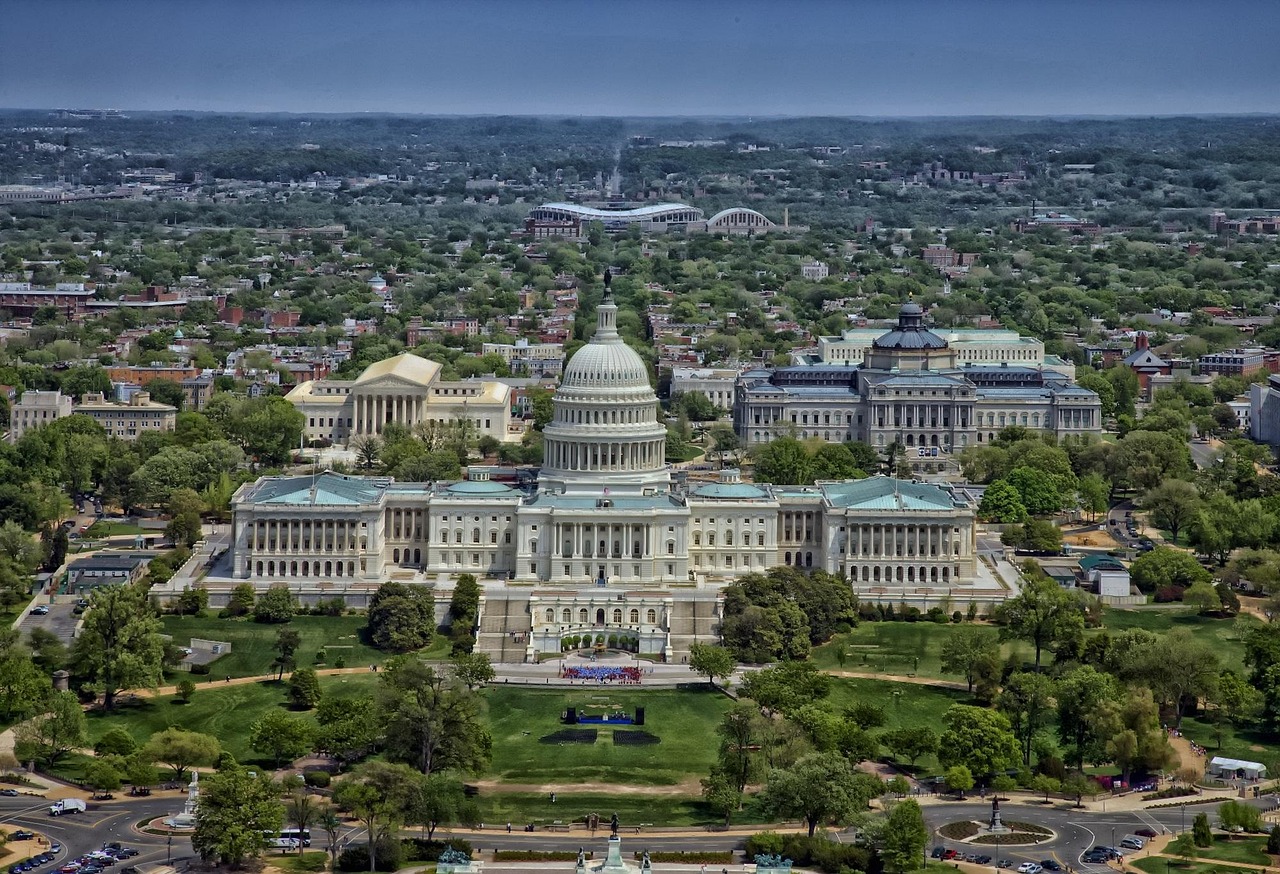
The National Mall remains one of the most photographed stretches in the country, yet long sessions with tripods quickly raise red flags for rangers. Casual images are fine, but structured shoots with poses, assistants, and reflective gear fall under still photography permits that may require insurance and location fees. Crowds around major monuments leave little room for semi-professional setups that behave like productions. By 2026, visitors shooting brand content or portraits discover that a tripod often changes the entire legal status of their session, even with only a couple of people involved.
Big Bend National Park, Texas
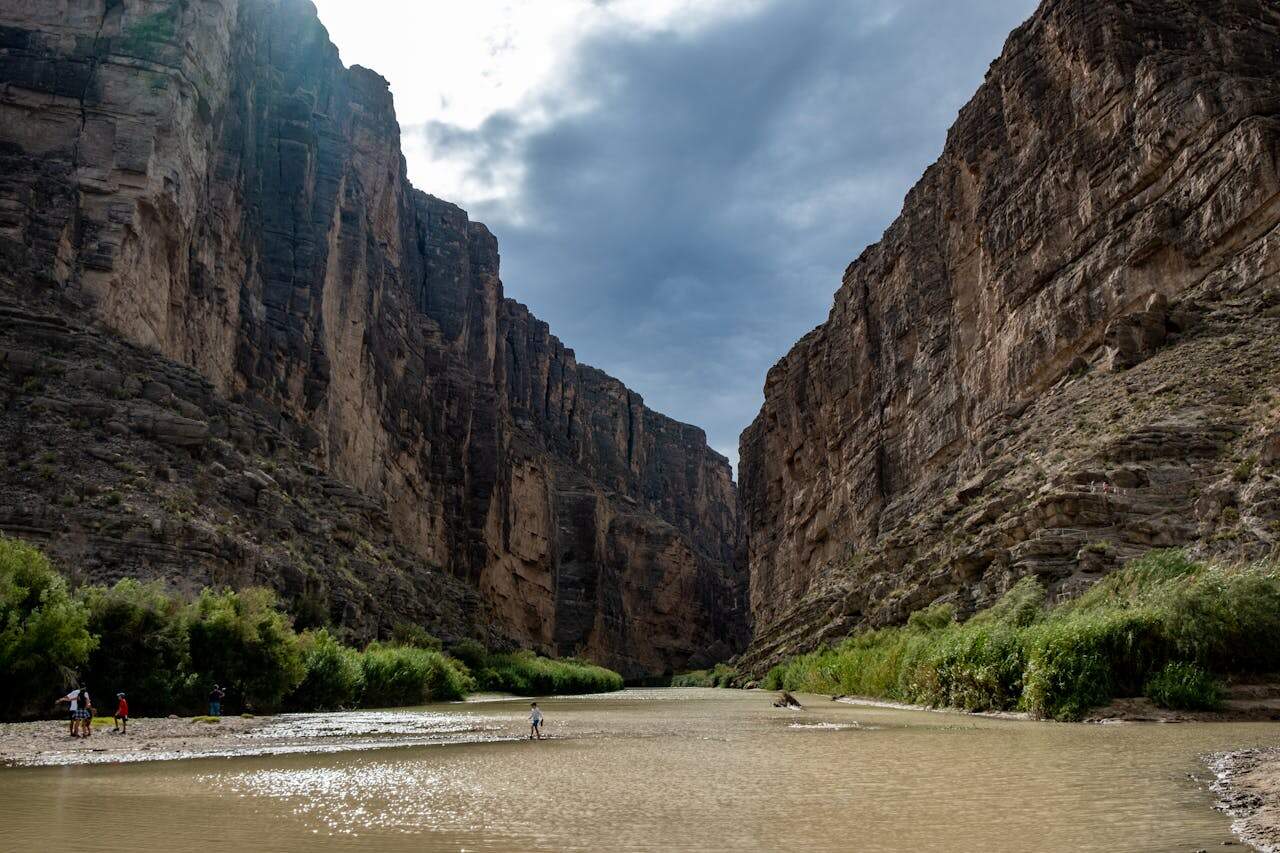
Big Bend looks wide enough for any tripod, but the park’s rules anticipate the difference between a quiet landscape shot and a commercial project. A single tripod at a viewpoint rarely attracts attention, yet fashion campaigns, branded content, or night photography workshops with multiple setups fall under commercial permits that require applications, lead time, and potential location fees. The park aims to protect fragile terrain and avoid conflicts at narrow scenic overlooks. In 2026, anyone planning a polished shoot here treats the desert like a rented studio rather than an unregulated backdrop.
Shinzen Japanese Garden, Fresno, California
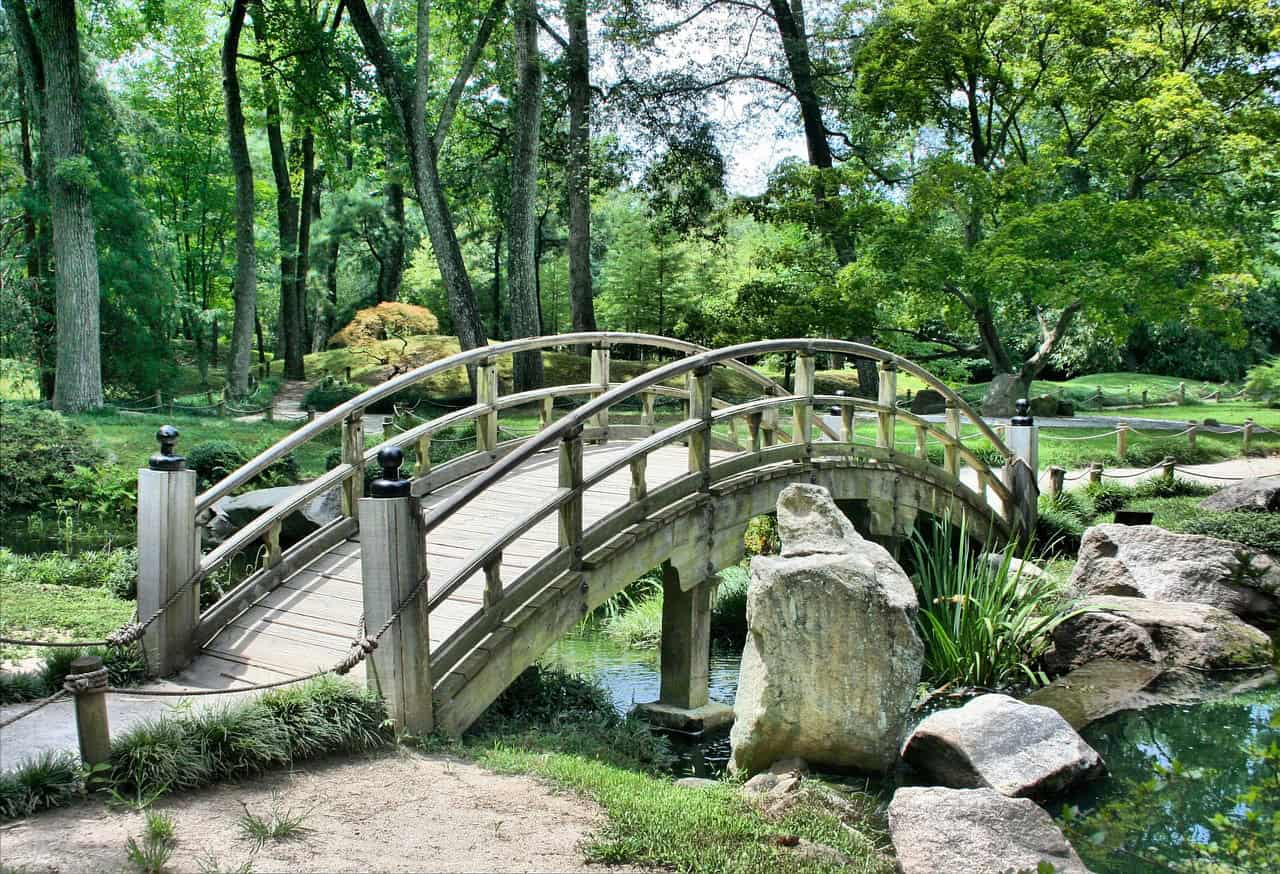
Shinzen Japanese Garden draws portrait sessions year-round, which is why the staff grew strict about gear. Phones and handheld cameras count as normal use, but prosumer bodies, tripods, and lights trigger a mandatory photo permit with fixed pricing and time windows. The garden wants to prevent crowded bridges, blocked paths, and constant weekend queues that turn a quiet refuge into a rotating photo set. For most local photographers, bringing a tripod now implies budgeting for the permit, because the moment the legs open, they are classified as working professionals.
Olbrich Botanical Gardens, Madison, Wisconsin
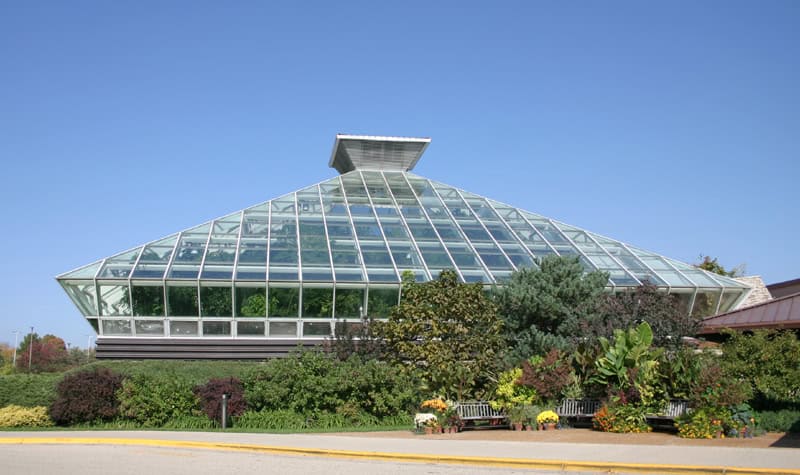
Olbrich’s beauty makes it a magnet for posed sessions, and its policies reflect years of juggling visitors and photo crews. Casual photography stays free, but any tripod or formal posing near curated beds can require a permit that includes hourly or full-day fees. Commercial or promotional work is treated like a location rental with controlled timing and limited crew sizes. Staff rely on these rules to protect delicate plantings and maintain guest flow. By 2026, tripods are seen less as creative tools and more as clear indicators that money, clients, or branded images are involved.
Agritopia Farm, Gilbert, Arizona
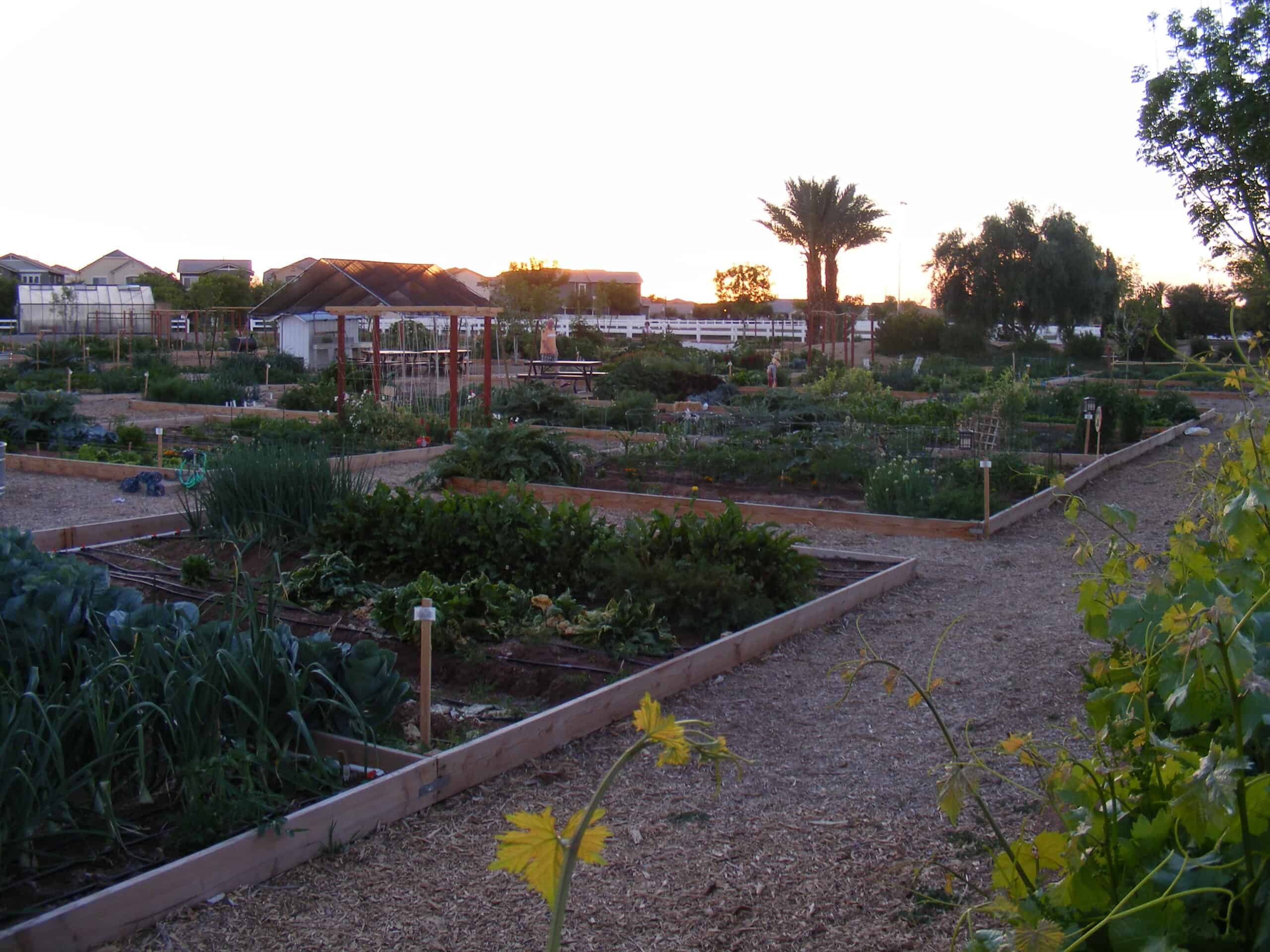
Agritopia’s orchards and long rows create a naturally cinematic backdrop, attracting influencers and small brands who plan content in structured blocks. The farm considers tripods, light stands, and multiple outfits as signals of commercial intent and charges hourly rates with advance approval. Staff manage parking, crop protection, and guest safety, so even small tripod setups fall into the paid category. In 2026, many photographers treat the farm like a professional set, knowing that the moment they open their tripod, they enter a commercial arrangement, not a casual visit.