We may earn money or products from the companies mentioned in this post. This means if you click on the link and purchase the item, I will receive a small commission at no extra cost to you ... you're just helping re-supply our family's travel fund.
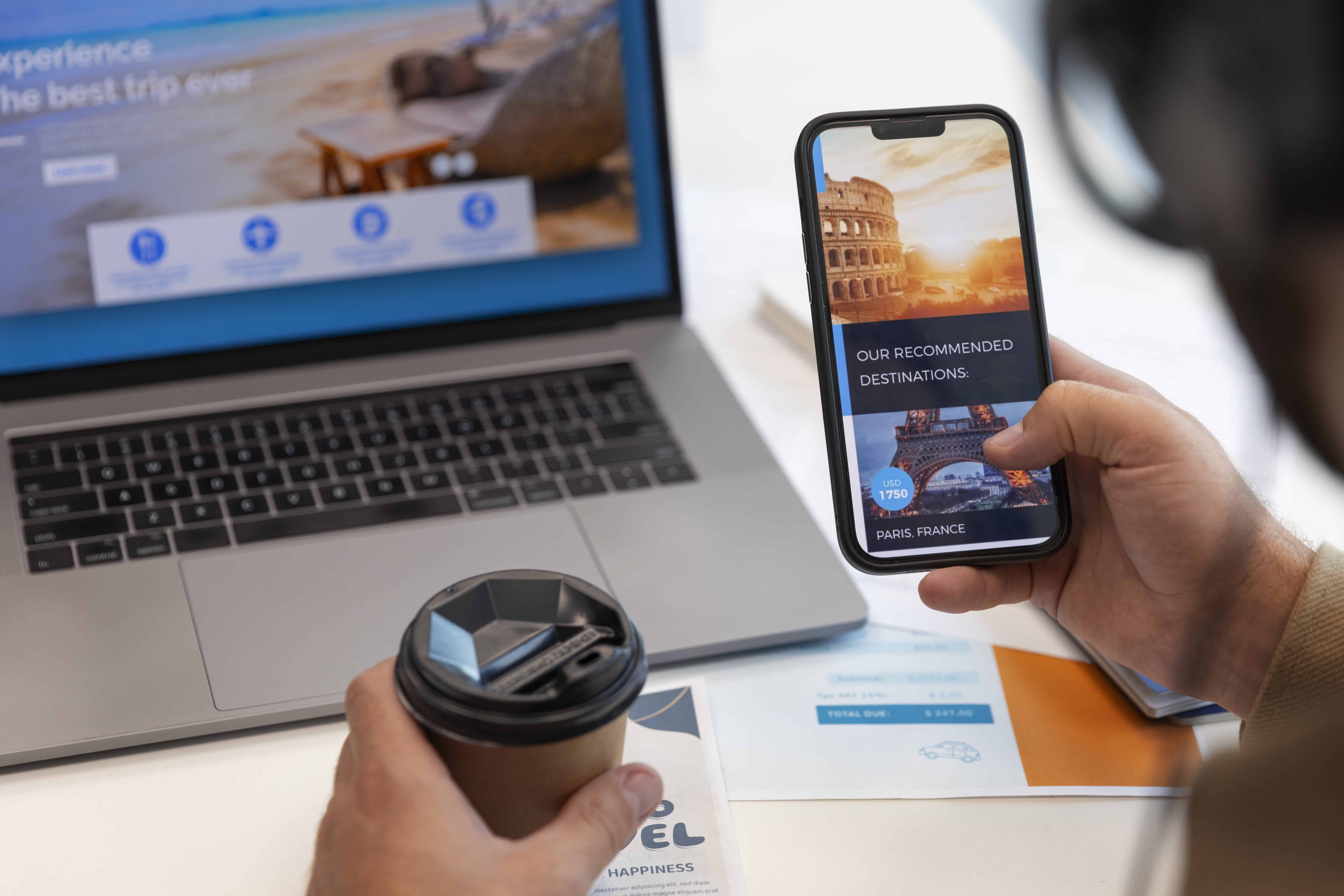
A year of travel advice can change overnight when a hack goes viral or a policy rolls out quietly at the border. In 2026, the riskiest trends are not always extreme adventures. Many look like convenience: a cheap booking link, a fast visa form, a free charger, or a too-tight itinerary that assumes everything runs on time. What makes these trends costly is how they fail, usually at the worst moment, with little recourse. These ten patterns show where travel is getting sharper edged, and how a small choice can keep a trip from unraveling.
AI-Perfect Deals That Aren’t Real
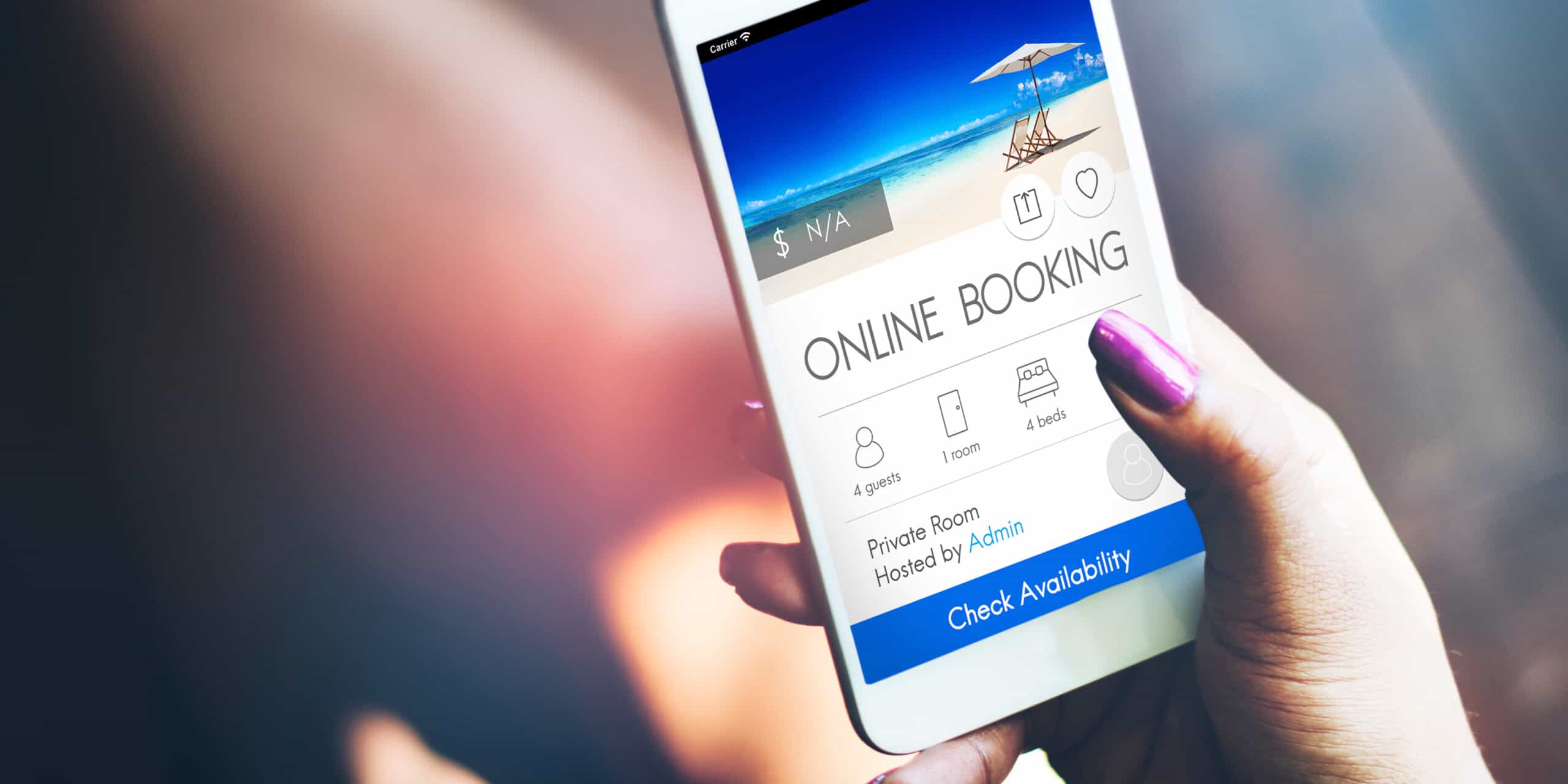
The slickest travel scam now looks like a luxury campaign: flawless resort video, a limited-time rate, and a link that routes payment offsite or into a direct message. Reporting has described AI-generated deepfake trips and fake properties that collect deposits for places that do not exist or are not affiliated with the images shown. With AI personas and automated chats scaling in 2026, a traveler can be steered from an ad to a fake support agent to a payment page fast, and the first clue may be a vanished listing, a bounced number, and a refund promise that turns into silence.
Unofficial ETIAS Forms And Pre, Approvals
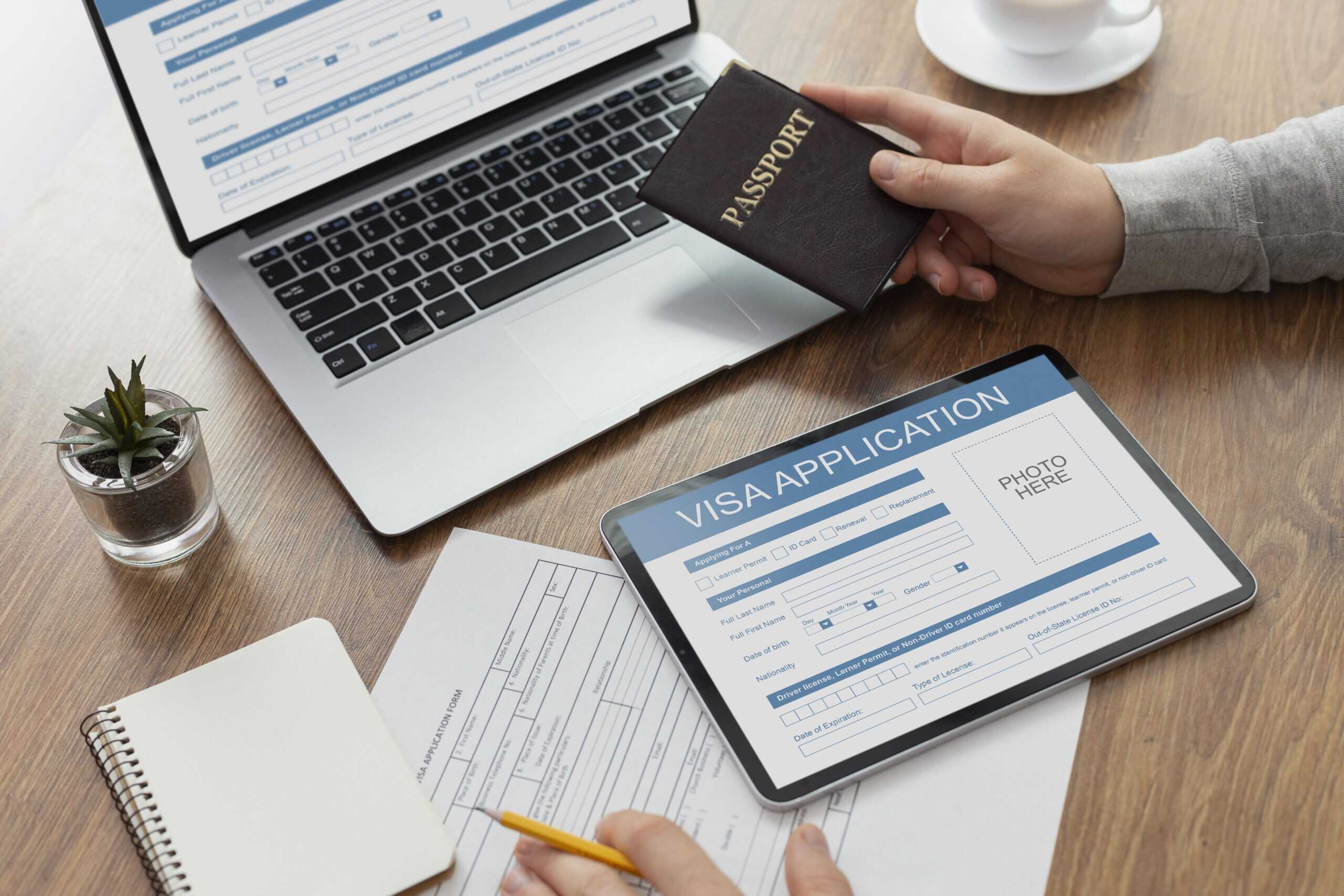
ETIAS is expected to roll out in late 2026, and the runway has already attracted copycat sites that mimic the process, charge inflated fees, or harvest passport details. Frontex has warned about unofficial ETIAS websites, and the confusion gets expensive when a purchased authorization has no standing at boarding, since carriers are expected to verify approval before travel. ETIAS is meant to link to a passport for multiple trips, so the safest habit is boring: use official EU pages, ignore any site claiming approvals are open before the system is live, and apply early enough to handle processing delays.
Public USB Charging As A Habit
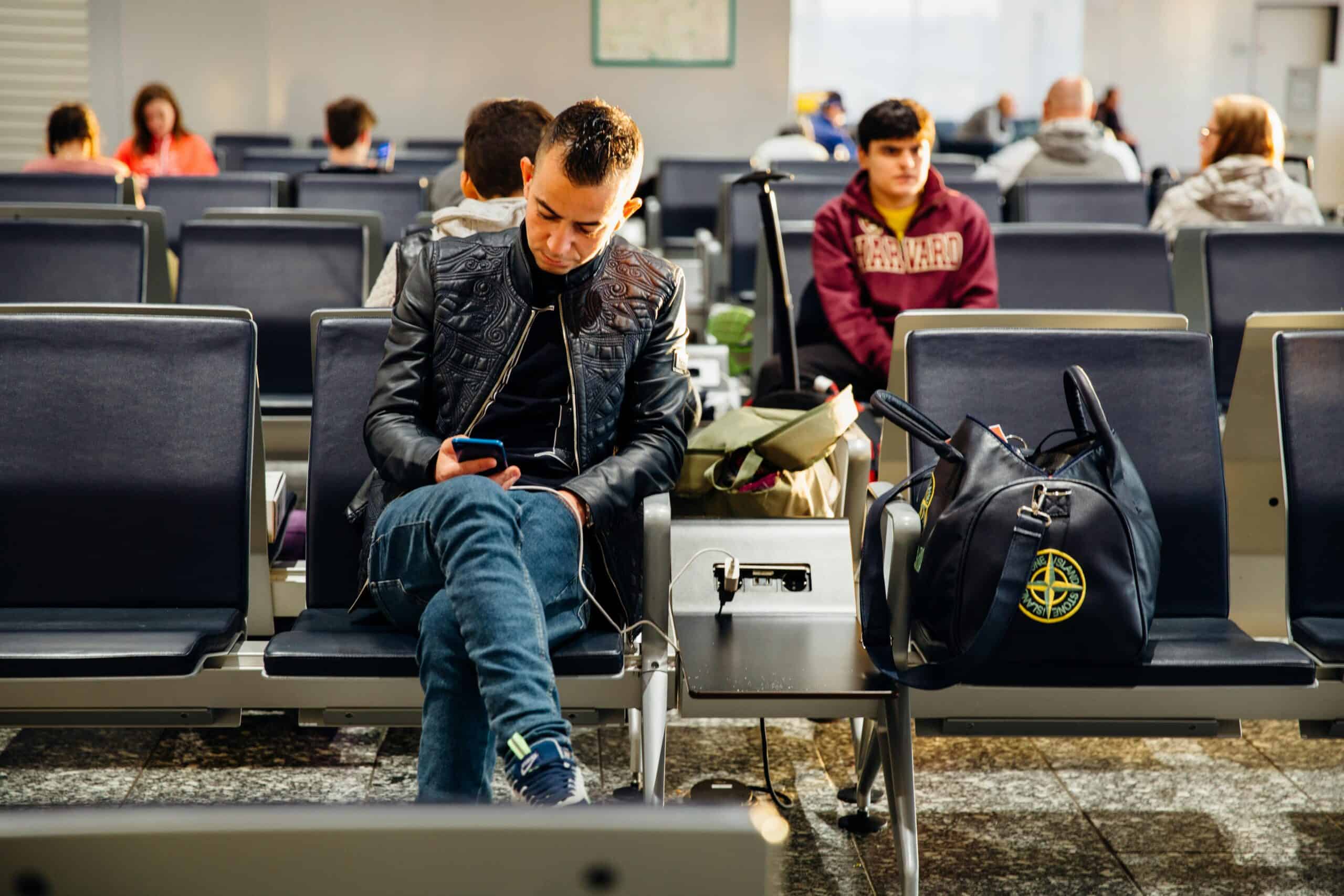
A public USB port is not a wall outlet, because USB carries data as well as power and can behave like a handshake, not just a plug. That is why juice-jacking warnings keep resurfacing: a compromised port or kiosk could attempt data access or malware delivery while the battery icon climbs like nothing is wrong at the gate. The TSA has advised travelers not to plug phones directly into airport USB ports and to use a portable battery pack or power brick instead; choosing an AC outlet with a own charger, or carrying a charge-only adapter, keeps power separate from data and reduces exposure.
Paying Tour Guides Through WhatsApp Or Telegram
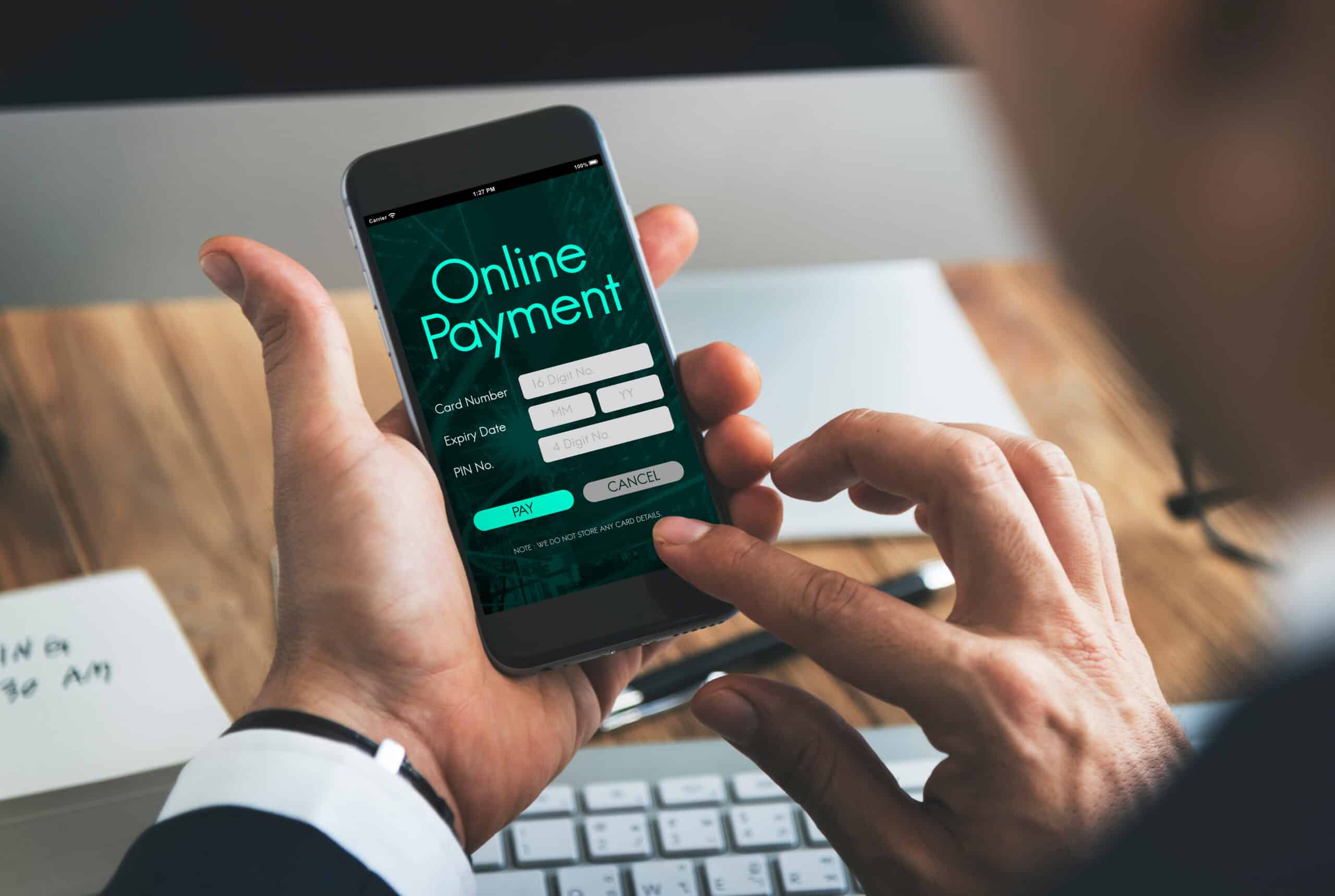
A common scam flow starts with a friendly message, then shifts to WhatsApp or Telegram, then ends with a payment request that skips normal protections and pressures speed over clarity. Trend Micro warns that 2026 will be shaped by AI-enabled scams using cloned voices, tailored messages, and automation that makes fraud feel personal and urgent. In travel, that can look like ghost tour operators, fake airport pickups, or last-seat excursions that vanish after a transfer, leaving only a chat log, a burner number, and a meetup point where nobody shows.
Hidden-City Ticketing As A Money Saver
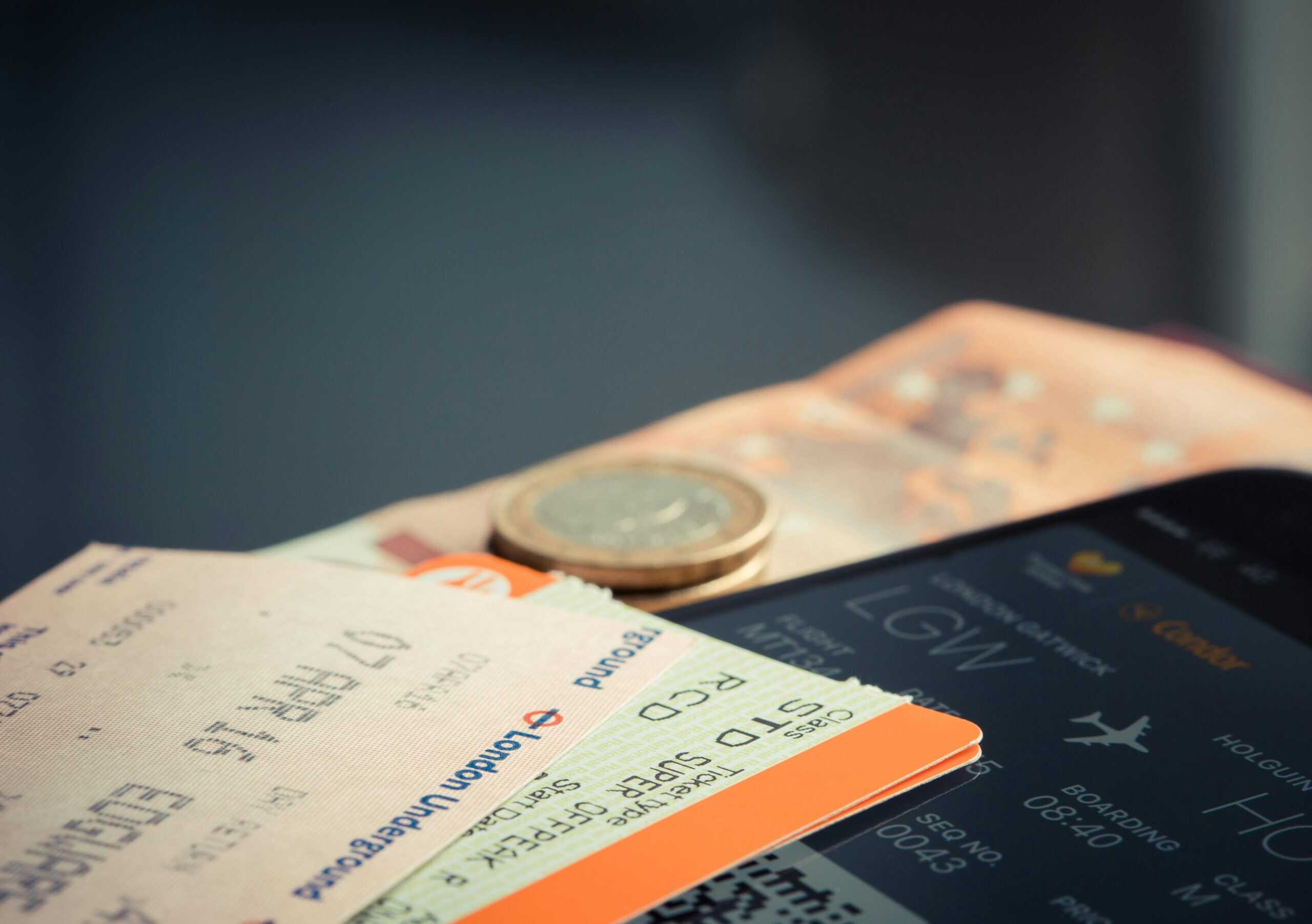
Hidden-city ticketing, often called skiplagging, keeps spreading because screenshots travel faster than airline rules and fare logic, and the savings look clean on a comparison site. The catch is structural: airlines can cancel the remaining itinerary when a segment is skipped, including the return, and checked baggage routed to the ticketed final city can ruin the plan even when the flight is on time. As crackdowns and lawsuits stay in the news, the trend increasingly trades a cheap fare for account flags, forfeited miles, and a stressful rebooking scramble at the gate when seats disappear.
Off-Platform Vacation Rental Payments
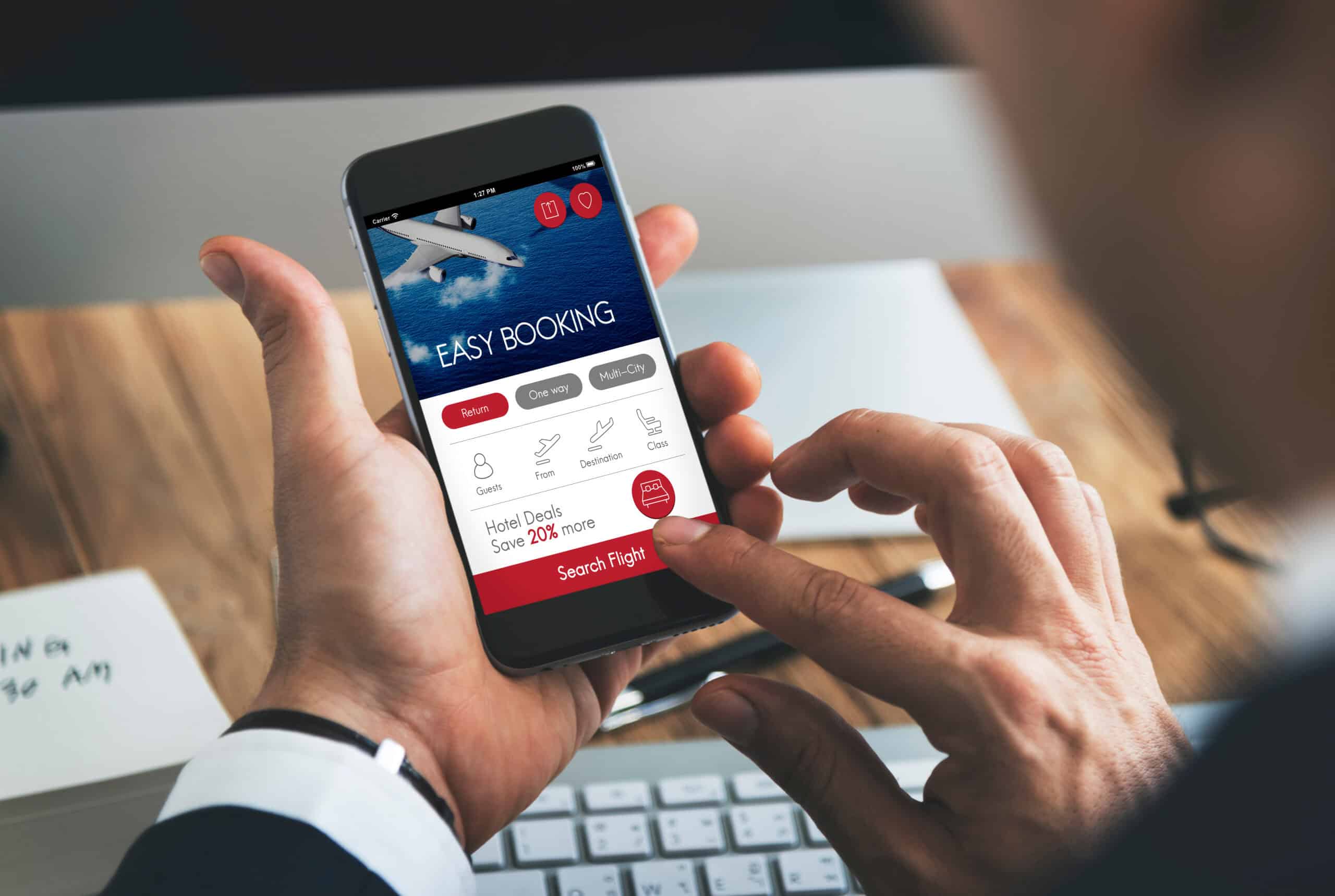
Off-platform deals are framed as a friendly discount, but they remove the few protections travelers actually have: documented terms, platform support, and payment dispute options that can force a response. The trend shows up as a host pushing for wire transfers, bank links, or refundable deposits outside the site, justified by fees, taxes, or a promise of faster check-in and a better unit. In 2026, cloned listings and fabricated reviews make the setup smoother, so when the keys never arrive the backup plan becomes a last-minute hotel at peak prices, plus a stressful chase for funds with screenshots as the only evidence.
Treating Public Wi-Fi Like A Checkout Lane

Public Wi-Fi feels harmless until it becomes the network used for logins, bank transfers, and password resets on a rushed travel day, with notifications firing and boarding time approaching. The FTC warns that many public Wi-Fi networks are not secure and recommends encryption safeguards and secure websites for sensitive information, especially when money is involved. In airports, distraction does the rest: a spoofed network name, a captive portal that asks for too much, and a tired traveler typing credentials into the wrong place, which is how a delay turns into a locked email, missing codes, and a frozen card.