We may earn money or products from the companies mentioned in this post. This means if you click on the link and purchase the item, I will receive a small commission at no extra cost to you ... you're just helping re-supply our family's travel fund.
Many Americans traveling overseas eventually notice a pattern: prices rise, upselling increases, and spending expectations quietly follow them. This treatment is rarely about dislike. Instead, it stems from economic gaps, learned tourist behavior, and global perceptions shaped over decades. Knowing why this happens allows travelers to protect their budgets and navigate foreign destinations with greater awareness and confidence.
1. America’s Global Wealth Reputation
The United States is viewed as one of the richest nations on earth, with a median household income near $75,000, while incomes in many tourist countries range between $10,000 and $20,000 annually. When locals earn $40 per day, an American spending $120 daily appears financially powerful. Movies, TV, and social media reinforce images of large homes and constant consumption. Even Americans traveling on tight budgets are grouped into this stereotype, encouraging vendors to raise prices automatically.
2. Spending Habits That Signal Disposable Income
American tourists typically spend more per trip than most nationalities, averaging about $4,500 per international vacation, excluding flights. Small choices like choosing taxis over buses or hotels over hostels, send clear financial signals. Paying extra $5–$10 repeatedly for comfort or speed adds up and rarely triggers hesitation. Vendors quickly recognize these patterns and assume Americans prioritize convenience over savings, making higher prices feel safe and justifiable from a business standpoint.
3. Reluctance to Bargain
In many countries, bargaining can reduce prices by 20–50%, yet Americans often accept the first number offered. Negotiation feels uncomfortable to travelers raised on fixed pricing. Sellers adapt by starting high, knowing Americans are statistically less likely to counter. While locals might argue prices down quickly, Americans tend to avoid friction. Over time, this behavior teaches vendors that Americans will pay inflated rates without resistance, reinforcing higher starting prices.
4. Generous Tipping Norms
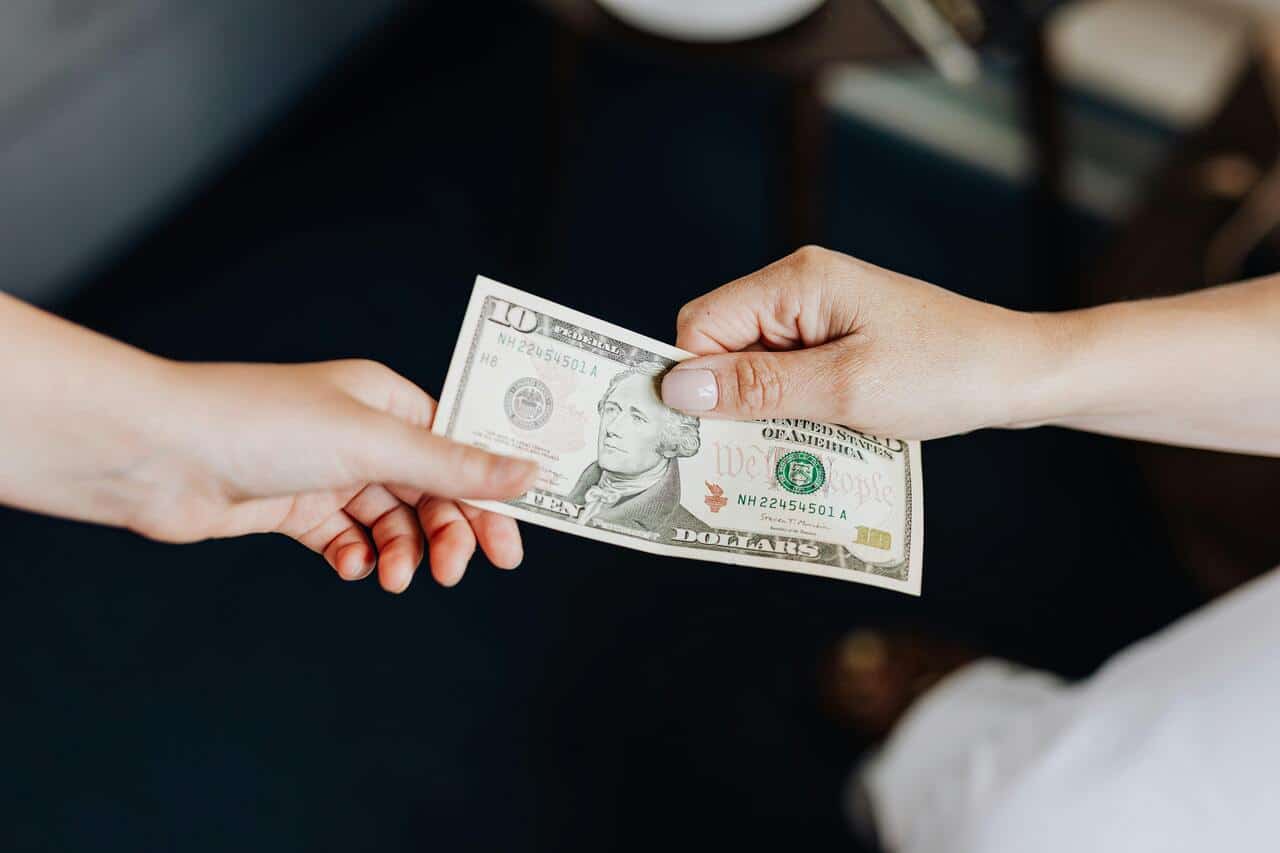
Tipping 15–25% is normal in the U.S., even though many countries expect 0–5% or none at all. An American tipping $8 on a $40 meal may seem excessive abroad. Service workers remember this generosity and associate Americans with higher earnings. This can lead to extra attention, but also increased expectations. In tourist areas, some workers subtly target Americans, knowing even modest service might result in significantly larger tips.
5. Language Barriers Reveal Tourist Status

Only about 1 in 5 Americans speak a second language fluently, compared to over 60% of Europeans. Asking for English menus or struggling with local phrases quickly identifies Americans as tourists. In some destinations, unofficial dual pricing exists, with foreigners paying 10–30% more. Limited language skills reduce price comparison and negotiation ability, making Americans easier targets for inflated costs without immediate suspicion.
6. Limited Vacation Time Creates Urgency
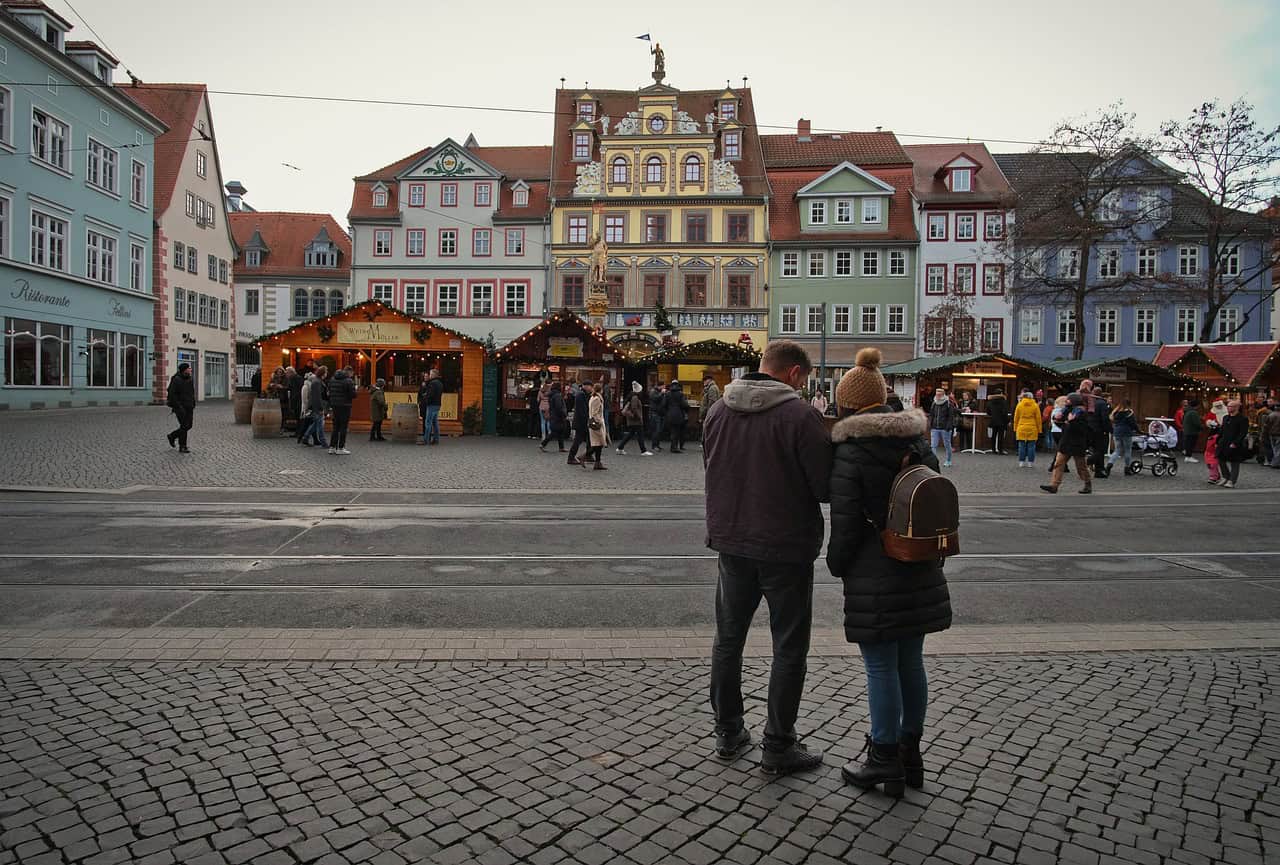
Americans receive an average of 10–14 paid vacation days, while many Europeans enjoy 25–30 days annually. With little time to spare, Americans prioritize speed and simplicity. Paying $90 for a tour locals buy for $40 feels acceptable if it saves time. Businesses recognize this urgency and package convenience as premium value. When time is scarce, price sensitivity drops, increasing willingness to pay higher rates without extensive comparison.
7. Past Tourist Behavior Sets Pricing Norms
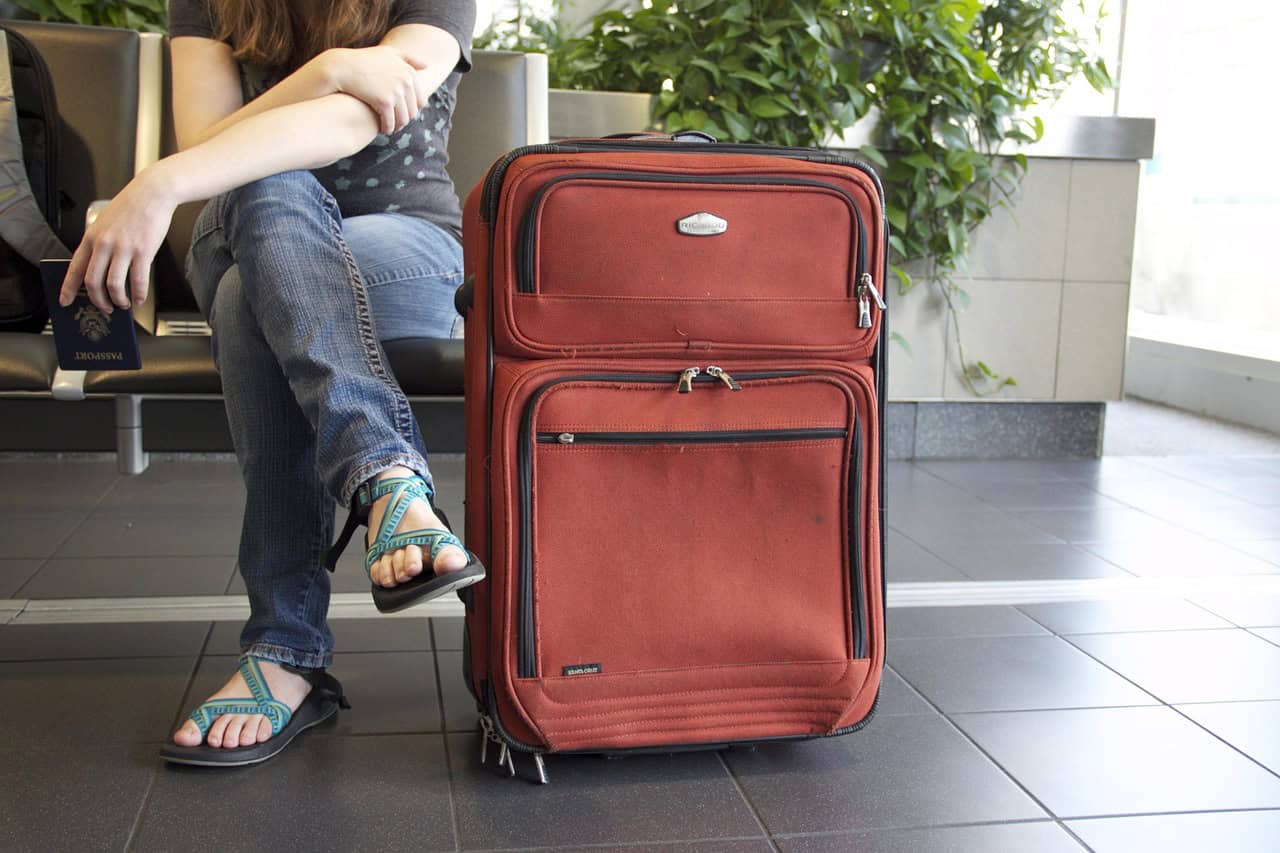
Pricing strategies are built on history. When Americans repeatedly paid 15–40% higher prices without objection, those rates became standard. Vendors don’t target individuals, they follow patterns. Over years, Americans developed a reputation for spending freely and complaining less about price. That history shapes expectations before a conversation begins. It’s not personal judgment, but learned economics, driven by what previous American travelers proved willing to pay.