We may earn money or products from the companies mentioned in this post. This means if you click on the link and purchase the item, I will receive a small commission at no extra cost to you ... you're just helping re-supply our family's travel fund.
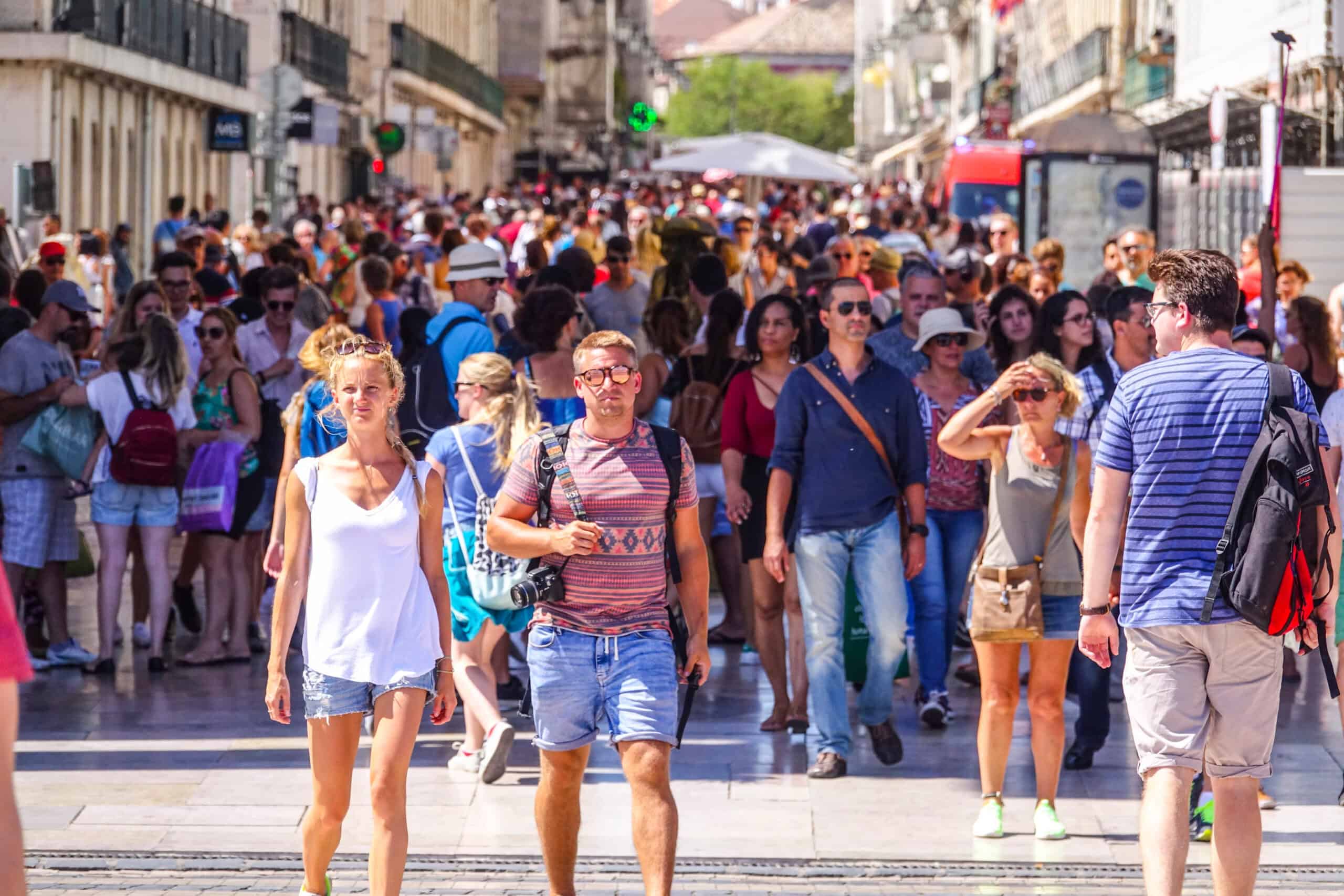
For years, Europe’s shoulder season sounded like a clever secret: softer weather, lighter crowds, lower prices, and the same old-world beauty without the summer crush. In 2026, that advice feels increasingly outdated. Across much of the continent, what used to be a quieter window has turned into a second peak, especially in the most photographed cities, coastal favorites, and festival zones. The change is not imaginary. It is being driven by heat, longer stays, smarter booking tools, older travelers, tighter lodging supply, and a tourism machine that no longer needs July and August alone to stay full.
Extreme Heat Has Pushed Summer Demand Into Spring And Fall
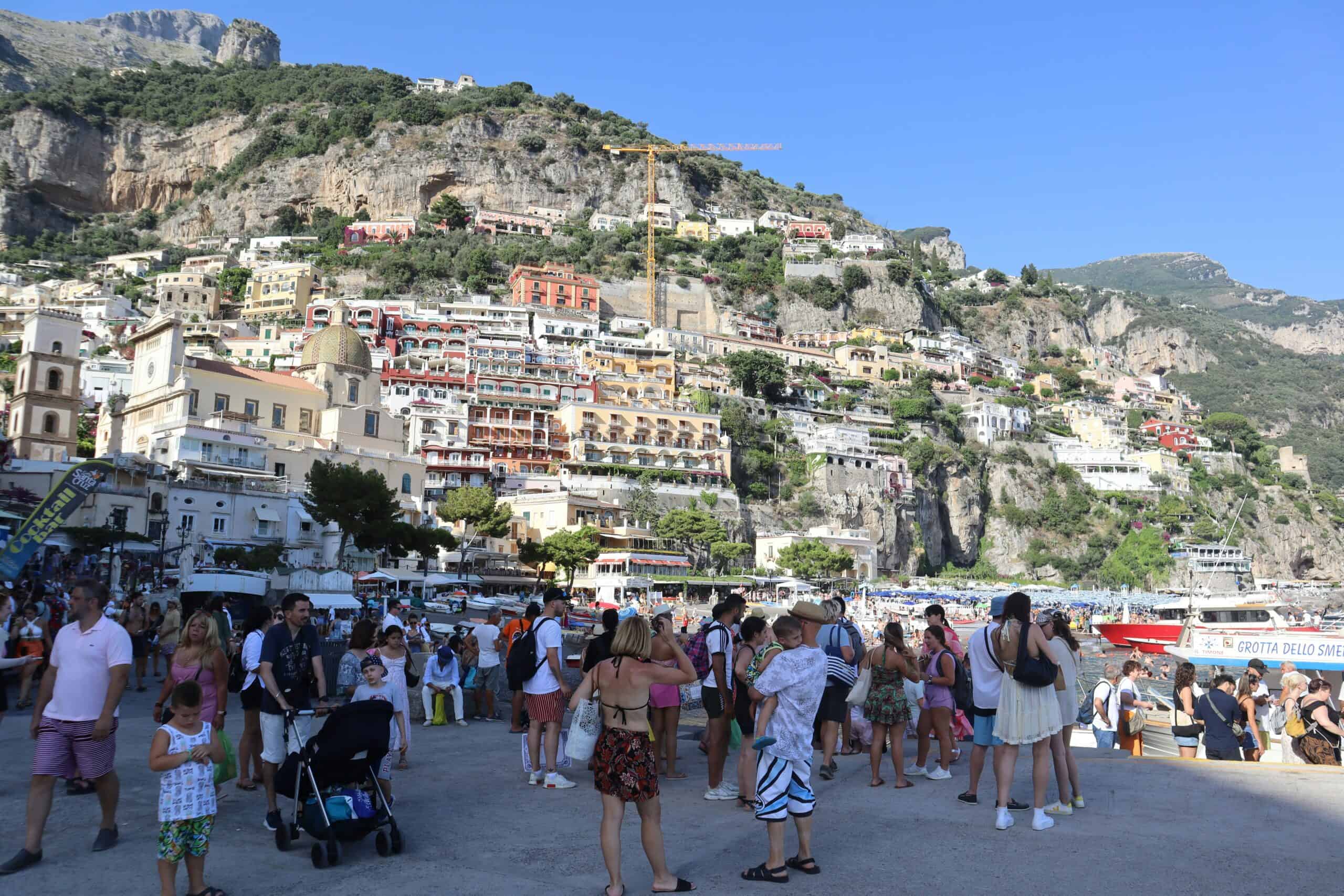
One of the biggest changes is climate. The European Travel Commission reported that heatwaves and crowding were so prominent in 2025 that 28% of travelers from eight key source markets said they plan to shift trips into different months over the next two years, mainly to avoid crowds, save money, and escape extreme heat. In spring-summer 2025 research, ETC also found that 81% of Europeans say climate change affects how they travel, with many monitoring weather more closely, seeking milder conditions, or avoiding destinations prone to extreme heat. Shoulder season stopped being a bargain partly because it became the escape route.
October And Early Summer Now Behave Like New Peak Windows
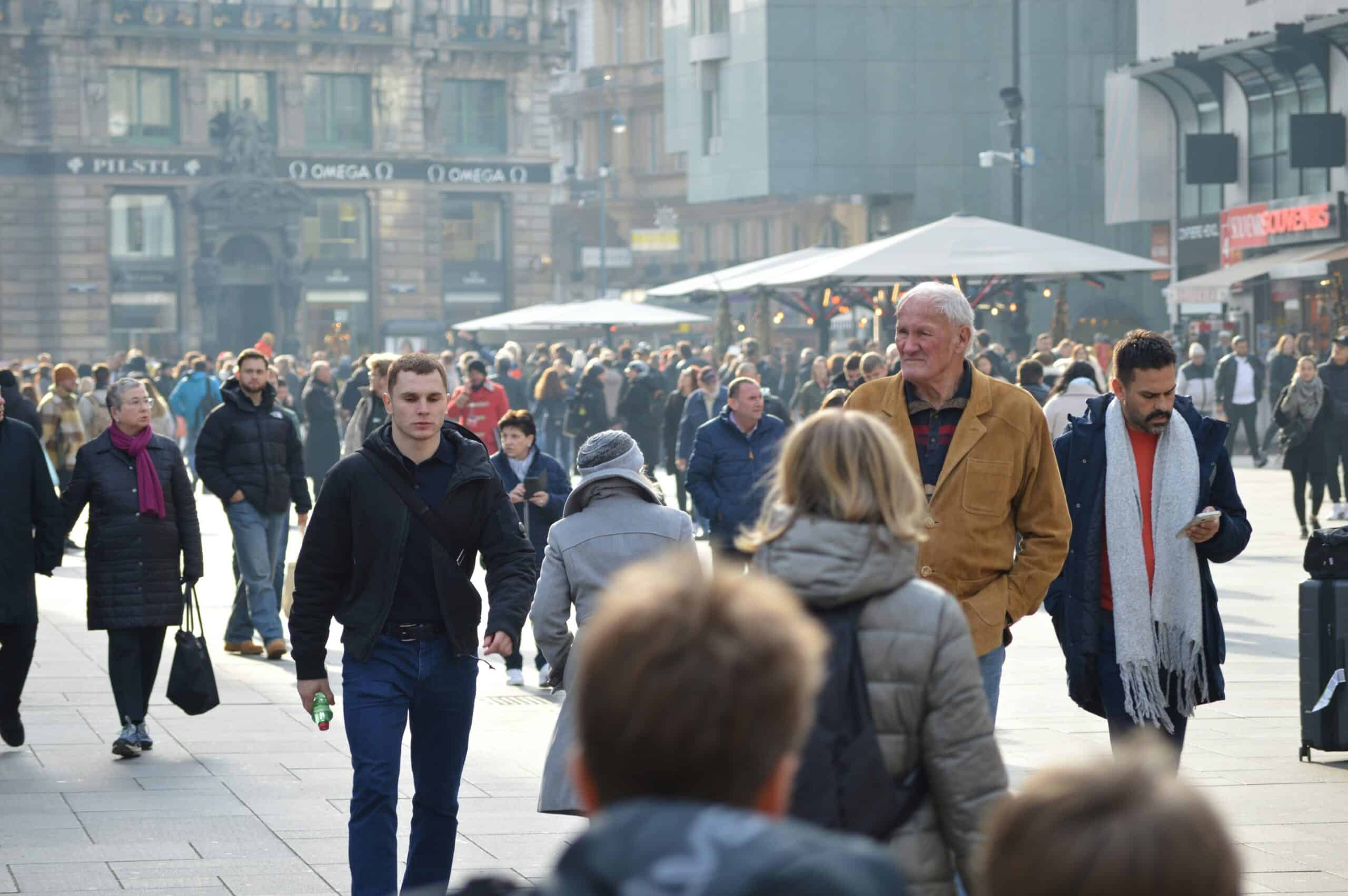
Traditional peak season has not vanished, but it has spread. ETC’s autumn-winter sentiment report found that Europeans’ travel interest peaks in October 2025 at 24%, while its long-haul barometer said October stood out as the peak month for 25% of long-haul travelers planning to visit Europe that autumn. On the other side of the calendar, ETC reported that interest in May and June among long-haul travelers rose from 24% in 2024 to 34% in 2025. What this really means is that demand no longer arrives in one blunt summer wave. It now stacks itself into multiple “best times to go,” and those windows have become crowded in their own right.
Travelers Are Taking More Trips And Staying Longer

Shoulder months are also filling up because people are traveling more often and hanging around longer. ETC found that between April and September 2025, 27% of Europeans planned to take three or more trips, up 6% from the year before, while 42% intended holidays lasting 7 to 12 nights, up 11% from 2024. That shift matters. More departures and longer stays spread demand far beyond the old school-holiday calendar, and they keep beds, trains, and restaurant tables occupied deeper into the edges of the season. Shoulder months once absorbed overflow. Now they are part of the main event.
Europe’s Big Cities Hardly Have An Off-Season Anymore
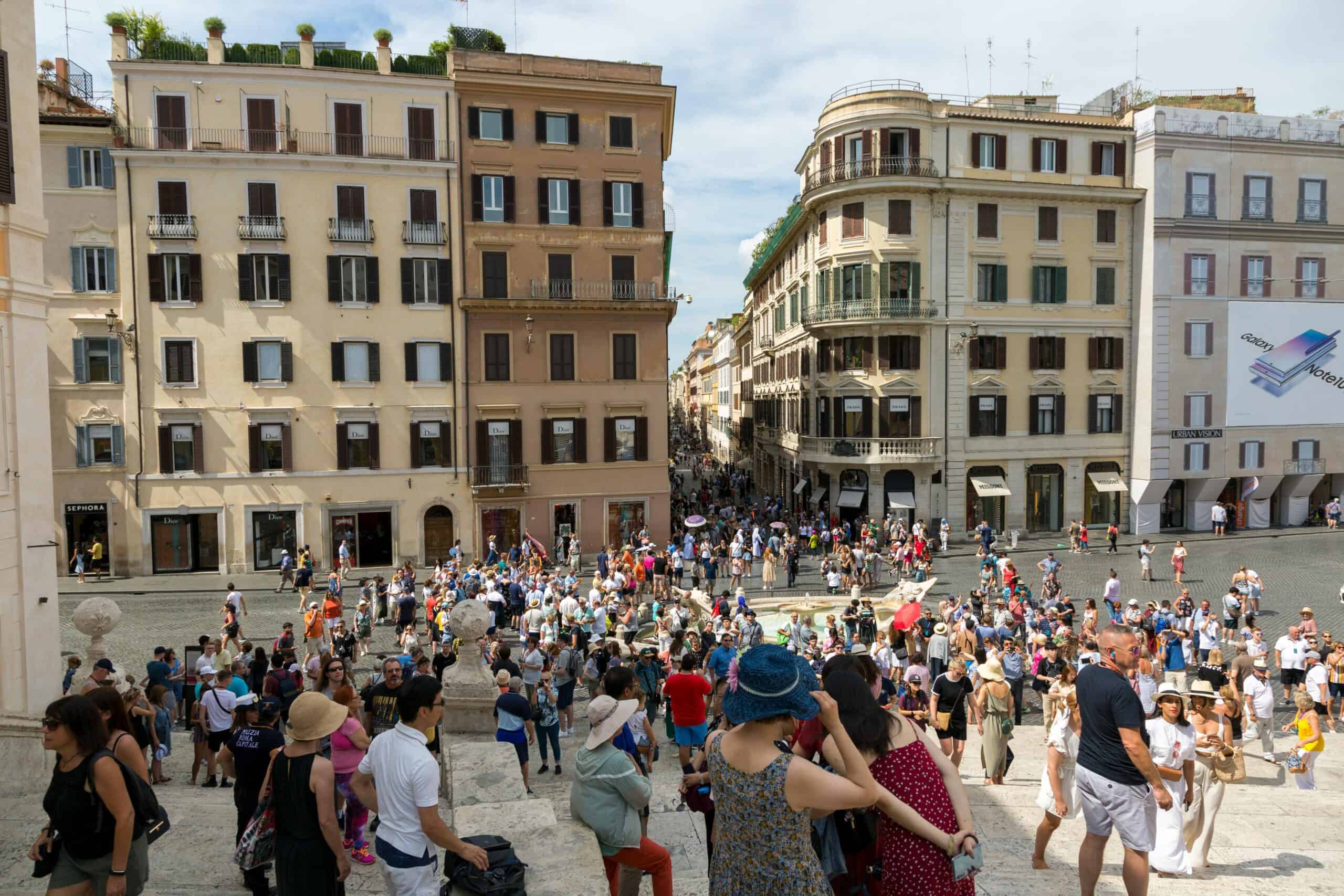
The old shoulder-season fantasy still works best in places that remain strongly seasonal. Europe’s biggest urban destinations are increasingly different. Eurostat says capital regions are less affected by tourism seasonality than coastal regions, even while one in six EU regions still concentrates more than 40% of annual tourism nights into the top two months. In practice, that means city breaks in places like Paris, Rome, Lisbon, Amsterdam, and Barcelona can feel relentlessly busy well beyond summer. The beach calendar may still bend toward July and August, but the city calendar now runs almost continuously, especially when mild weather makes walking and sightseeing easier.
Older Travelers Are Filling The Months That Used To Stay Quiet

Europe’s aging traveler base is quietly reshaping the calendar. A 2025 European Parliament study on the longevity economy found that older adults help reduce seasonality because their available leisure time lets them book trips off-season, lowering overtourism pressure and stabilizing year-round tourism demand. The same study notes that silver tourism is becoming a major economic force in the EU. That sounds abstract until it becomes visible on the ground: more fall departures, more spring city breaks, more low- and medium-season package demand, and fewer empty weeks between school-holiday peaks. Shoulder season no longer belongs only to backpackers and savvy couples. It now belongs to retirees with time, money, and flexibility.
AI And Booking Platforms Are Sending Everyone To The Same “Smart” Dates

What used to be insider timing is now algorithmic timing. ETC reported that AI use in travel planning nearly doubled from 10% to 18% in 2025, with travelers increasingly using these tools to find better deals and plan trips away from peak months and crowded locations. The problem is obvious: when millions of people use the same logic to dodge summer, they begin piling into the same supposedly quieter weeks. ETC also noted that online travel agencies are integrating AI-powered assistants, widening that effect even further. Shoulder season got crowded partly because technology industrialized the search for shoulder season.
Airlines Are Keeping Europe Highly Reachable Deep Into The Shoulder

Crowds feel heavier when access stays easy, and Europe’s air network remains remarkably busy well beyond summer. EUROCONTROL reported 1,007,906 flights across Europe in October 2025, up 5.2% year over year and above pre-pandemic levels, with low-cost carriers leading the growth. Its summer 2025 review also found that air traffic rose 3.3% over summer 2024 and set several new traffic records. In other words, the transport system is no longer winding down neatly after August. Cheap flights, frequent departures, and strong shoulder scheduling help keep the season alive longer, and when access stays abundant, bargain calm becomes harder to maintain.