We may earn money or products from the companies mentioned in this post. This means if you click on the link and purchase the item, I will receive a small commission at no extra cost to you ... you're just helping re-supply our family's travel fund.
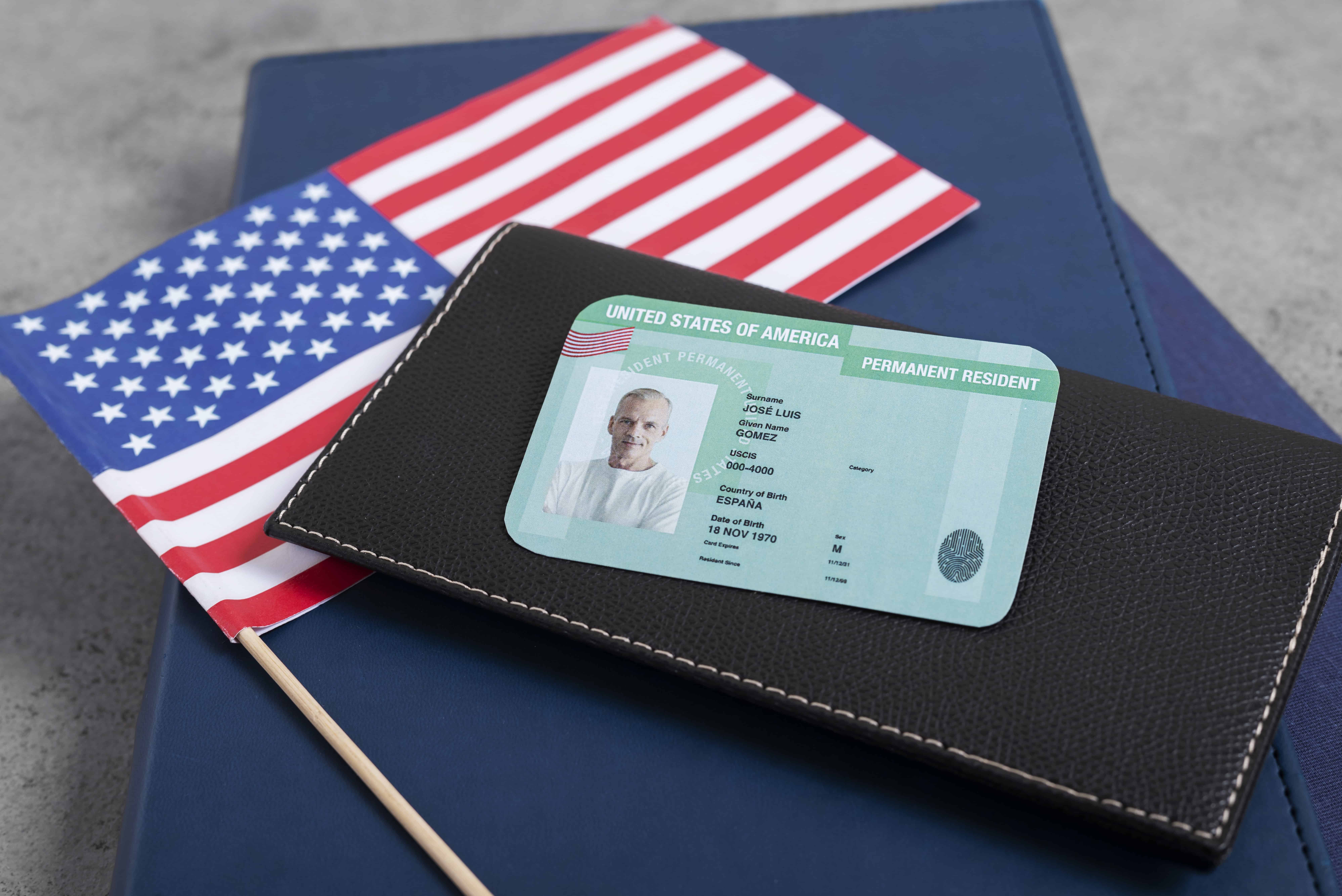
A green card is supposed to mean permanence, but daily systems still rank people by citizenship first. One airport question, one job portal filter, or one benefits form can turn a settled life into a status check. Lawful permanent residents may feel local in every practical way, yet get processed as outsiders when rules, software, or risk management defaults to nationality. The gap is not always hostility. Often it is bureaucracy doing what it was built to do, even when the human impact is sharp.
Citizenship Checkboxes Decide the Lane
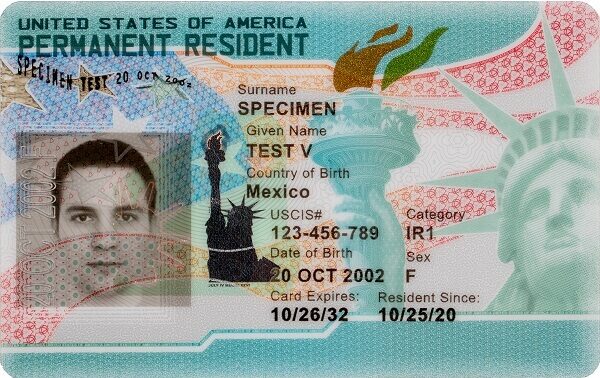
A green card authorizes living and working in the United States, but it does not change citizenship, and many systems treat those as separate worlds. Forms, databases, and compliance rules default to noncitizen pathways, triggering extra review even when someone has years of tax filings, credit history, and steady employment. The friction shows up as citizen-only job filters, banking workflows that label an account as foreign, apartment applications that demand extra documents, and service desks that pause until status is reverified even when the person’s day-to-day life looks no different from a citizen coworker’s.
Voting Rules Turn Small Errors Into High Stakes

Federal elections draw a bright line: only citizens can vote, and a single mistake can surface later as a serious problem during immigration reviews. Because the downside is steep, schools, agencies, and nonprofits often avoid nuance and treat permanent residents as off-limits for anything near election activity, even when a role is lawful. That caution can look like public exclusion: being redirected away from registration drives, certain internships, or civic leadership programs simply because paperwork carries the word noncitizen even in cities where the resident has volunteered, paid taxes, and built community ties.
Jury Service Often Starts With a Summons, Then a No

Jury lists are often built from DMV and tax records, so permanent residents can receive a summons like anyone else and assume it signals full inclusion. Then eligibility rules require proof of citizenship, turning a civic call into document scans, phone calls, and time off work just to explain why service is not allowed. The experience can feel exposing: invited into a public duty, then asked to justify exclusion, and sometimes warned to keep proof ready in case another summons arrives and the resident is left explaining status in a workplace that assumed citizenship by default, then filing the exemption proof for records.
Passports Still Set the First Impression Abroad

A green card proves U.S. residency, not nationality, so permanent residents travel on another country’s passport and carry its assumptions everywhere. Airlines, visa portals, and foreign border systems read passport nationality first, which drives screening, fees, and entry rules long before the green card is mentioned. Even when someone is returning to a home in the United States, the trip is processed through a foreign-national lens, and the green card functions as supporting paperwork, not a primary identity which can mean extra questioning, extra paperwork, or extra waiting before the homebound flight.
Long Trips Can Trigger Reentry Questions

Extended time abroad can change the tone of reentry because officers are trained to look for signs that the United States is no longer the primary home. A permanent resident may be asked about housing, employment, family ties, and timelines, especially when travel patterns include long stays or repeated departures. When scrutiny rises, it can feel like reapplying for permission to continue a settled life, with leases, pay stubs, and school records offered as proof of ordinary roots and a calm return can become a formal conversation about intent, timelines, and documents at the counter, even after years.
ID and SSN Processes Add Extra Steps

Identity systems run on document hierarchies, and noncitizens are often routed into longer verification paths, even for routine fixes that start with a typo. A resident may need immigration documents plus an unexpired foreign passport to correct a name, resolve a date mismatch, or update an SSN record after a status change. Those extra steps spill into real life: delayed bank accounts, leasing holds, employer onboarding pauses, and travel booking snags, all because a database demands more proof than a person’s lived history and the delays can stack, since one stalled record can block several other services downstream.
Tax Residency Brings Obligations Without Full Standing

For tax purposes, lawful permanent residents are generally treated as U.S. residents, with reporting duties that can extend to worldwide income and certain foreign financial accounts. Many people assume tax treatment and civic standing move together, but they do not, and the mismatch can feel one-sided in practice. A resident can carry the full weight of compliance, audits, and penalties while still being blocked from citizen-only rights, which is why the system can read as inconsistent: fully inside for obligations, still outside for recognition and it can feel like being trusted for responsibility but not trusted for full participation.