We may earn money or products from the companies mentioned in this post. This means if you click on the link and purchase the item, I will receive a small commission at no extra cost to you ... you're just helping re-supply our family's travel fund.
By 2026, travel planning in the United States includes a new kind of fine print. Popular destinations now sit inside overlapping webs of local law, federal rules, and private-property policies that can wipe out even long-held carry permits. Some places lean on sensitive-location designations, others on contract and trespass law, but the outcome feels similar on the ground. Bags are searched, signs are blunt, and whole vacation zones function as practical gun-free bubbles, no matter what lives in a wallet back home.
Times Square And The New York City Subway
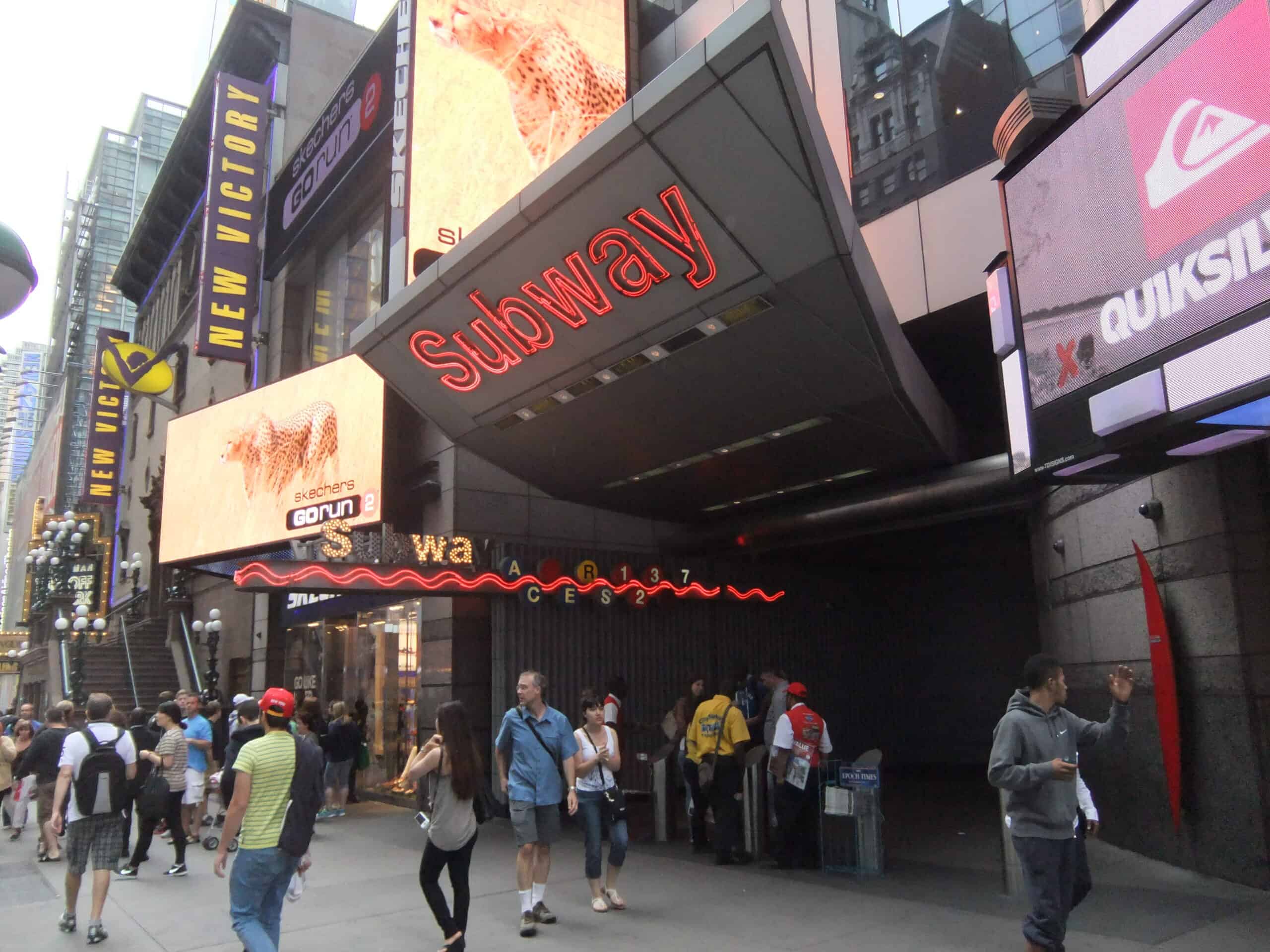
In New York City, Times Square and the subway system have become shorthand for the new reality. State lawmakers and city officials pushed to classify both as sensitive locations where public carry is off-limits, even for many licensed gun owners. Court fights followed, but key restrictions survived, leaving tourists walking under glowing billboards and packed platforms with a clear rule: firearms stay out. For residents, the ban reflects a simple calculation about crowd density, late-night energy, and how fragile those spaces can feel when tension spikes.
National Mall And Smithsonian Museums, Washington, D.C.
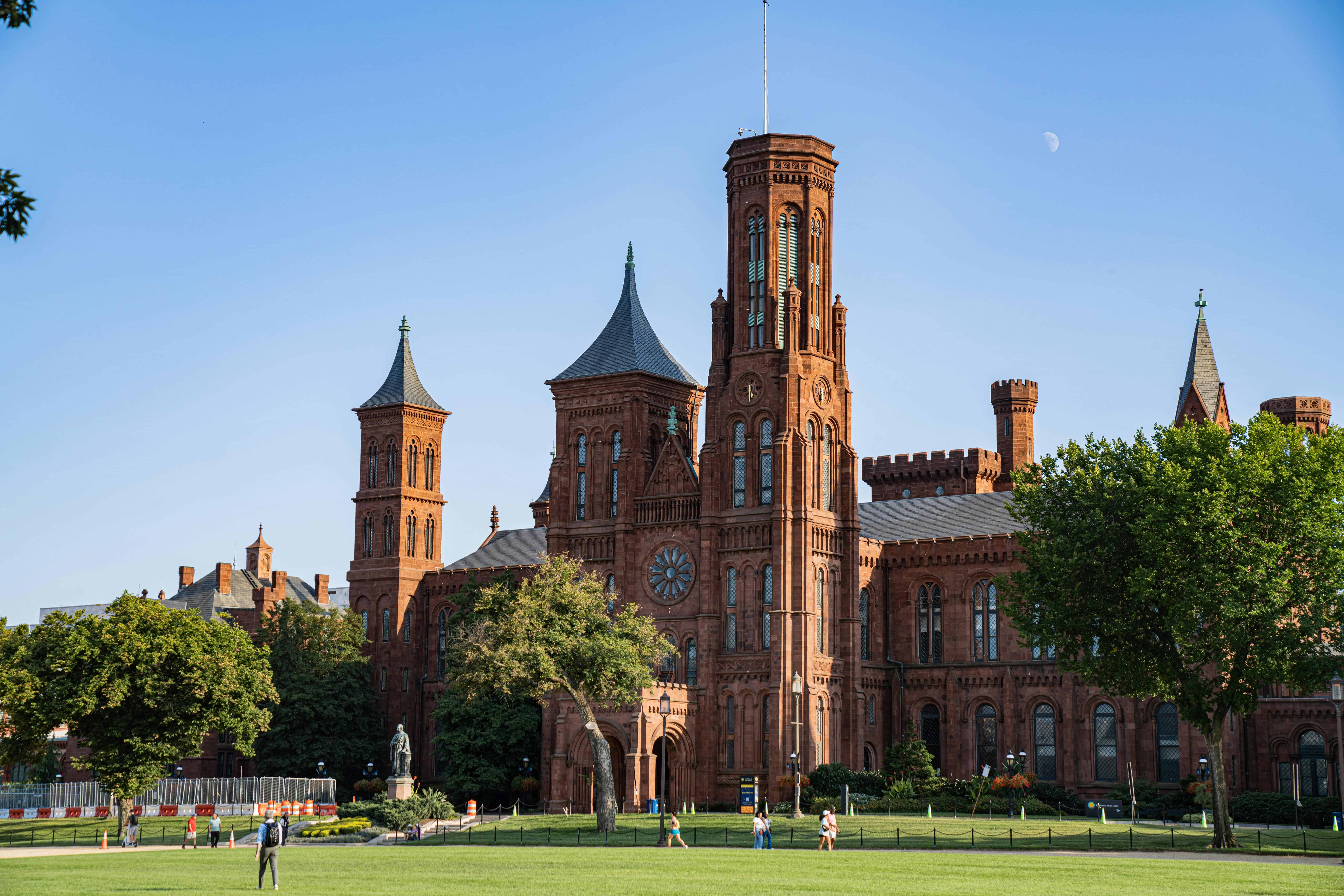
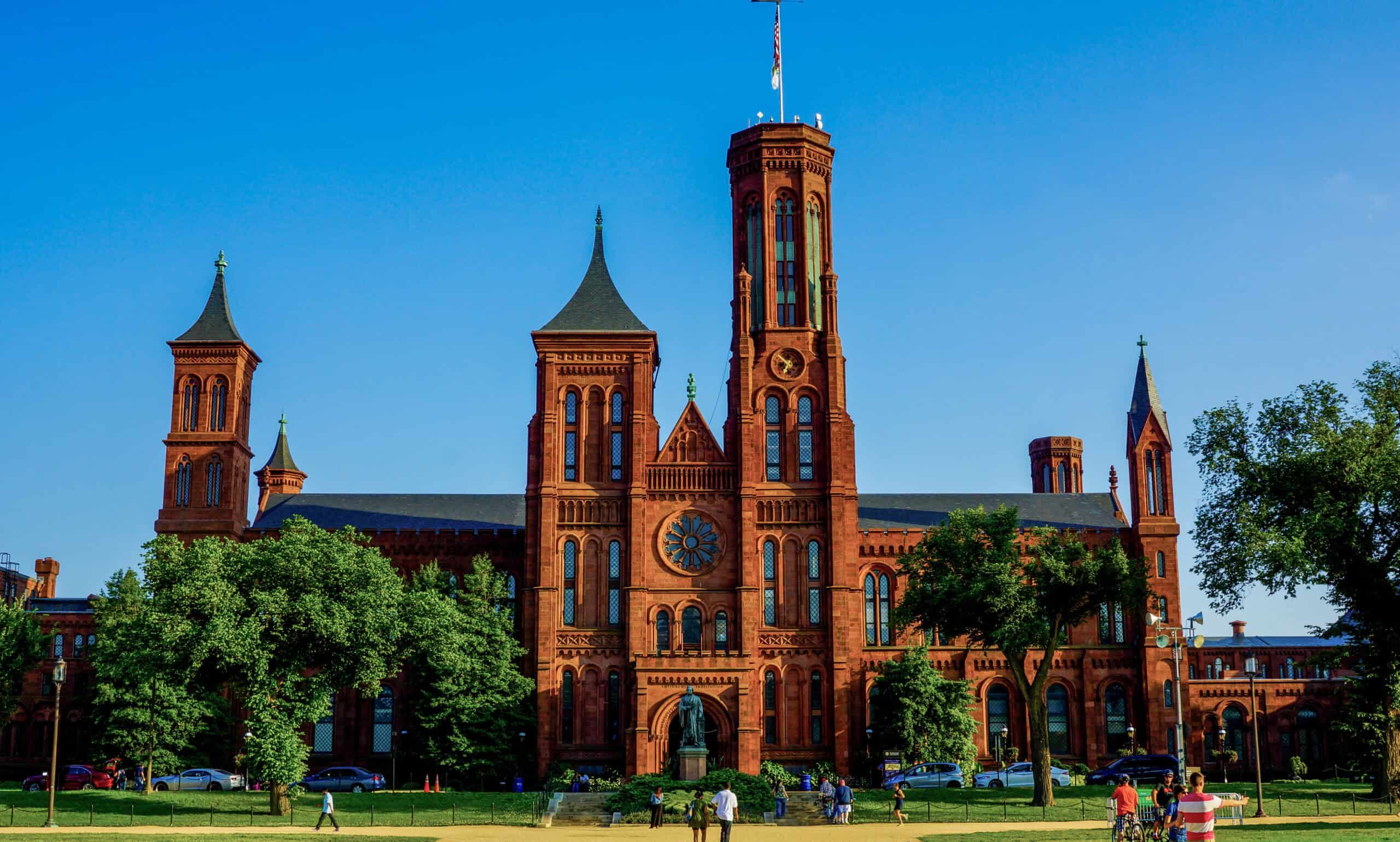
In Washington, D.C., some of the country’s most photographed landmarks also sit inside some of its tightest firearm rules. The District treats the National Mall, major memorials, and nearby government buildings as areas where public carry is sharply restricted. Layered on top, Smithsonian museums operate with firm no-gun policies backed by bag checks, magnetometers, and guards who enforce the rule without exception for tourist permits. The city asks visitors to bring curiosity, cameras, and comfortable shoes, but to leave weapons out of the equation entirely.
Waikiki Beach And Honolulu’s Resort Core, Hawaii
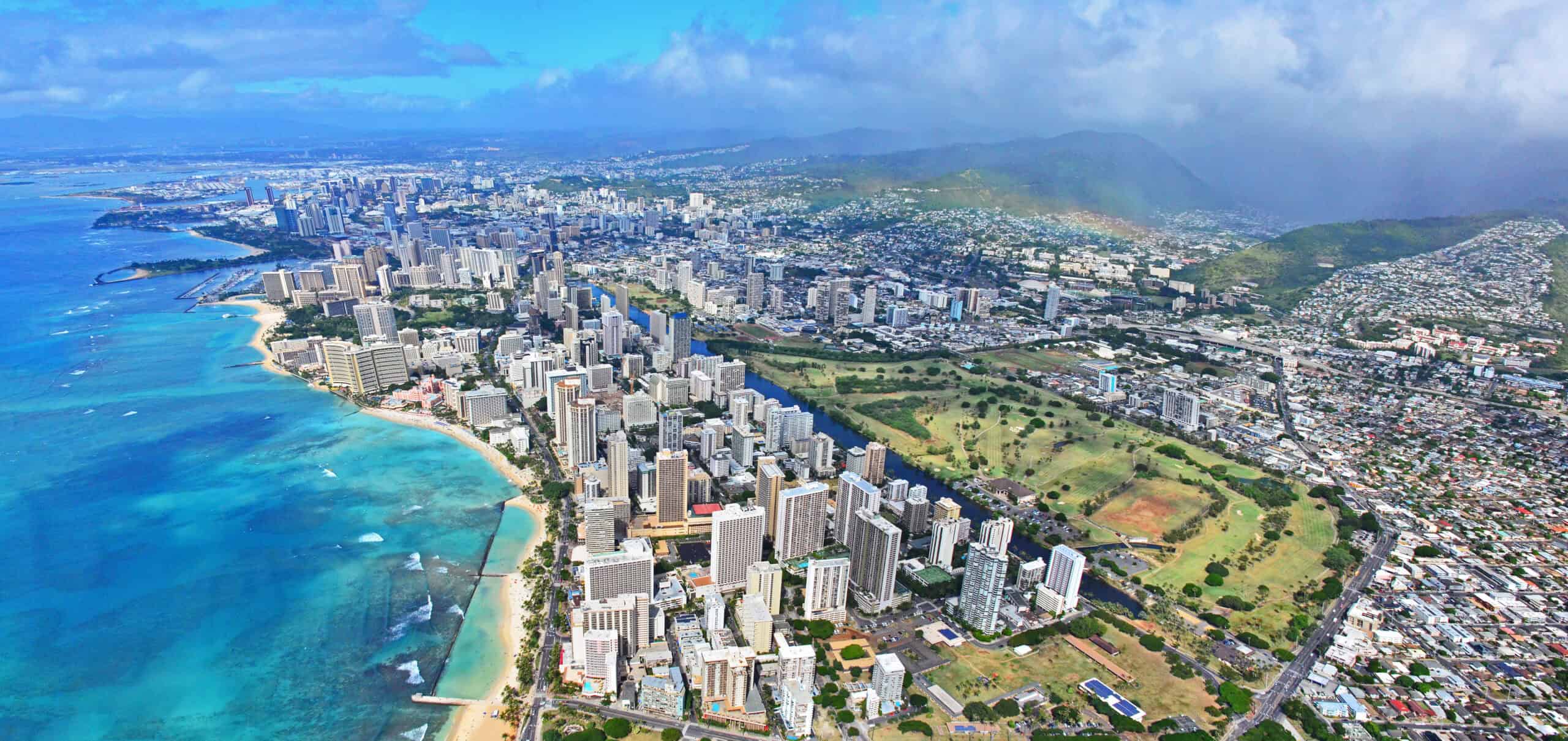
Honolulu’s resort districts show how state law and private preference can work in the same direction. Hawaii’s recent gun rules classify many beaches and public gathering areas as no-carry zones and presume that firearms are barred on private property unless owners say otherwise. In practice, hotels, malls, and restaurants in Waikiki often adopt strict policies that forbid weapons on their grounds. The result is a strip of sand, towers, and shopping streets where security checks and quiet signage maintain a clear expectation that vacations unfold without firearms in the background.
Walt Disney World Resort, Florida
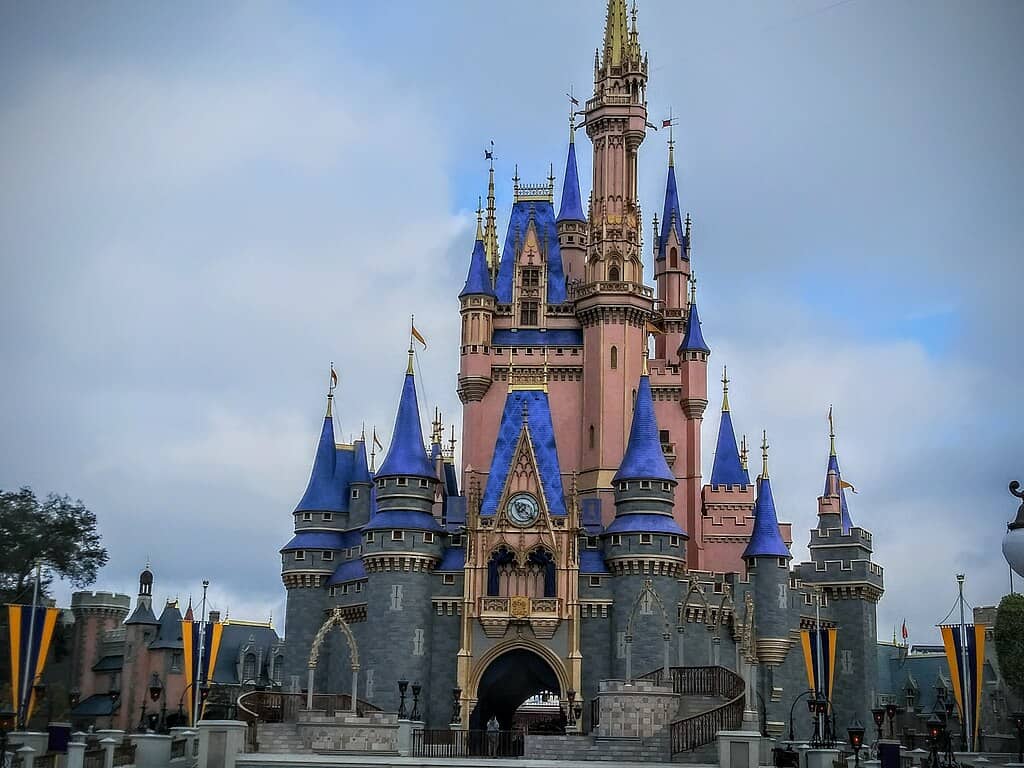
Around Orlando, Walt Disney World operates like a small city with its own hard boundaries. Resort terms bar guns, ammunition, and any weapon-like items across theme parks, hotels, transportation, and retail districts, regardless of state-level shifts on open or concealed carry. Bags go through screening, vehicles face random checks, and anyone found with a firearm is treated as a trespass case, not a special exception. Families, convention groups, and solo travelers all step into a world built around queues, fireworks, and controlled risk, not personal weapons on shoulders or belts.
Disneyland Resort And Anaheim’s Tourist Zone, California
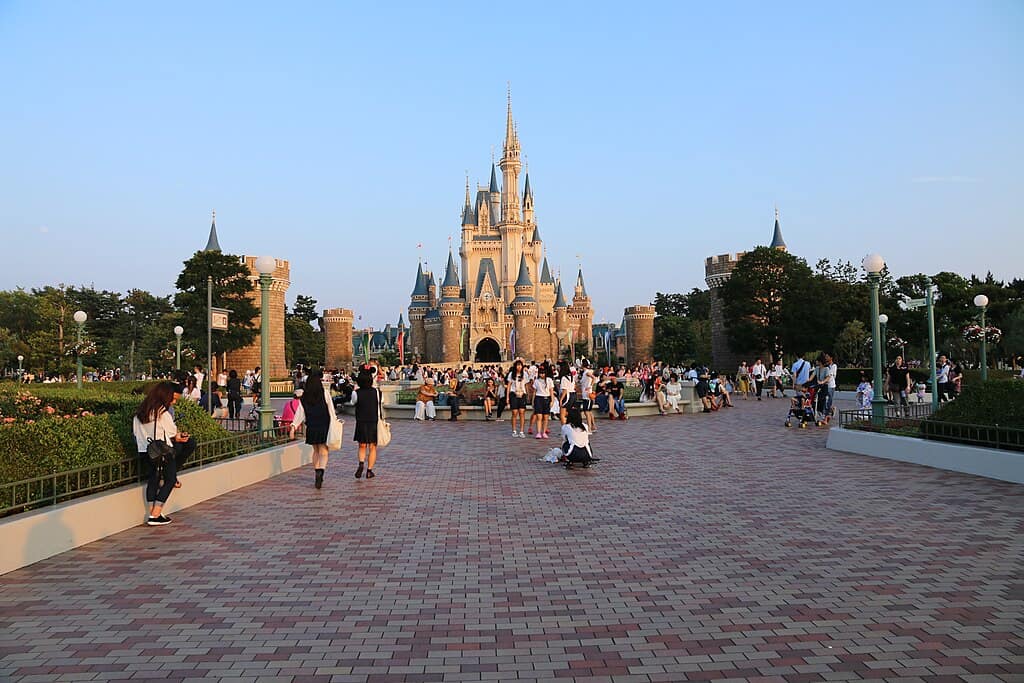
In Anaheim, Disneyland Resort follows a similar playbook with its West Coast flavor. Entry points funnel visitors through checkpoint lines where staff enforce an absolute ban on firearms inside Disneyland Park, Disney California Adventure, and the Downtown Disney area. California’s broader sensitive-place rules reinforce that posture around schools, transit, and some public venues, even as lawsuits test the edges. For visitors, that legal scaffolding is mostly invisible. What they notice are consistent bag checks, clear posted policies, and a sense that the resort sits just slightly apart from the legal battles outside its fences.
Chicago Public Transit And Downtown Attractions
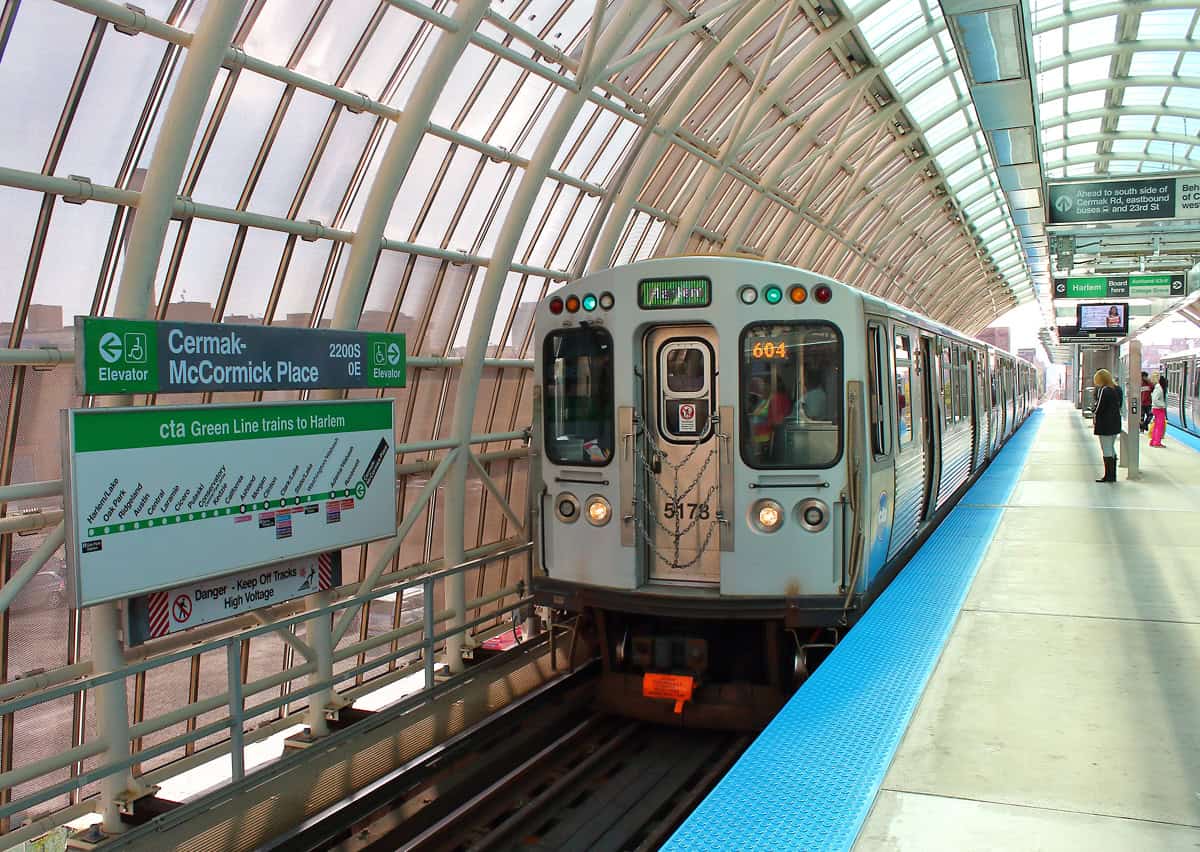
Chicago’s draw as a convention and leisure city depends heavily on its transit system, which now embodies firm limits on carry rights. State law bars licensed carriers from bringing firearms onto public buses and trains, treating those crowded, enclosed spaces as too risky for weapons. Signage on platforms and vehicles spells out the rule, while security cameras and transit police handle enforcement. Tourists headed to museums, ballparks, and lakefront paths may still pass through neighborhoods with very different politics, but once on the system, the expectation is simple: no guns on board.
Las Vegas Strip Casinos, Nevada
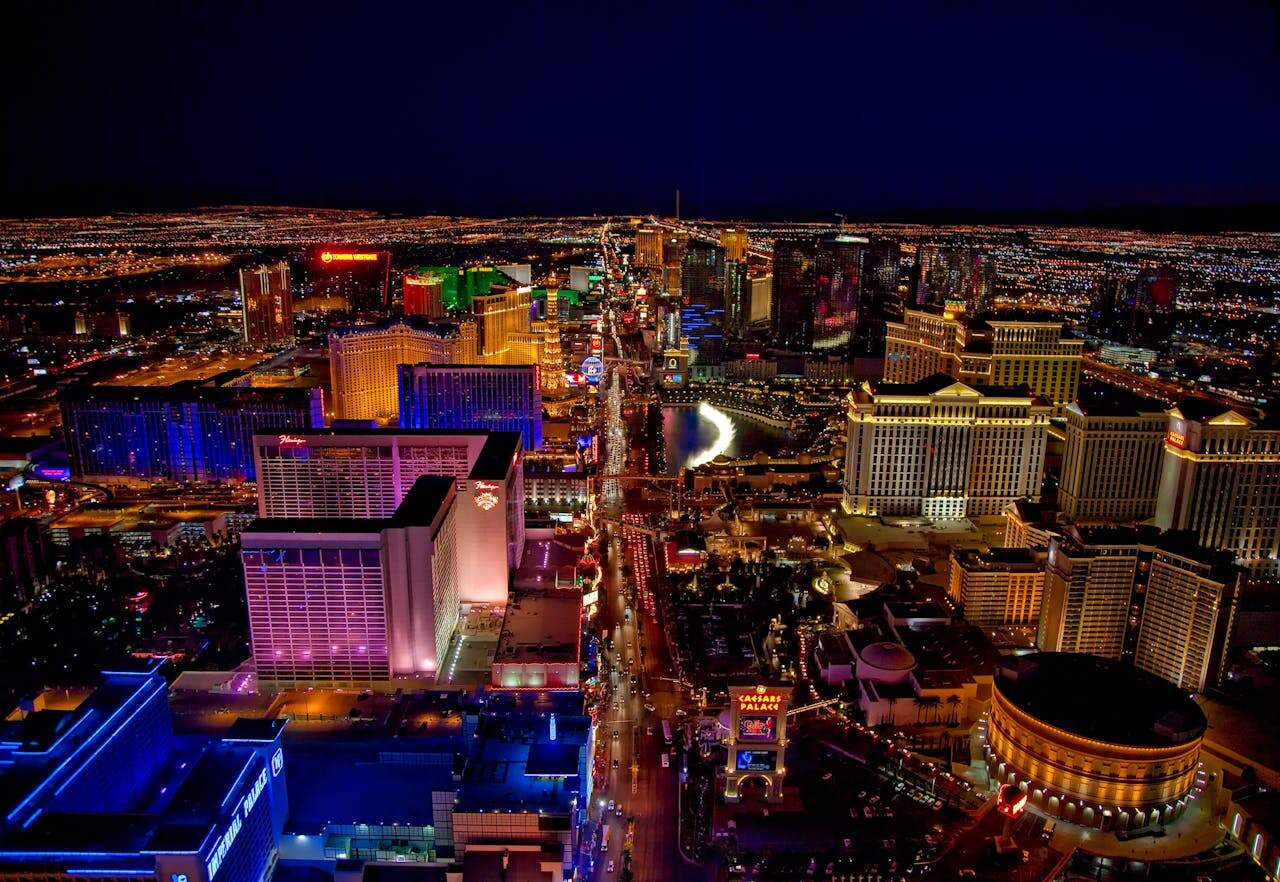
On the Las Vegas Strip, the surface story is neon freedom, but the fine print inside resorts tells a different tale. Nevada law allows both open and concealed carry in many public settings, yet major casinos classify their floors, hotel towers, and connected venues as gun-free private property. Security teams rely on surveillance networks, metal detectors at certain clubs and events, and quiet conversations with guests to keep weapons out. The economic engine depends on drink-fueled crowds, high-stakes play, and packed shows, and operators have decided that firearms do not fit that business model at all.