We may earn money or products from the companies mentioned in this post. This means if you click on the link and purchase the item, I will receive a small commission at no extra cost to you ... you're just helping re-supply our family's travel fund.

Shorts feel easy until the setting quietly raises the stakes. In the United States, the places where shorts backfire usually have one thing in common: consequences that have nothing to do with style. Sometimes it is respect, as in sacred spaces and moments of grief. Sometimes it is access, because security can turn someone away at a courthouse door. Sometimes it is safety, where bare skin meets sparks, insects, sun, or asphalt. These seven situations are about avoiding predictable problems with a simple choice that keeps the day smooth.
Courtrooms And Jury Duty
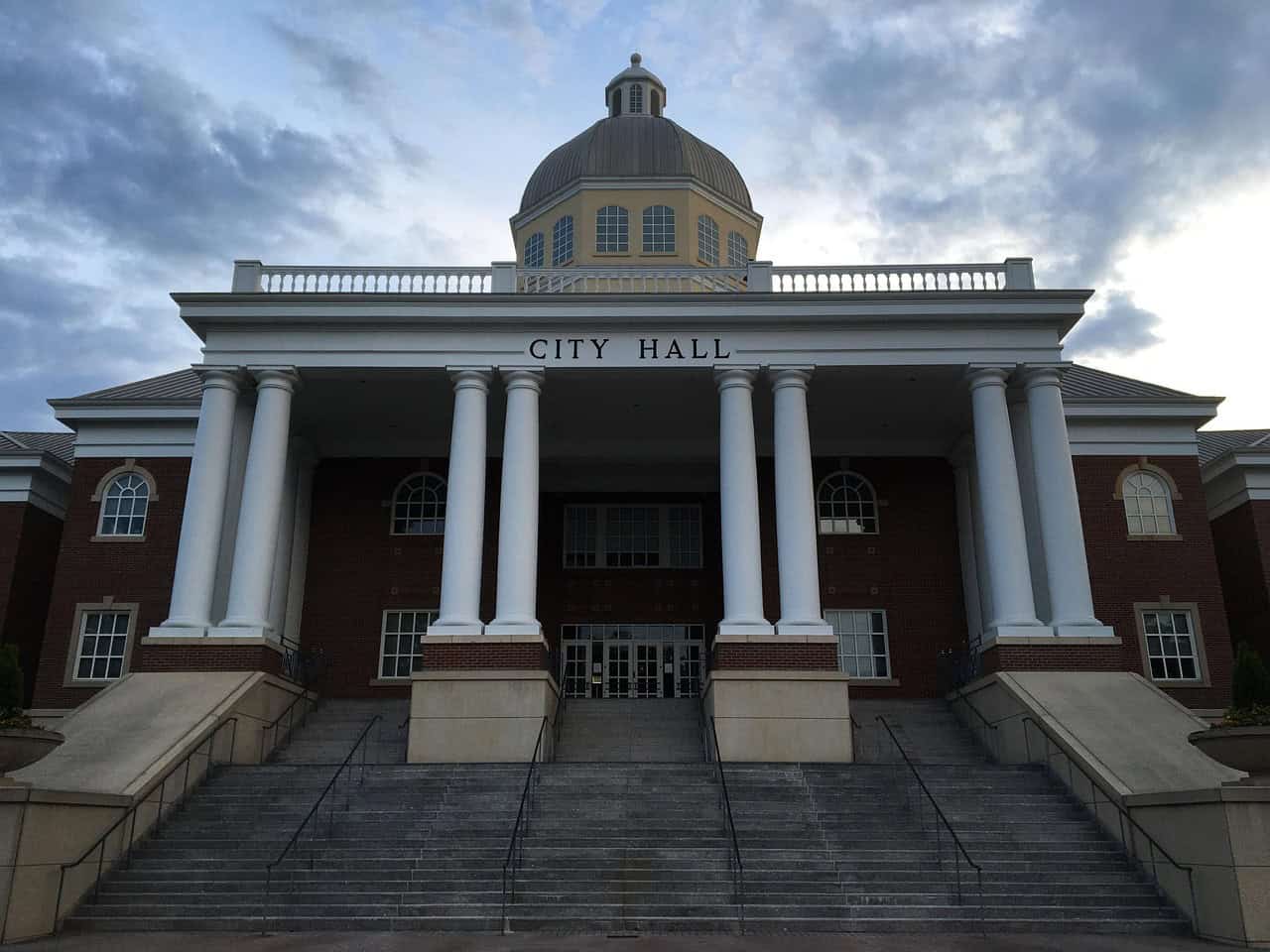
Courtrooms run on decorum, and many enforce dress rules at the security checkpoint, where shorts can mean being denied entry before a judge is even involved. Some courts warn that inappropriate attire is not an excuse for lateness or a missed appearance, so the clothing decision can cause rescheduling, fines, or serious trouble if the person is a defendant. Even when entry is allowed, shorts can read as careless in a room built for consequences and record keeping. Long pants remove discretion and reduce friction with staff, letting the focus stay on testimony, paperwork, and timing rather than an argument about what counts as acceptable clothing.
Houses Of Worship And Sacred Sites
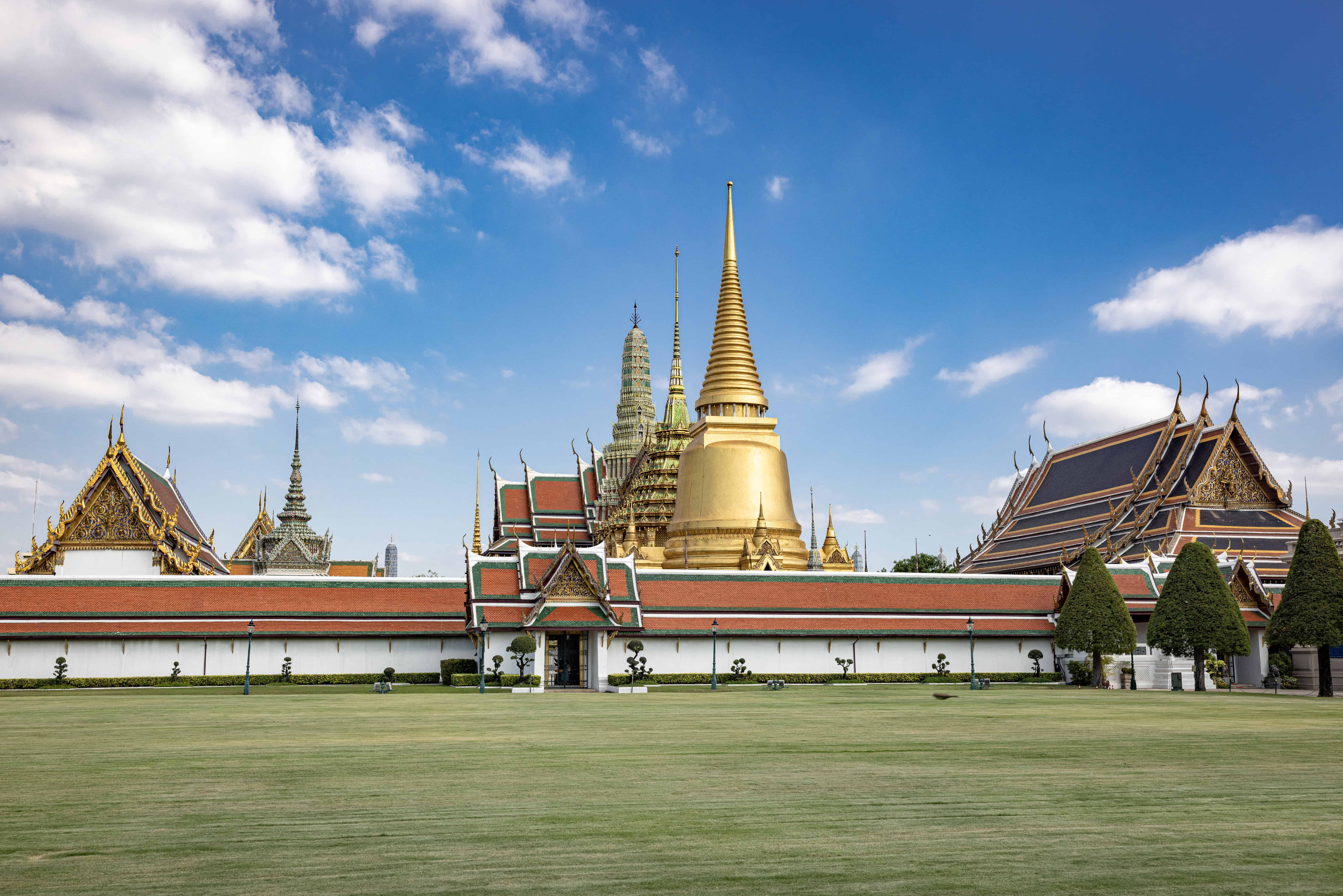
Houses of worship treat clothing as part of the atmosphere, and shorts can read as overly casual in spaces built for prayer, ritual, and quiet reflection. Many churches, temples, mosques, and historic religious sites expect knees to be covered during services, and some deny entry when shorts run above the knee, even when the heat is intense. The point is not shame, but shared respect, especially when locals are dressed conservatively and visitors stand out fast. Lightweight trousers or a long skirt keep the visit smooth, prevent awkward door conversations, and help the focus stay on the art, music, and meaning of the place rather than bare legs.
High-End Restaurants With Dress Codes
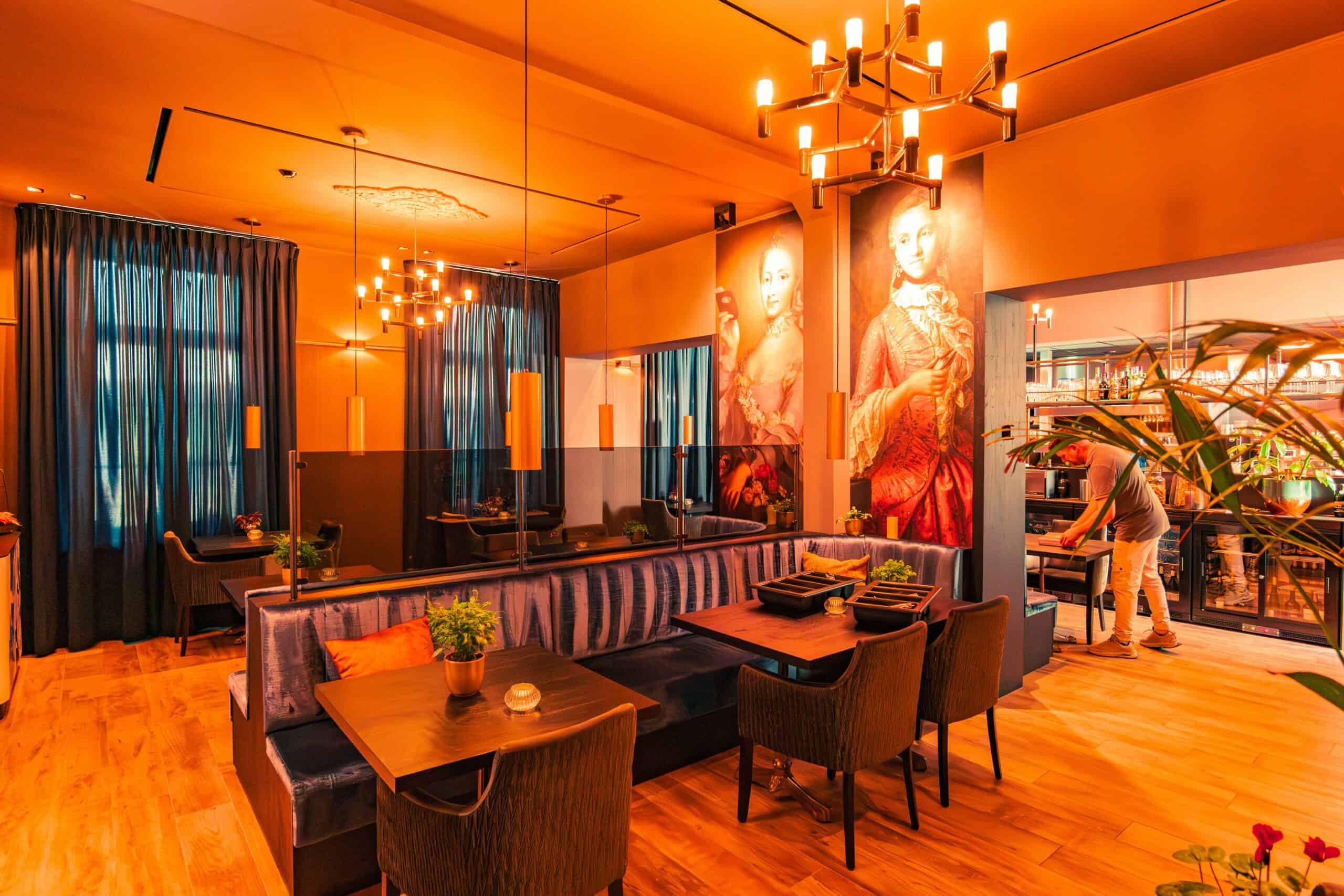
In certain dining rooms, shorts do not just look casual, they signal that the guest is not matching the room’s tone, and hosts are trained to protect that mood for every table. Upscale restaurants and classic steakhouses may quietly redirect guests to the bar, patio, or another reservation rather than debate dress at the stand, and the embarrassment can linger longer than the meal would. Comfort matters too. Strong air conditioning, stiff chairs, and long dinners make bare legs cold and sticky, while long pants avoid friction with upholstery and let the evening feel deliberate. Good food deserves a calm entrance, not a clothing negotiation.
Funerals, Visitations, And Memorial Services
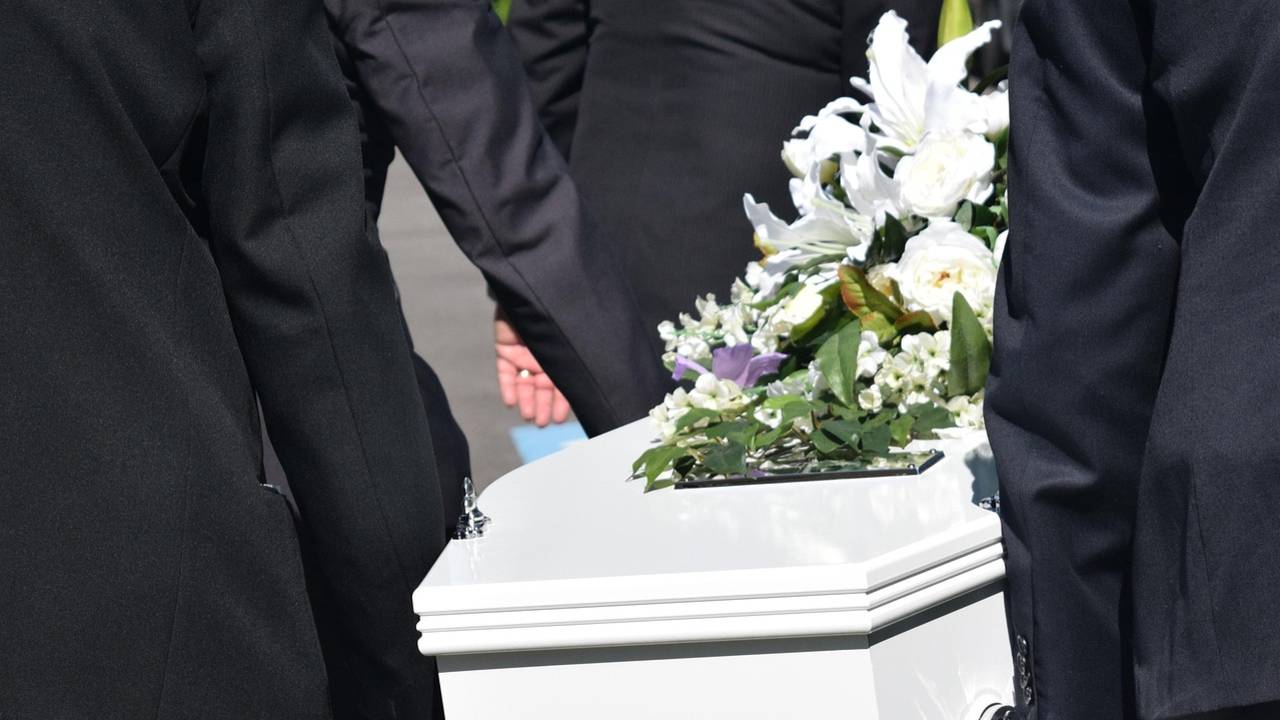
Funerals and memorial services run on quiet signals of care, and shorts can read as everyday comfort at the exact moment a family is bracing itself. Even when no one says a word, the mismatch lands, especially in chapels that run cold, outdoor services with wind, and crowded rooms where seating is tight and people are already on edge. Clothing cannot fix grief, but it can avoid adding irritation. Long pants, closed shoes, and subdued colors keep attention on support and presence, not on what someone wore. Later, in photos and memory, the choice reads as steady respect rather than casual distance.
Construction Sites, Factories, And Industrial Tours

Construction sites, factories, warehouses, and plant tours treat exposed skin as a hazard, and shorts leave legs open to sparks, sharp edges, hot surfaces, chemicals, and flying grit. Many employers require long pants as part of basic PPE, and the rule is often firm even for short visits, because the risk does not care how long someone planned to stay. A scrape can become an infection, and a splash can become a burn within seconds. Trousers work with knee pads, safety boots, and high-visibility gear, resist snags on ladders and pallets, and close a gap that shorts leave wide open. It is not about looking tough. It is about staying uninjured.
Backcountry Trails In Tick, Thorn, And Poison Ivy Country

Backcountry trails tempt shorts, but brushy paths punish exposed legs with ticks in tall grass, poison ivy under leaves, nettles along edges, and thorns that turn a peaceful walk into a scratched-up slog. In deserts and canyons, bare skin also takes more sun and more abrasion when scrambling over rock, and small cuts collect grit that stings for days. Then evening arrives and temperatures drop, and sunburn makes movement feel tight and raw. Lightweight hiking pants solve several problems at once. They reduce bites and rashes, block brush, protect knees in slips, and keep the body comfortable so the hike stays focused on scenery and pace, not constant first aid and irritation.
Motorcycles, Scooters, And Open-Air Rides
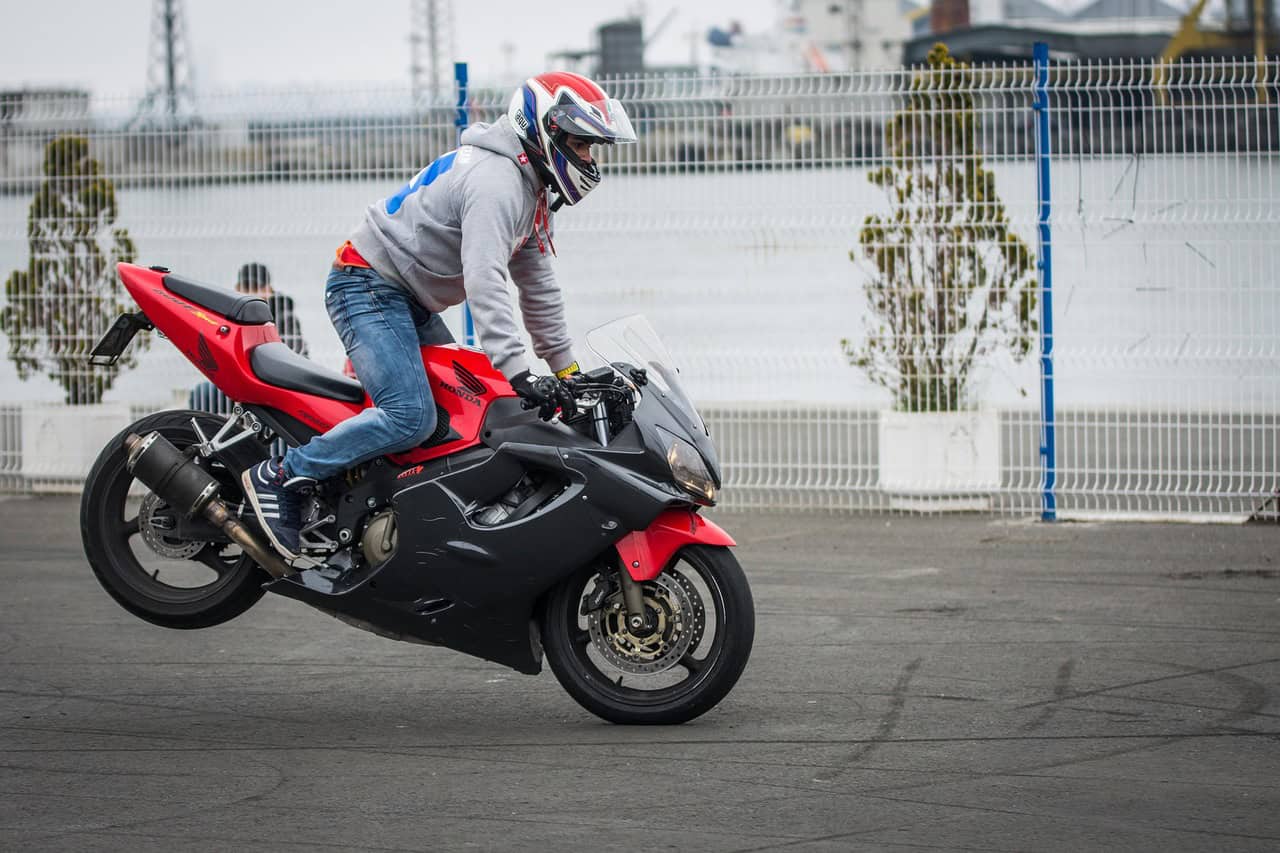
Motorcycles and scooters turn shorts into a safety problem, because skin has almost no protection when it meets asphalt, gravel, or a hot exhaust pipe. Rider safety guidance consistently recommends long pants made from abrasion-resistant material, and the advice matters even on quick errands where speed still exists and drivers still make mistakes. Legs also take sun, flying debris, and windburn, and one minor spill can turn into a painful, slow-healing injury. Long pants are not about looking serious or “dressed right.” They are about arriving intact, reducing road rash, and keeping a small incident from becoming a medical problem that ruins the week.