We may earn money or products from the companies mentioned in this post. This means if you click on the link and purchase the item, I will receive a small commission at no extra cost to you ... you're just helping re-supply our family's travel fund.
In a world where screens dominate nearly 70% of waking hours, true disconnection has become rare. Some places don’t just encourage a digital detox, they enforce it through geography, tradition, or sheer isolation. These destinations strip life back to its essentials, replacing notifications with silence, routines with nature, and scrolling with stillness. Whether cut off by oceans, deserts, or centuries-old customs, each location offers a rare chance to experience days measured by sunlight, weather, and human presence rather than Wi-Fi bars.
1. Tristan da Cunha, South Atlantic Ocean
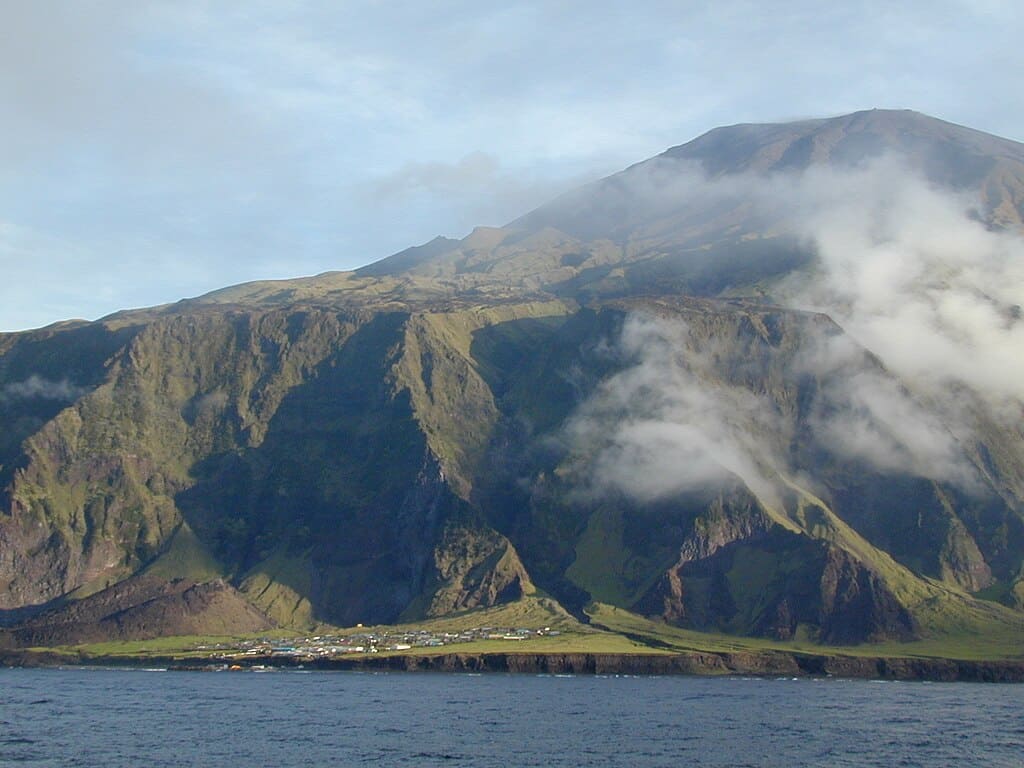
Located roughly 1,510 miles from the nearest mainland, Tristan da Cunha is considered the most isolated inhabited island on Earth. Fewer than 260 residents share a single satellite internet connection that rarely exceeds 1 Mbps and is often disrupted by storms. There is no airport, only one small harbor, and ships arrive fewer than 10 times per year. Life centers on fishing, potato farming, and shared routines. Without constant connectivity, information spreads by conversation, daily schedules follow daylight, and time feels noticeably slower.
2. Supai Village, Arizona, USA
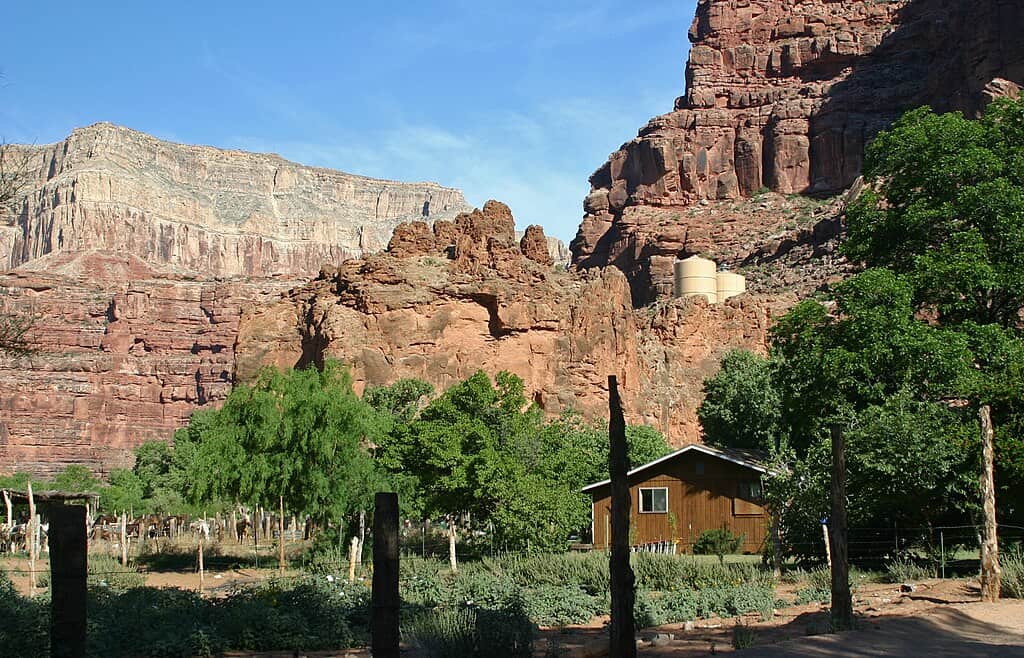
Supai Village sits deep within the Grand Canyon and is reachable only by an 8-mile hike, mule ride, or helicopter. There is no cellular service, and internet access is unavailable to visitors. Electronic payments frequently fail, making cash essential. About 450 residents live here, surrounded by canyon walls rising more than 3,000 feet. With limited access and no digital distractions, daily life revolves around water collection, communal meals, and the sound of waterfalls instead of alerts or screens.
3. Ittoqqortoormiit, Greenland
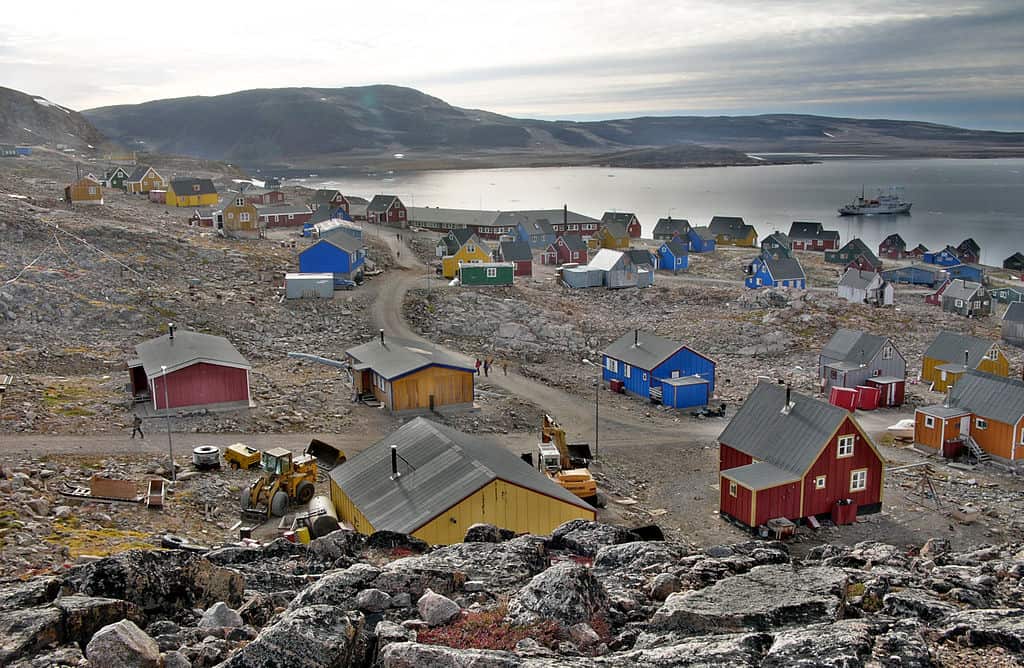
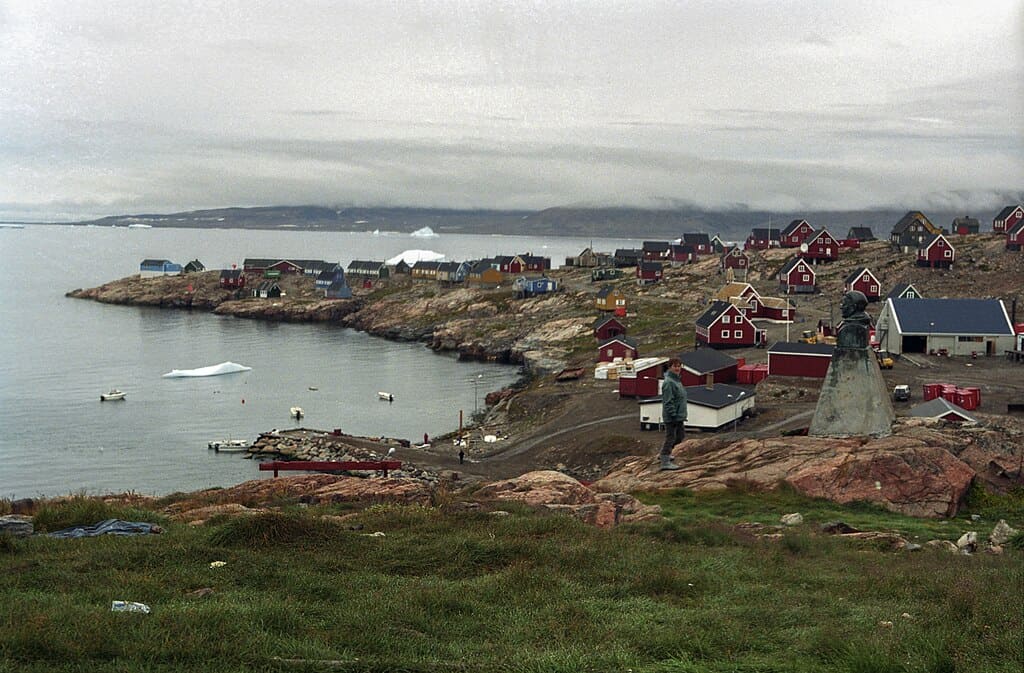
Home to roughly 350 residents, Ittoqqortoormiit lies on Greenland’s remote eastern coast and remains isolated by sea ice for up to nine months each year. Internet access depends on costly satellite service, often limited to brief daily windows and prone to outages. Winter temperatures fall below minus 22 degrees Fahrenheit, while polar night can last over 70 days. Hunting, dog sledding, and shared labor shape daily life, strengthening community bonds where online access remains unreliable.
4. North Sentinel Island, India
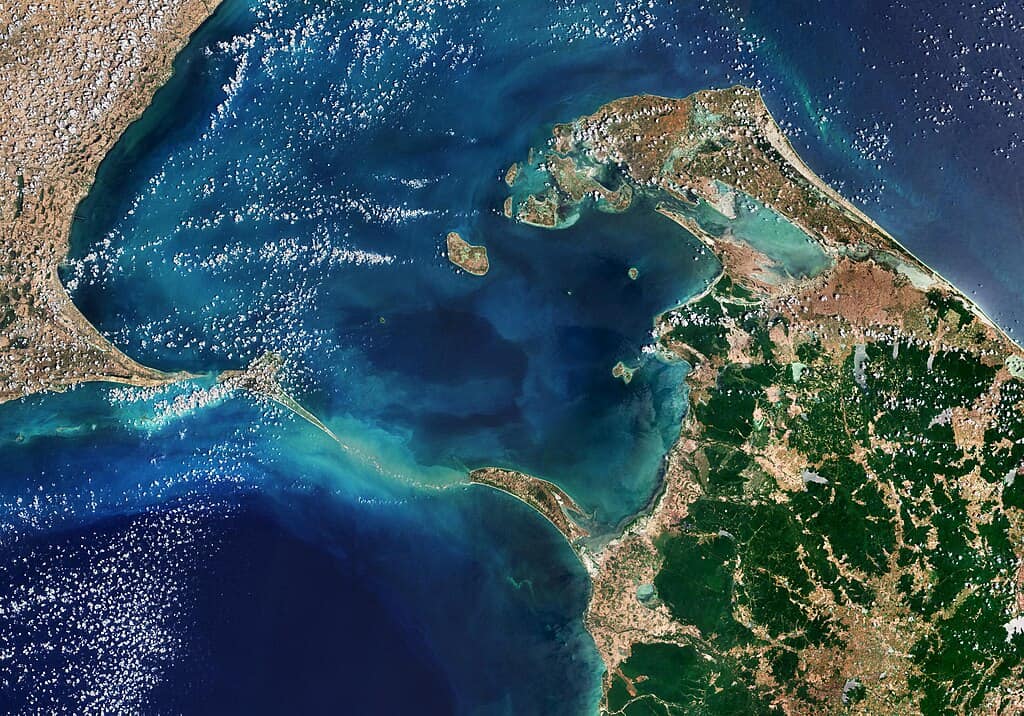
North Sentinel Island exists entirely outside the digital world. The Sentinelese tribe, estimated at 100 to 150 people, has lived without electricity, internet, or modern infrastructure for thousands of years. Indian law bans travel within three miles of the island to prevent contact. There are no signals, broadcasts, or recorded communication systems. Though inaccessible, the island represents total disconnection, proving that human societies can exist fully without technology or online dependence.
5. Remote Cabins of Svalbard, Norway
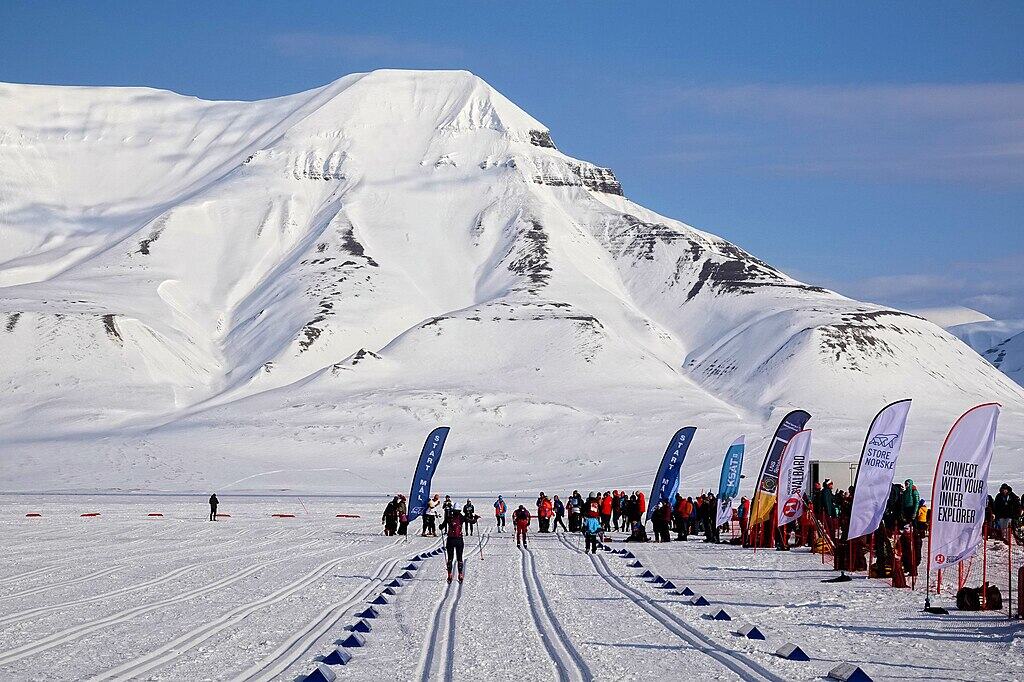
Just 12 to 25 miles beyond Longyearbyen, Svalbard’s remote cabins lose all mobile and internet connectivity. These shelters often lack running water and rely on generators or wood stoves. Winter darkness lasts about 120 days, with temperatures dropping below minus 4 degrees Fahrenheit. Without digital access, evenings are spent cooking, reading, or listening to Arctic winds. The isolation is intentional, offering uninterrupted silence shaped solely by weather and light cycles.
6. Mount Athos Monastic Region, Greece
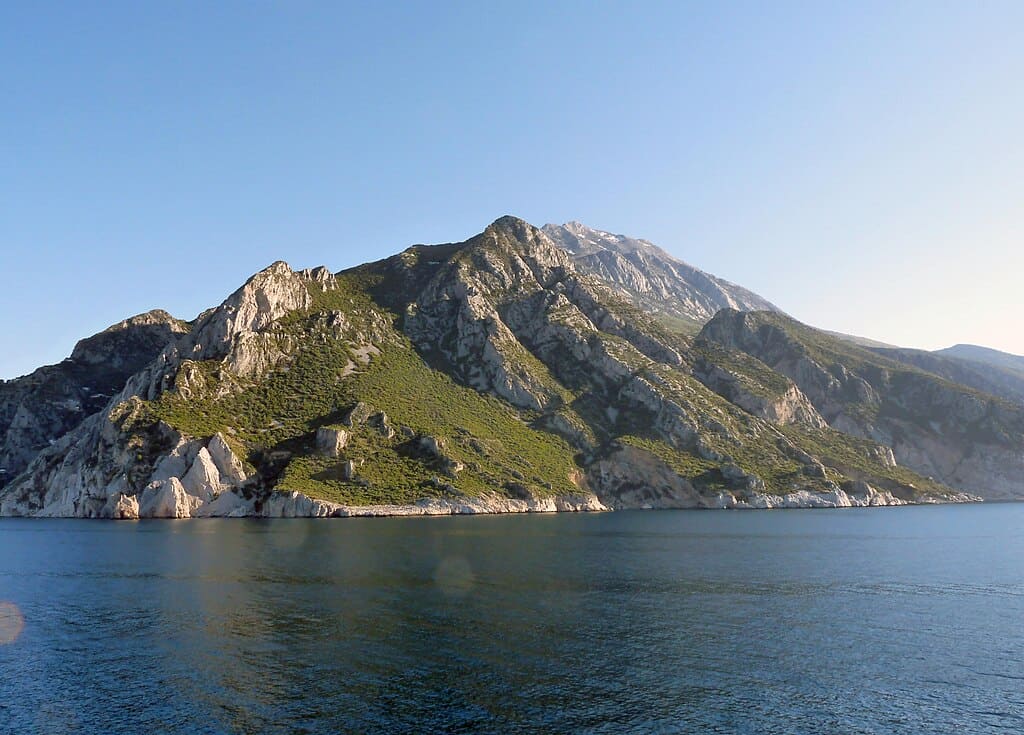
Mount Athos is a self-governing monastic state home to more than 20 monasteries and over 1,000 monks. Internet use is either prohibited or tightly controlled, and mobile signals fade across much of the peninsula. Daily routines begin before 4 a.m. and follow strict cycles of prayer, labor, and silence. With traditions extending beyond 1,000 years, Mount Athos enforces disconnection through discipline, simplicity, and deeply rooted spiritual practice.
7. Great Victoria Desert, Australia
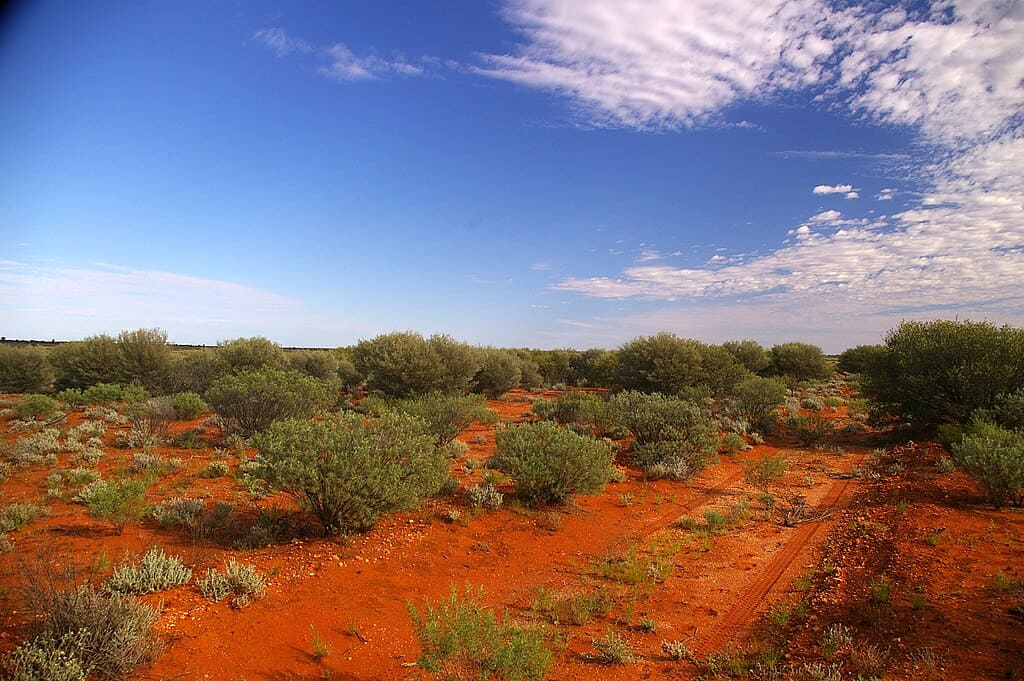
Covering more than 162,000 square miles, the Great Victoria Desert includes vast areas with no mobile signal or internet access for hundreds of miles. Satellite phones are often the only communication option. Summer temperatures regularly exceed 113 degrees Fahrenheit, and settlements may sit over 185 miles apart. Navigation depends on planning rather than online maps. At night, minimal light pollution reveals dense star fields, emphasizing the desert’s scale, silence, and digital absence.