We may earn money or products from the companies mentioned in this post. This means if you click on the link and purchase the item, I will receive a small commission at no extra cost to you ... you're just helping re-supply our family's travel fund.

Some destinations ask more than a normal trip can give: conflict that flares, services that falter, or landscapes that punish small mistakes. Curiosity is healthy; logistics still matter. The smarter move is to keep the mood and change the map. Each entry pairs a high-risk spot with a nearby alternative that protects time and nerves while delivering similar history, scenery, wildlife, or ritual. What this really offers is clear transport, steady clinics, and guides who turn days into stories worth retelling.
Kabul, Afghanistan → Samarkand, Uzbekistan
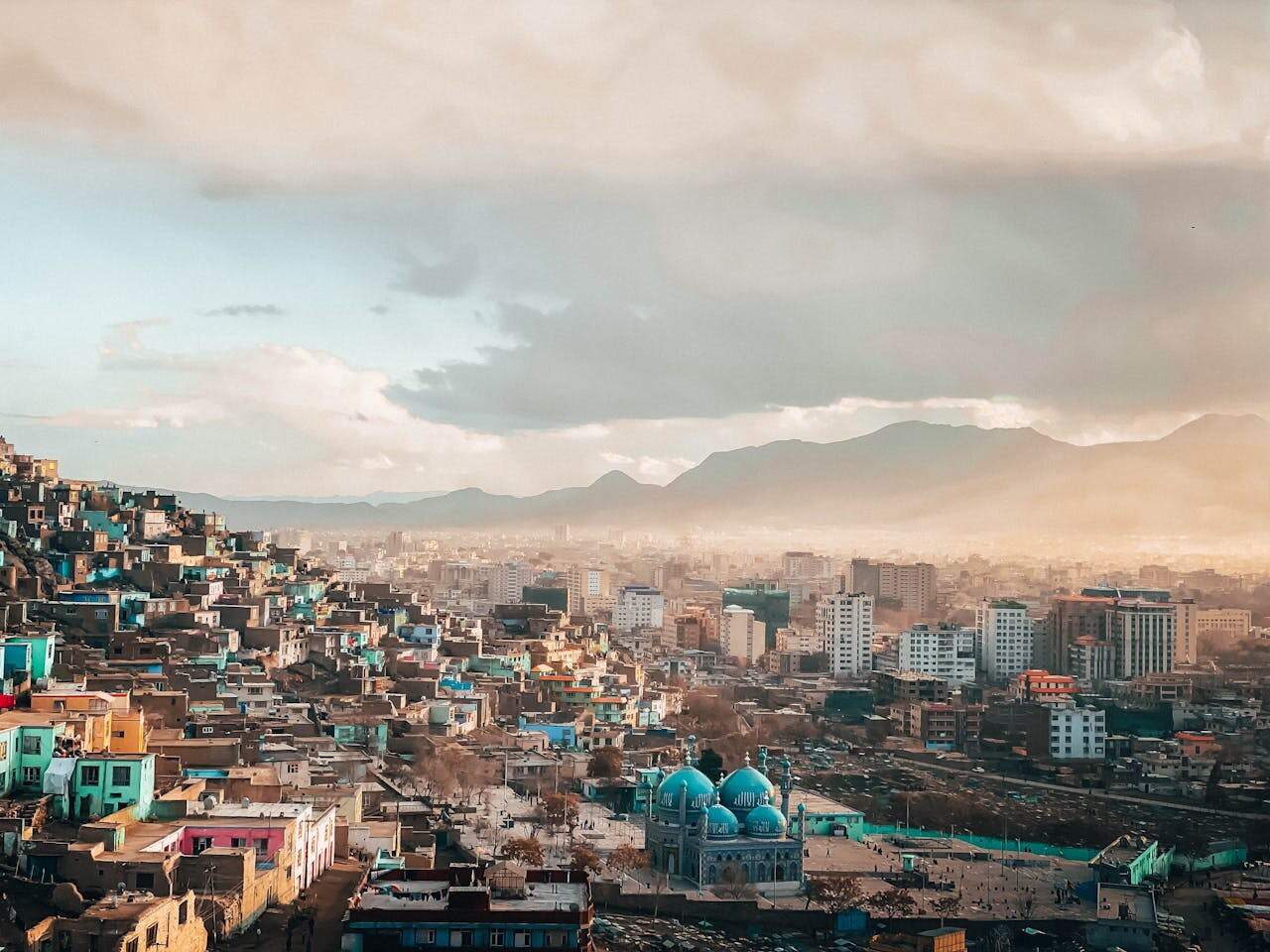
Kabul’s museums and markets tempt, but instability and thin consular support make simple errands complicated. Samarkand keeps Silk Road drama without the stress: the Registan’s tile flashing at golden hour, paper mills and workshops, and evening strolls under blue domes. High-speed trains link Bukhara and Tashkent; hotels feel orderly, and street life stays relaxed around teahouses. The trade routes studied in Kabul’s archives play out here in squares designed for lingering rather than checkpoints.
Mogadishu, Somalia → Lamu, Kenya
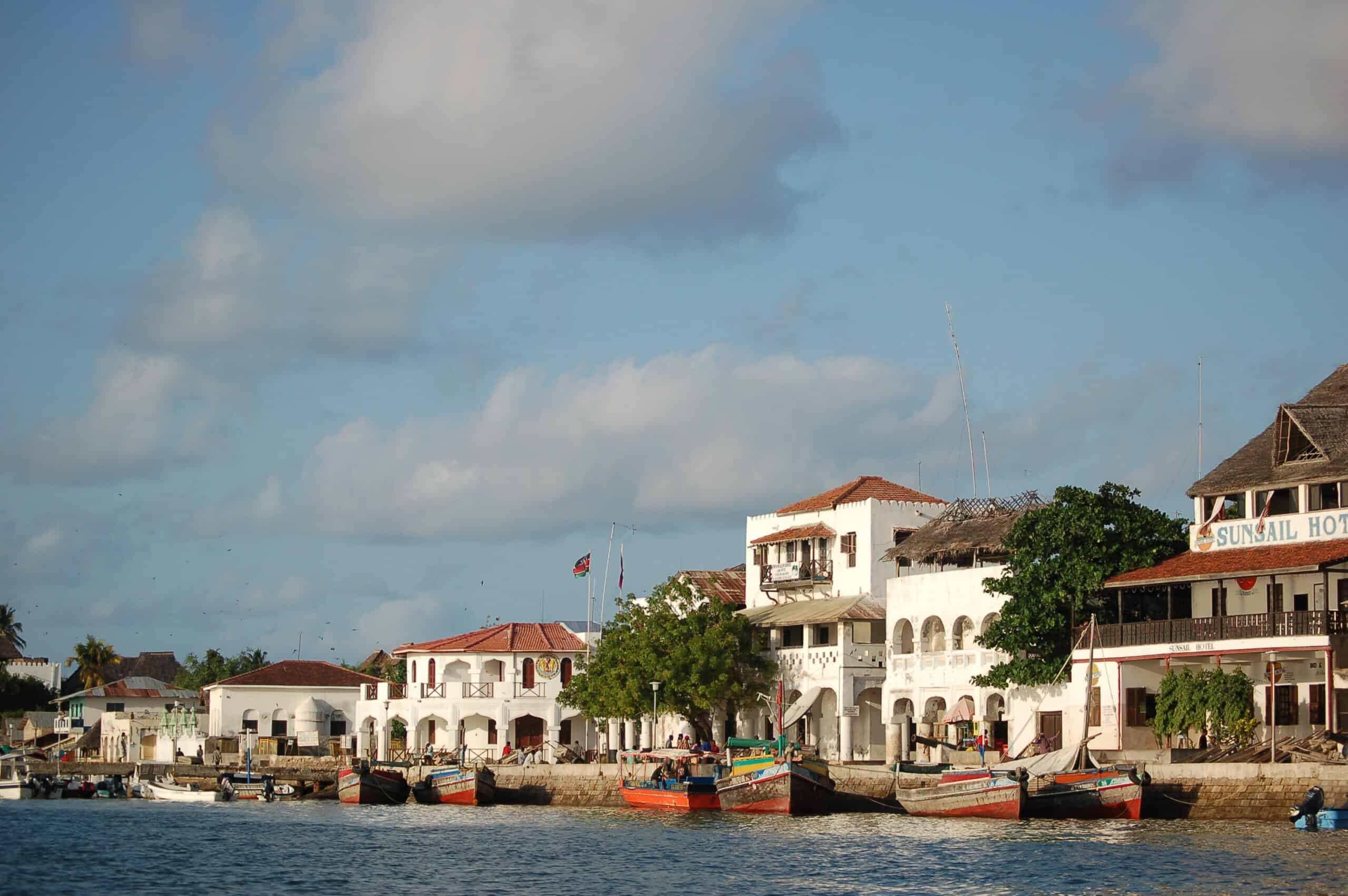
Mogadishu’s coastal heritage is real, yet incidents keep plans brittle. Lamu offers Swahili coral-rag lanes, carved doors, and dhow culture with working ferries and reliable stays. Donkeys set the pace, verandas catch wind, and small museums frame centuries of trade. Dawn calls drift over mangroves; afternoons fold into quiet sails and cardamom tea. The same Indian Ocean textures arrive intact, only with logistics that cooperate and conversations that last past sunset.
Damascus, Syria → Amman & Jerash, Jordan

Damascus holds deep memory, but checkpoints and sanctions turn movement into negotiation. Amman brings hilltop views, cafés, and markets that open on time; Jerash, an hour north, unfurls colonnades, theaters, and mosaics that carry Rome into the Levant. Day trips run cleanly, and evenings settle on Rainbow Street with a steady pulse. The layered past shows up in clear light, not sirens, and the calendar obeys the clock instead of the rumor mill.
Sana’a, Yemen → Salalah, Oman
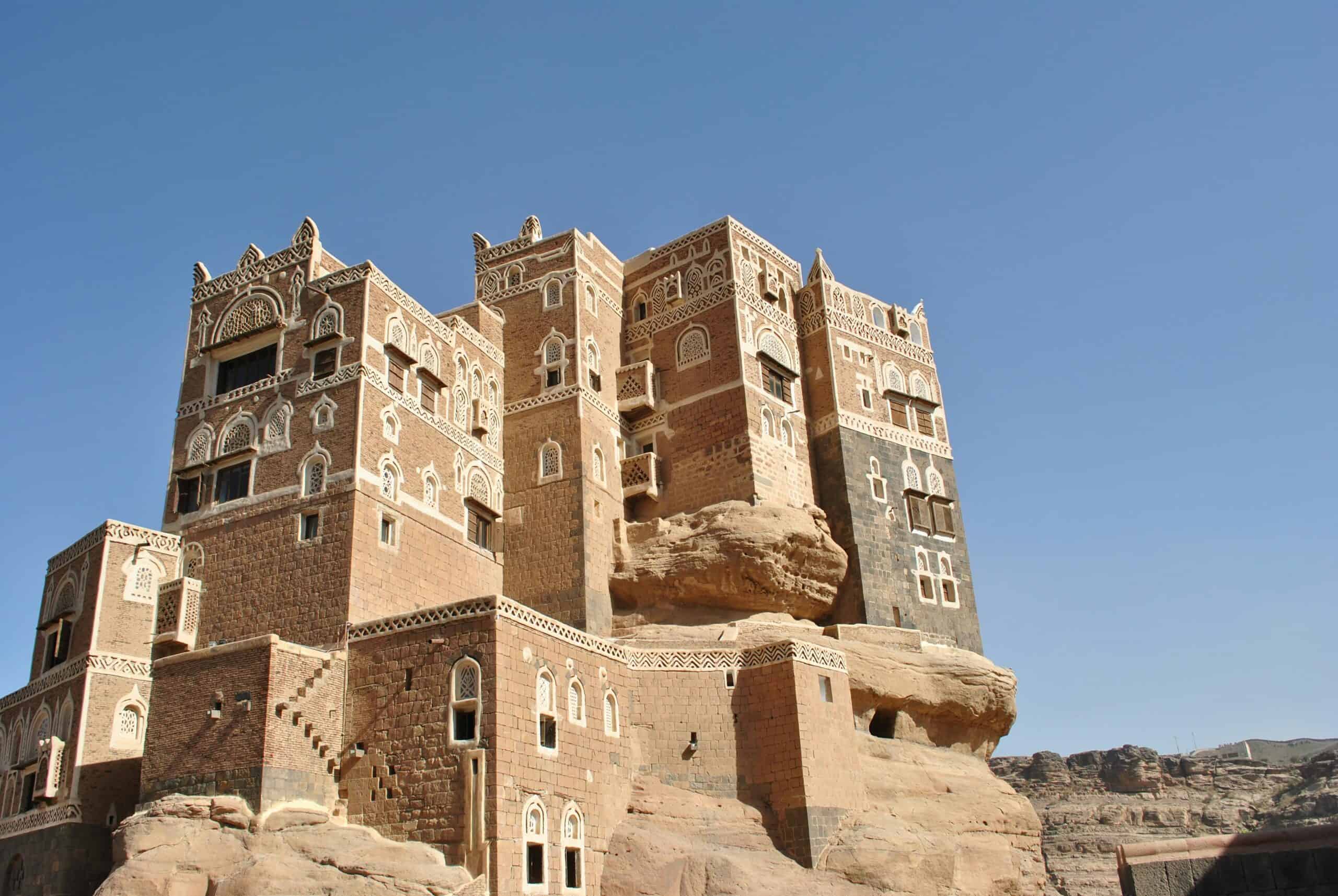
Sana’a’s gingerbread towers and qat-green afternoons remain out of reach for safety. Salalah trades risk for frankincense wadis, khareef hills turned emerald, and quiet beaches where fishermen mend nets at dusk. Souqs smell of resin and limes; coastal drives stack blowholes and cliff views under soft haze. Architecture lands simpler than Sana’a’s, but the mood is close: Arabian Sea breezes, incense history, and days shaped by tide charts instead of roadblocks.
Port-au-Prince, Haiti → Santo Domingo, Dominican Republic
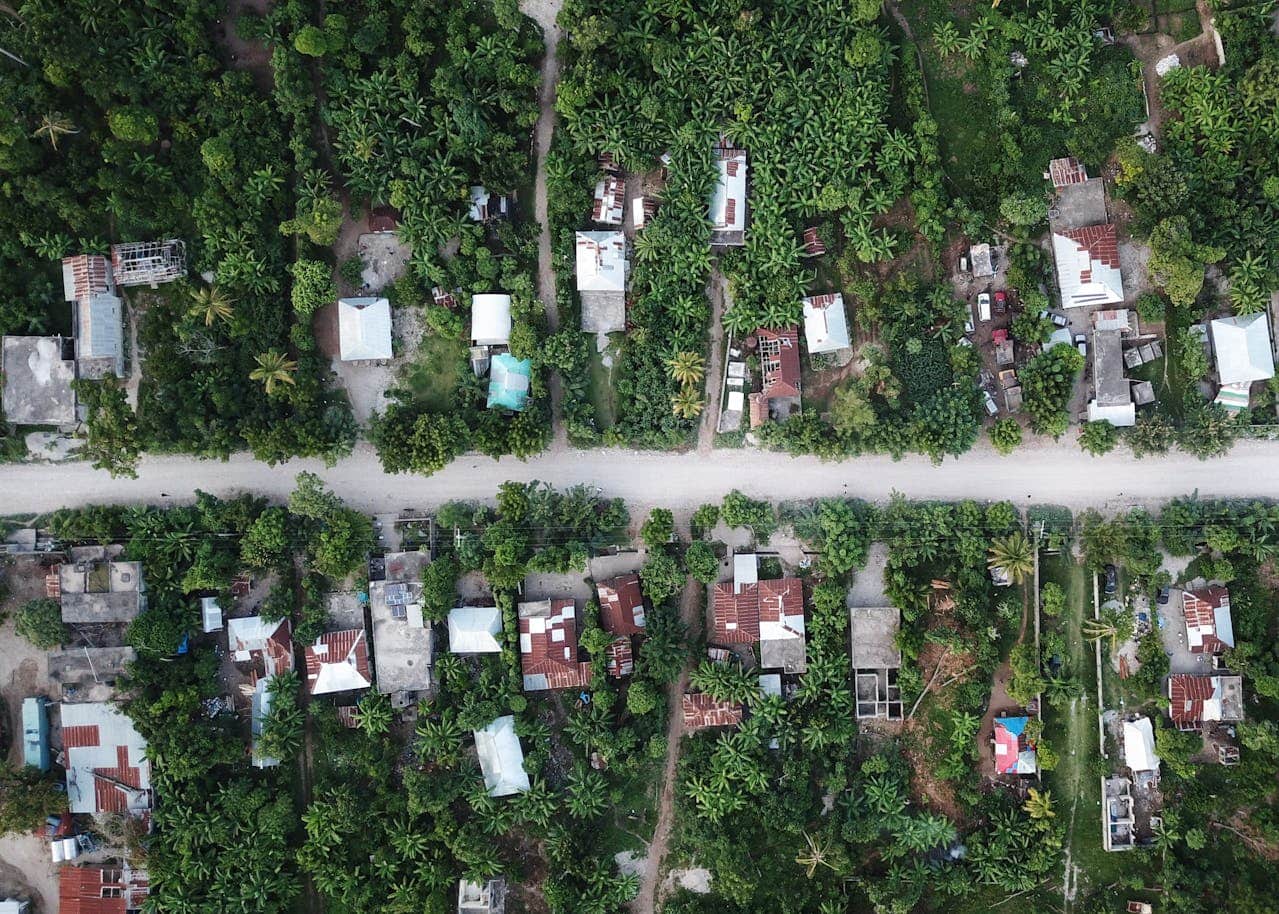
Port-au-Prince’s art is electric, yet gang control and service gaps make timing unsafe. Santo Domingo’s Zona Colonial answers with 16th-century stone, shaded plazas, and merengue at street level. Museums open on schedule; day trips reach limestone caves and calm strands. Creole flavors and island history remain, only with taxis, ATMs, and clinics that do their job. The choice swaps adrenaline for continuity, which is what memories actually need to stick.
Darién Gap, Panama–Colombia → Tayrona & Minca, Colombia
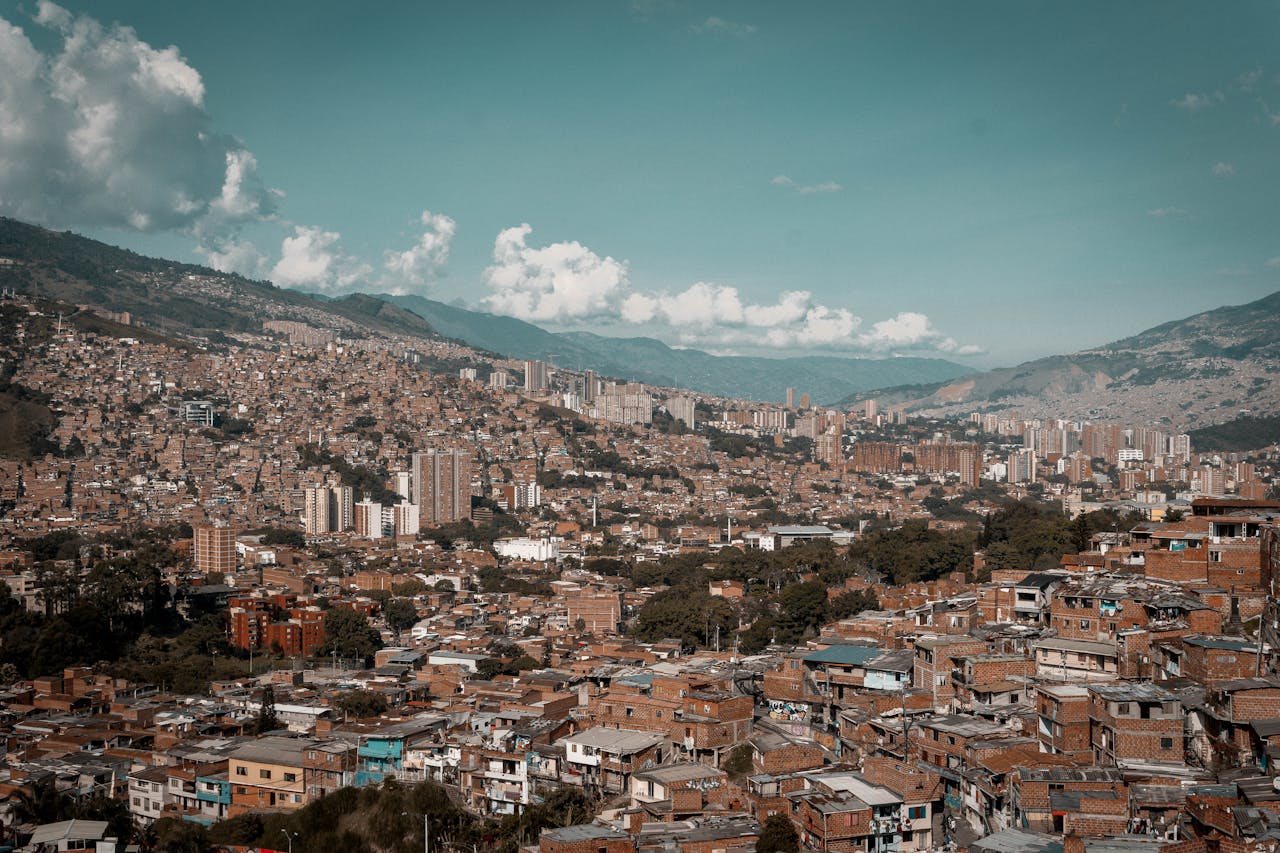
The Darién is no place for leisure travel: armed groups, treacherous crossings, and no rescue net. Santa Marta unlocks the spirit safely. Tayrona mixes rainforest trails with Caribbean coves; nearby Minca cools the air with coffee farms, waterfalls, and birdsong. Licensed guides, marked paths, and towns with cash points turn long days into calm ones. The wild coast and canopy soundtrack stay, while the roulette wheel of extraction disappears.
Mount Nyiragongo, DRC → Volcanoes National Park, Rwanda

Nyiragongo’s lava lake fascinates, but conflict and eruptions make access volatile. Volcanoes National Park replaces peril with organized trekking: bamboo slopes, golden monkeys, and, with permits, gorillas under mist. Musanze handles gear, early starts, and steady lodging; radios and park staff keep plans aligned with weather. The walking feels just as volcanic, only with a safety net and a clear debrief back in town rather than a scramble at dusk.
Why the Safer Alternative Often Delivers More of What You Want
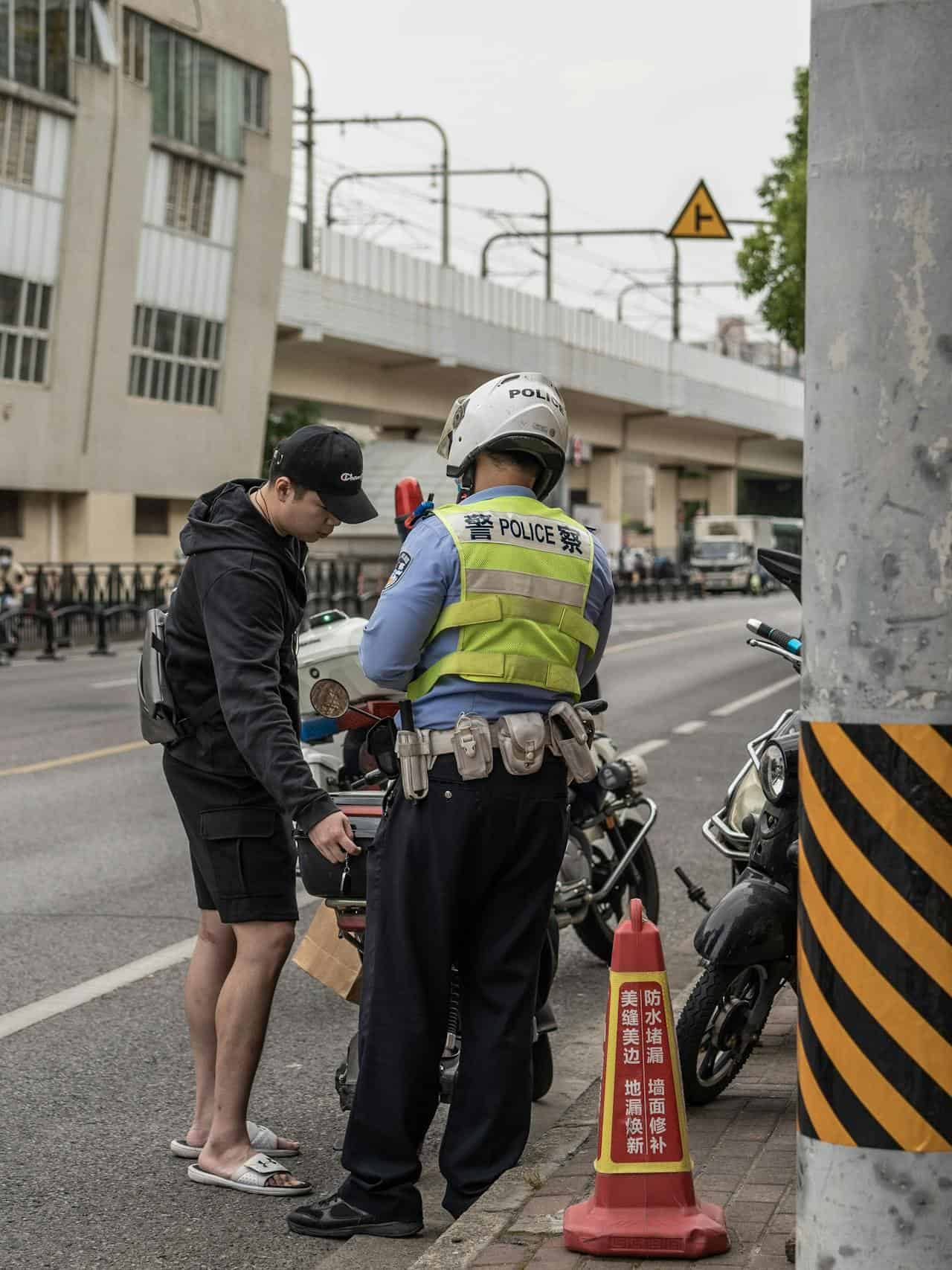
Risky destinations attract attention because they promise intensity and rarity. But intensity doesn’t automatically translate to depth. When logistics work, guides have time to talk, sites can be lingered in, and days unfold without constant recalculation. What travelers usually seek is not danger itself, but texture: history you can walk through, landscapes you can sit with, rituals you can understand. Safer alternatives remove friction so those details have room to surface.