We may earn money or products from the companies mentioned in this post. This means if you click on the link and purchase the item, I will receive a small commission at no extra cost to you ... you're just helping re-supply our family's travel fund.
Traveling across the United States, most laws feel familiar: speed limits, TSA security checks, and parking rules. But in some areas, travelers encounter unusually specific or quirky regulations shaped by history, geography, and local culture. From Alaska to Vermont, these legal oddities can surprise even seasoned visitors. Knowing them can prevent fines, misunderstandings, or just give you an interesting story to tell. Here are seven U.S. places where the travel laws are strangely different, each backed by unique details and historical context.
1. Alaska : Don’t Drive With a Moose in Your Car

Alaska’s vast wilderness makes wildlife encounters common, yet the law strictly prohibits transporting moose in a vehicle. The regulation emerged after hunters frequently tried to haul large game, creating road hazards and vehicle damage. In Alaska alone, over 7,000 moose-related vehicle incidents occur yearly, many causing serious injuries. Hunters must tag their game and transport it securely, often using specialized trailers. Ignoring this law can lead to fines up to $500, blending wildlife protection with public safety. Visitors must respect both the size of the animals and the law.
2. Arizona : You Can’t Refuse to Carry Someone’s Load
Arizona has a little-known statute: if you agree to transport goods, you can’t refuse someone’s load. This law dates back to the early 1900s when wagons and horses were essential for commerce and cooperation in rural towns. Today, enforcement is rare, but technically, refusing to carry legally offered cargo could result in penalties up to $200. The law reflects Arizona’s frontier history, where shared transport was necessary for survival. Travelers are more likely to laugh than face consequences, but it’s a vivid example of how older laws can linger in modern times.
3. California : Hoverboards Are Heavily Restricted

California regulates hoverboards in public spaces more strictly than bicycles or electric scooters. Riding a hoverboard on sidewalks, streets, or bike lanes is illegal in many cities, including Los Angeles and San Francisco. Violations can bring fines up to $250, with safety equipment like helmets often mandatory. The state’s 40 million residents increasingly rely on alternative transportation, yet lawmakers prioritize accident prevention: over 1,500 hoverboard-related injuries were reported statewide in 2022 alone. California’s laws demonstrate the tension between innovation, personal mobility, and public safety.
4. Florida : No Parking on the Sidewalk

In Florida, it’s illegal to park your car on a sidewalk, even partially, in most cities including Miami and Orlando. Violating this law can lead to fines ranging from $100 to $250, plus possible towing fees averaging $150 per incident. The rule exists to protect pedestrians in the state’s densely populated urban areas, where sidewalks are essential for daily foot traffic and tourist sightseeing. With Florida welcoming over 130 million visitors annually, city officials enforce this law to maintain order and prevent accidents, blending safety with civic responsibility.
5. Kansas : Ants in Your Pants Can Be Illegal
Kansas retains a rarely enforced law against transporting ants in ways that create a public nuisance. Historically, farmers and ranchers worried about invasive species affecting crops, with infestations costing the state’s agricultural economy up to $50 million annually in lost yields. The law specifies that careless handling of ants or other insects could be punishable by fines up to $100. While modern travelers are unlikely to be prosecuted, the regulation reflects Kansas’s rural heritage and its careful attention to protecting farmland. The quirky phrasing makes it one of the state’s most amusing legal oddities.
6. Maine : Hunting from a Moving Vehicle Is Prohibited
In Maine, hunting from a moving vehicle is strictly forbidden to protect both wildlife and people. Violating this law can result in fines up to $500 and suspension of hunting licenses. With Maine hosting roughly 400,000 hunters annually and over 17 million acres of forests, the law ensures safety during hunting season. Even using snowmobiles or ATVs, hunters must remain stationary when taking aim. This statute illustrates Maine’s careful balance of recreational freedom, wildlife conservation, and public safety. Tourists unfamiliar with local hunting customs may be surprised by such specific restrictions.
7. Vermont : Whistling Underwater Is Illegal
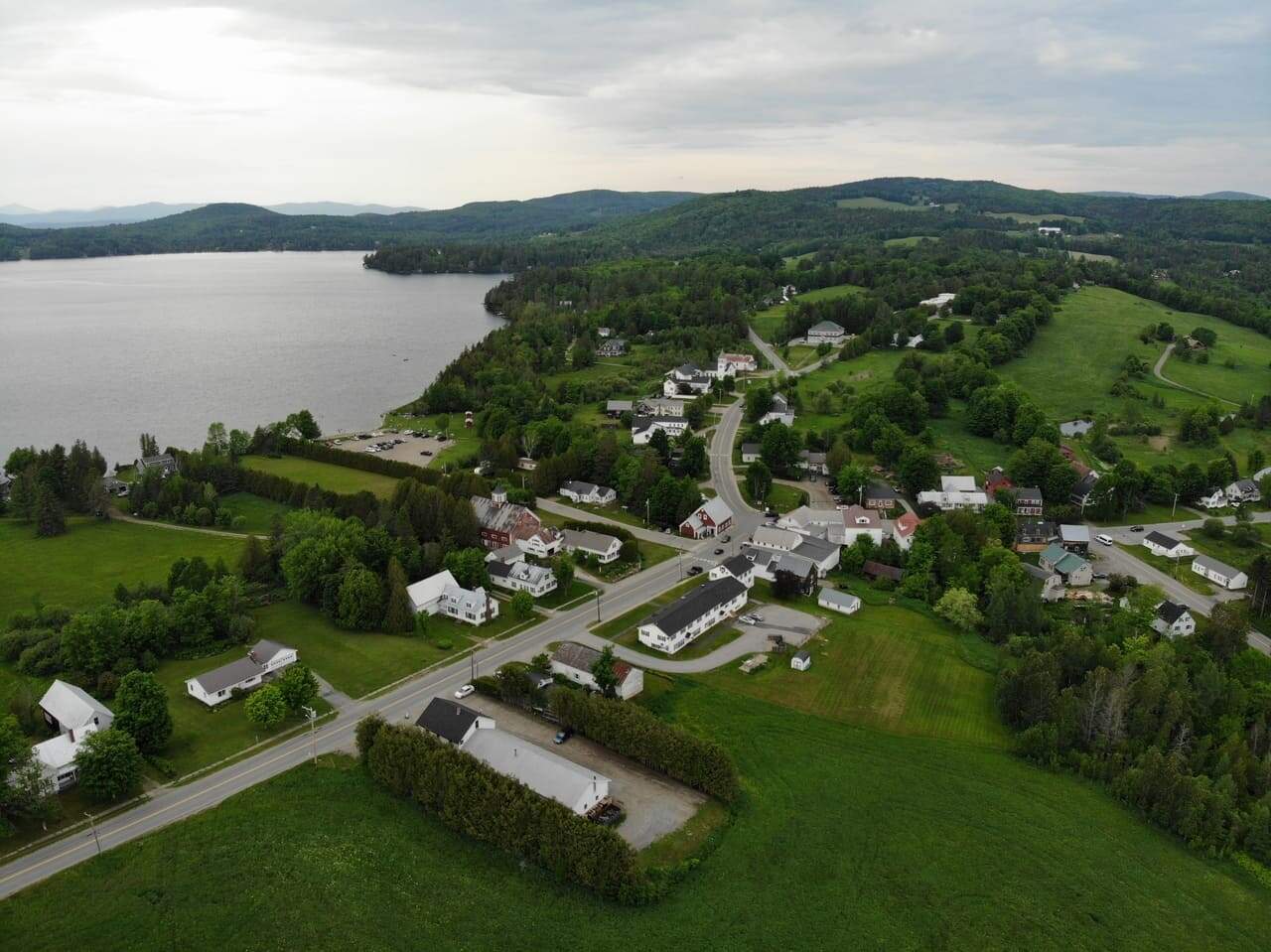
Vermont has one of the quirkiest laws in the country: whistling underwater is prohibited. While rarely enforced, it dates back to 19th-century municipal ordinances designed to limit noise in public swimming areas. Vermont has over 800 lakes and ponds, popular for recreational swimming, which likely inspired the law. Violators could theoretically face fines up to $50. This unusual statute exemplifies how small, rural states retain highly specific regulations. For visitors, it’s a humorous reminder that even peaceful lakes can harbor strange legal quirks, showing the enduring influence of historical local governance.