We may earn money or products from the companies mentioned in this post. This means if you click on the link and purchase the item, I will receive a small commission at no extra cost to you ... you're just helping re-supply our family's travel fund.
/Freepik
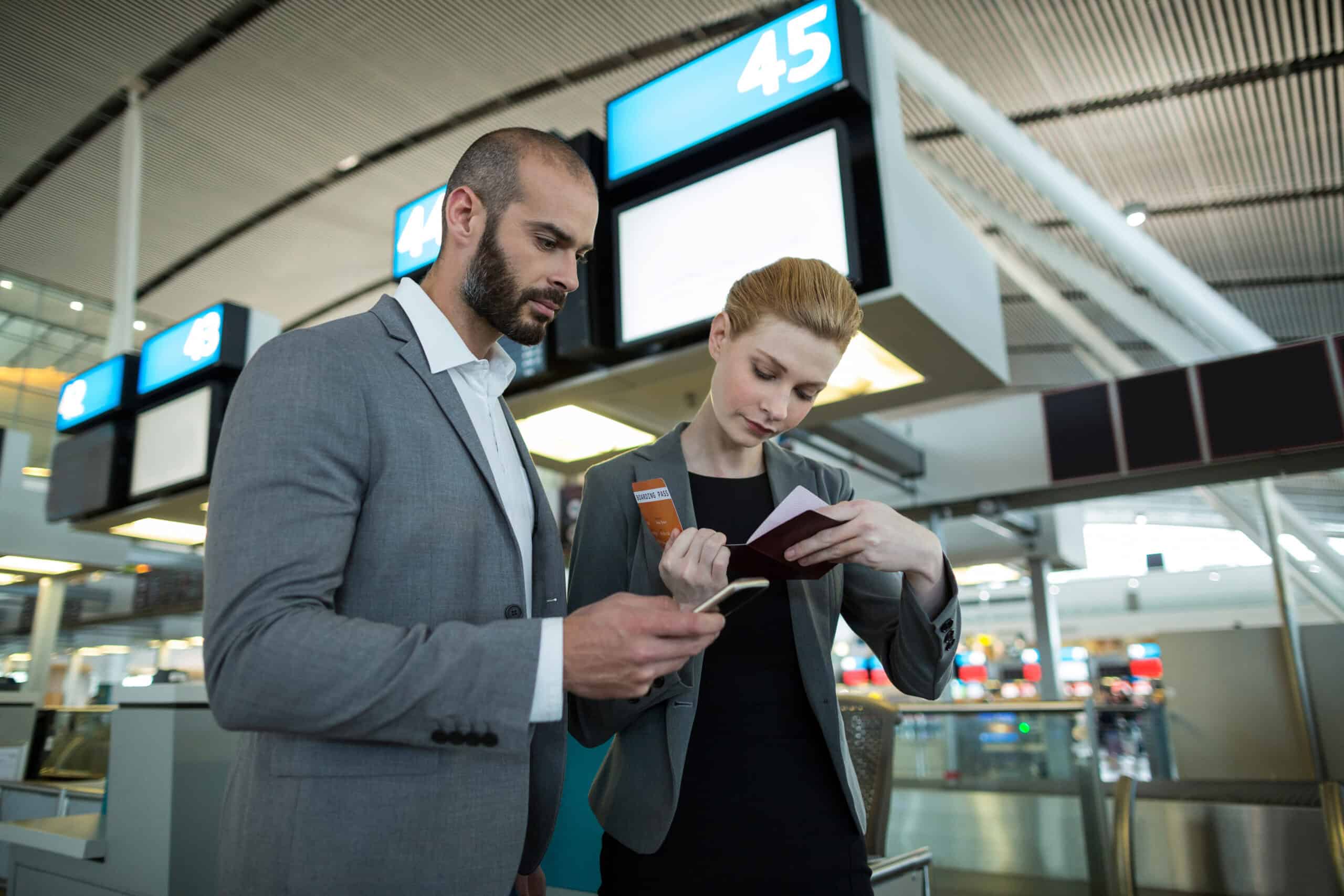
At most airports, the gate desk looks like a place where luck decides everything. But the reality is usually less romantic and more human. Upgrades are governed first by fare rules, elite status, and airline systems, yet the final airport moments still leave room for judgment, speed, and practicality. That is where certain passenger habits quietly matter. The travelers who make life easier during a tense departure are often the ones gate agents can actually use when a premium seat opens at the last possible minute.
They Check In Early And Show Up Calm
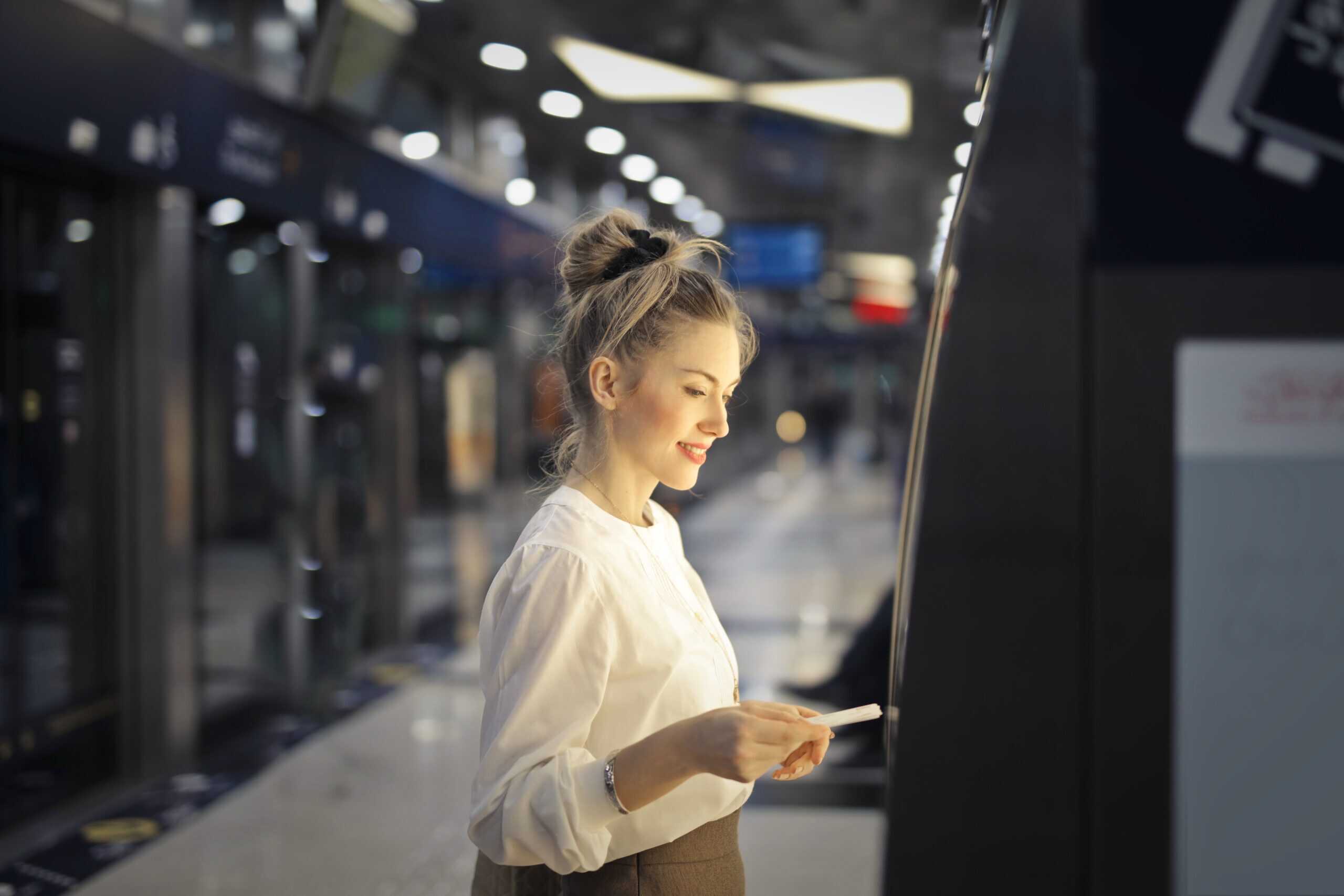
Passengers who check in the moment the window opens and reach the gate early tend to make a quiet impression before the rush starts. By the time a flight turns tight, gate agents already know who is calm, prepared, and physically present, which matters when standby moves, oversell fixes, or last-minute premium seats appear. It does not outrank elite status or paid priority, but it gives an agent more room to act, because the traveler is there before the crowd thickens and before every decision has to be made at full sprint with a line forming and the departure clock pressing hard. Often. OK
They Stay Close Instead Of Wandering Off
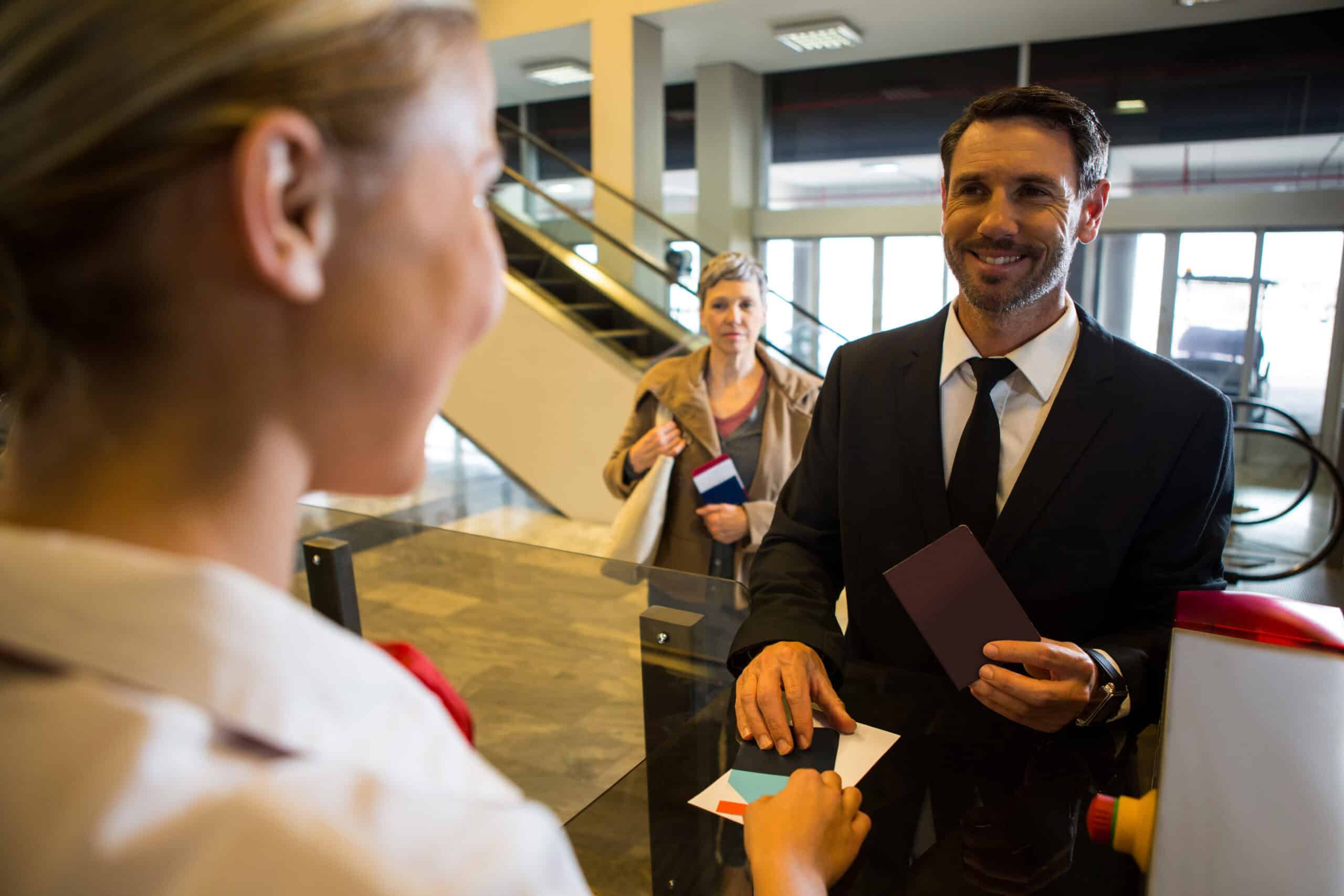
A gate agent can only help the traveler who is actually there when a seat opens. Passengers who stay near the podium without hovering make it easier for staff to resolve seat swaps, missed connections, and operational changes quickly, which matters when an upgrade has to be accepted immediately or passed to someone else. On busy departures, a person who can be reached in seconds is simply more workable than someone browsing airport shops two concourses away while the cabin is being balanced, standby names are rolling, and boarding time is shrinking by the minute. In practice, availability disappears quickly at the gate.
They Are Polite Without Performing It
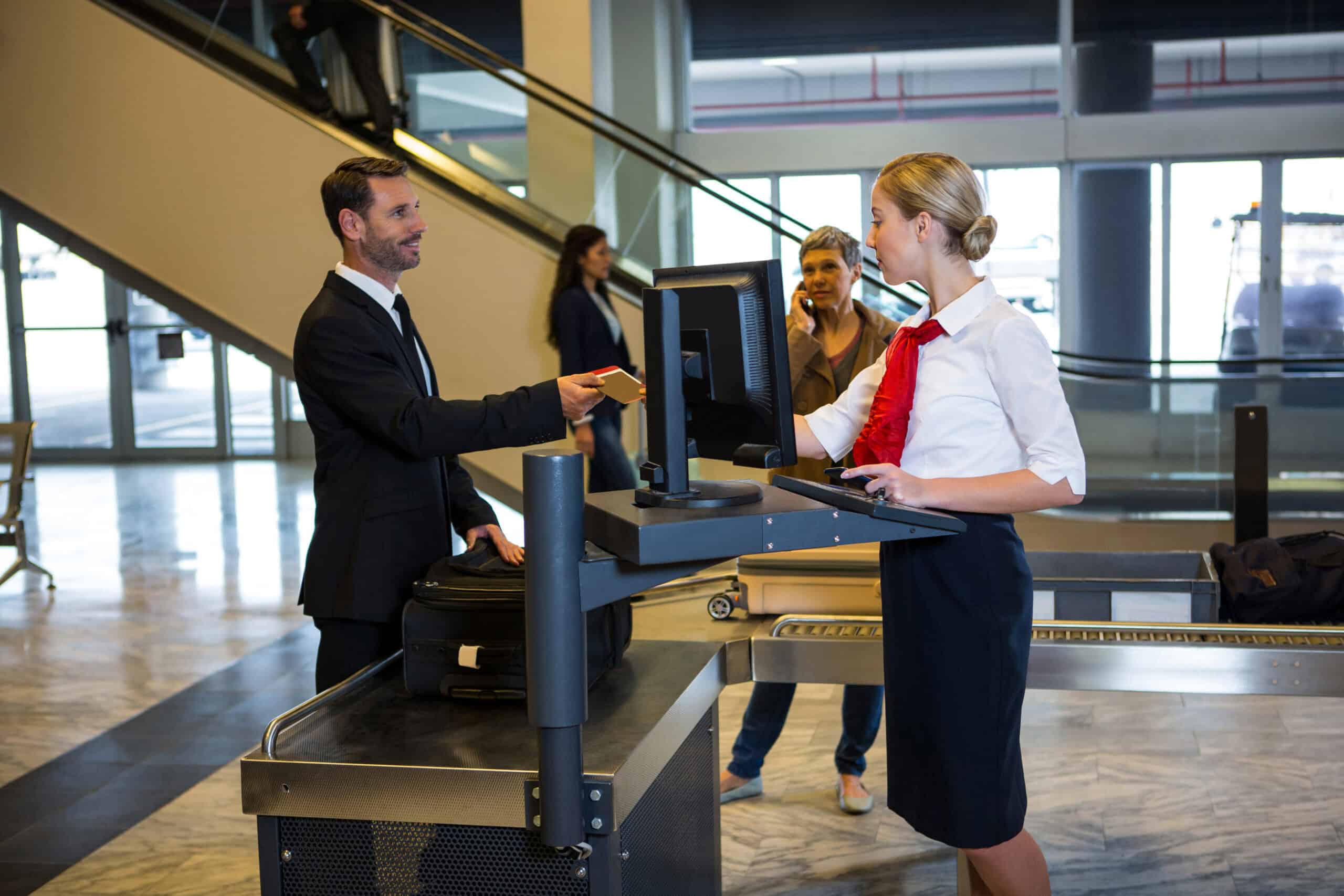
Agents notice the difference between polite and performative almost instantly. A traveler who makes eye contact, listens, and treats the desk like a real workplace instead of a complaint counter is easier to help when irregular operations force quick seat decisions. Courtesy does not erase upgrade rules, but in borderline moments it absolutely changes the emotional temperature of the interaction, and that can shape who gets extra effort, who gets a better explanation, and who is remembered as the person worth helping when a premium seat appears late and choices have to be made fast. That quiet edge can matter more than travelers expect. !
They Answer Questions Quickly
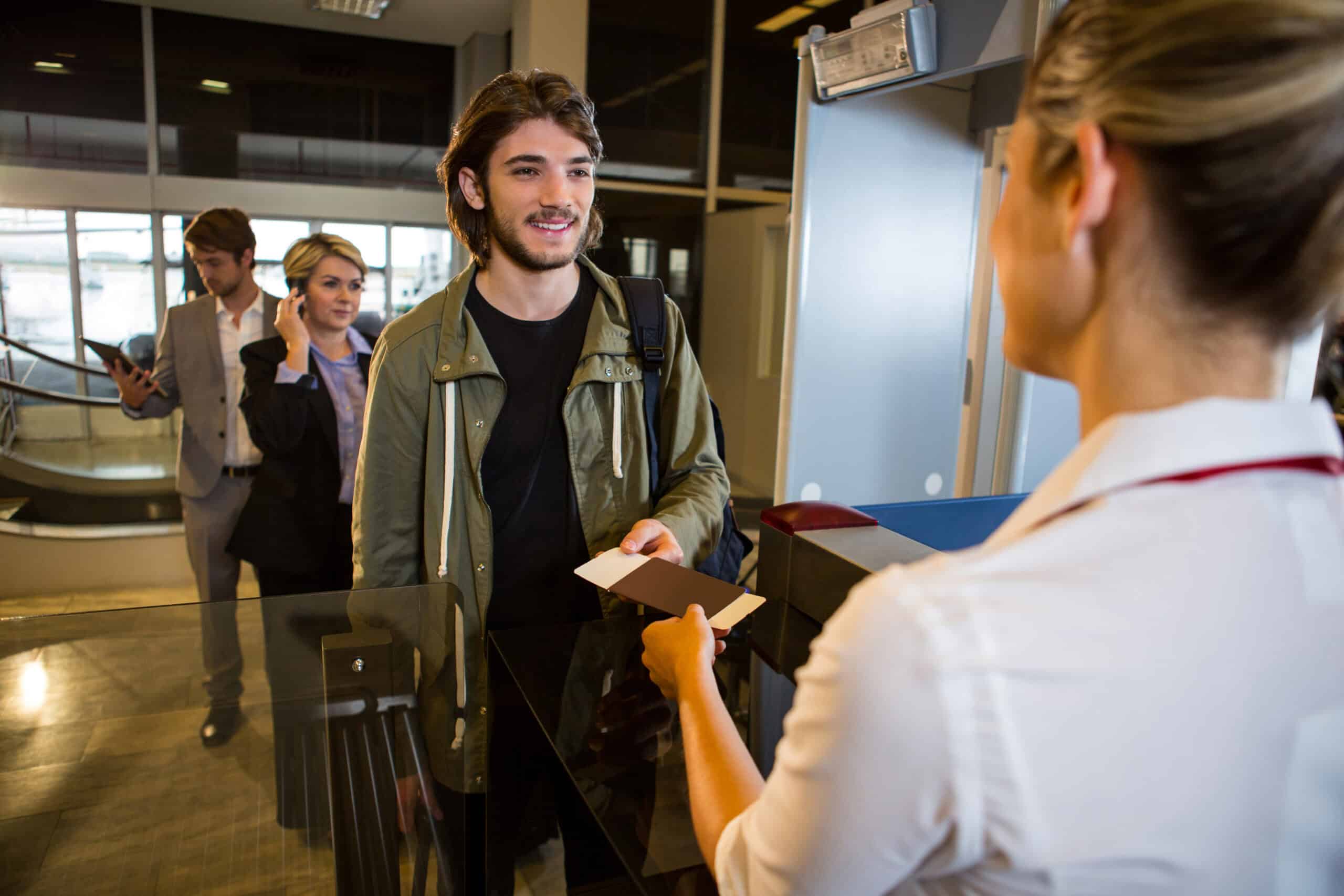
Passengers who can answer simple questions without digging through apps, screenshots, and tangled emails save everyone time. When an agent asks whether a traveler can split from a companion, take a later flight, or accept a different connection, a clear answer makes that passenger unusually useful during a disruption. Operational upgrades often come from solving a problem, not granting a favor, so the person who can decide quickly and cleanly may fit the fix better than someone still texting three people, comparing seat maps, and blocking the podium while the line grows. Speed and clarity become their own kind of advantage. Under pressure. Now
They Show Flexibility About Seat Changes
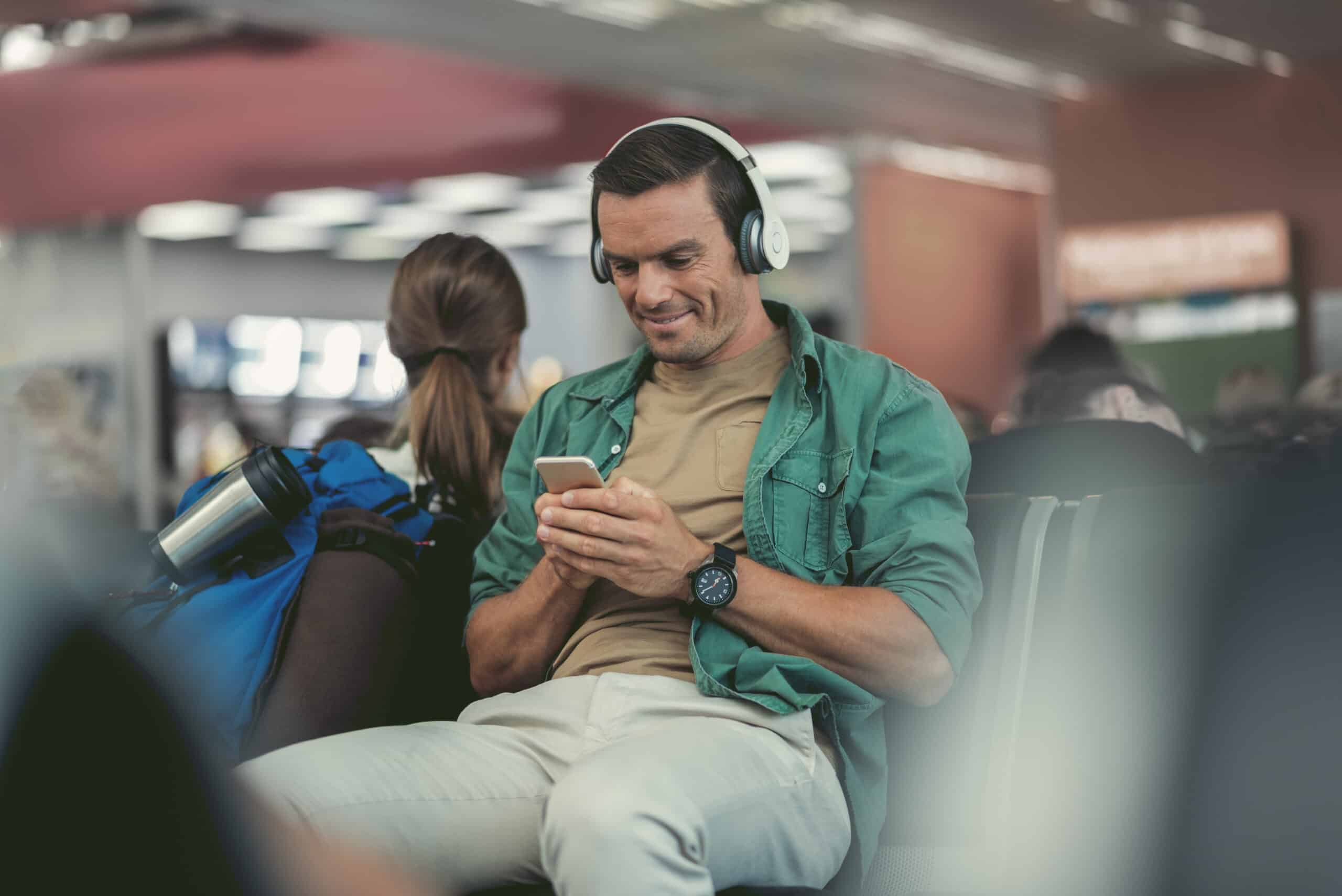
Travelers who show flexibility around seat location often help agents unlock the whole puzzle. A passenger who is willing to move from an aisle to a window, take row two instead of row one, or shift to a comparable routing can become the missing piece that lets the airline reseat multiple people at once. That kind of cooperation matters because many day-of-departure upgrades are really operational rearrangements, and the calm passenger who can absorb a small change without drama is sometimes the one who ends up floating upward when the rest of the cabin plan finally clicks into place. For agents, that kind of passenger can feel like relief.
They Make It Clear They Can Travel Solo
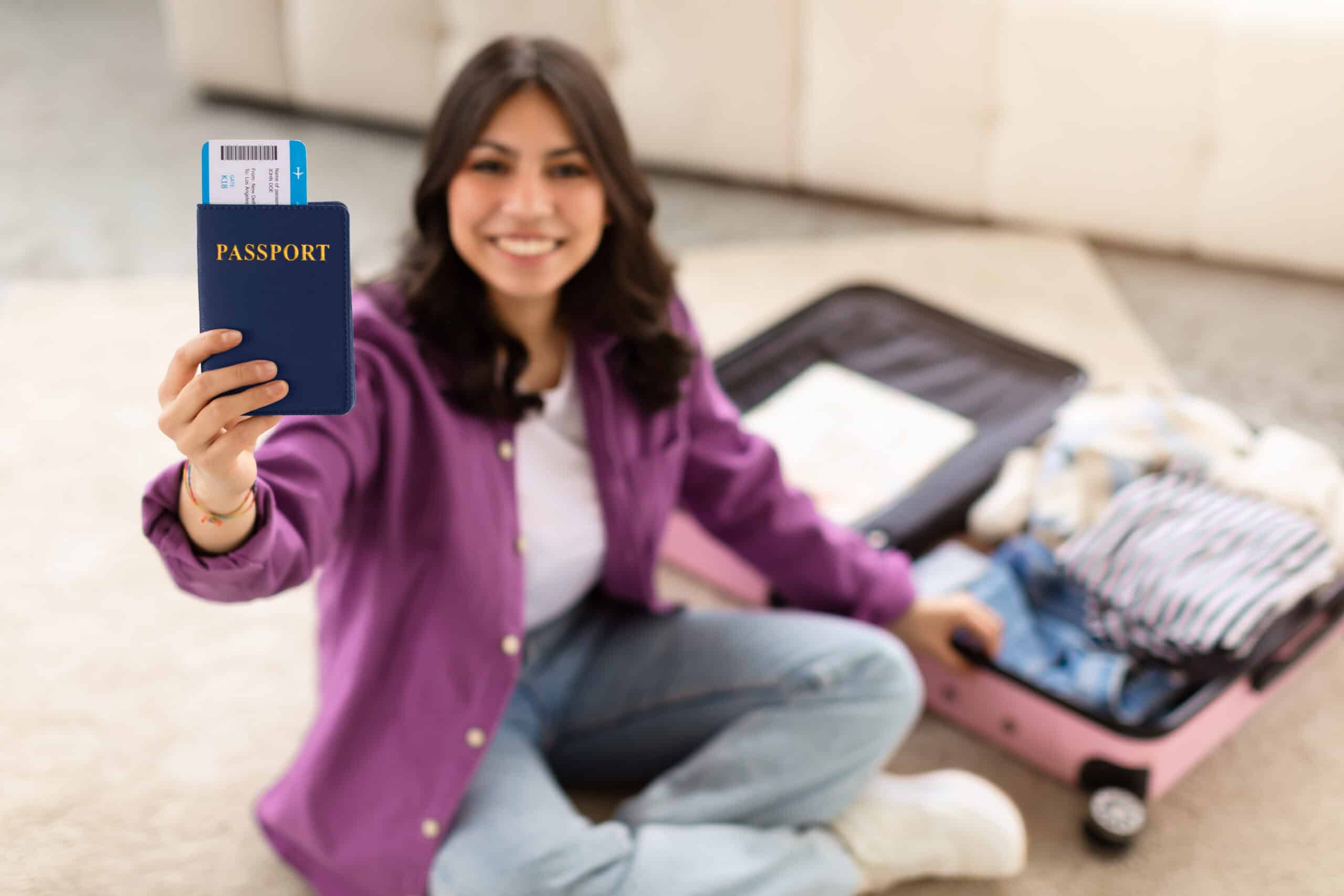
Passengers who travel solo, or at least make clear that they can separate from their party, are often easier to accommodate. When only one premium seat opens, a gate agent can move a single traveler in seconds, while a pair or family creates a harder equation with more emotions attached. That does not mean groups never move up, but one person with a flexible reservation is simply easier to place when the airline is clearing waitlists, handling misconnects, or using the front cabin to solve a boarding problem without reshuffling half the aircraft in the final minutes before departure. Simplicity has real value in the final boarding crunch. Daily.
They Fix Account Details Before Boarding Starts
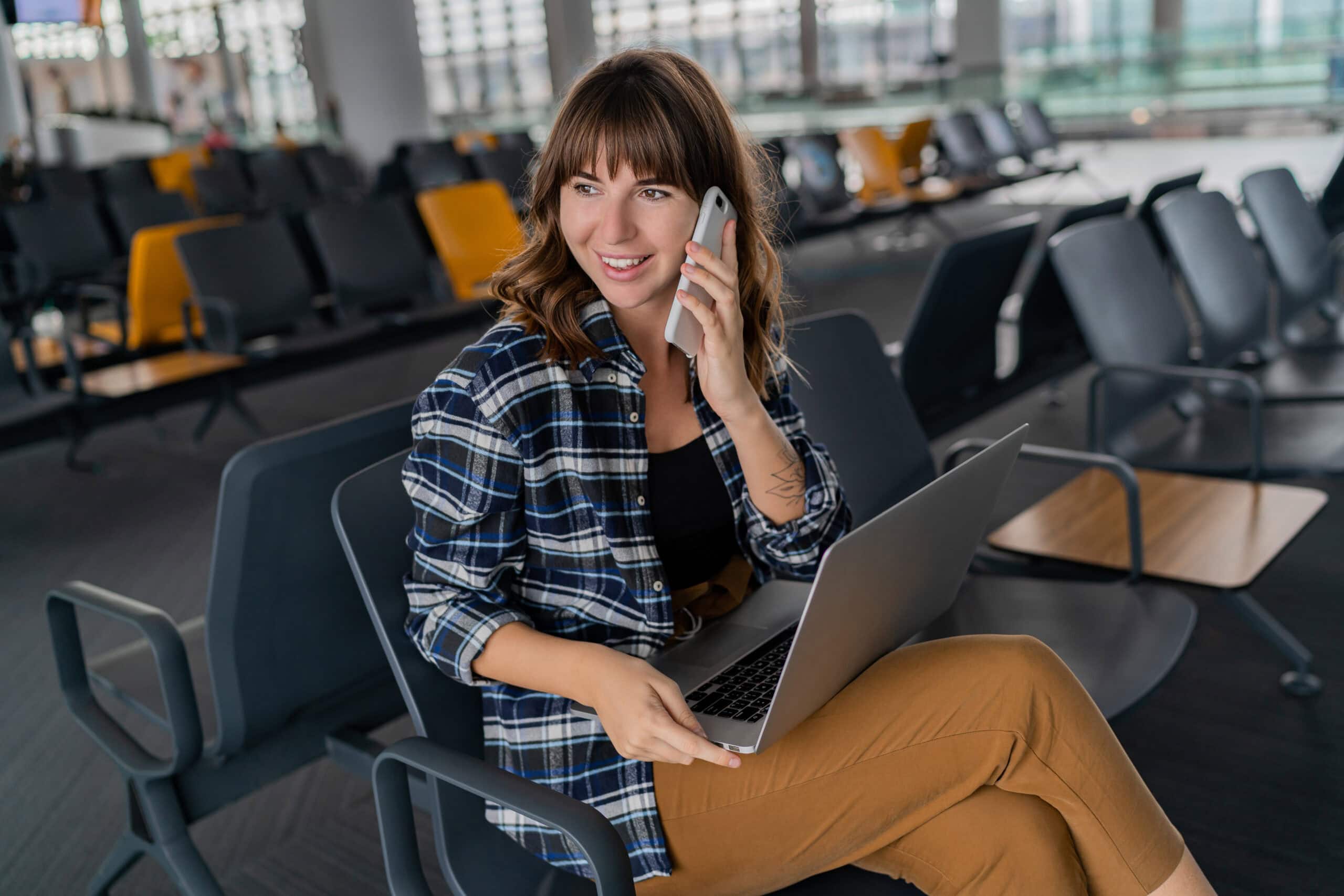
A traveler with a clean reservation, a working boarding pass, and the correct loyalty number already attached is easier to process when the gate gets busy. Major airlines use status, fare type, time, and other factors to prioritize upgrades, so passengers who wait until boarding to fix account issues may miss the moment when the list is actively moving. The behavior that quietly helps is handling the administrative stuff early, then arriving at the gate with nothing unresolved, because agents under pressure naturally lean toward reservations that can be moved in one step instead of untangled live. At a busy gate, simplicity often wins. Daily.