We may earn money or products from the companies mentioned in this post. This means if you click on the link and purchase the item, I will receive a small commission at no extra cost to you ... you're just helping re-supply our family's travel fund.
National monuments are promises made in public: a line drawn around petroglyph walls, desert springs, old-growth ridges, or a deep-sea canyon where life moves in slow, ancient loops. Those promises can also become political targets. In 2025, new legal opinions, budget maneuvers, and agency reviews revived an old question about how easily protections can be weakened, shrunk, or erased. The places below sit at that uneasy edge, where culture, ecology, and local economies collide, and where a signature can change the map.
Bears Ears National Monument
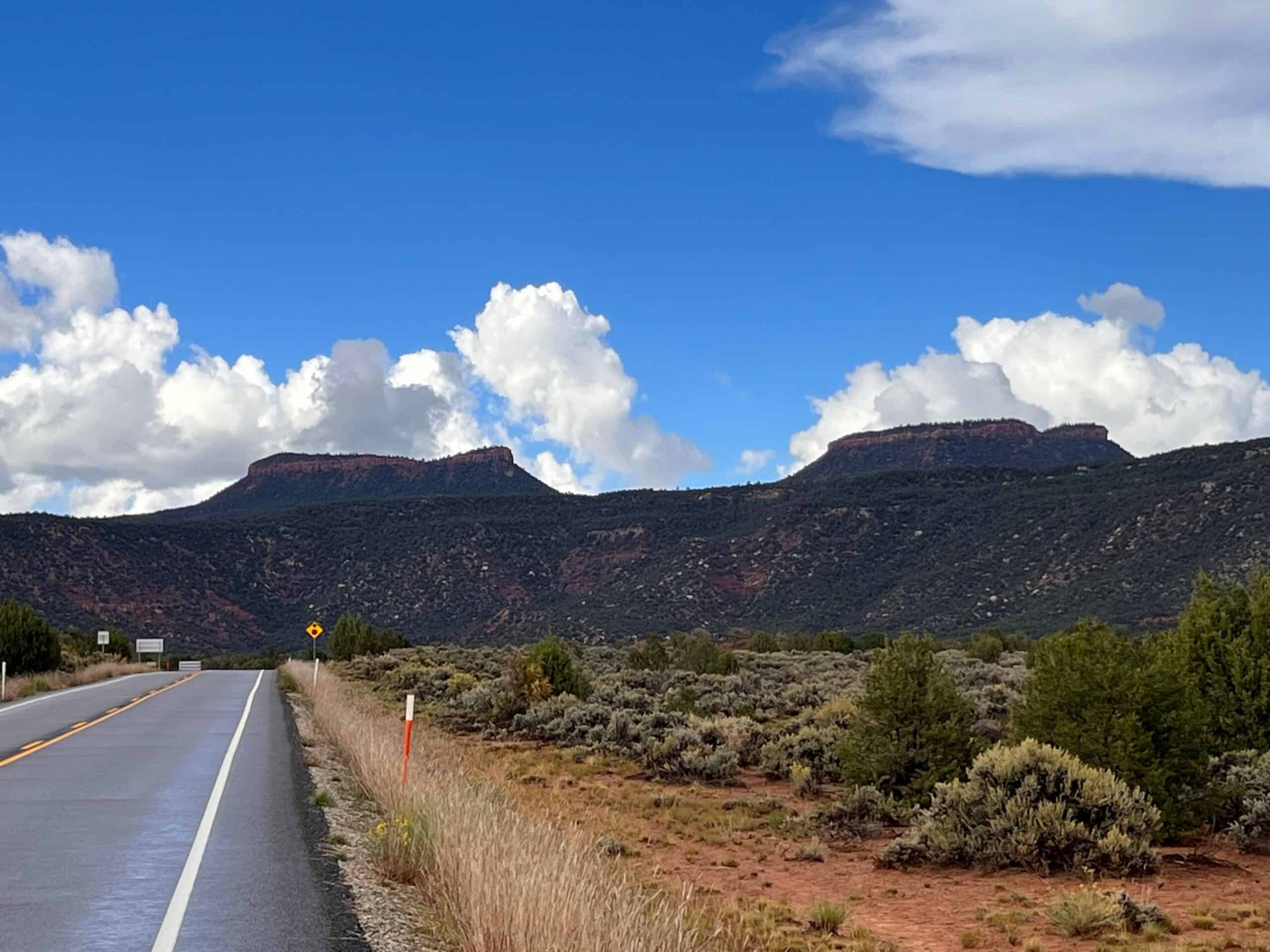
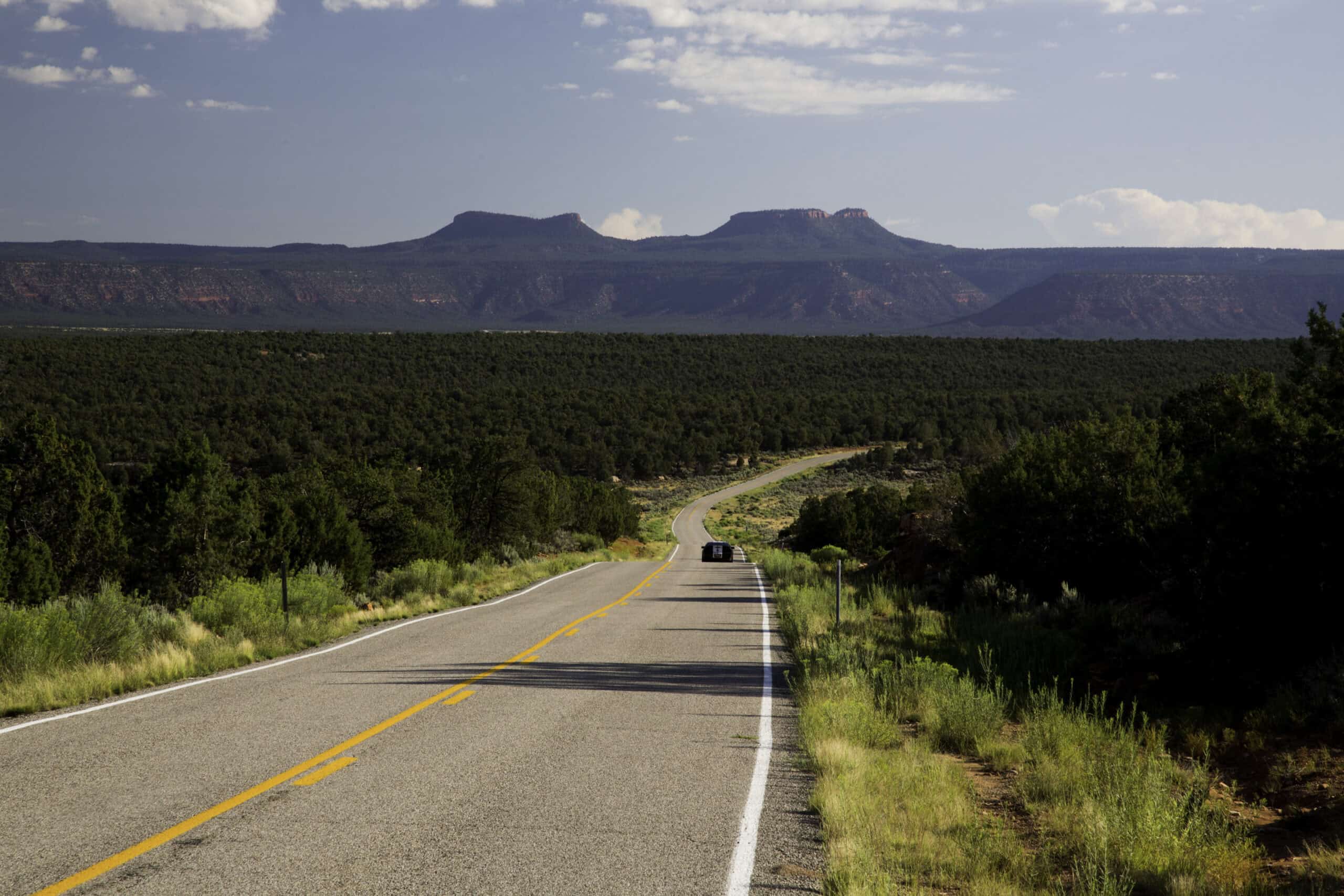
In southeastern Utah, Bears Ears holds cliff dwellings, rock art panels, and ceremonial landscapes that the Bears Ears Inter-Tribal Coalition has long argued should be managed as a living cultural place, not a museum behind glass. After years of boundary whiplash, a 2025 Interior review framed around expanding energy development put the monument back on the chopping block, with the prospect of lines redrawn or protections diluted through new guidance and permitting. In a region where sites can be looted, crushed, or driven over in a single afternoon, uncertainty itself becomes a form of pressure, and it spreads fast, today.
Grand Staircase-Escalante National Monument
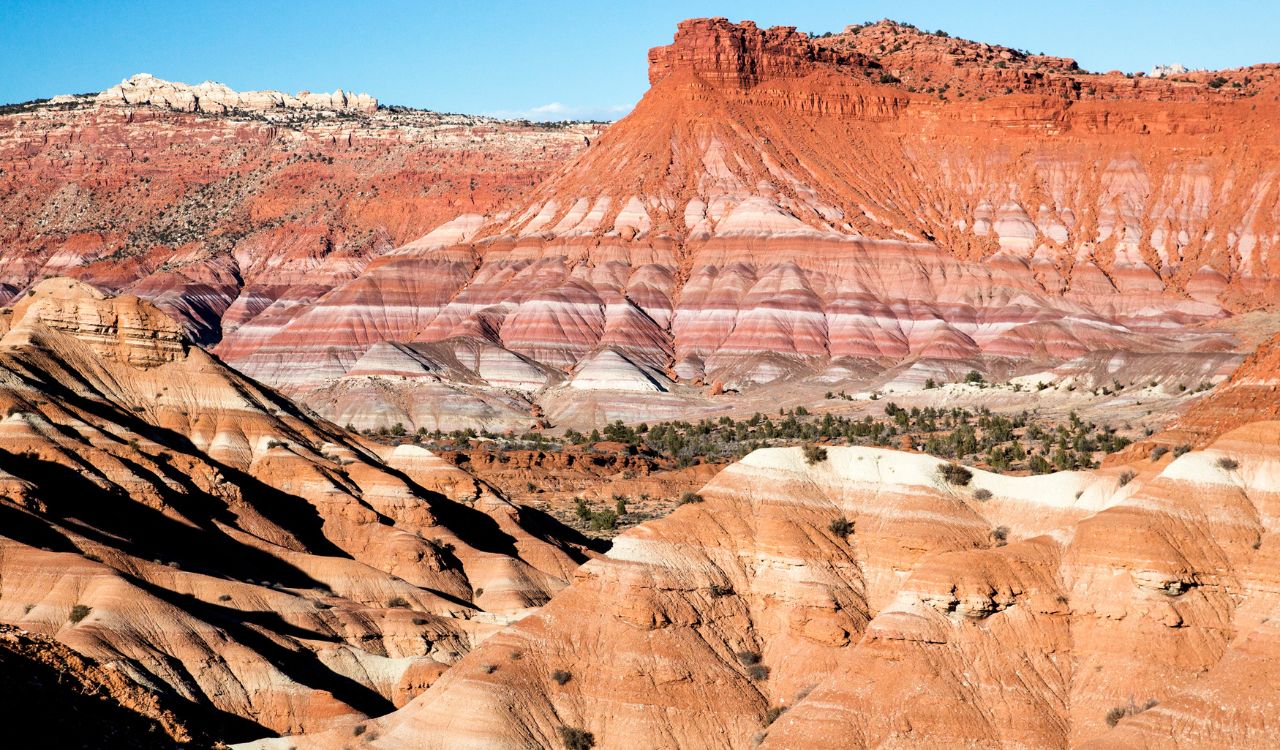
Grand Staircase-Escalante reads like a stone library: slot canyons, fossil beds, and wide slickrock benches where sunlight makes the layers look freshly painted. The monument has long been entangled with arguments over coal and road building, and in 2025 the pressure shifted from maps to money. A House appropriations proposal in July 2025 would bar Interior from managing lands outside the Trump-era boundaries, sidelining roughly 900,000 acres that were restored in 2021 and turning protection into a paper promise that cannot be enforced on the ground, while inviting disputes over what is protected in the first place legally.
Chuckwalla National Monument
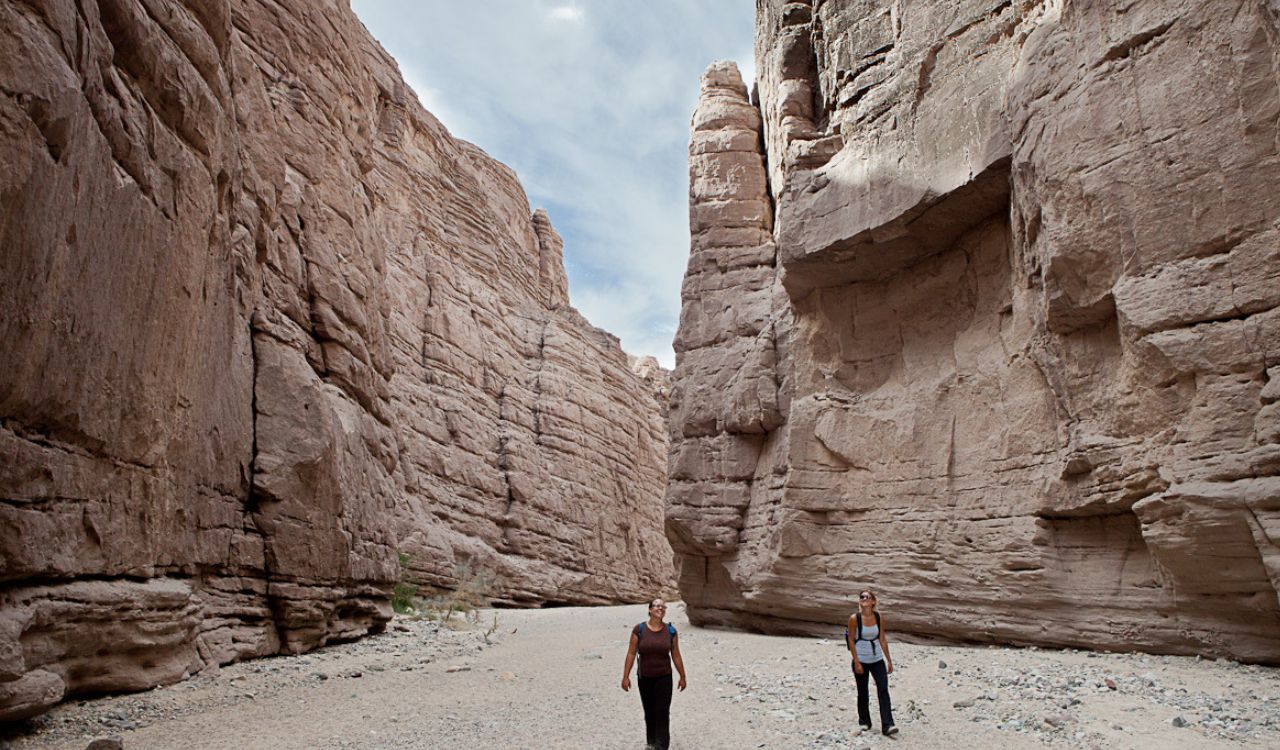
Chuckwalla, designated in California in Jan. 2025, wraps vast desert ranges and washes near Joshua Tree National Park, where bighorn sheep move between shade lines, and where Tribal Nations have marked routes, stories, and sites for generations. Its protection arrived with an explicit message: keep extraction and energy speculation from getting a foothold. Then a 2025 Justice Department opinion argued that a president can revoke monuments created by predecessors, and reporting has tracked lawsuits aiming to erase new proclamations, turning the first years of protection into a legal holding pattern.
Sáttítla Highlands National Monument

In northern California, Sáttítla Highlands centers on Medicine Lake volcano country, obsidian formations, and wet meadows where elk tracks stitch the pumice flats. The Pit River Tribe helped drive its Jan. 2025 designation, meant to shield the landscape from extraction and energy development, and to keep cultural places from becoming collateral in a permitting fight. Now, it sits in the crosshairs of a 2025 Justice Department opinion, asserting that a president can revoke monuments created by predecessors, a claim that could erase protections before courts settle whether the Antiquities Act allows it.
Avi Kwa Ame National Monument
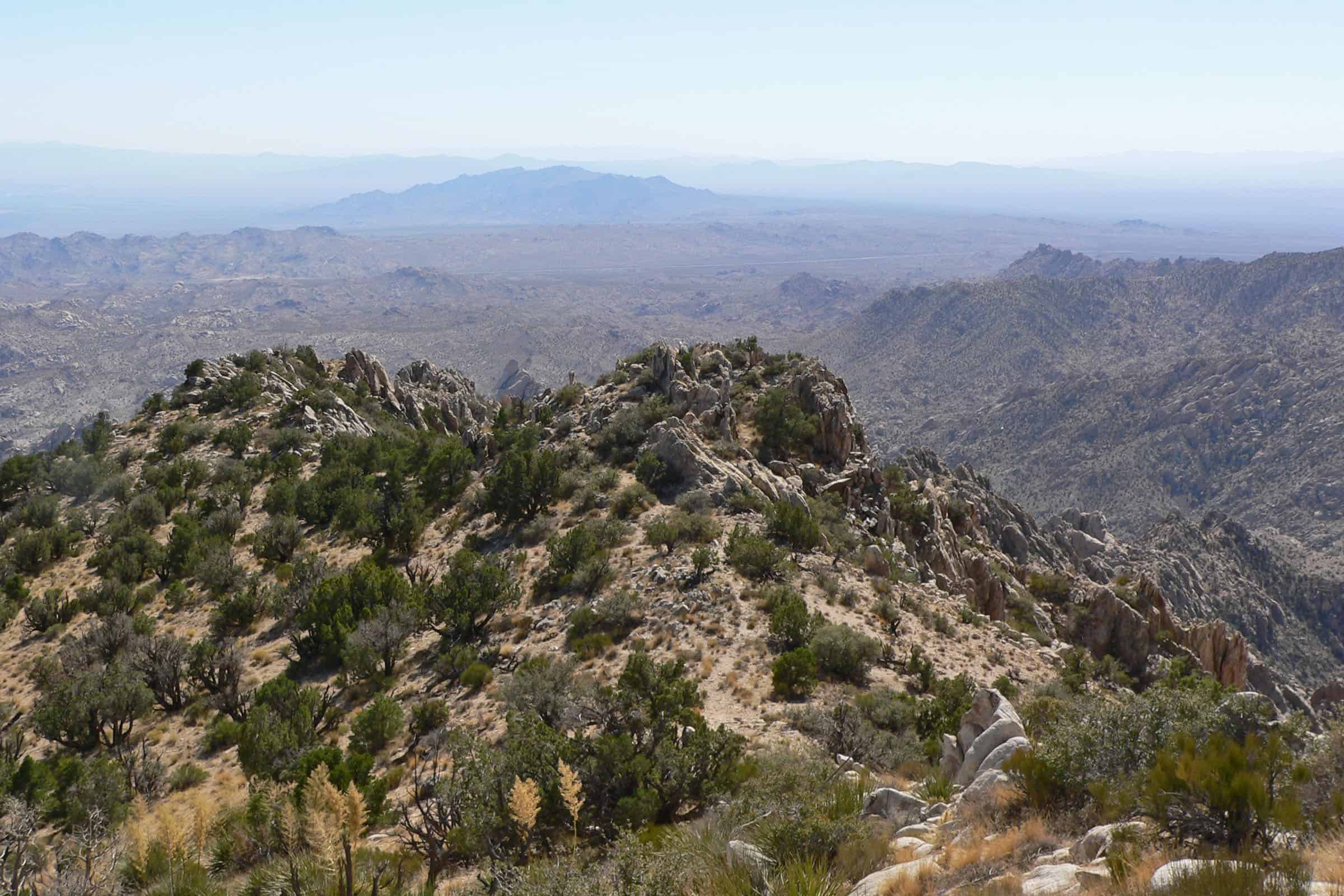
Avi Kwa Ame, created in 2023 in southern Nevada, protects a Mojave mountain revered by Fort Mojave and other Tribes, plus surrounding desert basins where springs and rare plants set the rhythm of life. In Feb. 2025, reporting on Interior Secretary Doug Burgum’s energy-focused review order warned it could lead agencies to suspend, revise, or rescind conservation policies putting Nevada’s monuments in a new kind of limbo even before long term management plans are quietly settled. When protections are treated as provisional, speculative mining interest can move faster than public planning, and the quiet places feel it first.
Baaj Nwaavjo I’tah Kukveni National Monument
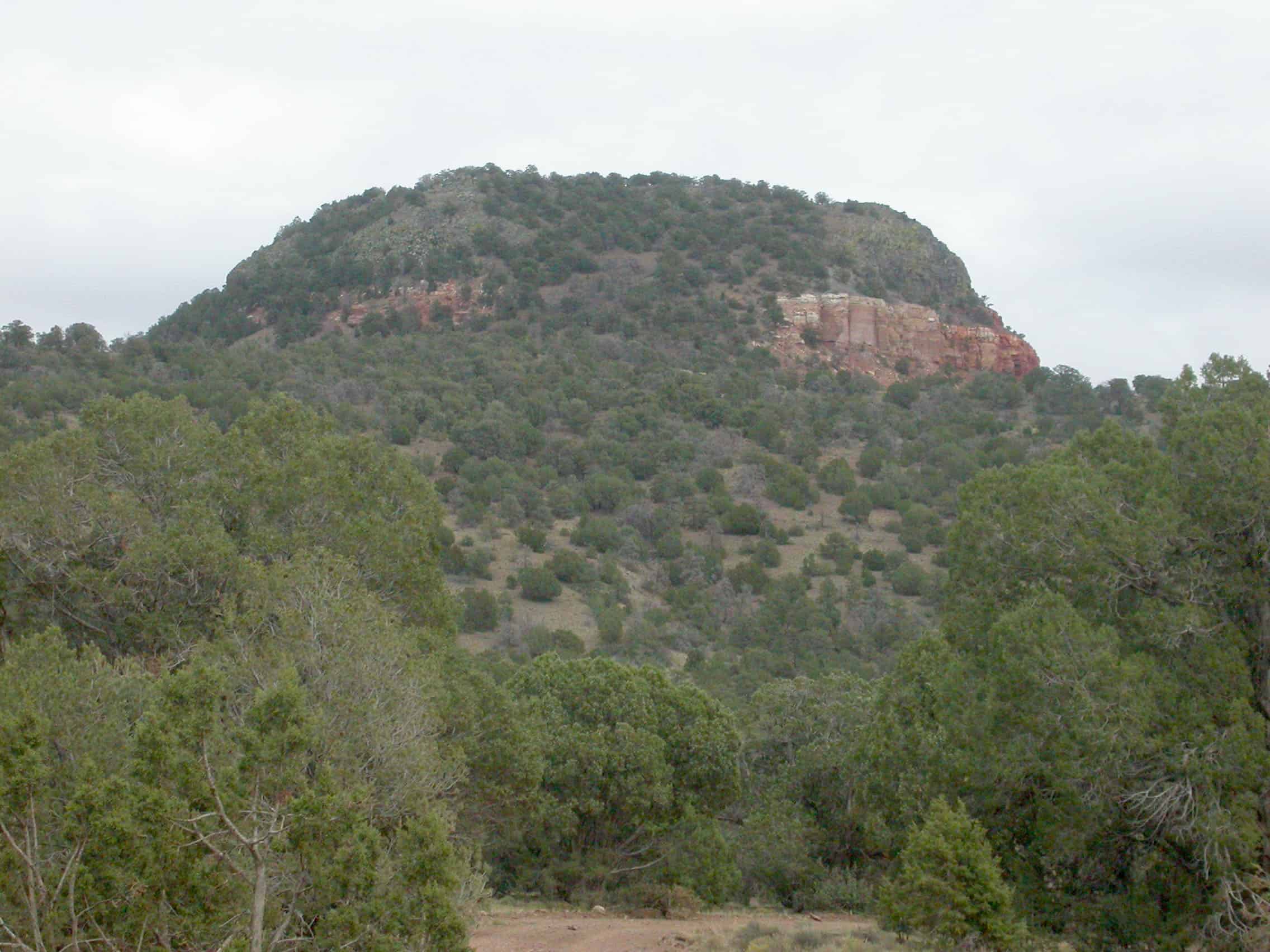
Near the Grand Canyon, Baaj Nwaavjo I’tah Kukveni was created in 2023 to safeguard ancestral homelands, springs on plateaus near the canyon, tied to the Havasupai, Hopi, Navajo, and other Tribal Nations, amid fears of renewed uranium mining pressure. Two lawsuits challenging the designation were dismissed on Jan. 27, 2025, yet backers still had to prepare for appeals and for a political fight that does not respect court calendars. By Sept. 2025, legislation was introduced in Congress to nullify the monument outright, underscoring how federal protection can be contested on multiple fronts at once.
Ironwood Forest National Monument
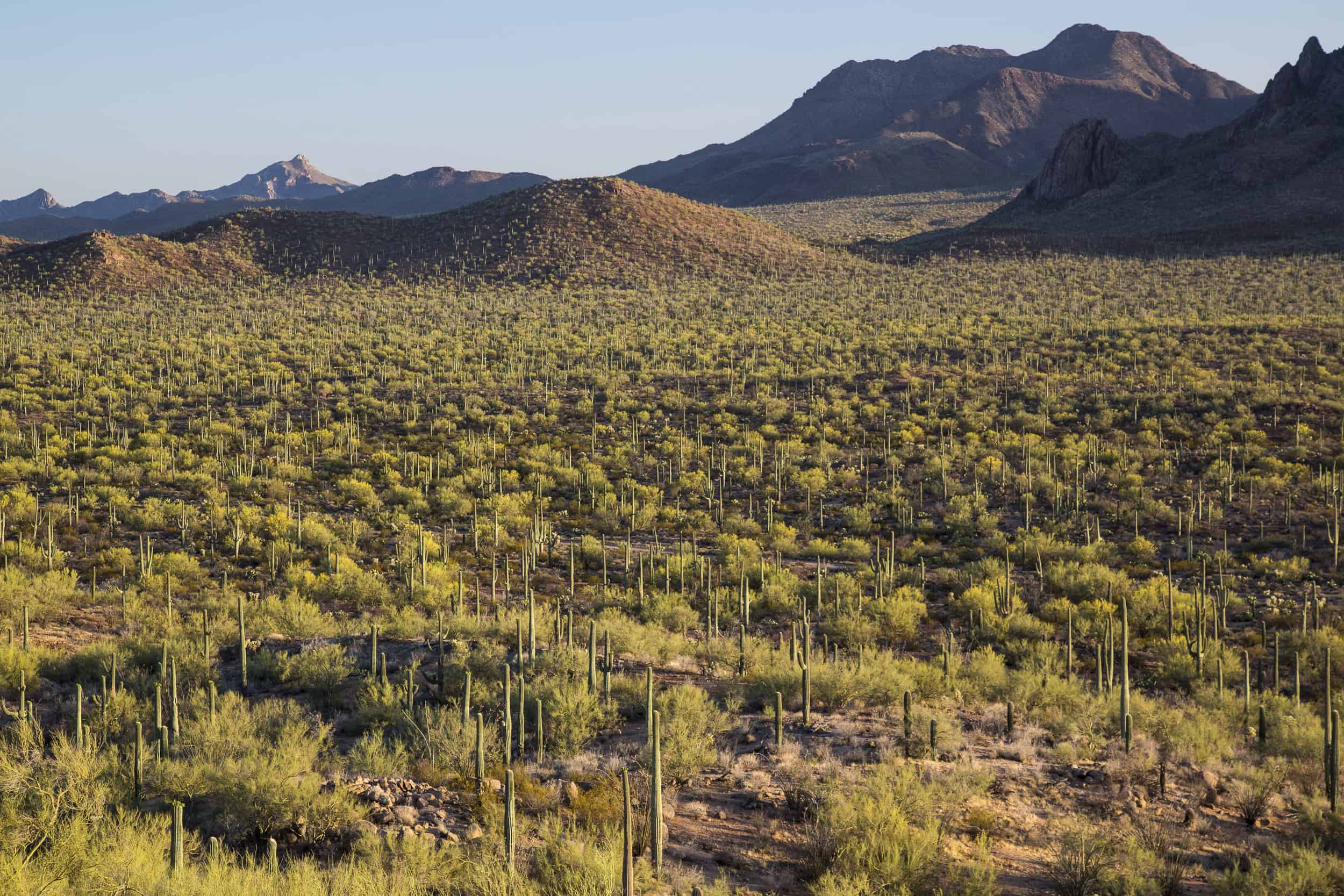
Ironwood Forest, west of Tucson, is defined by towering saguaros, ancient ironwood groves, and desert wildlife corridors that link the Tortolita Mountains to lower valleys. It has been protected since 2000, yet it reappeared in 2025 as a legislative target when bills were introduced to dismantle federal protection for both Ironwood Forest and the newer Grand Canyon region monument. In the Sonoran Desert, where recovery from disturbance can take generations, the threat is not only policy change, but the signal it sends to anyone waiting to push limits, since new scars can outlast careers and enforcement is easy to undercut.