We may earn money or products from the companies mentioned in this post. This means if you click on the link and purchase the item, I will receive a small commission at no extra cost to you ... you're just helping re-supply our family's travel fund.
Islands look like invitations on a map, but some are guarded by law, logistics, or quiet consensus. A few are protected for the people who live there, untouched by modern immunity. Others are sealed for science, where one careless footprint can rewrite decades of data. Some are simply strategic, ringed by permits and patrol boats. These off-limits shores are not about thrill or myth. They exist because certain places are too fragile, too hazardous, or too politically charged to absorb visitors without consequences.
North Sentinel Island, India
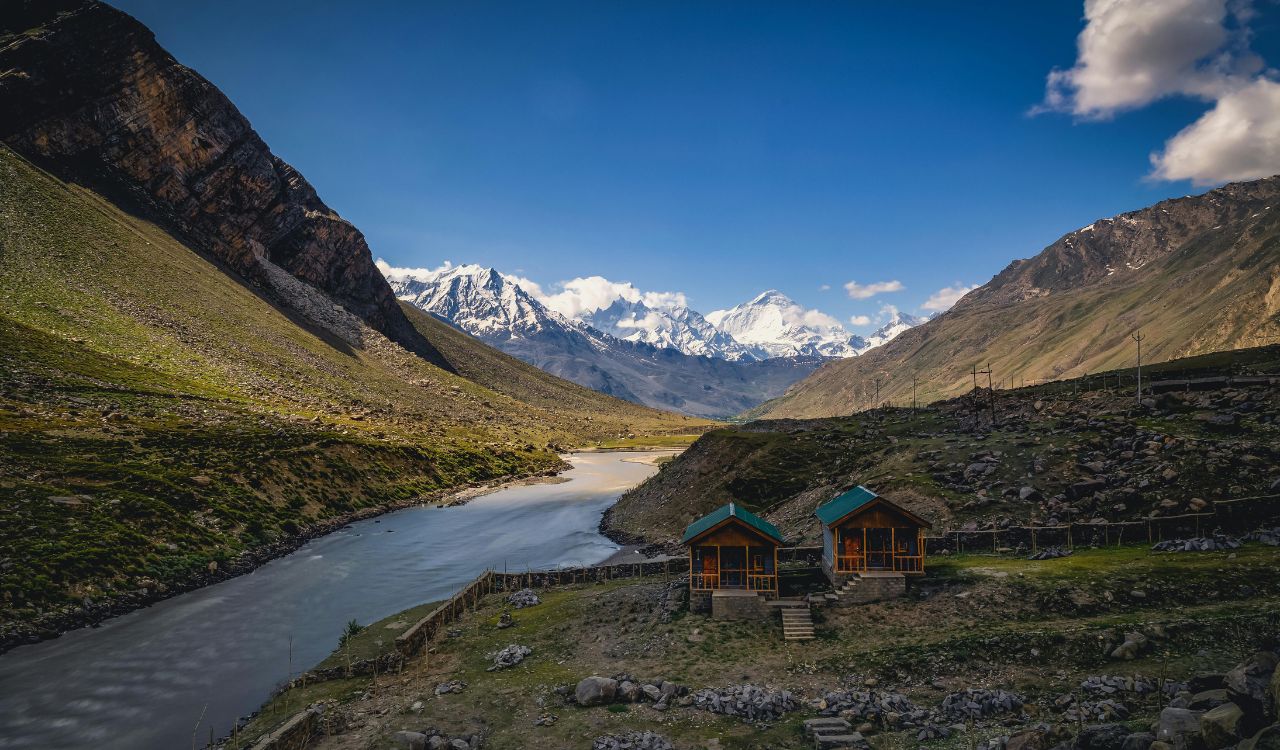
North Sentinel Island sits in the Andaman and Nicobar chain under India’s strict protection for the Sentinelese, who have chosen isolation for generations. Visiting is illegal, and rules bar entry and even forbid approaching within about 5 km, mainly to prevent disease transmission and forced contact, since outside germs can be catastrophic for an unexposed community. The boundary is enforced by patrols and distance monitoring, turning nearby waters into a quiet warning zone where even well-meaning outreach is treated as a serious safety violation, not a cultural encounter. The island is watched, not visited.
Ilha da Queimada Grande, Brazil
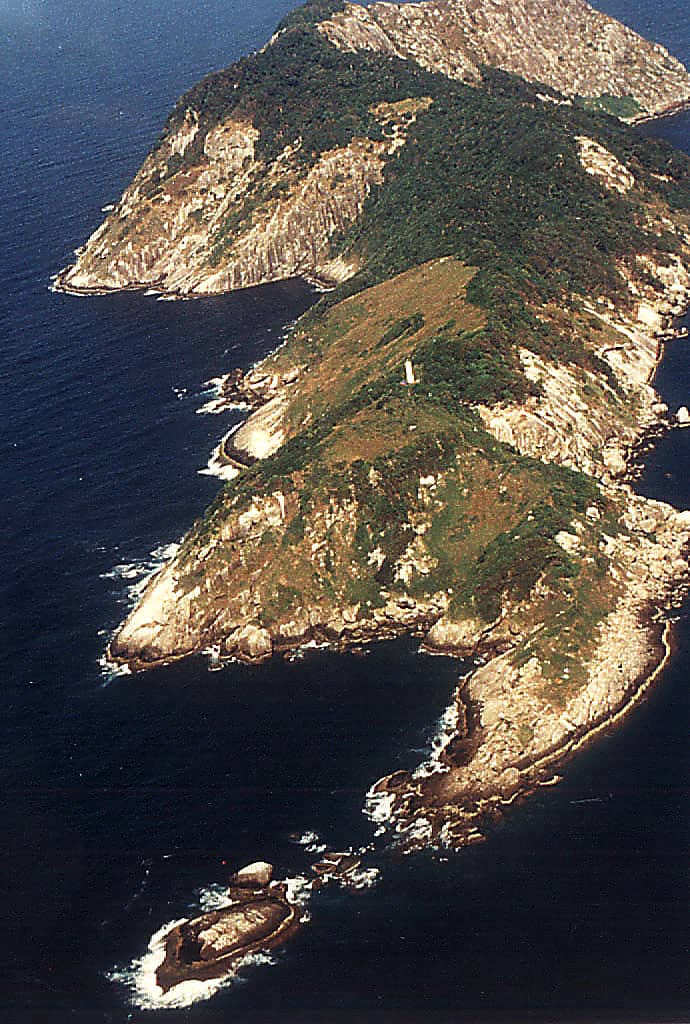
Ilha da Queimada Grande, off Brazil’s coast, is nicknamed Snake Island for the golden lancehead viper that evolved there after rising seas cut the island off from the mainland. The snakes hunt birds, and their concentration, combined with steep, brushy ground, means a single slip can put someone within striking distance before help is even reachable. To reduce risk and protect the critically endangered species, the Brazilian Navy restricts landings, and only authorized maintenance crews and vetted research teams may go ashore, with conservation oversight from Brazil’s Chico Mendes institute that oversees biodiversity work.
Surtsey, Iceland
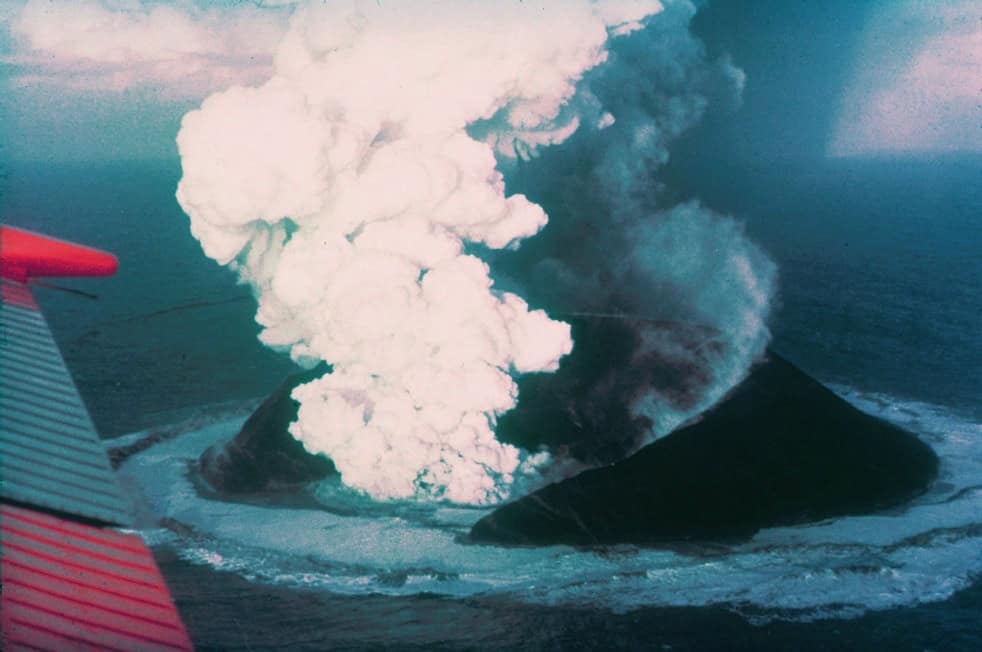
Surtsey rose from the Atlantic south of Iceland during a 1963–1967 eruption, becoming a rare natural laboratory for watching fresh rock turn into soil, plants, and nesting ground. Iceland set it aside as a strict nature reserve early on, and UNESCO later listed it, with visits prohibited unless a research permit is granted and even diving near shore barred; nothing is meant to be taken in or left behind. The rules stop outsiders from importing seeds or microbes that would rewrite the island’s timeline, so Surtsey still stays monitored and as close to natural succession as policy can keep it for decades to come.
Diego Garcia, British Indian Ocean Territory
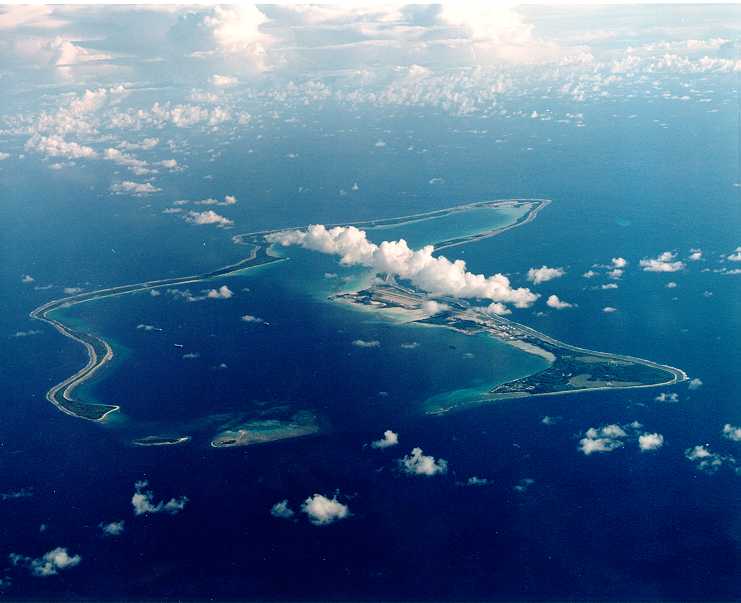
Diego Garcia is the best-known island in the British Indian Ocean Territory, but it is not a tourist stop so much as a tightly controlled military hub. Official guidance says permits are required in advance, there are no commercial flights, yachts are only permitted for safe passage through outer islands, and access to Diego Garcia itself is limited to pre-authorized official duty tied to the base or territory administration. Entry requires clearance, and the calm lagoon sits quietly behind layers of security, making the island feel less like a getaway and more like an address shaped by strategy.
Heard Island And McDonald Islands, Australia
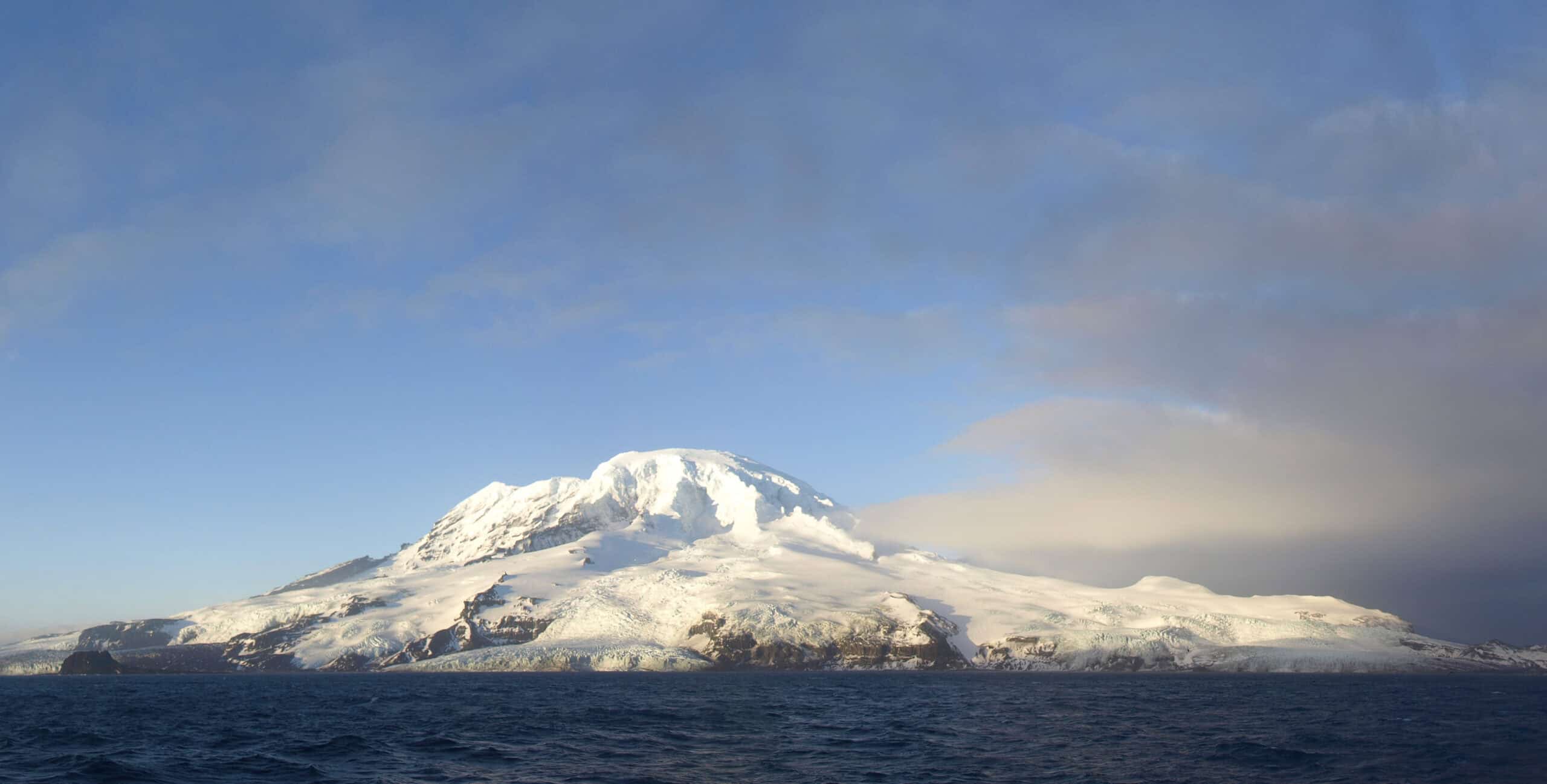
Heard Island and the McDonald Islands sit in the subantarctic Southern Ocean, a hard-to-reach Australian territory where storms, glaciers, and distance keep human traffic lower. That remoteness is backed by law: almost all activities in the marine reserve require assessment and authorization, and entry for landings or fieldwork needs a permit issued under strict conditions. Environmental checks, gear-cleaning rules, and limits on where people can step are meant to prevent invasive species and disturbance, so even well-funded expeditions arrive with paperwork as heavy as their cold-weather crates.
Niʻihau, Hawaii, U.S.
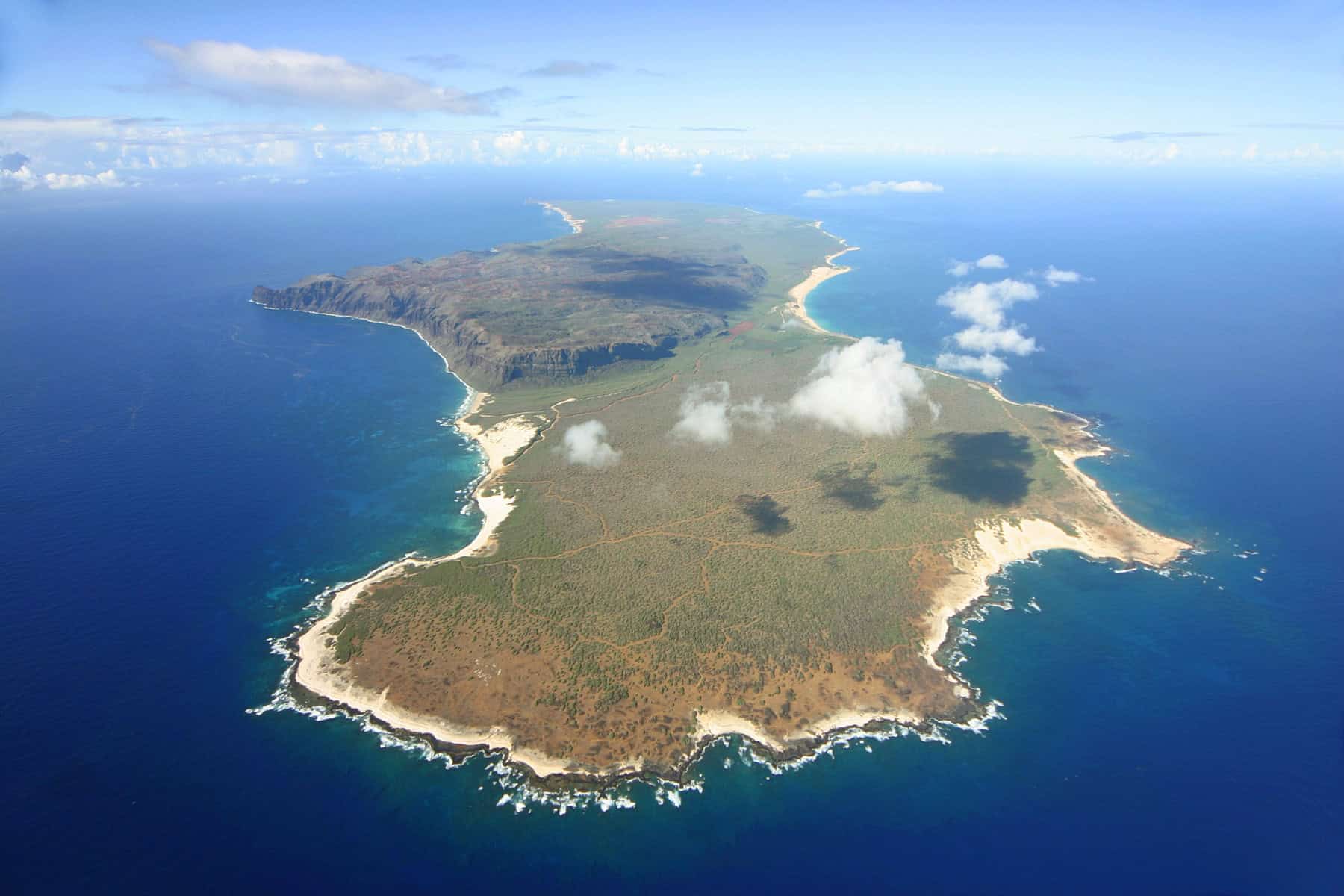
Niʻihau, west of Kauaʻi, is called Hawaii’s Forbidden Isle, not because of cliffs or predators, but because private ownership has controlled the shoreline since the 1800s, sheltering a small community where Hawaiian is spoken. The Robinson family’s rules keep the island largely off-limits to outsiders to land, with access limited to residents, invited guests, officials, and occasional supervised tours or hunting safaris under strict guidance. In a state built around visitor flow, Niʻihau stands out as the rare place where the simplest barrier is still the most effective: permission, granted sparingly and with clear limits.
The Farallon Islands, California, U.S.
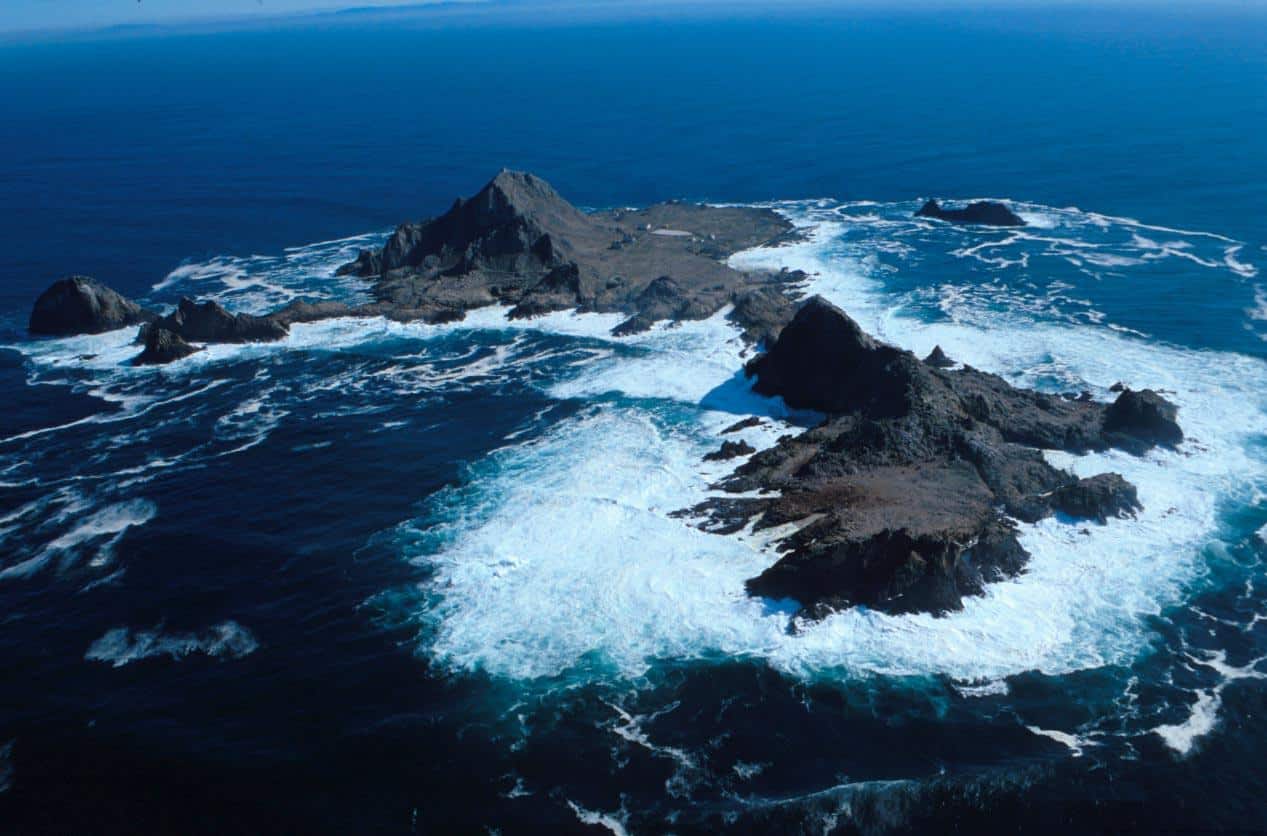
The Farallon Islands rise as jagged rocks about 30 mi west of San Francisco, packed with seabirds, seals, and the kind of marine life that thrives when people are scarce. Managed as a national wildlife refuge, they are not open to the public, and nearby waters include special closure zones that prohibit access in order to protect haul-out and rookery sites during sensitive seasons. Researchers and refuge staff can enter under authorization for monitoring and conservation work, but for everyone else, the best view is from a distant boat, where the islands stay wildlife-first by design.