We may earn money or products from the companies mentioned in this post. This means if you click on the link and purchase the item, I will receive a small commission at no extra cost to you ... you're just helping re-supply our family's travel fund.
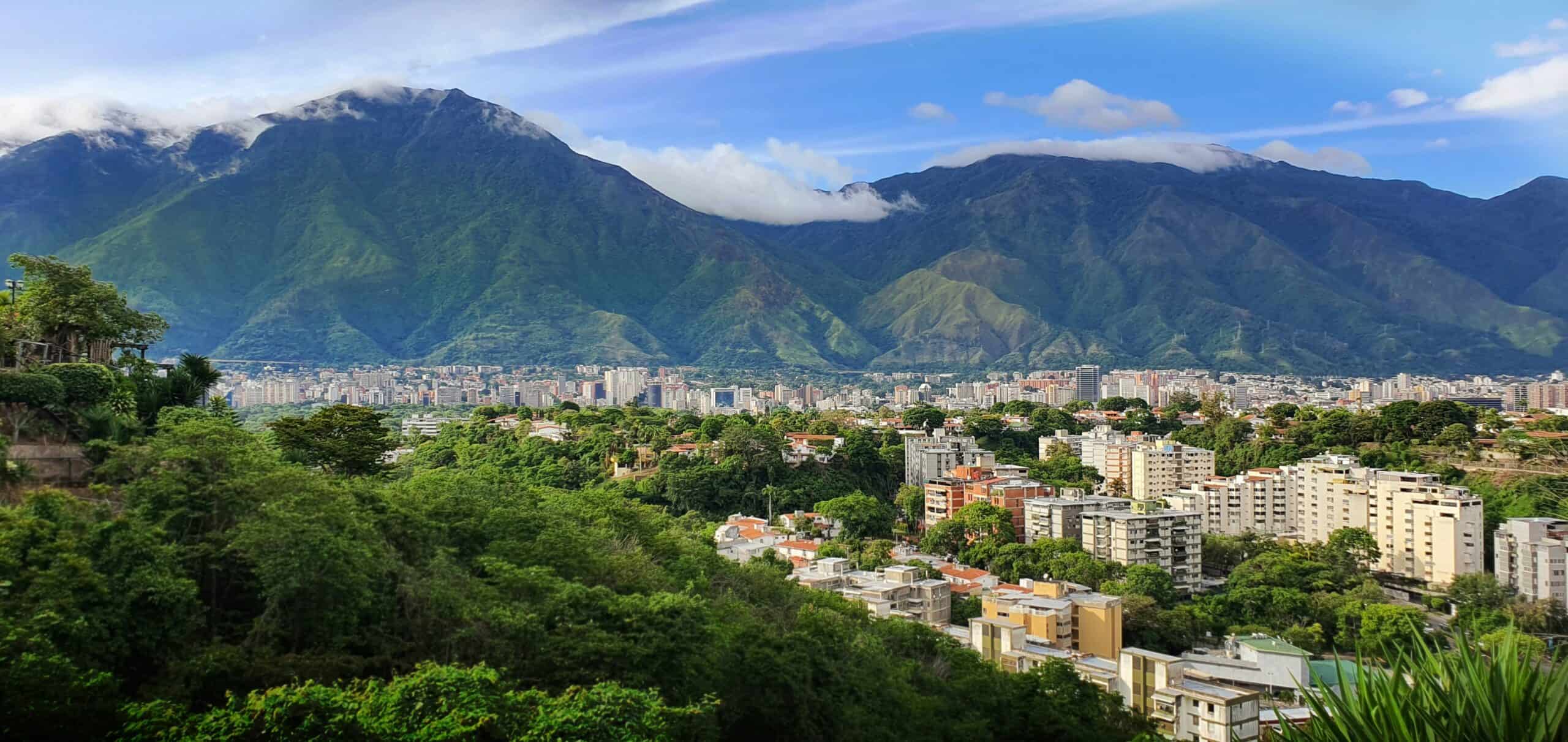
South America still pulls travelers with a rare mix of drama and beauty, from Andean cities to rainforest frontiers and Atlantic coasts. But safety in the region is not a single story, and the gap between a smooth trip and a dangerous one often comes down to country choice, timing, and route planning. Using current U.S. State Department travel advisories as a baseline, the comparison below separates higher risk destinations from places that generally offer a steadier starting point for travel. Level 1 is the lowest advisory tier, and Level 4 is the highest.
Venezuela
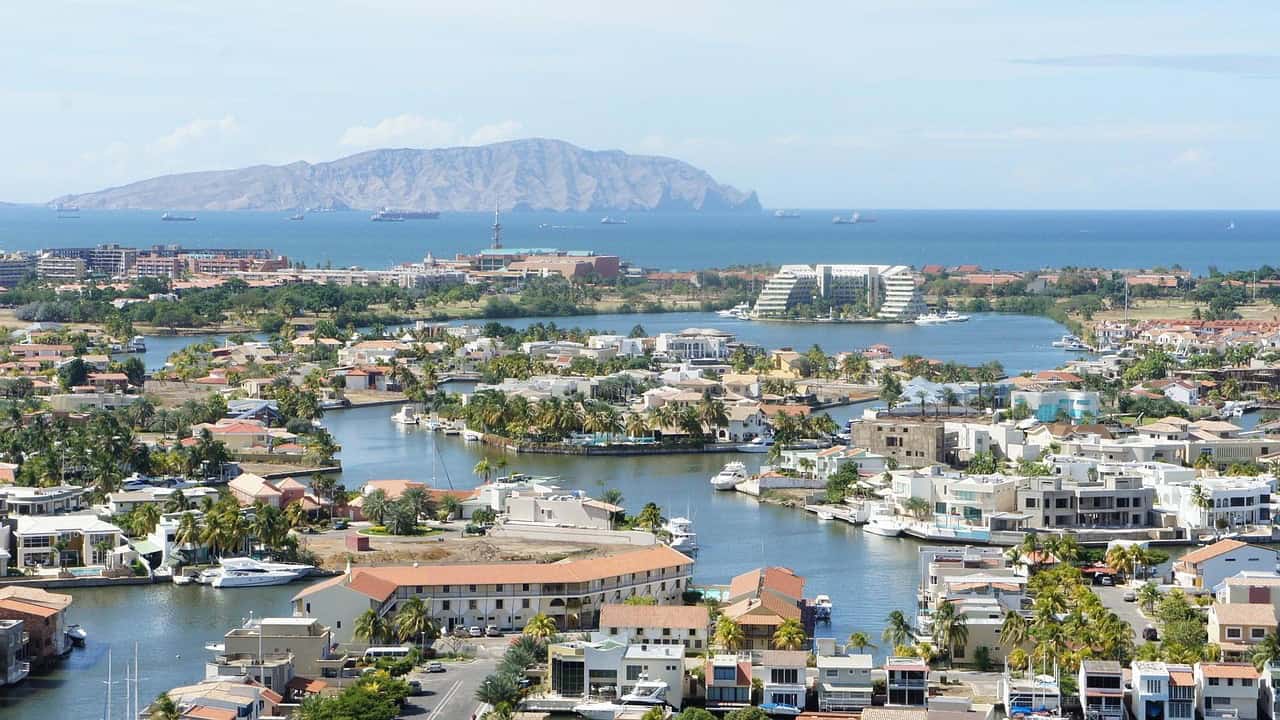
Venezuela is the clearest high risk case in the region, with a Level 4 U.S. advisory that cites wrongful detention, torture in detention, terrorism, kidnapping, arbitrary enforcement of local laws, crime, civil unrest, and poor health infrastructure. The advisory also states that U.S. consular operations remain suspended and that the U.S. government cannot provide emergency services there, which makes arrests, medical crises, and even routine disruptions far more dangerous. The risk is not only what happens on the street, but what happens after it, when consular support is unavailable and basic services remain unreliable, which limits what good planning can fix.
Colombia
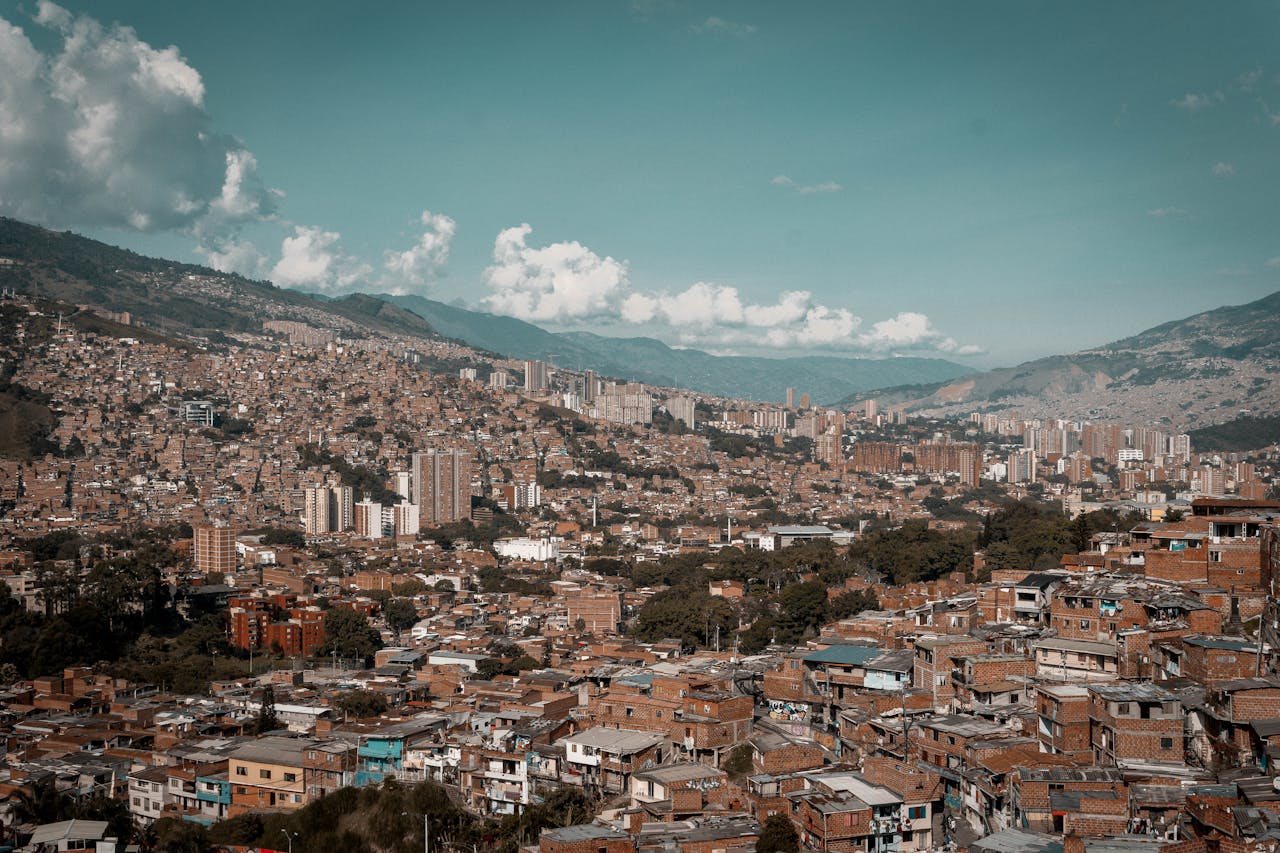
Colombia can be extraordinary, but the U.S. advisory places it at Level 3 and warns about crime, terrorism, civil unrest, and kidnapping, while naming specific departments and the Colombia-Venezuela border region as do not travel areas. The advisory summary also describes violent and organized crime, notes that attacks may target tourist areas, transport hubs, hotels, restaurants, and airports, and warns that demonstrations can shut roads and city movement down without notice. In practical terms, Colombia rewards route-specific planning and up to date local judgment, because safety conditions can shift sharply between one department, corridor, or city district and the next.
Guyana
Guyana’s wilderness appeal draws adventurous travelers, yet the U.S. advisory rates it Level 3 and says violent crime, including murder and armed robbery, is common, especially at night. It also warns that local police may lack the resources to respond effectively to serious incidents, which raises the stakes when something goes wrong and pushes trip planning toward prevention over recovery. That is why small habits such as avoiding night movement, staying alert near ATMs and banks, and keeping valuables out of sight become central safety decisions rather than minor travel etiquette, so prevention matters more.
Ecuador
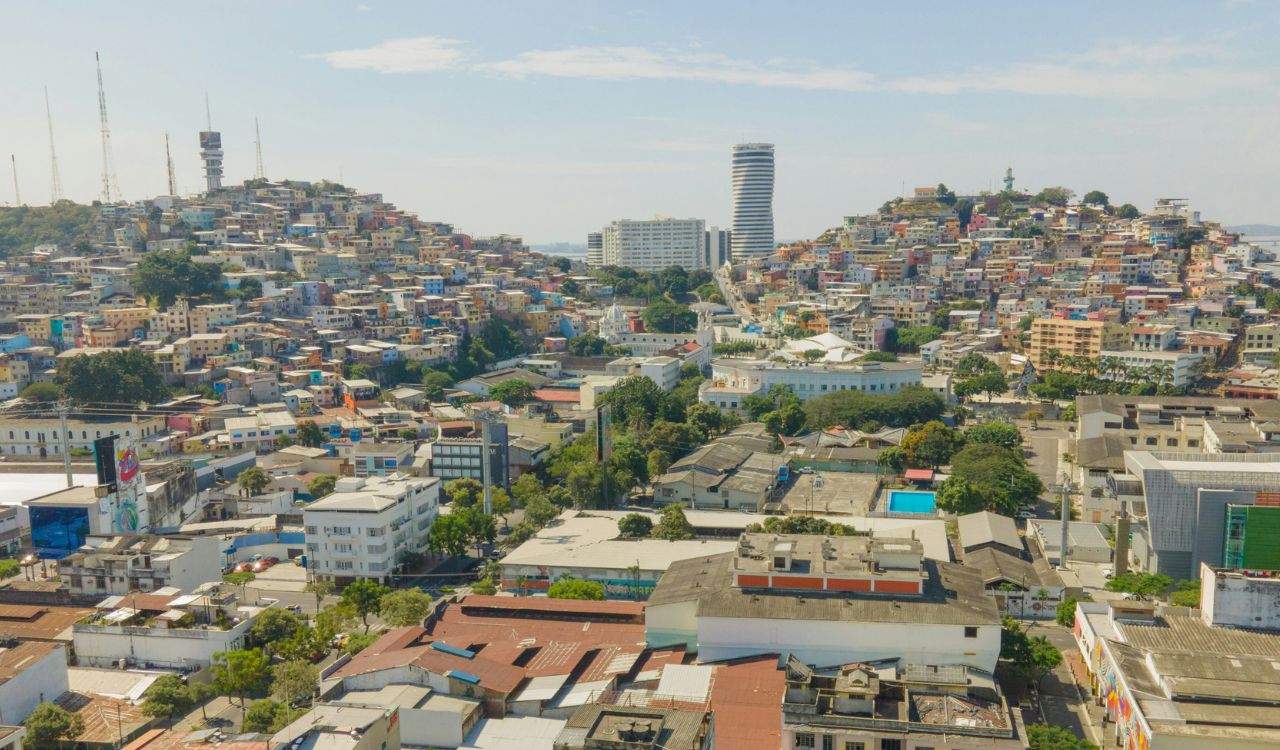
Ecuador is a complicated case because the U.S. advisory lists the country at Level 2 for crime, terrorism, unrest, and kidnapping, while also naming several do not travel and reconsider travel zones across parts of Guayaquil, El Oro, Los Rios, Guayas, and Esmeraldas. The advisory summary adds that crime and kidnapping are widespread and says violent crime tied to narcotrafficking is common in areas with transnational criminal organizations, which makes neighborhood level planning essential. A trip can feel manageable in one route segment and become far riskier in the next, so Ecuador demands careful mapping of transfers, overnights, and city districts before travel begins.
Peru
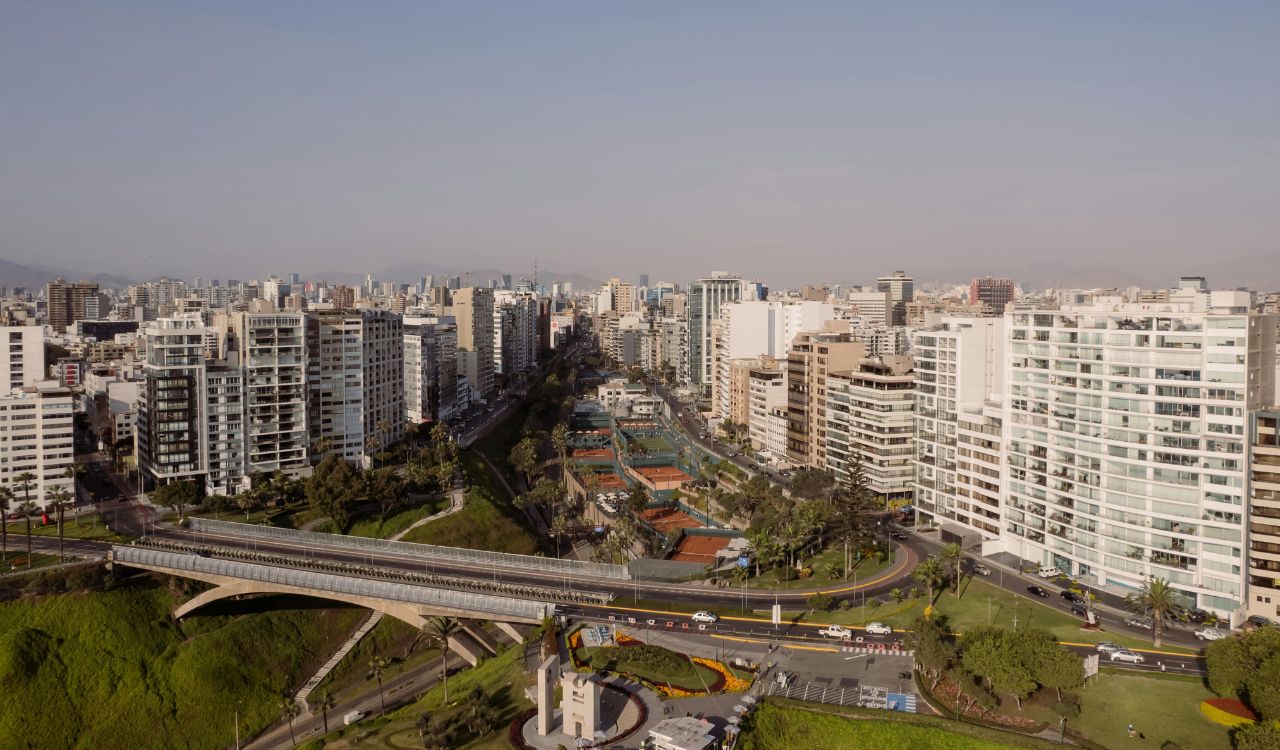
Peru remains one of South America’s biggest draws, but the U.S. advisory is Level 2 and specifically marks the Loreto border area with Colombia, the VRAEM, and parts of several inland regions as do not travel zones due to crime and terrorism related threats. It also makes a crucial distinction by stating that Cusco, the Sacred Valley, the Inca Trail, and Machu Picchu are outside the affected area, even while warning that crime in Peru can occur in daylight and that risk rises at night. Peru rewards travelers who separate iconic destinations from higher risk corridors and plan internal movement carefully, because famous landmarks and unsafe regions can exist within the same itinerary map.
Brazil
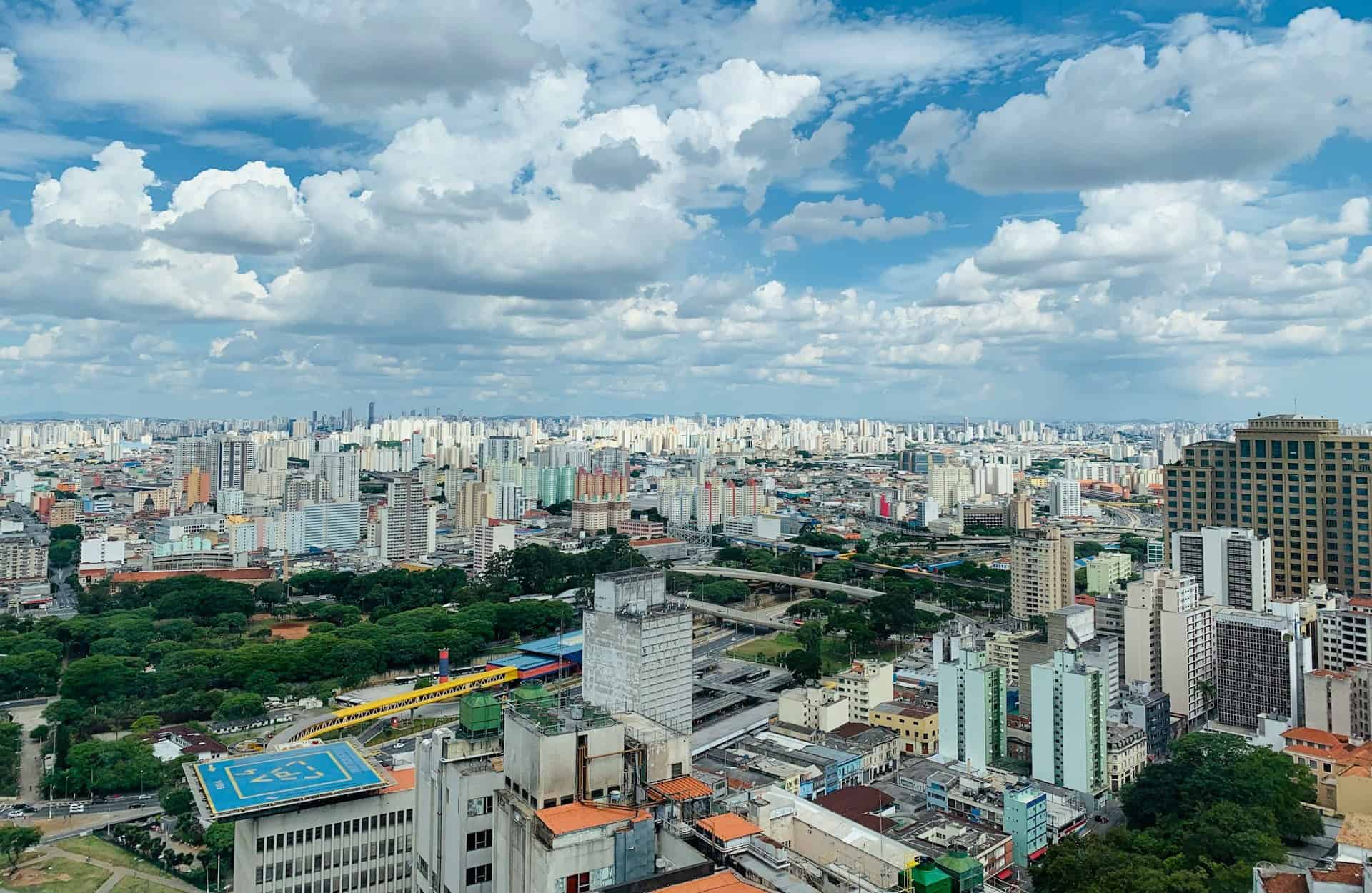
Brazil carries a Level 2 U.S. advisory for crime and kidnapping, but the guidance also carves out multiple Level 4 settings, including broad land border zones, informal housing developments, and certain Brasilia satellite cities at night. The advisory further warns that violent crime can happen day or night, mentions a kidnapping for ransom involving U.S. travelers, and notes drugging and robbery scams that often begin in bars, through dating apps, or on public transit. In Brazil, practical safety planning is often neighborhood by neighborhood and hour by hour, with route choices, nightlife habits, and transport decisions shaping risk far more than city names alone.
Bolivia
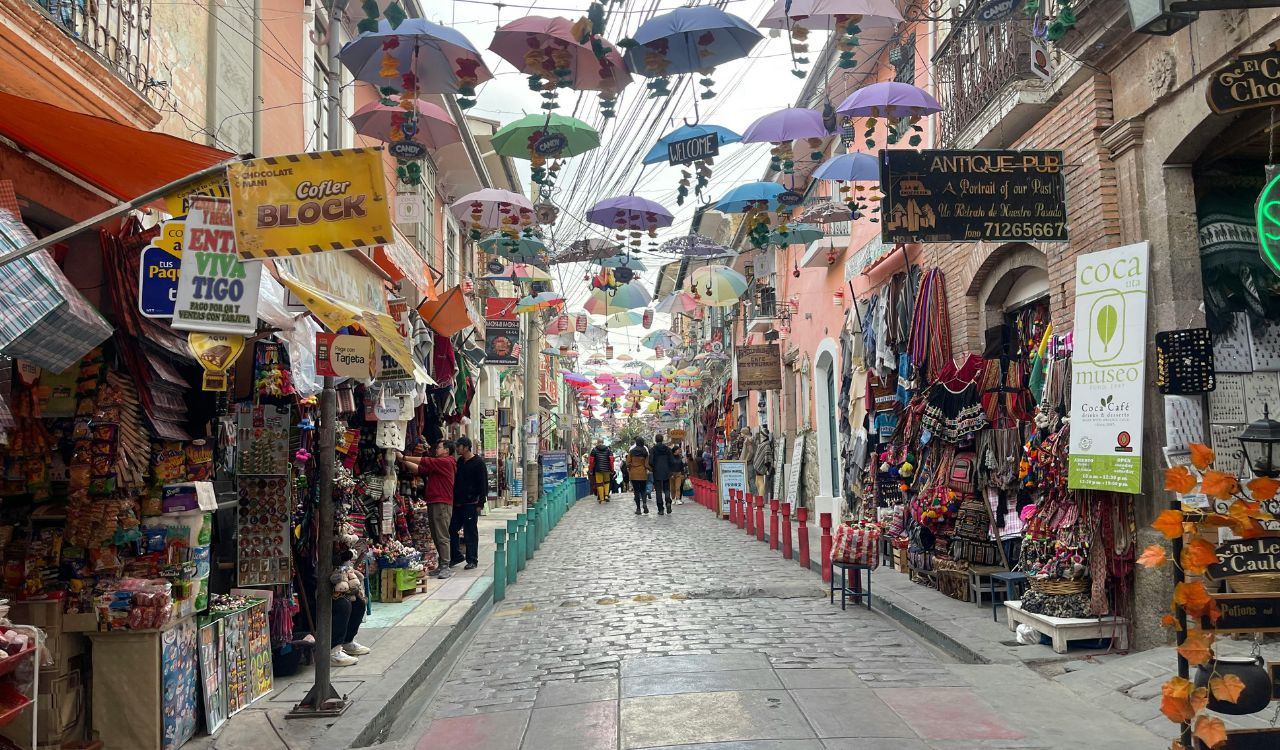
Bolivia’s challenge is often disruption as much as crime, with a Level 2 U.S. advisory for civil unrest and a separate do not travel warning for the Chapare region due to crime. The advisory says demonstrations, strikes, and roadblocks can occur at any time, may turn violent, and can cut traffic, interrupt goods and services, and delay or cancel domestic and international flights with little warning. That makes tight itineraries especially fragile, because a place that feels calm in the morning can become difficult to exit by afternoon, and backup days become a core safety tool rather than a comfort.
Argentina (Safer Alternative)
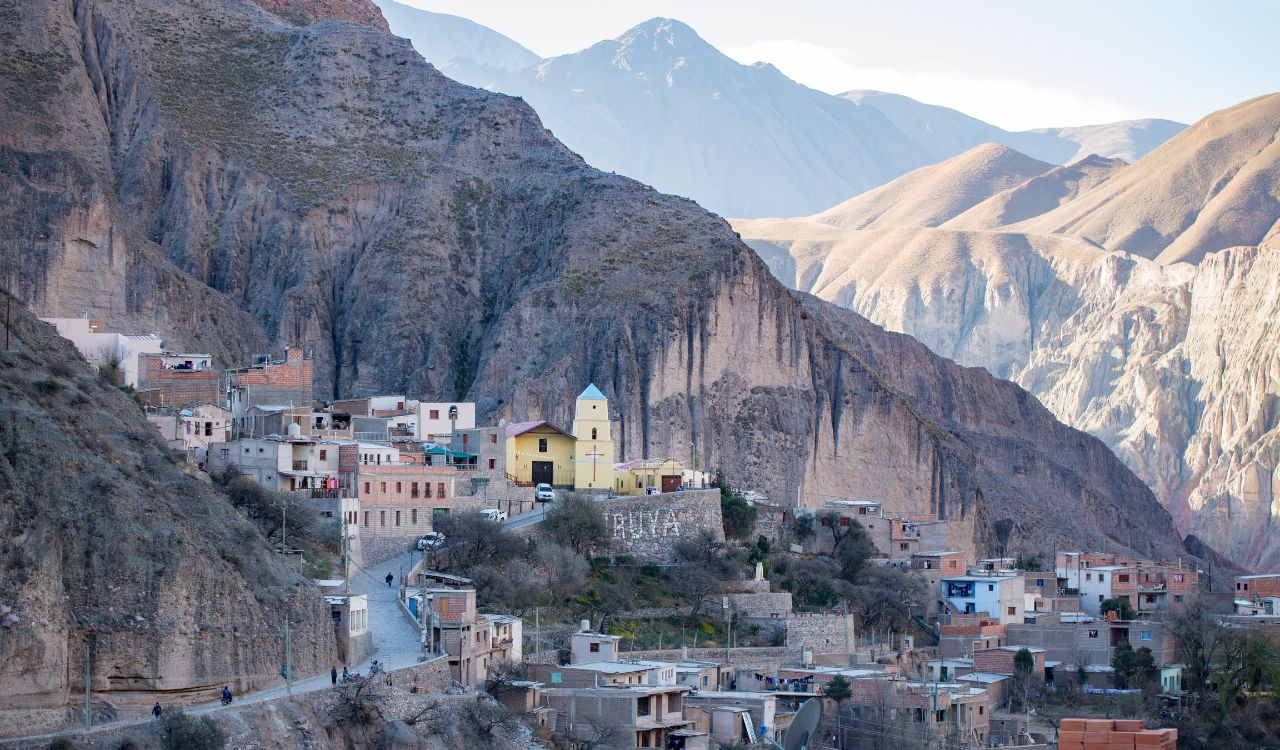
Argentina works as a safer alternative in relative terms because the U.S. advisory places it at Level 1, the lowest tier, while limiting the stronger warning to increased caution in Rosario due to crime. That narrower risk profile gives travelers a more stable baseline for planning long routes across major destinations, even though normal urban awareness still matters and no destination is fully risk free. Compared with countries carrying broader warnings around kidnapping, terrorism, unrest, or multiple restricted zones, Argentina generally presents a more manageable planning environment, making long itineraries more predictable.
Paraguay (Safer Alternative)
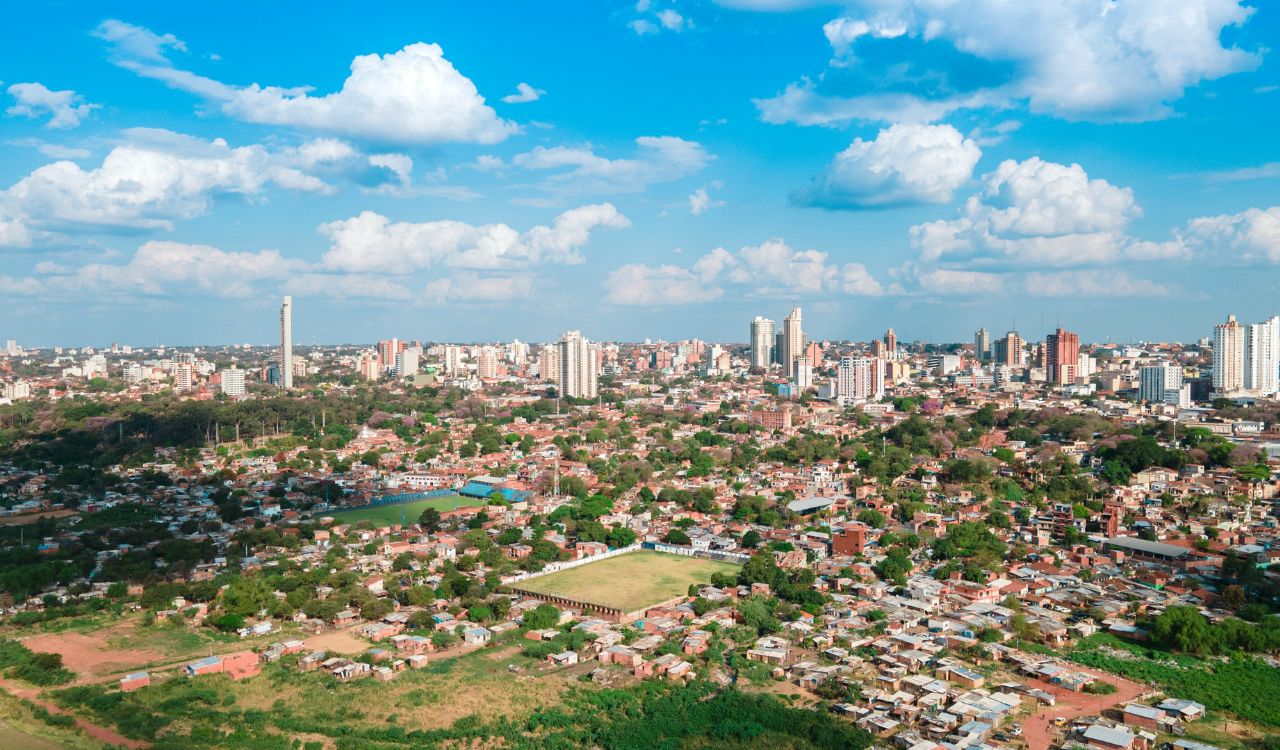
Paraguay is another comparatively safer option under the same framework, with a Level 1 U.S. advisory overall and a more targeted warning for increased caution in departments such as Alto Parana, Amambay, Canindeyu, Concepcion, and San Pedro. That pattern suggests a country where risk management is more regional than national, allowing many travel corridors to be planned with standard precautions rather than heavy contingency planning. For travelers choosing between South American routes, Paraguay often looks less volatile on paper because the advisory language is narrower and less concentrated on terrorism, kidnapping, or broad no go zones.
Suriname (Safer Alternative)

Suriname is often left out of mainstream itineraries, yet the U.S. State Department places it at Level 1 and advises normal precautions, which immediately sets a different planning tone from many neighboring options. The advisory does not carry the same broad countrywide alerts seen elsewhere in the region, so travelers can start from a calmer baseline and focus on practical logistics, especially for remote interior travel where services may be limited. That combination makes Suriname a useful lower risk alternative for travelers who still want a distinct South American experience but prefer fewer severe security warnings in the planning stage, which keeps planning more straightforward.
Chile (Safer Alternative)
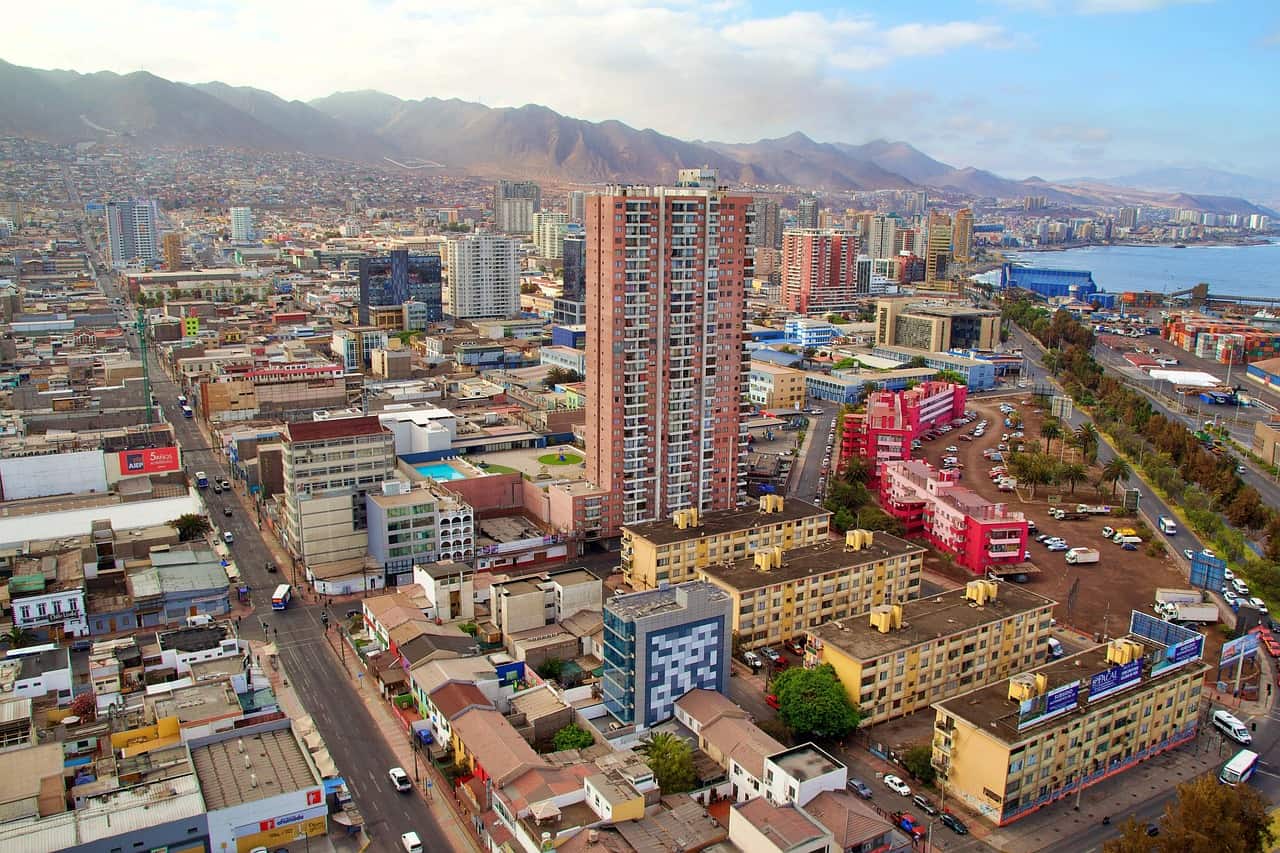
Chile is not in the lowest advisory tier, but it still functions as a safer alternative because its Level 2 warning centers on crime and civil unrest rather than the more severe countrywide patterns seen in higher risk destinations. The U.S. advisory highlights common street crime, rising violent crime, and demonstrations that can disrupt public buses and Santiago metro service, which are serious concerns but generally easier to manage through timing and urban caution. In practical travel terms, Chile often asks for city awareness and protest monitoring more than route avoidance, border risk workarounds, or complex no go zone planning, especially with flexible timing.
Uruguay (Safer Alternative)
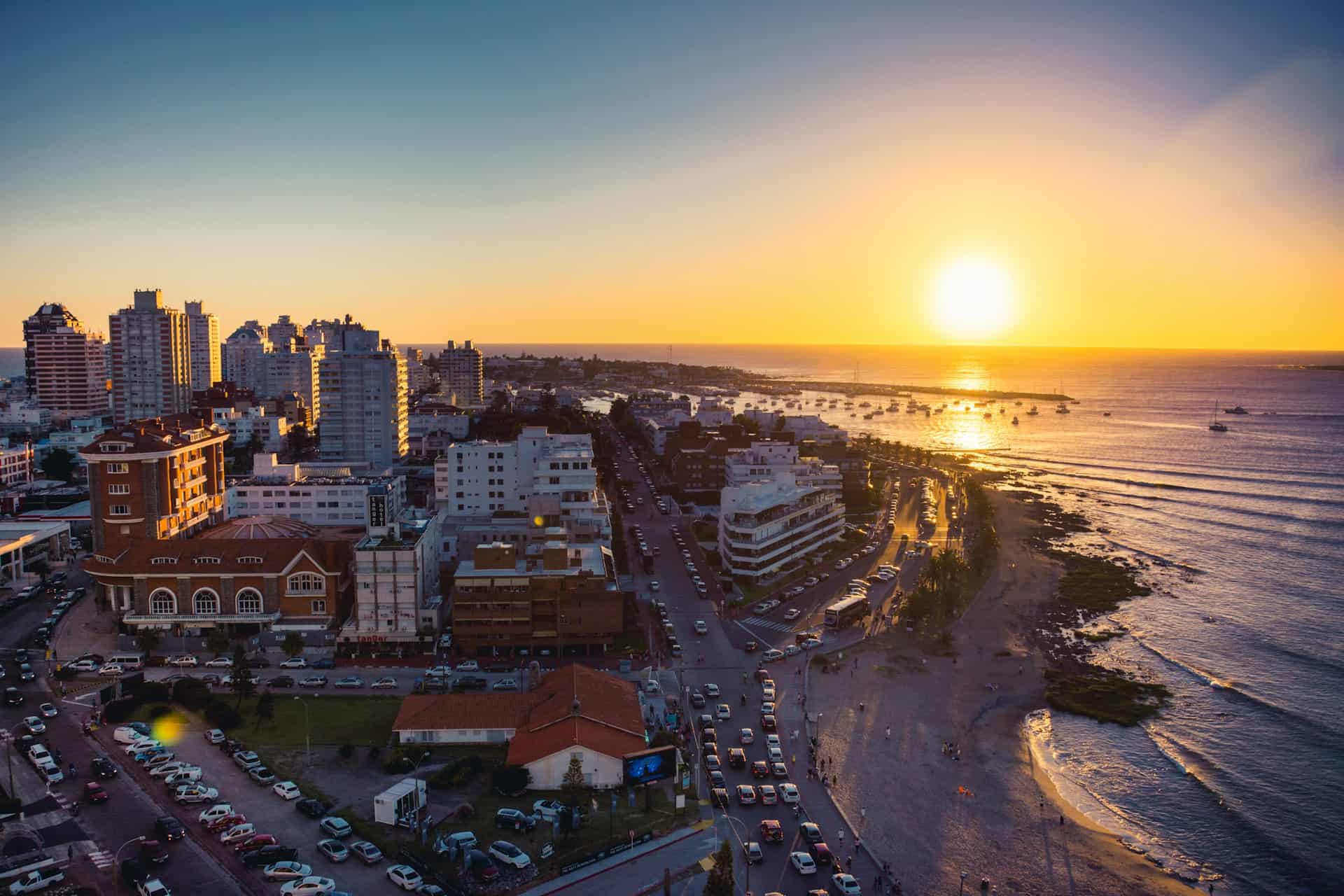
Uruguay is widely considered one of the steadier choices in the region, and the U.S. advisory broadly supports that with a Level 2 rating focused on crime rather than a more complex mix of terrorism, kidnapping, and broad no go zones. The advisory notes that crime is most common in Montevideo, Canelones, Maldonado, and Rivera, and describes recurring patterns such as armed robberies, motorcycle pair thefts, and ATM targeting that require attention. Even with those concerns, the warning profile feels more street level and predictable than the stronger advisories elsewhere, and that makes the overall risk picture easier to understand and manage.