We may earn money or products from the companies mentioned in this post. This means if you click on the link and purchase the item, I will receive a small commission at no extra cost to you ... you're just helping re-supply our family's travel fund.
The most dangerous vacations in the United States are often the most beautiful ones. Trouble rarely announces itself in advance. It arrives as heat inside a canyon, a calm-looking river above a waterfall, a beach break with rip currents, or a thermal pool that seems safer than it is. These destinations are not doomed, and millions visit them without harm. But they do come with unusually serious, well-documented hazards, which is why the smartest travelers treat these places less like backdrops and more like environments that can change the terms of a trip in minutes.
Death Valley National Park, California And Nevada
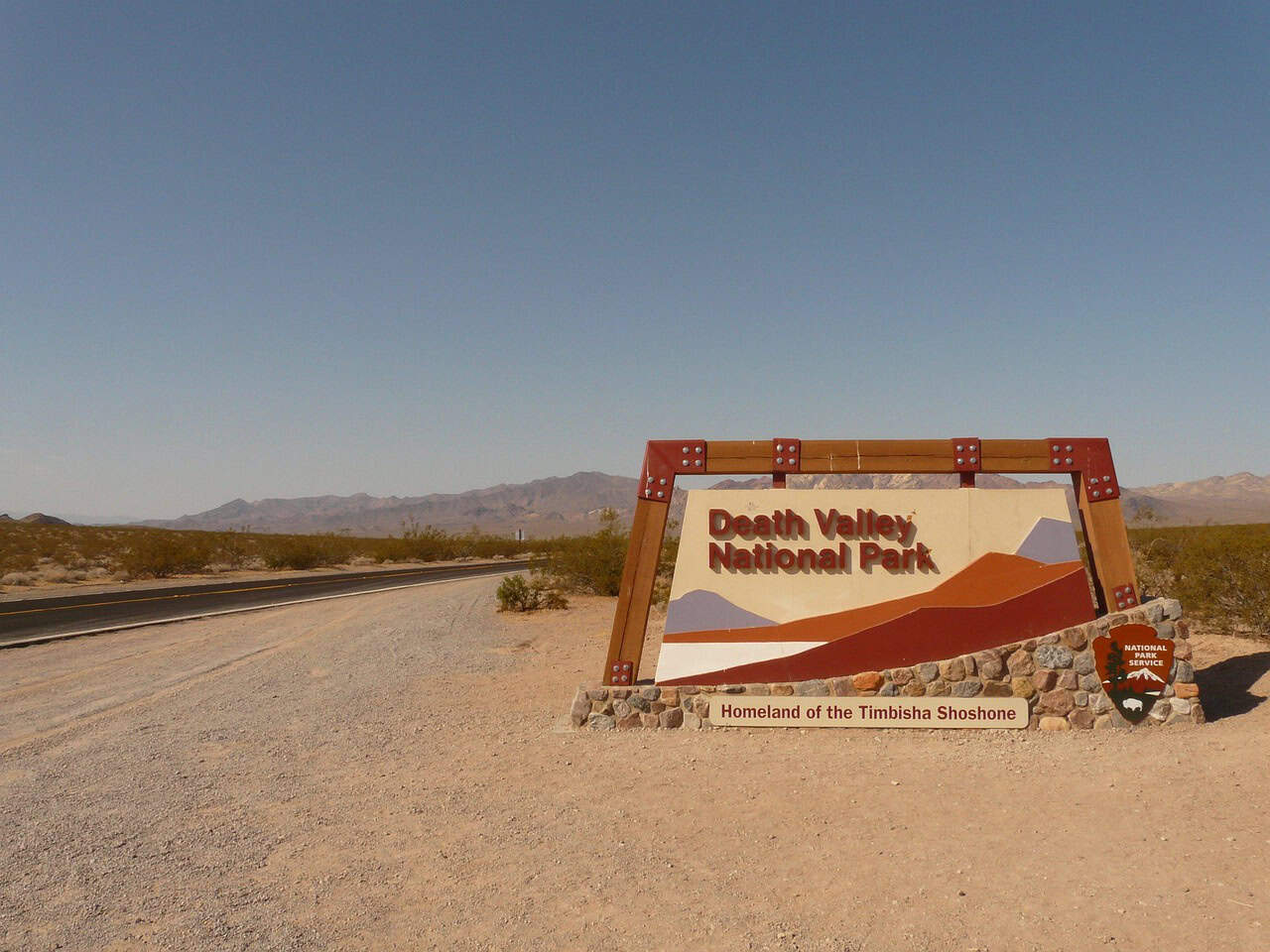
Death Valley looks wide open and almost abstractly calm, which is part of what makes it so risky. NPS says it is the hottest place in the world, with summer temperatures reaching 130 F and nighttime temperatures up to 90 F, and warns people not to hike the valley floor or other lower elevations when it is hot. The same park page says most deaths there are caused by single-vehicle rollover crashes on its long, winding roads, while 2024 NPS releases documented multiple heat deaths, underscoring how quickly a scenic stop can become an emergency in a landscape with huge distances and limited cell service.
Grand Canyon National Park, Arizona
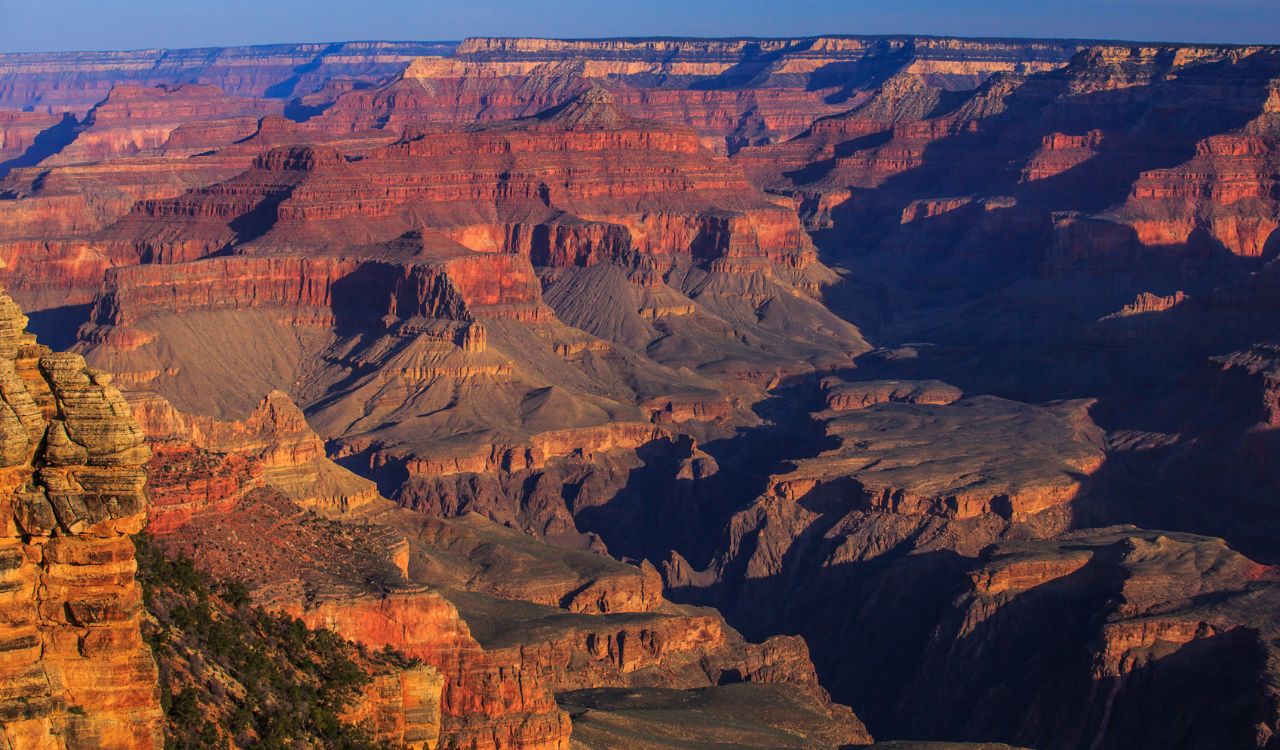
Grand Canyon is dangerous precisely because it feels so familiar from the overlooks. NPS says about 900 people have died there since the 1800s, with falling and heat-related or hydration-related causes each totaling roughly 200 to 250 deaths, and an average of two to three people die from cliff falls each year. During a 2024 excessive heat warning, forecast shade temperatures below 4,000 feet ranged from 105 F to 111 F, and the park warned that rescues can be delayed in summer, which is why an ambitious below-rim hike or a careless rimside photo can turn serious far faster than many visitors expect.
Yellowstone National Park, Wyoming, Montana, And Idaho
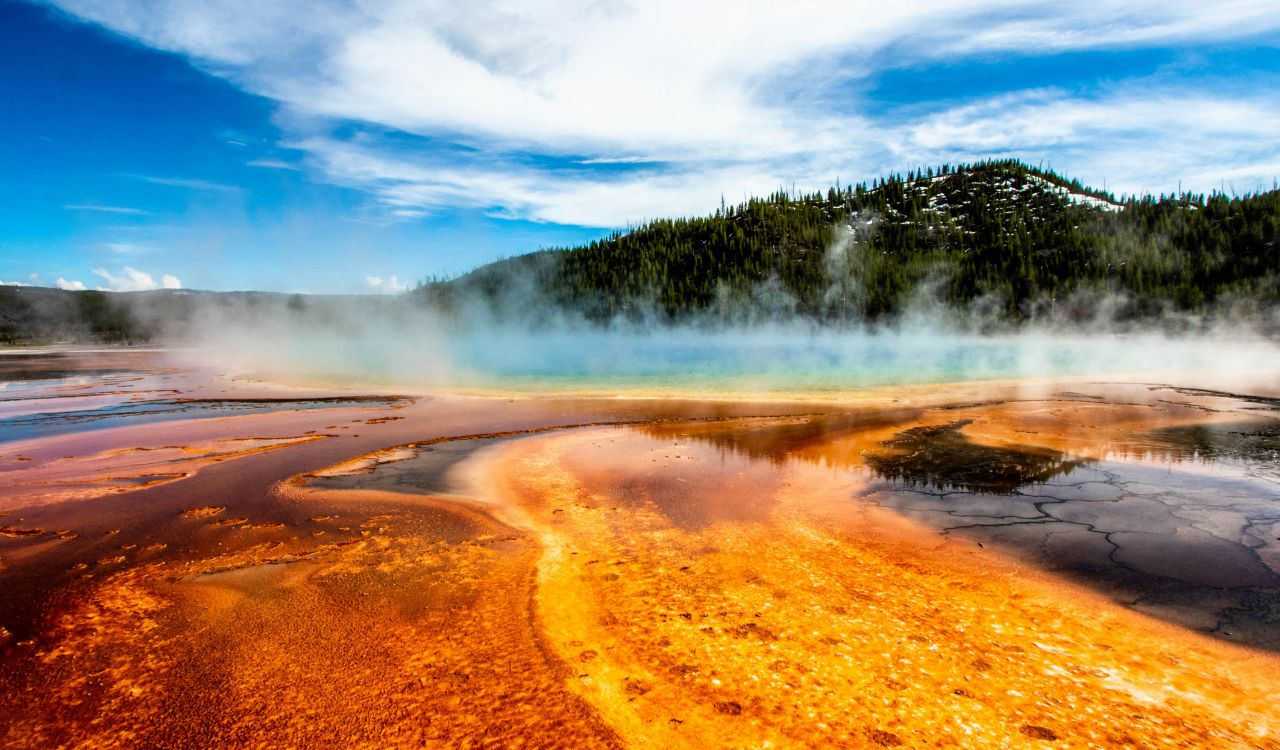
Yellowstone asks visitors to admire danger at close range without ever forgetting it is danger. NPS says more than 20 people have died from burns after entering or falling into Yellowstone’s hot springs, toxic gases can build to dangerous levels in hydrothermal areas, and bison have injured more people in the park than any other animal. The park tells visitors to stay at least 25 yards from bison and 100 yards from bears, wolves, and cougars, a reminder that one of America’s greatest family destinations is also a live geothermal and wildlife landscape, not a controlled attraction.
Yosemite National Park, California
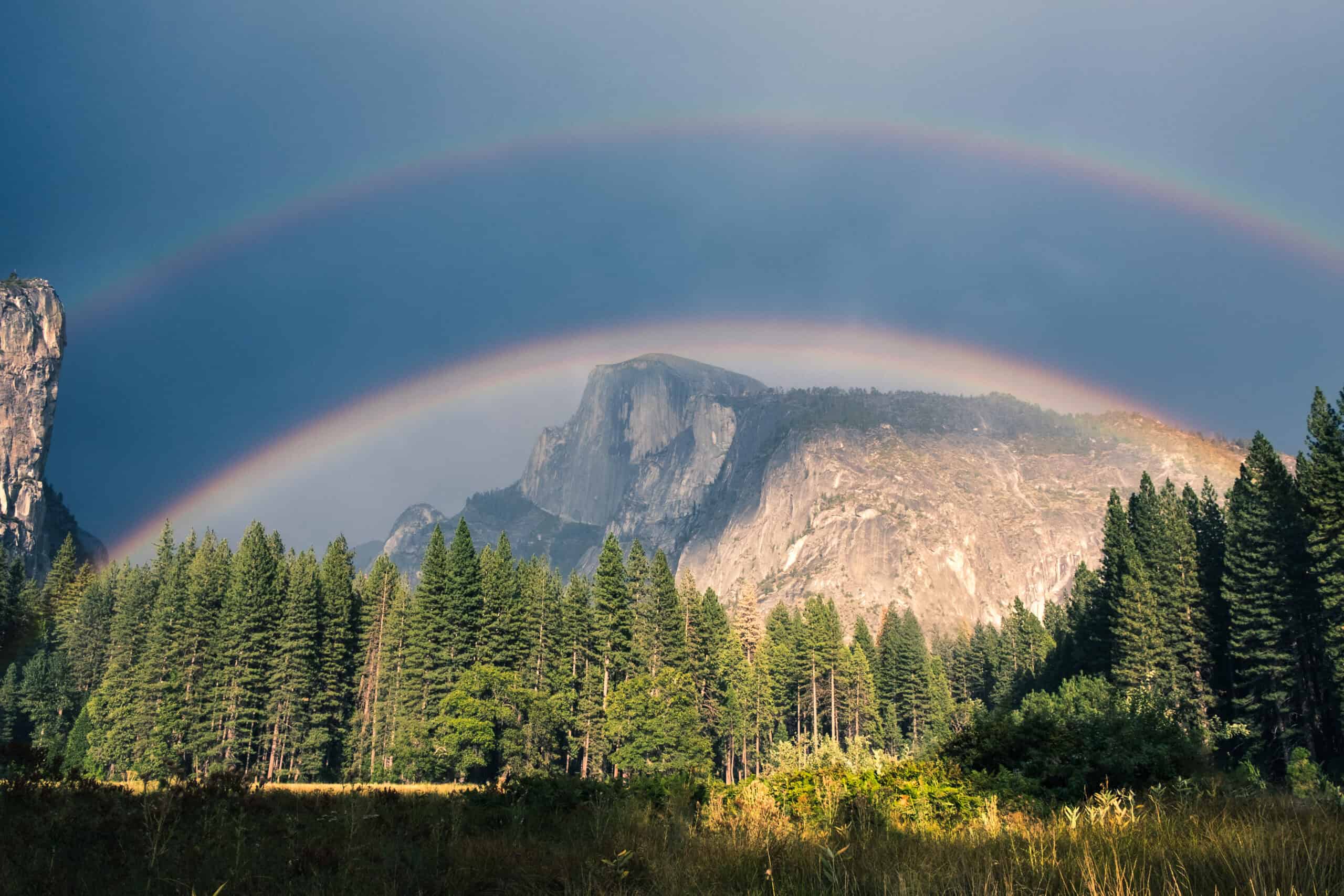
Yosemite carries a gentler visual reputation than it deserves. Official park statistics show 17 fatalities and 194 search-and-rescue operations in 2024, while Yosemite’s safety guidance warns that visitors are swept over waterfalls to their deaths every year, snowmelt-swollen rivers can trap or kill the unwary, and several rockfalls occur in Yosemite Valley each year. The danger here is not one headline hazard but a stacked environment of cliffs, water, traffic, and weather that can turn a postcard scene into a rescue call very fast, especially when visitors mistake beauty for predictability.
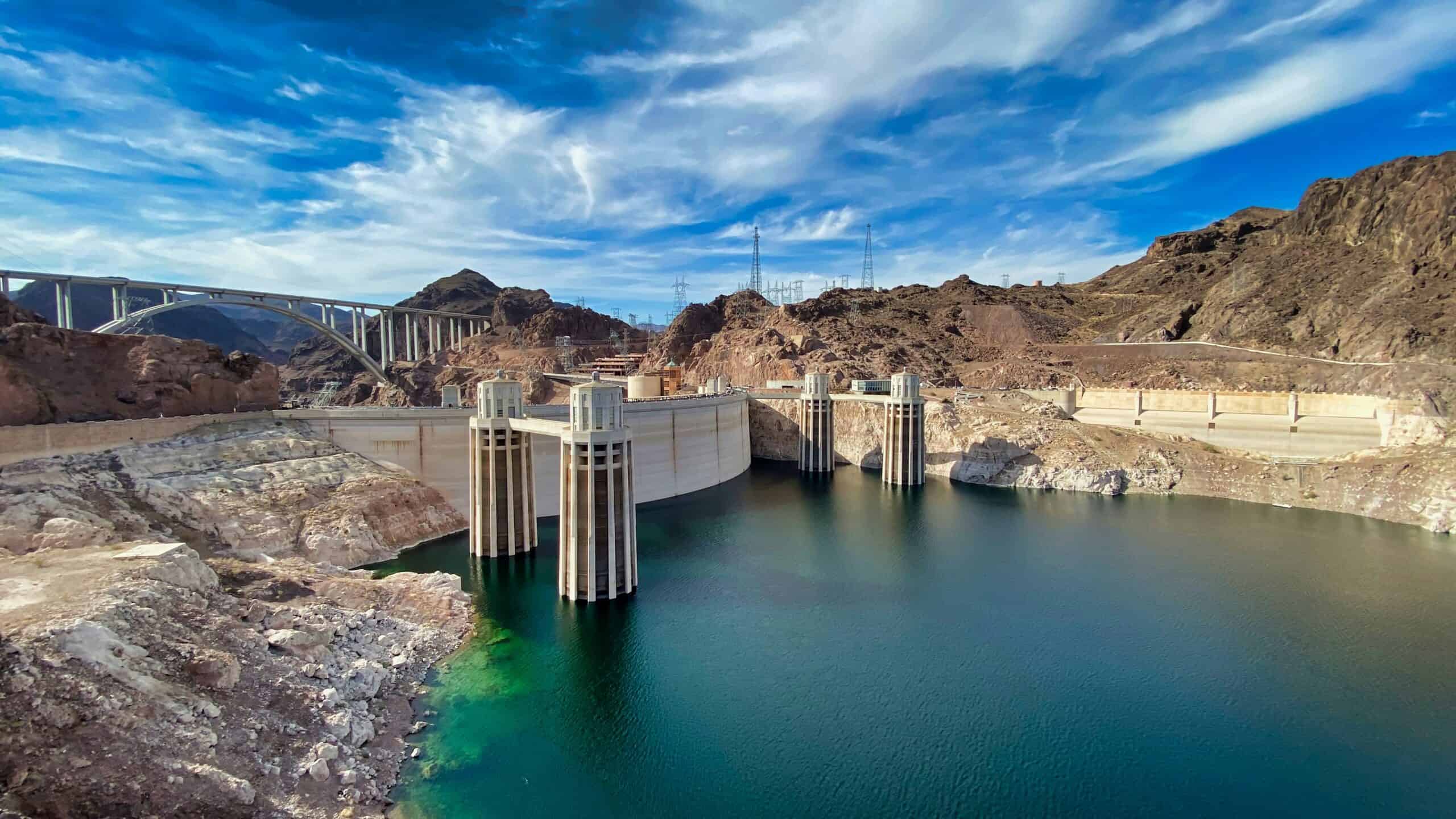
Lake Mead National Recreation Area, Nevada And Arizona
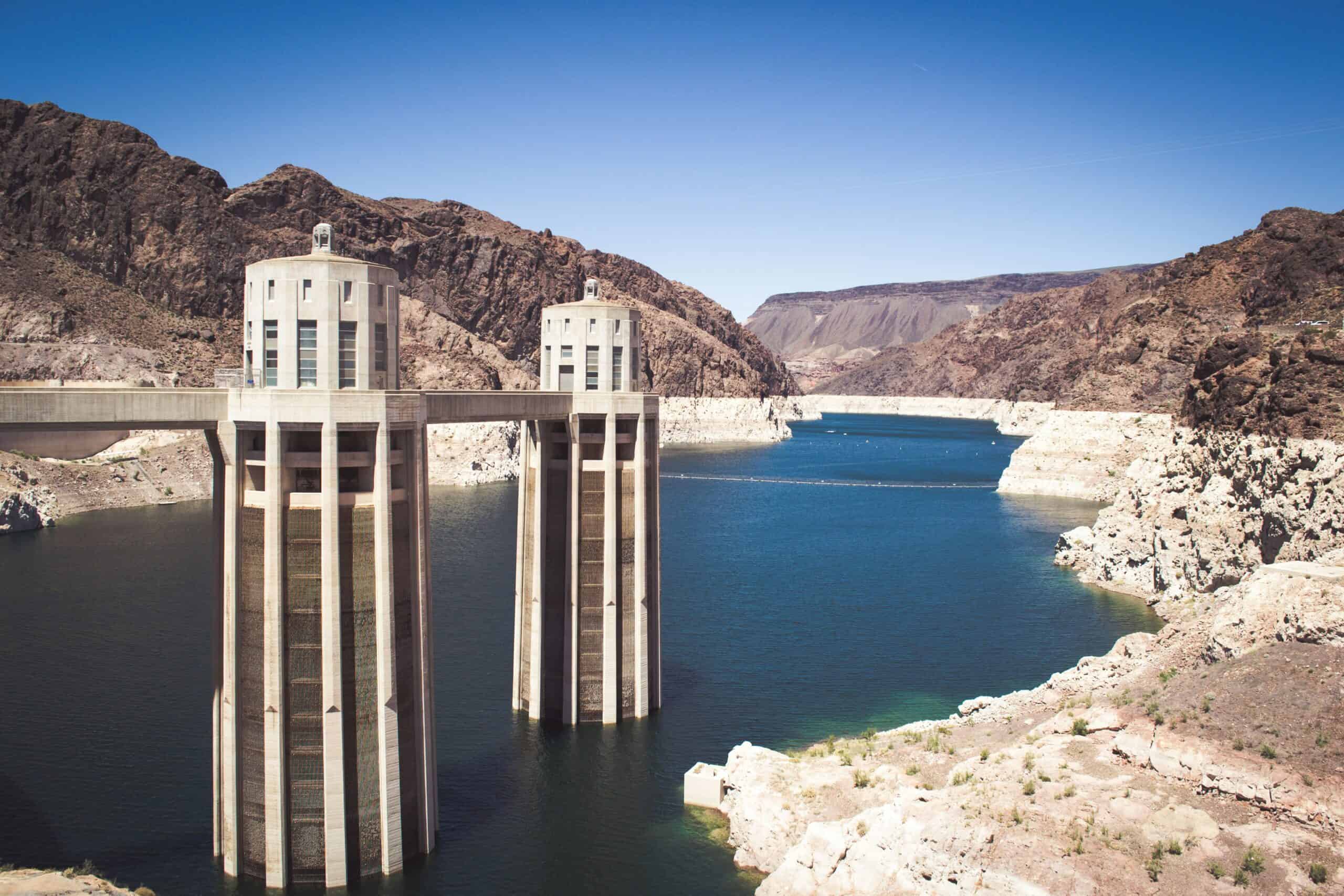
Vojtech Bruzek/Unsplash
Lake Mead often gets treated like a hot-weather playground attached to Las Vegas, but the safety record is sobering. NPS says drowning is the No. 1 cause of death in national parks and that Lake Mead has never recorded a fatality involving someone who was wearing a life jacket on the water. By July 2, 2024, the park had already seen 19 fatalities that year, including four drownings and two heat-related deaths, making it a place where sun, open water, wind, speed, and poor judgment can combine into danger much faster than many vacationers assume.
New Smyrna Beach, Florida
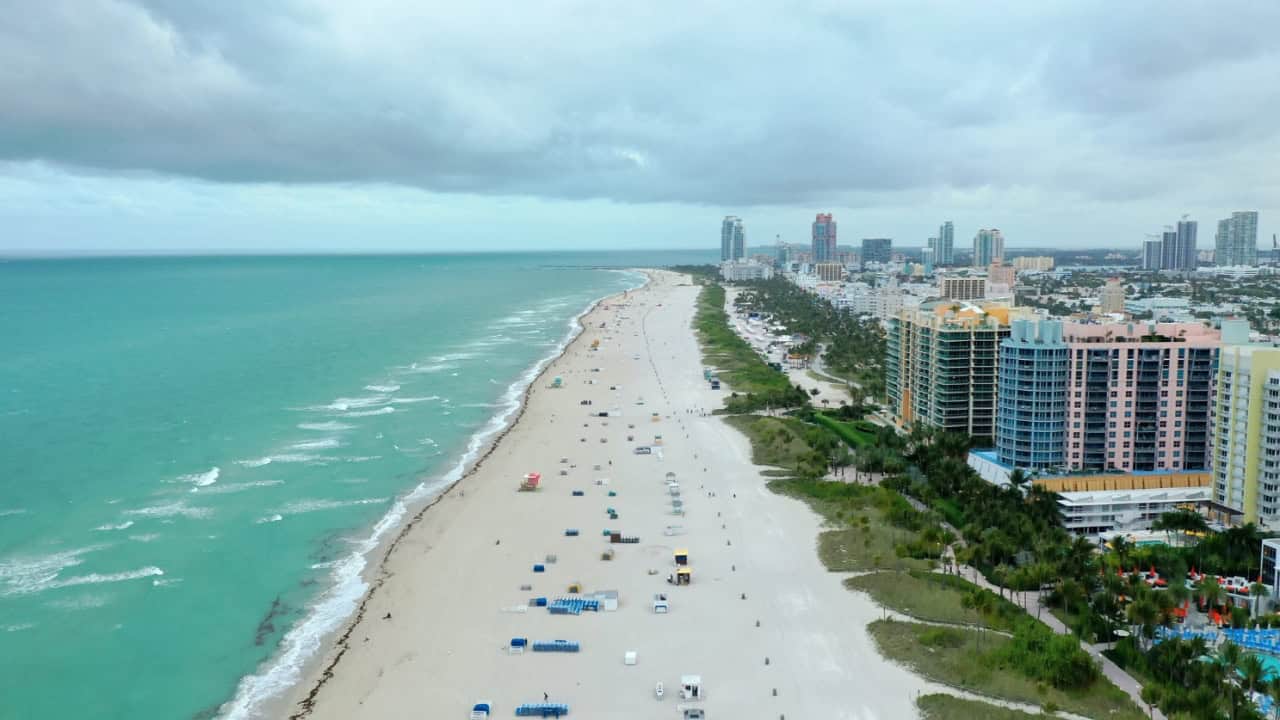
New Smyrna Beach is famous for surf culture and infamous for the thing moving beneath it. Florida Museum researchers call it the shark bite capital of the world, noting that Volusia County had 17 unprovoked bites in 2021, most of them at New Smyrna Beach. Yet the sharper lesson may be broader than sharks alone: NOAA says rip currents account for more than 80 percent of rescues performed by surf-beach lifeguards, and the U.S. Lifesaving Association estimate cited by NOAA puts annual rip-current deaths on American beaches above 100, which is why even a beautiful Florida swim day can carry more edge than it seems.
Hawaiʻi Volcanoes National Park, Hawaii
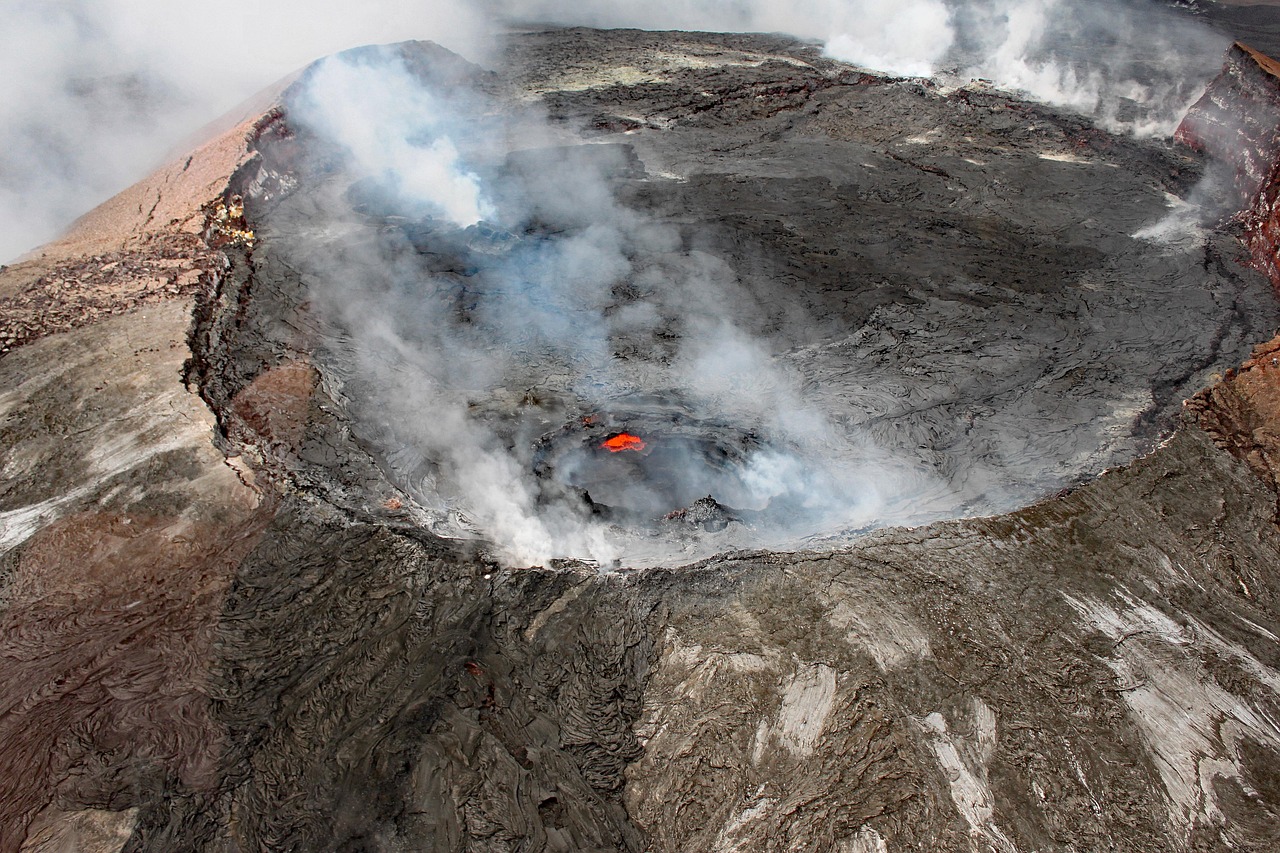
Hawaiʻi Volcanoes National Park is one of the rare vacation places where the ground itself is part of the hazard. NPS warns of unstable ground, sharp volcanic rocks, hidden lava tubes, hazardous gases such as sulfur dioxide, and weather that can swing through rain, heat, cold, and wind during a single visit. In coastal areas, the park says unpredictable waves and strong currents make the ocean particularly dangerous, while entering closed or restricted eruption-viewing areas can cause serious injury or death, giving the park a level of active environmental risk unlike almost anywhere else people vacation in the United States.