We may earn money or products from the companies mentioned in this post. This means if you click on the link and purchase the item, I will receive a small commission at no extra cost to you ... you're just helping re-supply our family's travel fund.

Safety rankings are never perfect, but they still reveal where solo women face the steepest risk. This rewrite uses the 2025/26 Women, Peace and Security Index to identify the seven lowest-ranked countries for women’s safety and rights, then cross-checks that picture with current travel advisories and UN reporting where relevant. The aim is practical clarity, not fear. Where conflict, weak institutions, and gender-based insecurity overlap, ordinary travel decisions become harder, fallback options shrink, and recovery after a bad moment becomes far less predictable.
Afghanistan
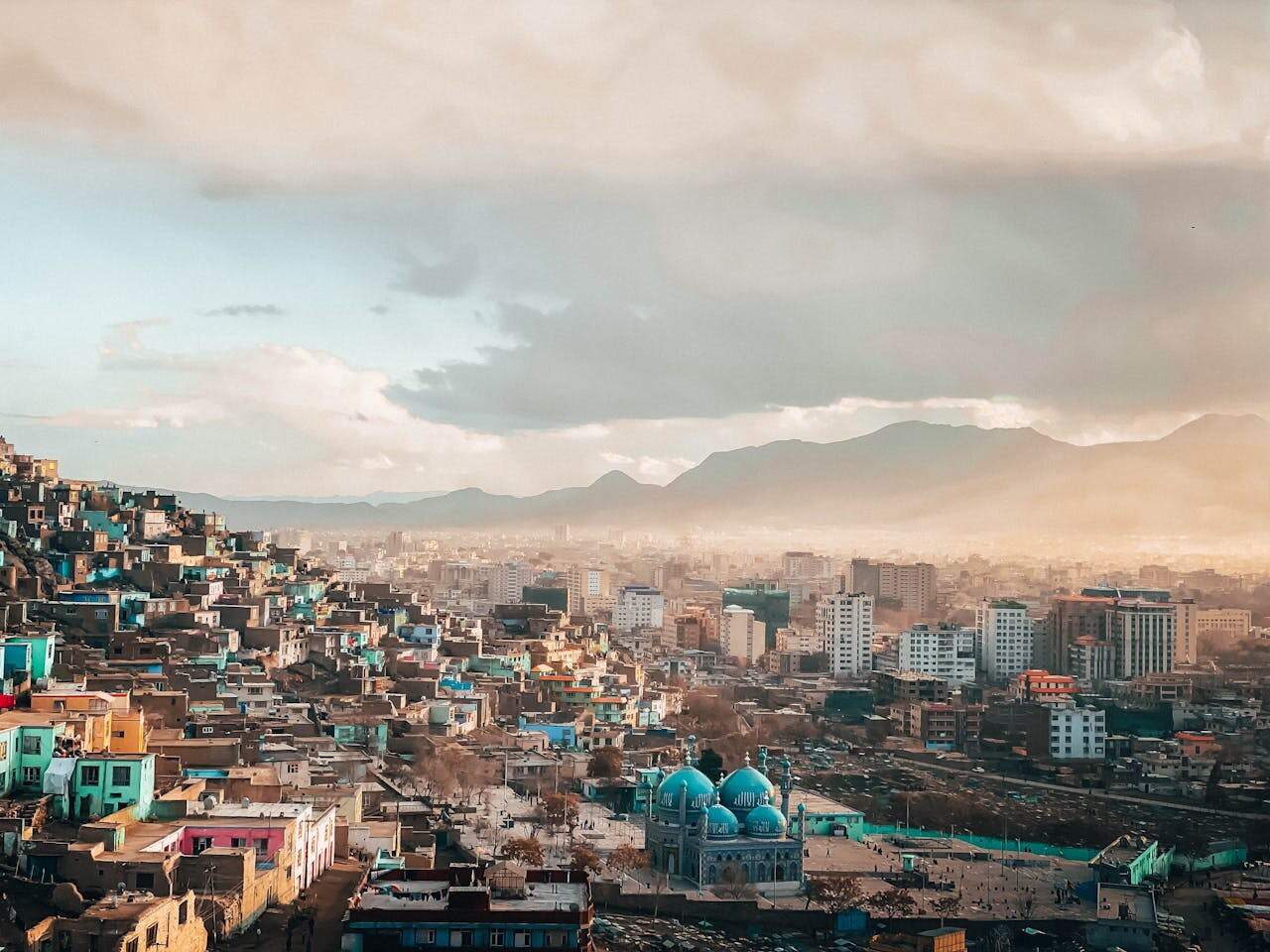
Afghanistan sits at 181 out of 181 in the 2025/26 Women, Peace and Security Index, making it the lowest-ranked country in the report and signaling severe structural risk for women. UN Women also reports deep restrictions on women’s mobility, education, and employment, which narrows safe lodging choices, trusted local networks, and routes to formal support when something goes wrong. The U.S. advisory remains Level 4 Do not travel, citing unrest, crime, terrorism, kidnapping, and limited medical access, a combination that can overwhelm solo travelers when transport fails or help is out of reach.
Yemen
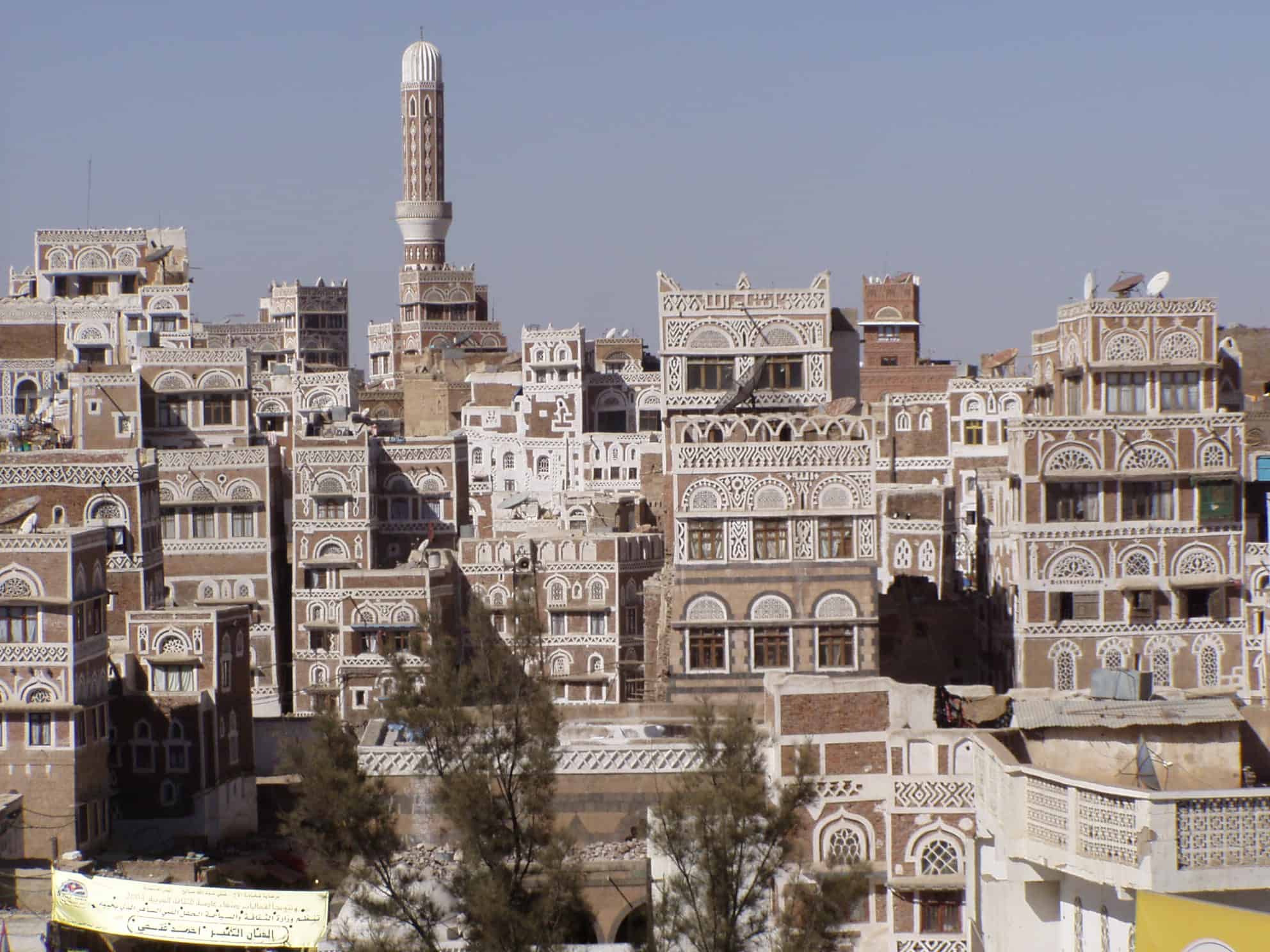
Yemen ranks 180 in the same index, placing it among the most dangerous environments for women’s daily safety, legal protection, and freedom of movement. Prolonged conflict, fragmented local control, and weak public services mean disruptions can hit roads, communications, and emergency care at once, leaving little room for safe improvisation. The U.S. advisory remains Level 4 Do not travel, warning of terrorism, unrest, kidnapping, health risks, and landmines, which turns routine delays into high-stakes moments for women traveling alone, especially after dark or outside controlled corridors.
Central African Republic
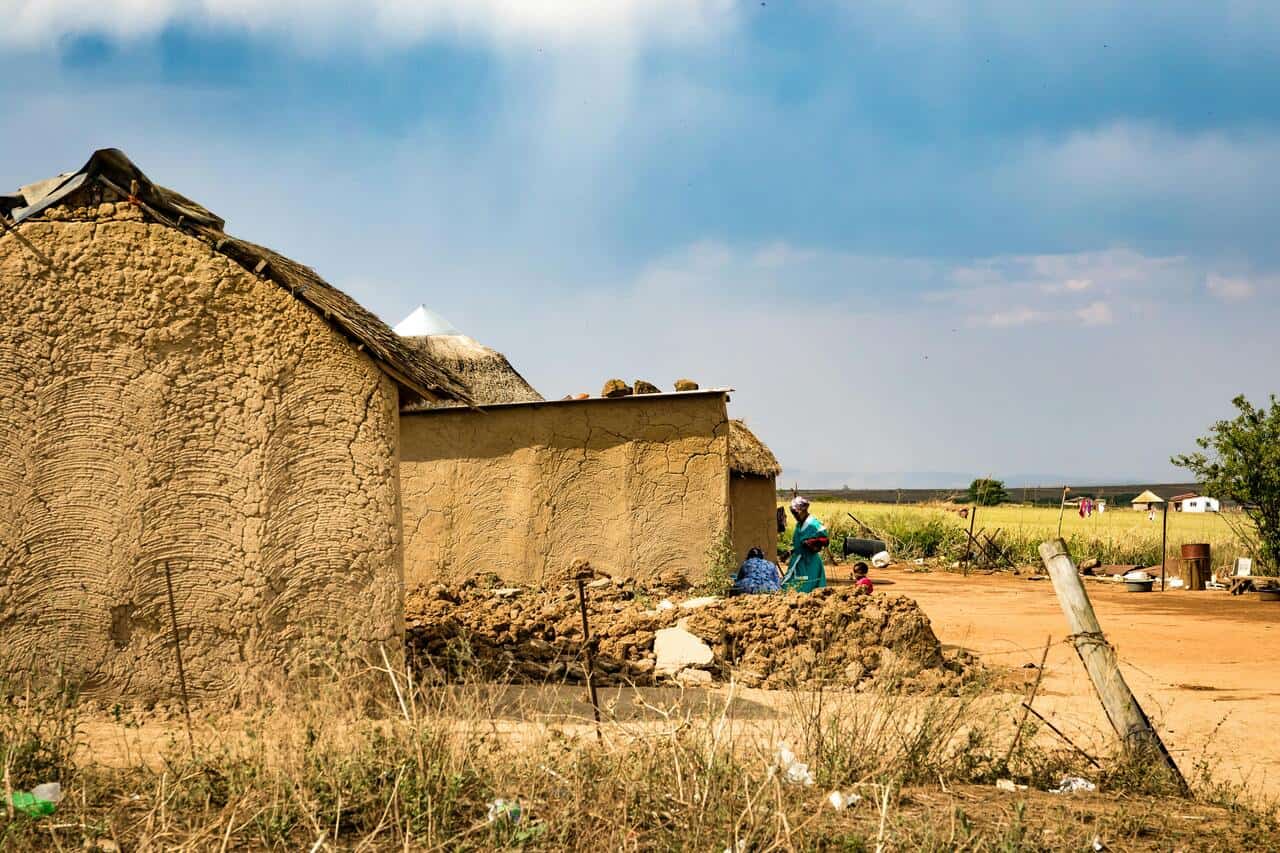
The Central African Republic ranks 179 in the WPS index, keeping it in the bottom global tier for women’s security, justice, and inclusion. Persistent instability and limited state capacity can make overland movement unpredictable, while weak infrastructure reduces reliable options if plans break, weather shifts, or checkpoints change unexpectedly. U.S. authorities classify the country as Level 4 Do not travel due to unrest, crime, kidnapping, terrorism, and health threats, so solo women often face layered exposure where transport, communications, and emergency response all fail at the same time.
Syrian Arab Republic
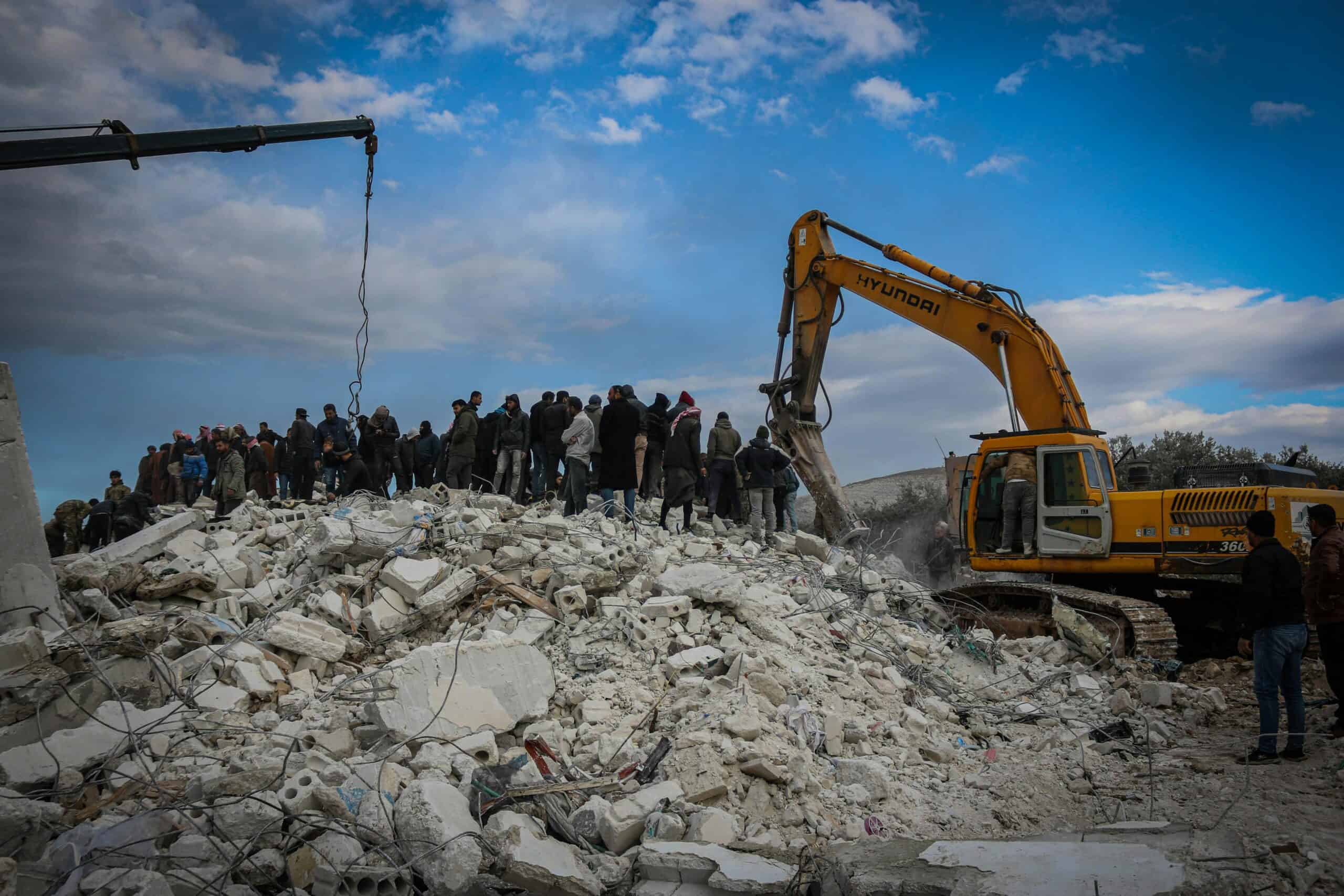
Syria ranks 178 in the Women, Peace and Security Index, reflecting how years of conflict continue to shape everyday risk for women across public and private spaces. Conditions can vary sharply between districts, and security realities may change within hours, which makes even careful itineraries fragile when routes, access, or local authority shift suddenly. The U.S. advisory remains Level 4 Do not travel, citing terrorism, unrest, kidnapping, hostage taking, crime, and armed conflict, with suspended embassy operations that further limit emergency support for solo travelers.
Sudan
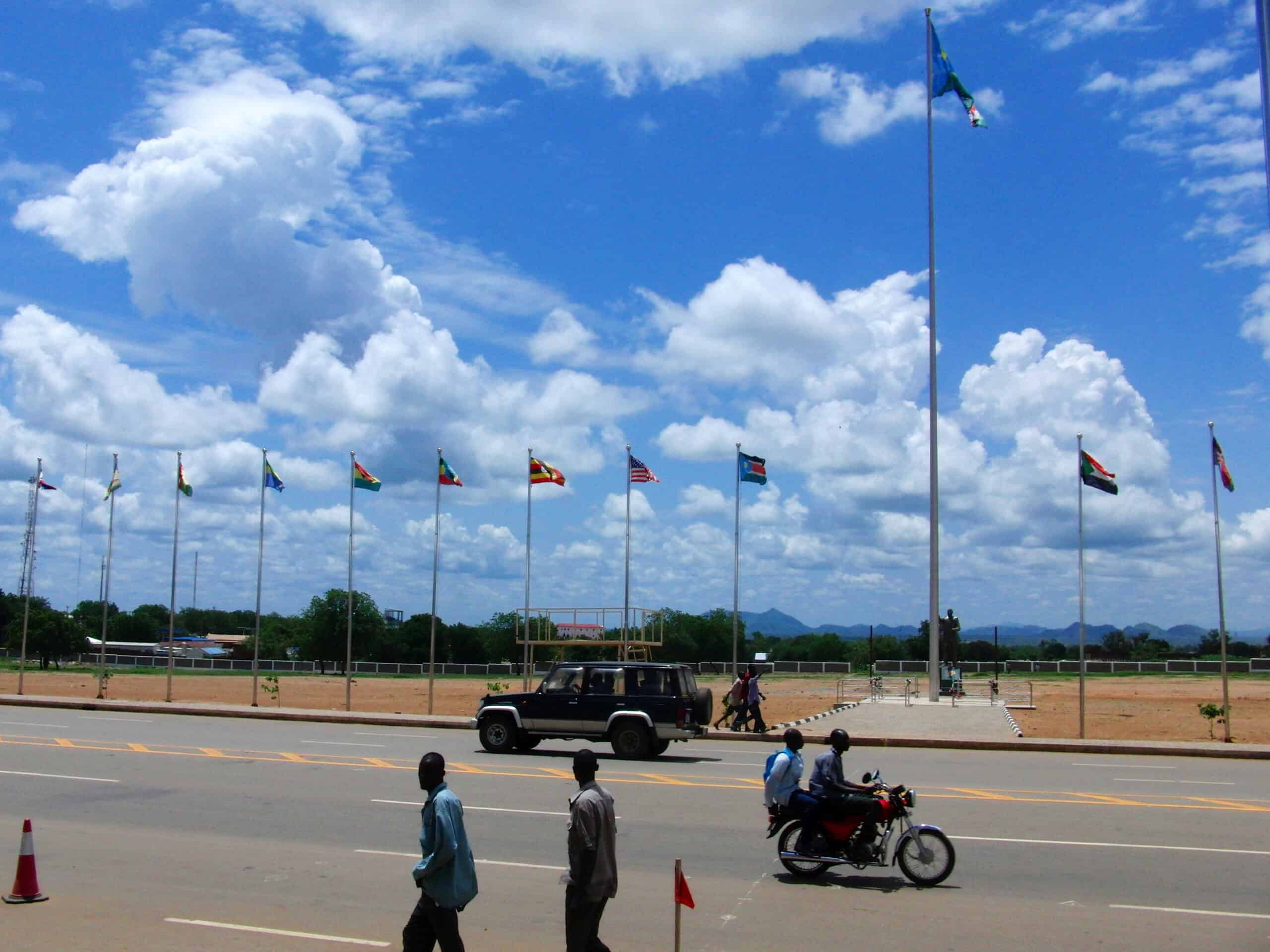
Sudan ranks 177 in the current WPS index, and the broader security context has continued to pressure civilian safety, especially for women and girls in conflict-affected areas. Infrastructure damage and service interruptions can restrict cash access, safe transport, medical care, and communications, compounding risk when a traveler needs fast decisions and trusted assistance. The U.S. advisory remains Level 4 Do not travel due to unrest, crime, kidnapping, terrorism, landmines, and health threats, creating a volatile environment where separate problems can cascade into one serious emergency.
Haiti
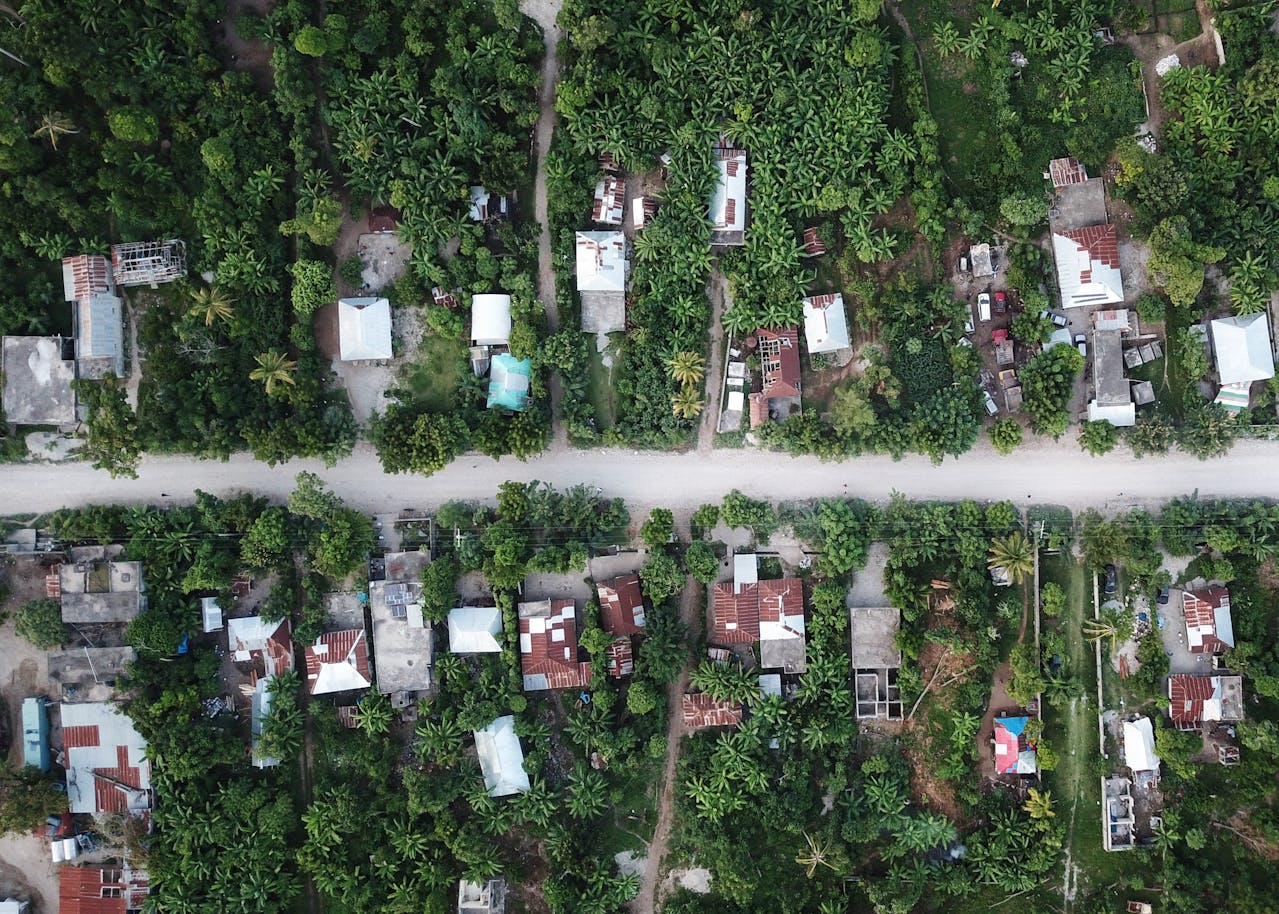
Haiti ranks 176 in the WPS index and remains under acute security stress, particularly around Port-au-Prince and surrounding corridors where control can shift quickly. UN Women warns that escalating gang violence is affecting women and girls disproportionately, including heightened exposure to sexual violence and displacement pressures in fragile communities. The U.S. advisory is Level 4 Do not travel, citing kidnapping, crime, terrorist activity, civil unrest, and limited health care, which leaves solo women vulnerable to sudden route closures and shrinking access to dependable support.
Democratic Republic of the Congo
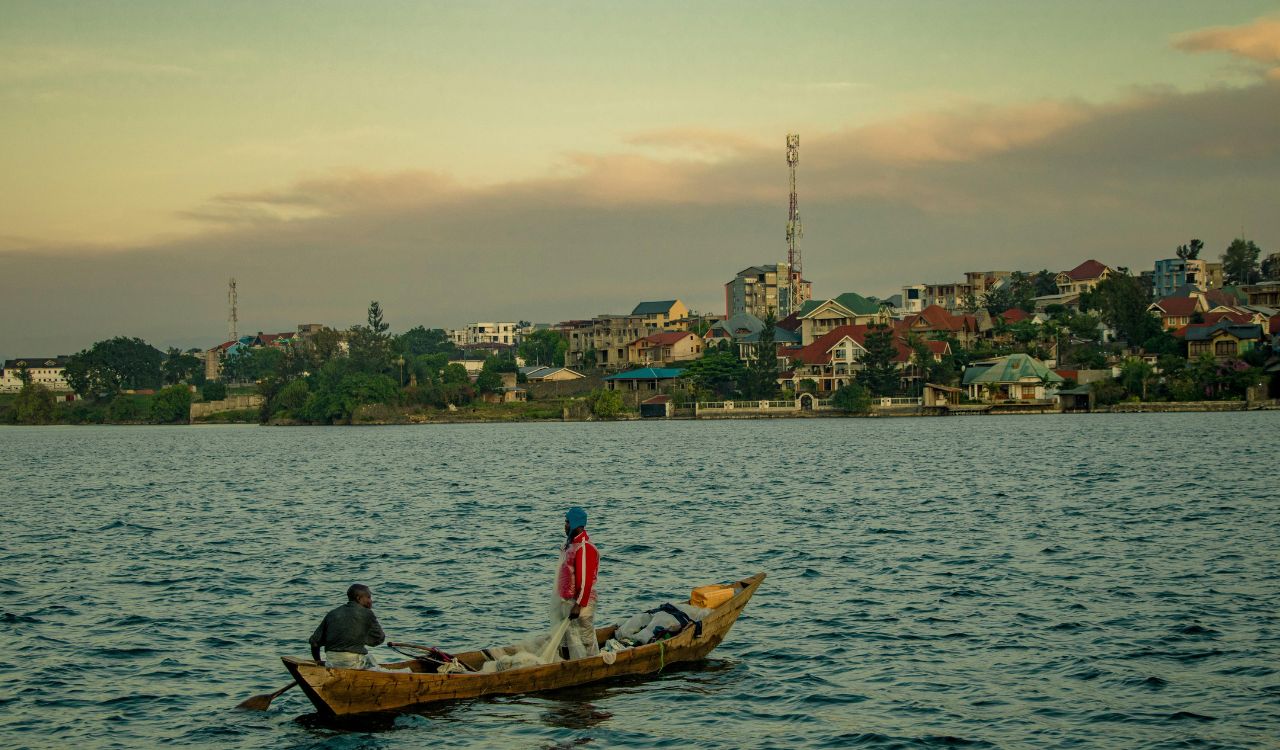
The Democratic Republic of the Congo ranks 175 in the WPS index, placing it inside the global bottom seven and signaling persistent structural danger for women’s safety. Security conditions differ sharply by province, and conflict exposure in multiple regions can strain transport, health systems, and communication networks that travelers rely on when plans change. The index also notes that women in low-performing contexts are more likely to live near armed conflict and less likely to report feeling safe in their communities, underscoring why regional risk mapping is essential before any solo itinerary.