We may earn money or products from the companies mentioned in this post. This means if you click on the link and purchase the item, I will receive a small commission at no extra cost to you ... you're just helping re-supply our family's travel fund.
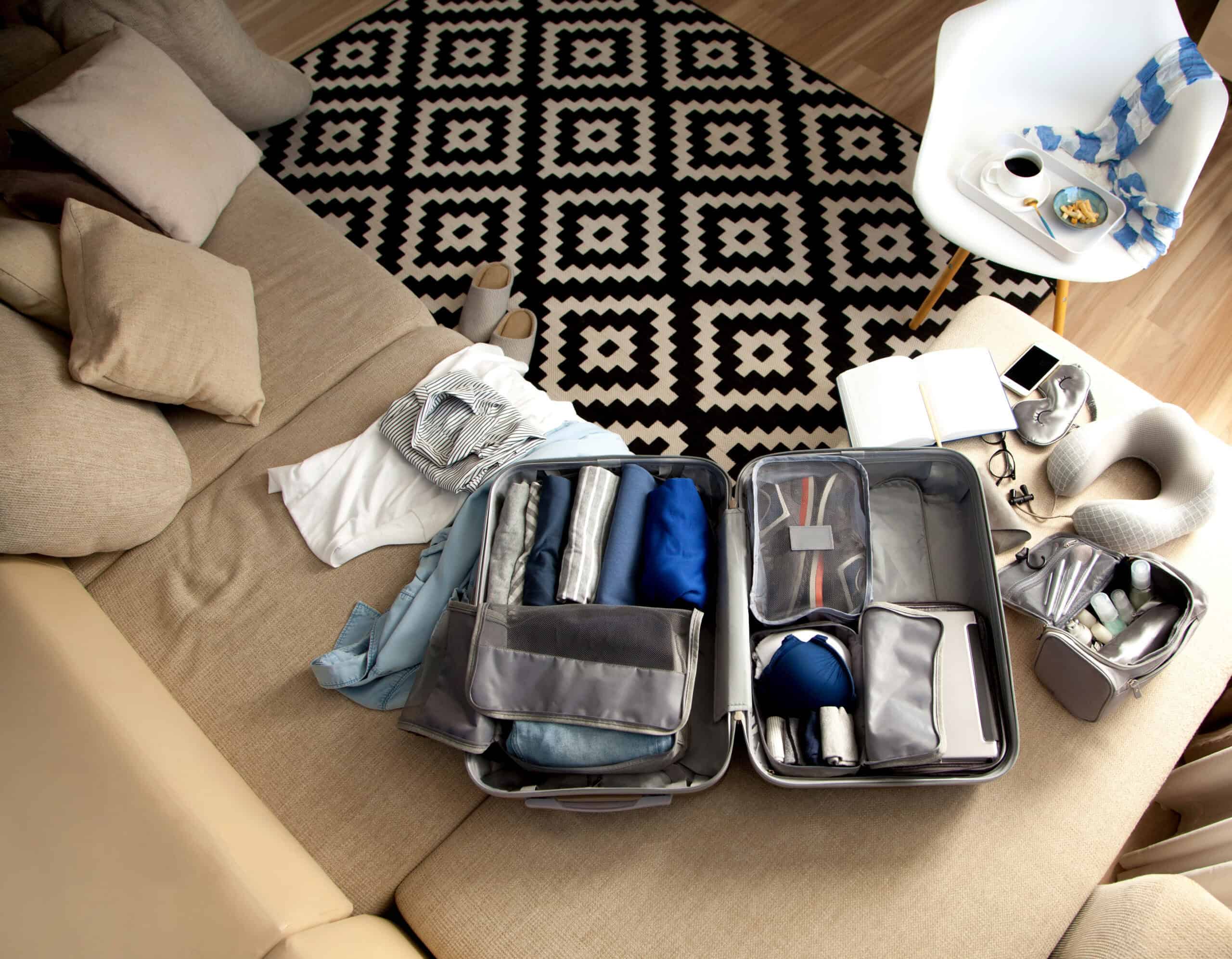
Airport routines move quickly, and small details often decide whether the experience feels smooth or frustrating. Many travelers pack efficiently but forget that what works inside a suitcase does not always work at the gate or on the plane. Items that seem harmless can slow boarding, create discomfort, or lead to unnecessary attention from crew. A few simple adjustments before stepping onto the aircraft can make a noticeable difference. It is less about packing perfectly and more about knowing what should stay within reach and what should not.
Large Liquid Bottles

Large liquid bottles often slip into a carry-on without much thought, especially after packing in a rush. Once at the gate or onboard, they can become awkward to handle, prone to leaking, or difficult to store in tight spaces. Flight attendants have limited room to manage items, and bulky containers add unnecessary strain. Even when allowed, they create clutter that slows movement and organization. Removing or downsizing liquids before boarding keeps things controlled, reduces risk, and makes settling into a seat feel far more manageable.
Loose Change And Small Metal Items

Coins, keys, and other small metal items tend to gather at the bottom of a bag, but they rarely stay contained during movement. As passengers board and shift their belongings, these items can spill, fall into narrow gaps, or create noise that disrupts the cabin. Searching for dropped pieces slows the flow and adds tension in already tight spaces. Taking a moment to organize and secure them before boarding keeps everything steady, prevents small disruptions, and helps maintain a smoother, more predictable boarding experience.
Unpacked Food Items
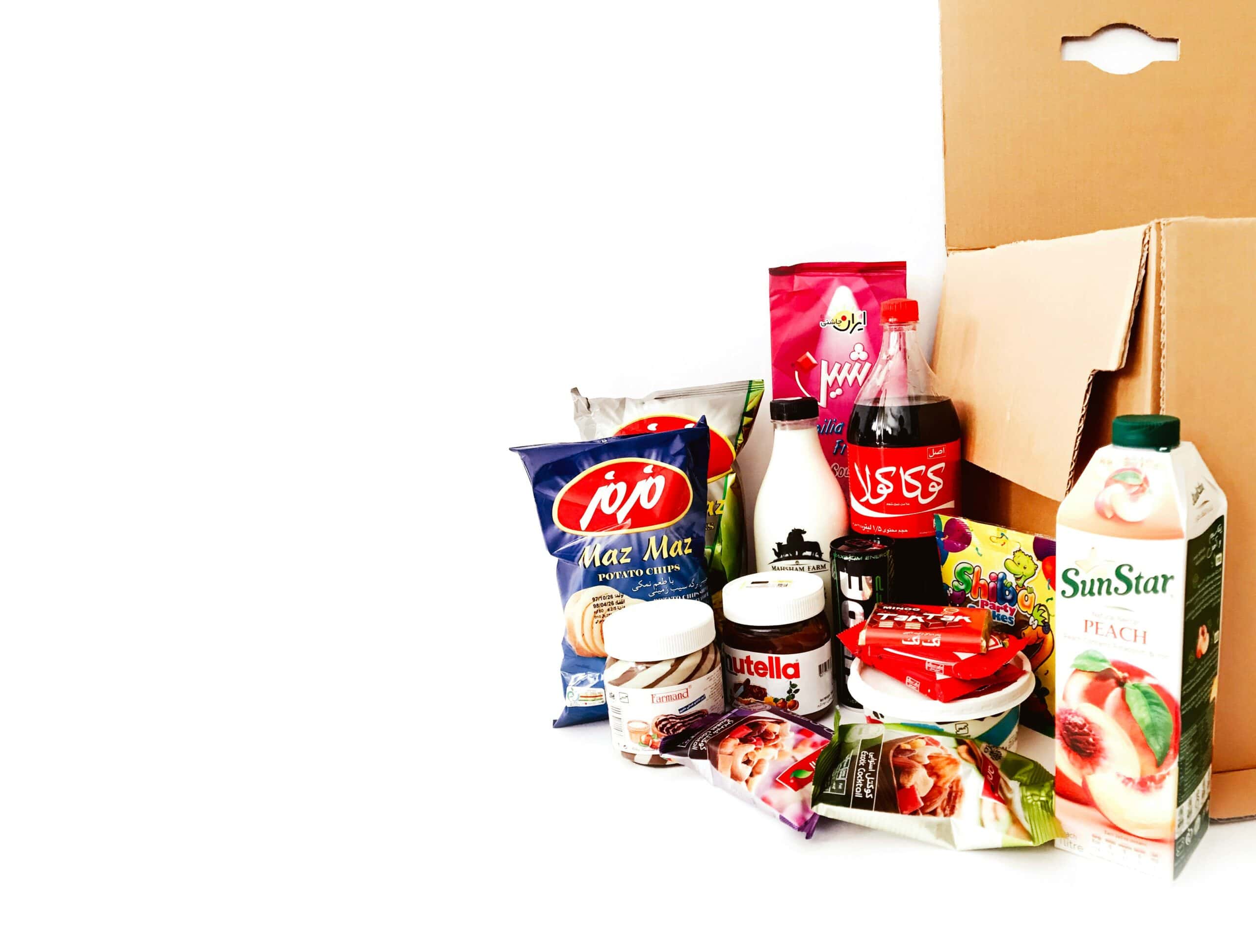
Loose or poorly packed food can quickly become a problem once onboard. Items shift during movement, containers open unexpectedly, and crumbs or spills spread across seats and floors. Strong smells can also linger in the enclosed cabin, affecting those nearby. Flight attendants often deal with these small but frequent issues. Keeping food sealed, contained, and easy to handle before boarding helps avoid mess and discomfort. A simple adjustment in how snacks are packed can make the entire cabin feel cleaner and more balanced.
Excessive Paperwork And Loose Documents
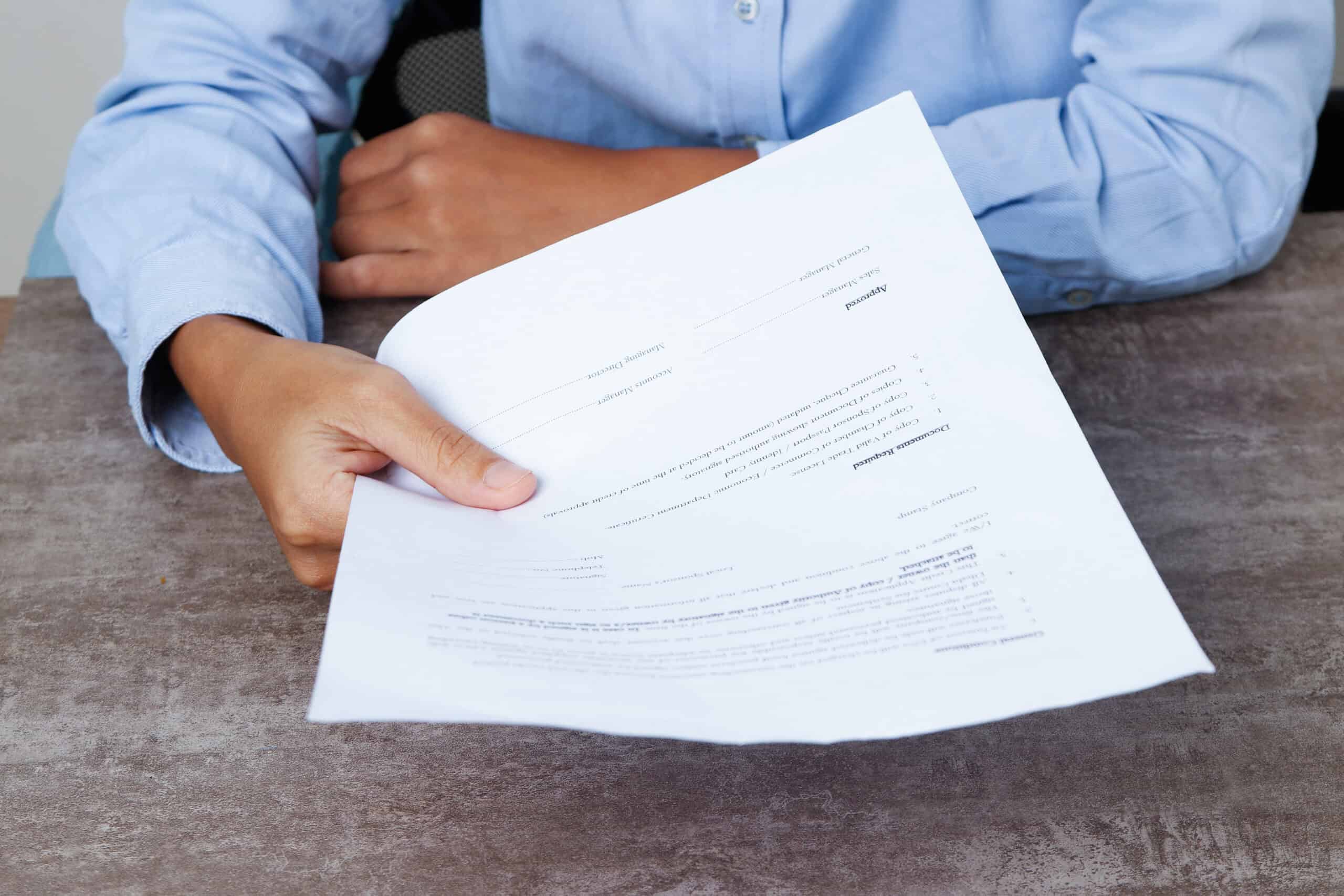
Carrying too many loose papers can make boarding feel more stressful than it needs to be. Tickets, receipts, and printed confirmations often end up scattered, forcing passengers to juggle items while moving through narrow aisles. This increases the chance of dropping something important or slowing the line behind them. Organizing documents into a single folder or keeping them digitally accessible simplifies everything. It allows for smoother movement, clearer focus, and fewer interruptions during one of the busiest parts of the journey.
Bulky Outerwear

Heavy jackets and extra layers are useful before boarding, especially in colder terminals, but they quickly become inconvenient inside the aircraft. Carrying them through the aisle while managing bags can block space and slow others down. Once seated, finding room for bulky clothing adds another challenge. Removing and folding outerwear before boarding keeps things streamlined. It makes storage easier, reduces clutter, and helps maintain a steady flow as passengers move through the cabin and settle into their seats.
Unsecured Electronics And Cables
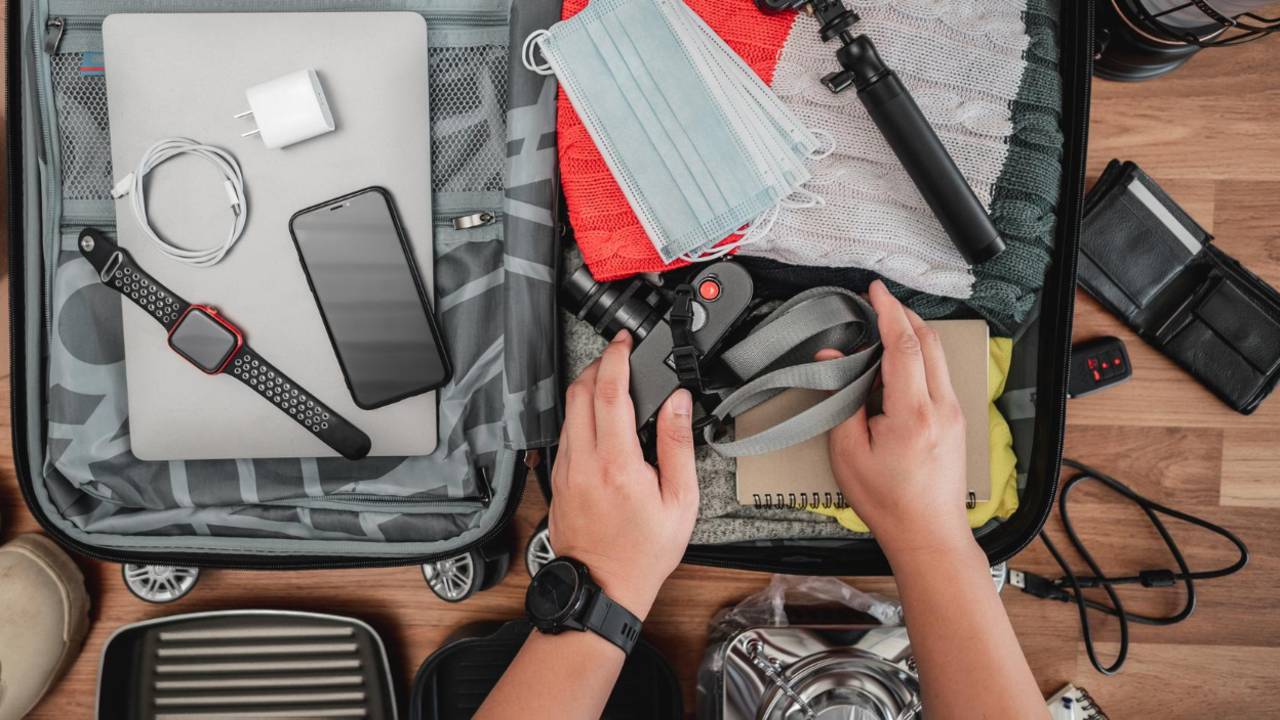
Loose electronics and tangled cables can create unnecessary delays during boarding. Chargers, headphones, and small devices often slip out or catch on other items when bags are opened in tight spaces. Passengers may stop to fix the issue, holding up the line behind them. Securing these items in a dedicated pouch keeps everything contained and easy to access. This small step reduces clutter, prevents loss, and allows movement to stay smooth and uninterrupted as the cabin fills.
Overfilled Personal Bags
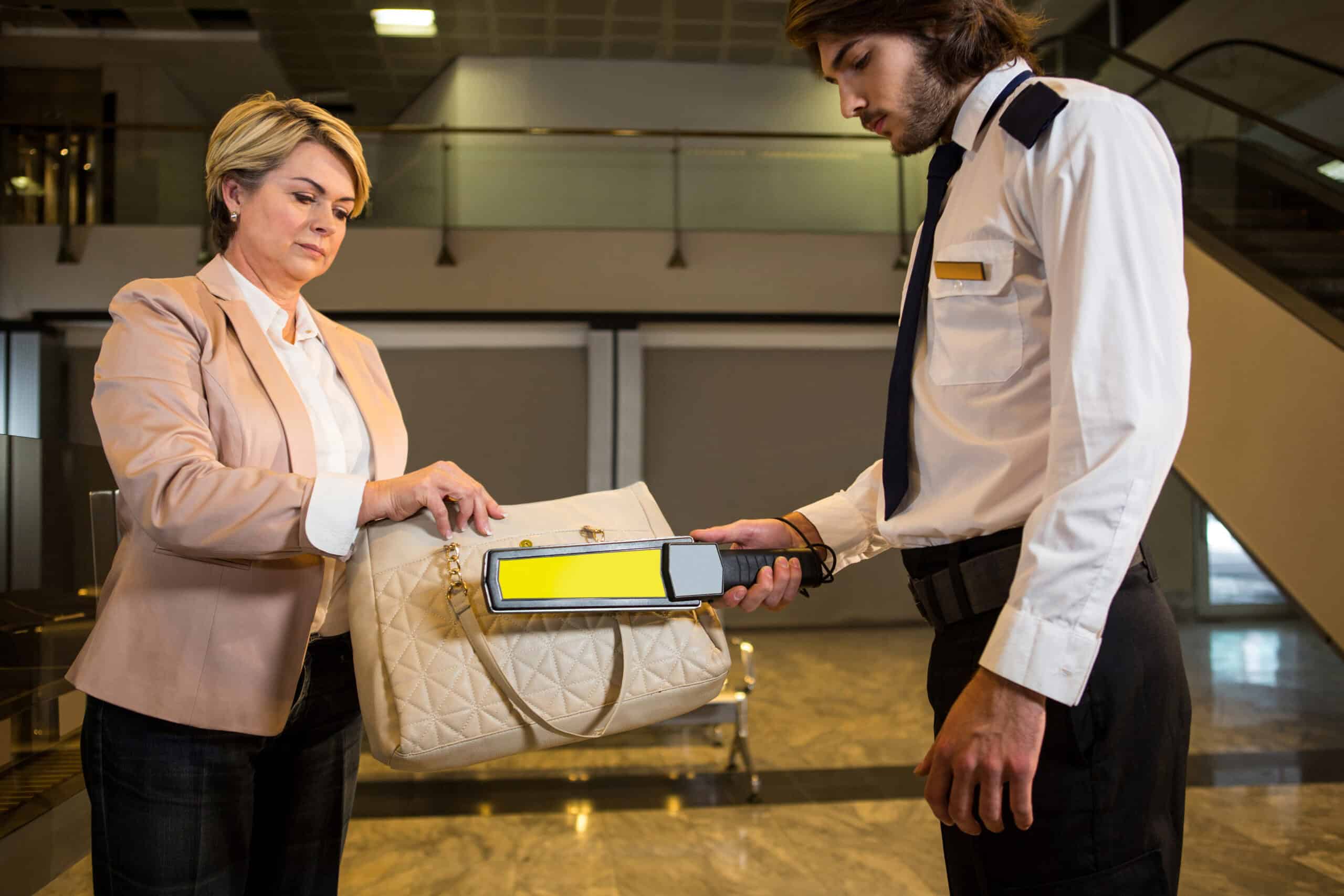
/Freepik
An overfilled carry-on becomes difficult to manage the moment boarding begins. Zippers strain, items shift, and adjusting the bag takes more time than expected. In narrow aisles, this creates delays that affect everyone nearby. Flight attendants may need to step in if bags do not fit properly in overhead bins. Removing non-essential items or redistributing weight before boarding makes the bag easier to handle. A balanced carry-on moves smoothly, fits better, and reduces stress for both passengers and crew.