We may earn money or products from the companies mentioned in this post. This means if you click on the link and purchase the item, I will receive a small commission at no extra cost to you ... you're just helping re-supply our family's travel fund.
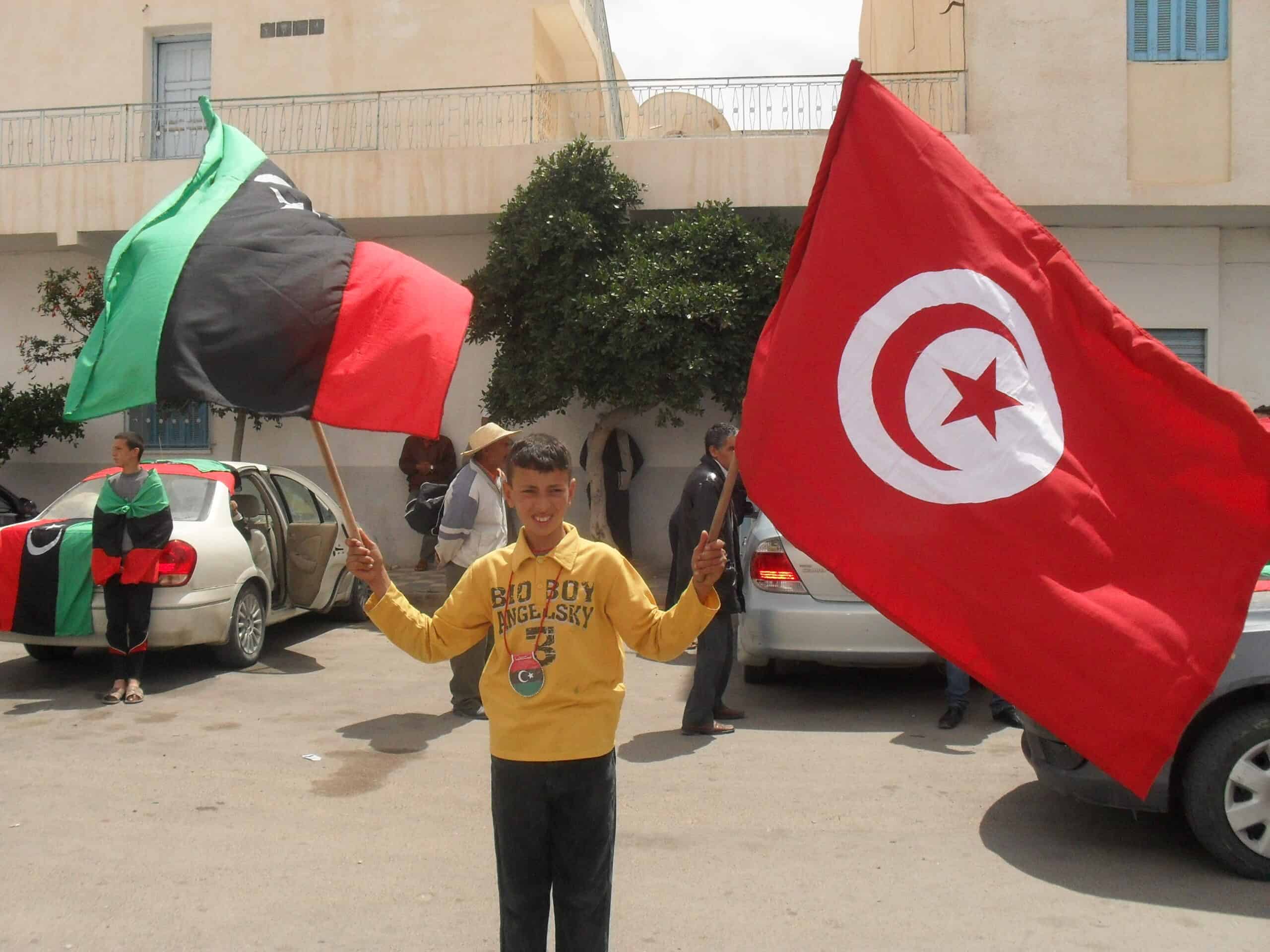
Border crossings can feel like the easiest part of a trip: a highway sign, a passport stamp, a familiar café just across the line. Yet U.S. travel guidance often draws a sharper boundary than a map suggests, especially where conflict, terrorism, detention risk, or sudden closures cluster near frontiers. In early 2026, several borders that look routine in photos carry clear warnings, measured in kilometers or defined as a complete no-go by land. The goal is not fear; it is clarity, so itineraries stay memorable for the right reasons.
Turkey,Syria Border Strip
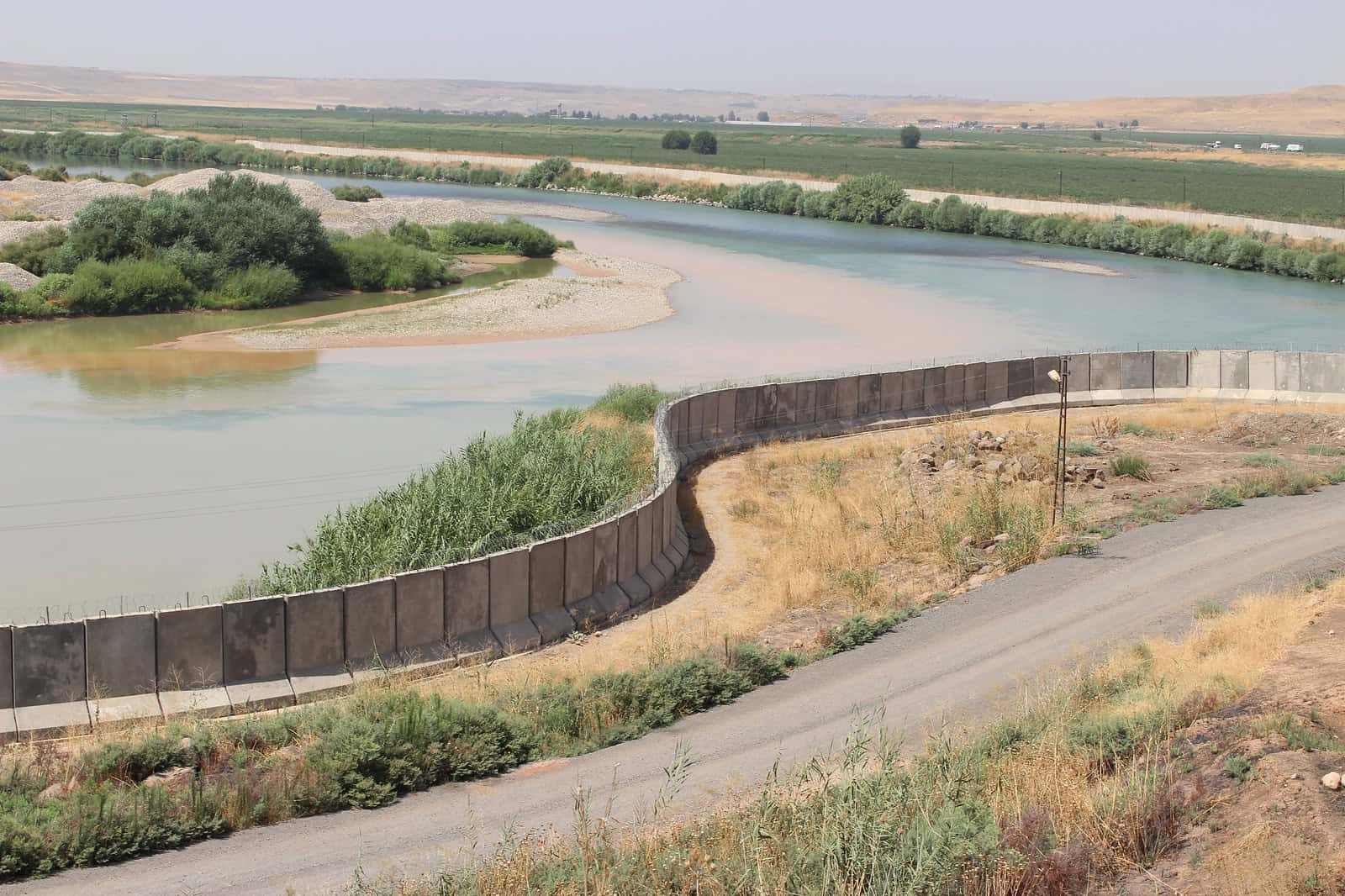
Türkiye’s beaches and bazaars can feel worlds away from its southeast, but U.S. guidance flags Sirnak, Hakkari, and any area within six miles (10 kilometers) of the Syria border as off-limits. The issue is not a single hotspot; it is how conditions can shift fast, with armed incidents, illegal roadblocks, and sudden restrictions that leave few safe options for independent travelers. Even a careful itinerary can be derailed by last-minute closures or checkpoints, and detours can add hours in rugged terrain, so routes that keep distance from the frontier tend to deliver the same richness with far less uncertainty.
Tunisia,Algeria Border Zone
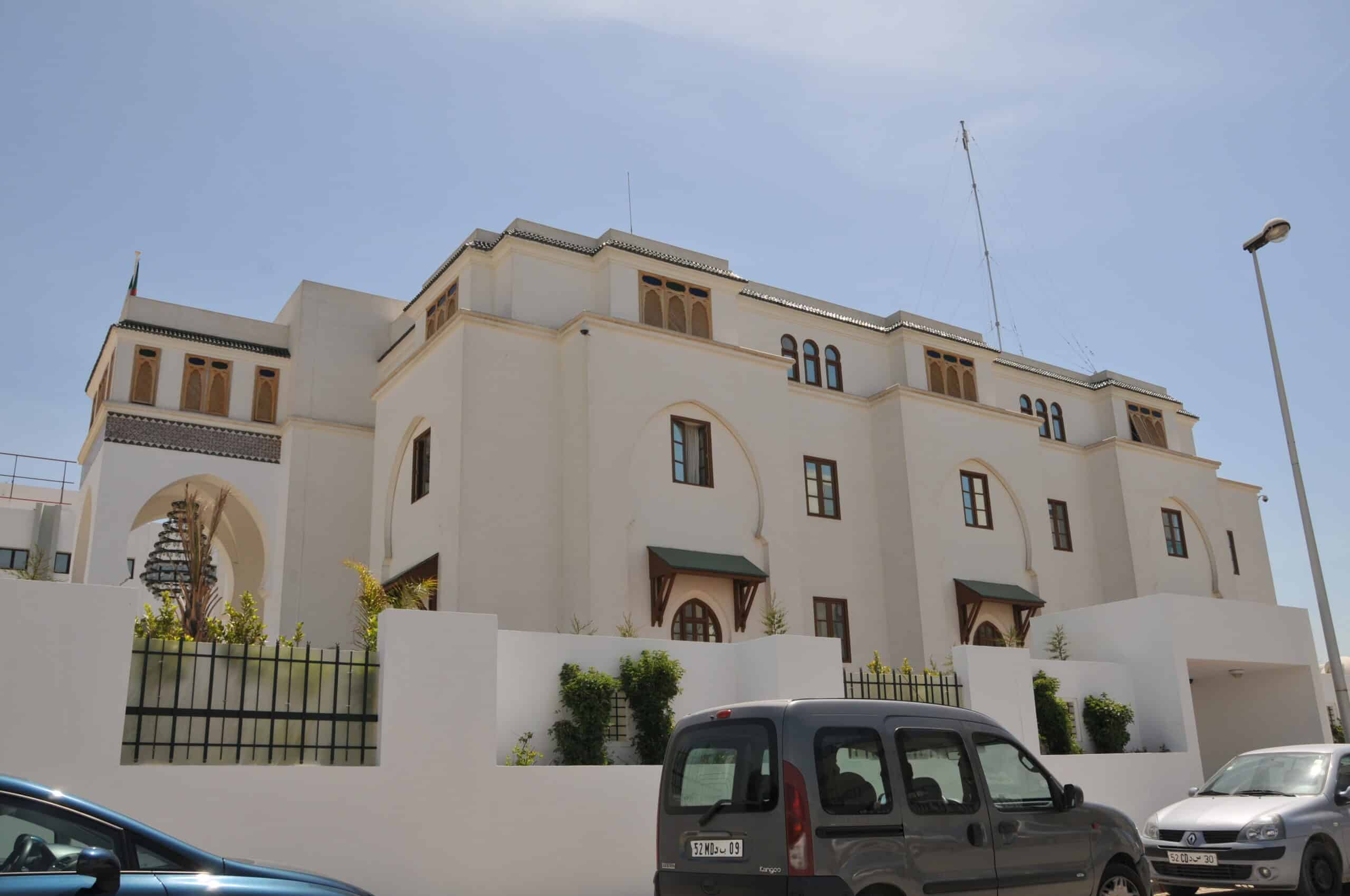
Tunisia’s resort coast sells ease, which makes the western edge easy to underestimate. The State Department advises avoiding travel within 16 km of the Algerian border, except for the cities of Tabarka and Ain Draham, due to terrorism concerns tied to activity in nearby mountains. The risk is not limited to a single village; it is how hiking roads, rural detours, and scenic passes can drift into areas with thin security coverage, where help can be far away, signals can fade, and rerouting can be slow, so many itineraries often stay centered on coastal towns and the better-served heritage corridor.
Tunisia,Libya Border Crossings
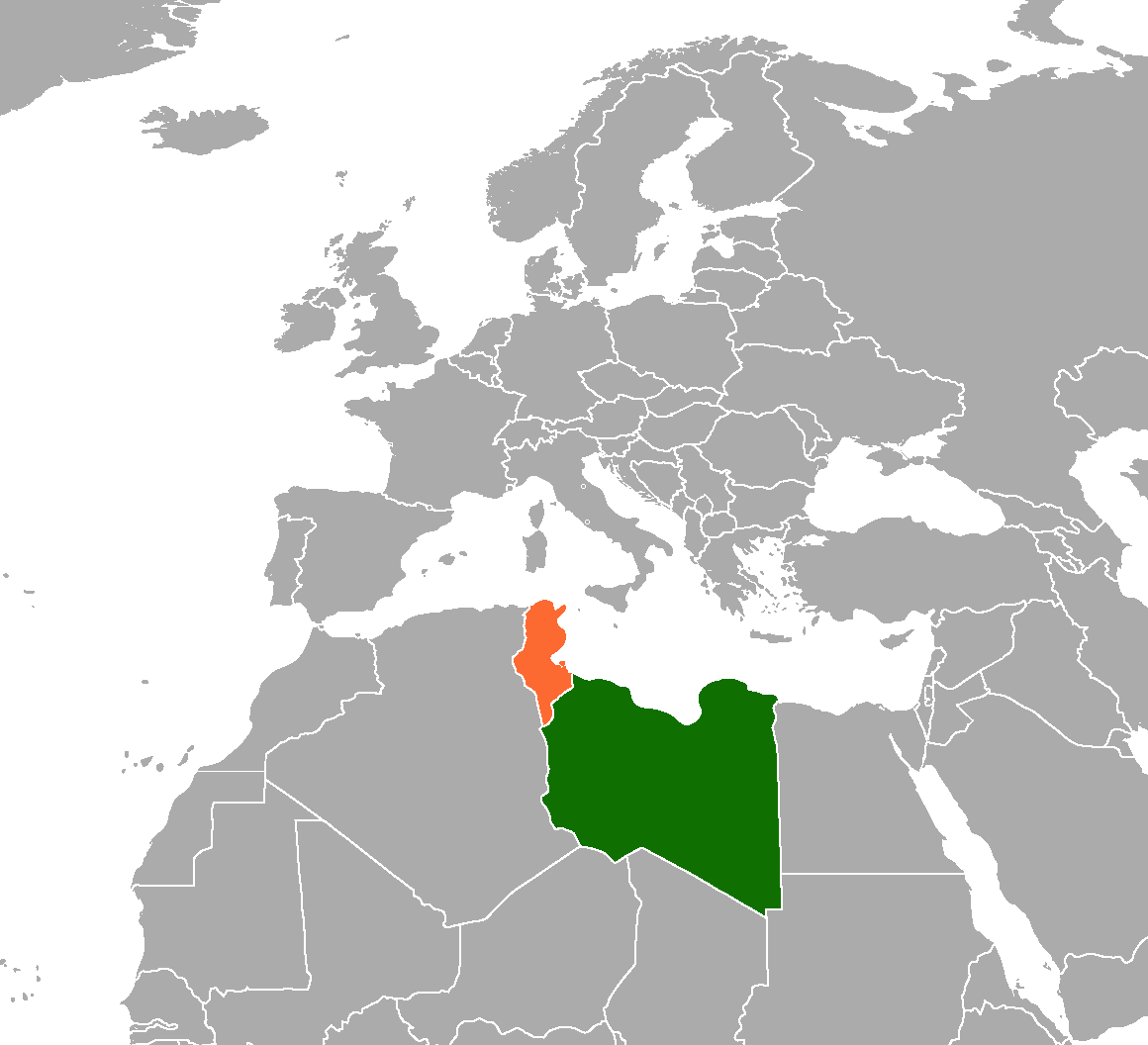
Southern Tunisia can look like open desert freedom, but the Libya frontier is treated very differently. U.S. guidance advises avoiding travel within 16 km of the Libyan border and notes that security around crossings like Ras Jedir and Dehiba can change quickly, with closures that come on short notice and last for extended periods. That volatility turns an overland route into missed connections, canceled stays, and costly rebooking, and it can leave travelers waiting in limbo as local rules tighten or traffic is halted without a clear timeline, complicating onward flights, ferry plans, and paid reservations.
Kenya–Ethiopia Border Belt
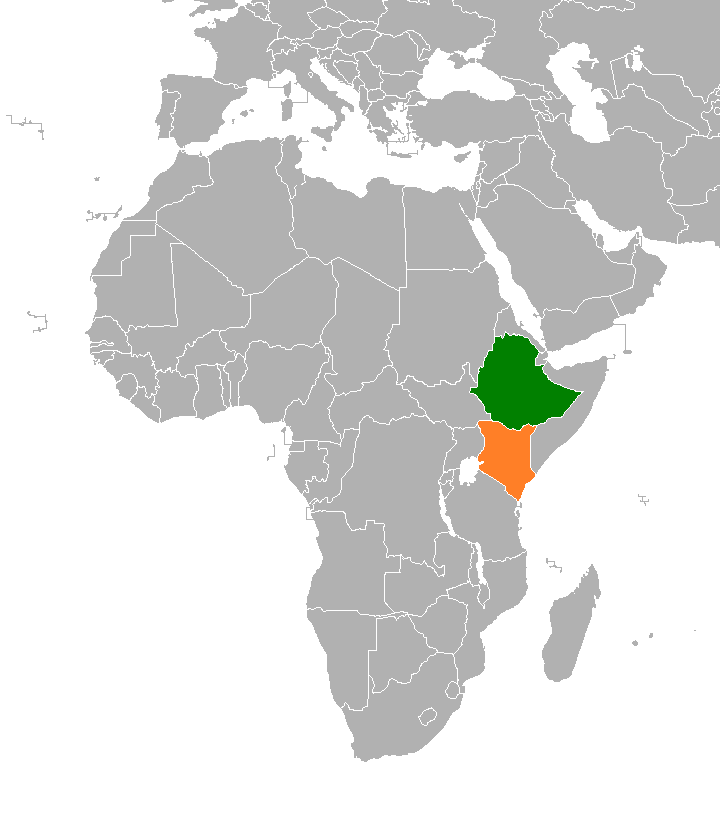
Northern Kenya offers dramatic landscapes and deep cultural traditions, but some border-adjacent areas carry added risk. U.S. guidance calls out parts of Marsabit and Turkana within 30 miles (50 kilometers) of the Ethiopian border due to cross-border incursions, a reminder that trouble can arrive from outside the itinerary and move faster than updates. Remote terrain, weak cell coverage, and sparse medical care raise the stakes if anything goes sideways, from vehicle breakdowns to security incidents, so trips tend to work best with vetted operators, conservative routing, and real-time local check-ins.
Thailand,Cambodia Border Pockets
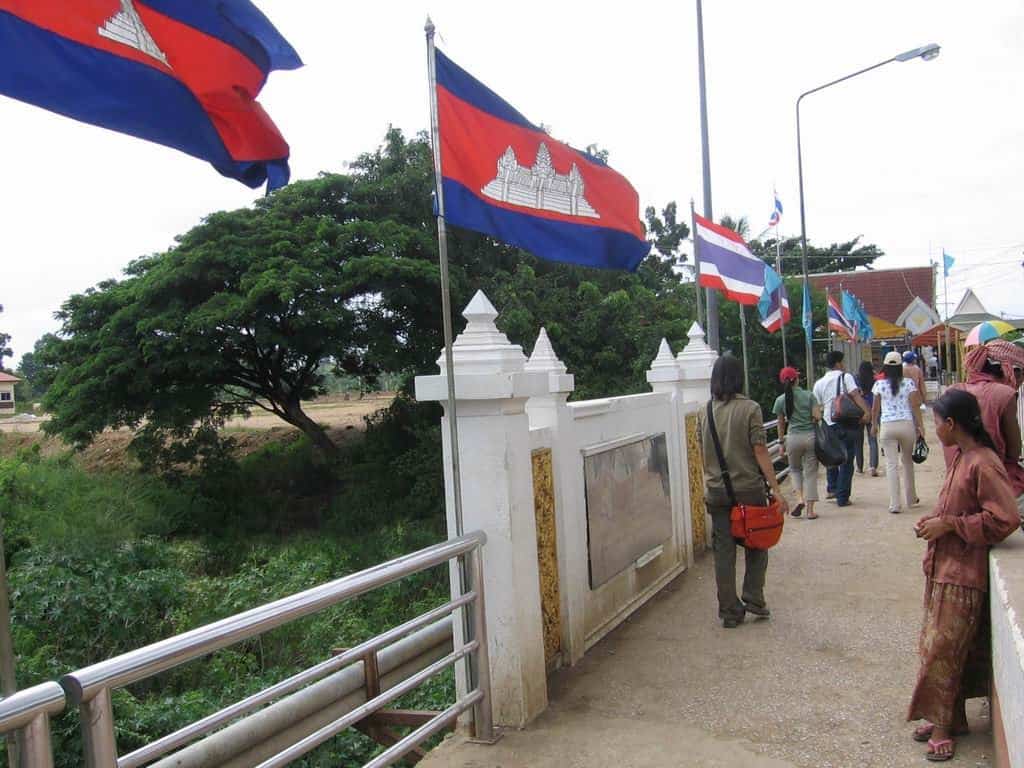
Thailand is often framed as straightforward travel, yet one stretch breaks that assumption. The State Department advises avoiding areas within 50 km of the Thai–Cambodian border due to ongoing fighting between Thai and Cambodian military forces, which can close roads and alter access without much warning. Even when a map shows a quick hop to a temple or viewpoint, checkpoints can disrupt transport, cancel tours, and strand groups far from major services, and border disruptions can ripple outward into hotel changes, guide cancellations, and long detours on unfamiliar roads once daylight fades quickly.
Azerbaijan,Armenia Border Roads
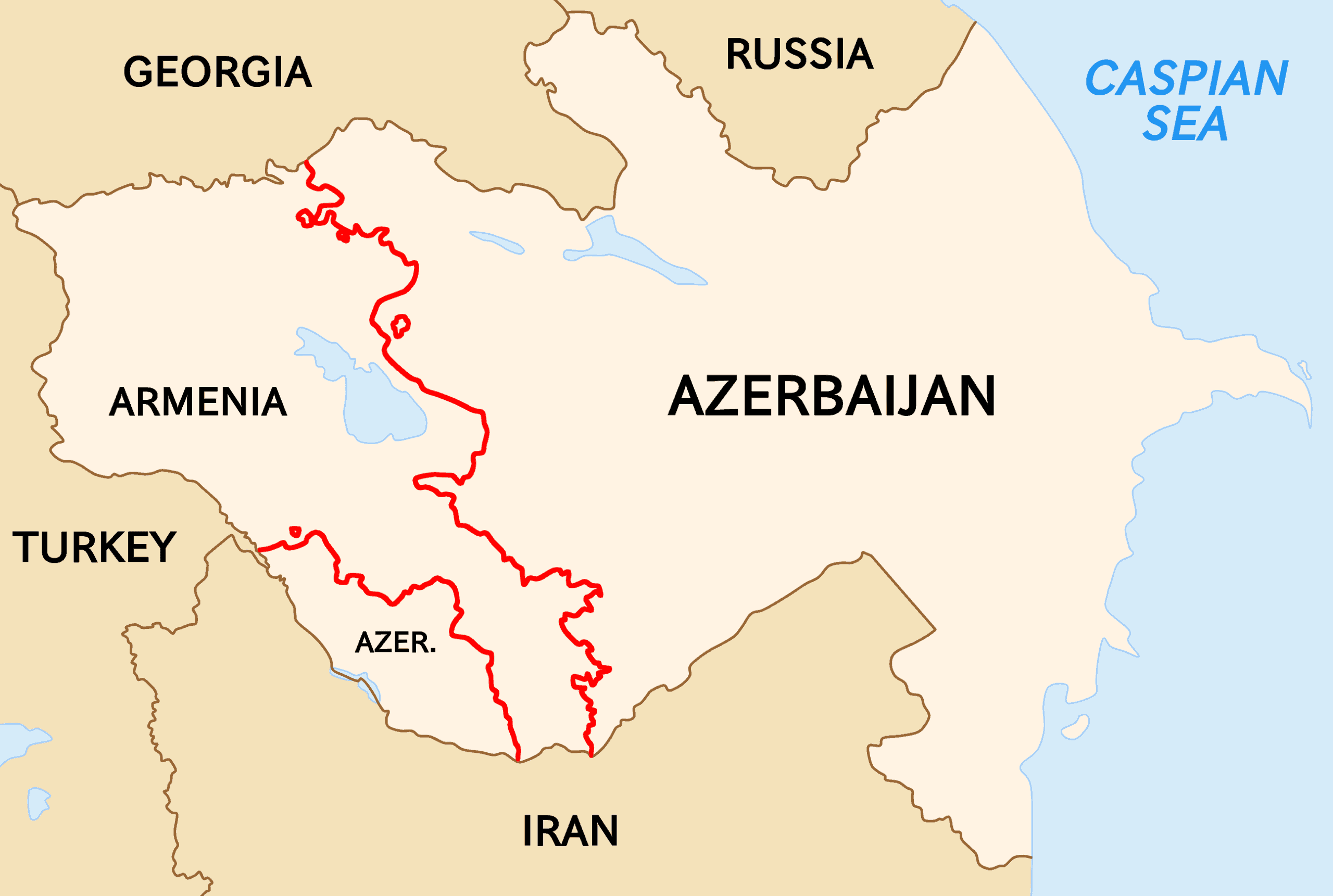
Baku can feel polished and predictable, but the border with Armenia sits under a far tougher advisory. The State Department warns of potential fighting along the Azerbaijan–Armenia border and urges Americans to avoid the area, adding that roads near the frontier can cross international lines without notice and may be controlled by checkpoints or closed without warning. That mix turns a routine drive into a legal and safety tangle, especially when navigation apps route onto smaller roads that skim the boundary, cross into disputed space, or dead-end at a closure with few safe turnarounds and little room to improvise.
Venezuela Land Borders
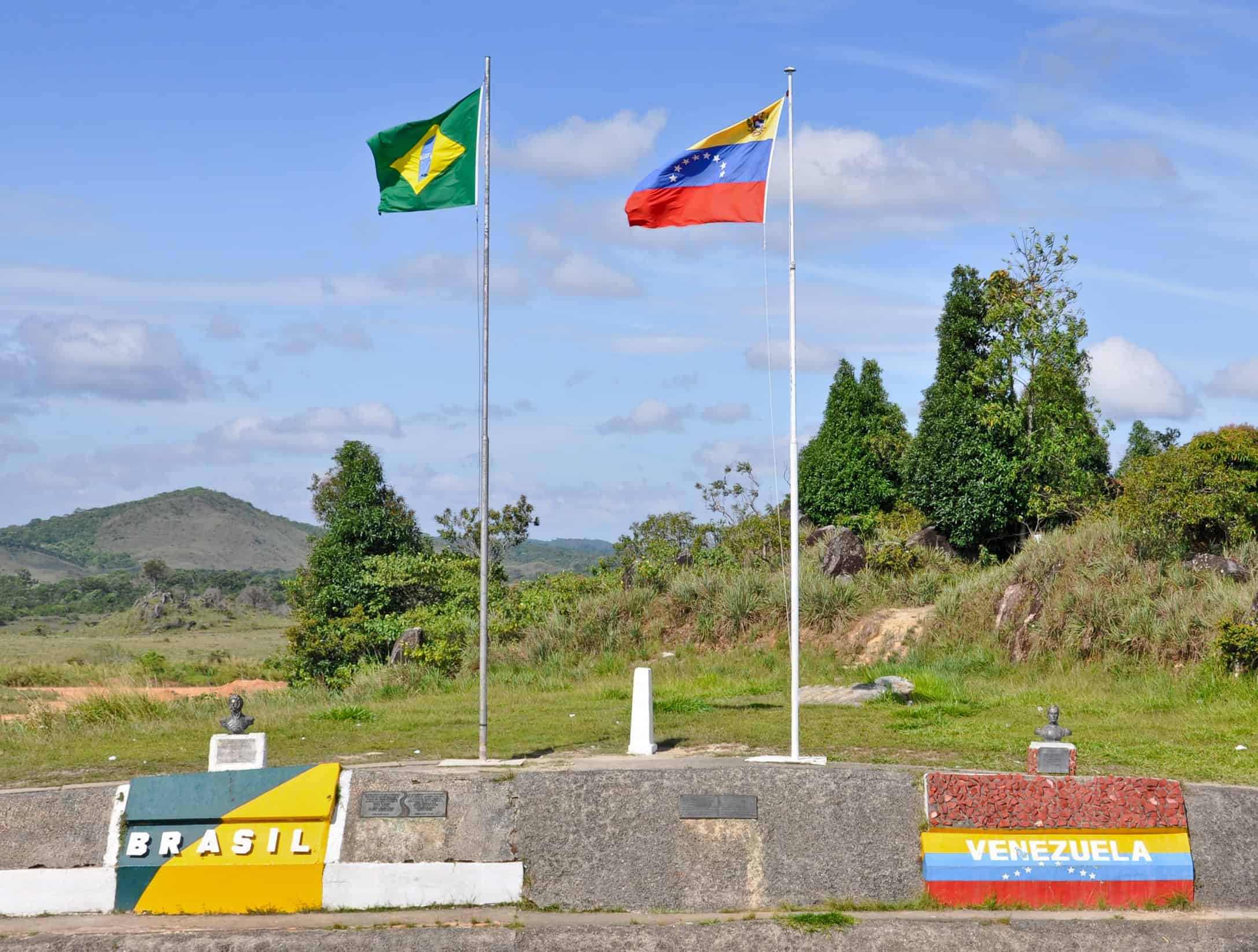
Border towns can make a crossing feel casual, but Venezuela is the exception that rewrites the rule. The State Department says there is no safe way to travel to Venezuela and warns against using land border crossings, noting that even crossing over by a few feet can result in detention and that nighttime travel between cities is described as especially risky. It also warns that entry without a valid Venezuelan visa can lead to indefinite detention without consular access, so an accidental step across a riverbank or an improvised road detour can carry consequences wildly out of proportion to the mistake.