We may earn money or products from the companies mentioned in this post. This means if you click on the link and purchase the item, I will receive a small commission at no extra cost to you ... you're just helping re-supply our family's travel fund.

Islands promise escape from clear water, isolation, and freedom from routine. But that same isolation can quickly turn dangerous. Limited infrastructure, unpredictable weather, rough terrain, and delayed emergency response have contributed to numerous unexplained disappearances on well-known islands worldwide. In many cases, tourists underestimate natural risks, overestimate safety, or stray beyond monitored zones. While not all vanishings are criminal, the combination of geography, human error, and environmental hazards has made certain islands statistically more prone to missing-person cases. These destinations remain popular, but understanding the real risks behind their beauty is essential before visiting.
1. Kauai, Hawaii, USA
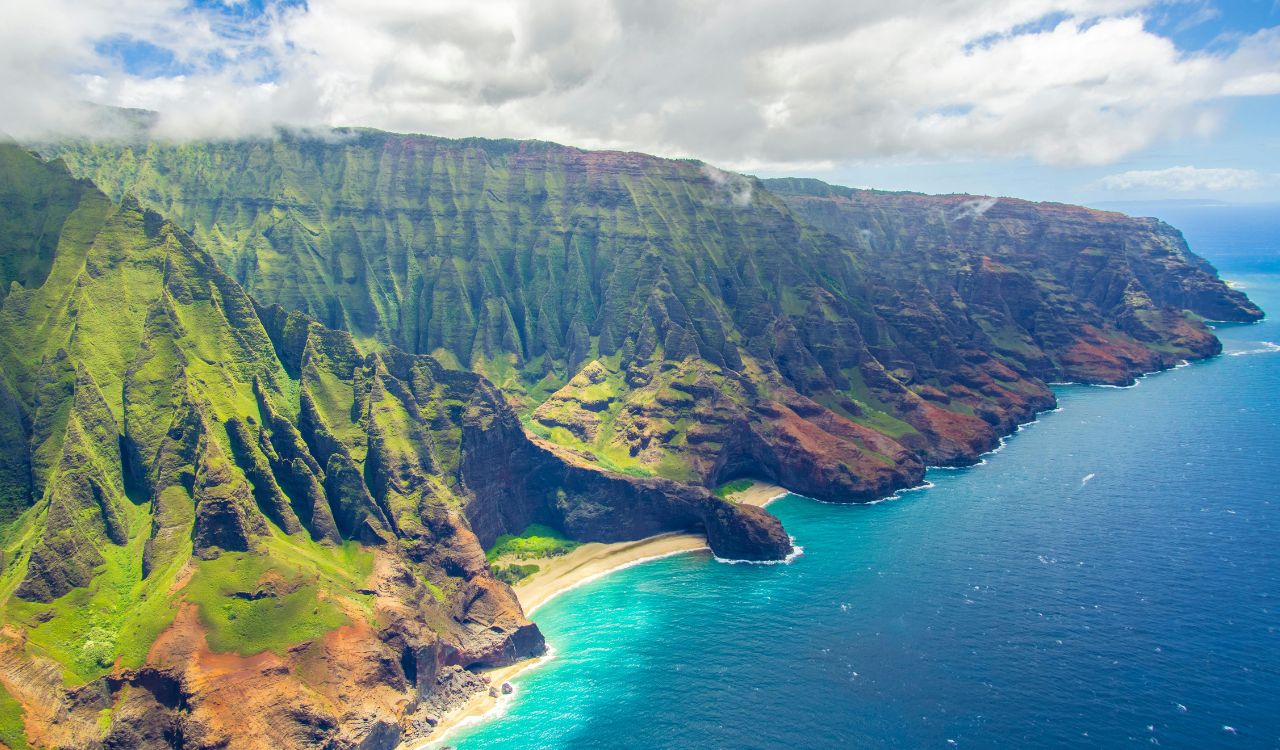
Kauai’s dramatic cliffs and dense rainforests attract over 1.3 million visitors annually, yet its terrain has contributed to dozens of missing or fatal incidents. The island receives over 450 inches of rain yearly in some areas, creating sudden flash floods and unstable trails. Between 2010 and 2020, local rescue teams recorded more than 70 search operations for lost hikers. The Kalalau Trail alone averages 30+ rescues per year, often involving tourists ignoring weather warnings. Steep drop-offs, poor cell coverage, and fast-changing conditions mean a simple misstep can quickly become life-threatening, especially for inexperienced hikers venturing off marked paths.
2. Phuket, Thailand
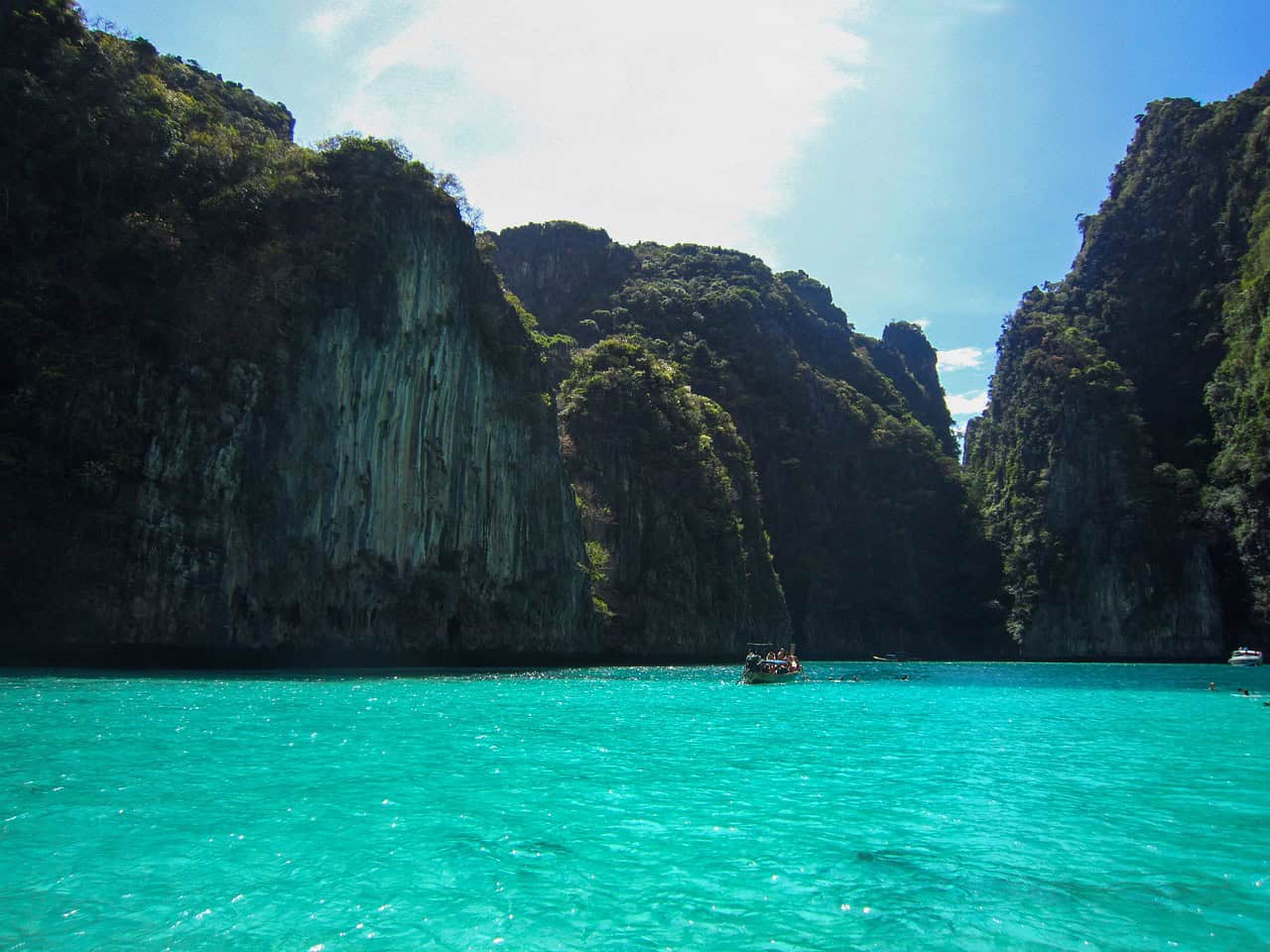
Phuket welcomes roughly 9 million tourists each year, yet its surrounding waters are among Southeast Asia’s most dangerous. The island records 50–70 tourist drownings annually, largely due to strong rip currents and ignored warning flags. In addition, Thai police data shows dozens of foreign visitors reported missing each year, many later found injured or deceased. Jet ski accidents, unregulated boat tours, and alcohol-related incidents contribute heavily. During monsoon season, waves can exceed 3 meters, overwhelming even strong swimmers. While nightlife dominates Phuket’s image, most disappearances stem from water-related risks and tourists misjudging ocean conditions.
3. Ilha Grande, Brazil
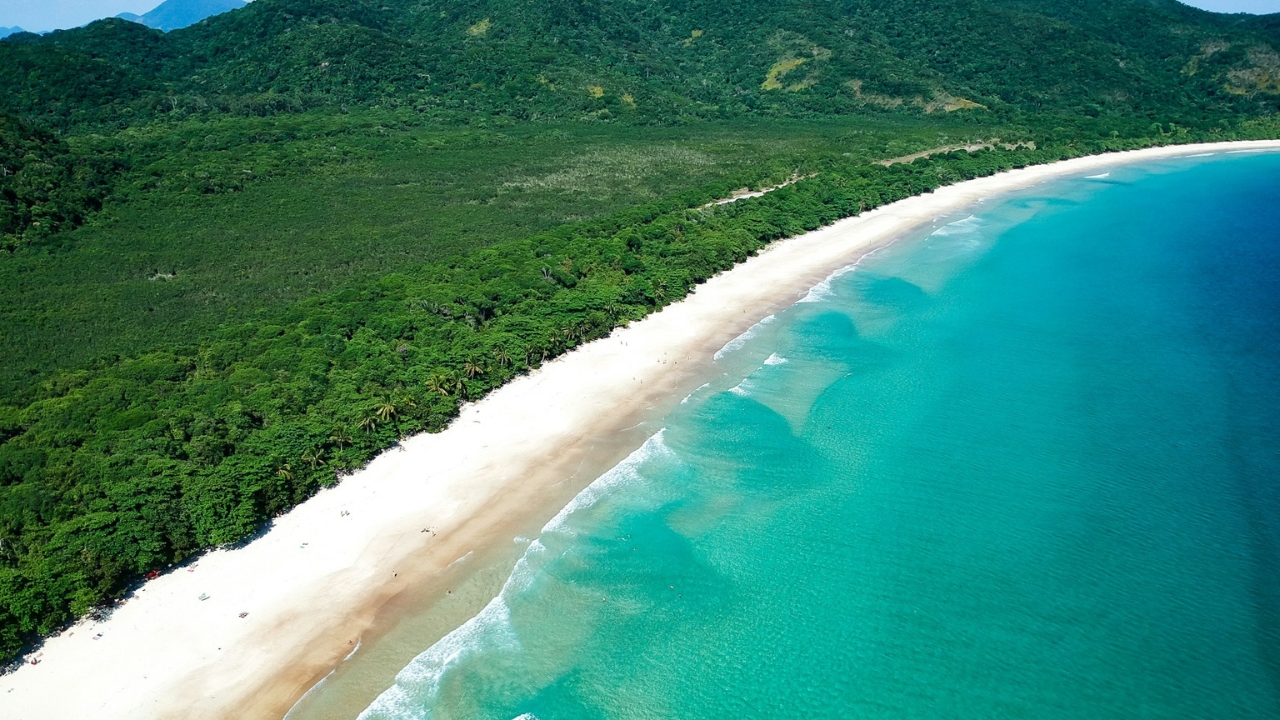
Once a prison island, Ilha Grande now attracts about 400,000 visitors annually, despite lacking major hospitals or fast emergency access. Dense Atlantic rainforest covers over 80% of the island, creating navigation challenges even on marked trails. Brazilian authorities report multiple missing hiker cases each year, often linked to sudden weather shifts or trail confusion. Some areas receive over 2,000 mm of rainfall annually, causing landslides and washed-out paths. With limited mobile signal and boat-dependent rescues that can take hours, injuries or disorientation can quickly escalate into serious survival situations.
4. Fraser Island (K’gari), Australia
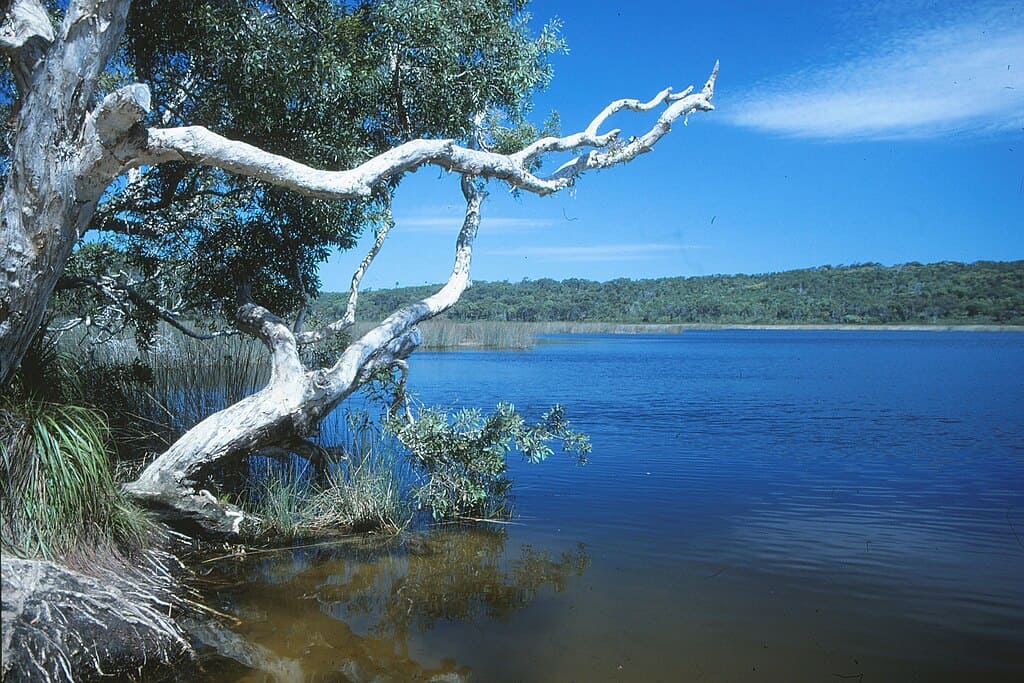
As the world’s largest sand island, Fraser Island spans 1,840 km² and draws around 500,000 visitors per year. Despite its beauty, it records over 1,000 vehicle incidents annually, largely due to driving on sand without experience. Strong tides, shifting dunes, and unmarked inland tracks have caused multiple tourist disappearances over decades. Dingoes, responsible for 100+ reported attacks, also pose risks when safety rules are ignored. Emergency response times can exceed 6 hours in remote zones, making minor mistakes potentially fatal in the island’s harsh, fast-changing environment.
5. Santorini, Greece
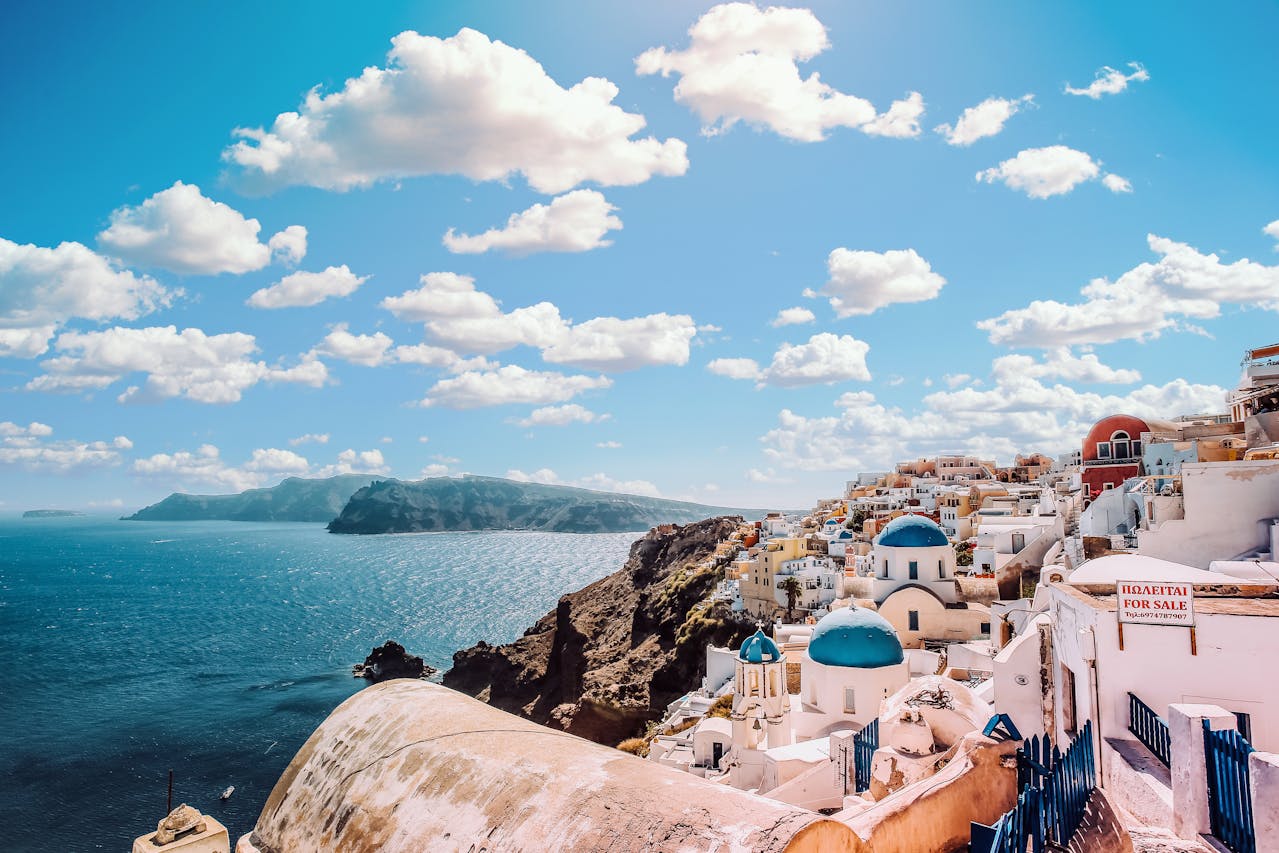
Santorini hosts more than 2 million visitors annually, yet its narrow paths and steep volcanic cliffs create hidden dangers. Local authorities record 20–30 serious falls each year, often involving tourists wandering cliff paths after sunset. Summer temperatures regularly exceed 35°C, contributing to dehydration and disorientation. While most missing cases are resolved, several high-profile disappearances have remained unexplained for weeks. With uneven stone walkways, limited lighting, and crowded conditions, even a brief separation from companions can escalate. Alcohol consumption further increases accident rates, especially along cliffside villages like Oia and Fira.
6. Jeju Island, South Korea
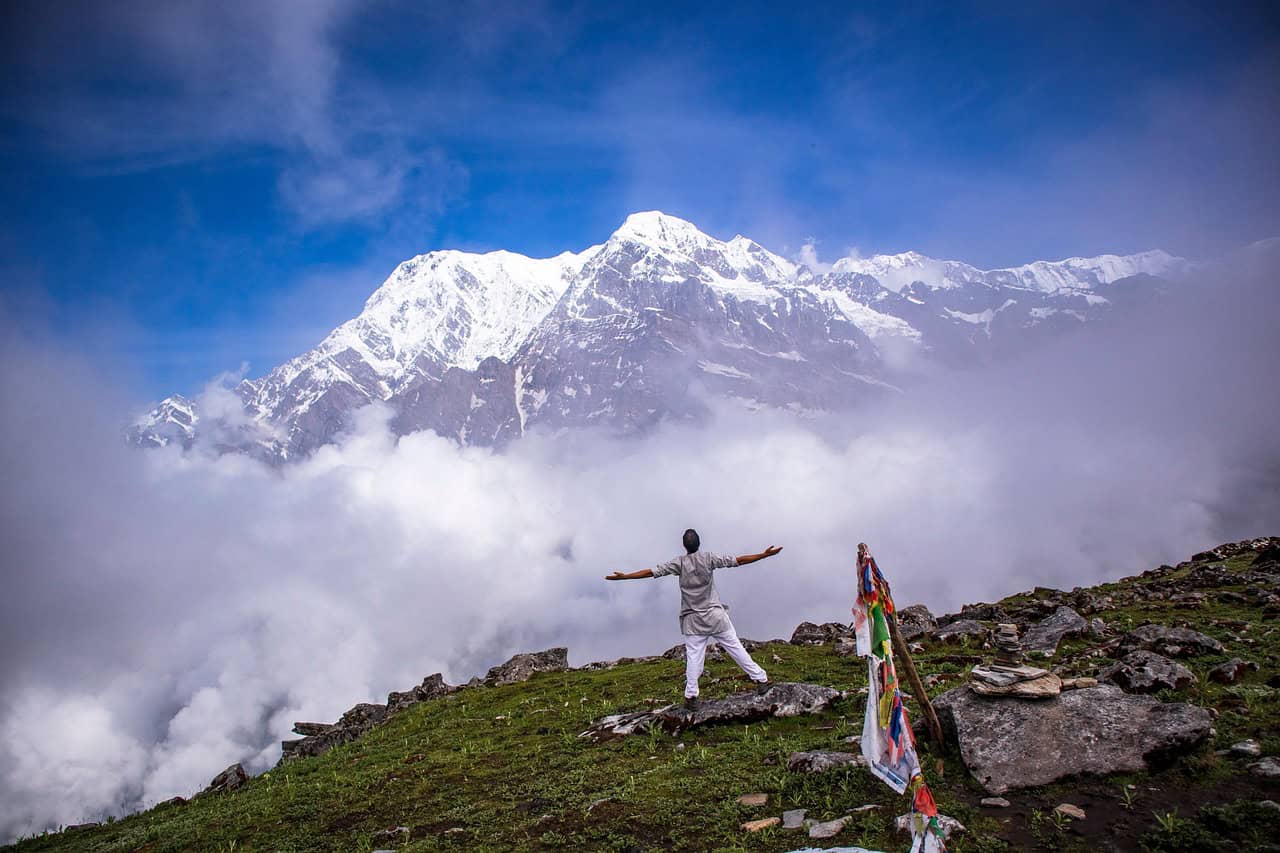
Jeju Island attracts nearly 15 million visitors annually, but its volcanic landscape includes hundreds of lava tubes and coastal cliffs. South Korean rescue records show dozens of missing hiker reports each year, particularly around Mount Hallasan, which rises 1,947 meters. Weather can shift rapidly, with fog reducing visibility to near zero. Jeju’s coastline also experiences powerful seasonal waves, causing 20+ drowning incidents annually. Despite excellent infrastructure, tourists often underestimate the island’s natural hazards, especially during solo hikes or off-season visits when rescue teams are less active.
7. Roanoke Island, North Carolina, USA
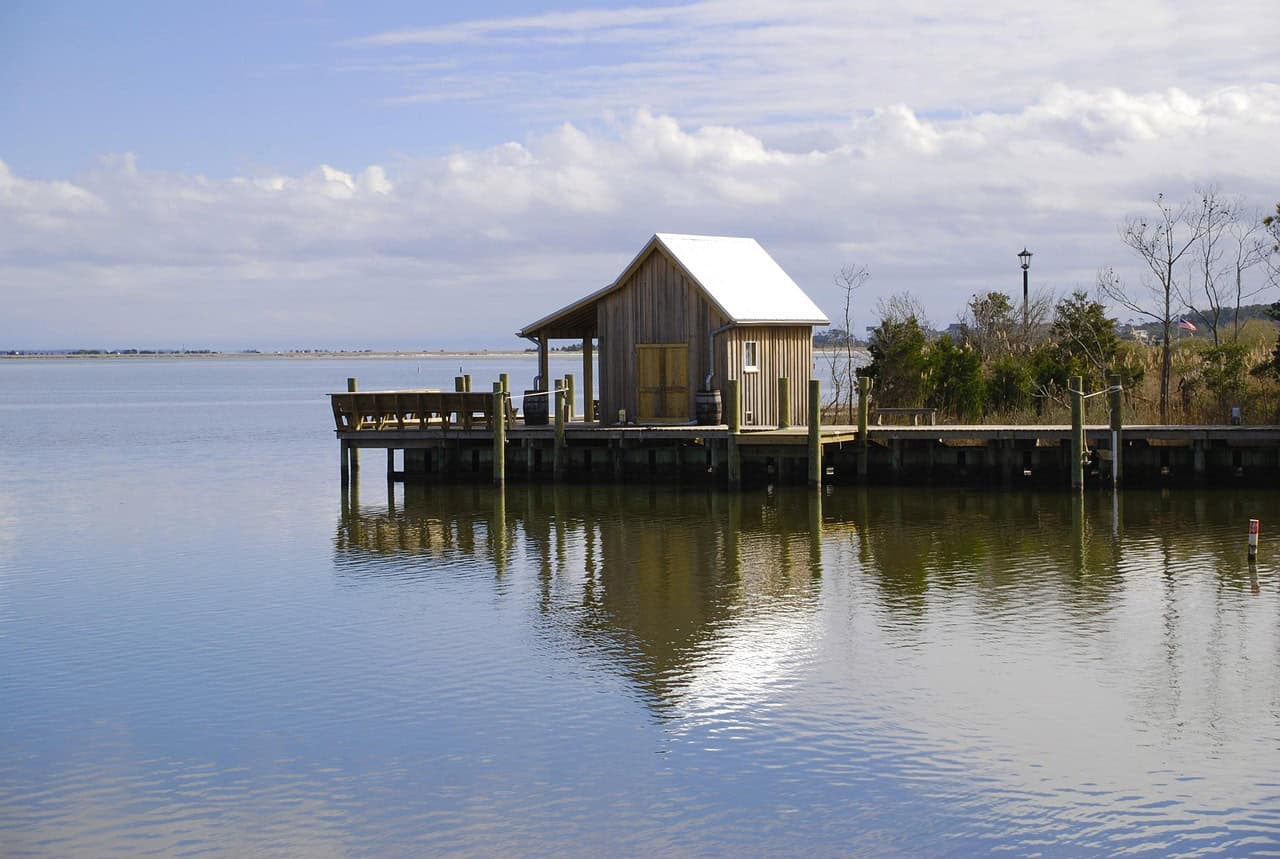
Famous for America’s original “Lost Colony,” Roanoke Island now draws around 500,000 visitors annually. While modern disappearances are rare, surrounding Outer Banks waters remain hazardous. The region experiences over 200 shipwrecks historically, earning the nickname “Graveyard of the Atlantic.” Strong currents, shifting sandbars, and limited night visibility have led to multiple boating and swimming fatalities each year. Dense marshlands and wildlife-rich zones complicate searches when incidents occur. Although tourist facilities are well developed, natural maritime dangers still contribute to occasional unresolved missing-person cases.