We may earn money or products from the companies mentioned in this post. This means if you click on the link and purchase the item, I will receive a small commission at no extra cost to you ... you're just helping re-supply our family's travel fund.
Ghost towns do not need costumes or myths to feel unsettling. The unease comes from ordinary life left mid-motion: a school desk, a stove, a street grid that still expects traffic. Many are open to visitors, yet “open” does not mean safe. Floors rot, mine shafts yawn, and weather turns roads into traps. The biggest risk is rarely a paranormal story. It is a simple human mistake made in a fragile place, where help is far and the rules are strict, and a quick stop can become an expensive rescue or a trespassing problem.
Bodie State Historic Park, California
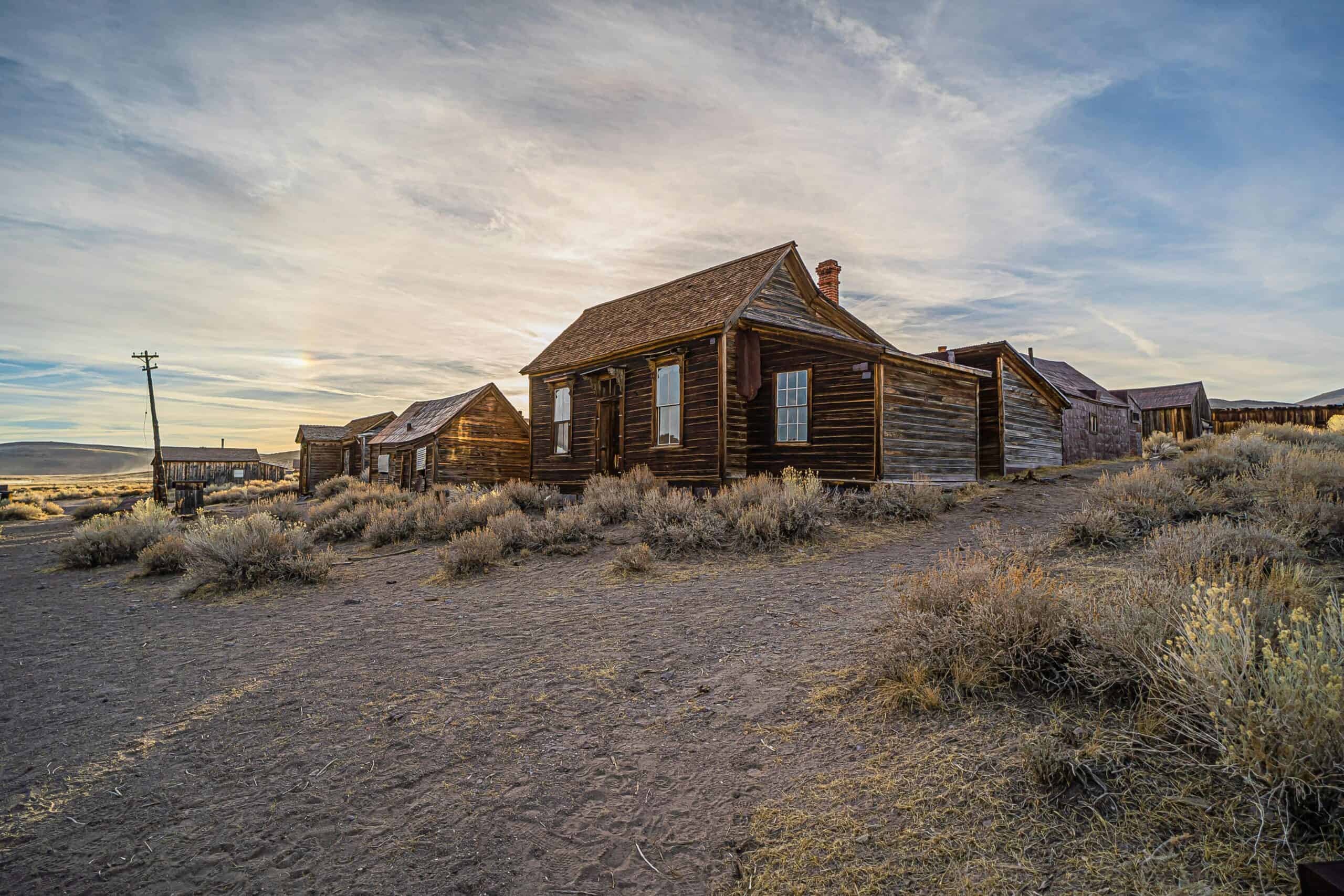
Bodie looks staged until the details hit: a child’s toy, a dusty ledger, a porch sagging in perfect silence. The town is preserved in arrested decay, and the rules are strict because even a nail or bottle is part of the story. The part people underestimate is altitude and weather. At 8,375 feet, wind and cold can arrive fast, and winter access can be limited to snow travel routes while roads close or turn hazardous. A casual visit becomes risky when daylight shrinks, traction disappears, and visitors treat crumbling buildings like playgrounds, instead of fragile history that cannot hold weight anymore.
Centralia, Pennsylvania
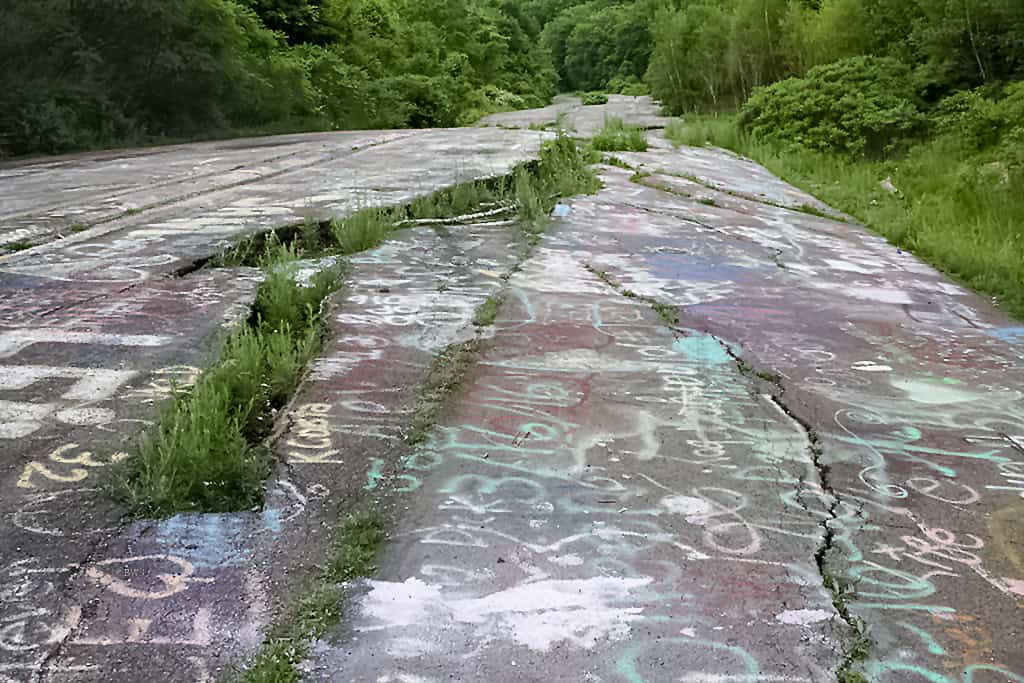
Centralia is creepy because it is still burning. The underground mine fire has thinned the town to a handful of residents, leaving empty streets and an unsettled landscape where heat and fumes can move in unpredictable ways. State guidance warns that toxic combustion-related gases may migrate along fractures, and the ground can change after rain and freeze cycles. The old “Graffiti Highway” section of Route 61 was buried in 2020 to curb trespassing, so the stop is no longer a clean photo detour. What remains is a cautionary place: limited services, posted boundaries, and a landscape that punishes wandering, curiosity, and complacency.
Rhyolite, Nevada
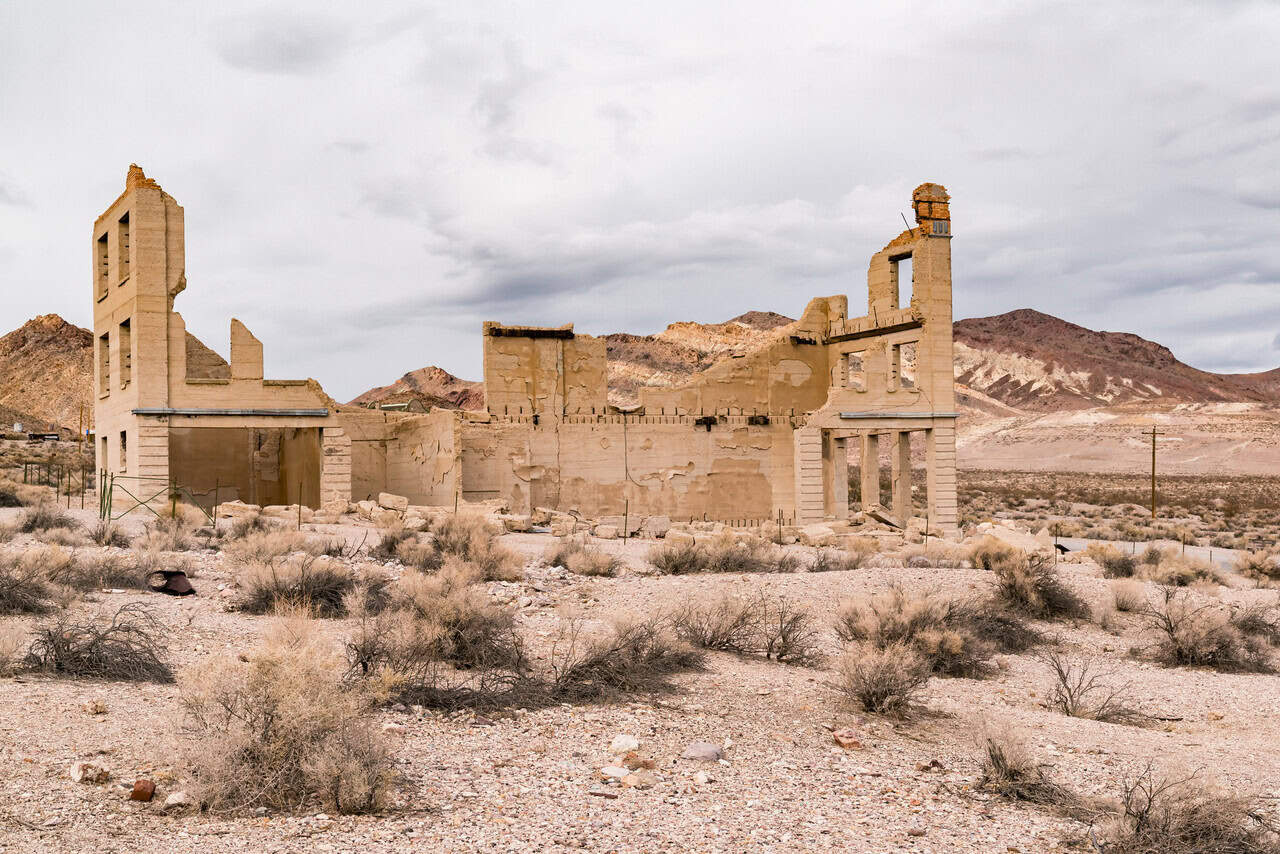
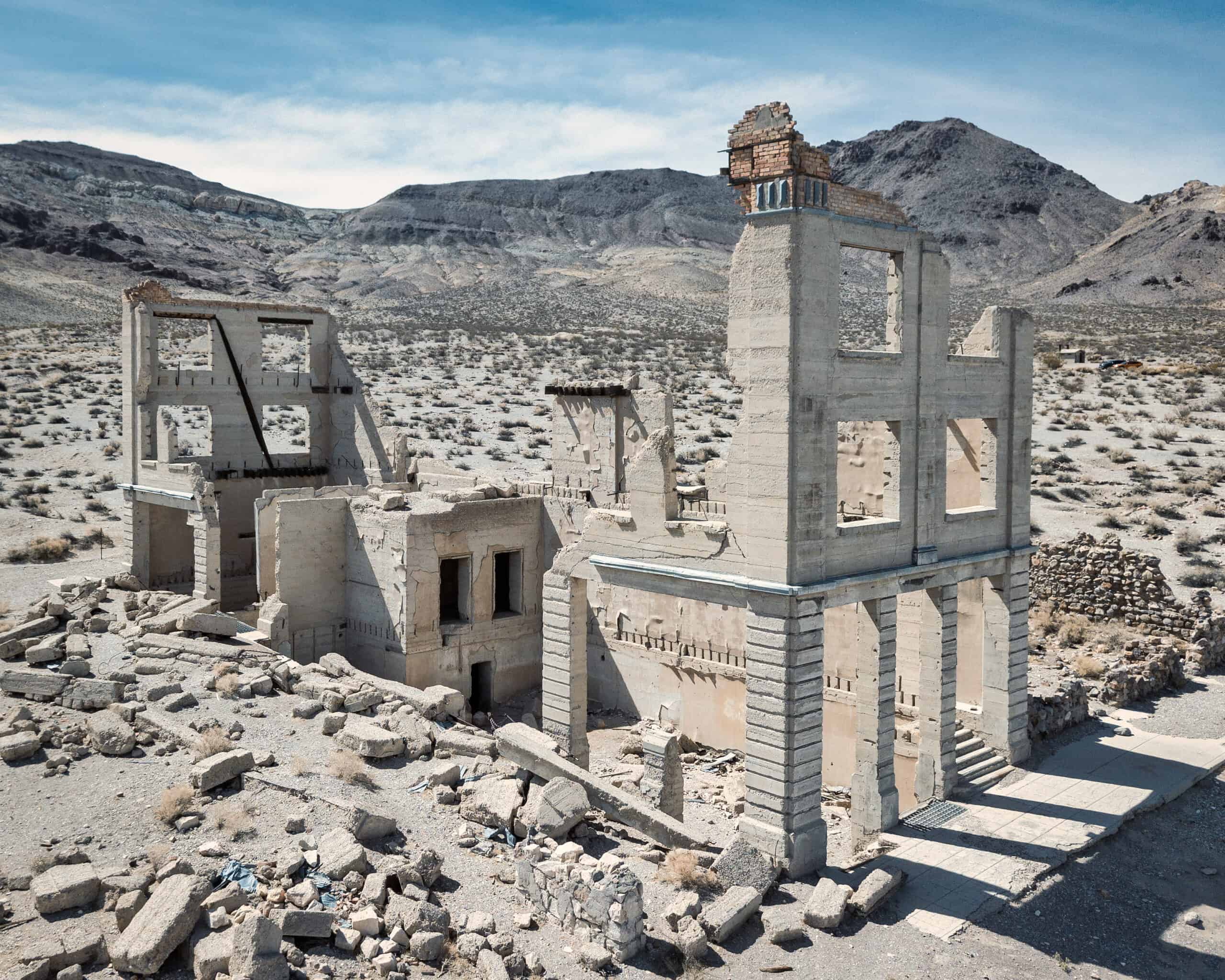
Rhyolite sits near Death Valley like a boomtown snapshot bleached by sun, with roofless walls and the Bottle House catching harsh light. It is easy to access off NV 374, which tricks people into treating it like a roadside museum with guardrails. There are none. The Bureau of Land Management lists it as day-use, and the real threat is the desert: extreme heat, no shade, and weak cell service that can turn a sprained ankle into a long wait. Add crumbling masonry, sharp debris, and mixed land ownership nearby, and the wrong “shortcut” can become trespass, injury, or both, with water running low.
Cerro Gordo, California
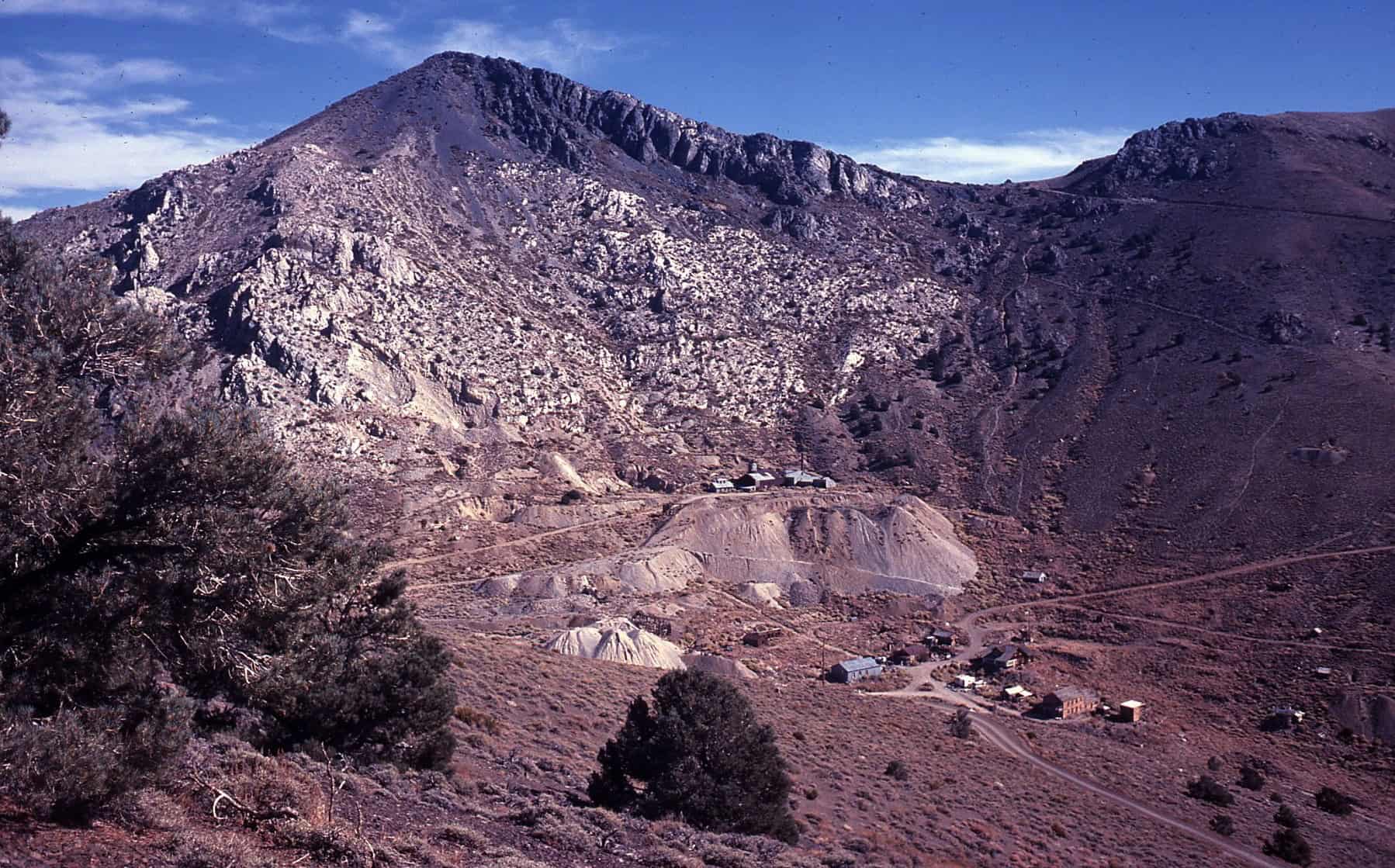
Cerro Gordo perches above Owens Valley, and the road up is part of why it feels tense. The official visitor notes recommend 4WD for the eight-mile dirt climb, which tells the truth: this is not a casual detour once the pavement ends. The town itself is a real mining site with real hazards, from unstable boards and rusted metal to mine openings that must never be entered. Wind can spike, visibility can drop, and temperatures can swing hard, making the drive down slower than expected. The place rewards daylight, patience, and respect for boundaries, not late-afternoon bravery.
St. Elmo, Colorado
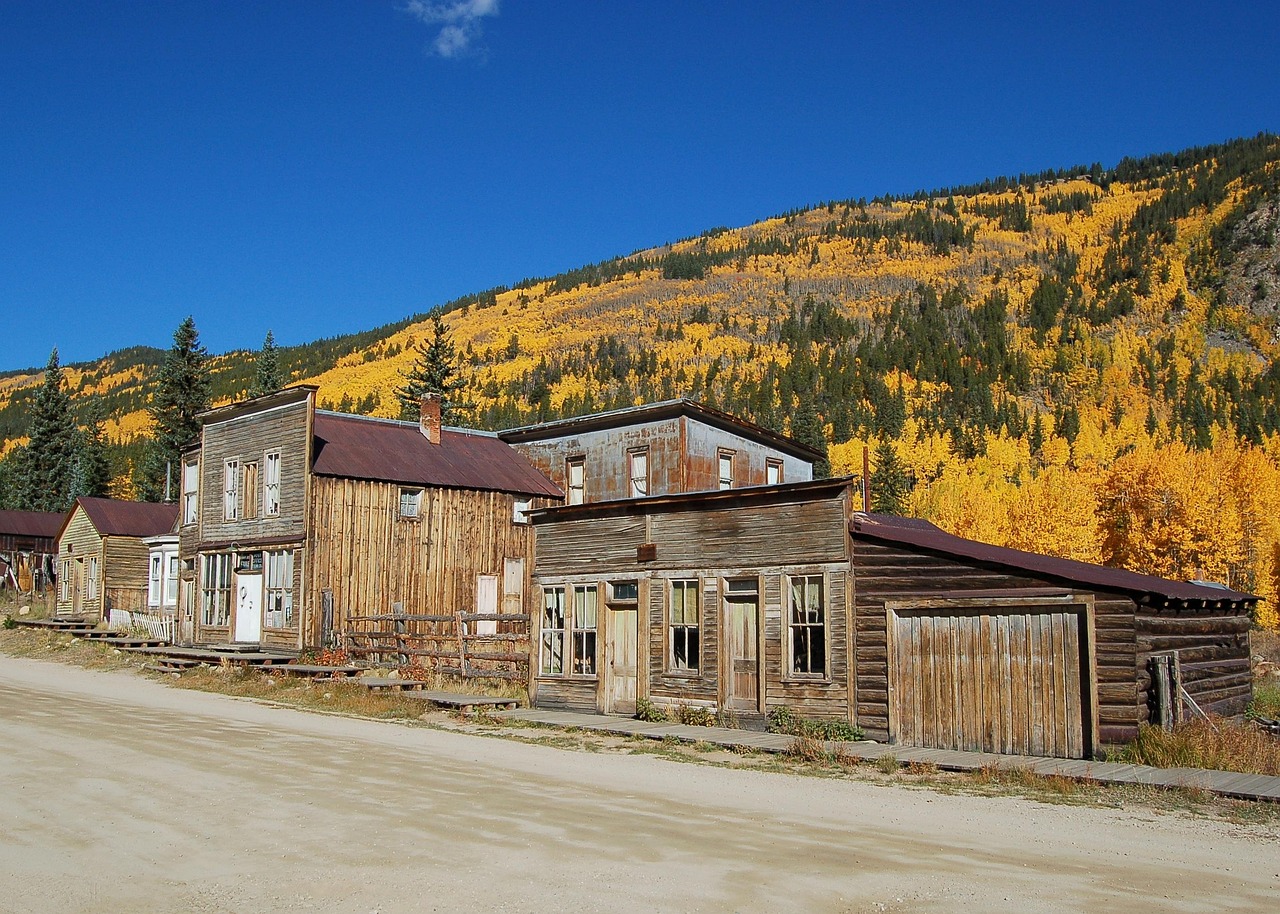
St. Elmo feels eerie because it is not fully abandoned. It is a ghost town with private property, which means the quiet can feel watchful, and the line between visiting and trespassing is thin. Many buildings remain, but break-ins and vandalism have made residents protective, and boarded windows are a reminder that curiosity has consequences here. Practical risks are everywhere: brittle floors, loose nails, and rusted debris hidden in grass and gravel. The road can be busy with off-road traffic, and weather changes quickly in the mountains. The smartest visit stays outside structures, sticks to public areas, and leaves the town looking exactly as it was found.
Grafton, Utah
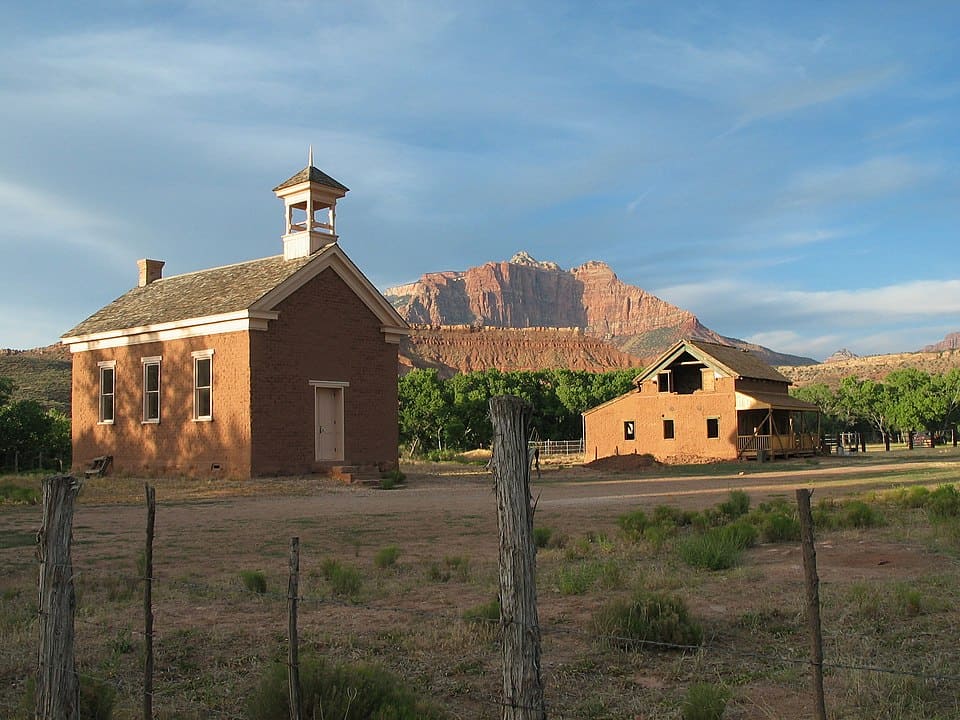
Grafton sits outside Zion in pale, open country, with a schoolhouse and cemetery that feel like props until the history sinks in. The townsite is often photographed because it is so intact, but visitor guidance stresses that parts of the area involve private property and posted boundaries. That matters because the landscape is exposed and deceptive: summer heat can be brutal, shade is scarce, and access roads can feel lonely enough that a breakdown becomes a real problem. Flood history hangs over the area, and storms can change conditions fast. A visit stays safer when it is short, daytime, hydrated, and respectful of signs that exist for a reason.
Garnet Ghost Town, Montana
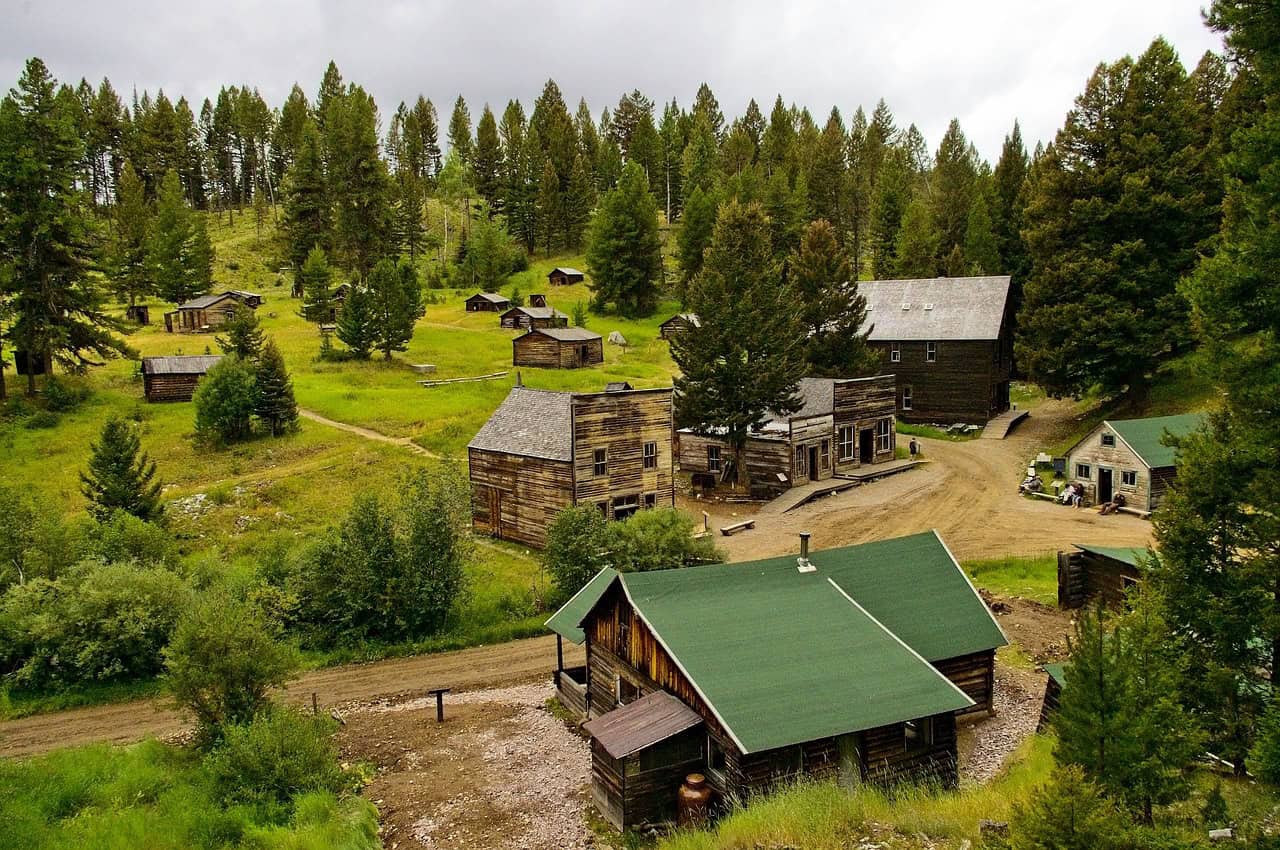
Garnet feels like a mountain town paused mid-sentence, with cabins and storefronts that make the past feel close enough to touch. It is open to visitors, but the catch is access. Official guidance notes vehicle access is generally May 1 to Dec. 15 depending on snow, while winter access shifts to snowmobile or cross-country ski travel. That seasonal flip turns “easy day trip” into “remote backcountry outing” fast, especially in shoulder months when snow lingers, roads narrow, and help is far. Cold and ice make small slips matter more, and a late start can mean driving mountain roads in darkness. The safest visit respects the season and the distance, not just the vibe.