We may earn money or products from the companies mentioned in this post. This means if you click on the link and purchase the item, I will receive a small commission at no extra cost to you ... you're just helping re-supply our family's travel fund.
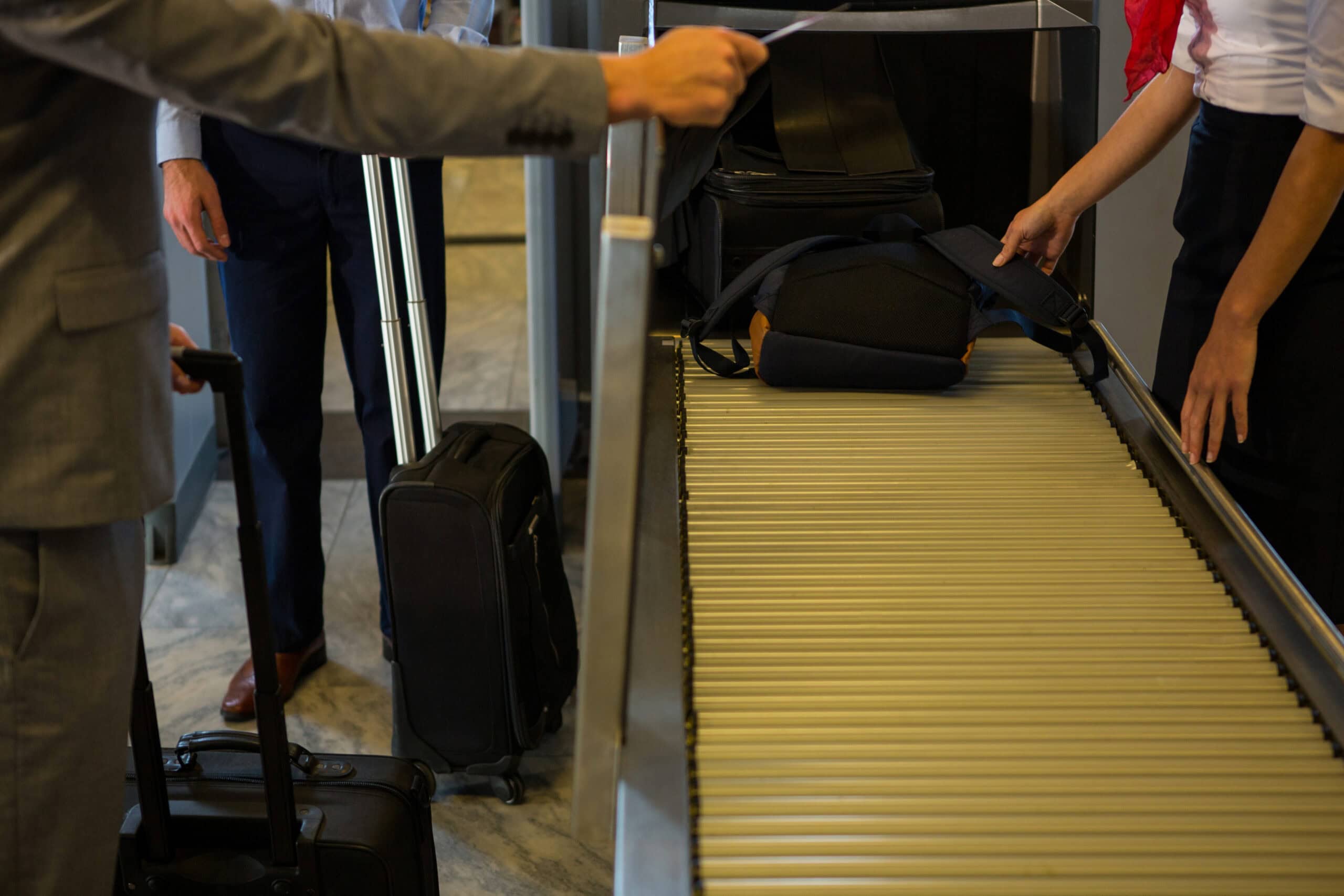
Airports can feel routine until a single item in a bag changes the tone of the whole arrival. Across the world, laws around medications, vaping devices, photography gear, and even souvenirs can be far stricter than travelers expect. In some places, authorities may detain someone simply to verify what an item is, why it is being carried, and whether it is permitted. The safest trips start with a quick scan of destination rules, plus careful packing that avoids gray-area products and unlabeled containers.
Japan and Prescription Stimulants

Japan treats some familiar prescription medications as tightly controlled stimulants, and airport screening is not forgiving. The health ministry says amphetamine, the active ingredient in Adderall, cannot be imported even for treatment, and other ADHD medicines can require advance permission and the right documents. When pills arrive loose, unlabeled, or in quantities that do not match the paperwork, travelers may be pulled into secondary inspection, questioned for hours, and, in serious cases, arrested or detained while authorities confirm the substance and intent before the trip continues past arrivals, and plans can collapse in a minute.
Source:
United Arab Emirates and CBD Products
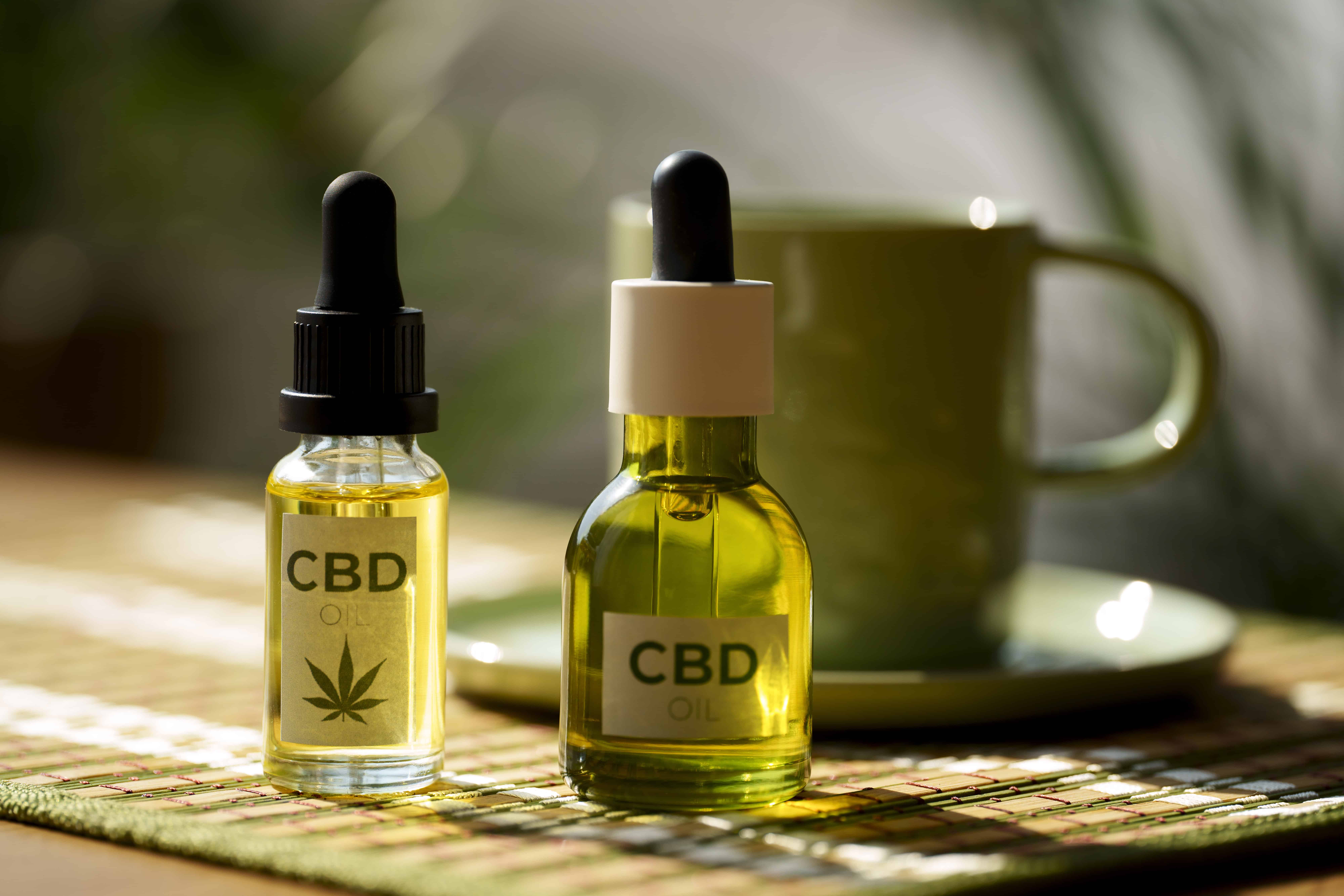
The United Arab Emirates has strict drug laws that can surprise travelers who packed everyday wellness items or a friend’s forgotten cartridge. UK travel guidance notes that CBD products and some so-called herbal highs are illegal, and airports can detect cannabis even in residual amounts, including in the baggage of transiting passengers. When CBD vape liquid, hemp-derived skincare, or capsules with unclear ingredients show up in a bag, travelers may be detained for questioning and face criminal charges while authorities decide whether the substance falls under controlled drug rules and how it entered the country. That process can take days.
Source:
Singapore and E-Vaporisers
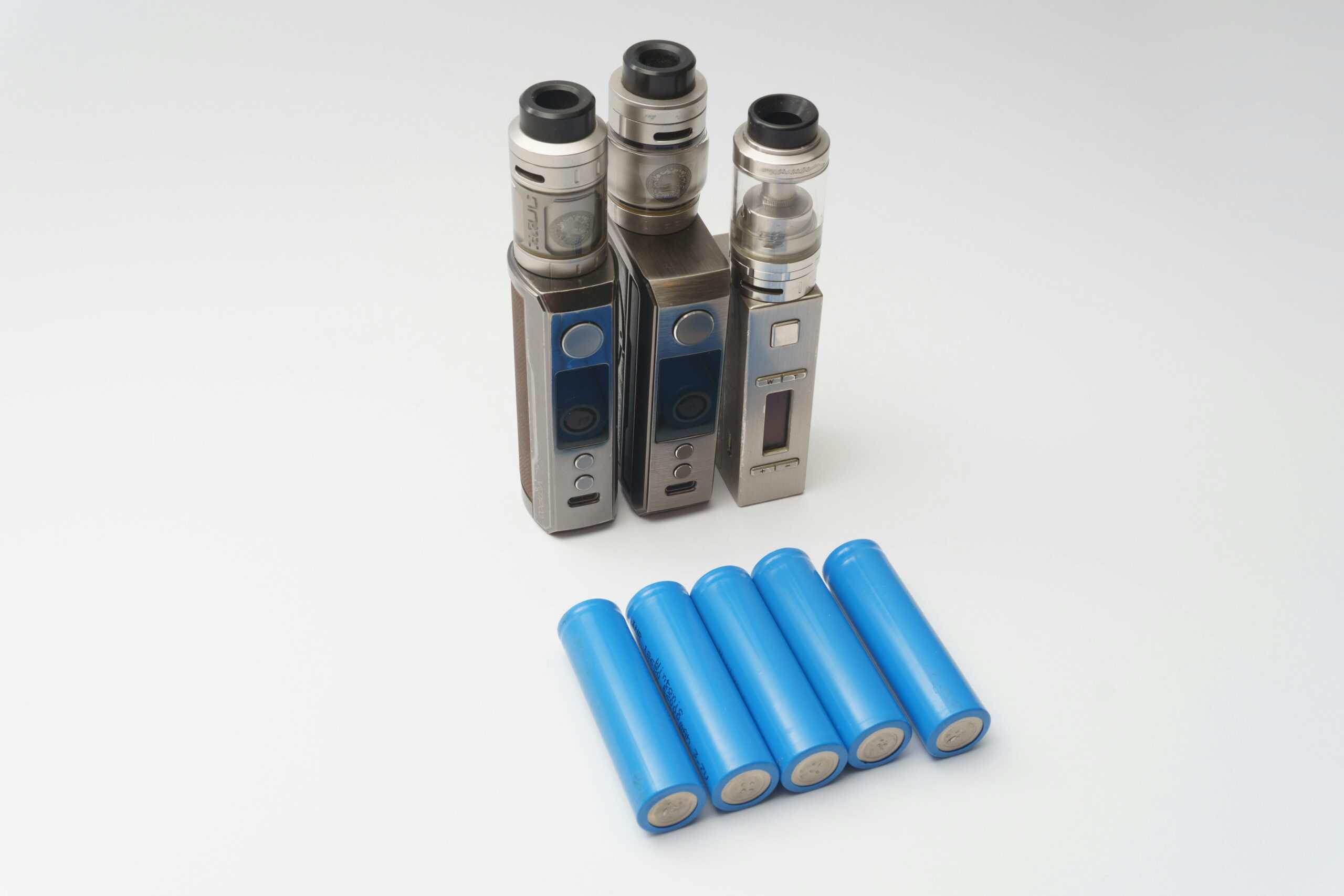
Singapore bans e-vaporisers, and enforcement at borders has intensified as authorities tackle devices laced with sedatives and other drugs. Government guidance and the Health Sciences Authority outline penalties for possessing or using vapes, and note that repeat offenders can be required to attend rehabilitation programs, with detention measures applied in more serious cases. A traveler who arrives with a vape pen, cartridges, or unfamiliar liquids may be stopped, searched, and held while officers test what is inside, because the device itself can trigger action even before the contents are confirmed and the outcome may include prosecution.
Source:
Thailand and E-Cigarettes
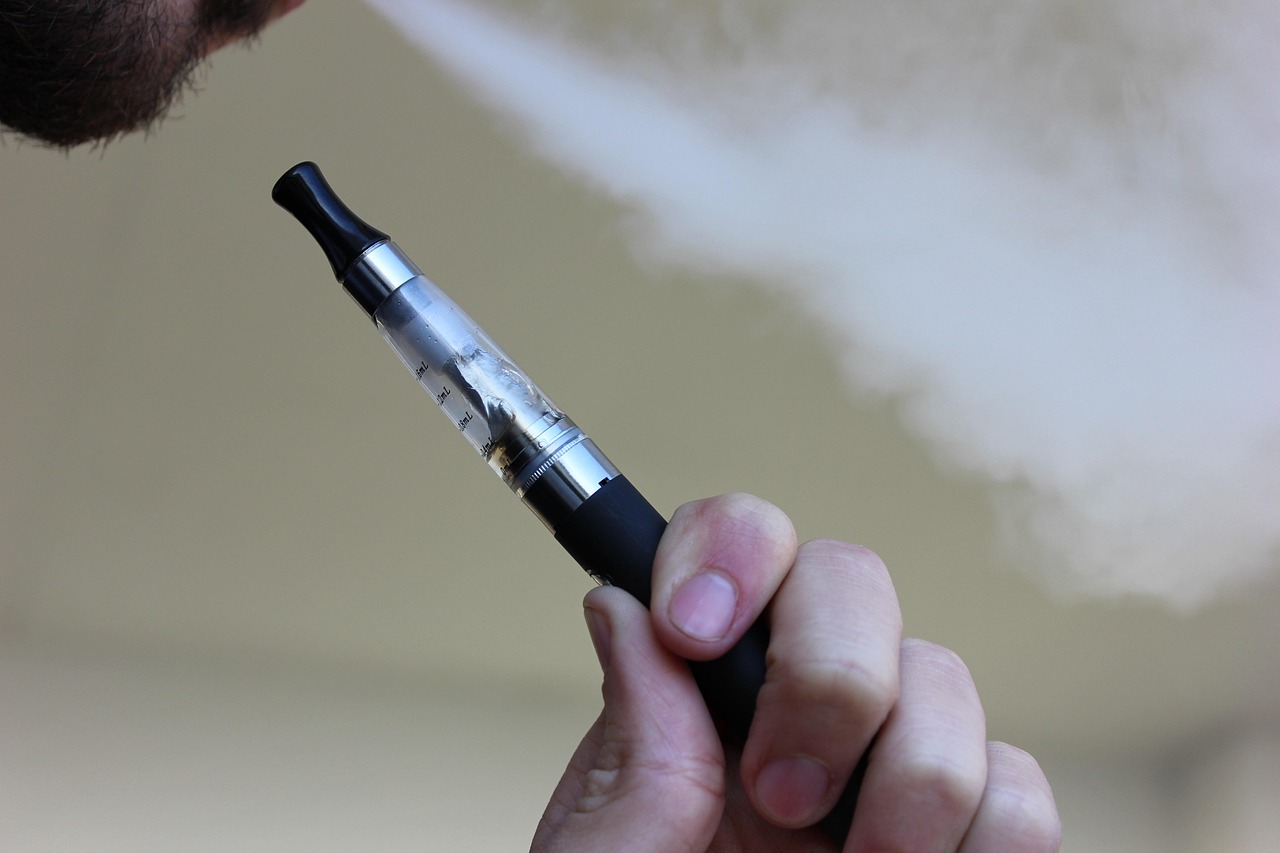
Thailand’s stance on e-cigarettes is blunt: the devices are illegal, and visitors can be treated like locals during routine checks. Thai embassy guidance warns that people found using or carrying electronic cigarettes can be arrested and face jail time or a fine tied to the value of the items. A vape tucked into a carry-on, a spare coil, or a bottle of e-liquid in a toiletry kit can turn into a long stop at the airport or roadside, with confiscation and formal questioning, and detention is possible if officers decide the case needs to move into the criminal process. Even a quick vacation can start with paperwork instead of a beach sunset too.
Source:
Egypt and Drones
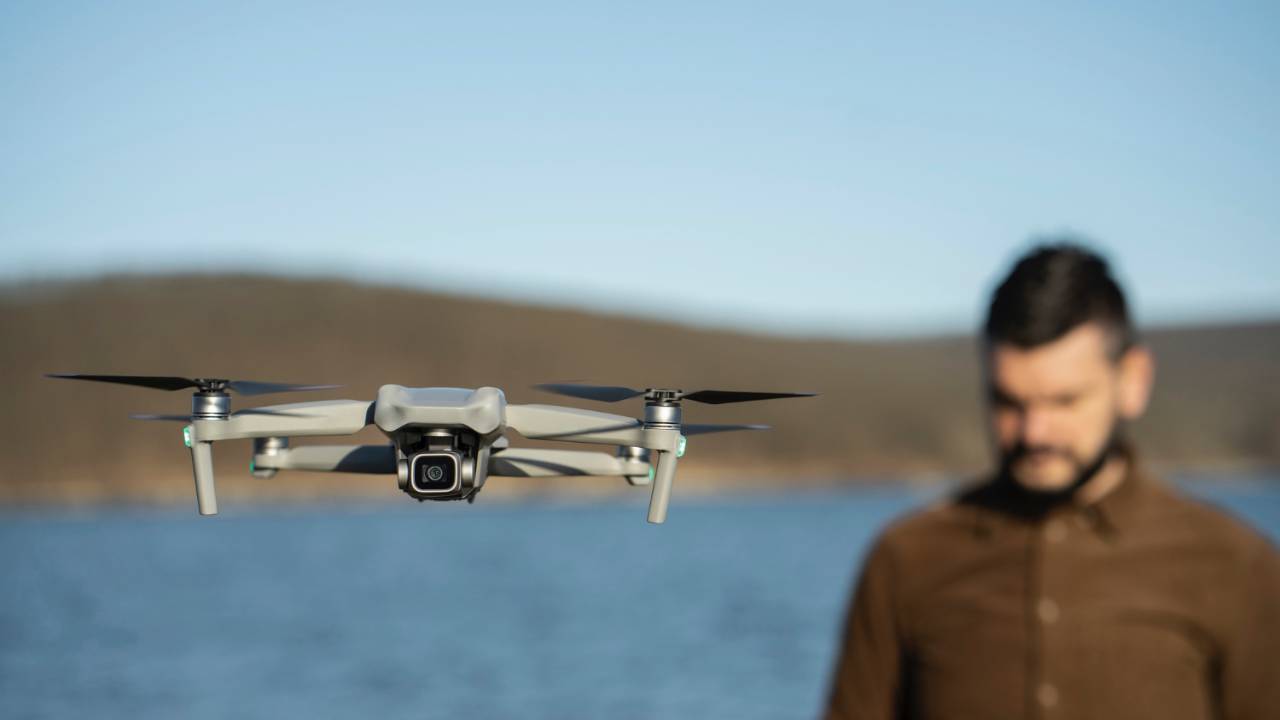
In Egypt, a small drone can be treated less like a gadget and more like a security issue, especially near sensitive sites. UK travel advice says importing or using drones without prior permission from the Ministry of Defence is illegal, and notes penalties can include a prison sentence of up to 7 years or a substantial fine. When a drone is found in luggage, border officers may detain the traveler while the device is seized, statements are taken, and officials decide whether the case will be prosecuted or resolved with a fine. It is the kind of delay that can swallow a connection and keep the trip anchored to interviews and paperwork calmly.
Source:
Philippines and Ammunition
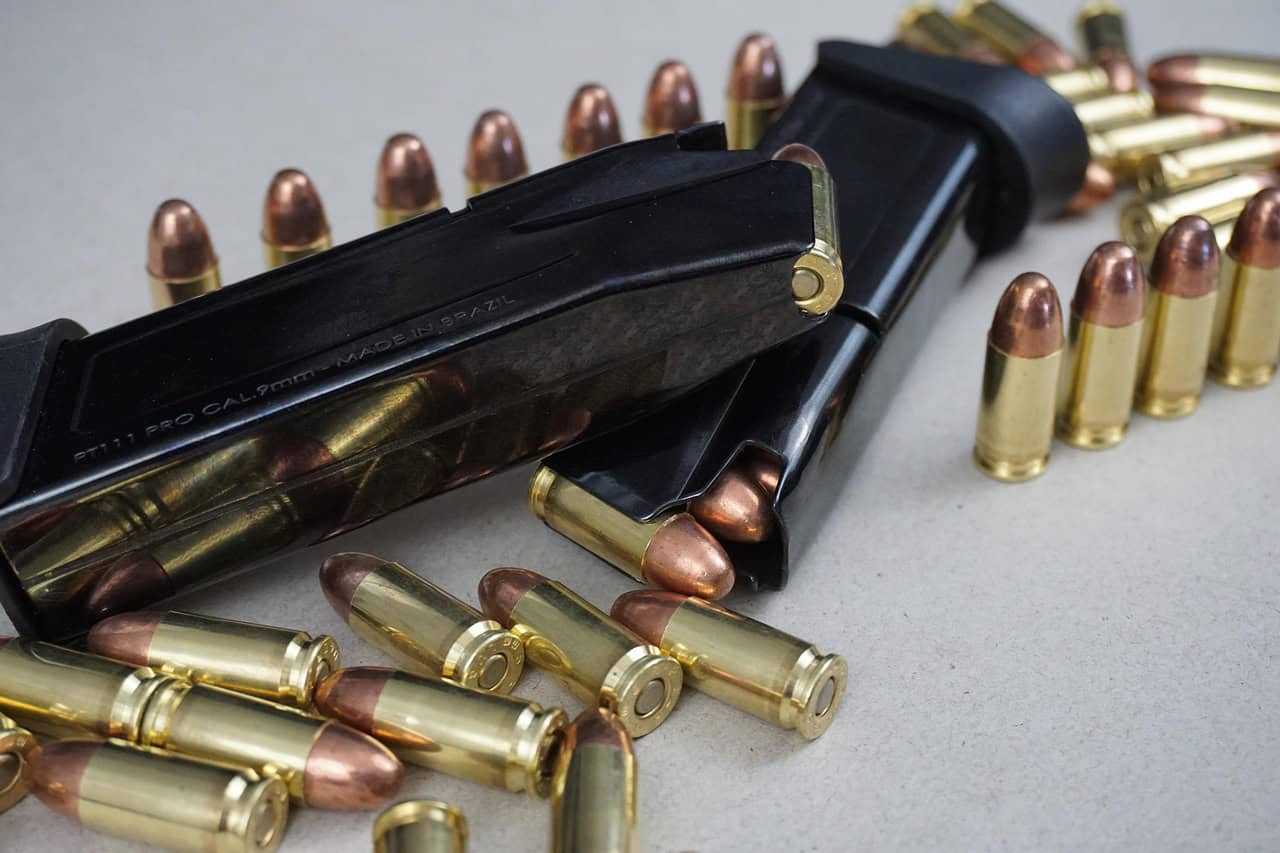
In the Philippines, ammunition is regulated in a way that leaves little room for misunderstandings at an airport checkpoint. The country’s firearms and ammunition law provides prison penalties for unlawful acquisition or possession of ammunition, even when the item is not paired with a firearm. That means a single loose round forgotten in a backpack pocket, a spent casing kept as a keepsake, or parts packed with outdoor gear can prompt security to detain a traveler, call in investigators, and treat the matter as a criminal case until documentation and intent are sorted out. It is a harsh lesson, and it can begin with a scan at security gate.
Source:
Saudi Arabia and Alcohol and Explicit Materials
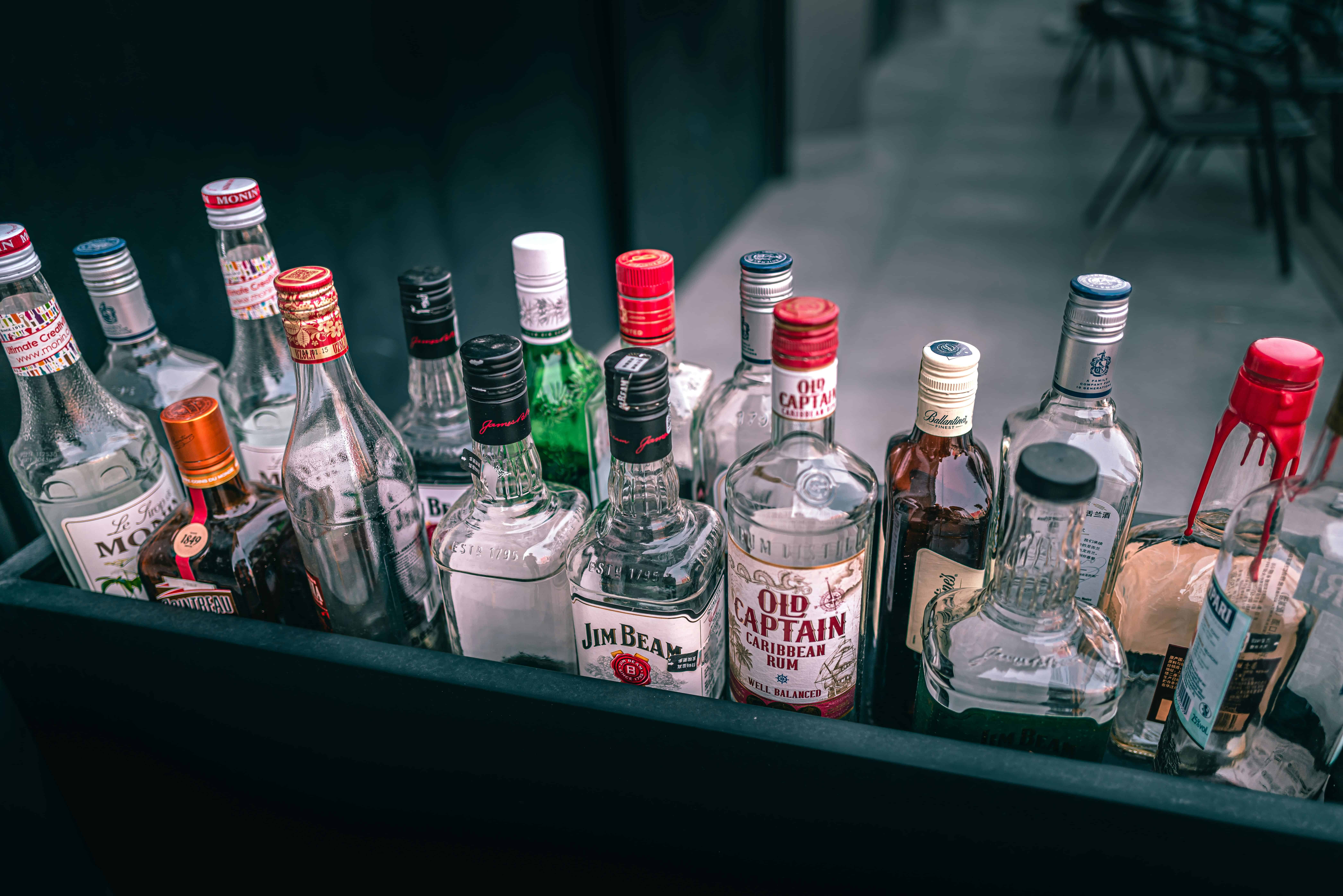
Saudi Arabia enforces strict rules on what can enter the country, and customs inspections can be thorough. UK and Canadian travel guidance warns that alcohol, illegal drugs, weapons, and explicit materials are prohibited, and notes that drug cases can involve long detention before trial with severe penalties. When prohibited items appear in luggage, even as a joke gift or a downloaded file on a device, travelers may be detained while authorities review the contents, take statements, and decide whether the case ends with confiscation, deportation, or criminal charges. The safest trips keep bags and devices clean of anything questionable soon.
Source: