We may earn money or products from the companies mentioned in this post. This means if you click on the link and purchase the item, I will receive a small commission at no extra cost to you ... you're just helping re-supply our family's travel fund.

Traveling internationally in 2026 has become increasingly complex for U.S. passport holders. Changes in diplomatic relations, security concerns, and reciprocal visa policies have created a patchwork of rules that can shift with little notice. Some countries now impose sudden bans, additional documentation requirements, or unpredictable entry procedures, forcing travelers to remain vigilant. Here are seven destinations where visa and entry conditions are particularly volatile, each presenting unique challenges for Americans planning trips this year.
1. Afghanistan : Total Suspension and Security Risks
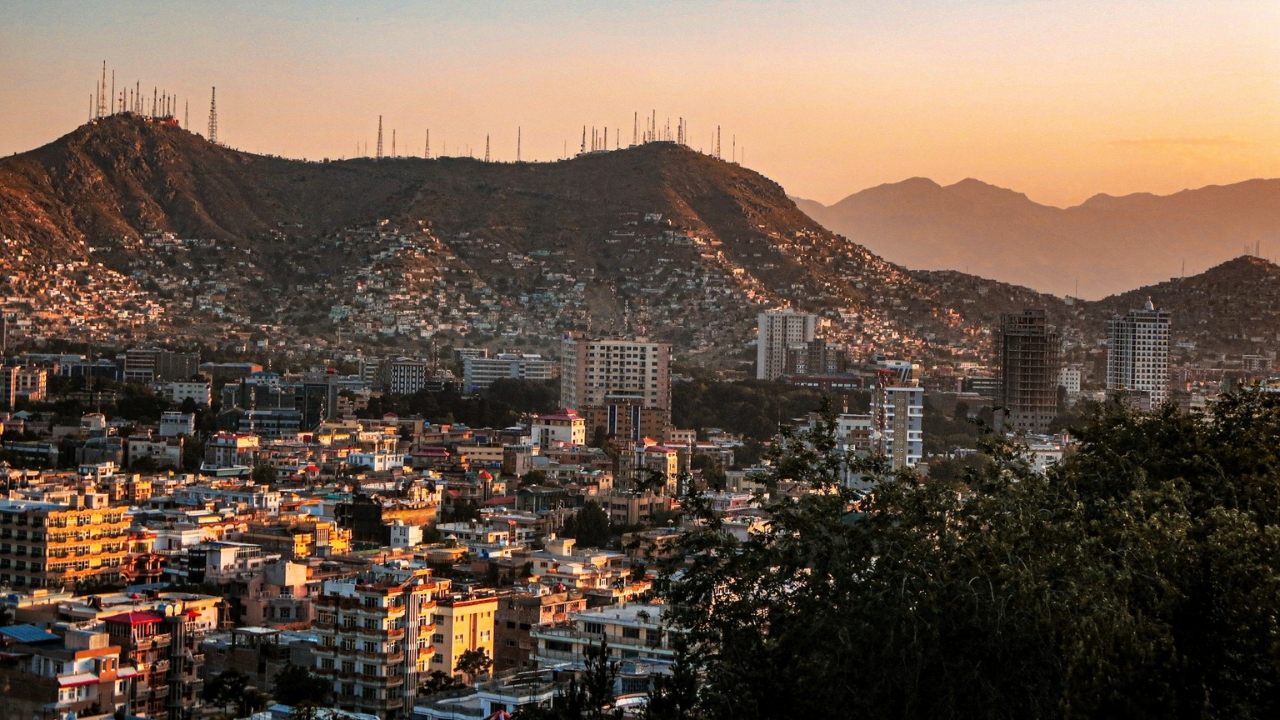
Afghanistan remains one of the most restricted destinations for Americans in 2026. The U.S. has halted nearly all visa issuance for Afghan nationals outside the country, covering tourism, work, study, and family categories. Security challenges within the country, including limited diplomatic support and ongoing conflict, add another layer of unpredictability. Roughly 38 million residents face restricted mobility, and U.S. travelers must navigate shifting checkpoints, temporary border closures, and rapidly evolving local protocols, making emergency or short-term travel highly uncertain.
2. Burkina Faso : Reciprocal Restrictions

Burkina Faso has implemented measures that directly respond to U.S. policy changes, creating unexpected obstacles for American travelers. With a population of around 21 million, the country enforces rapidly changing entry protocols, including documentation verification and approval letters. Rules can shift in real time depending on diplomatic developments, often resulting in last-minute administrative delays or temporary bans at border control. Tourists, business travelers, and students need to monitor official announcements carefully, as sudden procedural adjustments can disrupt travel plans despite thorough preparation.
3. Syria : Closed Borders and Ongoing Conflict
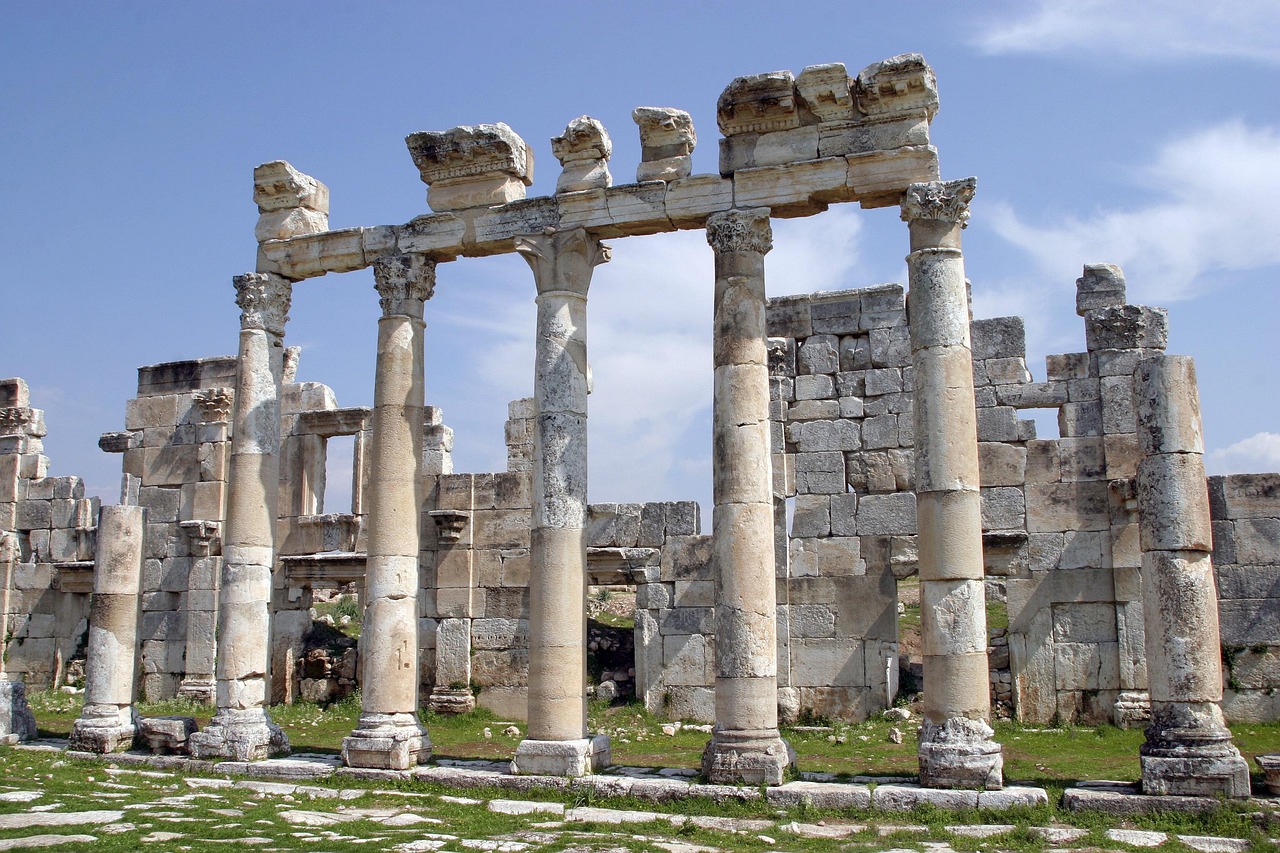
Syria remains largely inaccessible to U.S. visitors due to full visa suspension and ongoing internal instability. While humanitarian exceptions exist, routine tourism, business, and student travel is effectively blocked. The country’s 22 million residents live in regions with uneven security, and local authorities frequently change protocols with little notice. Even temporary permissions can be revoked abruptly, and consular assistance is limited. These conditions combine to create an unpredictable environment, where travel plans may fail despite careful planning, highlighting the importance of contingency arrangements.
4. Niger : Administrative and Diplomatic Challenges
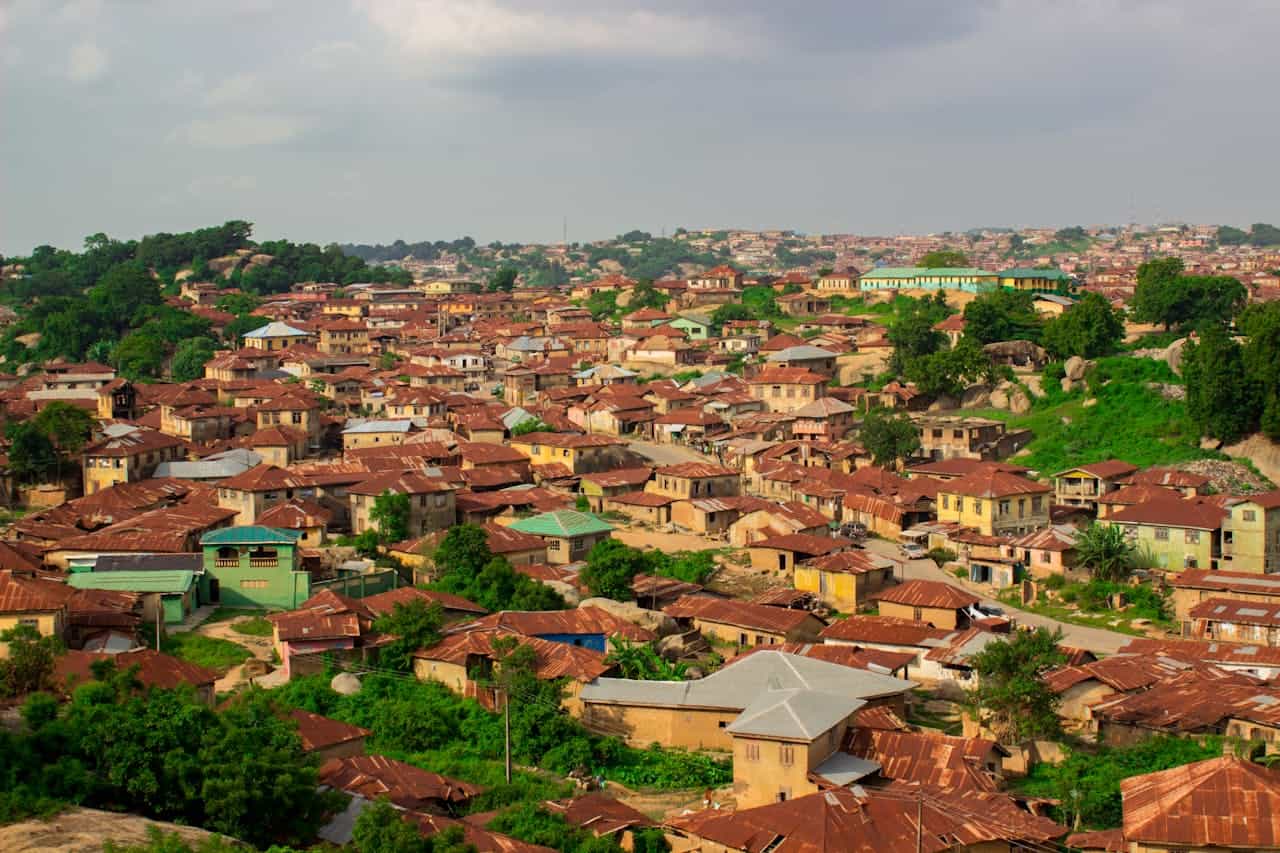
Niger has enacted full U.S. travel restrictions, affecting most visa categories for its citizens abroad. For Americans, this results in unpredictable entry requirements, heightened documentation scrutiny, and last-minute administrative shifts. The country’s population of 26 million is spread across regions where border officials can modify policies without notice, impacting tourists, NGO workers, and business travelers alike. Flight regulations, visa processing, and consular support fluctuate frequently, requiring visitors to reconfirm local protocols even shortly before departure to avoid disruptions.
5. Angola : Partial Suspension and Bond Requirements
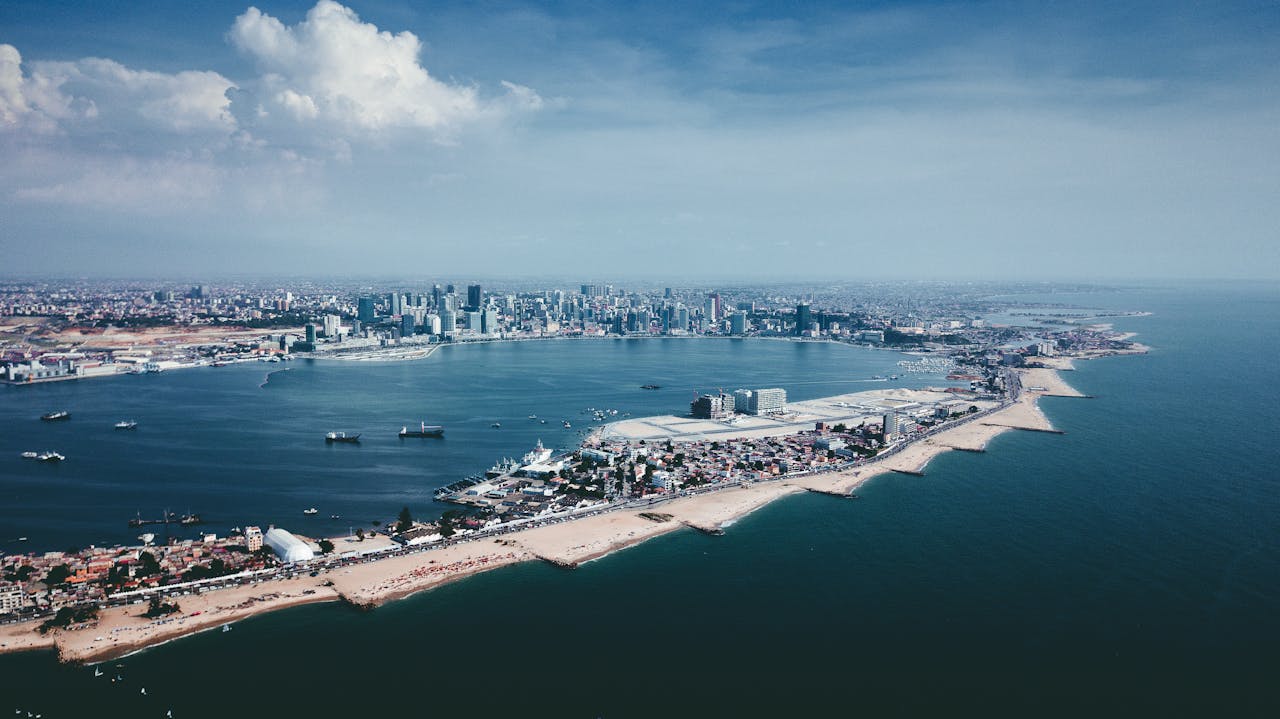
Angola falls under the U.S. partial visa suspension category, limiting immigrant and nonimmigrant visa issuance for Angolan nationals. At the same time, new visa bond policies, requiring deposits up to $15,000, have added an unpredictable layer for reciprocity and entry processing. With a population of over 36 million, Angolan authorities may adjust tourist or business visa procedures at short notice, leading to sudden changes in documentation, interviews, or approval timelines. Travelers must plan extra time, anticipate potential fees, and monitor government updates closely to avoid complications.
6. Nigeria : Complex and Fluctuating Rules
Nigeria’s partial restriction status makes entry unpredictable for U.S. visitors. Tourist, business, and student visa processes are affected by both U.S. and Nigerian policy adjustments. With more than 223 million residents, consulates frequently change documentation requirements, security checks, and approval procedures. Sudden procedural shifts, updated fees, and temporary restrictions are common, creating uncertainty for planned travel. U.S. tourists and professionals must remain flexible and maintain close communication with consulates and airlines to ensure compliance and avoid unexpected disruptions.
7. Venezuela : Partial Ban with Heightened Scrutiny
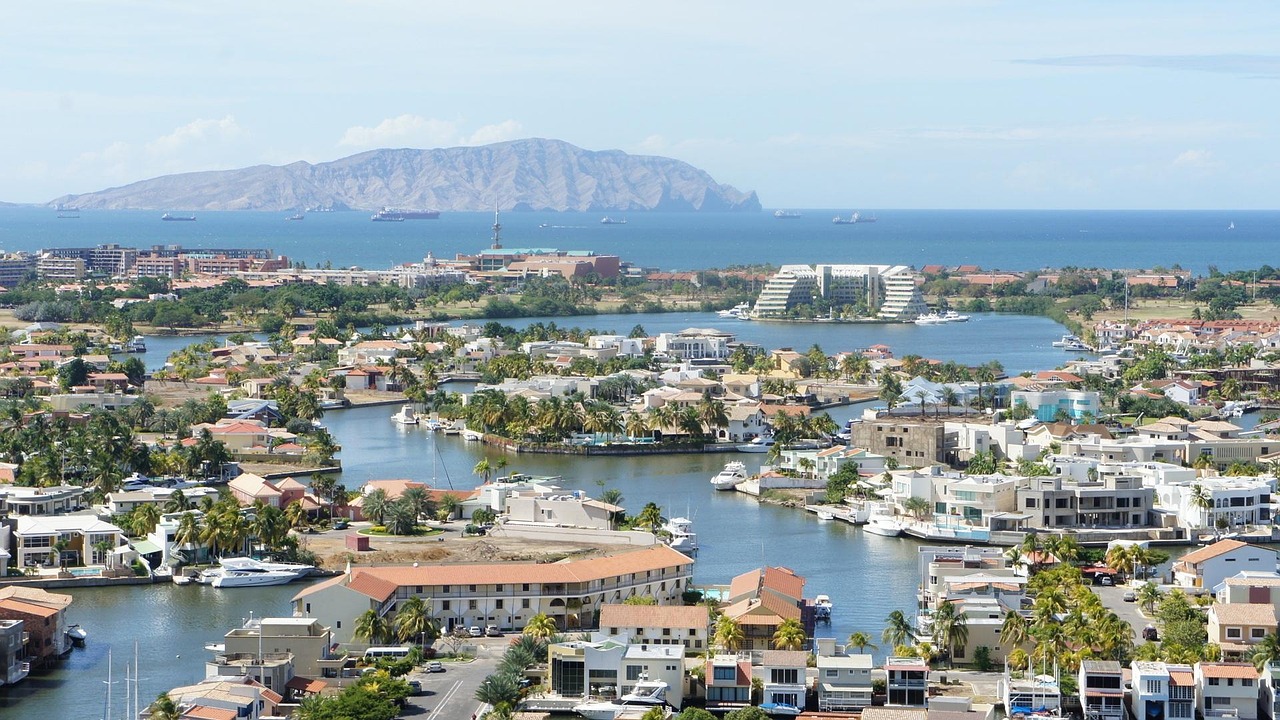
Venezuela presents a volatile environment due to partial visa restrictions and increasing scrutiny of entry permits. U.S. travelers must navigate rapidly evolving documentation requirements, security checks, and approvals. The country’s population of roughly 28 million faces unpredictable administrative and diplomatic changes, often resulting in short-notice restrictions or modifications at entry points. Tourists, business travelers, and students are advised to verify all regulations, prepare contingency plans, and confirm airline policies before departure to prevent last-minute obstacles or denied entry.