We may earn money or products from the companies mentioned in this post. This means if you click on the link and purchase the item, I will receive a small commission at no extra cost to you ... you're just helping re-supply our family's travel fund.
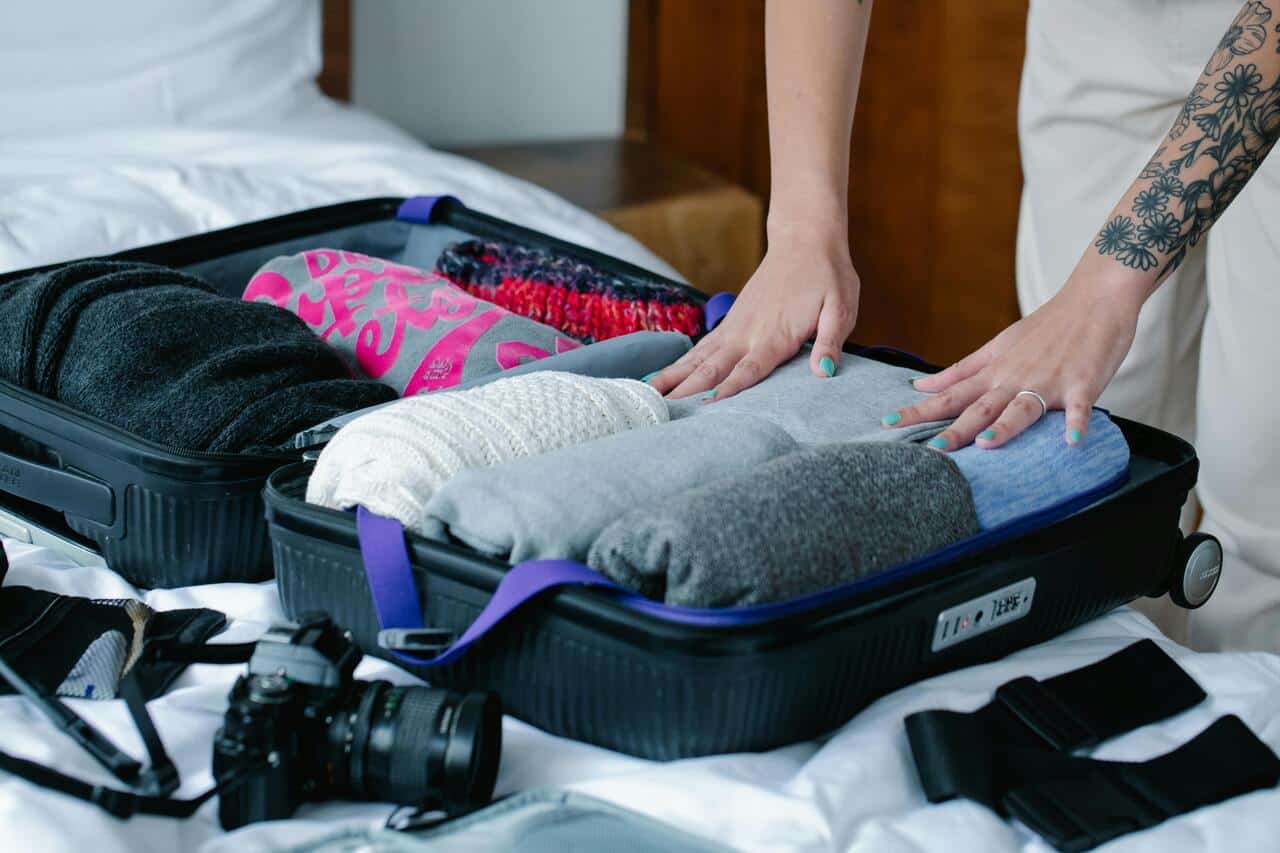
Travel planning usually focuses on flights, hotels, and photo spots. Packing, however, is where confidence quietly turns into regret. Many destinations look simple on paper but punish poor packing choices once you arrive. Climate swings, infrastructure quirks, cultural expectations, and sheer walking distance expose every bad decision in your suitcase. These seven countries repeatedly leave tourists wishing they had packed smarter, lighter, or completely differently.
1. Japan
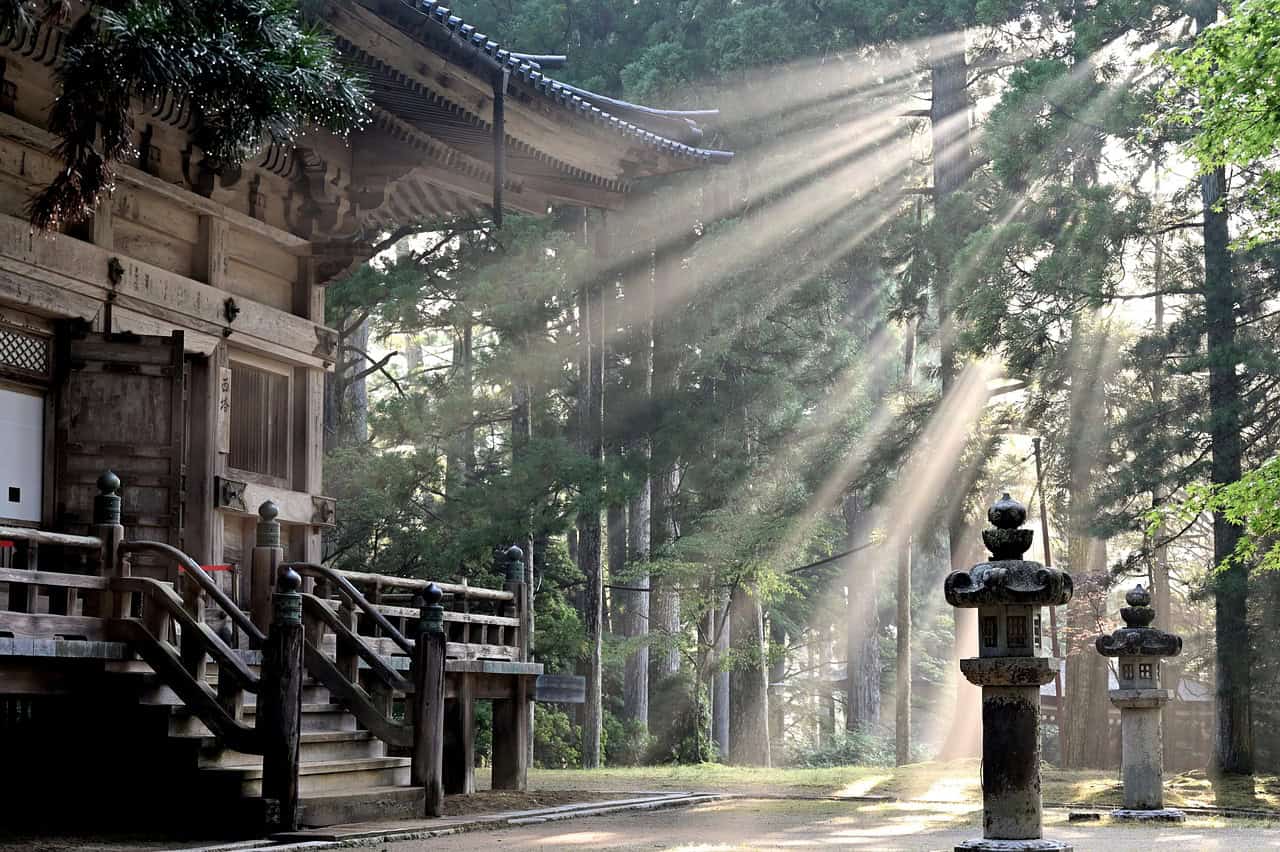
Japan looks modern and effortless, but tourists quickly realize their bags don’t match reality. Visitors walk an average of 18,000 to 22,000 steps per day, far above most home routines. Heavy shoes, thick denim, or oversized luggage become exhausting on stair-heavy train stations where elevators are limited. Hotel rooms often measure just 15–20 square meters, leaving little space to open large suitcases. Seasonal surprises add to regret: summers reach 35°C with 80% humidity, while winters drop below 0°C in northern regions. Tourists also underestimate the need for slip-on shoes, as footwear removal happens dozens of times daily. Many end up buying lighter clothes locally.
2. Iceland
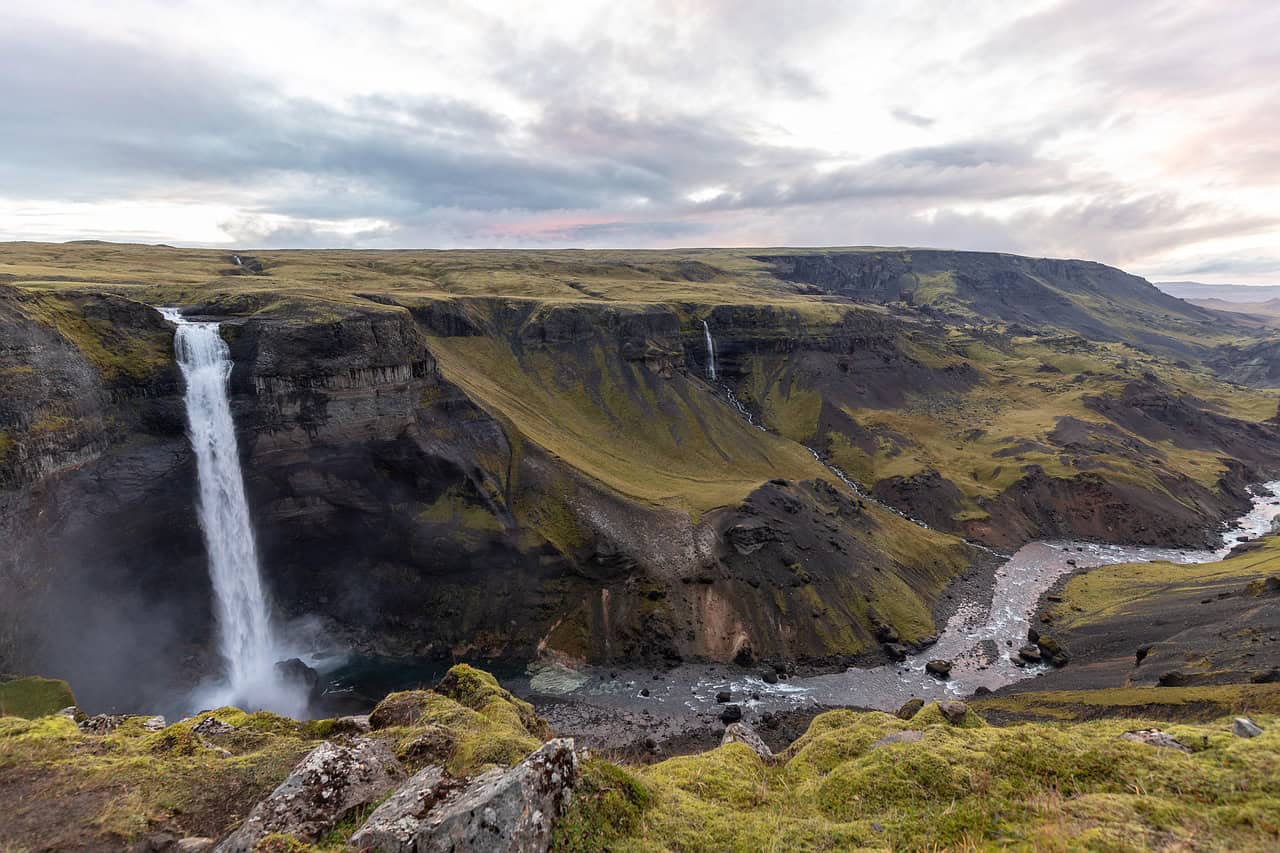
Iceland humbles confident packers fast. Tourists face temperature shifts of 10–15°C in a single day, often within hours. Wind speeds regularly exceed 40 km/h, making ordinary jackets useless. Travelers who skip waterproof layers regret it when sudden rain hits black sand beaches or glacier trails. Rental car companies report that over 60% of tourists underestimate cold exposure during short “easy” hikes. Sneakers soak through quickly, leaving feet cold for hours. Even summer nights drop to 8–10°C. Those who packed fashion over function often end up spending $150–$300 on emergency gear in Reykjavík.
3. Italy
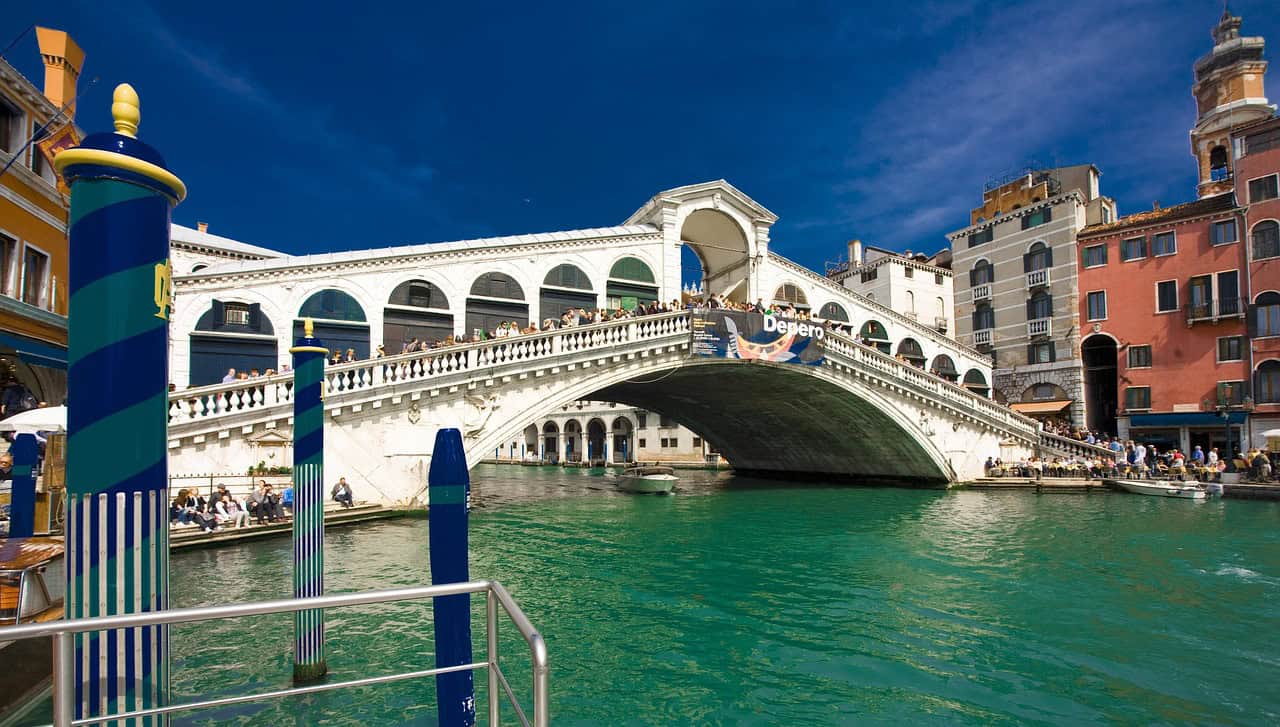
Italy seduces travelers into packing for photos instead of pavement. Tourists walk between 8 and 12 kilometers daily in cities like Rome and Florence, mostly on uneven stone streets. Thin-soled shoes fail fast, causing sore feet within two days. Staircases without ramps are common, especially in historic centers, making rolling suitcases painful to manage. Summer temperatures frequently exceed 32°C, yet many churches require covered shoulders and knees, forcing outfit changes. Luggage size also backfires on regional trains with narrow storage. Many travelers report buying new shoes by day three, spending €80–€120 unexpectedly.
4. India
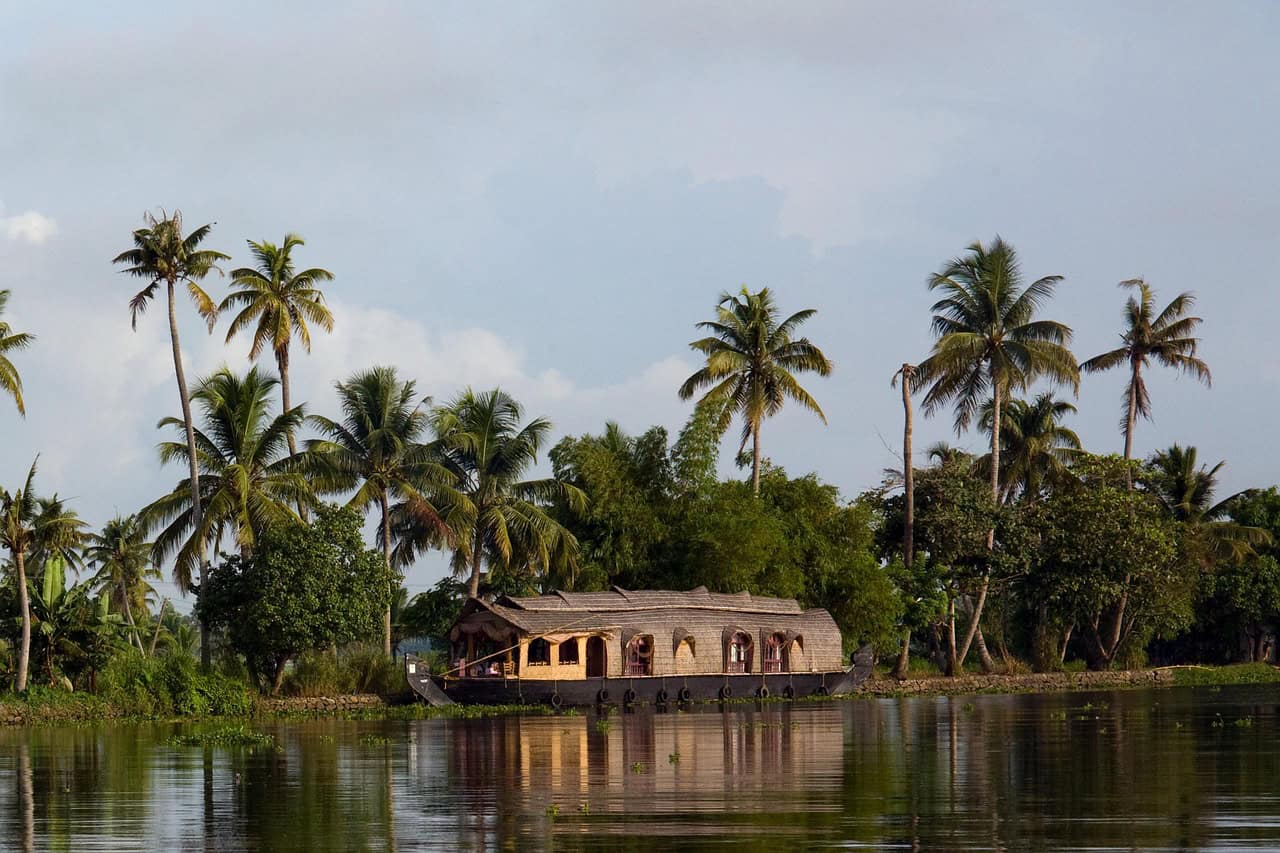
India exposes packing assumptions immediately. Temperatures range from 5°C in the north to 45°C in peak summer zones, sometimes within the same itinerary. Tourists often pack too few breathable clothes, underestimating humidity levels above 70% in many cities. Modesty expectations catch travelers off guard; sleeveless tops and short shorts draw attention or limit temple access. Average intercity travel times exceed estimates by 30–40%, making comfort clothing essential. Dust levels in urban areas can exceed WHO guidelines by 5–6 times, ruining light fabrics. Many visitors replace clothes locally within the first week.
5. Peru
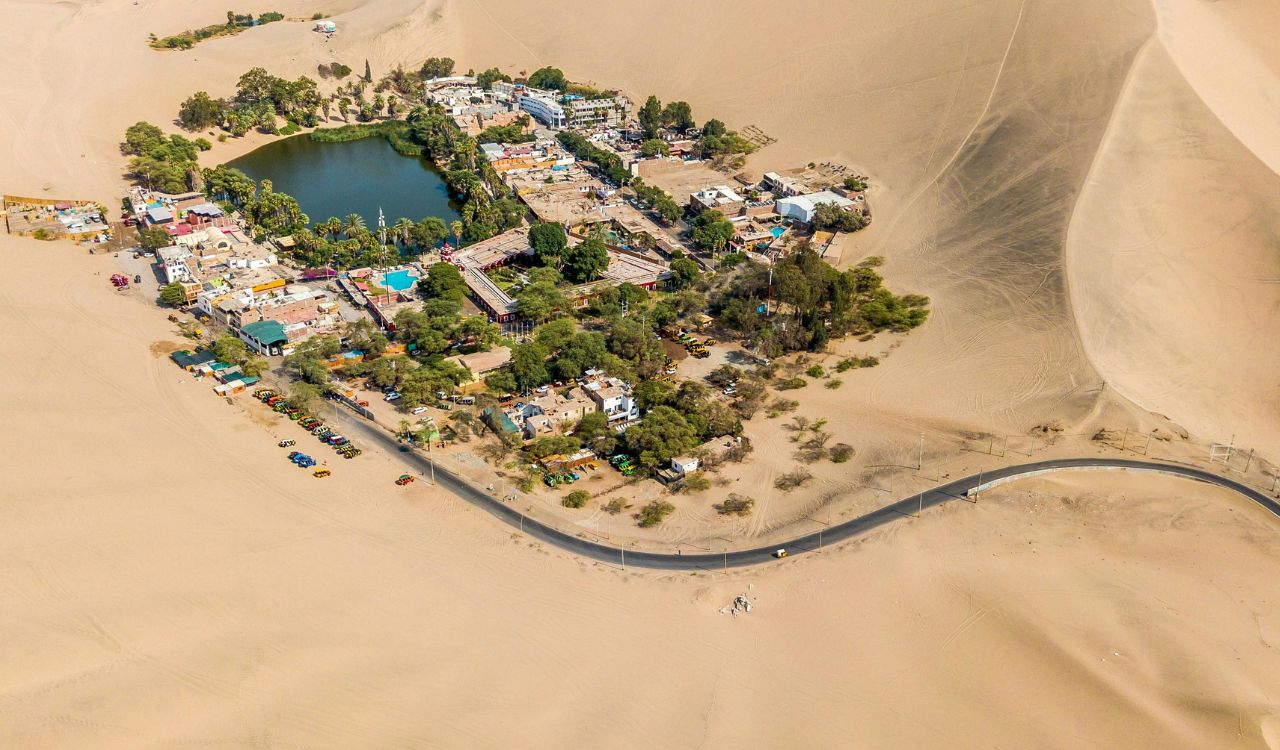
Peru surprises travelers with altitude and climate contrast. Cusco sits at 3,400 meters, where oxygen levels drop by nearly 30%. Tourists packing heavy layers struggle with luggage while feeling breathless. Daytime temperatures can hit 20°C, then fall to 0°C after sunset. Many underestimate sun exposure; UV levels at altitude are up to 25% stronger, leading to burns within hours. Rainy season hikes turn trails muddy, destroying casual shoes. Travelers often walk 15,000 steps daily across slopes and stairs. Outdoor shops report tourists spending $100+ replacing inadequate gear.
6. Morocco
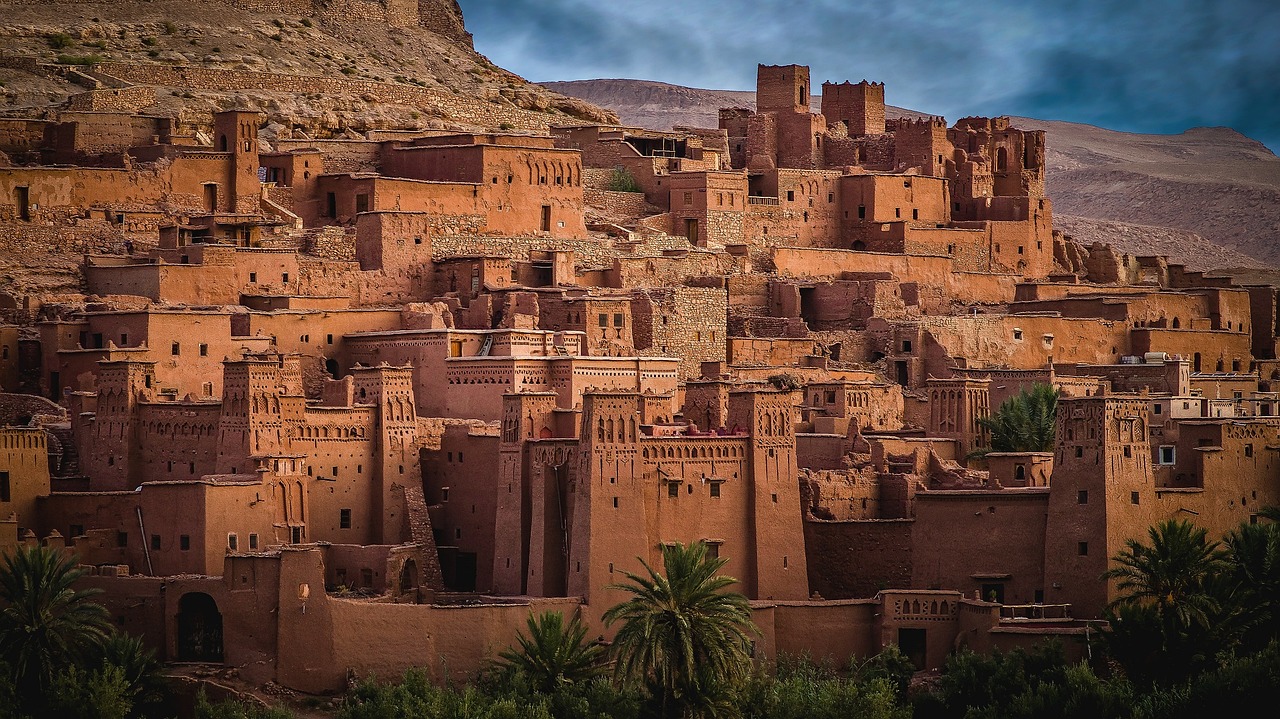
Morocco challenges expectations fast. Summer temperatures frequently exceed 40°C, yet evenings can drop below 15°C in desert regions. Tourists often pack tight or revealing clothes, then realize loose, covering garments are far more comfortable and respectful. Medina streets average less than 2 meters wide, making wheeled luggage impractical. Many riads lack elevators, forcing travelers to carry bags up multiple floors. Walking distances reach 10–14 kilometers daily through uneven stone paths. Sand and dust penetrate fabrics easily. Visitors commonly buy scarves, layers, and sandals within 48 hours of arrival.
7. New Zealand
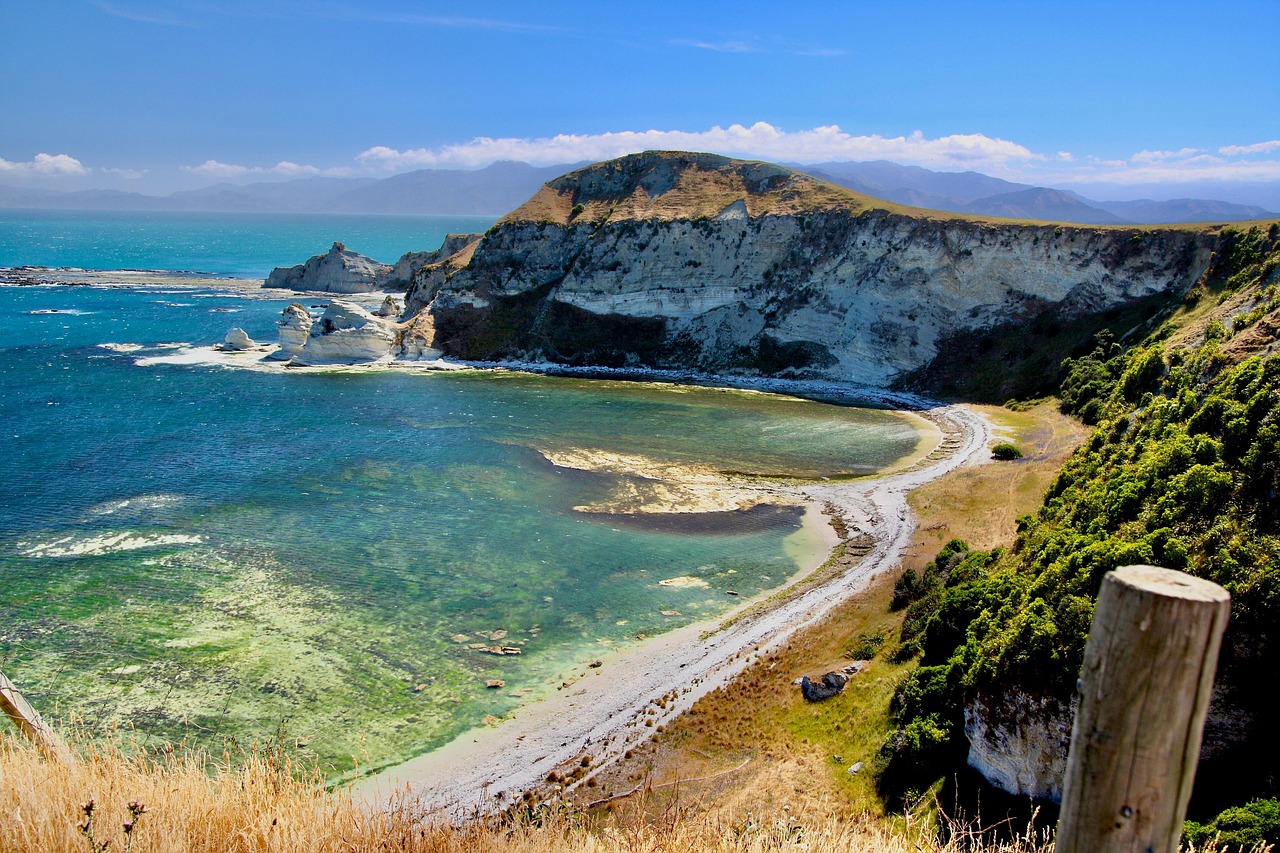
New Zealand punishes overconfidence with variety. Tourists experience four seasons in one day, especially in alpine regions. Rainfall changes rapidly, and wind gusts can exceed 50 km/h near coasts. Hikers average 12–18 kilometers per day, often on muddy or rocky trails. Casual sneakers fail quickly, leaving feet soaked and cold. UV exposure is intense; New Zealand records skin burn times as low as 10 minutes in summer. Many visitors skip proper sun protection or waterproof shells. Outdoor retailers note tourists spending NZ$200–NZ$400 replacing poorly chosen gear mid-trip.