We may earn money or products from the companies mentioned in this post. This means if you click on the link and purchase the item, I will receive a small commission at no extra cost to you ... you're just helping re-supply our family's travel fund.
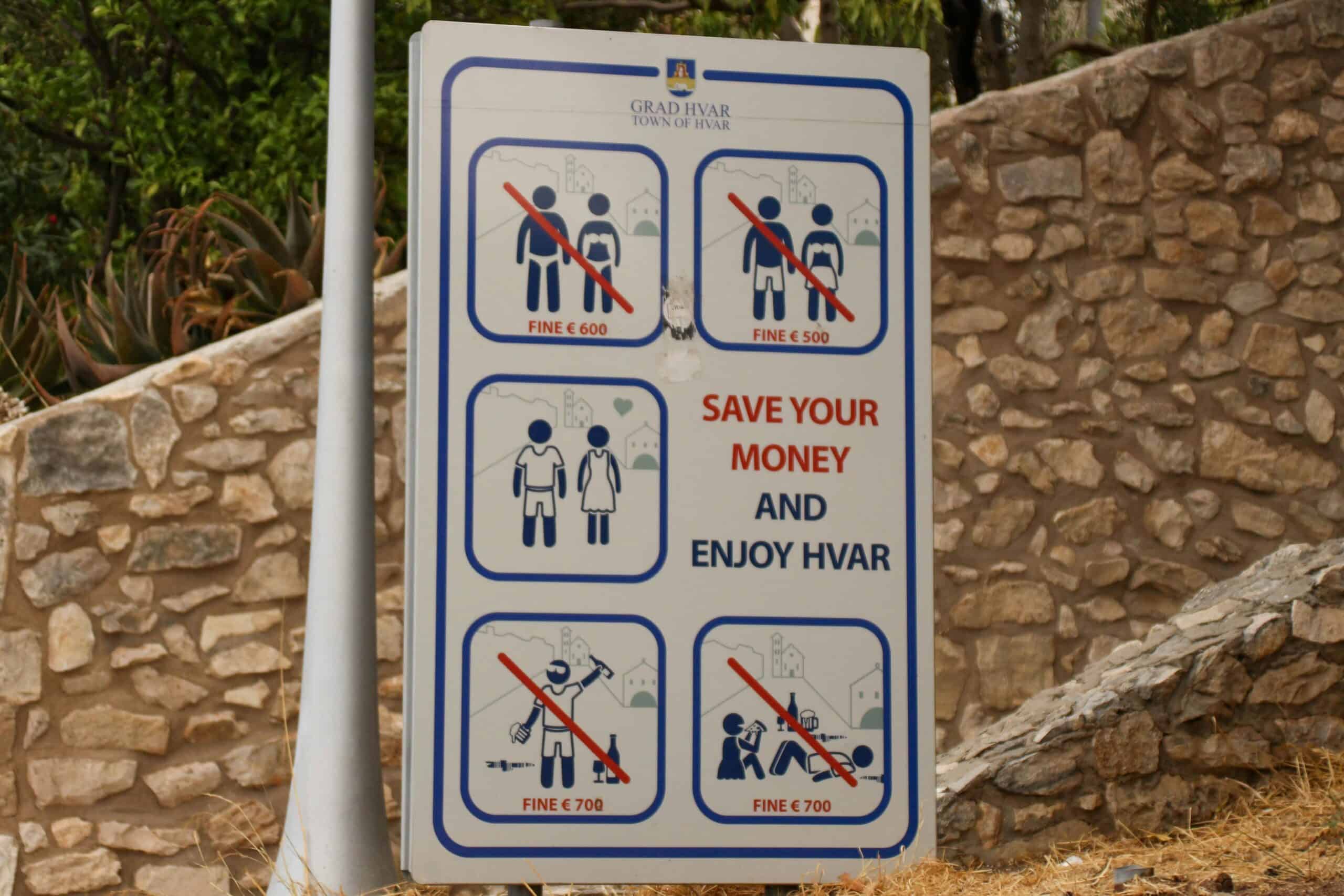
Travel etiquette is often described as a soft skill, but in many countries, public behavior sits at the border of culture and law. A raised voice, a careless joke, a casual gesture, or the wrong kind of street photo can trigger fines, detention, or deep social friction that drains time and peace. The point is not fear. It is awareness. These seven destinations are unforgettable for all the right reasons, yet they demand sharper attention to what happens in public spaces.
Singapore
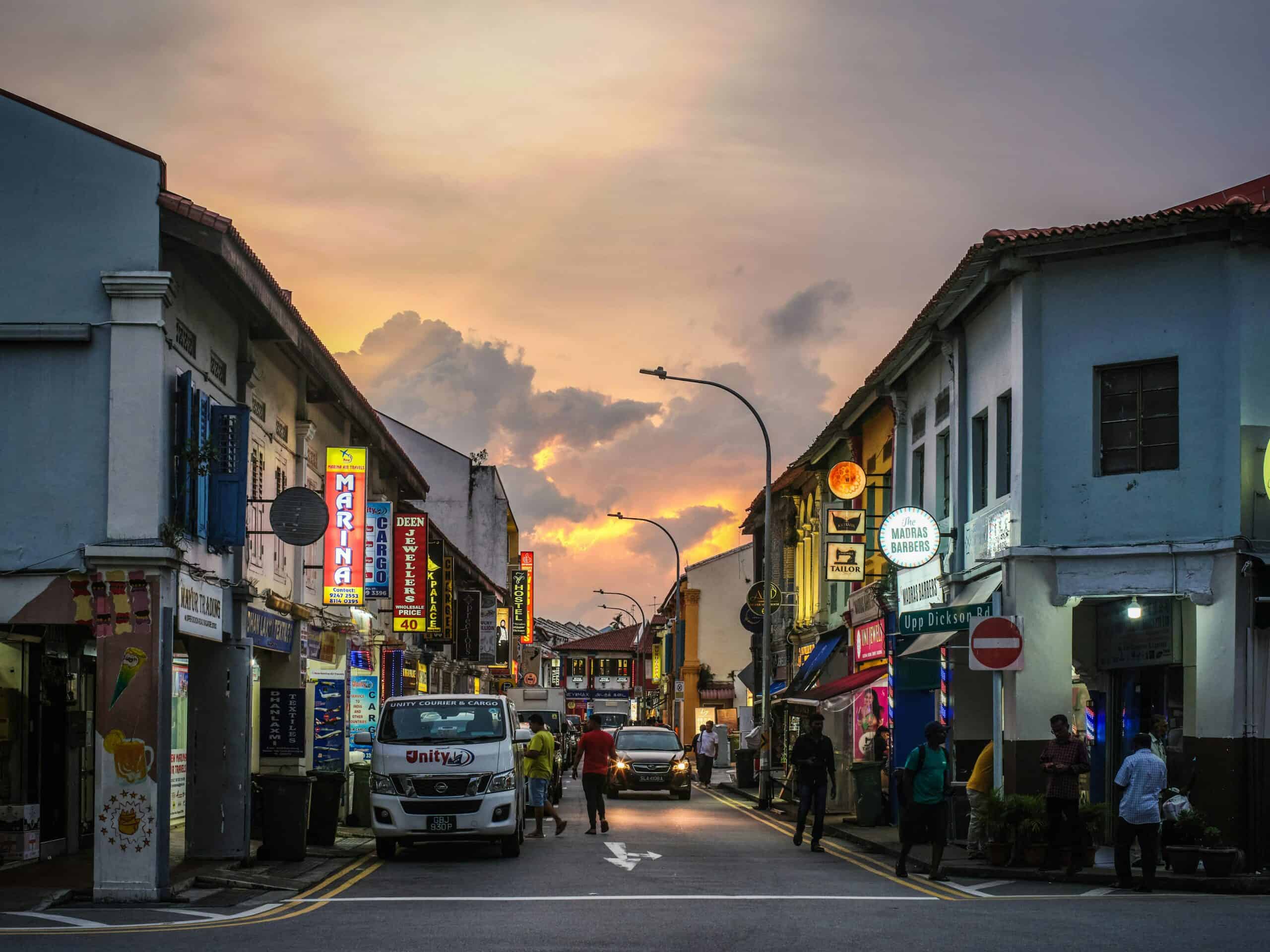
Singapore rewards orderly public spaces, and the rules are enforced with penalties that can derail even a short stopover. The National Environment Agency says first-time littering convictions can bring fines up to S$2,000 and may include a Corrective Work Order, while repeat offenses can rise further, and smoking controls are enforced across many public zones. Singapore Customs also restricts unauthorized chewing gum imports except approved therapeutic categories, so one careless sidewalk snack, one tossed wrapper, or one cigarette in the wrong place can shift a smooth itinerary into paperwork, penalties, lost time, and avoidable stress.
Japan
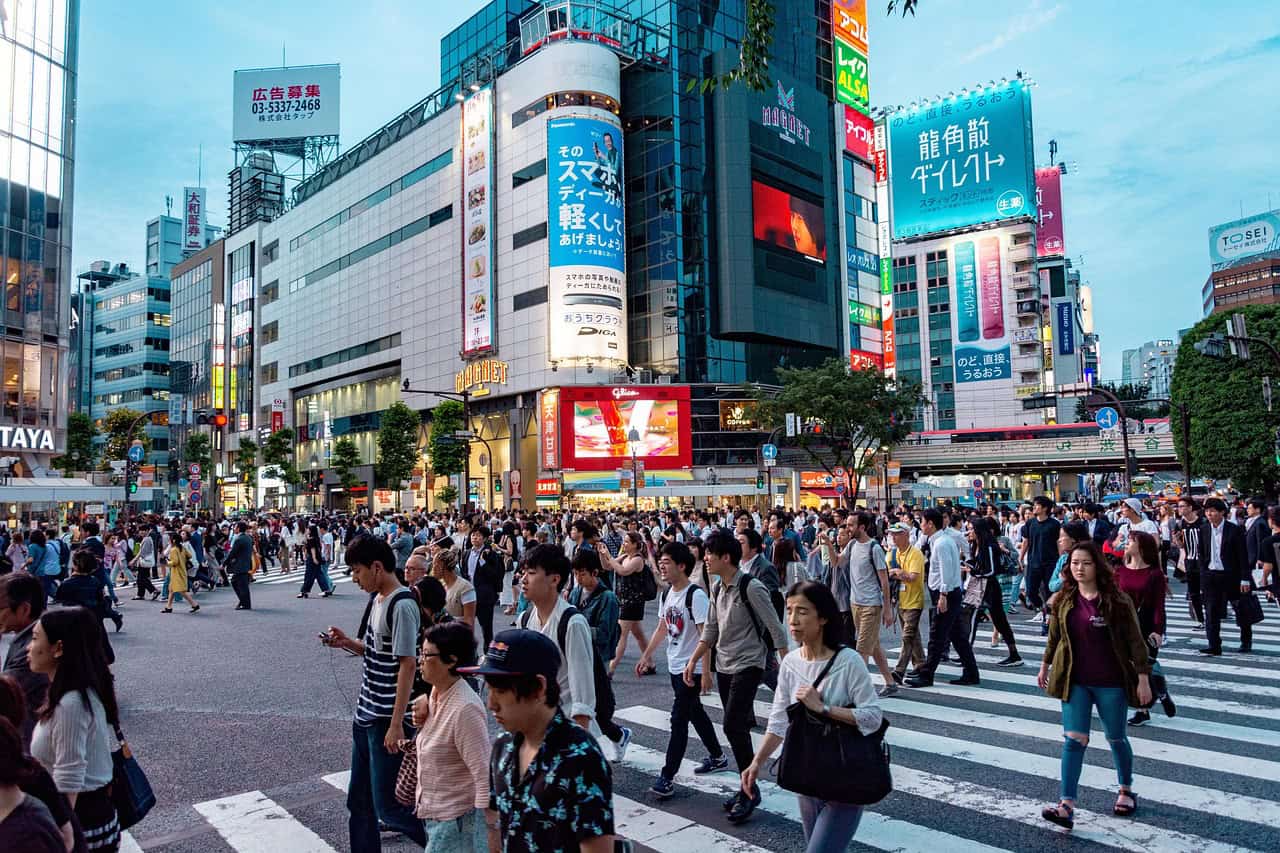
Japan often feels gentle, yet public etiquette is structured and visible, especially in transport hubs and busy city streets. Japan’s official tourism guidance notes that phone conversations on trains are generally frowned upon, riders are expected to keep voices low, and street-smoking bans exist in many areas with possible fines, all designed to protect calm shared space. The risk is not usually dramatic arrest, but trip quality can slide fast when loud transit behavior, line-cutting, or careless trash habits create friction with staff, commuters, and businesses that value quiet order, punctual movement, and shared courtesy.
Thailand
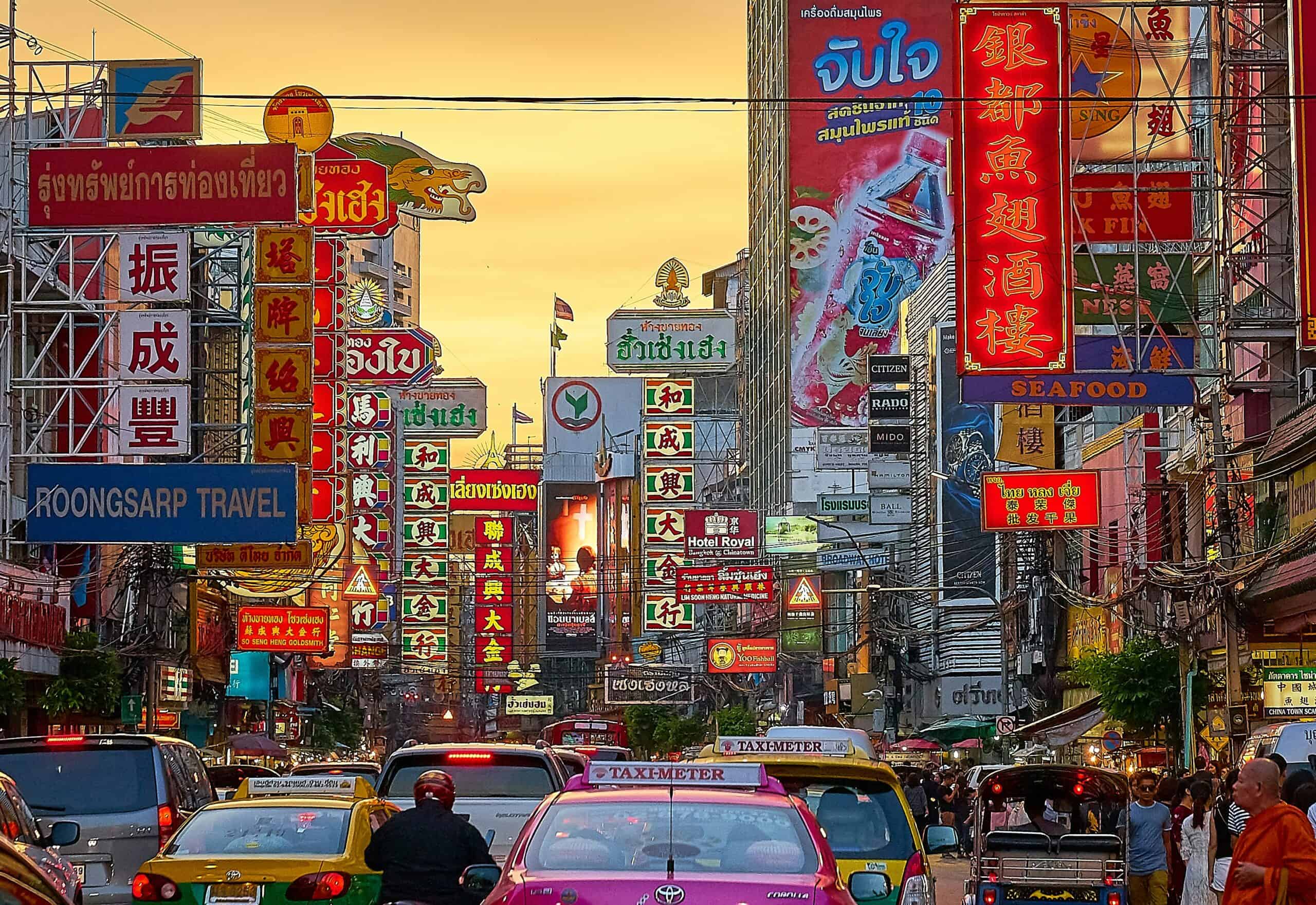
Thailand can shift from relaxed to legally serious when behavior crosses social and political lines in public or online. UK travel guidance states that criticism of the monarchy under lèse-majesté laws can carry long prison terms, and even sharing content can lead to charges, while public smoking can draw fines up to 5,000 baht and e-cigarettes are illegal with possible fines or imprisonment. A holiday mindset does not cancel local law, so a quick post, a casual vape, or a thoughtless remark can turn a beach itinerary into legal stress, embassy calls, expensive delays, and long days spent handling procedures instead of travel plans.
United Arab Emirates

In the United Arab Emirates, ordinary public conduct can trigger legal consequences that surprise travelers used to looser norms. UK guidance says swearing or rude gestures are illegal and may lead to jail or deportation, and public kissing can lead to arrest, with additional penalties possible for unsafe road behavior in public areas. During Ramadan, eating, drinking, smoking, or chewing gum in public daylight hours can cause offense and legal trouble, making emotional self-control in crowds, traffic, and queues a practical travel skill that protects both safety and schedule.
Qatar
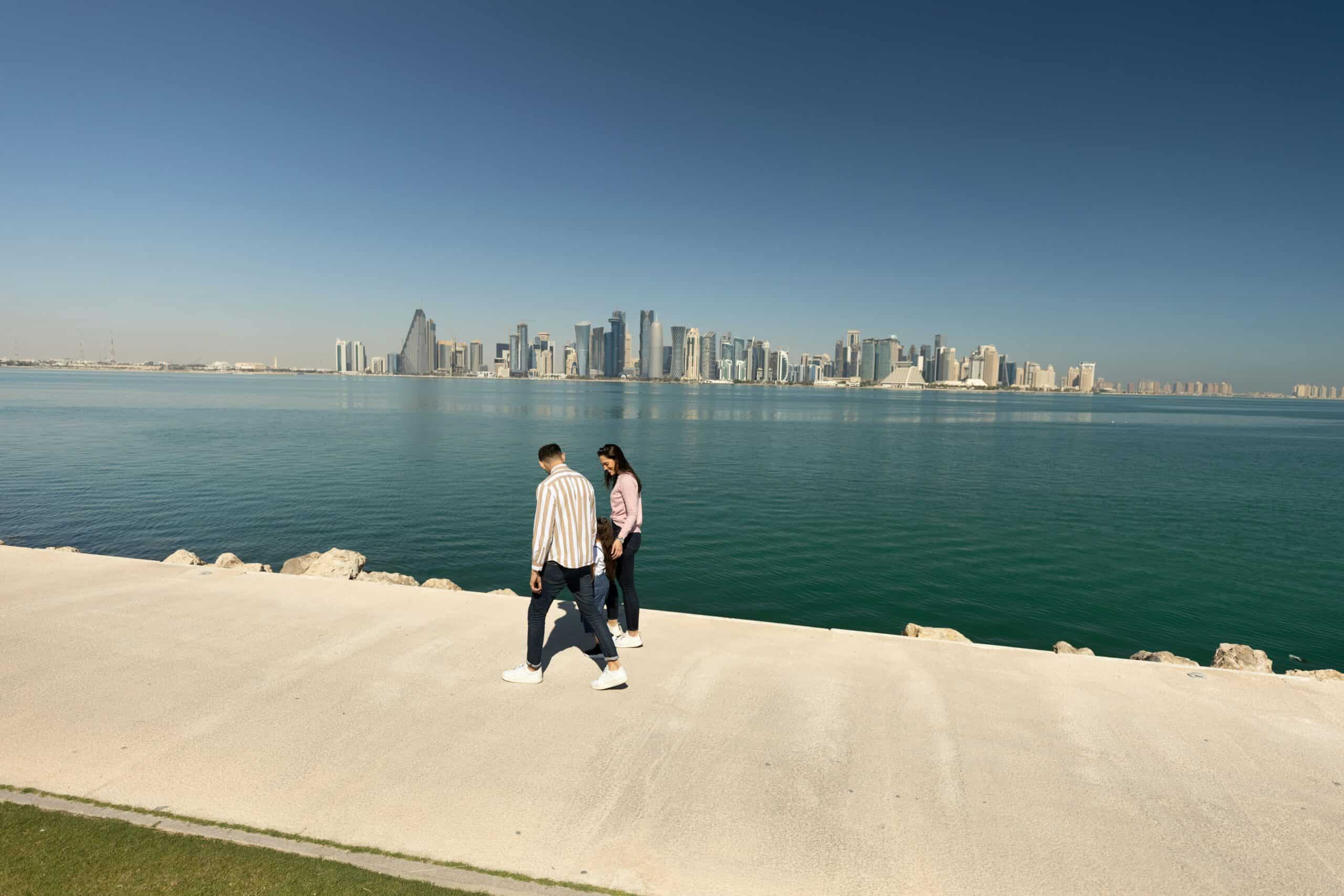
Qatar maintains strict expectations for public conduct, and enforcement is practical rather than symbolic in daily life. UK guidance says swearing and rude gestures are treated as obscene acts that can lead to jail or deportation, public intimacy can result in arrest, and drinking in unlicensed public places can bring up to 6 months in prison or fines, while vaping is illegal with potential criminal penalties. The country is welcoming during major events, yet the legal baseline remains conservative, so calm speech, modest conduct, and restraint in nightlife settings are essential for a smooth trip, especially after midnight in busy districts.
Saudi Arabia
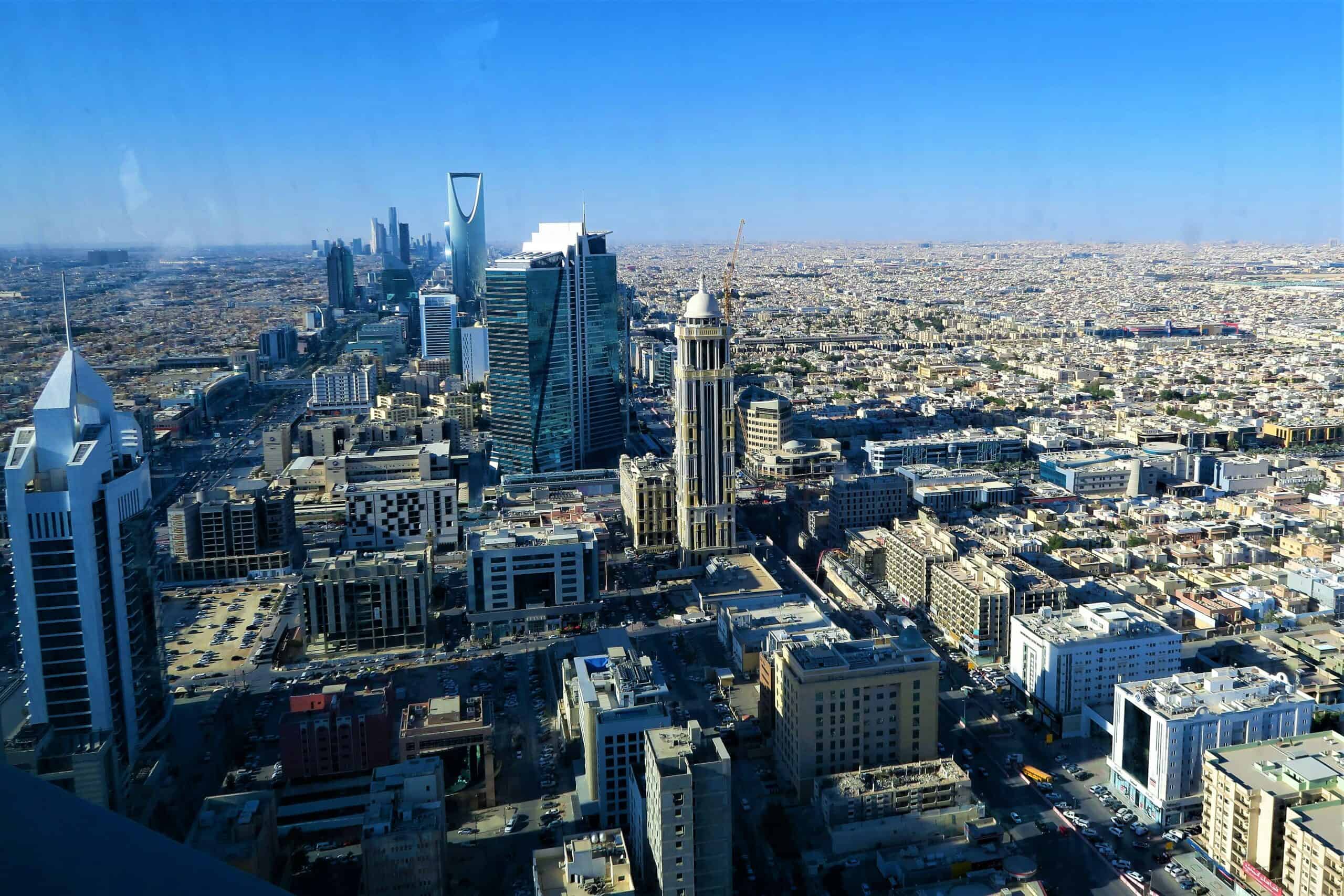
Saudi Arabia has opened rapidly to tourism, but public behavior rules remain firm and can carry significant consequences. UK guidance says conduct such as public affection, rude gestures, or statements authorities view as disruptive can draw fines, imprisonment, or deportation, and it also states that drinking alcohol or being drunk in public is illegal and may bring severe penalties, including prison. Reform and strict enforcement now coexist, so the safest approach is respectful dress, measured language, and low-profile behavior in malls, streets, and mixed public gatherings, where a single public scene can quickly escalate.
Italy
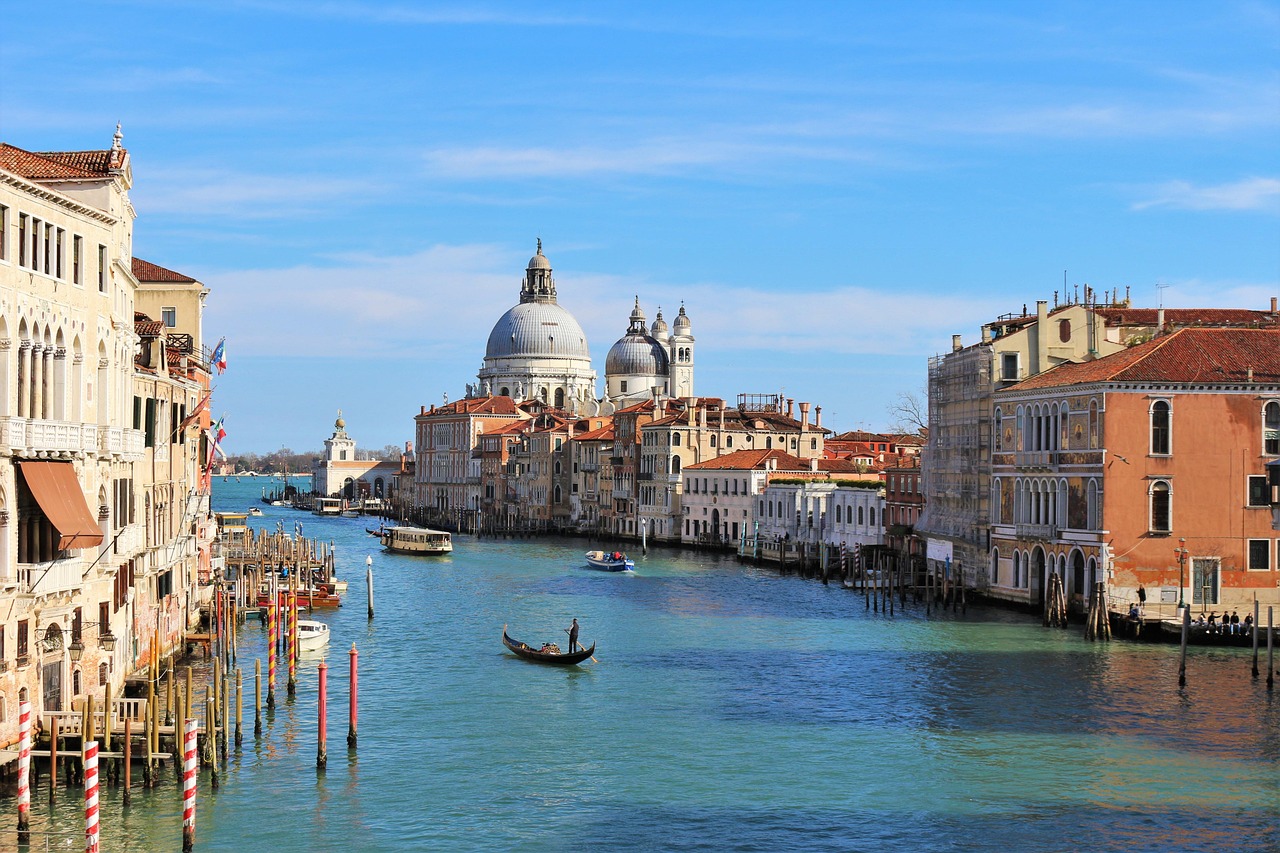
Italy is generally relaxed, yet some high-pressure destinations enforce strict street-behavior rules to protect fragile heritage zones. Venice city regulations state that sitting on monuments, bridges, steps, or walkways while eating or drinking can be fined, and swimming in canals or wearing swimsuits away from beaches also carries penalties, with administrative fines listed from €25 to €500 and urban banning orders in certain cases. In crowded historic centers, conduct that feels casual elsewhere can be interpreted as disrespectful, and a simple lunch break on a staircase can become an expensive interruption for the rest of the day.