We may earn money or products from the companies mentioned in this post. This means if you click on the link and purchase the item, I will receive a small commission at no extra cost to you ... you're just helping re-supply our family's travel fund.
In some countries, etiquette is not just a social nicety. It is tied to law, public order, and the way a place protects religion, monarchy, or shared space. Trouble often starts small: an offhand comment, a casual photo, a medication that seems ordinary at home, or a public gesture that reads as contempt. Authorities may not accept ignorance as a defense, and penalties can be far harsher than visitors expect. These seven countries show how quickly a cultural misstep can become a legal problem, and why a little homework can save a trip.
Singapore
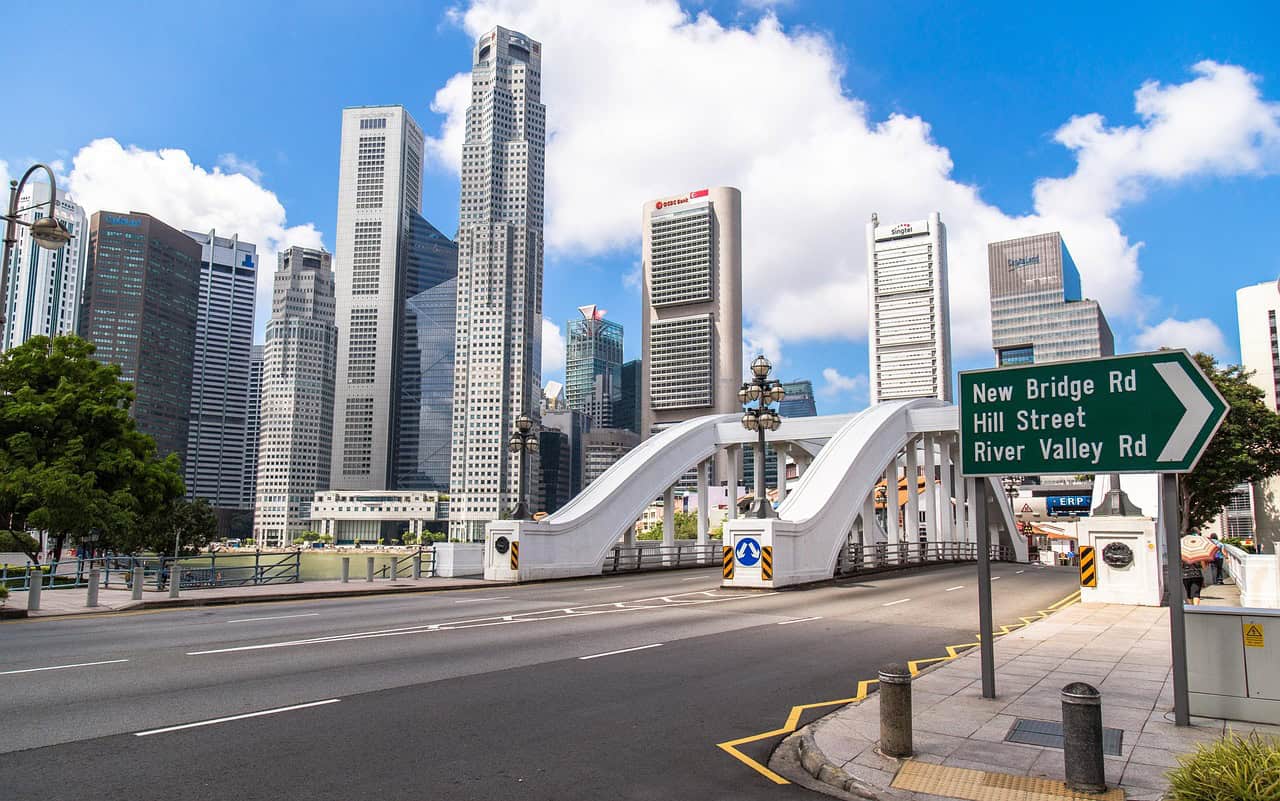
Singapore’s rules reflect a national obsession with order, and breaking them can turn a short visit into a court date. Vaping is illegal and can bring fines, importing chewing gum is broadly prohibited except limited therapeutic channels, and littering is actively enforced, with a typical S$300 composition for a first offense. Drug laws are the sharp edge: authorities can act if traces show up in tests, even when use happened elsewhere, and penalties for possession or trafficking can be extreme, including caning or death sentences in serious cases, so a casual party choice can follow someone straight to immigration.
United Arab Emirates
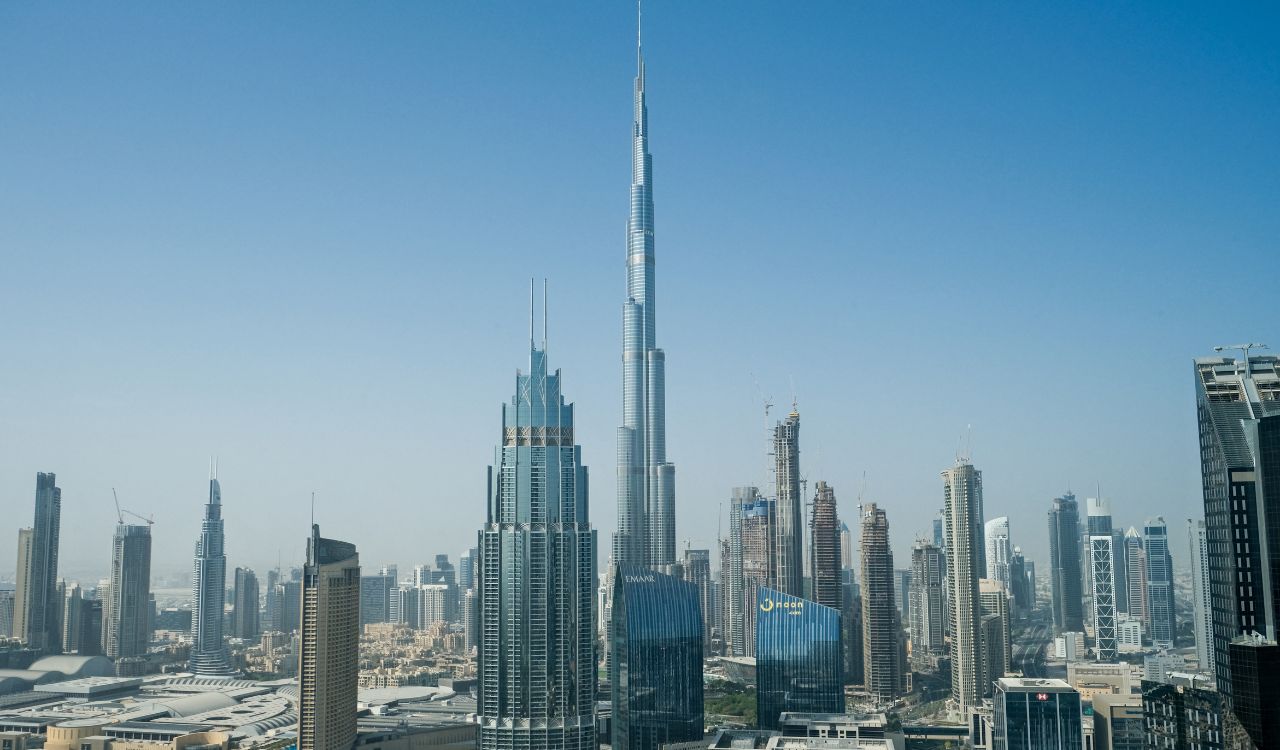
In the UAE, local custom and criminal law overlap, especially around public behavior, sex, and substances. Being intoxicated in public can lead to arrest, alcohol is illegal in Sharjah, rude hand gestures can trigger fines, jail, or deportation, and photographing people without consent has led to arrests. Authorities also treat drugs and some CBD products as serious offenses, counting residual amounts and even drugs in the bloodstream as possession, and unpaid hotel bills can be treated as financial crime, so a trip that looks harmless online can become a legal problem during a transit baggage scan, a traffic stop, or an airport interview.
Saudi Arabia
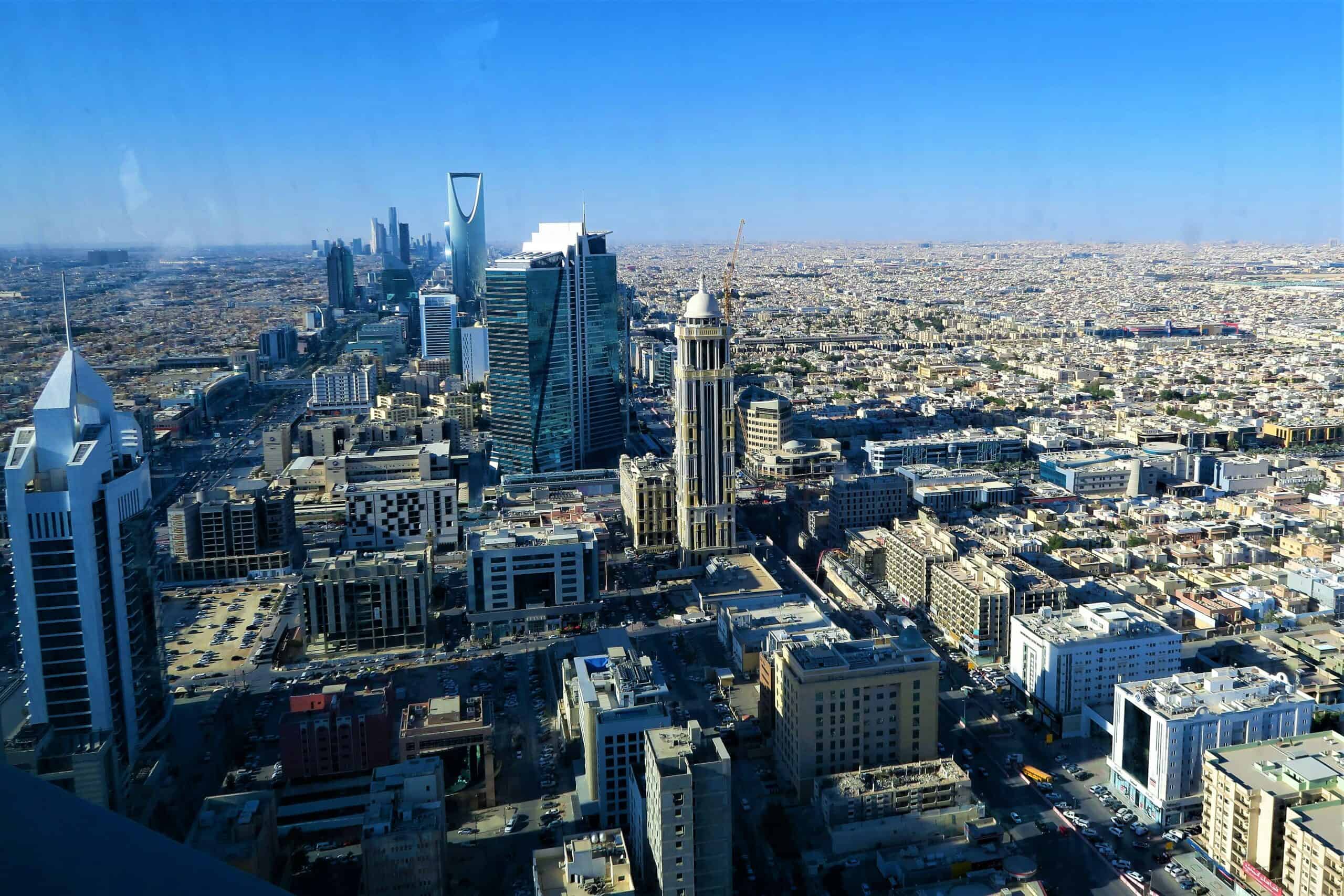
Saudi Arabia expects public life to match local religious norms, and visitors can face penalties when behavior reads as disrespect. During Ramadan, eating, drinking, smoking, or chewing gum in public daytime can bring trouble, and dress expectations are explicit, with loose clothing covering elbows and below the knees. Alcohol and drugs are illegal, photographing government or military sites is banned, attempts to convert others are prohibited, and public criticism of the leadership, Islam, or culture, including old social posts, can be treated as a public-order offense with long custodial sentences, so the safest souvenir is restraint.
Thailand
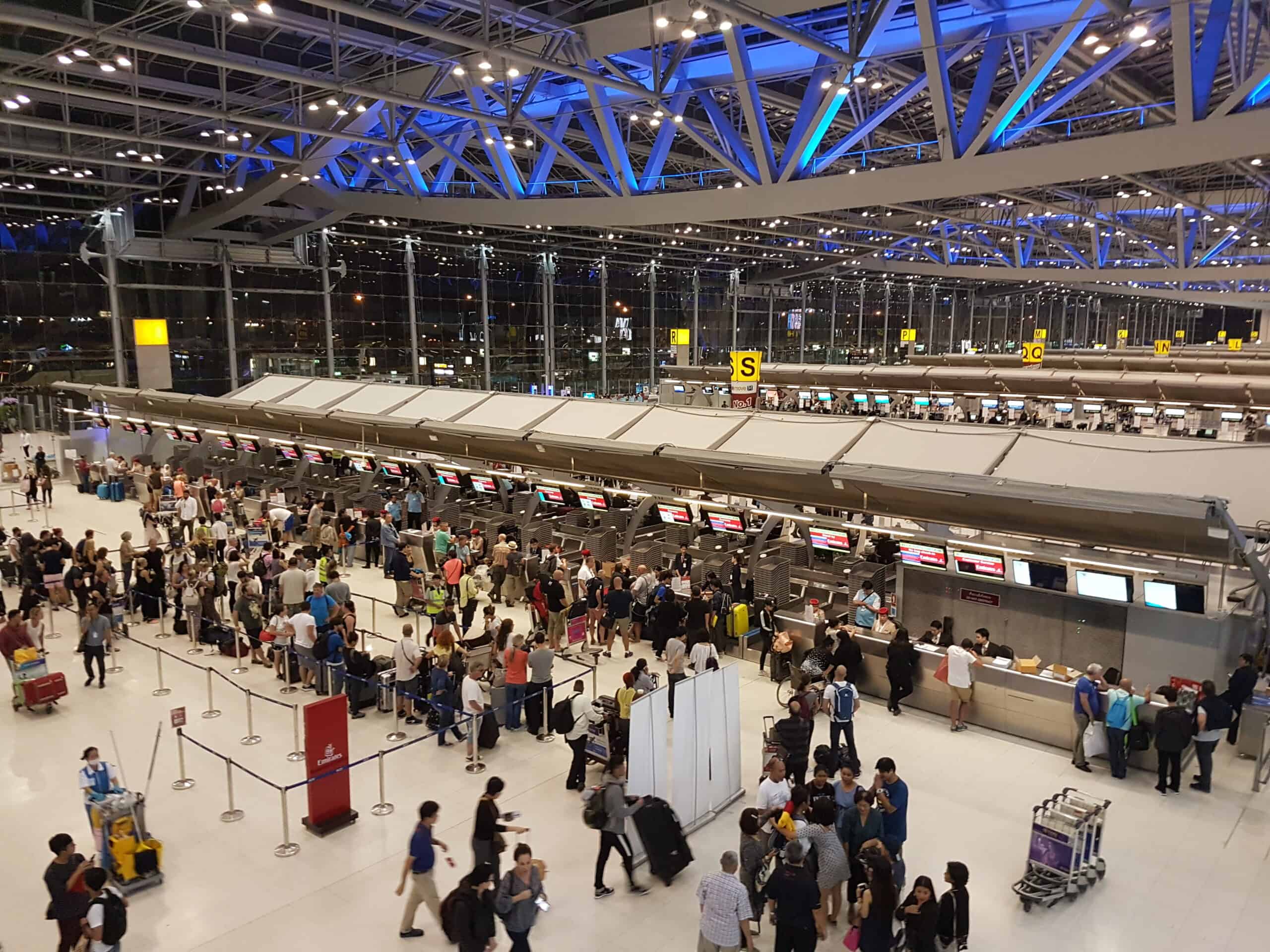
Thailand’s warm welcome comes with a hard line around the monarchy and public respect, and casual speech can carry real risk. Lèse-majesté cases can be triggered by comments, shares, or jokes, the law can be interpreted broadly, and penalties can reach up to 15 years per offense, with even tearing banknotes, which carry the King’s image, cited as a possible violation. Beyond politics, cultural disrespect can backfire fast: sacred sites expect modest behavior around Buddha images, and drug charges are treated severely, so the calmest trips are the ones that treat symbols, uniforms, and temples as non-negotiable parts of public life.
Indonesia
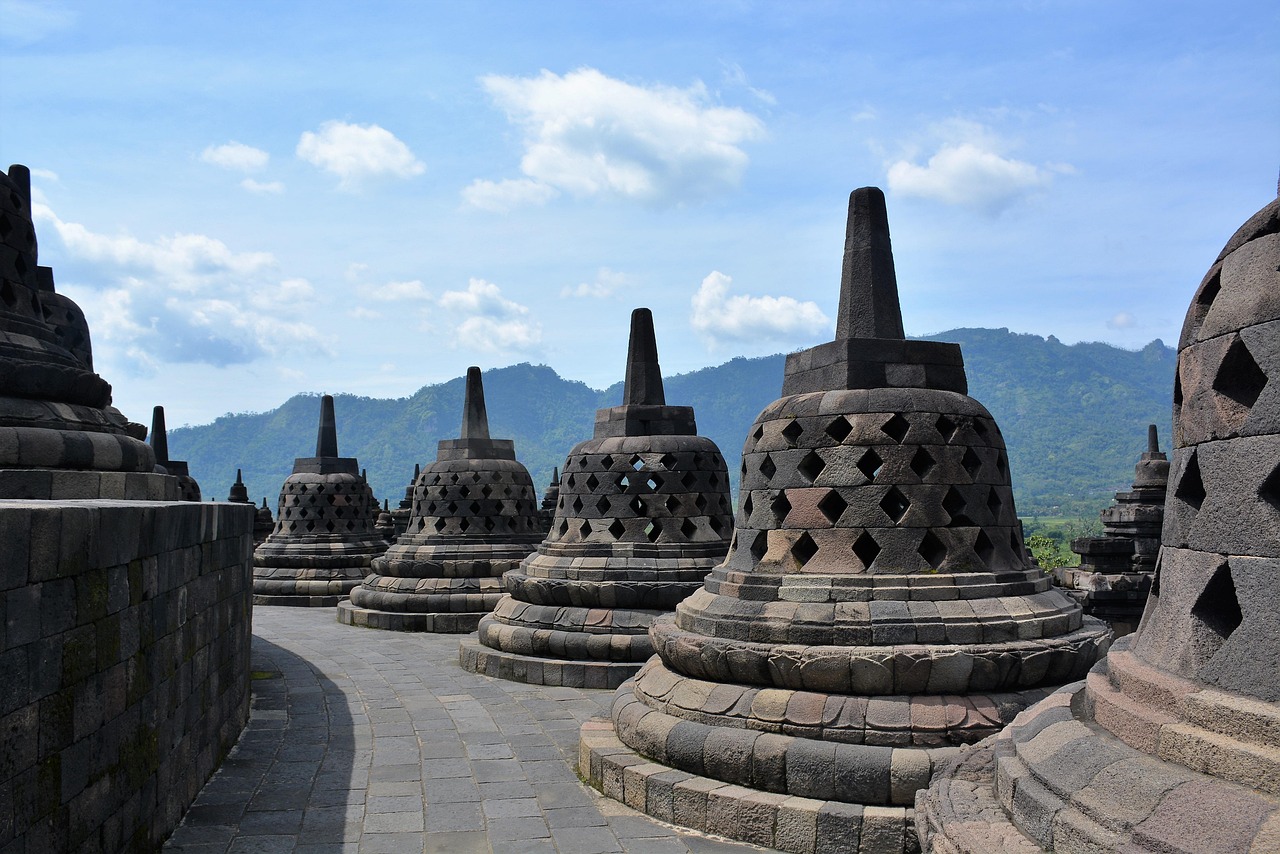
Indonesia’s cultural rules vary by island, but the legal risks stay consistent in areas that touch religion, sex, and drugs. Authorities warn that drug convictions can bring heavy fines, long sentences, or even the death penalty, and some prescription medications are illegal, so a familiar pill bottle can still become evidence. Standards of dress and behavior can be conservative, guidance warns against offensive photos at temples or ceremonies, and parts of a revised criminal code include penalties tied to cohabitation or sex outside marriage when a close family complaint is filed, so respect and discretion matter as much as sunscreen in Bali.
Japan
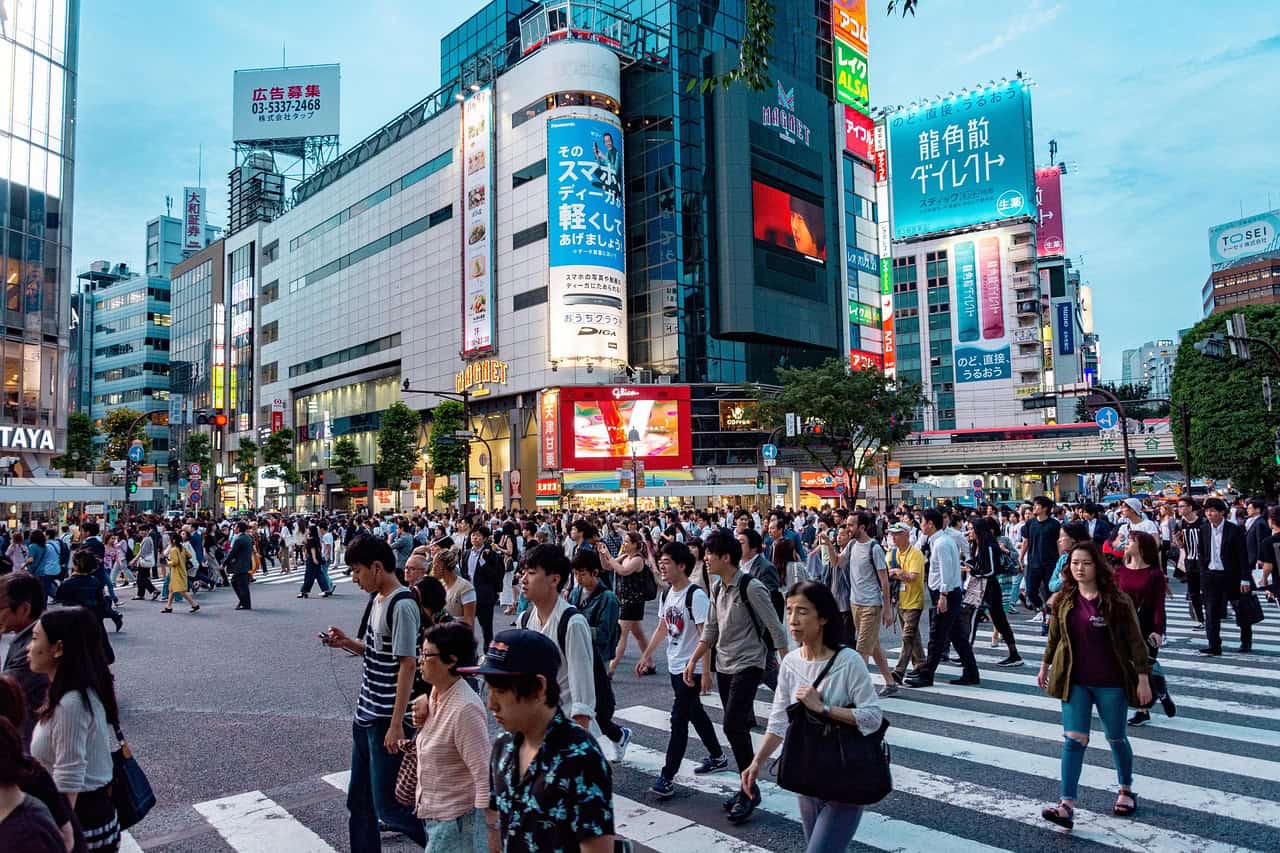
Japan’s social customs prize consideration for others, and the legal system reflects that same expectation of strict compliance. Authorities warn that some common cold, allergy, and pain medicines are illegal under Japan’s anti-stimulant drug laws, including products containing pseudoephedrine or codeine, and even Vicks inhalers, and foreign nationals have been detained and deported for carrying them, with ignorance not accepted as a defense. The lesson is simple: what feels like normal travel packing elsewhere can be treated as a controlled-drug offense on arrival, so Japan rewards travelers who treat pharmacy items, labels, and paperwork with care.
Malaysia
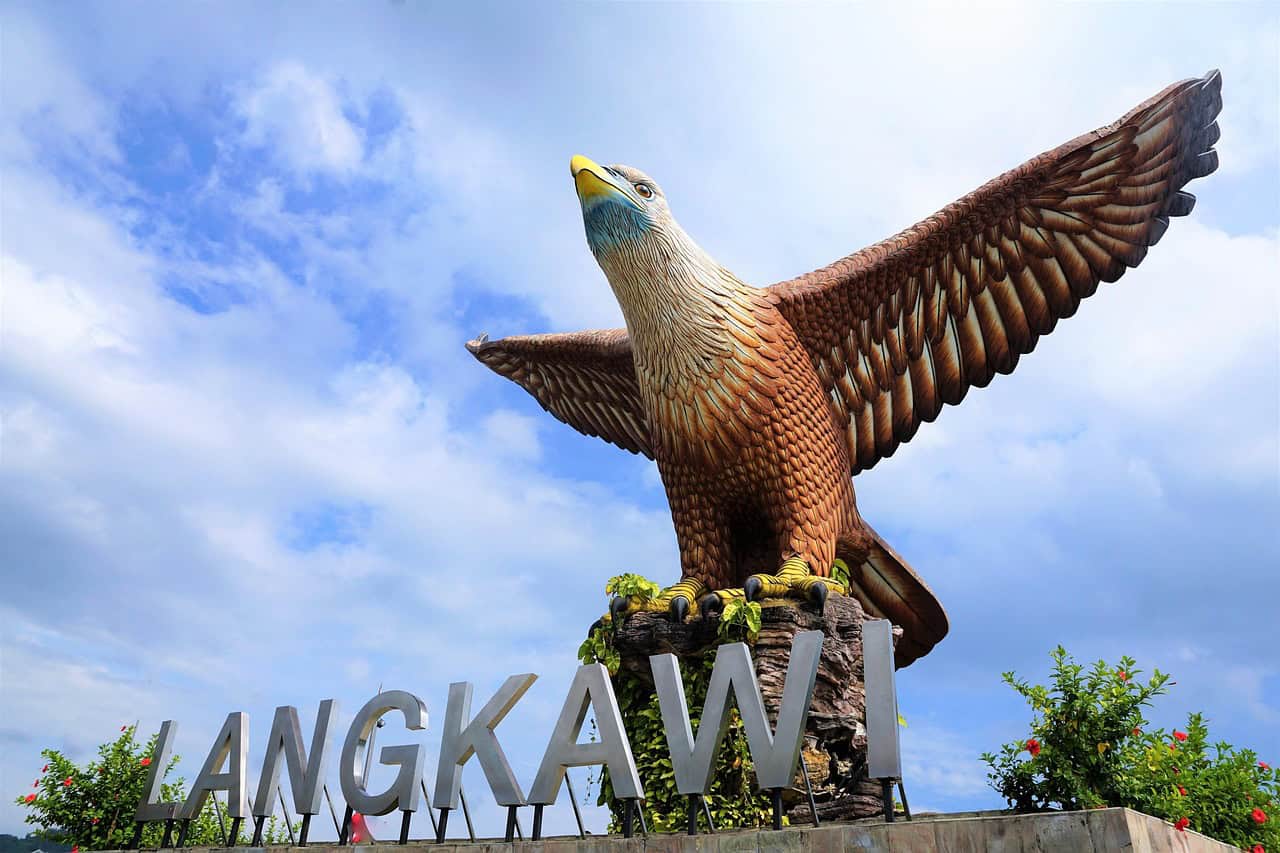
Malaysia blends cosmopolitan cities with conservative expectations, and trouble often comes from assuming norms are the same everywhere. Authorities describe zero tolerance for drug offenses, with severe penalties that can include long prison terms, whipping, and even a death sentence for trafficking, and officials may request drug screening on arrival in some situations. Public behavior matters, too: same-sex sexual acts are illegal under federal law, enforcement can include raids, and public affection can attract negative attention, so the safest approach is quiet respect for local sensibilities, especially outside Kuala Lumpur and resort zones.