We may earn money or products from the companies mentioned in this post. This means if you click on the link and purchase the item, I will receive a small commission at no extra cost to you ... you're just helping re-supply our family's travel fund.

For travelers crossing borders, the real culture shock often arrives with the check. In much of the world, service has long been treated as a profession with stable wages, not a gamble on how generous strangers feel that day. American style tipping looks excessive, confusing, or even rude in places where prices are expected to be honest and all inclusive. Yet tourism booms, higher costs, and tap to pay machines are quietly nudging even these resistant countries toward tip prompts and added fees.
Japan, Hospitality As Pride, Not Extra Income
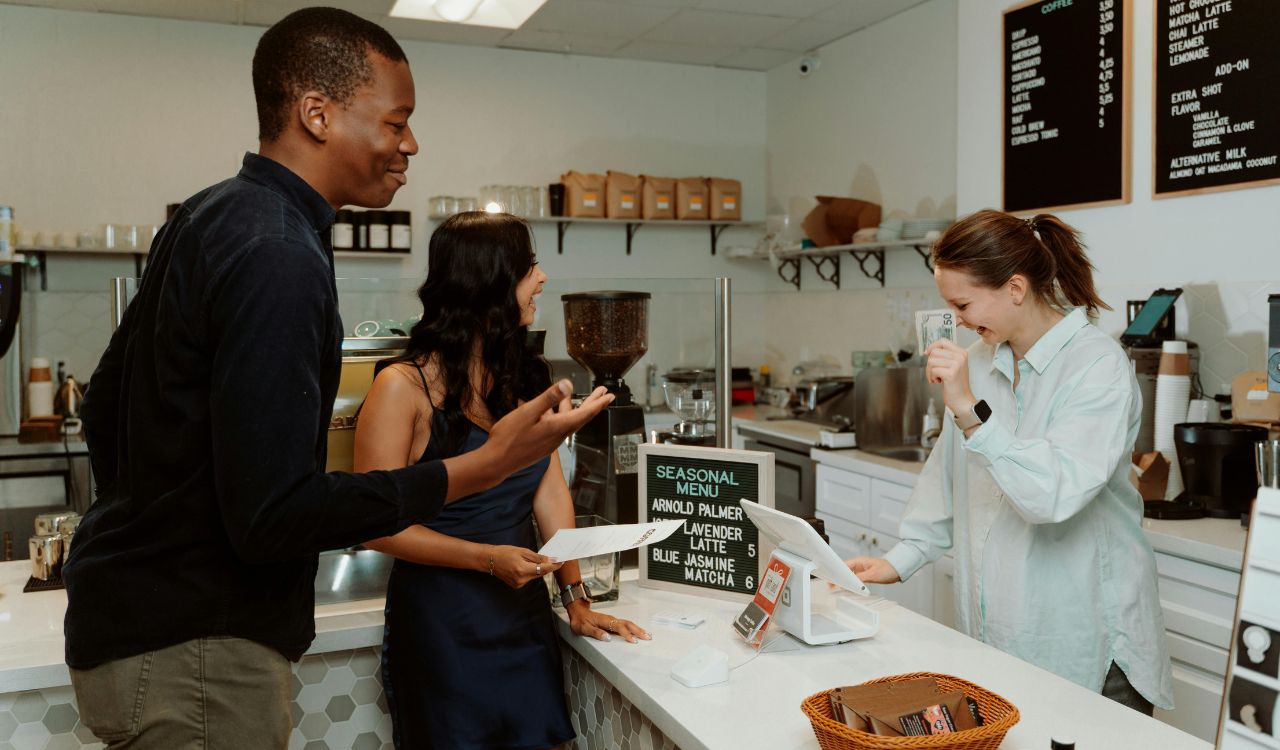
In Japan, the ideal meal or hotel stay reflects quiet perfection, not a hustle for more money at the end. Wages and service charges are already baked into prices, and slipping cash to staff can feel uncomfortable or vaguely insulting. Many businesses still refuse tips outright. Yet as tourism grows and small restaurants struggle with rising costs, tip jars and digital prompts appear more often in busy districts, creating a tug of war between deep cultural pride and simple financial survival.
South Korea, Service As Duty, Fees As A Workaround
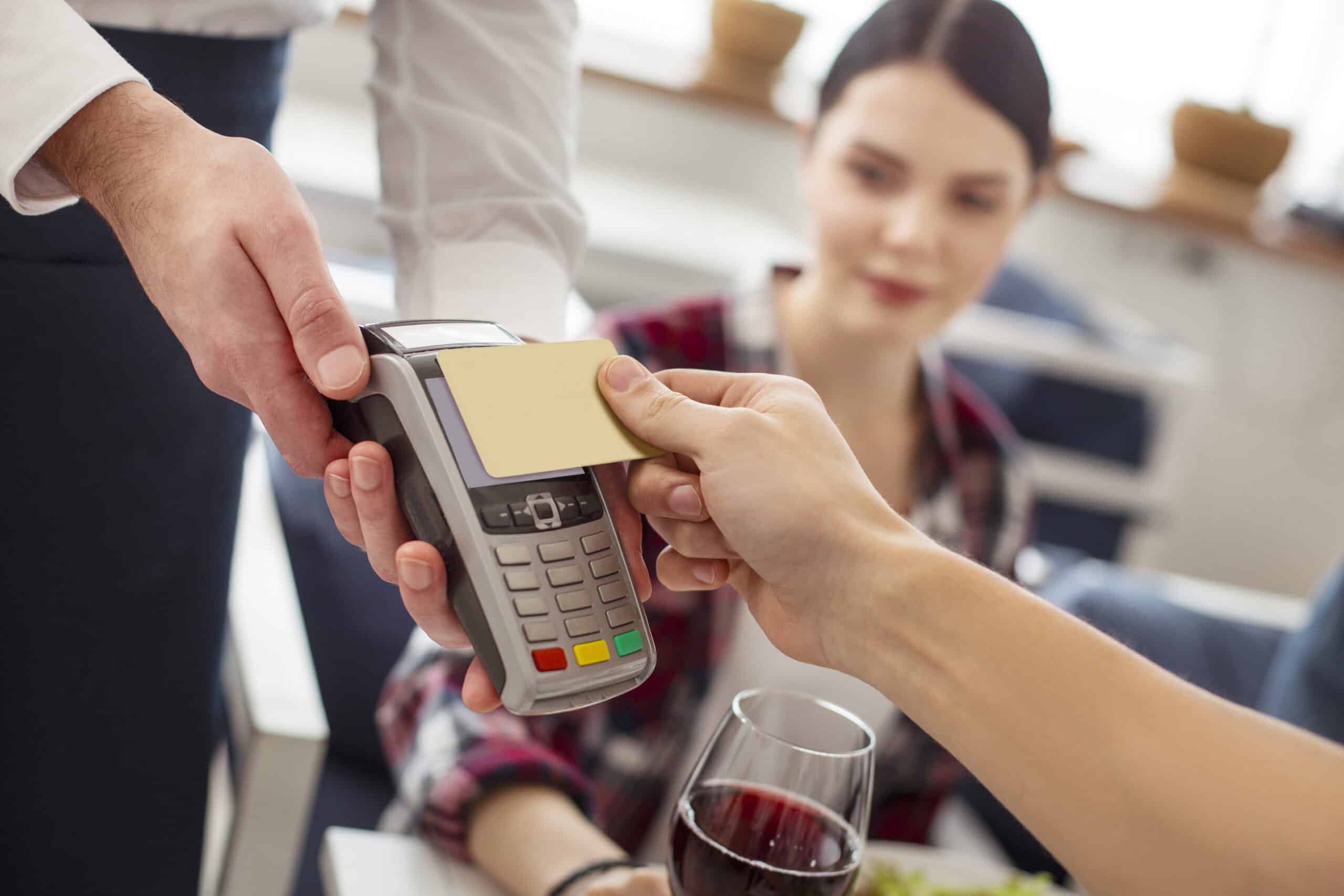
South Korea has long framed good service as basic professional duty, not something that deserves a separate reward each time. Diners historically pay what is on the menu and leave without hesitation or extra math. Direct tipping still feels awkward for many locals, especially in casual spots. At the same time, hotels, tour companies, and delivery platforms quietly add service fees or suggested gratuities aimed at visitors, importing American habits through small print and payment screens rather than open cultural change.
France, Service Included, Expectations Shifting In Tourist Zones
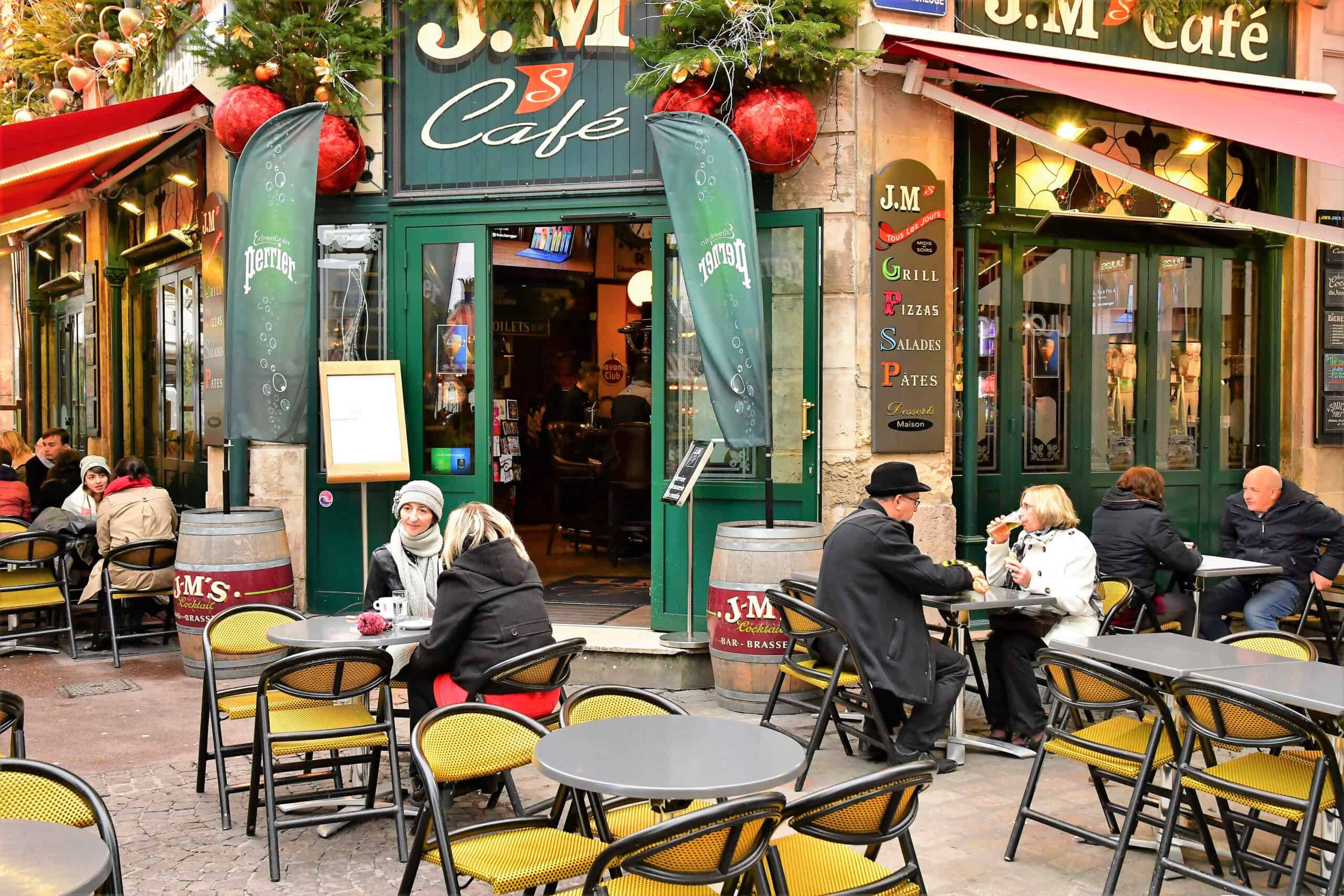
In France, restaurant prices traditionally include service, and locals often leave only a few coins for truly attentive care. The idea that a server’s livelihood depends on large gratuities clashes with French views of work, dignity, and transparent pricing. Still, heavy tipping from American visitors has had an impact, especially in central Paris. Some places now lean on subtle prompts, rounded up service charges, or verbal suggestions that feel much closer to U.S. practice, blurring a line that once seemed very firm.
Italy, Coperto Covers It, But Not Always
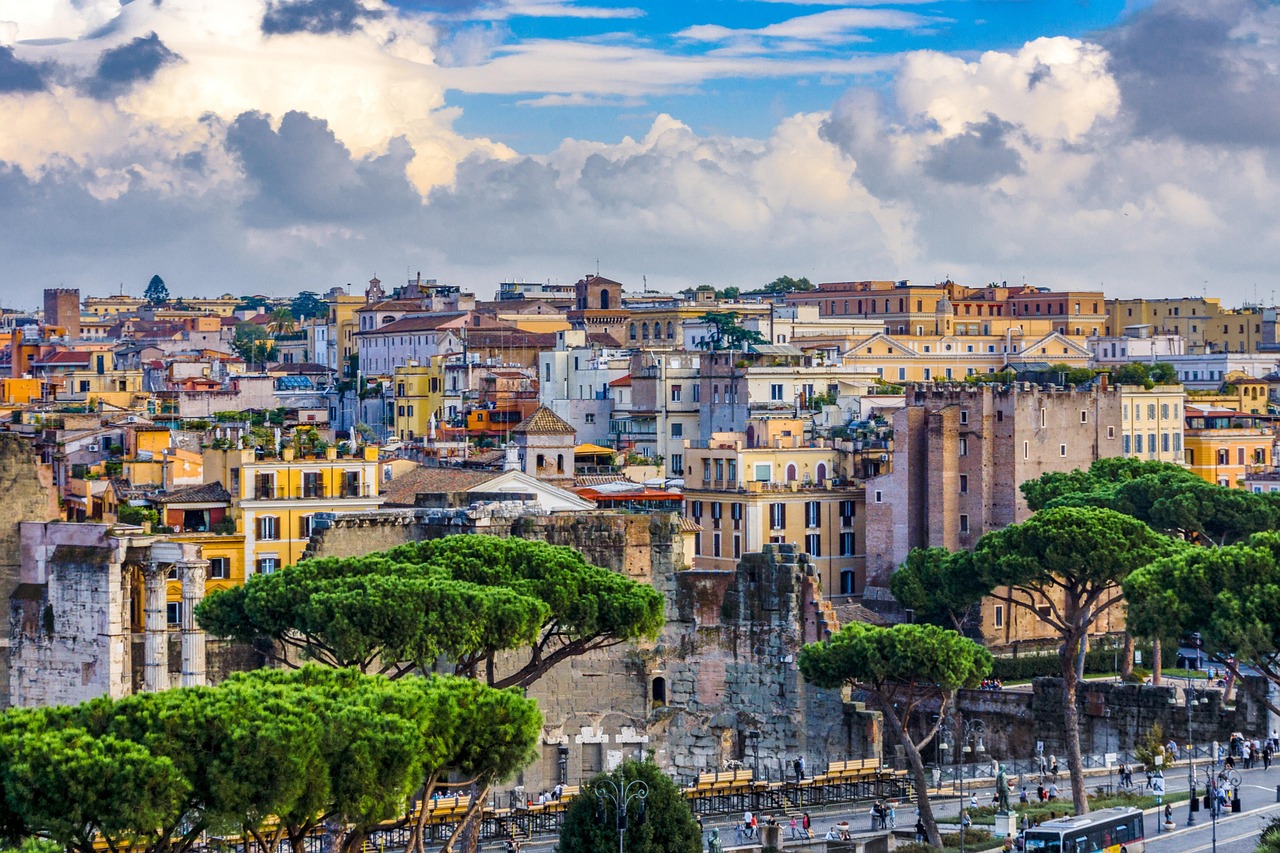
Italy’s bills often list a coperto or servizio line that covers bread, table setting, and basic service, so locals rarely add more than a small extra amount. The expectation is that staff are paid wages that do not depend on unpredictable tips. Yet in busy tourist centers, stories circulate of servers insisting that service is not included, hinting that an American style tip is still required. Between higher operating costs and crowds of visitors used to generous tipping, the traditional balance of coperto and modest gratitude feels increasingly strained.
United Kingdom, Traditional Gratuity Meets Tip Creep
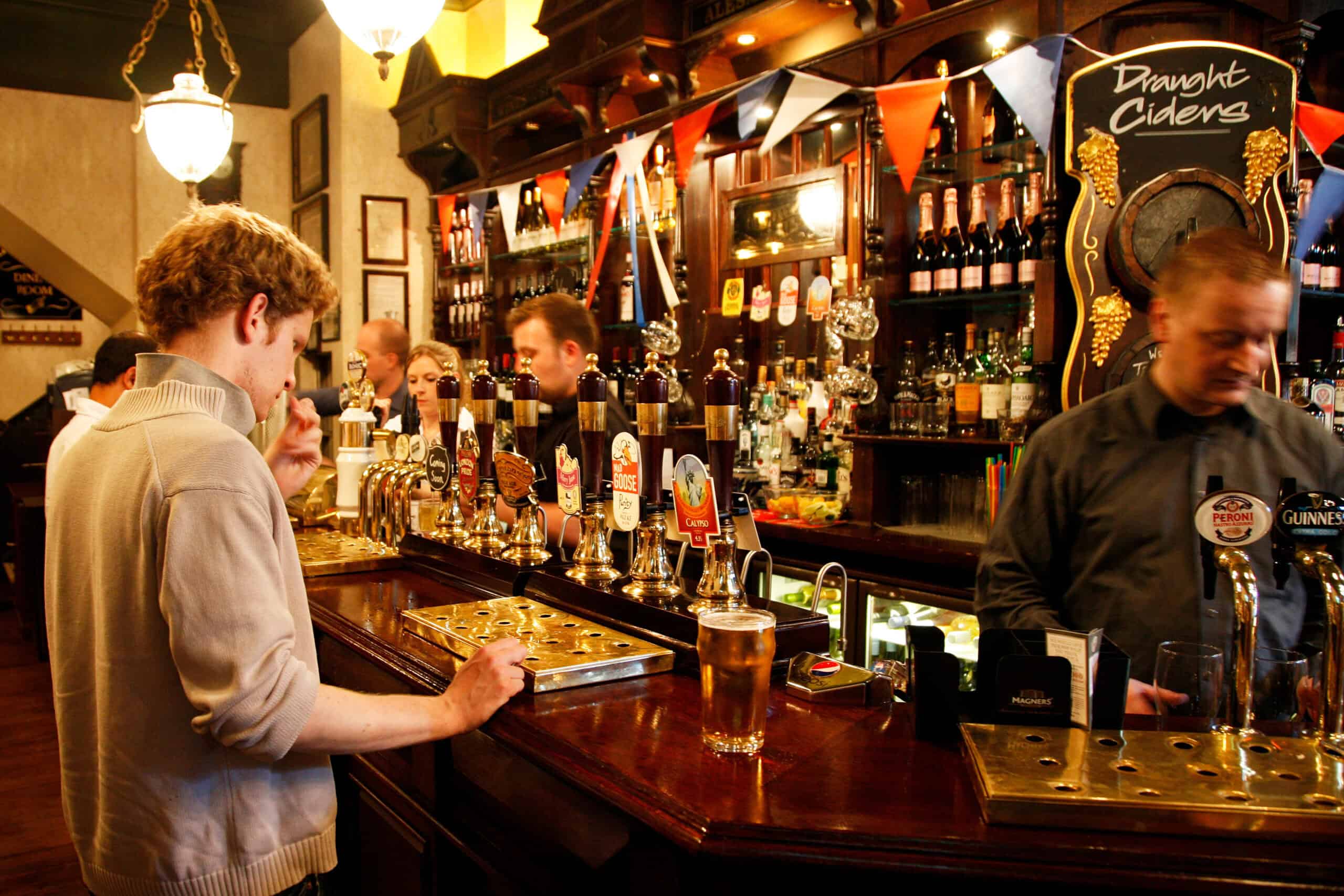
In the United Kingdom, tipping has usually meant a modest token in restaurants or rounding up a cab fare, not a second paycheck. Many diners still bristle at large automatic service charges, especially when wages are supposed to meet legal minimums. Recently, pubs and restaurants have adopted card machines with high default percentages, and some add service to bar orders that once were tip free. This creeping shift creates open grumbling, as locals insist that the country is not America while businesses chase new ways to cover rising costs.
Australia, Fair Wages First, Yet Screens Tell A Different Story

Australia’s identity leans hard on the idea of fair wages and straight talking prices. For years, locals proudly repeated that tipping simply is not part of the culture and that staff are paid properly without it. That belief has not disappeared, but cashless payments changed the script. Card terminals now nudge diners toward percentage options that feel very American, especially in trendy urban venues. Workers appreciate the extra income, owners depend on the boost, and a once clear rejection of tipping slowly gives way to a more conflicted reality.
New Zealand, Reluctant Tipper In A Tourist Heavy Economy
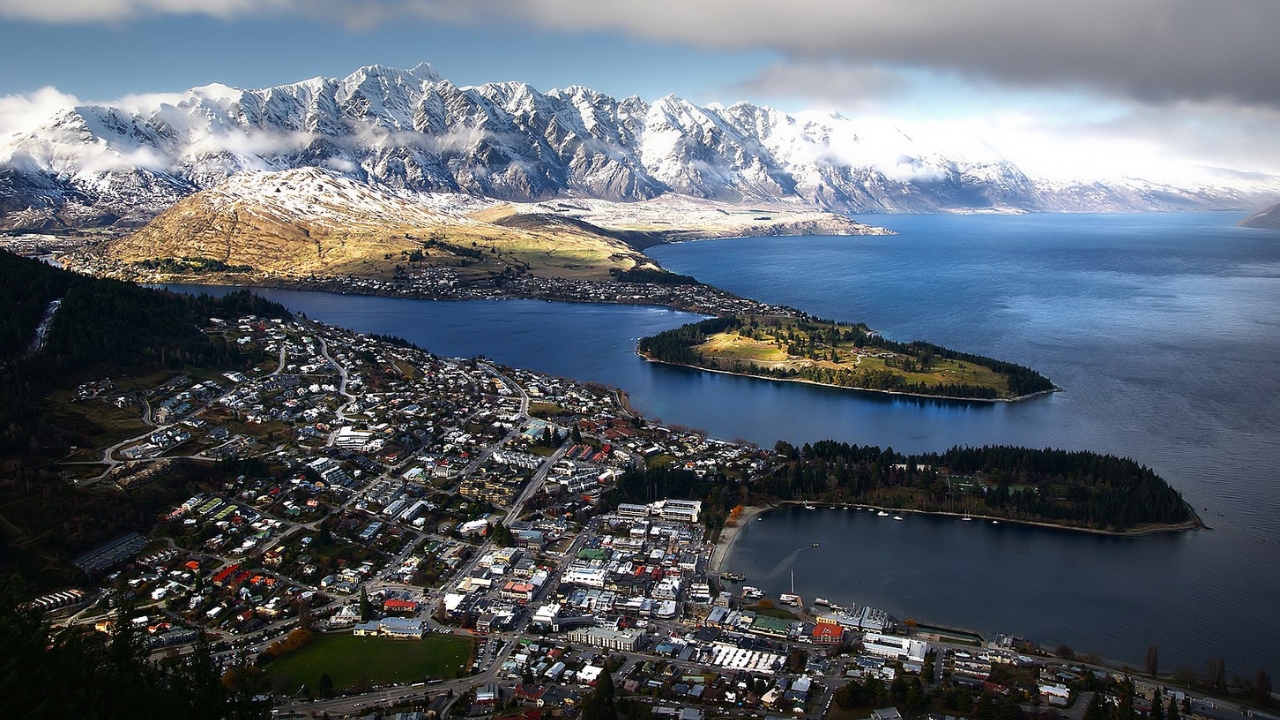
New Zealand has long told visitors that tipping is optional, not expected, and that wages cover service. Outdoor guides, cafe staff, and hotel workers often insist that a simple thank you is enough. Yet in regions built on tourism and adventure activities, gratuities have become more common, especially in high end lodges and organized tours. Receipts and card prompts now invite visitors to add something extra. Locals may still see heavy tipping as an American import, but businesses increasingly rely on that added generosity to stay afloat.